



סידור עיצוב ללא סיכון: הצגת התוצאה לפני הרכישה
לקוח ממעט לקנות עיצוב שאינו יכול לדמיין בתוך הבית שלו. גם לאחר שראה את המוצר באולם תצוגה או בקטלוג, הוא מהסס: האם המידה תתאים, האם הצבע תואם לטפט, האם הפריט ייראה לא במקום?
הספקות הללו גורמים לו לדחות את הרכישה או לחפש חלופה אצל מתחרים שמציעים יותר ביטחון.
מציאות רבודה מסירה את החסם הזה — היא מראה כיצד פריט ספציפי ייראה בחדר האמיתי של הלקוח, בקנה מידה אמיתי ועם תאורה אמיתית. זה הופך ספק להחלטת רכישה.
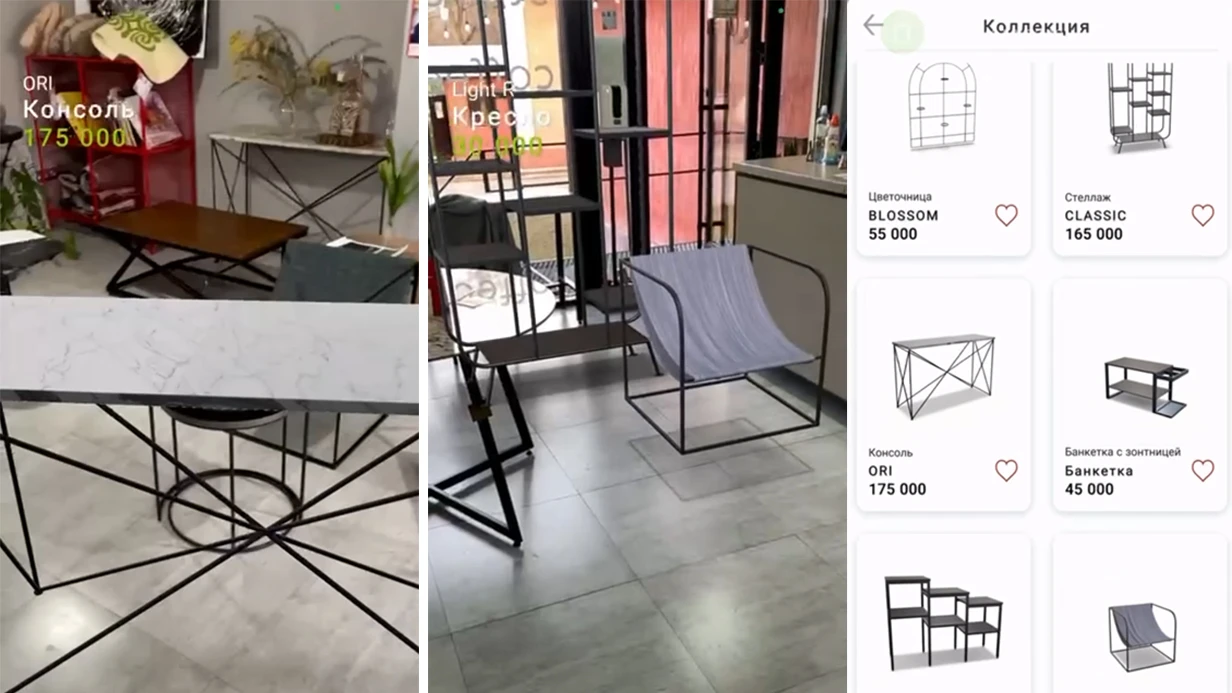
כאשר לקוח רואה ספה, אגרטל או מנורה בסלון שלו, הוא מפסיק לנחש ומתחיל לדמיין את הפריט בחיי היומיום שלו. התהליך הופך ויזואלי ומהיר: כוון את המצלמה — ראה את התוצאה.
סוג זה של ויזואליזציה פנים-ביתית מקצר את הדרך מהתעניינות להזמנה ומפחית באופן ניכר את שיעור ההחזרות, כי הקונה יודע מראש מה הוא מקבל.
עבור עסקים, זה אומר המרה גבוהה יותר והוצאה נמוכה יותר על משיכת לקוחות מהססים. במקום תמונות קטלוג מופשטות, אתם נותנים לאנשים חוויה אישית ומוחשית עם המוצר.
הם כבר חיים מנטלית עם אותו עיצוב, מה שאומר שסביר מאוד שהם יחזרו ויבצעו את הרכישה.
בנינו אפליקציה ניידת המבוססת על ARCore שמשתלבת בחנות המקוונת או באולם התצוגה שלכם. אין צורך בציוד מורכב — רק בסמארטפון של הלקוח ובטכנולוגיית המציאות הרבודה שלנו. זה עובד כטיעון נוסף בעד המותג שלכם וכדרך להתבלט מול המתחרים.
אין צורך להסביר ללקוח איך הטכנולוגיה עובדת. אתם פשוט נותנים לו לכוון את המצלמה לרצפה ולראות איך הפריט הנבחר משתלב בחלל. גישה זו מפחיתה את הפחד מטעות ודוחפת אותו לקנות כאן ועכשיו.
סידור עיצוב הופך ברור ובטוח — וזה בדיוק מה שתופס את תשומת הלב של הלקוח וסוגר את העסקה.
למה מציאות רבודה מגדילה מכירות
קונה אינו יכול לדמיין איך פריט עיצוב ספציפי ייראה בתוך הבית שלו. תמונות וסרטונים רגילים אינם מעבירים קנה מידה, מרקם או איך זה משתלב עם שאר החדר — כך שההחלטה נדחית והעגלה נשארת ריקה.
מציאות רבודה מסירה את החסם הזה: הלקוח ממש "ממקם" את המוצר בחדר שלו ומיד רואה אם הוא מתאים לו.
ברגע שהספק נעלם, ההמרה לרכישה גדלה. אדם עובר מגלישה להזמנה מהר יותר כי הוא כבר מרגיש שהוא הבעלים של הפריט. זה חשוב במיוחד עבור פריטים יקרים או גדולים שבהם הסיכון לטעות מורגש מאוד.
פחות החזרות, פחות אכזבות — הקונה בטוח בהחלטתו, והעסק חוסך בלוגיסטיקה ובעבודה חוזרת.
חוויה זו בונה נאמנות: הלקוח זוכר את המותג שעזר לו לבחור, לא רק מכר לו. האפליקציה הופכת לכלי שימושי שאליו הוא חוזר ברכישה הבאה שלו.
משתמשים מרוצים משתפים את התוצאה עם חברים וברשתות החברתיות — זה יוצר המלצות טבעיות ומחזק את המוניטין של החברה.
לבסוף, מיקום עיצוב ב-AR עצמו הוא סיבה לדבר על המותג. תרחיש אינטראקציה יוצא דופן מבדל אתכם מהמתחרים ומושך את תשומת הלב של מדיה ובלוגרים. כל ניסיון הופך לאירוע מיני שמתפשט מעצמו.
בסופו של דבר, אתם מקבלים לא רק כלי מכירה אלא נכס שיווקי מלא שמניע הכרת מותג וצמיחה בהכנסות.
פורמטים של פתרונות AR לכל עסק
פתרונות AR חדלו מזמן להיות תוספת נוצצת — היום הם כלי עבודה שעוזר למכור, לרתק ולשמר לקוחות.
אבל אותו תרחיש לא מתאים לכל עסק: בעל סלון עיצוב צריך גישה אחת, מארגן תערוכה צריך אחרת, וחנות מקוונת צריכה שלישית.
לכן אנו מפתחים אפליקציות ניידות בפורמטים שונים — מצפייה מהירה במוצר ועד קטלוג אינטראקטיבי מלא.
כדי להקל על הבחירה מאיפה להתחיל, ריכזנו את הפורמטים העיקריים של AR לעסקים. הטבלה שלהלן מציגה את המשימות האופייניות שהם מתאימים להן ואת התוצאה שהלקוח מקבל.
פורמטים של פתרונות AR למשימות עסקיות
| פורמט | למי זה מיועד | מה זה נותן ללקוח |
|---|---|---|
| צפייה מהירה במוצר בתוך הבית | חנויות עיצוב, רהיטים ותאורה | הקונה רואה את הפריט בחדר שלו לפני הרכישה, מהסס פחות ומחזיר מוצרים בתדירות נמוכה יותר |
| סידור עיצוב בחלל | סלונים, מעצבים, משרדי הפקת אירועים | ניתן לתכנן אזור מראש, להזיז אובייקטים ולשנות את מיקומם — פחות טעויות במהלך ההכנה |
| קטלוג אינטראקטיבי | מוכרים סיטונאיים, אולמות תצוגה | במקום ברושורים מנייר, הלקוח גולש בקטלוג עם מודלים תלת-ממדיים ושולח מיד פנייה לפריטים שנבחרו |
| אזור AR בתערוכה או באולם תצוגה | מותגים, מארגני אירועים | המבקרים מתקשרים עם המוצר בעצמם ומשתפים את התרשמותם ברשתות החברתיות — טווח ההגעה של המותג גדל ללא תקציב פרסום |
זו אינה רשימה מלאה — אנו מתאימים את הפורמט לעסק ספציפי. במהלך ייעוץ, נייעץ לכם איזה פתרון AR ישתלם מהר יותר וכיצד לשלב אותו בתהליכי המכירה והשיווק הנוכחיים שלכם.
שלבי פיתוח אפליקציית AR לסידור עיצוב
כל פרויקט מתחיל בשאלה פשוטה: מה בדיוק העובד או הלקוח שלכם אמור לעשות עם האפליקציה?
אנו מבנים את התהליך כך שתשלוט בהתקדמות, תבין את לוחות הזמנים ותראה את התוצאה בכל שלב — מהבריף הראשון ועד ההשקה והתמיכה השוטפת.
- בריף ומטרות. אנו דנים בתרחישי שימוש: היכן יסודר העיצוב — באולם תצוגה, על תצוגה, במשרד; אילו פריטים וקטגוריות נדרשים; איזו חוויה אתם רוצים לתת למבקר. אנו קובעים מטרות וקריטריוני קבלה כדי שלא יהיו חילוקי דעות בסוף.
- אב טיפוס ואישור עיצוב. אנו מציגים את המסכים ואת היגיון האינטראקציה: כיצד המשתמש בוחר פריט, ממקם אותו על הרצפה או השולחן, ומשנה גודל וזווית. אתה מבצע עריכות לפני תחילת התכנות — זה חוסך תקציב וזמן.
- עיצוב ומודלים תלת-ממדיים. אנו מכינים את החומרים הוויזואליים לעיצוב: מודלים מפורטים, טקסטורות, אפשרויות תאורה. אנו מתאימים אותם למידות אמיתיות ולתנאי החדר כך שפריטים ייראו טבעיים ולא "מודבקים" לתמונה.
- פיתוח האפליקציה. אנו יוצרים גרסה יציבה למכשירי היעד: זיהוי רצפה ושולחן, בקרות מגע, סיבוב אובייקטים וקטלוג עם חיפוש. בשלב זה, אתה מקבל אב טיפוס עובד שתוכל להראות לעמיתים או ללקוחות.
- בדיקות ואיתור באגים. אנו בודקים תרחישים על משטחים אמיתיים: פרקט, אריחים, שטיח, ויטרינות. אנו מבטלים אי-דיוקים כך שפריטים לא "קופצים" או הולכים לאיבוד כשהמצלמה זזה.
- השקה ותמיכה. אנו מפרסמים את האפליקציה, מאמנים את הצוות שלכם ומוסרים הוראות ברורות. אנו נשארים בקשר: עדכוני קטלוג, הוספת פריטים חדשים וחידוד תכונות על סמך שבועות השימוש הראשונים.
תוכנית זו עוזרת לך לראות התקדמות בכל שלב ולהבין מראש איך תיראה התוצאה הסופית. כמה ימים לאחר הבריף, כבר יהיה לך אב הטיפוס האינטראקטיבי הראשון — ותוכל להעריך איך נראה סידור עיצוב בחלל אמיתי.
מה כלול במסירה: חבילת השקה מלאה
כאשר אתה מזמין פיתוח של אפליקציית AR לסידור עיצוב, אתה מקבל לא רק קוד מקור אלא מוצר מוכן לשימוש. אנו מטפלים בהכל: מהתקנה ועד תחזוקה, כך שהצוות שלך יכול להתחיל לעבוד ביום ההשקה.
חבילת המסירה כוללת:
-
אפליקציה מוכנה לשימוש — מותקנת על מכשירי העובדים, פועלת ללא תקלות ואינה דורשת ידע בתכנות. המנהלים שלך יכולים מיד להראות ללקוחות איך פריטים ייראו בחדר.
-
ניהול — אתה מנהל את הקטלוג בעצמך: הוסף פריטים, שנה מחירים, הגדר קטגוריות. אין צורך לחכות למפתח עבור עריכות קטנות.
-
תוכן מוכן — מודלים תלת-ממדיים של עיצוב כבר הועלו וכויילו. פשוט פתח את האפליקציה ובחר את הפריט שאתה צריך.
-
הדרכה והטמעה — אנו מקיימים מפגש לצוות שלך ומדגימים תרחישי שימוש. העובדים שולטים בכלי במהירות ונשארים ממוקדים במשימות שלהם.
-
תמיכה טכנית — המומחים שלנו זמינים בשעות העבודה. אנו עוזרים לפתור כל בעיה הקשורה לאפליקציה ומוצאים פתרונות במהירות.
-
עדכוני תוכן — אנו מוסיפים פריטים חדשים או משנים את התצוגה לפי בקשתך. האפליקציה תמיד תואמת למלאי הנוכחי שלך.
-
אחריות — אנו מתקנים שגיאות ללא עלות במהלך התקופה המוסכמת. אתה מוגן ממצבים בלתי צפויים ויכול להיות בטוח בביצועים יציבים.
כל זה הוא חבילת מסירה אחת מלאה. אתה מקבל מערכת עובדת שעוזרת ללקוחות לדמיין עיצוב ולקבל החלטת רכישה ישירות בחנות.
מקרה בוחן: איך AR עזר לסלון רהיטים להגדיל את הסל הממוצע
קונה עיצוב ממעט להיות מוכן לקנות "בעיוורון": הוא דואג אם אגרטל או מנורה יתאימו לפנים. בסלון רהיטים, זה הביא להתייעצויות ארוכות ולהחזרות.
מקרה הבוחן שלנו לסידור עיצוב ב-AR עבור רשת סלונים עוסק באיך פתרנו את נקודת הכאב הזו והגדלנו מכירות.
איך בנינו את הפתרון
יצרנו אפליקציה המבוססת על טכנולוגיית מציאות רבודה: הקונה מכוון את מצלמת הסמארטפון לחדר, בוחר פריט מהקטלוג ורואה אותו בקנה מידה אמיתי.
הוא יכול להזיז את העיצוב, לשנות צבע או גודל — החדר נשאר אמיתי והפריט "משתלב" בו. בעבר, לקוחות צילמו פריטים ונסעו הביתה כדי "לנסות אותם" — רכישות נדחו לעתים קרובות לימים.
עכשיו הבחירה אורכת 5–7 דקות, והיועץ עוזר ללקוח ישירות באולם התצוגה או באמצעות שיחת וידאו. השקנו את הפתרון בשלושה שבועות: שילבנו את הקטלוג, אימנו את הצוות והקמנו טאבלטים בסלון.
תוצאות ומשוב לקוחות
במהלך תקופת הבדיקה של חודשיים, הסל הממוצע גדל ב-23%, ופריטים שנבחרו באמצעות AR הגיעו ל-18% ממבחר העיצוב. ההחזרות ירדו והנאמנות גדלה: לקוחות חזרו לרכישות חדשות והמליצו על הסלון לחברים.
מנהל הרשת הגיב על התוצאות: "אפליקציית ה-AR החזירה את עצמה בחודש הראשון. אנשים נכנסים בשביל פריט ספציפי, לא 'רק כדי להסתכל'. ההתייעצויות התקצרו, והסל הממוצע גבוה יותר".
אנו ממשיכים לתמוך בפרויקט: עדכון הקטלוג, הכשרת צוות ומתן תמיכה טכנית. לאחר תקופת הבדיקה, הסלון הזמין הרחבה לקטגוריות מוצרים אחרות — המדד הטוב ביותר לאמון.
תשובות לשאלות נפוצות על פיתוח AR
לקוחות מהססים לעתים קרובות לפני הזמנת AR: זה נראה יקר, מורכב, והתוצאה בלתי צפויה. בפועל, רוב הפחדים נפתרים בשלב הבריף — כאשר מתברר אילו משימות האפליקציה פותרת וכמה מהר היא מחזירה את ההשקעה.
אספנו את השאלות האופייניות שאנו שומעים מבעלי עסקים ומנהלי שיווק. התשובות יעזרו לך להבין איך אנו עובדים ואילו ערבויות אנו מספקים.
כמה עולה פיתוח אפליקציית AR?
העלות תלויה במערך התכונות ובלוחות הזמנים. אנו תמיד מתחילים בבריף ובהערכה: אתה מקבל אומדן עלות שקוף המחושב לאחר בדיקה, שבה כל משימה קשורה למטרה עסקית.
לעתים קרובות התקציב לכלי AR דומה לקמפיין פרסום בודד, אבל בניגוד לקידום חד-פעמי, האפליקציה ממשיכה לעבוד שנים ומושכת לקוחות ללא השקעה שוטפת.
האם קשה לשלב AR בתהליכים הנוכחיים?
לא. אנו לא רק כותבים קוד — אנו מתאימים את הפתרון לתרחיש שלך. אנו מאמנים עובדים, מכינים הוראות, מגדירים את ההשקה ונשארים בקשר לאחר הפרסום. עבור הצוות שלך, זה נראה כמו כלי פשוט שעובד מעצמו, ואנו מטפלים בכל הצד הטכני.
מה קורה אם האפליקציה לא עובדת?
זהו הסיכון העיקרי, ואנו מכסים אותו באחריות שלנו. לפני ההשקה המלאה, אנו מריצים בדיקה עם קבוצה קטנה של משתמשים, אוספים נתונים ומבצעים התאמות.
אם אנו רואים שהתרחיש אינו מניב את האפקט הצפוי, אנו מציעים חלופה — אנו משנים את המכניקה או את פורמט ההצגה. האחריות כתובה בחוזה, כך שלא תישאר עם מוצר שאינו עובד.
אנו מנהלים כל פרויקט כשותפות: אתה תמיד יודע באיזה שלב נמצאת העבודה, אילו תוצאות הושגו ומה יקרה בהמשך. זה מסיר שאלות על לוחות זמנים, כסף ואיכות — עוד לפני שהחוזה נחתם. אם נותרו ספקות, פשוט כתוב לנו — נבחן את המצב שלך ונמליץ על האפשרות הטובה ביותר.קבל אומדן עלות ותוכנית פרויקט
כדי לדעת כמה עולה פיתוח אפליקציית סידור עיצוב, אין צורך לחכות שבועות להצעה מסחרית. אתה יכול לקבל אומדן עלות ותוכנית פרויקט תוך יום עסקים אחד — ללא התחייבות.
נשאל על הפורמט של האירוע שלך, מספר האורחים והיעדים העסקיים של פתרון ה-AR, ואז נחזור עם אומדן ברור ומפת דרכים ליישום.
השאר פנייה לייעוץ — ונתחיל לעבוד מיד. לאחר פנייתך, תקבל:
- חישוב עלות מדויק למשימה הספציפית שלך, לא טווח "ממ-עד";
- תוכנית פרויקט עם שלבים, לוחות זמנים ואבני דרך;
- המלצות על פורמט ה-AR — לתערוכה, מצגת, אולם תצוגה או אירוע;
- ייעוץ עם מומחה שישאל את השאלות הנכונות וידגיש את הניואנסים;
- דוגמאות לפרויקטים דומים עם תוצאות עבור לקוחות;
- מנהל ייעודי שמלווה אותך מהבריף ועד ההשקה.
אתה יכול לחשב את העלות ולהזמין אפליקציית AR לסידור עיצוב היום. מלא את הטופס — ועד יום העסקים הבא תדע את התקציב, השלבים ולוח הזמנים להשקה. זה ללא התחייבות: אתה מקבל את ההחלטה לאחר ראיית התוכנית והמחיר.
איך לבחור את פורמט ה-AR הנכון למשימה שלך?
בחירת פורמט AR מתחילה לא בטכנולוגיה אלא במשימה שאתה פותר. אם אתה צריך ללכוד לחלוטין את תשומת הלב של אדם ולחסל הסחות דעת — מציאות מדומה היא הבחירה הנכונה.
אם העדיפות היא להראות איך אובייקט משתלב בחלל אמיתי — מציאות רבודה היא התשובה. וכאשר מספר משתתפים צריכים לתקשר עם אובייקטים דיגיטליים בחלל משותף — מציאות מעורבת היא הדרך.
הגדר מי המשתמש שלך והיכן מתרחשת האינטראקציה. עבור סידור עיצוב, AR היא הבחירה ההגיונית ביותר: הקונה או הלקוח מכוון את המצלמה לחדר ורואה איך רהיט, תאורה או עיצוב ייראו לפני הרכישה.
אם המוצר מורכב, למשל פנים של דירה שלמה, אותו פורמט מאפשר "לנסות" אפשרויות שונות ללא דוגמיות פיזיות.
לאחר מכן הערך את התרחיש: קידום חד-פעמי או כלי קבוע. לאירועים קצרי טווח, מסכות AR פשוטות ומסננים שמייצרים טווח הגעה ברשתות החברתיות יספיקו. למכירות שוטפות ועבודה עם לקוחות — אפליקציה ניידת מלאה עם קטלוג וויזואליזציה בזמן אמת.
ככל שהכלי מביא יותר ערך לפעילות היומיומית, כך הפתרון צריך להיות חזק ואמין יותר.
וזכור: לא משנה איזה פורמט תבחר — VR, AR או MR — הערך שלו מוגדר לא על ידי חידוש אלא על ידי תועלת עסקית קונקרטית. קבלת החלטות מהירה יותר, פחות החזרות, סל ממוצע גבוה יותר, יותר הזמנות חוזרות — כל אלה תוצאות מדידות.
אנו עוזרים לך להחליט במהלך ייעוץ: אתה מתאר את המשימה, ואנו בוחרים את הפורמט שפותר אותה בעלות מינימלית ובתשואה מקסימלית.
לאורך השנים ראינו עשרות מקרים דומים ויודעים איזו אפשרות מתאימה לעסק הספציפי שלך — מבלי לשלם יותר מדי עבור תכונות מיותרות.