



מדוע ויזואליזציה אדריכלית פותרת את נקודת הכאב המרכזית של היזם
יזם משקיע משאבים רציניים בתכנון ובנייה של מתחם מגורים חדש, אבל בתחילת המכירות הקונה רואה רק בור בנייה ותמונות סטטיות באתר.
קשה לו לדמיין איך הבניין ייראה, מה יהיו תכניות הקומות, כמה אור יקבלו הדירות — וזה הופך לחסם המרכזי להחלטת הרכישה.
אבל דווקא בשלב הזה נוצרים הרושם הראשוני מהפרויקט והרצון להפוך לבעלי דירה.
בזמן שהלקוח מהסס, הוא בוחן הצעות של מתחרים. יזם שלא השקיע בויזואליזציה אדריכלית איכותית מאבד לידים ומכירות של דירות חדשות עוד לפני מסירת הנכס.
כל יום של עיכוב משמעותו החמצת הזמנות ולקוחות שעוברים לאלה שיודעים להציג פרויקט בצורה משכנעת.
הטכנולוגיה המודרנית פותרת את הבעיה הזו. AR לנדל"ן מאפשר לראות את הבניין העתידי בקנה מידה אמיתי ממש באתר, להעריך את החוץ, את תכנית הדירה ואת הנוף מהחלונות.
הקונה יכול להסתובב בחדרים וירטואליים, לשנות את הגימורים ולראות איך האור נופל בבוקר ובערב. זה עובד לא רק באולם התצוגה אלא גם בסמארטפון — פשוט מכוונים את המצלמה לתכנית האתר ומקבלים תמונה מלאה של הבית העתידי. החוויה הזו מסירה את הפחד המרכזי: "מה אם זה לא ייראה כמו ההדמיות."
ויזואליזציה אדריכלית כזו בונה אמון ביזם, מקצרת את זמן קבלת ההחלטות ומעלה את ההמרה לעסקאות בתחילת המכירות. הלקוח מגיע לביקור כבר מוכן רגשית לקנות — כל מה שנשאר זה לחתום על החוזה.
בהשקעה ב-AR היום, היזם משיג יתרון על פני מתחרים ומכירות יציבות עוד לפני סיום הבנייה. זו השקעה במוניטין שממשיכה לעבוד שנים, מחזירה קונים ומושכת חדשים דרך הפניות.
שלושה יתרונות מרכזיים של אפליקציית AR לנכס שלך
מכירת נכס בשלב בור היסוד היא תמיד אתגר עבור יזם: הקונה רואה רק אתר בנייה ולא יכול לדמיין איך תיראה הדירה או המשרד העתידיים שלו.
בדיוק כאן אפליקציית AR הופכת לגשר בין התכניות על הנייר לחוויה האמיתית של הלקוח.
היא מציבה מודל וירטואלי של הבניין על גבי החלל האמיתי — והאדם רואה את הנכס בקנה מידה 1:1 באתר, מעריך נופים מהחלונות, אור יום ותכניות עתידיות.
גישה זו מזרזת את קבלת ההחלטות: במקום שרטוטים מופשטים, יש תמונה ברורה שמעוררת אמון.
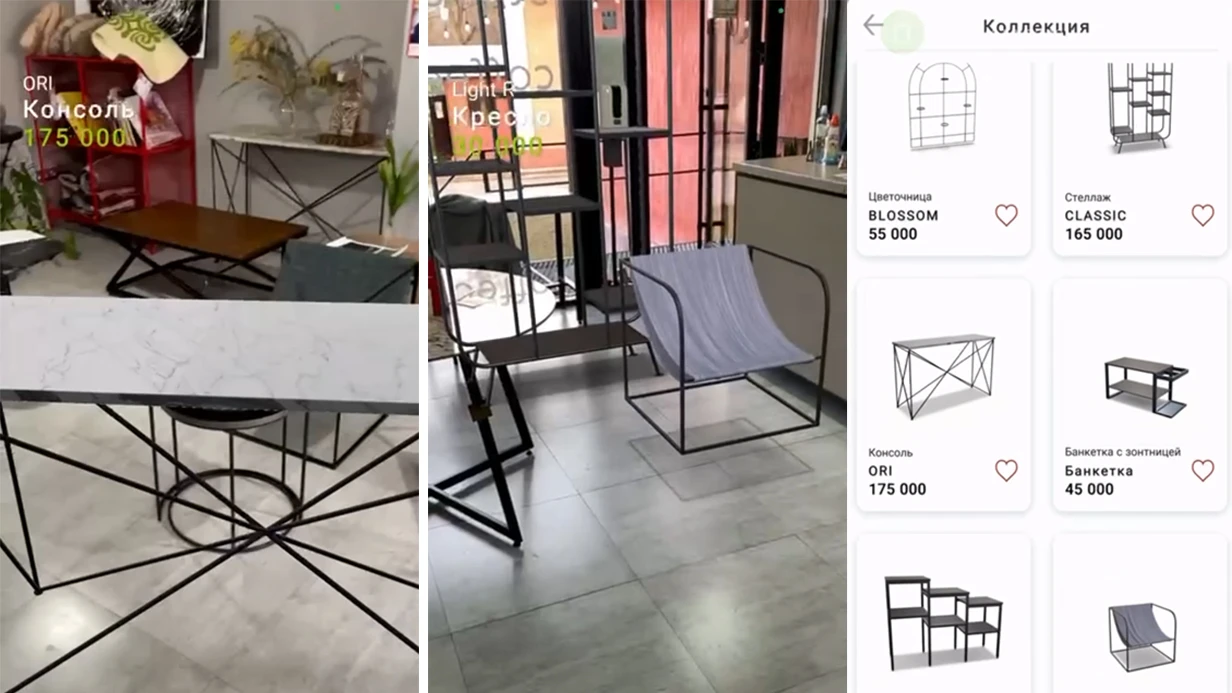
היתרון הראשון עבור היזם הוא מכירות גם בשלב הבנייה. הקונה יכול "להסתובב" בדירה העתידית, להדליק אורות, לבחור גימורים ואפילו לסדר רהיטים.
זה הופך את המצגת לדיאלוג חי: אתה מציג את הנכס לא על תכנית אלא בחלל האמיתי, והלקוח בוחן אותו מול החיים שלו.
משקיעים וקונים מבקשים פחות פגישות נוספות ועוברים להזמנה מהר יותר — אתה חוסך זמן של אנשי המכירות ומקצר את מחזור העסקה.
היתרון השני הוא החזקת תשומת הלב של משקיעים ובעלי מניות. הדמיות רגילות ותמונות סטטיות נסרקות תוך שניות. אבל מודל תלת-ממדי אינטראקטיבי דורש השתתפות: האדם מחליף קומות, מזיז קירות ובוחר אפשרויות תכנית בעצמו.
זה מעסיק אותם 5–10 דקות יותר מאשר דפדוף בברושור ויוצר חיבור רגשי לנכס. בזמן שהקונה הפוטנציאלי "משחק" עם הבניין שלך, הוא כבר מחזיק בו מנטלית.
היתרון השלישי הוא חיזוק השיווק הבנייתי. אפשר להשתמש באפליקציית AR בתערוכות, באולם התצוגה, באתר וברשתות החברתיות: מבקרים סורקים קוד QR ורואים את הנכס שלך בסביבה שלהם.
כלי לא שגרתי כזה מעלה את ההכרה בפרויקט, מספק תוכן לניוזלטרים ובלוגים, והכי חשוב — מבדל אותך מיזמים שעדיין מראים לקונים תמונות.
כבר יישמנו פתרונות דומים למתחמי מגורים ולנכסים מסחריים — ספר לנו על המשימה שלך, ואנחנו נציע תרחיש שמתאים לפרויקט שלך.
פורמטים של אפליקציות AR לצרכים שונים של לקוחות
כל משימה באדריכלות ובנדל"ן דורשת דרך משלה להצגת הנכס. מה שעובד טוב למשא ומתן במשרד לא מתאים לסיור באתר, וקונה צריך תרחיש שונה לחלוטין.
לכן אנחנו מחלקים פתרונות AR לפורמטים — מצפייה מהירה במודל ועד מדריך נייד מלא.
הפורמט נבחר לפי מי ישתמש באפליקציה ואיך. להלן האפשרויות המרכזיות עבור משרדי אדריכלות, יזמים ובעלי בניינים.
| פורמט | למי | מה הוא נותן ללקוח |
|---|---|---|
| צפייה במודל תלת-ממדי ב-AR | משרד אדריכלות, יזם | הצגת הפרויקט באתר בפועל — ללא מודל פיזי או הדפסות יקרות. פשוט מכוונים מצלמת סמארטפון, והמודל ננעל בקנה המידה הנכון. |
| עיגון לאתר | יזם, קבלן | הדגמת המתחם העתידי ממש באתר. הקונה רואה את מספר הקומות, הגבולות והאור, מה שמגביר את האמון בפרויקט ומקצר את זמן העסקה. |
| ויזואליזציה אינטראקטיבית | מחלקת מכירות, שיווק | מעבר בין תכניות, חומרי חזית וגימורים בזמן אמת. איש המכירות מתאים אפשרות לבקשת הלקוח במהלך הפגישה, מה שמזרז את הבחירה. |
| מדריך נייד לנכס | חברת ניהול, מוזיאון, מרכז עסקים | סיור בבניין עם נקודות עניין: היסטוריה, פתרונות הנדסיים, ניווט. המבקר חוקר את הנכס בעצמו במקום לחכות למדריך. |
שלבי פיתוח אפליקציית AR לפרויקט
אנחנו מתחילים בהתעמקות במשימה שלך: אנו מנתחים איך בדיוק המשתמשים צריכים לראות את הנכס האדריכלי — באילו מכשירים, באיזה הקשר ולשם מה. זה משפיע ישירות על לוח הזמנים לפיתוח אפליקציית AR מותאמת אישית ועל בחירת הפורמט הנכון.
-
בריף וניתוח — אנו מגדירים את המשימות: מודל הבניין, היקף האינטראקציה וקהל היעד. בשלב זה מתברר כמה זמן ייקח יצירת אפליקציית AR ואילו כלים יידרשו.
-
אב-טיפוס ותרחישים — אנו מראים איך המשתמש יפתח את האפליקציה, יכוון את המצלמה ויראה את הוויזואליזציה האדריכלית: הליכה סביב הבניין, מעבר בין קומות, בחירת חומרים. אתה מאשר את ההיגיון לפני תחילת הפיתוח — בלי הפתעות בשלב הסופי.
-
עיצוב ממשק — אנו מעצבים את המסכים והפקדים בהתאם למותג שלך. המשתמש צריך להבין מיד איפה להקיש ומה יקרה, בלי הוראות או הדרכה.
-
פיתוח יכולות AR ואינטגרציה — אנו בונים את האפליקציה על כלי AR מקצועיים שמבטיחים ביצועים יציבים בסמארטפונים של המבקרים. אנו מחברים את המודל התלת-ממדי, טיפול במגע והצגת מידע על תכניות וחומרים.
-
בדיקות על מכשירים אמיתיים — אנו מוודאים את דיוק מיקום המודל, מהירות הטעינה והתנהגות בתנאי תאורה שונים. אנו מתקנים בעיות לפני הפרסום כדי שלקוחות לעולם לא ייתקלו בשגיאות.
-
פרסום ומסירה — אנו מפרסמים את האפליקציה בחנויות, יוצרים קישור התקנה פרטי ומוסרים גישה. אתה מקבל כלי מוכן להצגה בתערוכה, באולם תצוגה או באתר הפרויקט.
-
תמיכה ואנליטיקה — לאחר ההשקה אנו עוקבים אחר ביקורות, מעדכנים תוכן ומשכללים תרחישים. לוחות הזמנים קבועים בחוזה; פרויקט טיפוסי אורך שבועיים עד ארבעה שבועות.
התוצאה: אתה לא רק מזמין פיתוח אפליקציית AR — אתה מקבל תהליך שקוף עם נקודות בקרה בכל שלב. אנחנו נשארים בקשר לאחר ההשקה כדי שהוויזואליזציה האדריכלית תעבוד בצורה אמינה ותספק ערך ללקוחות שלך.
תוצרים: מה כלול בפרויקט AR
התוצרים מעוצבים כך שתקבל לא רק אפליקציה אלא כלי שלם להצגת פרויקטים אדריכליים. הרכבנו חבילה שמכסה את כל השלבים: מההשקה הראשונית ועד עבודה יומיומית עם ויזואליזציית AR. להלן מה שתקבל עם סיום הפרויקט.
- אפליקציית AR מוכנה לפרסום: גרסה מהודרת ל-iOS ולאנדרואיד שעובדת על המכשירים של הלקוחות שלך ואינה דורשת מהם התקנות תוכנה נוספות.
- חומרי מקור של הפרויקט: מבנה קוד, תיאור ארכיטקטורה וגישה לריפוזיטורי — כך שהצוות שלך יוכל לפתח את המוצר איתנו או עם קבלן אחר.
- פאנל ניהול לניהול תוכן: אתה מעלה פרויקטים, תכניות וויזואליזציות חדשים בעצמך, בלי לפנות למפתחים.
- מדריך השקה והגדרה: מדריך שלב-אחר-שלב לעובדים ולשותפים, שאיתו ההשקה הראשונה אורכת דקות.
- הדרכה לצוות שלך: מפגש קצר שבו אנו מראים איך לעבוד עם האפליקציה והפאנל ועונים על שאלות.
- חבילת תמיכה טכנית: סיוע לאחר ההשקה, עדכונים לגרסאות מכשירים חדשות ותיקונים מהירים אם משהו משתבש.
- תיעוד לחנות האפליקציות: טקסטים, צילומי מסך והגדרות כך שהפרסום יעבור בלי איטרציות נוספות.
החבילה כולה נמסרת עם תעודת קבלה — אתה מקבל כלי עובד ואת הידע איך להשתמש בו. כל מה שנשאר זה להראות את האדריכלות ללקוחות ולשותפים, והצד הטכני נשאר אצל התמיכה שלנו.
מקרה בוחן: ויזואליזציה אדריכלית האיצה מכירות דירות
יזם ראה מכירות דירות גדלות גם בשלב בור היסוד — אבל ויזואליזציה של השכונה העתידית הייתה בעיה. קונים לא יכלו לדמיין את התכנית, החזיתות והנופים מהחלונות משרטוטים והדמיות, ולכן הם היססו ודחו את ההחלטה.
הצענו לסגור את הפער הזה עם אפליקציית AR ניידת: מכוונים את המצלמה לתכנית או למודל — ורואים את הבניין בקנה מידה אמיתי, מסתובבים סביבו מצדדים שונים ומסתכלים פנימה לדירה.
התוצאה עלתה על ציפיות הלקוח. האפליקציה שימשה לא רק במשרד המכירות אלא גם בתערוכות ובברושורים פרסומיים — וסיפקה חשיפה נוספת בלי להרחיב את תקציב השיווק.
מה השתנה עבור היזם
מחזור העסקה הממוצע התקצר ב-25–30%: קונים ראו מיד את התוצאה הסופית ובילו פחות זמן בהתלבטויות. ההמרה מפנייה לביקור במשרד הוכפלה בערך — אנשים רצו "לראות חי" את הדירה העתידית דרך האפליקציה.
האפקט הנוסף היה ויראליות. כל מבקר הראה את ויזואליזציית ה-AR למשפחה וחברים, מה שיצר פניות חדשות. שלושה חודשים לאחר ההשקה, היזם הזמין הרחבה של הפרויקט לשלבי הבנייה הבאים.
מספרים שמדברים בעד עצמם
- ההמרה לשיחות וביקורים גדלה פי 1.8 בהשוואה לתכניות רגילות.
- זמן בחינת הנכס צנח פי שלושה — מ-20 דקות ל-7–8 דקות לדירה.
- בקשה חוזרת להרחבת האפליקציה הגיעה עוד לפני סיום השלב הראשון.
הניסיון הראה: ויזואליזציית AR עובדת כערוץ מכירות עצמאי, לא רק כ"גימיק נחמד". כשקונה רואה את הדירה העתידית בקנה מידה אמיתי, האמון ביזם גדל וההתנגדות "לא ברור מה זה יהיה" נעלמת.
רוצה את אותה תוצאה בפרויקט שלך? נתאים את הפתרון לנכס שלך ונעזור לשלב אותו בערוצי המכירות הקיימים שלך — מהמשרד ועד האתר.
תשובות לשאלות נפוצות על פיתוח AR
אנחנו מבינים שלקוחות שואלים על לוחות זמנים, תאימות, עלות ודיוק של ויזואליזציה אדריכלית. אנחנו עונים על החששות המרכזיים כדי שתוכל לקבל החלטה בלי פרטים טכניים.
כמה זמן לוקח לפתח אפליקציית AR לויזואליזציה אדריכלית?
לוח הזמנים תלוי במורכבות ובמספר הנכסים. פרויקט טיפוסי אורך 3 עד 6 שבועות: כמה ימים הולכים לבריף והכנה, אחר כך נוצר אב-טיפוס, ובתוך כמה שבועות אתה רואה את התוצאה הראשונה על המסך. אחרי זה באים ניפוי באגים והשקה.
אנחנו תמיד מגדירים את השלבים ונותנים לוחות זמנים ריאליים לפני שמתחילים, כך שאין הפתעות.
באילו מכשירים האפליקציה תעבוד?
אנחנו בונים אפליקציות לפלטפורמות המובילות — iOS ואנדרואיד. העובדים או הלקוחות שלך יכולים להשתמש בסמארטפונים ובטאבלטים רגילים, בלי צורך בציוד מיוחד.
אם אתה צריך גרסה לא מקוונת לתערוכה או לאולם תצוגה, גם זה אפשרי — הכל נדון בבריף.
כמה מדויקת הוויזואליזציה, והפרופורציות לא "ייסחפו"?
דיוק הוא באחריותנו. אנחנו משתמשים בתוכנת מידול תלת-ממדי מקצועית וקושרים את המודל למידות האמיתיות של הנכס. שולי השגיאה אינם מורגשים ויזואלית: קירות, חלונות ותכניות נראים בדיוק כמו בשרטוטים.
תוכל להראות ללקוחות את הפרויקט כפי שייראה במציאות — זה בונה אמון ומזרז אישורים.
כמה עולה פיתוח אפליקציית AR, ומה מרכיב את המחיר?
העלות תלויה במספר הנכסים, באינטראקטיביות ובשאלה אם נדרשת אינטגרציה עם המערכות שלך. אנחנו מחשבים כל משימה בנפרד ותמיד מציעים הערכה שקופה לפני תחילת העבודה: אנחנו מצהירים על מחיר קבוע ולא מוסיפים עמלות נסתרות.
להערכה ראשונית, פשוט תאר את המשימה שלך — ניתן לך נתון משוער תוך יום.
קבל ייעוץ להתחלת הפרויקט שלך
אתה כבר חושב על ויזואליזציה אדריכלית ב-AR אבל לא יודע מאיפה להתחיל? השאר פנייה — נייעץ לך על התחלת הפרויקט, ננתח את המשימה שלך ונציע גישה לעבודה.
במהלך הייעוץ אנחנו מדברים בשפת העסקים: אילו משימות AR פותר בתחום שלך, איך לשלב את האפליקציה בתהליכי המכירות או ההצגה הקיימים שלך, ואיך להימנע מטעויות אופייניות בהתחלה.
זו לא הרצאה טכנית — זה סקירה מעשית של המקרה שלך עם תרחישי שימוש ספציפיים.
מה אתה מקבל אחרי השיחה הראשונה:
- הערכת פרויקט: לוחות זמנים ריאליים, שלבים והרכב הצוות הנדרש.
- בחירת פורמט: AR נייד, אולם תצוגה VR או פתרון MR — מותאם ליעדים העסקיים ולתקציב שלך.
- דוגמאות לפרויקטים שהושלמו לאדריכלות ובנייה, קרובים לתחום שלך.
- המלצות לשילוב האפליקציה עם הקטלוגים, האתר וה-CRM שלך — בלי ארגון מחדש מיותר של תהליכים.
- תכנית השקה ברורה: מהבריף ועד פרסום בחנויות האפליקציות.
- תמיכה מורחבת לתקופת ההשקה הראשונית עבור הלקוחות הראשונים שלך.
השאר פנייה לייעוץ AR — תוך 30 דקות תבין איך להפוך רעיון לכלי עובד שמושך לקוחות חדשים ומגביר את הנאמנות של הקיימים.
ניצור קשר תוך יום עסקים אחד, נמצא זמן נוח לשיחה ונענה על כל השאלות שלך.
מה אם יש לי משימה לא סטנדרטית?
עבור לקוח, משימה לא סטנדרטית היא לא בעיה אלא הזדמנות לקבל בדיוק מה שהעסק שלו צריך. פתרונות סטנדרטיים מכסים את רוב הבקשות, אבל לעתים קרובות דווקא פרויקט AR אישי מספק את היתרון שמבדל חברה מהמתחרים. אנחנו מבינים את זה ומתייחסים לזה כמצב עבודה רגיל.
אנחנו מתחילים עם בריף: אתה מספר לנו איזו משימה אתה פותר, למי ולפי אילו אילוצים. על סמך זה אנחנו מציעים ארכיטקטורת פתרון, אפשרויות יישום ואומרים בכנות מה אפשרי ומה ידרוש פשרות.
התאמה ללקוח מתרחשת בכל שלב — מפיתוח התרחיש ועד לפורמט התוצר הסופי.
דרישות מיוחדות עשויות להתייחס לא רק לפונקציונליות אלא גם לעיצוב החזותי, למכשירים שעליהם האפליקציה תפעל או לאופן האינטגרציה עם המערכת שלך. אנחנו לא מנסים "לדחוס" את המשימה שלך לפתרון מוכן.
פרויקט AR אישי בביצוע שלנו הוא תהליך שבו העסק שלך נשאר המנוע, והמומחים שלנו מספקים את הכלים להשגת המטרה.
אם אתה צריך גרסת הדגמה לבדיקת השערה, נבנה אחת. אם נדרשת הרחבה למספר גדול של משתמשים, אנחנו מתחשבים בזה מראש. גישה זו חוסכת זמן ותקציב כי אנחנו מסירים סיכונים טכניים לפני שלב הפיתוח המרכזי, לא במהלך ההשקה.
משימה לא סטנדרטית היא אזור הצמיחה המקצועית שלנו. ככל שהבקשה מעניינת יותר, כך אתה מקבל יותר ערך: מעורבות גבוהה של הלקוחות שלך ופתרון שאי אפשר להעתיק. ספר לנו על הפרויקט שלך — יחד נמצא דרך לגרום לו לעבוד.