



הדמיית AR של פרויקט שיפוץ
עבור לקוח שיפוצים, הפחד הגדול ביותר הוא לקבל משהו שונה ממה שראה בתמונה. שרטוטים והדמיות תלת-ממד על מסך משאירים מקום לדמיון, והפער בין הציפיות לתוצאה בפועל מוביל למחלוקות, עבודות חוזרות ואובדן אמון.
מציאות רבודה סוגרת את הפער הזה. אפליקציית AR לשיפוצים מציגה את הפנים העתידי ישירות בחדר האמיתי: עם קנה מידה מדויק, צבעי גימור ופריסה.
הלקוח מסתובב בחדר, רואה איך ייראה המטבח או הסלון, ומקבל החלטה לפני שהעבודה מתחילה.
עבור בעל עסק, הדמיית AR לשיפוצים היא כלי שמאיץ את אישור הפרויקט ומפחית את מספר התיקונים.
במקום תיאורים ארוכים והדפסות — תמונה ברורה שגורמת ללקוח להסכים מהר יותר, בעוד ששווי ההזמנה הממוצע והביטחון בהחלטה גדלים.
אנחנו מפתחים פתרונות ניידים המבוססים על טכנולוגיית מציאות רבודה, המותאמים לצרכים של חברת שיפוצים. אנחנו מתכננים את תרחיש השימוש, מעצבים את הממשק, ומקלים על הלקוח לצפות בפרויקט בסמארטפון האישי שלו — לפני שהעבודה מתחילה.
מה מקבלים מאפליקציית AR לעסק שלך
כשלקוח מתכנן שיפוץ, החלק הקשה ביותר עבורו הוא לדמיין את התוצאה. מעטים מבינים שרטוטים ותוכניות, ותמונות רגילות לא מראות איך ייראו הקירות והרצפה מבפנים החדר.
אפליקציית AR פותרת את הבעיה הזו: היא מרכיבה את הפנים העתידי על החלל האמיתי, והלקוח רואה הכל בעיניים שלו.
הדמיה כזו היא כלי חזק לבניית אמון. אנשים חוששים מעבודות חוזרות ואי-התאמות, ולכן הם לעיתים קרובות דוחים את ההחלטה או בוחרים בחברות "מוכחות". הראו את השיפוץ העתידי לפני שהעבודה מתחילה — והפחד נעלם.
הלקוח מבין שאתם מספקים בדיוק את מה שהוא רוצה, ואתם מפחיתים את מספר התיקונים והמחלוקות.
ההדמיה משפיעה ישירות על מכירות שירותי השיפוץ. כשאדם רואה איך נראית התוצאה, הוא מוכן יותר להסכים לעבודות נוספות: מערכות חשמל מורחבות, תאורה, אלמנטים דקורטיביים.
אפשר גם להראות חלופות: אותו חדר עם גימורים שונים. זה מגדיל את שווי ההזמנה הממוצע ועוזר להעלות את רווחיות הפרויקט.
אסור גם לשכוח את המודעות למותג. אפליקציית AR נראית היי-טק ומעוררת עניין אמיתי. לקוחות משתפים סרטונים וצילומי מסך עם חברים, מפרסמים אותם ברשתות החברתיות — ומעניקים למותג שלכם פרסום חינם.
חברה שמשתמשת בכלים מודרניים נתפסת כמובילה פרוגרסיבית שלקוחות חוזרים אליה וממליצים עליה לאחרים.
פורמטים של פיתוח אפליקציית AR למשימה שלך
אילו פתרונות נדרשים כדי שהלקוח יראה את השיפוץ העתידי לפני שהעבודה מתחילה?
סקיצות רגילות ותמונות תלת-ממד נשארות "על הנייר", בעוד שפורמט ה-AR מכניס את הפרויקט מיידית לחלל האמיתי — אדם מזיז את הסמארטפון שלו סביב החדר ורואה את הגימורים החדשים, את השינוי בפריסה ואת הרהיטים במקומם.
אנחנו מציעים פורמטים שונים — מאפליקציה ניידת מלאה ועד גרסת דפדפן ללא צורך בהתקנה. הבחירה תלויה במשימה: להראות את הפרויקט לקהל רחב, לשלב הדמיה בהצעה מסחרית, או לתת ללקוחות קטלוג חומרים. הטבלה שלהלן תעזור לכם לקבוע איזו אפשרות מתאימה לכם.
| פורמט | למי מיועד | מה הוא נותן ללקוח |
|---|---|---|
| אפליקציית AR ניידת | סטודיו לעיצוב, חברות שיפוצים | הלקוח רואה את השיפוץ העתידי בדירה שלו לפני שהעבודה מתחילה: אמון בפרויקט, פחות תיקונים ועבודות חוזרות. |
| Web-AR בדפדפן | מנהלי מכירות, מחלקות שיווק | עובד דרך קישור ללא התקנה — אפשר להראות את ההדמיה בהודעה או בפגישה תוך דקות ספורות. |
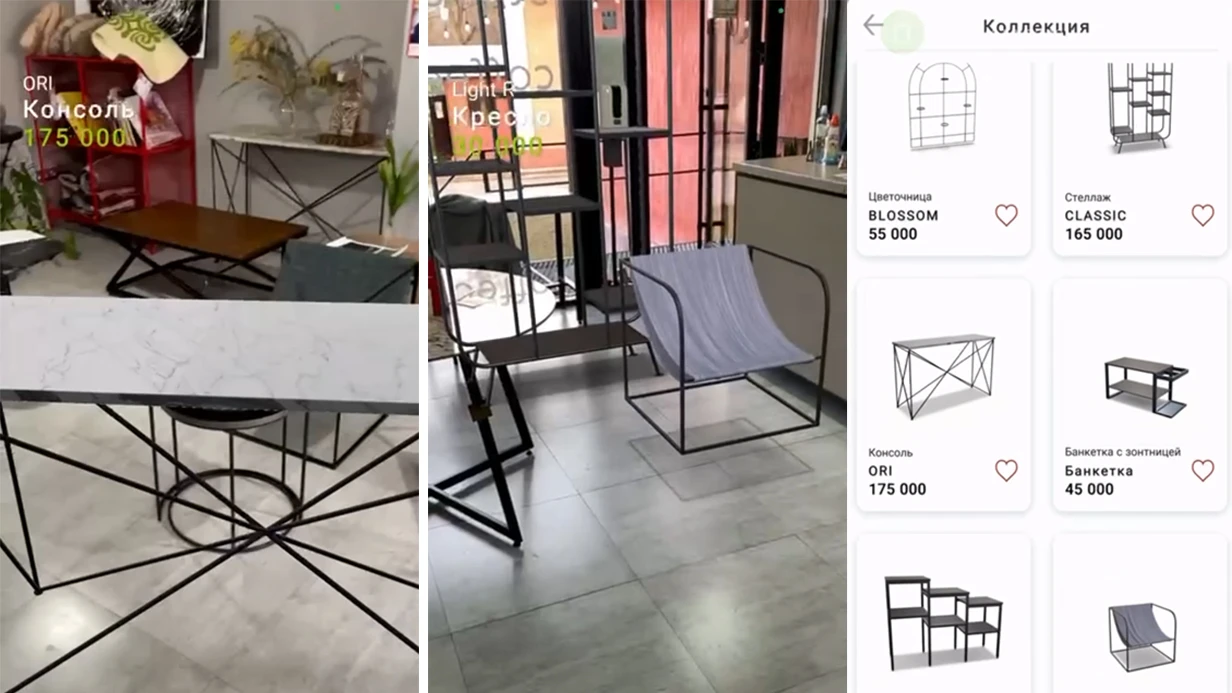
| קטלוג חומרים ב-AR | אולמות תצוגה לקרמיקה, ריצוף וריהוט | הקונה "מרכיב" דוגמה על הפנים שלו, בוחר מהר יותר ומשלם בביטחון רב יותר. |
| מדריך הרכבה ב-AR | מותגי רהיטים, מחלקות שירות | מציג בבירור את רצף העבודה, מפחית קריאות למוקד ותקלות הרכבה. |
בכל אחד מהתרחישים האלה, אנחנו לוקחים על עצמנו את עיצוב התרחיש, הכנת תוכן תלת-ממדי ובדיקות על מכשירים. אתם לא צריכים להיכנס לפרטים טכניים — אתם מקבלים כלי שמשתלב במשפך המכירות שלכם והופך את הדמיית פרויקט השיפוץ ליתרון תחרותי שלכם.
איך אנחנו יוצרים אפליקציית AR למשימה שלך
העבודה על אפליקציית AR להדמיית שיפוצים מתחילה לא בקוד אלא במטרה העסקית שלכם. אנחנו צריכים להבין איך תציגו את הפרויקט ללקוח: בשלב החוזה, אחרי מדידות, בבחירת חומרים, או במסירת הפרויקט. זה קובע את התרחישים, הממשק ולוח הזמנים.
בכל שלב, אתם רואים את התוצאה ומאשרים החלטות — שום דבר לא נעשה בעיוורון. הפיתוח המקצה-לקצה מורכב מהשלבים הבאים:
- בריף והתעמקות במשימה — אנחנו דנים בקהל שלכם, במטרות ובתרחישים, ולומדים דוגמאות מהפרויקטים שלכם.
- אב-טיפוס תרחיש — הלקוח "מסתובב" בדירה העתידית: מכוון את המצלמה לקיר, מחליף גימורים, צופה בפריסה.
- קונספט עיצובי — אנחנו מסכמים על ממשק שתואם את המותג שלכם, כך שהאפליקציה מחזקת את האמון בחברה שלכם.
- בניית מודול AR — אנחנו מגדירים זיהוי חדר ועיגון מודל תלת-ממדי לחלל האמיתי באמצעות ציוד מקצועי.
- בדיקות בשטח — אתם והמנהלים שלכם מנסים את האפליקציה בדירה אמיתית ומבצעים התאמות לפני ההשקה.
- השקה והדרכה — אנחנו מפרסמים את האפליקציה, מכינים הוראות ומדריך עזר כדי שהצוות שלכם יוכל להשתמש בה מהימים הראשונים.
- תמיכה שוטפת — אנחנו נשארים בקשר, מעדכנים את קטלוג החומרים ומוסיפים פונקציות ככל שהעסק שלכם גדל.
כל שלב פיתוח מסתיים באישור — אתם שולטים בתהליך ובתקציב. פרויקט סטנדרטי אורך 4-8 שבועות — והתוצאה נשארת אצלכם: האפליקציה עובדת על טאבלט למשא ומתן ועל הטלפון של הלקוח.
מה כלול במסירת פתרון ה-AR
אנחנו מוסרים לא רק אפליקציה אלא כלי מוכן לשימוש שהצוות שלכם ישתמש בו כל יום. המסירה כוללת את כל מה שצריך כדי להשיק הדמיית פרויקט שיפוץ ללא גיוס קבלנים וללא תשלומים נסתרים.
- אפליקציית AR מוכנה תחת המותג שלכם: הלקוח מכוון את המצלמה לפריסת החדר ורואה את השיפוץ העתידי — סידור רהיטים, צבעי קירות, ריצוף. ישירות בטלפון, ללא התקנת תוכנה נוספת.
- קוד מקור וזכויותיו: אתם הבעלים המלאים של הפתרון. במידת הצורך, תוכלו לשנות את האפליקציה עם צוות משלכם או למסור אותה למפתח אחר — ללא נעילה אלינו.
- תיעוד והוראות: תיאור פירוט העבודה, מבנה הפרויקט ונהלי עדכון. הכל כתוב בשפה פשוטה כך שמחלקת ה-IT שלכם או קבלן חיצוני יוכלו להתעדכן במהירות.
- הדרכת צוות: אנחנו מקיימים מפגש למנהלים ומעצבים — מראים כיצד להעלות אפשרויות גימור חדשות, לשנות פריסות ולפרסם עדכונים. העובדים מתחילים לעבוד באופן עצמאי מהיום הראשון.
- תמיכה טכנית ואחריות: לאחר ההשקה, אנחנו נשארים בקשר, מתקנים באגים ועוזרים בשיפורים במהלך תקופת האחריות. אתם אף פעם לא נשארים לבד עם המוצר.
- פרסום בחנויות האפליקציות: אנחנו מטפלים בהעלאה ל-App Store ול-Google Play, כולל הכנת תיאורים וצילומי מסך. הלקוחות שלכם יכולים להתקין את האפליקציה דרך קישור ישיר.
כל המסירה ארוזה בשני שלבים: החודש הראשון — פיתוח ואישור; השני — הדרכה והשקה. אתם מקבלים כלי עובד, לא "קבצי מקור על דיסק": העובדים מוכשרים, התהליכים מתועדים, והאפליקציה מפורסמת.
זה בדיוק מה שגורם להשקעה להחזיר את עצמה במהירות דרך המרה גבוהה יותר ממצגות שיפוץ ללידים.
מקרה בוחן: איך AR עזר לסטודיו לעיצוב להגדיל מכירות
לקוחות של סטודיו לעיצוב ממעטים להבין שרטוטים ותמונות תלת-ממד. הם מהססים, דוחים החלטות ומבקשים "להראות איך זה ייראה בפועל". כל עיכוב כזה הוא הזמנה אבודה, והכנת הדמיה מסורתית אורכת ימים.
הצענו גישה שונה לסטודיו "אפרל": פיתחנו אפליקציית AR ניידת המבוססת על ARCore שמרכיבה את פרויקט השיפוץ העתידי ישירות על החלל האמיתי של הדירה.
הלקוח מכוון את המצלמה לחדר ריק — ורואה על מסך הסמארטפון את סידור הרהיטים, צבעי הקירות ומרקם הרצפה לפני שהעבודה בכלל מתחילה.
התוצאה הייתה מוחשית: ההמרה ממצגת לשאלת המשך גדלה פי 2.5, וזמן קבלת ההחלטות ירד משלושה שבועות לחמישה ימים. לקוחות הפסיקו לבקש הבהרות כי הם ראו את התמונה הסופית ללא הדמיות מופשטות.
בנוסף, הסטודיו קיבל כלי למעקב אחר לקוחות: אחרי הפגישה, הלקוח פותח את האפליקציה בבית ומראה את הפרויקט למשפחתו.
ראש הסטודיו "אפרל" סיכם: "נהגנו למכור תמונה, עכשיו אנחנו מוכרים את הרגש של פנים מוגמר.
אנשים סומכים על העיניים שלהם, לא על הבטחות." היום, הדמיית AR הפכה לחלק מההצעה המסחרית של הסטודיו — וזו אחת הסיבות שלקוחות ממליצים עליו לחברים. כך מציאות רבודה הופכת ספק של לקוח ל"בוא נעשה את זה" בטוח.
שאלות נפוצות על פיתוח אפליקציית AR
אנחנו מבינים שלקוחות יש להם הרבה שאלות: כמה זמן ייקח הפיתוח, איזה תקציב להקצות, ועל אילו מכשירים הכל יעבוד. אנחנו עונים על העיקריות — בקצרה ולעניין — כדי שתוכלו לקבל החלטה מושכלת.
כמה זמן לוקח לפתח אפליקציית AR להדמיית שיפוצים?
בממוצע, פרויקט סטנדרטי אורך בין 2 ל-4 שבועות. מסגרת הזמן המדויקת תלויה במספר הסצנות, ברמת הפירוט של המודלים ובאינטגרציות עם האתר או ה-CRM שלכם. אחרי הבריף, אנחנו קובעים לוחות זמנים שלב אחר שלב — אתם רואים תוצאות ביניים ויכולים להתאים משימות במידת הצורך.
איך מחושב העלות ובמה הוא תלוי?
העלות מבוססת על מספר הסצנות, מורכבות המודלים התלת-ממדיים והצורך להוסיף פונקציות נוספות. אנחנו לא סתם שולפים מספר מהאוויר — אנחנו מכינים הערכה שקופה אחרי הבריף.
אתם משלמים על תוצאה מדידה: הלקוח רואה את הפנים העתידי לפני רכישת חומרים, ואתם מקבלים יתרון תחרותי.
באילו סמארטפונים האפליקציה תעבוד?
הפתרון רץ על רוב מכשירי האנדרואיד המודרניים עם תמיכה ב-ARCore. אם הלקוחות שלכם משתמשים בדגמים ספציפיים, אנחנו מתאימים את האפליקציה אליהם ובודקים אותה על מכשירים אמיתיים. זה מבטיח פעולה יציבה ללא הפתעות.
האם אתם מספקים אחריות ותמיכה לאחר ההשקה?
כן. החברה שלנו בונה מוצרים אינטראקטיביים כבר למעלה מ-10 שנים, ולכן אנחנו מטפלים בנקודות חולשה מראש. לאחר הפרסום, אנחנו תומכים בפרויקט: מעדכנים אותו לגרסאות חדשות של מערכות ההפעלה ועוזרים בשיפורים.
החוזה מפרט התחייבויות אחריות וזמני תגובה — אתם מוגנים מפני כוח עליון.
עדיין יש ספקות? כתבו לנו — נשלח דוגמאות פרויקטים לענף שלכם ונתן לכם מושג על לוחות זמנים ועלות. נדון במשימה שלכם בייעוץ קצר.הזמינו אפליקציית AR להדמיית שיפוצים
כל לקוח שיפוצים מתמודד עם אותה בעיה: אי אפשר לדמיין איך ייראה החלל אחרי הגימור. פרויקט עיצוב על נייר הוא שטוח, בעוד שאפליקציית AR מציגה את הפנים העתידי ישירות על מסך הסמארטפון. הלקוח רואה צבעים, חומרים וסידור רהיטים לפני שהעבודה בכלל מתחילה.
אנחנו עוזרים להפוך את הטכנולוגיה הזו לכלי מכירות לעסק שלכם. הזמנת אפליקציית AR פירושה קבלת מוצר מוגמר שמאיץ את אישור הפרויקט ומגביר את אמון הלקוחות.
עלות הפיתוח מחושבת באופן אישי אחרי בריף קצר: אתם משלמים על תוצאה ברורה, לא על התהליך.
מה תקבלו אחרי הפנייה:
- הערכת עלות מדויקת ולוח זמנים לפיתוח — ללא עמלות נסתרות או הפתעות.
- אב-טיפוס אפליקציה שנבדק באתרים האמיתיים שלכם מההתחלה.
- התאמה לקטלוג החומרים, הרהיטים וזהות המותג שלכם.
- הדרכה לצוות שלכם: מנהלים ומעצבים יוכלו להשתמש במוצר ללא מתכנתים.
- תמיכה טכנית לאחר ההשקה: עדכונים, שיפורים, ייעוץ.
- מדריך ברור ללקוחות קצה — הם לא יצטרכו להבין לבד.
השאירו פנייה באתר או התקשרו אלינו — נחזור אליכם תוך יום עסקים אחד, נענה על שאלותיכם ונחשב את עלות הפיתוח למשימה שלכם.
נדון בפרטים, נראה דוגמאות ונציע פתרון שיחזיר את עצמו כבר בפרויקט הראשון.
איך לבחור את פורמט ה-AR המתאים לעסק שלכם?
בחירת פורמט AR היא בראש ובראשונה עניין של המשימה, לא של הטכנולוגיה.
אם אתם צריכים להראות ללקוח במהירות איך ייראה הפנים אחרי השיפוץ, אפליקציה ניידת מספיקה: הלקוח מכוון את מצלמת הסמארטפון לחדר ורואה את התוצאה המוגמרת לפני שהעבודה מתחילה.
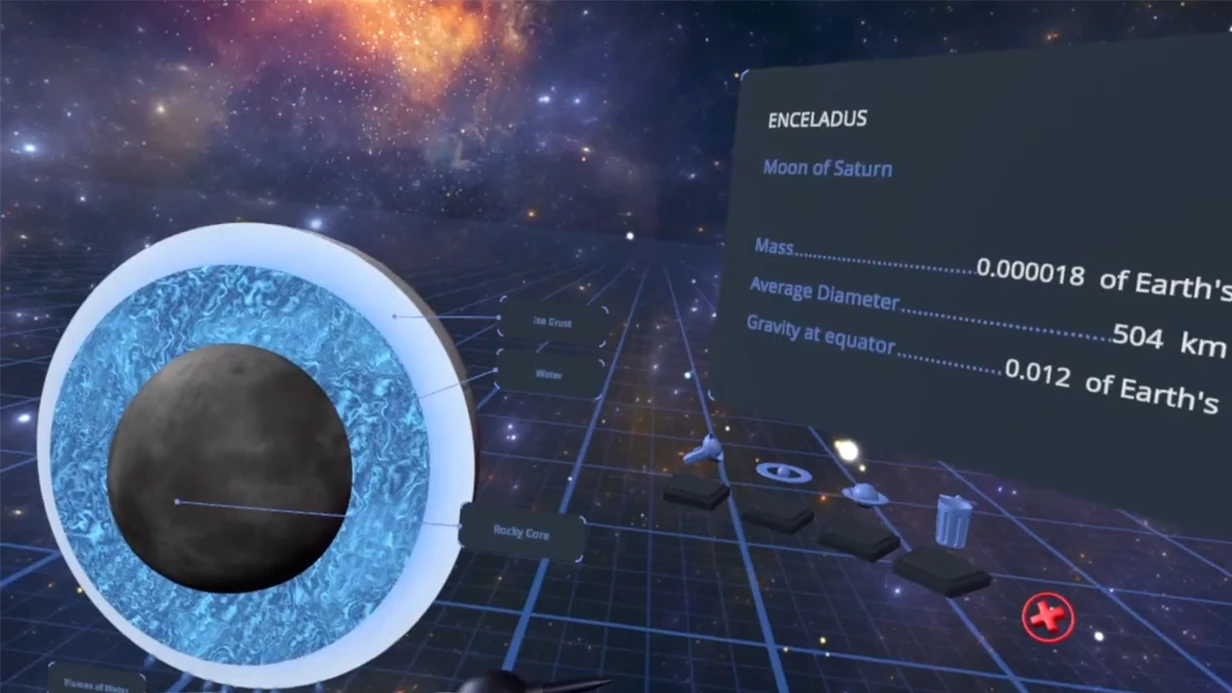
אם המטרה היא להטביע מבקרים לגמרי בחלל עתידי בתערוכה או באולם תצוגה, אזור VR נייח הוא הפתרון המתאים.
אנחנו לא מוכרים "את הפתרון היקר ביותר" — אנחנו מתאימים את הפורמט למטרות שלכם.
במהלך הייעוץ, אנחנו בוחנים מי ישתמש בזה — עובדים, לקוחות או מבקרים באירוע — איפה ואיך זה יקרה, ואיזו תוצאה חשובה לכם יותר: הגדלת מכירות, מודעות למותג או חיסכון בזמן אישורים. על סמך זה, אנחנו מציעים פורמט אחד או שניים אופטימליים עם נימוק ברור.
לדוגמה, אפליקציית AR ניידת יעילה לעיתים קרובות עבור סוכנות נדל"ן — הלקוח צופה בפריסה בטלפון האישי שלו ללא השכרת ציוד. חברת בנייה עשויה להפיק תועלת מאפליקציית טאבלט שמציגה מערכות הנדסיות שכבה אחר שכבה. אנחנו גם מעריכים דרישות טכניות ותקציב כדי שלא תשלמו יותר מדי על פונקציות שלא תשתמשו בהן.
לאחר הייעוץ, תקבלו סיכום: הפורמט שנבחר, מה דרוש להשקה, ולוח הזמנים לפיתוח.
אנחנו עובדים עם ציוד מקצועי וכבר סיפקנו עשרות פרויקטים בנדל"ן, קמעונאות ואירועים, ולכן נצביע מראש על מלכודות פוטנציאליות ונציע פתרון עובד.
אם אתם לא בטוחים איזה פורמט מתאים לעסק שלכם, כתבו לנו. נספר לכם על יכולות AR, נראה דוגמאות ונעזור לכם להחליט — ללא תשלום וללא התחייבות. זה יחסוך לכם זמן בחקר הנושא בעצמכם.