

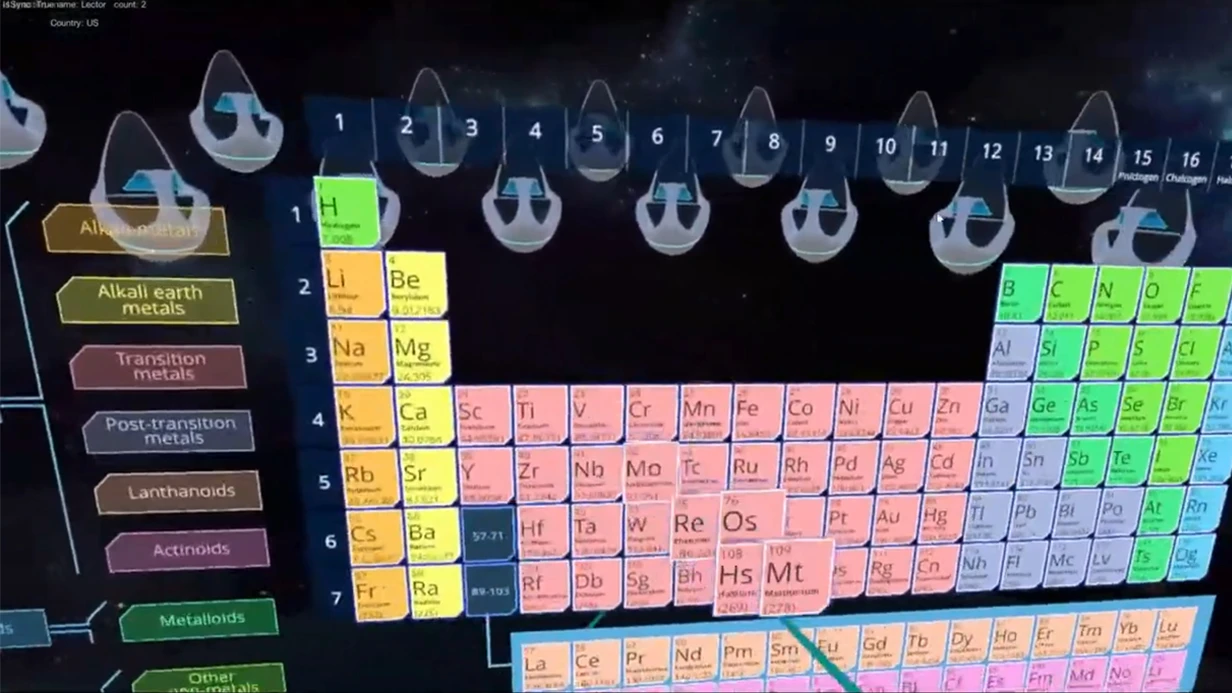


סיורים אינטראקטיביים במוזיאונים ובאתרים היסטוריים
סיור מוזיאוני קלאסי הופך פעמים רבות לזרם של עובדות שהמבקרים שוכחים תוך שעה. האורחים מאבדים תשומת לב אחרי 15–20 דקות בלבד, והמוצגים נשארים מאחורי זכוכית—ללא רגש, ללא השתתפות.
כתוצאה מכך, מספר המבקרים יורד, והמוזיאון מפסיד בתחרות על זמן הפנאי של אנשים: פארקים, קניונים ובידור מקוון מנצחים.
סיורים אינטראקטיביים במוזיאונים ובאתרים היסטוריים משנים את חוקי המשחק. במקום מאזינים פסיביים, האורחים הופכים לחוקרים: הם מגלים סיפורים בעצמם, מחליטים לאן ללכת, ורואים את ההיסטוריה "קמה לתחייה" סביבם.
פורמט זה מחזיק תשומת לב באופן טבעי—אנשים לא רק צופים; הם מתקשרים עם החלל וזוכרים את מה שראו לאורך זמן.
עבור המוזיאון, זה אומר משיכת מבקרים מוגברת וזמן שהייה ארוך יותר. אנשים משוטטים באולמות זמן רב יותר, מצלמים תמונות, משתפים רשמים ברשתות החברתיות—ומביאים חברים.
מוצגים מיושנים אינם דורשים עיצוב מחדש מלא: מספיק להוסיף שכבה דיגיטלית שהופכת אולמות שקטים להיסטוריה חיה.
אנו יוצרים פתרונות אינטראקטיביים למוזיאונים ולאתרים היסטוריים שמתמודדים בדיוק עם אתגרים אלה. הצוות שלנו עוזר להפוך תערוכה סטטית לסיבה לחזור, לספר לאחרים על המוזיאון, ולחוות את הרגשות שגורמים לאנשים לחזור. אין צורך לשנות את החלל—רק לשנות את הדרך שבה הסיפור שלו מסופר.
מה מקבלים מאפליקציית AR לחללי תרבות
מוזיאונים ואתרים היסטוריים מתחרים לא רק זה בזה אלא גם עם פורמטי בידור. סיור מודרך רגיל מפסיד יותר ויותר למופעים אינטראקטיביים, כך שמבקרים מגיעים בתדירות נמוכה יותר ועוזבים מהר יותר, וההכנסות האבודות מביקורים חוזרים קשה לשקם. אפליקציית AR הופכת ביקור לחוויה חיה שבה כל אורח שולט במסע.
מציאות רבודה נותנת לאנשים סיבה ברורה להגיע: אורחים לומדים על מוצגים דרך רשתות חברתיות, מגיעים לחוויה חדשה, ומביאים חברים.
זה משפיע ישירות על מספר המבקרים—המוזיאון מגיע לקהלים חדשים, כולל צעירים שבעבר לא ראו בו יעד פנאי. אפקטי AR יוצאי דופן ותמונות עם אובייקטים וירטואליים הופכים לפרסום חינמי, ומרחיבים את טווח ההגעה ללא תקציב קידום נוסף.
עם אפליקציית AR, זמן השהייה בחלל גדל פי כמה: מבקרים מתעכבים זמן רב יותר בכל מוצג, משתתפים בתרחישי משחק, וחוזרים כדי להשלים מסלולים חדשים.
עבור המוזיאון, זה אומר יותר הזדמנויות למכור שירותים נוספים, ממזכרות ועד סיורים פרטיים, ולהגדיל את נאמנות הקהל. אורח מרוצה משאיר ביקורות חיוביות וחוזר שוב, ויוצר זרם קבוע של ביקורים חוזרים.
פורמט דיגיטלי מודרני מחזק את התדמית של חלל תרבותי כפתוח לחדשנות. המוזיאון כבר לא נתפס כאוסף סטטי—הוא הופך למקום לחוויות, המושך תשומת לב של תקשורת, שותפים ומעניקי מענקים. זהו טיעון חשוב במשא ומתן לשותפויות ובמיתוג המותג.
עם אנליטיקה מובנית, מקבלים תמונה שקופה של התנהגות האורחים: אילו מוצגים פופולריים, כמה זמן מבקרים מבלים בכל אזור, ואילו תרחישים הם בוחרים בתדירות הגבוהה ביותר.
נתונים אלה עוזרים לנהל את התערוכה, לתכנן לוגיסטיקה, ולקבל החלטות המבוססות על עובדות ולא על הנחות. בסופו של דבר, אתם לא רק מיישמים טכנולוגיה—אתם מקבלים כלי לפיתוח החלל שלכם.
כל זה יחד—הגדלת מספר המבקרים, זמן שהייה ארוך יותר, תדמית חזקה ואנליטיקה שימושית—הופך את אפליקציית ה-AR להשקעה אסטרטגית שמחזירה את עצמה דרך מעורבות אורחים ויעילות תפעולית גבוהה יותר.
פורמטי פרויקט AR לסיורים
סיור מפסיק להיות "סיפור עם תמונות" כאשר מבקרים מתקשרים עם החלל בעצמם. אפליקציית AR ניידת מביאה מוצגים לחיים, מציגה שכבות היסטוריות על פני הנוף האמיתי, והופכת את המסלול לנרטיב מרתק.
להלן הפורמטים שאנו מיישמים, כדי שתוכלו לבחור את ההתאמה הנכונה למוזיאון או לאתר ההיסטורי שלכם.
| פורמט | למי | מה זה נותן ללקוח |
|---|---|---|
| ניווט מסלול AR | תערוכות גדולות, פארקים, רובעים היסטוריים | מבקרים לא הולכים לאיבוד, פחות שאלות לצוות, תפוקה גבוהה יותר |
| מדריך שמע אינטראקטיבי | מבקרים בודדים, תיירים זרים | תחליף למדריך שמע סטנדרטי—מחזיק תשומת לב ומגדיל את משך הביקור |
| סיור משימות AR | משפחות, קבוצות בית ספר, אירועי חברה | ביקורים חוזרים, מעורבות משחקית, "סיבה טבעית לחזור" |
| שחזור אובייקטים היסטוריים | מרפסות תצפית, אנדרטאות ארכיטקטוניות | הרגש של "אני רואה איך זה היה"—תמונות ודיון ברשתות חברתיות, הכרה במקום |
| מציאות רבודה לתערוכות קבע | מוזיאונים עם אוסף קבוע | תוכן ישן מקבל הצגה חדשה ללא השקעה בשיפוץ פיזי |
ניווט ומדריך שמע
השכבה הבסיסית: כוונו את המצלמה למוצג או לשלט כדי לקבל רמז, כיוון וסיפור קצר. אורחים חוקרים את האולמות באופן עצמאי, והמוזיאון משחרר צוות שנהג לענות על אותן שאלות. עבור אזורים גדולים, זה גם מפחית את העומס על המאבטחים.
משימות ושחזורים
גימיפיקציה הופכת סיור להרפתקה: משימות, חיפוש פרטים, דמויות "שהוקמו לתחייה". משפחות וילדים נשארים זמן רב יותר, ותמונות מהעבר מופיעות ברשתות החברתיות—זה משמש כפרסום חינמי למקום.
פורמט זה טוב במיוחד למבצעים ולפרויקטים זמניים, כי ניתן להתאים את התרחיש לעונה או לאירוע.
לא משנה איזה פורמט תבחרו, האפליקציה משתלבת באתר שלכם או בדף נחיתה ייעודי—ללא התקנה מסובכת או הכשרת צוות. אנו מתאימים את עצמנו לתערוכה ולחומרים ההיסטוריים שלכם, במקום "לכפות" על המוזיאון תבנית.
איך נוצרת אפליקציית AR לחלל שלכם
אנחנו מתחילים עם בריף—ראיון קצר שבו אתם מספרים לנו על מטרות המוזיאון, פרופיל האורח והציפיות שלכם מהאפליקציה. אנו מגלים בדיוק אילו תרחישים אתם צריכים: מסלול למבקר בודד, קבוצת בית ספר או סיור משפחתי. על סמך זה, אנו יוצרים תוכנית לאישורכם.
-
בריף וסקירת חלל. אנו צוללים לתוך האתר שלכם: לומדים את תוכנית הרצפה, מוצגים מרכזיים או נקודות היסטוריות, ודנים בקהלי היעד. אנו יוצאים עם הבנה ברורה של המשימות ולוחות הזמנים.
-
קונספט ותרחישים. אנו מציעים את הרעיון לניווט ולהצגת תוכן: לאן האורח מכוון את המצלמה, מה הם רואים על המסך, ואיך הם מתקשרים עם הסיפור. אתם מקבלים תיאור תרחיש של "איך זה יהיה"—ללא פרטים טכניים.
-
עיצוב ממשק. אנו מעצבים כל מסך של האפליקציה: כפתורים גדולים, רמזים, גופנים וכפתור "כוונו את המצלמה" שגם מתחיל יכול להבין. אנו מסכמים על הסגנון והוויזואליה איתכם.
-
פיתוח והרכבה. אנו בונים את האפליקציה באמצעות כלים מקצועיים (ARKit—לביצועים יציבים באייפון ובאייפד). בפנים: זיהוי אובייקטים, אנימציה חלקה וטעינת תוכן ללא עיכובים.
-
בדיקה על מכשירים אמיתיים. אנו בודקים על דגמים שונים, בתנאי תאורה שונים ובמקום שלכם בפועל. אנו מתקנים בעיות לפני שמבקרים רואים את האפליקציה.
-
השקה והכשרת הצוות שלכם. אנו מפרסמים את האפליקציה להורדה, מספקים הוראות ומדריך עזר קצר למנהלים או למדריכי טיולים. אתם מקבלים את העבודה בשידור חי.
-
תמיכה ופיתוח. אנו עוקבים אחר ביצועים, מעדכנים תוכן ומוסיפים תרחישים חדשים ככל שהאוסף שלכם גדל. אתם אף פעם לא נשארים לבד עם בעיות טכניות.
השלב האחרון הוא השקה חלקה. אתם מקבלים לא אב טיפוס אלא פתרון עובד שמקבל אורחים כבר למחרת.
מה כלול במסירת פרויקט AR
כאשר מזמינים פיתוח סיור AR, חשוב להבין בדיוק מה תקבלו. אנו מרכיבים את הפרויקט כחבילה מלאה—מהאפליקציה עצמה ועד צוות מיומן.
גישה זו מבטלת את המצב שבו אתם נשארים לבד עם מערכת לא מוכרת לאחר ההשקה.
מה כלול במסירה
-
אפליקציית AR עובדת. תוכנה למכשירים ניידים שמביאה מוצגים ואובייקטים היסטוריים לחיים ישירות על מסך הסמארטפון. מבקרים מכוונים את המצלמה—ורואים שחזור, אנימציה או שכבות מידע נוספות.
-
מאגר תוכן. תוכן הסיור: מודלים תלת-ממדיים, הפניות היסטוריות, תמונות, מדריך שמע וטקסטים. כל מה שהופך עובדות יבשות לסיפור חי ומחזיק את תשומת הלב של האורחים.
-
לוח ניהול. כלי שהצוות שלכם יכול להשתמש בו כדי לעדכן תיאורים, להוסיף אובייקטים חדשים ולשנות את תרחיש הסיור בעצמם. אין צורך במתכנת—רק כישורי מחשב סטנדרטיים.
-
הוראות ותיעוד. מדריכים ברורים לצוות, מדיניות עדכון תוכן ותיאור של כל התהליכים. המסמכים נשארים אצלכם ועוזרים להכשיר עובדים חדשים במהירות.
-
הכשרת צוות. אנו מקיימים סדנה מעשית: הצוות לומד להשתמש באפליקציה, לעבוד עם לוח הניהול ולסייע למבקרים. המפגשים משתמשים בתוכן האמיתי של המוזיאון שלכם.
-
תמיכה באחריות. אנו תומכים בפרויקט לאחר ההשקה ומגיבים במהירות לשאלות. אנו מעדכנים את האפליקציה כאשר גרסאות חדשות של מערכות הפעלה ניידות יוצאות ומשתתפים באבולוציה של הסיור.
חבילת מסירה זו מכסה את כל הצרכים שלכם: אתם מקבלים כלי, הצוות שלכם יודע如何使用 אותו, והתוכן נשאר ניתן לניהול. כל מה שנשאר זה להשיק את הסיור ולהזמין את המבקרים הראשונים.
איך הגדלנו את מספר המבקרים באתר תרבות ב-37%
האתגר
כאשר מוזיאון היסטורי פנה אלינו, ההנהלה השמיעה נקודת כאב אופיינית: מבקרים עברו באולמות תוך 40–45 דקות, כמעט ולא חזרו, ואירועי ערב לא האריכו ביקורים. שלטים רגילים והקריינות של המדריך כבר לא החזיקו תשומת לב. הצענו להפוך את התערוכה למסע חי באמצעות מציאות רבודה.
הפתרון והתוצאה
הצוות שלנו פיתח אפליקציה ניידת לסיורים אינטראקטיביים: מבקרים מכוונים את המצלמה למוצג—ורואים שחזור של התקופה, פרטים נסתרים וסצנות דרמטיות מהעבר. כל אולם הפך לבמה, וההליכה הפכה למשימה עם מטלות.
זה לא בידור בשביל הייפ; זו דרך לחבר אנשים רגשית ולהשאיר אותם בתוך חלל המוזיאון.
זמן השהייה הממוצע גדל מ-45 דקות לשעתיים. חלק הביקורים החוזרים כמעט הוכפל—אנשים הגיעו עם משפחה וחברים כדי להראות "את האפליקציה ההיא". מספר המבקרים גדל ב-37% ללא תקציב פרסום נוסף—פה לאוזן וויראליות עשו את העבודה.
המוזיאון קיבל כלי צמיחה: יותר זמן באתר פירושו יותר הוצאות בבית הקפה ובחנות המזכרות, נאמנות גבוהה יותר וסיבות חדשות לשותפויות.
לאחר ההשקה, המוזיאון הזמין הרחבה לתערוכת הקיץ—כקו נפרד של סיורים אינטראקטיביים באתרים ההיסטוריים של העיר.
שאלות נפוצות על פיתוח AR למקומות תרבות
לפני השקת סיור AR, לצוות של מוזיאון או מקום תרבות יש בדרך כלל כמה שאלות אופייניות. בואו נתייחס לדאגות הנפוצות ביותר: איך מבקרים ישתמשו באפליקציה, איזה ציוד נדרש, כמה יעלה הפרויקט ואילו סיכונים קיימים.
האם קשה למבקרים להשתמש באפליקציית AR?
לא, זה פשוט. מבקרים צריכים רק סמארטפון עם מצלמה—הם מכוונים את הטלפון למוצג או לקוד QR, ומידע נוסף, מודל תלת-ממדי או אנימציה מופיעים על המסך. אנו מעצבים את הממשק כך שאנשים בכל גיל יוכלו להשתמש בו בנוחות.
איזה ציוד המוזיאון צריך?
המוזיאון לא צריך לרכוש ציוד יקר. אפליקציית ה-AR רצה על הסמארטפונים הרגילים של המבקרים או על טאבלטים שהמוזיאון יכול להשכיר. אנו מגדירים ומתחזקים את כל הצד השרתי אצלנו.
כמה זמן לוקח הפיתוח?
לוחות הזמנים תלויים במספר המוצגים ובמורכבות התוכן. סיור פשוט עם 10 נקודות ניתן להשיק תוך 2–4 שבועות. פרויקט עם מציאות רבודה, גימיפיקציה ואינטגרציה עם מערכת כרטוס ייקח 2–3 חודשים. אנו קובעים את לוח הזמנים המדויק בחוזה.
כמה זה עולה, ואיך אפשר להימנע מתשלום יתר?
העלות מבוססת על מספר הסצנות, נפח המודלים התלת-ממדיים ועבודת האינטגרציה. אנו בוחרים פורמט שמתאים לתקציב שלכם: אפשר להתחיל עם מסלול קצר של 5–6 אובייקטים ולהרחיב מאוחר יותר. זה עוזר להפחית סיכונים ולהעריך את האפקט לפני קנה מידה.
אילו סיכונים קיימים בפרויקטים כאלה?
הסיכון העיקרי הוא שהאפליקציה עלולה להתיישן או להפסיק לעבוד לאחר עדכונים. אנו משתמשים בכלי פיתוח עדכניים, מספקים תמיכה טכנית ומספקים עדכונים שוטפים. החוזה כולל אחריות על התוצאה.
אם עדיין יש לכם שאלות, שאלו אותנו—אנחנו נעזור לכם לבחור את הפורמט הטוב ביותר למקום שלכם ונכין הערכת עלות ראשונית.התחילו את פרויקט פיתוח אפליקציית ה-AR שלכם
השקת סיור AR במוזיאון או באתר היסטורי היא כמו יצירת מוצג חדש: קודם הרעיון, אחר כך עיבוד הפרטים, ורק אז היישום. כדי להפוך את המסע לצפוי, אנחנו מתחילים בדיון קצר כדי להבין את המטרות, הקהל והציפיות שלכם.
לאחר פנייתכם, אתם מקבלים ייעוץ, הערכת פרויקט ותוכנית עבודה—ללא התחייבויות או "הפתעות" בלתי צפויות.
כך נראה מסלול הפרויקט:
- פנייה. אתם ממלאים את הטופס באתר—אנו יוצרים קשר תוך יום עסקים אחד כדי להבהיר את הפרטים.
- ייעוץ. אנו דנים במטרות הסיור, במאפייני המקום ובקהל היעד, ומציעים כיצד AR תשפר את חוויית המבקרים.
- הערכת פרויקט. אנו מכינים הערכת עלות שקופה ותוכנית לוח שנה: אתם יודעים את לוחות הזמנים, השלבים ונקודות הביקורת.
- עיצוב. אנו יוצרים את תרחיש המסלול, אב טיפוס ממשק וסגנון ויזואלי—אתם רואים איך האפליקציה תיראה לפני תחילת הפיתוח.
- פיתוח. אנו ממלאים את סצנת ה-AR בתוכן, משלבים ניווט ובודקים על מכשירים אמיתיים כדי שהסיור יעבוד בצורה אמינה.
- השקה ותמיכה. אנו מפרסמים את האפליקציה בחנויות האפליקציות, מאמנים את הצוות שלכם ועוזרים בעדכונים לאחר הפרסום.
שלחו את בקשתכם עכשיו—לאחר שיחה קצרה, תקבלו ייעוץ והערכת פרויקט. ההחלטה היא שלכם, ואנחנו כבר נהיה מוכנים להתחיל לעבוד.
מה אם יש לכם חלל לא סטנדרטי או דרישות מיוחדות?
השאלה שלכם מוצדקת: מוזיאונים ומבנים היסטוריים הם כמעט אף פעם לא "סטנדרטיים"—פרויקטים לא סטנדרטיים כאן הם יותר הכלל.
מבנים לא שגרתיים, מעמד בניין מוגן, דרישות לא להפריע לתערוכה, תאורה מיוחדת, מדרגות ועמודים—כל זה צריך להילקח בחשבון.
אלה בדיוק האתרים המורכבים שאנחנו לוקחים על עצמנו. אנו מבקרים במקום, לומדים את המגבלות ומכינים תרחיש מותאם אישית—תוך התחשבות בזרימת המבקרים, מיקום המוצגים וכללי הבטיחות. האפליקציה לא נלחמת בחלל; היא עובדת איתו.
אם יש דרישה מיוחדת—מסלול למבקרים עם לקות ראייה, מדריך שמע, משימה משחקית לתלמידי בית ספר או אינטגרציה עם הקופה—אנו מפתחים אותה בנפרד.
תרחישים אישיים כוללים שפות מרובות, גרסאות לילדים ולמבוגרים, ותערוכות עונתיות או זמניות.
פתרונות טכניים נבחרים לפי המשימה. אנו משתמשים בציוד מקצועי ובמומחיות שלנו—המפתח הוא היכולת להתאים את הפרויקט למבנה ספציפי ולמטרות המוזיאון.
אנו מבטיחים השקה ללא הפתעות: אנו בודקים הכל במקום, מתחשבים בשעות הפעילות ונותנים לצוות הוראות ברורות.
לא בטוחים אם סיור AR מתאים לחלל שלכם? התקשרו אלינו—נספר לכם איך פתרנו אתגרים במוזיאונים עם ארכיטקטורה לא סטנדרטית וניתן לכם הערכה ראשונית חינמית של הרעיון שלכם.