



פחד ואי-הבנה: חינוך בריאותי למטופלים
מטופלים מגיעים למרפאה כבר מפוחדים: מונחים לא מוכרים, תוכניות טיפול מורכבות, הסיכוי להחלמה ארוכה — כל אלה מגבירים את החרדה.
כאשר אדם אינו מבין מה קורה לו ומדוע נקבעו לו פרוצדורות מסוימות, הוא מאבד אמון ברופא ולעיתים קרובות אינו ממלא אחר ההוראות.
היענות נמוכה לטיפול משמעותה החמצת מועדי טיפול, ביקורים חוזרים, עומס עבודה נוסף על הצוות וסיכונים מוניטיניים למרפאה.
חינוך בריאותי למטופלים אינו רק אכפתיות, אלא הכרח עסקי. ככל שאדם רואה את הבעיה שלו ואת הדרך להחלמה בצורה ברורה יותר, כך הוא ממלא אחר ההמלצות ברצון רב יותר ושביעות הרצון שלו מהמרפאה גבוהה יותר.
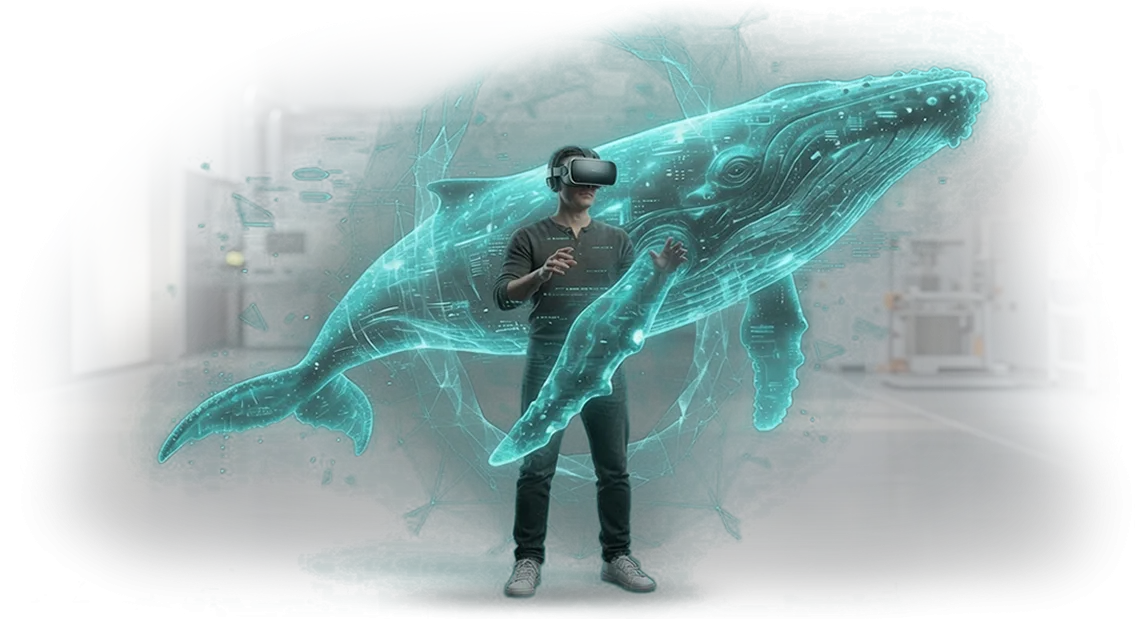
אבל איך מסבירים תהליכים רפואיים מורכבים בלי הרצאות ארוכות וחוברות מבלבלות? התשובה היא מציאות רבודה ברפואה.
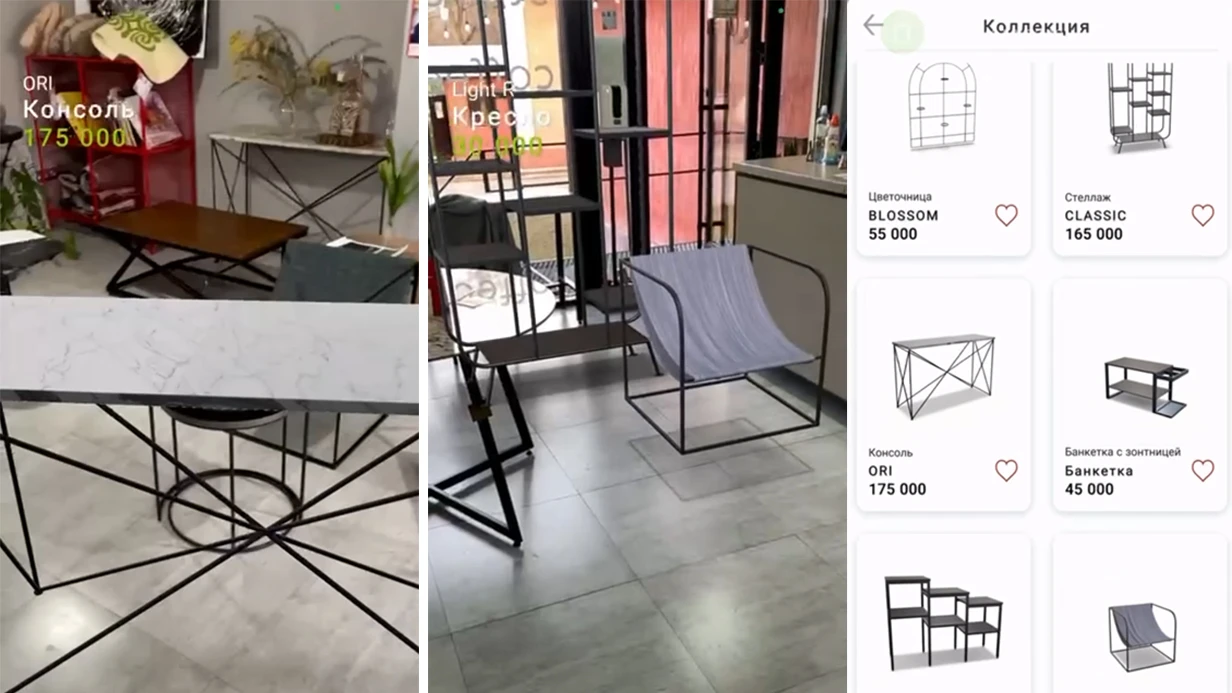
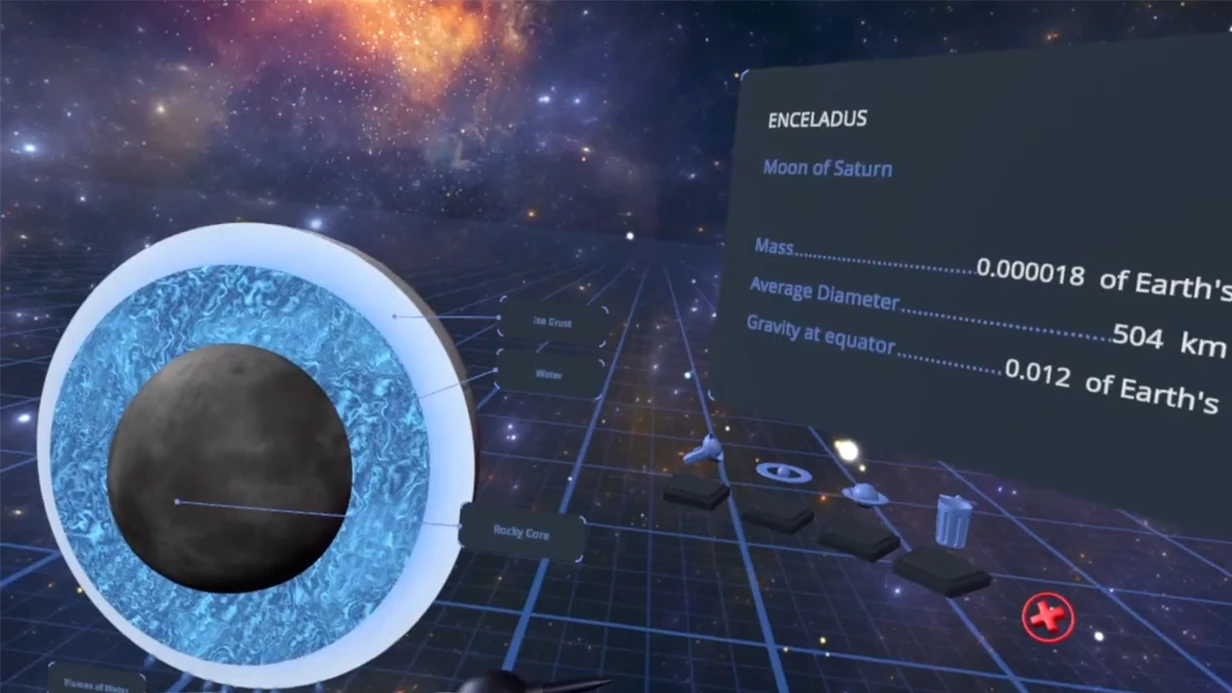
אפליקציית בריאות מבוססת AR הופכת את האבחון לויזואלי. המטופל מכוון את מצלמת הסמארטפון שלו לדיאגרמה או לקוד QR ורואה מודל תלת-ממדי של האיבר שלו, שלבי הטיפול או ההשלכות של חוסר מעש.
אבחון מורכב הופך לסיפור תלת-ממדי מובן שניתן לבחון מכל הזוויות, להריץ אחורה ולצפות בו שוב בבית. זו אינה טכנולוגיה לשם הטכנולוגיה, אלא כלי שמדבר אל המטופל בשפת הדימויים והרגשות.
ההשפעה על המרפאה ניתנת למדידה: פחות שיחות טלפון חרדתיות, היענות גבוהה יותר למרשמים, יותר ביקורות תודה וביקורים חוזרים. הרופאים חוסכים זמן בהסברים, והמטופלים זוכים לביטחון בטיפול שלהם.
אנו מפתחים אפליקציות AR למובייל שמשתלבות בזרימת העבודה הקיימת של המרפאה — מוויזואליזציות פשוטות ועד תוכניות טיפול אינטראקטיביות. אנו עוזרים להפוך פחד להבנה, והבנה לנאמנות.
מה אפליקציית AR נותנת למרפאה שלך
מטופלים זוכרים רק חלק קטן מההסברים של הרופא, במיוחד כשמדובר באבחון מורכב או בפרוצדורה קרובה. חרדה מפריעה לעיבוד מידע, ותזכורות טקסט ודיאגרמות לא תמיד עוזרות.
אפליקציית AR הופכת תיאורים מופשטים למודלים תלת-ממדיים ויזואליים שהמטופל יכול לחקור בקצב שלו — בבית, עם המשפחה, לפני הביקור.
הסברים ברורים ללא ז'רגון רפואי
במקום לדמיין איבר מתמונה בספר לימוד, המטופל רואה את המודל התלת-ממדי שלו ישירות על מסך הסמארטפון. אפשר להראות כיצד מתבצעת הפרוצדורה, מה בדיוק יעשה הרופא וכיצד הגוף משתנה לאחר הטיפול.
זה מסיר את רוב השאלות והופך את השיחה עם הרופא למשמעותית יותר — המטופל מגיע מוכן ומקבל החלטות מהר יותר.
פחות פחד מפרוצדורות
פחד נובע לרוב מחוסר ידיעה. כאשר אדם "עובר דרך" מסלול הטיפול במציאות רבודה מראש, הוא מבין מה מצפה לו ומפסיק להיכנס לפאניקה.
מטופל רגוע מוכן יותר לשתף פעולה, מבטל פחות ביקורים ומתאושש מהר יותר לאחר פרוצדורות.
נאמנות גבוהה יותר ממטופלים ובני משפחותיהם
אכפתיות מחוויית המטופל היא אכפתיות מהמוניטין של המרפאה. אנשים מספרים על הגישה הזו לקרוביהם ולחבריהם, משאירים ביקורות חיוביות וחוזרים בעצמם.
מציאות רבודה הופכת ביקור רגיל לחוויה מודרנית וממוקדת אדם, שמבדלת בבירור את המרפאה מהמתחרים ומגבירה את האמון במותג.
אנו עוזרים למרפאות להטמיע חינוך מטופלים מבוסס AR במפתח פתוח: מתרחישים ועד השקה. אתה מקבל כלי שעובד למען אמון ונאמנות בכל יום — ללא צורך להבין בפרטים טכניים.
פורמטים של אפליקציות AR לבריאות
מטופלים ממעטים לקרוא טקסטים ארוכים על אבחון או הכנה לפרוצדורה. חוברות והסברים מילוליים נתפסים פחות טוב מתמונה ויזואלית שניתן לסובב ולבחון.
אפליקציית AR הופכת מידע רפואי מורכב לחוויה ויזואלית קצרה — המטופל מבין מהר יותר, סומך על המרפאה יותר וממלא אחר ההמלצות.
שלושה פורמטים המכסים משימות טיפוסיות
| פורמט | למי | מה הוא נותן ללקוח |
|---|---|---|
| מודלים תלת-ממדיים אינטראקטיביים | מטופלים לפני ניתוח או אבחון | הסבר ויזואלי של מבנה האיבר ומהות האבחון, הפחתת חרדה, פחות שאלות בפגישה |
| הוראות AR שלב-אחר-שלב | מטופלים עם מרשמים והכנה לפרוצדורות | רצף פעולות ברור בסביבה אמיתית, פחות טעויות ובדיקות שנכשלו |
| סיורים וירטואליים | מטופלים חדשים ומבקרי מרפאה | התמצאות רגועה במרפאה לפני הביקור, חיסכון בזמן צוות, נאמנות מהמגע הראשון |
כל פורמט פותר משימה עסקית משלו: מודלים תלת-ממדיים בונים אמון ברופא, הוראות מפחיתות עומס על הצוות ומשפרות הכנה, וסיורים וירטואליים מגדילים את מספר הזמנות התורים ומפחיתים את הפחד מביקור ראשון.
כל הפורמטים עובדים על סמארטפון רגיל — המטופל אינו צריך להוריד או להגדיר דבר, רק לכוון את המצלמה.
אנו יוצרים אפליקציות AR שמשתלבות בקלות בזרימת העבודה הנוכחית של המרפאה: הרופא מציג את המודל על טאבלט, המטופל מקבל קישור להוראה או לסיור לאחר הפגישה.
אנו נעזור לך לבחור פורמט המתאים לתחום שלך — ניתוחים, רפואת שיניים, אבחון או שיקום — ולחשב את טווח ההגעה וההשפעה על הקהל שלך.
כיצד אנו יוצרים אפליקציית AR למרכז רפואי
אתה מזמין אפליקציית AR למרכז רפואי כדי להסביר אבחונים ופרוצדורות למטופלים בצורה ברורה יותר. אנו הופכים את התהליך לשקוף: אתה תמיד יודע היכן עומד הפרויקט ומה יקרה בהמשך. אין הפתעות — רק שלבים ברורים ותוצאה מדידה.
שלבי עבודת הפרויקט
- בריף והתעמקות. אנו לומדים את המאפיינים הספציפיים של המרכז הרפואי, קהל המטופלים ומטרות הפרויקט. אנו מזהים תרחישים: אנטומיה, הכנה לפרוצדורה, שיקום.
- קונספט. אנו מציעים כיצד AR תסביר את החומר בצורה ברורה יותר. אנו מסכמים על הסגנון, הממשק והלוגיקה — בשפת המטופלים.
- אב-טיפוס. אנו מציגים מודל אינטראקטיבי על המסך. אתה מבצע עריכות לפני תחילת הפיתוח.
- פיתוח במפתח פתוח. אנו בונים את הפונקציונליות, ממלאים אותה בתוכן בריאותי ומגדירים את המצלמה. אתה רואה גרסאות ביניים.
- בדיקות. אנו בודקים במרפאה: תאורה, מצלמה, שימושיות לגילאים שונים. אנו מסירים כל מה שמפריע למטופלים.
- השקה ותמיכה. אנו מפרסמים את האפליקציה, מאמנים את הצוות ומספקים תמיכה לאחר הפרסום. אנו מעדכנים חומרים לפי הצורך.
כך בדיוק עוברים שלבי פיתוח אפליקציית AR למרכז רפואי — בשקיפות ובהשתתפותך. אתה מקבל כלי חינוכי שמחזק את אמון המטופלים ומפשט את עבודת הרופאים.
מה כלול במסירת אפליקציית ה-AR
אנו מוסרים לא רק תוכנה, אלא כלי מוכן לשימוש שהצוות יכול להפעיל מהיום הראשון. החבילה המלאה מכסה את המשימה במלואה: המרפאה מקבלת תרחישים, תוכן, הדרכה ותמיכה — ללא צורך בליטוש הפרויקט בעצמה.
- תרחישים ומודל תוכן. אנו מפרקים אילו נושאים צריך להעביר למטופל ויוצרים תרחישי AR המובנים לאנשים ללא הכשרה רפואית.
- אפליקציית ה-AR עצמה. אנו מתאימים אותה למכשירי המרפאה — טאבלטים וסמארטפונים. היא פועלת באופן אמין ואינה דורשת כישורים טכניים מהצוות.
- פאנל ניהול. אתה יכול לעדכן חומרים, לשנות איורים ולהוסיף נושאים חדשים ללא מעורבות מתכנת.
- הדרכת צוות. אנו מקיימים מפגש לרופאים ולמנהלים: אנו מראים כיצד להפעיל תרחיש ולהשתמש בו במהלך פגישות.
- חומרים מתודולוגיים. הוראות קצרות לצוות ותזכורת למטופלים — מה להביא וכיצד להשתמש.
- תמיכה טכנית ותחזוקה. אנו מטפלים בעדכוני מערכת, תאימות למכשירים חדשים ומשיבים במהירות לשאלות הצוות.
גישה זו הופכת את AR לכלי חינוכי עובד: מטופלים מבינים מידע טוב יותר, הצוות חוסך זמן בהסברים, והמרפאה מקבלת פורמט מודרני של טיפול בריאותי.
מקרה בוחן: כיצד שיפרנו את שביעות רצון המטופלים
לפני התערבות כירורגית, מטופלים חווים לעיתים קרובות פחד ואי-ודאות — זה משפיע הן על מצבם והן על העומס על הצוות הרפואי. חוברות רגילות והסברים מילוליים אינם מקלים על החרדה מכיוון שהאדם אינו יכול לדמיין מה בדיוק יקרה.
טיפלנו בצורך זה באמצעות אפליקציית AR למובייל המאפשרת למטופלים "לעבור דרך" הפרוצדורה הקרובה בפורמט ויזואלי ישירות מהסמארטפון שלהם.
פתרון: ויזואליזציה במקום הסברים מופשטים
יחד עם צוות בית החולים הקליני העירוני, פיתחנו ממשק AR שמציג למטופל את שלבי ההכנה ומהלך הניתוח במציאות רבודה.
האדם רואה כיצד תיראה הפרוצדורה, אילו מכשירים ואזורים מעורבים — ללא מונחים רפואיים מורכבים או פרטים מפחידים. האפליקציה בנויה על מחסנית טכנולוגית מקצועית, מה שמבטיח פעולה יציבה על הסמארטפונים הרגילים של המטופלים.
תוצאה: פחות חרדה, יותר אמון
לאחר ההטמעה, מדדנו את ההשפעה: רמת החרדה לפני ניתוח ירדה ב-35%. מטופלים החלו לעבור הכנה לפני ניתוח ברוגע יותר, ורופאים ציינו פחות שאלות חוזרות ויחס חיובי יותר בקרב מטופלים.
המדד המרכזי הוא שביעות רצון: בסקרים לאחר השחרור, מטופלים מציינים במפורש את הוראת ה-AR כדרך המובנת ביותר להסבר הפרוצדורה.
ראש המחלקה התייחס לתוצאות: "נהגנו לבלות 20 דקות עם כל מטופל ולהסביר את אותו הדבר.
עכשיו אנשים מגיעים מוכנים ושואלים רק שאלות משמעותיות — זה חוסך זמן צוות ומפחית לחץ למטופלים." קיבלנו הזמנה חוזרת להרחבת הפונקציונליות למחלקות אחרות.
מקרה זה מראה: AR ברפואה אינו צעצוע, אלא כלי עובד שמספק תוצאות מדידות. אם המטרה שלך היא להגדיל את שביעות רצון המטופלים ולהפחית את עומס העבודה על הצוות, מציאות רבודה יכולה להיות פתרון מעשי. אנו מוכנים להתאים את הגישה למצב הספציפי שלך.
כיצד לבחור פורמט אפליקציית AR לצרכי המרפאה שלך?
בחירת פורמט אפליקציית AR למרפאה מתחילה לא בטכנולוגיה אלא במטרה: מה בדיוק אתה רוצה לתת למטופל — להסביר אבחון מורכב, להכין אותו לפרוצדורה או למשוך תשומת לב למניעה.
זה קובע אם זה יהיה מודל תלת-ממדי אינטראקטיבי של איבר, מסכת AR למדיה חברתית, מדריך וירטואלי למחלקה או תרחיש הדרכה עם הנחיות שלב-אחר-שלב. כל אפשרות פותרת משימה משלה, ואותו כיוון עשוי לדרוש פורמטים שונים לחלוטין.
לדוגמה, לחינוך מטופלים לפני ניתוח, אפליקציות שבהן אדם רואה את האנטומיה של גופו בזמן אמת ומבין כיצד תתבצע ההתערבות עובדות בצורה הטובה ביותר.
לקידום אורח חיים בריא, אפקטי AR קצרים שמטופלים משתפים במדיה חברתית יעילים יותר — הם מספקים טווח הגעה והכרה ללא תקציב פרסום נוסף.
לשיקום, פורמט משחקי עובד היטב: המטופל מבצע תרגילים, ו-AR עוזר לנטר את נכונות התנועות.
כדי לבחור את הפורמט למשימות שלך, חשוב להעריך שלושה דברים: הקהל (גיל המטופלים ומוכנותם להשתמש בסמארטפון), תרחיש השימוש (בחדר הרופא, בבית או בחלל המשותף של המרפאה) והתוצאה הצפויה — מדד מדיד, כמו הפחתת חרדה או עלייה במספר התורים לבדיקות מניעתיות.
תקציב ולוחות זמנים משפיעים גם הם על הבחירה אך אינם מגבילים אותה: תרחיש AR בסיסי ניתן להשיק תוך מספר שבועות, ופלטפורמת הדרכה מלאה ניתן להשיק בשלבים, החל מהמודול החשוב ביותר.
אנו עוזרים למרפאות לקבוע את הפורמט במהלך ייעוץ: אנו מנתחים את המאפיינים שלך, מציגים דוגמאות לפתרונות בתחום שלך ומציעים את האפשרות האופטימלית. אנו עובדים עם כלים מוכחים, כולל ARKit, כך שהתוצאה יציבה ברוב המכשירים שכבר נמצאים בידי מטופלים.
העיקר הוא לא לבחור טכנולוגיה "אופנתית", אלא למצוא פורמט שבאמת ישנה את התנהגות המטופלים ויביא ערך למרפאה שלך.
שאלות נפוצות על פיתוח אפליקציות AR
אנו עונים על השאלות שמרפאות שואלות לרוב לפני הזמנת אפליקציות AR למטופלים.
האם זה בטוח למטופלים?
האפליקציה פועלת על סמארטפון רגיל, המפגשים קצרים והתוכן מותאם לגיל — המאמץ הוויזואלי מינימלי. נתונים אישיים אינם עוזבים את המכשיר, ונעשה שימוש בערוצים מאובטחים להעברה.
באילו מכשירים תעבוד האפליקציה?
האפליקציה פותחה על ARKit — הפלטפורמה הרשמית של Apple — כך שהיא פועלת ביציבות ברוב מכשירי האייפון והאייפד המודרניים. המטופל אינו צריך להתקין דבר: טאבלט בלובי או קוד QR מספיקים.
האם קשה לשלב את האפליקציה בתהליכי המרפאה?
לא. אנו מגדירים את התרחיש כך שיתאים לזרימת העבודה שלך: העוזר מחלק טאבלט, המטופל עובר תרחיש אינטראקטיבי. התוצאות מועברות ל-CRM שלך או לתיק הרפואי האלקטרוני — אתה יכול לראות אילו חומרים עוזרים.
כמה זמן ייקח הפיתוח?
פרויקט טיפוסי אורך חודש וחצי עד חודשיים: מבריף ועד פרסום. תקופה זו כוללת אב-טיפוס, עיצוב, פיתוח ובדיקות על קבוצת מיקוד של מטופלים.
מה קורה לאחר ההשקה?
אנחנו לא נעלמים. אנו מספקים אחריות על פעולת האפליקציה, מאמנים צוות, מעדכנים תוכן ומוסיפים תרחישים חדשים. אם מטופלים משאירים משוב, אנו מבצעים שינויים כחלק מהתמיכה.
פיתוח אפליקציית AR לחינוך בריאותי למטופלים
חינוך מטופלים אינו רק מסירת מידע, אלא אכפתיות לאמון ולבהירות. אפליקציית AR הופכת מידע רפואי מורכב לסצנות תלת-ממדיות ויזואליות, והמטופל, במקום שאלות חרדתיות, מקבל הבנה רגועה של גופו. פתרון כזה מפחית את עומס העבודה על הצוות ומגביר את שביעות הרצון מהטיפול.
אנו לוקחים על עצמנו פיתוח במפתח פתוח: מרעיון ואב-טיפוס ועד פרסום בחנויות האפליקציות ותמיכה שוטפת. אתה לא צריך להיכנס לפרטים טכניים — אתה מקבל כלי עובד שפותר משימה ספציפית עבור המרפאה או המרכז הרפואי שלך.
כדי להזמין אפליקציית AR, השאר פנייה באתר שלנו. תוך יום עסקים אחד ניצור איתך קשר, נבהיר את המשימה ונכין תוכנית הטמעה.
מה אתה מקבל כבר בשלב הפנייה:
- ייעוץ על אפשרויות AR לתחום שלך — ללא התחייבות או סיבוכים טכניים.
- הערכת עלות ולוחות זמנים לבקשה שלך — אנו קובעים את היקף העבודה ונמנעים מתוספות נסתרות.
- הדגמת אב-טיפוס על הדוגמאות שלך — אתה רואה כיצד האפליקציה תיראה ותעבוד.
- תוכנית הטמעה עם שלבים ולוחות זמנים — אתה מבין מה קורה בכל שלב.
- פיתוח במפתח פתוח ותמיכה לאחר ההשקה — הצוות שלנו נשאר בקשר ועוזר בעדכונים.
עכשיו זה הזמן הנכון לדון בפרויקט שלך. השאר פנייה — ותוך יום תקבל ייעוץ, הערכה ותוכנית לצעדים הראשונים.
ניתן ליצור איתנו קשר באמצעות הטופס שלהלן או דרך פרטי הקשר המצוינים — אנו מגיבים במהירות ועובדים מרחוק בכל הארץ.