





האם הלקוחות שלכם חסרים ויזואליזציה של רהיטים בפנים?
קונים של רהיטים כמעט תמיד מהססים: האם הספה תתאים לטפט, האם הארון ייכנס בנישה, האם השידה תהיה מגושמת מדי. בקטלוג רגיל, הם רואים תמונות על רקע ניטרלי, אבל לא יכולים לדמיין את הפריט בדירה שלהם.
כתוצאה מכך, רבים דוחים את הרכישה, וחלק מההזמנות מוחזרות לאחר המשלוח — פשוט כי הרהיט "לא נראה כפי שציפו".
זהו אובדן ישיר של הכנסות ומוניטין. בעוד המתחרה שלכם מציע אפשרות "למדוד" רהיטים בפנים אמיתי באמצעות סמארטפון, הקטלוג שלכם נשאר תמונה שטוחה. הלקוח הולך למקום שבו קל יותר לקבל החלטה.
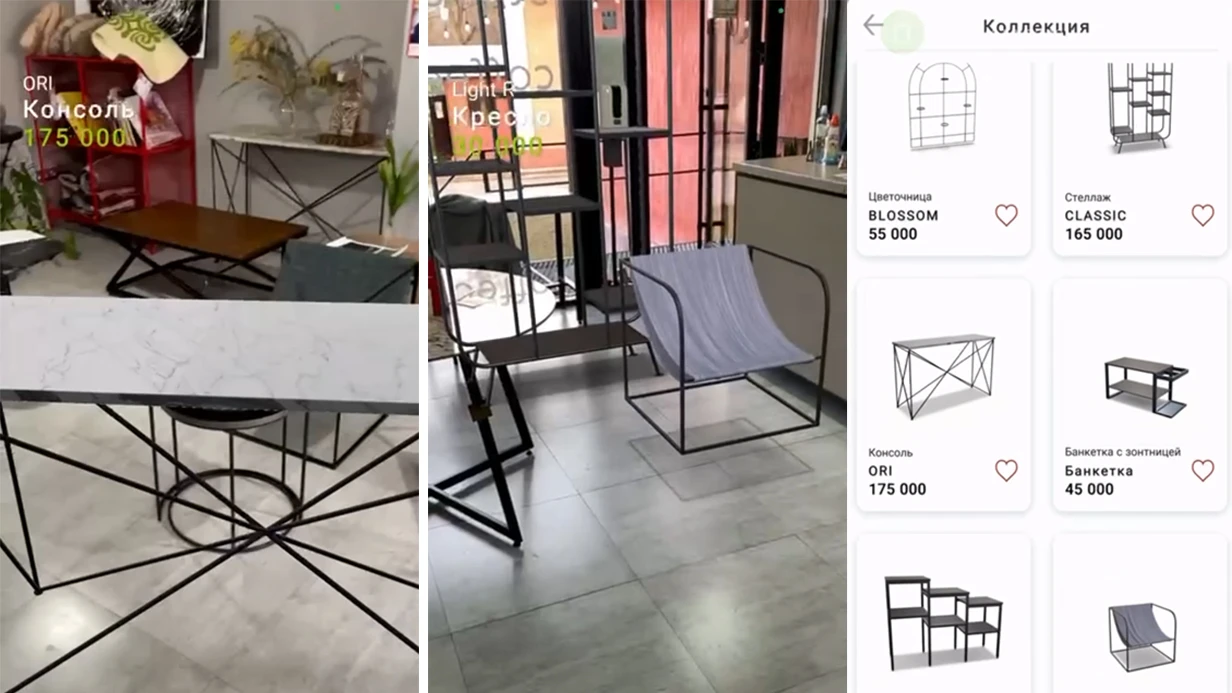
הפתרון הוא ויזואליזציה של רהיטים בפנים באמצעות טכנולוגיית AR. זוהי מציאות רבודה שממש "מחייה את הקטלוג שלכם": פשוט כוונו את מצלמת הסמארטפון לחדר, והספה או השולחן הרצויים מופיעים על המסך בקנה מידה מלא.
הקונה מזיז את הפריט, צופה בו מזוויות שונות, בודק התאמה לחומרי גימור ותאורה. זה בונה אמון, ואיתו — את הרצון לבצע הזמנה.
לבעל העסק, זו גם הגנה מפני החזרות. כשאדם רואה מראש איך פריט ישתלב בפנים, התלונות על גודל וצבע פוחתות באופן ניכר.
בנוסף, המותג זוכה לתדמית של חברה מודרנית וטכנולוגית שאכפת לה מנוחות הלקוח.
הראו ללקוחותיכם את הפנים העתידיים שלהם לפני שהם קונים — והם יבחרו בכם. אנו מיישמים ויזואליזציה אינטראקטיבית של רהיטים המותאמת לקטלוג שלכם: מהעלאת מודלים תלת-ממדיים ועד פרסום האפליקציה בחנויות. כל שנותר הוא לראות את שיעור ההמרה שלכם ואת חלקם של ההזמנות החוזרות גדלים.
אילו יתרונות מספק קטלוג רהיטים ב-AR?
אנו מפתחים קטלוגי AR לחברות רהיטים שרוצות למכור יותר ובביטחון רב יותר. המטרה העיקרית של קטלוג כזה היא להסיר את הפחד של הקונה מהרכישה.
במקום לדמיין ספה בחדר שלהם, הלקוח פותח את האפליקציה, מכוון את המצלמה לנקודה הרצויה — ורואה את הרהיט בקנה מידה אמיתי, תוך התחשבות בתאורה ובפרופורציות. זה הופך את הבחירה מהגרלה להחלטה מושכלת.
מה זה נותן לעסק הרהיטים? ריכזנו רשימה של יתרונות שמאושרים בפועל:
- גידול בהמרת הזמנות. כשקונים רואים את הפריט בפנים שלהם, קל להם יותר להחליט. חלק ההזמנות מקטלוג AR גבוה באופן ניכר מאשר מקטלוג רגיל עם תמונות.
- פחות החזרות. מדידת AR מציגה את הקנה מידה האמיתי לפני הרכישה, ומפחיתה את מספר הפריטים שמוחזרים כי "לא התאימו בגודל" או "נראו אחרת".
- ערך הזמנה ממוצע גבוה יותר. לקוחות מרוצים מבחירתם מוסיפים לעתים קרובות כורסה, שולחן או פריטי עיצוב לספה — כי הם רואים איך הכל משתלב יחד בחדר שלהם.
- חשיפה חינמית במדיה החברתית. מדידה וירטואלית היא תוכן מרתק. קונים משתפים תמונות וסרטונים בעצמם, ומושכים מבקרים חדשים ללא עלויות פרסום.
- יתרון תחרותי. בעוד אחרים מציגים תמונות סטטיות, אתם מציעים חוויה אינטראקטיבית שזוכרים ומדברים עליה.
בעצם, קטלוג AR הוא דרך להסיר את ההתנגדות העיקרית של הלקוח: "אני לא יודע איך זה ייראה בחלל שלי". העסק זוכה ביותר מכירות, פחות החזרות, וקהל נאמן שממליץ על המותג לחברים.
ועבור הקונה, זו דרך נוחה וישרה לבחור רהיטים שיחיה איתם שנים.
פורמטים של אפליקציות AR לחנויות
קונה רהיטים רוצה לראות איך ספה, שולחן או ארון ייראו בחדר שלו לפני התשלום. החלטת הרכישה תלויה ב"מדידה" הזו: כשהלקוחות רואים את המוצר בקנה מידה אמיתי, הם עוברים להזמנה מהר יותר ומחזירים רכישות פחות.
אבל אין פתרון אחד שמתאים לכולם — לחנויות יש ערוצי מכירה שונים וקהלים שונים.
כדי לעזור לכם לבחור את האפשרות הנכונה, ריכזנו את שלושת הפורמטים המרכזיים של AR ותיארנו למי כל אחד מתאים ולמה.
| פורמט | למי | מה הוא נותן ללקוח |
|---|---|---|
| אפליקציית AR לנייד | לקוחות קבועים שכבר התקינו את אפליקציית החנות | ויזואליזציה מדויקת של רהיטים בקנה מידה אמיתי, שמירת פריטים מועדפים, ומעבר חלק לתשלום — מעורבות מקסימלית ומכירות חוזרות |
| Web AR (בדפדפן) | מבקרים אקראיים באתר שלא מוכנים להתקין כלום | מדידה מיידית בלחיצה אחת של פריט מהקטלוג — מסיר את חסם הכניסה, שומר על משתמשים באתר ומגביר המרה |
| מראות AR | מבקרים באולם תצוגה פיזי | הדגמה חיה של המוצר בפנים, אפקט "וואו", וזמן שהייה ארוך יותר בחנות — הקונה זוכר את המותג טוב יותר |
בחירת הפורמט תלויה במקום שבו הלקוח מתקשר עם המותג שלכם לרוב: באפליקציה, באתר או באולם התצוגה. שילוב עובד לעתים קרובות ביעילות רבה יותר — Web AR לחקירה מהירה של הקטלוג ואפליקציה לנייד ללקוחות חוזרים.
אנו נציע את התרחיש האופטימלי להצגת המוצרים שלכם ולמטרותיכם, ונספק את הפרויקט במפתח מלא.
שלבי פיתוח קטלוג AR: מהבריף ועד ההשקה
פיתוח קטלוג AR הוא תהליך שבנינו כך שתבינו מה קורה בכל שלב ותשלטו בתוצאה. אנו לא מתחילים עבודה ללא מטרות, תקציב ולוחות זמנים קבועים. להלן הדרך מהבריף ועד ההשקה שכל פרויקט עובר.
-
בריף וסקירת משימה — אנו נפגשים, דנים במגוון המוצרים שלכם, בפרופיל הלקוח ובתוצאה הרצויה: הגברת מודעות למותג, מכירות גבוהות יותר או פחות החזרות. אנו מתעדים את הדרישות כדי למנוע עבודה חוזרת בשלבים מאוחרים יותר.
-
אב-טיפוס ותרחיש — אנו מראים על מודל איך הלקוח ישתמש באפליקציה: מכוון את המצלמה לרצפה, בוחר ספה, מזיז אותה, צופה בה מזווית אחרת. אתם מאשרים את ההיגיון לפני תחילת הפיתוח.
-
קונספט עיצובי ומודלים תלת-ממדיים — אנו יוצרים את מראה האפליקציה בסגנון המותג שלכם ומודלי רהיטים ריאליסטיים. אתם רואים איך המוצר נראה בפנים שונים לפני כל תכנות.
-
פיתוח וכיוונון — אנו בונים את האפליקציה על פלטפורמת AR מקצועית ומכיילים את תצוגת הגודל והתאורה כך שהרהיט ישתלב בהרמוניה בכל חדר. בינתיים, המנהלים שלכם יכולים להכין תוכן לקטלוג.
-
בדיקות על מכשירים — אנו בודקים ביצועים על דגמי סמארטפונים פופולריים, בתנאי תאורה שונים ועל משטחים שונים. אתם מקבלים גרסה יציבה שלא תכשיל ביום ההשקה.
-
השקה ותמיכה — אנו מפרסמים את האפליקציה בחנויות הרשמיות, עוזרים להקים אנליטיקה ומכשירים את הצוות שלכם לעדכן את הקטלוג באופן עצמאי. לאחר ההשקה, אנו זמינים לשיפורים ותחזוקה.
מה כלול במסירת פתרון AR
לעסק חשוב לקבל פתרון מוכן שניתן להפעיל מיד. אנו מבנים את חבילת המסירה כך שתוכלו לנהל את הקטלוג, להכשיר צוות ולתמוך בלקוחות ללא תלות מתמדת בקבלן.
המסירה כוללת:
- אפליקציית AR לנייד ל-iOS (ARKit) — הלקוח מכוון את המצלמה ורואה רהיטים בקנה מידה 1:1 עם חומרים ריאליסטיים. זהו כלי מכירה מרכזי: הוא מסיר התנגדויות ומפחית החזרות שנגרמות מחוסר התאמה בגודל.
- פאנל ניהול — אתם מוסיפים מודלים, משנים מחירים ותיאורים בעצמכם. אין צורך לחכות למפתחים שיעדכנו את הקטלוג: העלו מודל תלת-ממדי — שעה לאחר מכן הוא באפליקציה.
- הוראות לצוות וללקוחות — מדריכים קצרים וסרטונים כיצד להריץ הדגמה במהירות, לבצע הזמנה ולענות על שאלות נפוצות. הם מפחיתים את העומס על הצוות ומאיצים את ההשקה.
- הכשרה לצוות שלכם — מפגש מקוון שבו אנו מכסים הגדרות פאנל ותרחישים טיפוסיים. מנהלים יוכלו לייעץ ללקוחות בביטחון מהיום הראשון.
- תמיכה ועדכונים — אנו זמינים בשעות העבודה: מתקנים באגים, מתאימים לגרסאות iOS חדשות ועוזרים להוסיף מודלים. אתם אף פעם לא נשארים לבד עם הטכנולוגיה.
חבילה זו מכסה את השאלות המרכזיות: מי מעדכן תוכן, מי עוזר למשתמשים ומה עושים במקרה של תקלות. אתם מקבלים מערכת עובדת לגידול מכירות, לא מוצר "גולמי".
מקרה בוחן: גידול במכירות לאחר הטמעת קטלוג AR
עבור רשת חנויות הרהיטים Comfort-Line, הבעיה המרכזית הייתה הבחירה: הקטלוג הכיל מאות פריטים, ולקוחות התקשו לדמיין ספה או שידה בחדר שלהם.
אנשים היססו זמן רב, דחו רכישות והחזירו סחורה לאחר המשלוח — הרהיט נראה שונה מהתמונה.
פיתחנו אפליקציית AR לנייד המבוססת על ARKit ושילבנו אותה עם מסד הנתונים של המוצרים של הלקוח. הלקוח מכוון את מצלמת הסמארטפון לחדר ו"ממקם" בו את הפריט הרצוי — בקנה מידה אמיתי ותוך התחשבות בתאורה. אי הוודאות נעלמת: החלטות מתקבלות מהר יותר ובביטחון רב יותר.
תוצאות היישום: המרת התשלום עלתה ב-40%, וההחזרות ירדו ב-28%. אפקט נוסף היה ערך הזמנה ממוצע גבוה יותר: לקוחות היו מוכנים יותר להוסיף מודולים ואביזרים כי ראו איך הפריט ישתלב בפנים.
היישום גם הרחיב את הגיאוגרפיה של המכירות: קטלוג ה-AR אפשר לייעץ ללקוחות מערים אחרות מבלי שיצטרכו לבקר באולם התצוגה. מנהלים ביצעו מדידות וירטואליות, מה שהאיץ את העסקה וחיזק את האמון במותג.
לאחר הפרויקט הראשון, הלקוח הזמין הרחבה לקו הרהיטים המרופדים ולסטים של רהיטי ילדים — עבודה חוזרת אישרה את אמינות הפתרון. קטלוג ה-AR משמש כיום גם באולמות תצוגה וגם במכירות מרחוק.
איך לבחור מפתח אפליקציות AR?
בחירת מפתח אפליקציות AR היא בחירה של שותף שמבין את המשימה העסקית שלכם, לא רק מישהו שיודע לתכנת. הקריטריון הראשון הוא ניסיון בנישה שלכם: ויזואליזציה של רהיטים, פנים או מוצרי בית. תיק העבודות צריך להראות איך אפליקציה עזרה למכור, לא רק להציג מודלים תלת-ממדיים יפים.
הקריטריון השני הוא תהליך העבודה. קבלן טוב דן קודם בתרחיש: איך הלקוח ימקם ספה וירטואלית בחדר, יחליף ריפוד ויבדוק מידות.
השלבים — מהבריף ועד ההשקה — צריכים להיות מוסברים בבירור, ללא ז'רגון טכני. אם הם מצפים שתבינו פרטי יישום, הפרויקט כנראה יימתח גם בזמן וגם בתקציב.
הקריטריון השלישי הוא תמיכה לאחר ההשקה. אפליקציית AR חייבת להתעדכן עבור קווי רהיטים חדשים, דגמי טלפון עדכניים וקטלוג משתנה. שאלו באיזו מהירות הקבלן מגיב לפניות ומה כוללת התמיכה. ויזואליזציה של פנים עובדת עבורכם 24/7, כך שהשבתת קטלוג משמעותה אובדן מכירות.
הקריטריון הרביעי הוא תמחור שקוף ובהירות משפטית. עליכם לדעת מראש אילו מכשירים נתמכים, מי הבעלים של קוד המקור וכיצד מתבצעת קבלת העבודה.
אנו עוסקים בפרויקטי AR לעסקים כבר עשר שנים ותמיד מתעדים קריטריוני קבלה לפני התחלה. זה מגן על שני הצדדים מפני מחלוקות ועלויות נוספות בלתי צפויות.
לסיכום, בחרו סטודיו שמדבר על ההכנסות שלכם, לא על הטכנולוגיה. בקשו דוגמאות מתעשיית הרהיטים, שאלו שאלות על לוחות זמנים ותמיכה, ובדקו חוות דעת של לקוחות אמיתיים.
גישה זו תחסוך זמן, כסף ועצבים — ותעזור לכם לקבל אפליקציה שבאמת מגדילה את שיעור ההמרה של החנות שלכם.
שאלות נפוצות על הטמעת פתרונות AR
שאלות על הטמעת פתרונות AR נוגעות בדרך כלל לארבעה דברים: תקציב, לוחות זמנים, תמיכה ותאימות. כאן אנו חולקים את התנאים בפועל שלנו כדי שתבינו איך אנחנו עובדים ומה אתם מקבלים.
כמה עולה לפתח אפליקציית AR לרהיטים?
העלות תלויה בגודל הקטלוג ובתרחישים: הצגת מודל בודד, רהיטים הניתנים להחלפה לפי קטגוריה, או אינטגרציה מלאה עם חנות מקוונת.
לאחר בריף קצר, אנו מכינים הערכת עלות מפורטת ונועלים אותה — אתם יודעים את המספר הסופי מראש, ללא תשלומים נסתרים.
מהם לוחות הזמנים ליישום?
אפליקציית ויזואליזציה בסיסית של רהיטים אורכת כחודש. קטלוג של 50–100 מודלים עם אינטגרציה של עגלת קניות אורך יותר, אבל השלבים מפורטים בתוכנית לוח שנה. אנו מציגים גרסאות ביניים כל שבוע, כך שההתקדמות תמיד נראית לעין.
מי מטפל בתמיכה ועדכונים?
אנו תומכים בפתרון גם לאחר ההשקה. האפליקציה מתעדכנת באופן קבוע לגרסאות מערכת הפעלה חדשות ודגמי טלפון, והעובדים שלכם מקבלים הוראות לעבודה עם אזור ה-AR בעצמם. אם תרצו, נוכל לחתום על הסכם ארוך טווח לפיתוח תכונות נוספות.
באילו מכשירים האפליקציה עובדת?
הפתרון המבוסס על ARKit עובד כראוי ב-iPhone וב-iPad; עבור Android, אנו משתמשים בפיתוחים שלנו המבוססים על ARCore. לפני השחרור, אנו בודקים דגמים מרכזיים מקהל היעד שלכם ומספקים המלצות על רשימת המכשירים הנתמכים.
קבלו ייעוץ לפרויקט ה-AR שלכם
לפני השקת אפליקציית AR לויזואליזציה של רהיטים, כל לקוח שואל את אותן שאלות: כמה זה יעלה, כמה זמן ייקח, והאם זה באמת יניע מכירות.
ללא הערכה ברורה, קל לשלם יותר מדי עבור פונקציונליות מיותרת או, להיפך, לקבל "צעצוע" שאף אחד לא ישתמש בו. אנו עוזרים להסיר את אי הוודאות הזו לפני שמתחילים.
ב-30–40 דקות, אנו בוחנים את המשימה שלכם מהצד העסקי: איך AR ישתלב במשפך המכירות שלכם, האם זה ישנה את ההמרה, ואיך זה יעזור ללקוח לקבל החלטה מהר יותר.
כתוצאה מכך, אתם מקבלים תוכנית קונקרטית, מספרים והבנה של איזו תוצאה לצפות — מבלי להיכנס לפרטים טכניים ומונחים מורכבים.
במהלך הייעוץ אתם מקבלים:
- הערכת תרחיש: האם AR מתאים למשימה שלכם ואיזה פורמט יניב את האפקט הגדול ביותר — מציאות רבודה, קטלוג תלת-ממדי או חדר מדידה וירטואלי.
- הערכת פרויקט: תקציב משוער, שלבים, לוחות זמנים ומה יסופק בכל שלב.
- ניתוח קהל: איך לקוחות יתקשרו עם רהיטים בפנים ואילו נקודות מגע להוסיף כדי להגביר המרה.
- המלצות השקה: איך להתחיל עם סיכון מינימלי ותשואה מקסימלית, ומה להכין לצילומים ותוכן קטלוג.
- תשובות לשאלות אינטגרציה: איך האפליקציה תתחבר לאתר, לחנות המקוונת או לאזור המכירות הפיזי שלכם.
- תוכנית ברורה של הצעדים הבאים: מה אתם עושים, מה אנחנו עושים ומתי יופיע אב הטיפוס העובד הראשון.
אנו עובדים עם AR כבר למעלה מ-10 שנים וראינו עשרות פרויקטים דומים — מקטלוגים פשוטים ועד חדרי מדידה מורכבים. לכן תקבלו מיד לוחות זמנים והמלצות ריאליסטיים, לא הבטחות מופרכות.
בסופו של דבר, תדעו בדיוק אם השקעה ב-AR הגיונית במקרה שלכם ואיך לעשות זאת עם תשואה מקסימלית.
השאירו בקשה לייעוץ — ניצור עמכם קשר תוך יום עסקים אחד, נברר את הפרטים ונכין הערכת עלות לפרויקט שלכם. זה יעזור לכם לקבל החלטה מושכלת.