

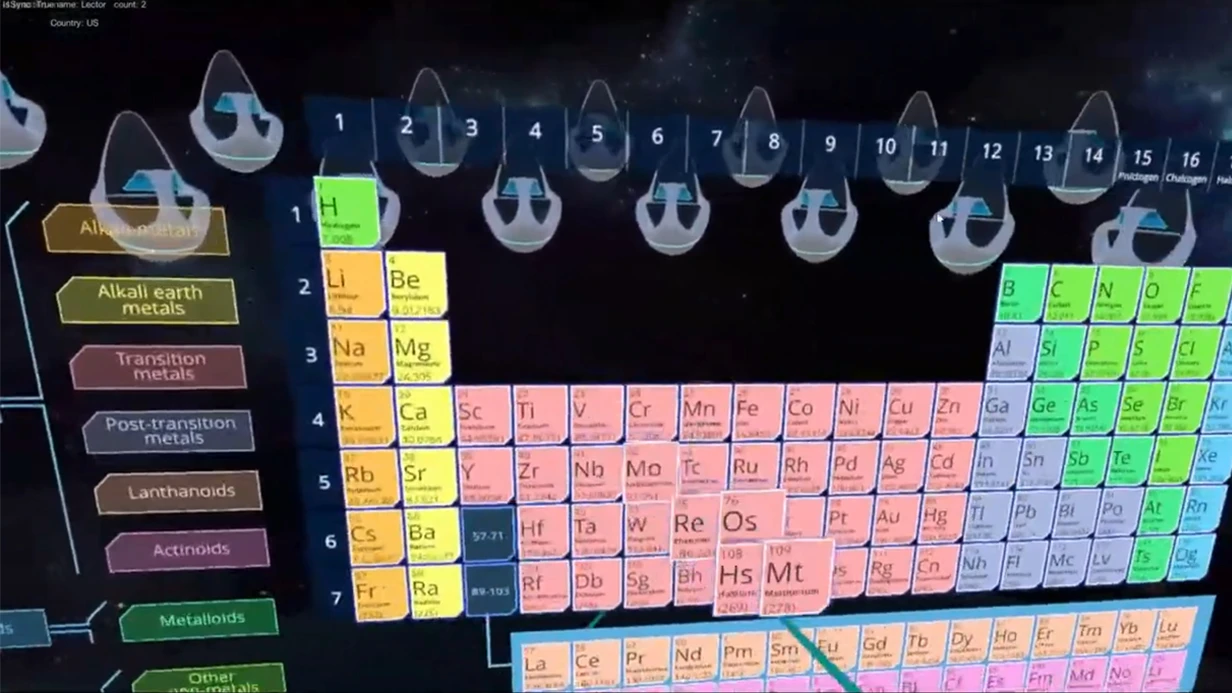


למה מבקרים הולכים לאיבוד? ניווט AR פנימי פותר את זה
מבקרים הולכים לאיבוד בקניונים גדולים, מרכזים עסקיים, מרפאות ושדות תעופה — זו לא רק אי-נוחות, אלא אובדן של המבקר ושל הכסף שלו.
אדם שלא מוצא את החנות או המשרד שהוא צריך או עוזב או מבזבז זמן בחיפוש במקום לקנות. כל מקרה כזה הוא מכירה שהוחמצה וחוויה שלילית שהוא יספר עליה לאחרים.
ניווט AR בקניונים ובבניינים אחרים משנה את זה: במקום לנסות להתמצא לפי שלטים, המבקרים רואים חיצים ורמזים ישירות על מסך הסמארטפון שלהם — מוצגים על גבי תמונת העולם האמיתי.
מפה אינטראקטיבית מציגה את המסלול לנקודה הרצויה, תוך התחשבות במיקום הנוכחי, ומדריכה את האורח ליעדו ללא סיוע של צוות. כתוצאה מכך, העומס על העובדים פוחת, הדרך לרכישה מתקצרת, וההמרה עולה.
נקודת המפתח היא שניווט פנימי עובד ללא התקנה מסובכת ואינו דורש ציוד מיוחד מהאורח. כל מה שהם צריכים לעשות זה לפתוח את האפליקציה או לסרוק קוד QR כדי לקבל מסלול ויזואלי ברור.
זה חשוב במיוחד עבור מתקנים עם תנועת רגלים גבוהה, שבהם כל דקה שמבוזבזת בחיפוש היא הכנסה אבודה וביקורים חוזרים שהוחמצו.
אנחנו עוזרים ליישם ניווט AR המותאם לצרכי המתקן שלך: אנו מנתחים את זרימות המבקרים, בוחרים נקודות ציון ומעצבים תרחיש שנוח במיוחד למבקרים שלך.
הלקוח מקבל לא רק "מערכת ניווט" אלא כלי ששומר על אורחים, מגדיל את זמן השהייה בבניין ומחזק את נאמנות המותג.
אילו יתרונות ניווט AR מביא לעסק שלך
מבקרים בקניונים, מרכזים עסקיים ומרפאות מבלים עד 20–30 דקות במציאת המחלקה או המשרד שהם צריכים. הזמן הזה אומר מכירות אבודות ונאמנות מופחתת: אדם עוזב בתחושת תסכול ולא סביר שיחזור.
ניווט במציאות רבודה מבטל את הבעיה הזו: פשוט כוון את מצלמת הסמארטפון, וחיצים על המסך מובילים את הדרך ליעד.
נאמנות מוגברת וביקורים חוזרים
כשלקוח מוצא בקלות את מה שהוא צריך, הוא יוצא עם חוויה חיובית. הוא לא זוכר "קשה לנווט שם" — הוא זוכר את הנוחות.
בדיוק הנוחות הזו הופכת מבקר מזדמן ללקוח קבוע: חלקם של הביקורים החוזרים גדל, ואיתו גם הסל הממוצע.
חיסכון בזמן והמרה גבוהה יותר
כל דקה שאורח חוסך בחיפוש היא דקה המוקדשת לבחירת מוצר או שירות. ניווט AR מקצר את הדרך מהכניסה לקופה, כך שפחות אנשים עוזבים ללא רכישה.
ההמרה למכירה עולה בממוצע ב-20–30% — כי המבקר מגיע למחלקה הנכונה מהר יותר ואינו מוסח על ידי שיטוט חסר מטרה.
טכנולוגיה שעובדת עבור התוצאות שלך
אנחנו בונים ניווט AR על ציוד ברמה מקצועית וארכיטקטורת שרתים מעודנת. זה אומר פעולה יציבה ללא הקפאות גם בשעות השיא: המפה נטענת מיידית, החיצים מגיבים לתנועה, והצוות לא צריך להתערב בתהליך.
הלקוח מקבל לא "צעצוע ניסיוני" אלא כלי אמין שמחזיר את ההשקעה כבר מהשבועות הראשונים.
הצעד הראשון הוא ביקורת ראשונית של המתקן שלך: נחשב נקודות ניווט, נעריך אזורי צמיחה ונציע פתרון המותאם לתקציב שלך.
השאר/י פנייה — ובתוך מספר ימים תלמד/י כיצד ניווט AR יגביר נאמנות וביקורים חוזרים בעסק שלך.
פורמטים של ניווט AR פנימי: השוואה ובחירה
ניווט AR פנימי יכול להיות מיושם בדרכים שונות — מקודי QR פשוטים על קירות ועד אפליקציית מובייל מלאה. בחירת הפורמט משפיעה ישירות על מהירות ההשקה, התקציב וחוויית המבקר.
כדי לקבל החלטה נכונה, חשוב להבין אילו משימות אתה פותר ואיזה נפח תנועת רגלים יש לך.
השוואת פורמטים
| פורמט | למי זה מתאים | מה זה נותן ללקוח |
|---|---|---|
| שילוט על קירות | מתקנים עם מבנה פשוט שבהם מבקרים rarely זקוקים לסיוע | ניווט ברור ללא שימוש בסמארטפונים, התקנה מהירה ועלויות יישום מינימליות |
| ניווט QR | חללים זמניים: תערוכות, כנסים, אולמות תצוגה | השקה מהירה — פשוט הצב קודים בנקודות מפתח. מבקרים מכוונים את המצלמה ורואים את המסלול ישירות על מסך הטלפון |
| אפליקציית מובייל | מקומות גדולים: קניונים, שדות תעופה, אצטדיונים, קמפוסים | ניווט AR מלא עם מעקב מיקום מדויק, רמזים אינטראקטיביים ויכולות לאיסוף אנליטיקה על תנועת אורחים |
ככל שעוברים מפורמטים פשוטים יותר לאפליקציית מובייל, מורכבות היישום והתקציב גדלים — אבל באותו זמן מופיעים יתרונות נוספים: אנליטיקה מעמיקה, התאמה אישית של מסלולים ותרחישי מעורבות נוספים למבקרים.
אנחנו נעזור לך לבחור את הפורמט המתאים לצרכים שלך: ננתח את דפוסי הזרימה, את המאפיינים הספציפיים של החלל ואת העומס הצפוי.
במהלך הייעוץ, נבחר פתרון שמספק השפעה מקסימלית ללא עלויות מיותרות — ממפת QR מהירה ועד פלטפורמת AR מלאה.
איך מתבצע היישום: מבריף ועד תמיכה
יישום ניווט AR פנימי אינו קנייה של "מוצר מדף" אלא פרויקט חי שעובר שלבים ברורים: מבריף ועד תמיכה.
אנחנו מלווים אותך בכל שלב, כך שתמיד תבין מה קורה, מתי יופיעו תוצאות ואיך זה ישפיע על נוחות האורחים.
- בריף וביקורת מתקן. אנו דנים במשימה שלך: מי הם המבקרים שלך, אילו נקודות הם צריכים למצוא, והיכן מתעוררות קשיי התמצאות. אנו בודקים את החלל ומזהים את האזורים שבהם ניווט יספק את ההשפעה הגדולה ביותר. אנו יוצאים עם הבנה ברורה של היקף העבודה.
- תוכנית ואישור פרויקט. אנו מכינים תוכנית יישום: לוחות זמנים, אזורי כיסוי, פורמטי ניווט — בין אם מפה על סמארטפון או דרך מצלמת המכשיר. אתה מקבל אומדן עלויות שקוף ללא שלבים נסתרים ומאשר את התוכנית לפני תחילת העבודה.
- אב טיפוס תרחיש. אנו מראים כיצד המבקר יראה את המסלול: רמזים, פניות ונקודות עניין. אתה רואה את היגיון הניווט ויכול להתאים אותו לפני ההשקה — זה זול יותר מאשר לעבוד מחדש על מערכת מוגמרת.
- יישום והגדרה. אנו בונים את כל המכניקה: מעלים את תוכנית הקומה, מגדירים נקודות מסלול ובודקים על מכשירים אמיתיים. אנו מוודאים שניווט עובד בצורה אמינה בשעות השיא ואינו מאבד אות באזורים מאתגרים.
- השקת ניווט. אנו פורסים את הפתרון, מאמנים את הצוות שלך ומספקים תמיכה ביום הראשון לפעילות. העובדים יודעים כיצד לסייע לאורחים ולפתור בעיות קטנות — זה אומר עומס מינימלי על הצוות עבורך.
- תמיכה ואנליטיקה. אנו עוקבים אחר סטטיסטיקות: אילו מסלולים נבחרים בתדירות הגבוהה ביותר, היכן מבקרים עוצרים, וכמה זמן הם מבלים בחיפוש. לפי בקשה, אנו מתאימים ניווט, מוסיפים נקודות חדשות או משנים תרחישים — המערכת חיה יחד עם המתקן שלך.
בסופו של דבר, אתה מקבל לא רק טכנולוגיה אלא כלי שמפחית את זרם שאלות "איך מגיעים לשם" ומגביר את שביעות רצון האורחים. כל שלב מתועד ומאושר איתך — ללא הפתעות לאחר ההשקה.
מה כלול במסירה: החבילה המלאה עבור המתקן שלך
אתה מקבל לא רק מערכת ניווט AR מוכנה אלא חבילת מסירה מלאה שמאפשרת למתקן שלך להתחיל לעבוד מיד לאחר ההשקה.
אנחנו מוסרים תיעוד, מאמנים צוות ומספקים חומרי מקור — כך שאינך תלוי בקבלן ויכול לפתח את הפרויקט בעצמך.
- תיעוד תפעולי — תיאור של אזורי ניווט, היגיון מסלולים וכללים לשימוש יומיומי במערכת.
- חומרי מקור — תוכניות קומה עדכניות, פריסות תלת-ממדיות וקבצי העלאת תוכן. כל נכסי הפרויקט נשארים שלך.
- הכשרת צוות — הדרכה פרונטלית או מרחוק: העובדים ילמדו להפעיל ניווט, לשנות נקודות עניין ולבצע עריכות ללא קריאה לצוות שלנו.
- מדריך מהיר לעובדים — הוראה קצרה שתמיד בהישג יד: מה לעשות במצבים סטנדרטיים ולאן לפנות לתמיכה.
- דרכון טכני של המערכת — רשימת ציוד מותקן, פרטי גישה ותיאור ארכיטקטורה. שקיפות מלאה לצד שלך.
- גישה לעדכונים — לתקופה מוסכמת, אתה מקבל עדכוני מפה ותוכן ללא עלות נוספת.
עם חבילה זו, אתה לא קשור לקבלן יחיד: עובדים חדשים נקלטים במהירות, והוספת משרד או שינוי מסלול יכולים להתבצע על ידי הצוות שלך. זו ערובה לכך שההשקעה שלך עובדת עבורך, לא עבור הקבלן.
מקרה בוחן: רשת קניונים הפחיתה את זמן מציאת החנות ב-40%
מבקרים ברשת קניונים גדולה often הלכו לאיבוד בגלריות ובילו עד 15–20 דקות במציאת החנות שהם צריכים. זה הפחית את המרת הרכישה, גרם לאורחים לעזוב מתוסכלים ויצר זרם של ביקורות שליליות.
הצענו לפתור את הבעיה עם ניווט AR פנימי — ובתוך חודש, המדדים החלו להשתנות.
תוצאות היישום תועדו במתקן פיילוט: זמן מציאת חנות ירד ב-40%, וחלקם של המבקרים שהגיעו לנקודת היעד באמצעות חיצי המציאות הרבודה הוכפל.
בנוסף, הביקורים החוזרים בחנויות המשתתפות גדלו — אורחים זכרו את המסלול הקצר וחזרו ללא צורך בהנחיות.
מה זה נתן ללקוח
- שוכרים — 15% יותר מבקרי יעד וסל ממוצע גבוה יותר: אלה שהגיעו לחנות דרך ניווט ביצעו רכישות בתדירות גבוהה יותר.
- חברת הניהול — עומס מופחת על דלפק המידע ונאמנות גבוהה יותר: דירוג האפליקציה בחנויות האפליקציות עלה מ-3.8 ל-4.5 נקודות.
הפרויקט המוצלח הזה הורחב לכל שבעת הקניונים של רשת «Megapolis». הניווט הושק ללא שינוי תשתית — בהתבסס על רשת ה-Wi-Fi הקיימת והאפליקציה שכבר הותקנה.
הלקוח ציין החזר השקעה מהיר והזמין שלב שני: ניווט בחניון וקיוסק נפרד למבקרים ללא סמארטפונים.
מקרה בוחן זה של ניווט AR מראה שהטכנולוגיה מספקת תוצאות מדידות, לא רק "וואו" מופשט. אם אתה רוצה תוצאות דומות עבור המתקנים שלך — בקש ביקורת של השטחים שלך, ונחשב איזו השפעה ניווט יביא במיוחד עבורך.
לוח זמנים ליישום: שלבים ואבני דרך בפרויקט
אנחנו מבינים: בפרויקטים שיווקיים, זמן הוא המשאב הנדיר ביותר. אתה מתכנן השקת מבצע, פתיחת מקום או אירוע, ומערכת הניווט לא חייבת לסכן את לוחות הזמנים שלך.
לכן התהליך מתחיל בתוכנית לוח שנה עם שלבים ואבני דרך מוגדרים בבירור. פרויקט יישום ניווט AR פנימי ממוצע אורך 3–4 שבועות — משך הזמן המדויק תלוי בשטח הקומה ובמספר התרחישים.
| שלב | משך | אבן דרך |
|---|---|---|
| בריף וביקורת מתקן | 2–3 ימים | תרחיש ניווט מאושר |
| אב טיפוס ומודל מסלול | 3–5 ימים | הדגמת ממשק, תיקונים יושמו |
| הרכבת מערכת ואינטגרציה | 5–7 ימים | גרסה עובדת על המכשיר שלך |
| בדיקות בשטח | 2–3 ימים | ניווט פועל ללא תקלות |
| השקה והכשרת צוות | 1–2 ימים | מבקרים משתמשים במערכת |
בסך הכל, מההתחלה ועד מערכת ניווט עובדת אורך עד 30 יום. לוח זמנים זה מכסה בקשות טיפוסיות: עזרה למבקרים למצוא את דרכם בקניון, הדרכת אורחים בין דוכני תערוכה, או הפחתת מספר הפניות לצוות.
לפרויקטים מורכבים יותר — למשל, עם אינטגרציה לאפליקציה קיימת — לוחות הזמנים מעודנים בתחילת הדרך, אבל אתה מובטח לקבל תוכנית קבועה עם תאריכים.
אבני הדרך מעוצבות כך שלעולם לא תחכה לתוצאות בעיוורון. אחרי כל שלב, אתה רואה תוצאה ביניים: קודם התרחיש, אחר כך אב הטיפוס, ואז הגרסה העובדת.
זה מאפשר לך לבצע התאמות לפני ההשקה הסופית במקום לעבוד מחדש על פתרון מוגמר. לכן עיכובים והפתעות של הרגע האחרון הם נדירים בפרויקטים שלנו — כל הסיכונים מטופלים בשלבים מוקדמים.
אם אתה צריך לסנכרן את ההשקה עם תאריך פתיחה, נתאים את התוכנית ללוח השנה שלך.
שאלות נפוצות על ניווט AR פנימי
אנו עונים על שאלות נפוצות על ניווט AR פנימי: בטיחות, קלות שימוש למבקרים, עלות, תאימות ותמיכה.
האם ניווט AR בטוח לשימוש?
המסלול מוצג על גבי תמונת המצלמה — המבקר רואה לאן ללכת. נתונים מועברים בצורה מאובטחת ולא נאסף מידע מיותר.
האם זה לא יהיה קשה למבקרים?
כל מה שהם צריכים לעשות זה לכוון את המצלמה לסמן או לבחור יעד מרשימה. הנתיב מוצג עם חיצים וטקסט, וכל אחד יכול להבין את זה.
כמה עולה היישום ומתי הוא מחזיר את ההשקעה?
העלות תלויה בשטח הקומה ובמספר נקודות הציון. אין צורך בציוד יקר, היישום אינו דורש הפסקת פעילות הבניין, ואורך מספר ימים בלבד. זה מחזיר את ההשקעה הכי מהר בקניונים ובמוזיאונים: אורחים נשארים יותר זמן ומטרידים פחות את הצוות.
אילו מכשירים נתמכים?
זה עובד על רוב הסמארטפונים המודרניים. אין צורך באפליקציה — הניווט נפתח בדפדפן. מכשירים ישנים יותר מקבלים מצב מופשט.
מי מטפל בתמיכה לאחר ההשקה?
אנו מספקים תמיכה לאחר ההשקה: עדכון מפות, ניטור יציבות והוספת נקודות ציון. במהלך אירועים — קשר ישיר עם מהנדס. תנאי התמיכה מוגדרים בחוזה.
לא מצאת את התשובה שלך? שלח לנו תיאור של הבניין שלך — נחשב את לוח הזמנים ואת עלות התכנון. הייעוץ ראשוני.איך בוחרים את פורמט הניווט המתאים למתקן שלך?
בחירת פורמט ניווט מתחילה לא בטכנולוגיה אלא במשימות שאתה צריך לפתור. אם מבקרים צריכים למצוא מחלקות במהירות ולא להסיח את דעת הצוות — אתה צריך תרחיש פשוט ואינטואיטיבי.
אם המטרה היא לשמר אורחים וליצור רושם — חוויה ויזואלית עשירה יותר עשויה להתאים יותר.
קריטריוני הבחירה המרכזיים הם גודל ופריסת המתקן, נפח תנועת המבקרים, תדירות שינוי התרחישים ודרישות ניידות. למשרד קטן, סמני AR סטטיים שעובדים ללא טעינת רמות נוספות מספיקים.
לקניון או תערוכה, כבר נדרשת בניית מסלול בזמן אמת כדי שמבקרים לא ישוטטו במסדרונות או יחזרו על עקבותיהם.
הגורם השני החשוב הוא כמה זמן הניווט ישמש. התקנה קבועה למרכז עסקים היא פתרון אחד; ניווט זמני לתקופת שיפוץ או כנס הוא אחר.
במקרה האחרון, מהירות הפריסה והיכולת להפעיל במהירות ללא שינוי התשתית כולה הם קריטיים. זה משפיע ישירות על התקציב ועל לוח הזמנים של ההשקה.
שילוב גורמים אלה מספק את הבסיס לבחירת פתרון המותאם למתקן ספציפי. בפגישה, אנו מעריכים את הסביבה הפיזית, תרחישי מבקרים טיפוסיים ורמת האוטונומיה הרצויה של הצוות.
בהתבסס על זה, אנו מכינים המלצה — ממערכת פשוטה של סמני AR ועד אפליקציה מלאה עם ניווט רב-מפלסי.
נקודת המפתח היא שהפורמט הנבחר לא ידרוש למידה מצד המבקר. אם משתמש הבין את זה בעשר שניות — הפורמט עובד. אם נדרשו הוראות או סיוע של מנהל — יש לשקול מחדש את התרחיש.
גישה זו עוזרת לבחור את האפשרות שפותרת את הבעיה שלך במקום ליצור קשיים חדשים.
מוכן להקים ניווט במתקן שלך? קבע ייעוץ
כל בעל עסק יודע: מבקר שלא מוצא את המחלקה או המשרד שהוא צריך משמעותו זמן אבוד, תסכול וכסף. ניווט AR פנימי פותר את הבעיה הזו: האורח רואה חיצים ורמזים ישירות על מסך הסמארטפון, כאילו הם מרחפים באוויר.
כתוצאה מכך, פחות שאלות לצוות, שביעות רצון גבוהה יותר ויותר זמן לקניות או להשתתפות באירוע.
כדי שהיישום יהיה מועיל ככל האפשר, חשוב להתחשב בפריסה, בתנועת הרגלים ובדפוסי התנועה.
לכן אנו מציעים ייעוץ וביקורת מתקן: ננתח את החלל שלך, נראה כיצד ניווט AR משתלב בתהליך העסקי שלך, ונציע פתרון שיחזיר את ההשקעה. ללא הבטחות מופשטות — רק פרטים ספציפיים עבור הבניין שלך.
כשאתה קובע ייעוץ, אתה מקבל:
- הערכה של הניווט הנוכחי והנקודות שבהן מבקרים הולכים לאיבוד.
- המלצות על מיקום סמני AR ומסלולים אופטימליים.
- חישוב כיסוי והשפעה צפויה עבור הפורמט שלך — מקניונים ועד תערוכות.
- בהירות לגבי תקציב ולוח זמנים ליישום ללא עלויות נסתרות.
- תוכנית אינטגרציה מוכנה עם התשתית ומערכות ה-IT שלך.
- דוגמאות לפרויקטים דומים והניסיון של הצוות שלנו בלמעלה מ-10 שנות עבודה.
השאר/י פנייה לייעוץ או ביקורת מתקן — ניצור איתך קשר תוך יום עסקים אחד ונציע זמן נוח לשיחה. זה הצעד הראשון להבטיח שהלקוחות והאורחים שלך תמיד ימצאו את מה שהם צריכים ללא מאמץ נוסף. הזמן ניווט AR היום והפוך את החלל שלך לידידותי באמת למבקרים.