

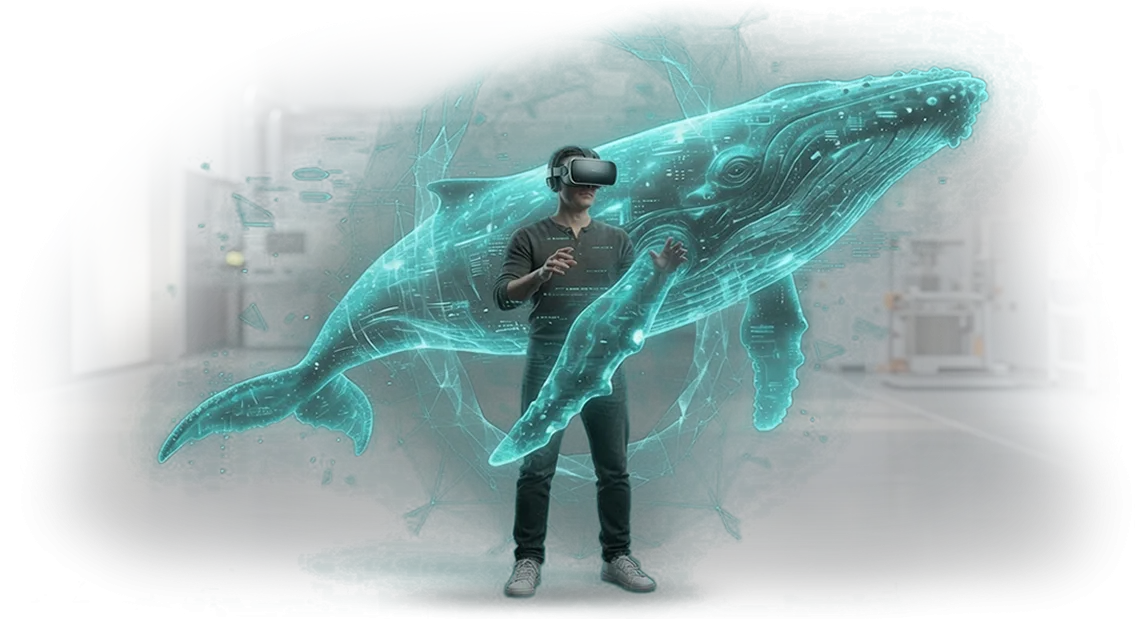
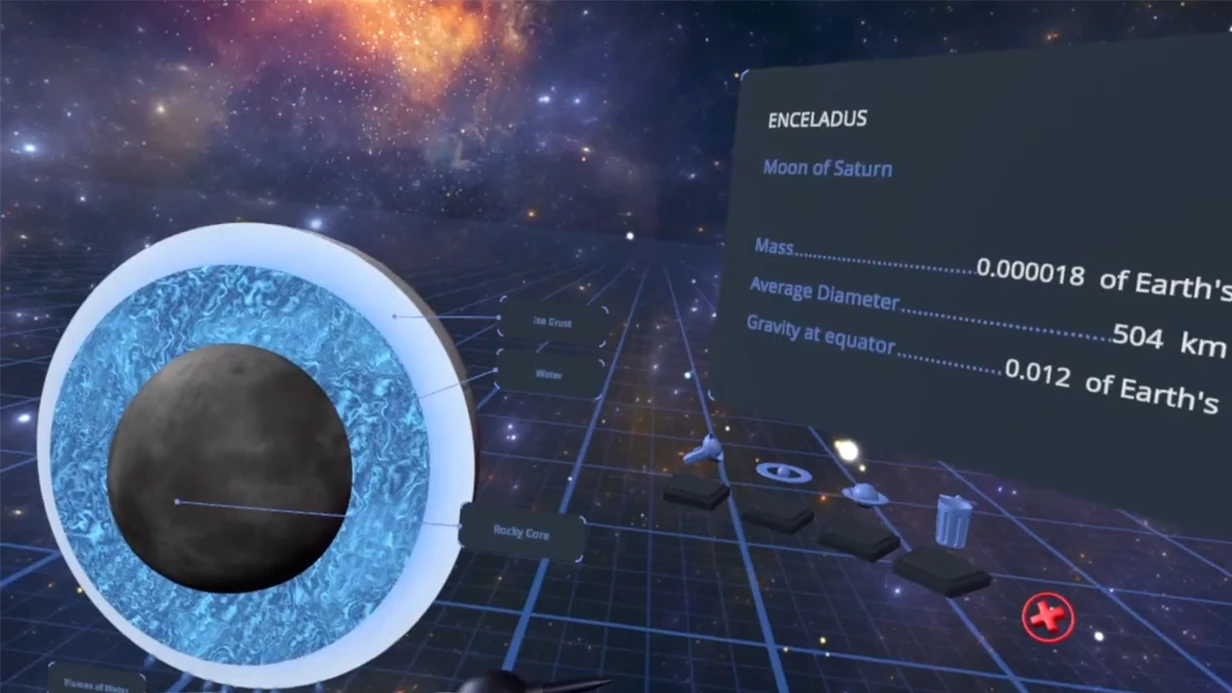
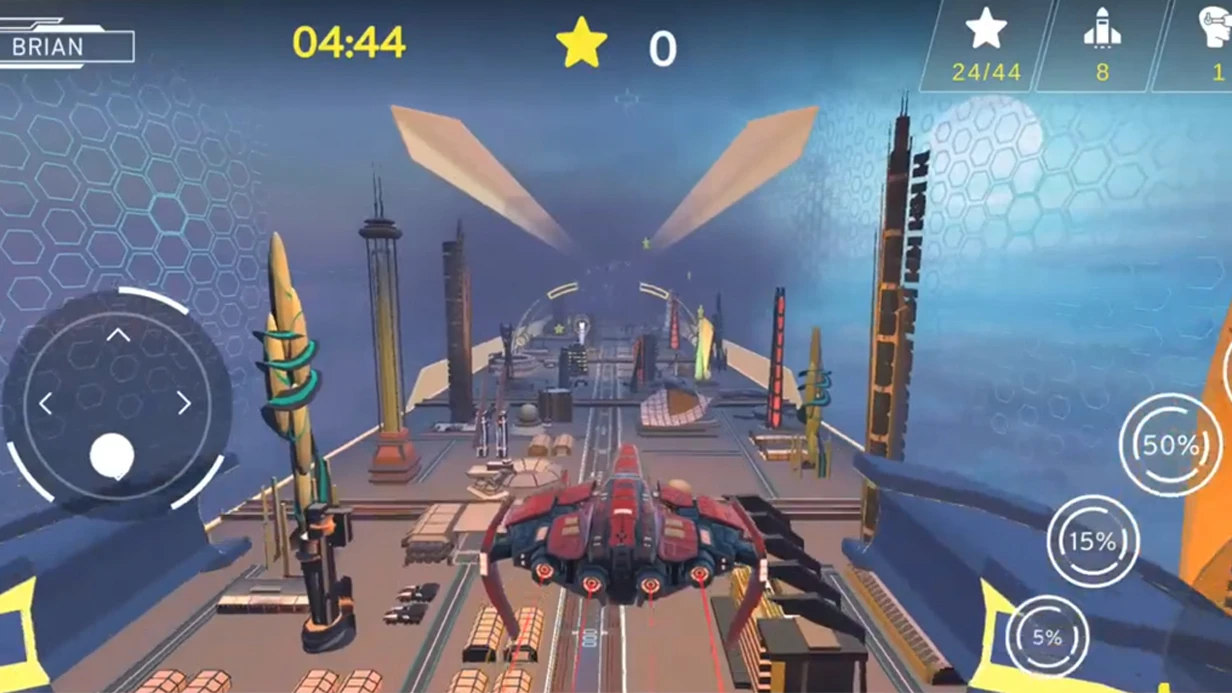


מדוע עסקים זקוקים לוויזואליזציית AR: תרחישים שמשתלמים
כאשר קונה אינו יכול לדמיין מוצר בחלל שלו, ההחלטות מתעכבות וההמרה יורדת.
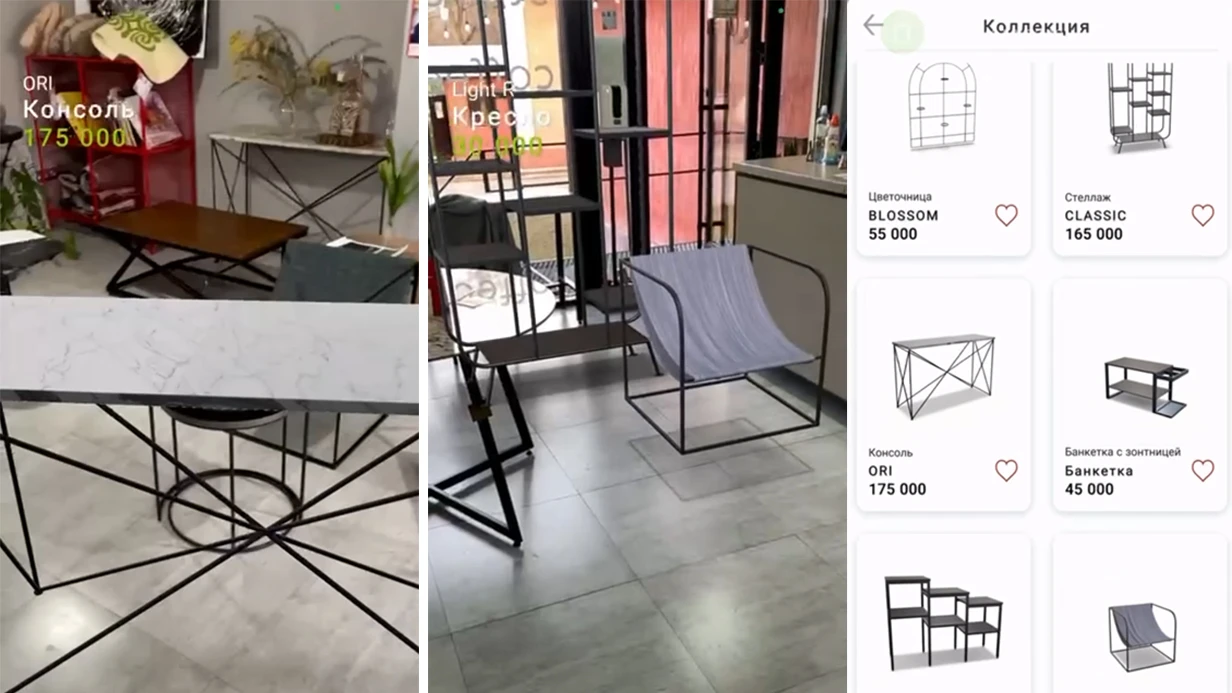
וויזואליזציית AR מביאה את המוצר ישירות לסביבת הלקוח — קונים רואים כיצד רהיט משתלב בחדר, כיצד מכשירי חשמל תואמים לעיצוב הפנים, או כיצד בגדים נראים עליהם. המציאות הרבודה מסירה את ההתנגדות המרכזית: "מה אם זה לא יעבוד בשבילי".
תרחישי הטמעת AR פותרים בעיות עסקיות ספציפיות: פחות החזרות הנגרמות מציפיות שלא מומשו, עגלה ממוצעת גבוהה יותר באמצעות מכירת אפשרויות נוספות, וקיצור מחזורי עסקה במכירות הדורשות הצגת מוצרים בתנאים אמיתיים.
יצרנים וקמעונאים משתמשים ב-AR כדי להציג מאות וריאציות ללא דוגמיות פיזיות — חוסכים בלוגיסטיקה ובשטח תצוגה. בהדרכת עובדים, המציאות הרבודה מקצרת את זמן הקליטה ומפחיתה את הסיכון לטעויות על ציוד אמיתי.
ההחזר על ההשקעה של וויזואליזציית AR בנוי ממדדים מדידים: המרה להזמנה, שיעור החזרות, מהירות החלטה ומספר פניות חוזרות.
הטמעת AR משתלמת מהעסקאות הגדולות הראשונות — במיוחד כאשר המוצר יקר, מורכב או דורש התאמה אישית.
החברה שהצוות שלנו עזר לעסקים להטמיע פתרונות AR במשך יותר מ-10 שנים — מבדיקת תהליכים קיימים ועד השקת מוצר מוגמר — ולכן אנו יודעים אילו תרחישים מביאים תוצאות מדידות ואילו נשארים רק אפקט הדגמה.
אנחנו לא מוכרים "טכנולוגיה לשם הטכנולוגיה". בהתחלה, היועצים שלנו מנתחים את משפך המכירות שלך, מזהים נקודות שבהן AR יבטל הפסדים, ומחשבים את הכלכלה לפני ההשקה.
הטמעת AR מתחילה ממשימה עסקית ספציפית, לא מבחירת ציוד — כך שכל פרויקט מספק השפעה מדידה.
השפעות של וויזואליזציית AR לעסקים: מעורבות וצמיחה במכירות
המציאות הרבודה לעסקים כיום אינה ניסוי אופנתי אלא כלי צמיחה ברור. השפעות AR הופכות מוצר סטטי לאובייקט תלת-ממדי שניתן לבחון, למדוד או למקם בחדר — וזה בדיוק מה שמעורר תגובה רגשית אצל הלקוח.
מעורבות הלקוחות בפורמט זה גבוהה בהרבה מאשר בתמונה או וידאו רגילים, מכיוון שהמשתמש הופך למשתתף ולא לצופה.
היתרון הראשון הוא תגובת הקהל. קונה פוטנציאלי לא רק צופה בכרטיס המוצר — הוא מתקשר עם המוצר: פותח דלת ארון, משנה את צבע הספה, או בודק כיצד שעון נראה על פרק היד.
השפעות AR אלו מחזיקות את תשומת הלב למספר דקות במקום כמה שניות, ואחרי חוויה כזו החלטת הרכישה מגיעה מהר יותר ובביטחון רב יותר.
היתרון השני הוא הכרת המותג. אנשים זוכרים חוויות יוצאות דופן ומראים אותן לאחרים: תמונה עם מוצר משולב מגיעה לרשתות החברתיות, ואנשים מספרים על כך לעמיתיהם.
כל פוסט כזה פועל כהמלצה אישית, ומרחיב את החשיפה ללא הוצאות פרסום נוספות. ככל שהמותג משתמש ביותר תרחישי AR, כך הוא מתקבע יותר בתודעת האנשים כמודרני וטכנולוגי.
המרכיב השלישי הוא AR במכירות. קונה שרואה מוצר בסביבה אמיתית מחזיר פחות רכישות ומהסס פחות לגבי ההזמנה. זה מפחית את העומס על היועצים ומגדיל את חלקם של עסקאות שהושלמו.
בנוסף, החברה מקבלת נתונים על אילו מוצרים נצפו הכי הרבה ויכולה לתכנן את המבחר וקמפיינים פרסומיים בצורה מדויקת יותר.
בסופו של דבר, המציאות הרבודה לעסקים פותרת שלוש משימות בו-זמנית: מעורבות מיידית, הכרה ארוכת טווח והגדלת מכירות. התוצאה נראית כבר בשבועות הראשונים לאחר ההשקה — דרך מספר האינטראקציות, אנשי קשר חדשים ופניות חוזרות של לקוחות.
פורמטי הטמעה: מהדגמה ועד מחזור מלא
אותה וויזואליזציית AR יכולה לפתור משימות שונות: אזור הדגמה קצר בתערוכה מושך תנועת רגלים, בעוד הטמעה מלאה באולם תצוגה משנה את תהליך המכירה. אנחנו לא "מוכרים פורמט אחד לכולם" — אנו מתאימים את ההיקף למשימה, לתקציב וללוח הזמנים שלך. להלן האפשרויות העיקריות שאנו עובדים איתן לרוב.
| פורמט | למי זה מיועד | מה זה נותן ללקוח |
|---|---|---|
| אזור הדגמה בתערוכה | דוכן, אירוע, הצגת מוצר | תור בדוכן, תמונות וסרטונים של אורחים ברשתות החברתיות, הכרה |
| תרחיש אירוע | אירוע, כנס, השקת מוצר חדש | מעורבות אורחים, "אפקט וואו" וסיפור בלתי נשכח |
| אולם תצוגה וירטואלי | קטלוג, חנות, מחלקת מכירות | הצגת מוצר בגודל אמיתי ללא לוגיסטיקה או שטח רצפה |
| הטמעה שוטפת במפתח מלא | רשת חנויות, מרכז הדרכה, פורטל ארגוני | כלי אחד למכירות, הדרכה ותמיכת לקוחות |
בהתחלה, גרסת הדגמה לרוב מספיקה — זו דרך מהירה לבדוק השערה ולאסוף משוב מהקהל. אם אתה רואה שהפורמט עובד, אנו מרחיבים אותו לבסיס קבוע: שילוב עם CRM, אתר או תוכנית נאמנות.
גישה זו חוסכת בתקציב שלך: אתה לא משלם על "הכל בבת אחת", אלא מקבל תחילה תוצאה מדידה באירוע ספציפי. אנו עוזרים לך לבחור את הפורמט, להכין הערכת תקציב ולטפל בהשקה — מהבריף הראשון ועד הדוח הסופי.
שלבי הפרויקט: מבריף ועד השקה
תהליך שקוף הוא חצי מההצלחה של פרויקט. כאשר אתה מזמין פיתוח וויזואליזציית AR, חשוב להבין מי אחראי על מה, היכן נקודות האישור ומתי תופיע התוצאה.
בנינו את העבודה שלנו כך שאתה רואה התקדמות בכל שלב במקום לנחש מה קורה ב"קופסה שחורה".
-
בריף וגילוי משימה. אנו דנים במטרה שלך: מה וויזואליזציית ה-AR אמורה לפתור — להגדיל הכרה, להגביר מכירות או להכשיר עובדים. אנו מתעדים את תרחיש השימוש וקהל היעד, ומגדירים את ציר הזמן של פרויקט ה-AR.
-
בדיקה ובחירת פורמט. בהתבסס על הבריף, אנו מציעים את הפתרון האופטימלי: אפליקציה ניידת, גרסת web או AR ישירות על הציוד שלך.
בשלב זה, אנו גם מעריכים את המגבלות הטכניות של המקום והתנועה — כך שהתוצאה תעבוד עבור המשתמשים שלך, לא רק במצגת.
-
פיתוח קונספט ואב-טיפוס חזותי. אנו יוצרים מודל חזותי של תרחיש ה-AR: כיצד האובייקט נראה, אילו פעולות המשתמש מבצע וכיצד המותג שלך משולב.
אתה מקבל תמונה ברורה של המוצר העתידי — זהו שלב אישור האב-טיפוס, שבו קל לבצע שינויים לפני תחילת התכנות.
-
אב-טיפוס ובדיקות. אנו מרכיבים דוגמה עובדת על הסמארטפון או הטאבלט שלך. אתה ממש רואה את אובייקט ה-AR בחלל אמיתי, בודק את השימושיות ומוסיף בקשות אחרונות. אנו משכללים פרטים לפני המעבר לפיתוח AR מלא.
-
פיתוח סופי ואיתור באגים. אנו בונים את וויזואליזציית ה-AR עצמה, מגדירים אנימציות, התנהגות אובייקטים ואינטראקציה עם המשתמש. אנו בודקים על מכשירים שונים כדי לוודא שהכל פועל ביציבות וללא עיכובים.
-
השקה ותמיכה. אנו מפרסמים את הפתרון — בחנות האפליקציות, באתר או בתוך התשתית שלך. לאחר ההשקה, אנו נשארים בקשר: אוספים משוב, מעדכנים תוכן בעת הצורך ומוודאים שוויזואליזציית ה-AR ממשיכה לספק ערך.
כל התיאום עובר דרך מנהל החשבון שלך — אתה לא נכנס לפרטים טכניים, אלא מתמקד בתוצאות עסקיות. לוחות הזמנים הסופיים מקובעים בחוזה כך שתוכל לתכנן את ההשקות שלך ללא הפתעות.
מה כלול במסירה: ערכת התחלה מלאה
לאחר סיום העבודה, אתה מקבל יותר מסתם קישור לאפליקציה — אתה מקבל ערכה מלאה לתפעול עצמאי. כל מה שיצרנו במהלך הפרויקט נשאר אצלך בצורה מאורגנת, מקבצי האפליקציה ועד הוראות קצרות שגם עובד חדש יכול להתמודד איתן.
ערכה זו משחררת אותך מתלות במפתח ומאפשרת לך להשיק, לעדכן ולפתח את פתרון ה-AR בעצמך.
מה כלול בחבילת המסירה של פרויקט AR
- אפליקציית AR עובדת המותאמת למשימות שלך — וויזואליזציית מוצר, אולם תצוגה וירטואלי, מודול הדרכה או הוראה טכנית. היא כבר מוגדרת ונבדקה על מכשירי יעד, כך שעובדים ולקוחות יכולים להתחיל להשתמש בה ביום המסירה.
- קבצי מקור של האפליקציה וכל חומרי הפרויקט. אתה מקבל גישה מלאה לקוד, לנכסים ולמבנה לצורך שיפורים עתידיים. זה אומר שאתה לא קשור אלינו: הפתרון יכול להיות מפותח על ידי הצוות שלך או להימסר לכל קבלן אחר.
- פאנל ניהול — אם התרחיש דורש עדכוני תוכן שוטפים. תוכל לשנות את הקטלוג, מודלים תלת-ממדיים, תיאורים וחומרים שיווקיים בעצמך ללא מעורבות מפתחים או המתנה של שבועות.
- הדרכת עובדים. אנו מקיימים מפגש מעשי עם העובדים שלך: מראים כיצד להפעיל את האפליקציה, להוסיף תוכן, לקרוא סטטיסטיקות ולטפל במצבים נפוצים. הקלטת ההדרכה נשארת אצלך לעיון ולהכשרת חברי צוות חדשים.
- תיעוד ברור של פרויקט AR. הערכה כוללת מדריכי PDF קצרים וסרטונים: התקנה, תפעול, שגיאות נפוצות וכיצד לתקן אותן. זה מקל על הכשרה גם של עובדים שמעולם לא עבדו עם מציאות רבודה.
- תמיכה לאחר ההשקה. לתקופה מוסכמת, אנו נשארים זמינים: עוזרים בעדכונים, עונים על שאלות ומתקנים שגיאות במהירות כדי שהפרויקט שלך יפעל בצורה חלקה וללא הפרעות.
ערכה זו נותנת מענה לחשש המרכזי של הלקוח — להישאר לבד עם טכנולוגיה מורכבת לאחר התשלום. אתה לא משלם על "קובץ על דיסק" אלא על כלי מוגמר שהצוות שלך מבין ויכול להשתמש בו כבר מחר.
מקרה בוחן: כיצד הפתרון עזר ללקוח תוך 4 שבועות
הלקוח היה מפעיל תערוכות גדול שהכין יריד תעשייתי.
ארבעה שבועות לפני הפתיחה, התברר שדוכנים סטנדרטיים עם ברושורים לא מושכים תשומת לב, והמארגנים היו צריכים להוכיח לשותפים שהמקום מציע פורמטים חדשים למעורבות קהל. כך נולדה המשימה — להפוך את הדוכן לטכנולוגי ומדיד.
הצענו וויזואליזציית AR: מבקרים מכוונים את מצלמת הסמארטפון לסמן ורואים מודל תלת-ממדי של המוצר, יכולים לסובב אותו, לשנות את צבעו ולשלוח אותו מיד למייל שלהם.
עבור מרכז התערוכות Impulse, זה הפך לנקודת משיכה — נוצר תור סביב הדוכן.
תוצאות AR לתערוכה
במשך שלושת ימי היריד, 1,200 אורחים ביקרו בדוכן; 340 מהם הפעילו מפגש אינטראקטיבי ובילו בממוצע 4 דקות בדוכן — פי שלושה יותר מאשר בדוכנים שכנים. 70% מהמשתתפים השאירו את פרטי הקשר שלהם, וחלקם חתמו מאוחר יותר על חוזים עם מציגים.
מקרה AR מוצלח זה מאשר שוויזואליזציה מעוצבת היטב מספקת תוצאות עסקיות מדידות — מאנשי קשר חדשים ועד הזמנות חוזרות. חודשיים לאחר מכן, המפעיל הזמין פתרון AR לתערוכה הבאה ללא בדיקה מקדימה.
עבורנו, זו ההוכחה העיקרית לכך ש-AR פועל להגדלת החשיפה וההמרה, לא רק לאיסוף לייקים.
כיצד לבחור את הפורמט הנכון למשימה שלך?
הקריטריונים לבחירת פורמט AR פשוטים: התחל לא מטכנולוגיה אופנתית אלא ממשימה ספציפית. אם אתה צריך למשוך תשומת לב למוצר בתערוכה, חלון ראווה AR עם מודל תלת-ממדי יעבוד.
אם המטרה היא להפחית החזרות בחנות מקוונת, מדידה וירטואלית שימושית יותר. אותו פרויקט יכול להיות מיושם בפורמטים שונים, ולכן אנו מגדירים תחילה את המטרה, הקהל ותרחיש השימוש.
הקריטריון השני הוא התנהגות המשתמש. מבקר בקניון מבלה 10–15 שניות מול מסך, בעוד שלקוח באולם תצוגה מוכן להשקיע מספר דקות. בחירת AR לוקחת זאת בחשבון: תרחיש קצר לנקודת מגע מהירה ופורמט עמוק יותר לחקירה מפורטת.
גם מקום האינטראקציה חשוב: מצלמת סמארטפון, טאבלט על דוכן או משקפי מציאות מדומה באזור נפרד.
הקריטריון השלישי הוא מדידות תוצאות. בחירה טובה של פורמט AR מאפשרת להבין כמה אנשים קיימו אינטראקציה עם התוכן וכיצד זה השפיע על המכירות.
לכן, בעת בחירת AR למשימה, אנו כוללים מדדים פשוטים: מספר סריקות, זמן אינטראקציה ופניות חוזרות.
הצוות שלנו משתמש בגישה זו: תחילה ייעוץ ובדיקת הטמעת וויזואליזציית AR, לאחר מכן בחירת פורמט למשימה שלך, ורק אז הטמעה.
ההמלצה הסופית היא זו: ככל שתגדיר את המשימה והקהל שלך בצורה מדויקת יותר, כך נבחר מהר יותר פורמט שמספק תוצאות מדידות.
בייעוץ, אנו מציעים שתיים או שלוש אפשרויות עם השפעה משוערת — אתה משווה ביניהן ומקבל החלטה ללא פרטים טכניים.
תשובות לשאלות נפוצות לפני שמתחילים
אנו יודעים שלפני תחילת פרויקט וויזואליזציית AR, ללקוחות יש שאלות. לרוב, הן נוגעות לערבויות, סיכונים, אבטחה ולוחות זמנים. להלן אנו עונים על העיקריות כדי שתוכל לקבל החלטה ברוגע וללא חששות נסתרים.
מה אם וויזואליזציית ה-AR לא תספק את האפקט הצפוי?
בהתחלה, אנו מגדירים יעדים מדידים — למשל, מספר אינטראקציות או זמן שהייה של אורח באזור. אנו מריצים בדיקה לפני ההשקה ומתאימים את התרחיש עד שנקבל את התוצאה הרצויה. אם משהו משתבש, אנו משכללים אותו.
מהם סיכוני ההטמעה וכיצד אתם מפחיתים אותם?
הסיכון המרכזי הוא תקלה טכנית ברגע הגרוע ביותר. אנו מפחיתים אותו באמצעות הכנה: משתמשים בציוד אמין, יוצרים עותקי גיבוי של תוכן ומתכננים תרחיש למצבים בלתי צפויים. במשך שנים של עבודה, פיתחנו תקנים שמבטלים את רוב ההפתעות.
האם וויזואליזציית AR בטוחה למשתמשים ולנתונים?
למשתמשים, היא בטוחה — הם פשוט מסתכלים על המסך או דרך המצלמה, ללא הורדות או התקנות. אנו לא אוספים נתוני מבקרים אלא אם כן הכרחי, ואם הפרויקט דורש אנליטיקה, אנו עובדים דרך ערוצים מאובטחים ועם סטטיסטיקות אנונימיות.
כמה זמן אורכת ההטמעה?
זה תלוי בתרחיש: מכמה ימים לוויזואליזציה פשוטה ועד חודש לפרויקט רב-שלבי עם שילוב בפנים. בשלב הבריף, אנו נותנים לוח זמנים ריאלי ומעדכנים אותך בכל שלב — מרעיון ועד השקה.
מוכן לדון בפרויקט שלך? שלח בקשה
שלח בקשה לוויזואליזציית AR — ונתחיל בייעוץ. בשיחה הראשונה, ננתח את המשימה שלך, נראה היכן AR יכול לספק תוצאות מהירות ונציע אפשרויות פתרון.
תקבל הערכת עלות לפרויקט AR ללא "הפתעות" ותבין כיצד להתאים אותו לתקציב שלך.
לאחר פנייתך, תקבל:
- הערכת עלות לפרויקט AR המותאם למשימה שלך — שקופה, ללא עמלות נסתרות.
- ייעוץ עם מומחה AR: אנו עוזרים לך לקבוע איזו וויזואליזציה תשתלם הכי מהר.
- תוכנית הטמעה עם שלבים ולוחות זמנים — אתה מיד רואה מתי הפרויקט מתחיל ומתי לצפות לתוצאות.
- בחירת פורמט: קטלוג AR, מדידה וירטואלית, דוכן אינטראקטיבי או מודול הדרכה — מה שפותר בדיוק את המשימה שלך.
- בדיקה של הפתרון הנוכחי שלך, אם פרויקט כבר בעיצומו — אנו מצביעים על נקודות חולשה ואזורי צמיחה ללא עלויות מיותרות.
- מנהל אישי: הוא מעדכן אותך ועונה על שאלות במהלך יום העבודה.
אנו בדרך כלל מכינים הצעה מסחרית תוך 2–3 ימי עסקים. שליחת בקשה ל-AR אורכת דקה — לאחר מכן, תקבל תוכנית פעולה ברורה והבנה של התקציב. אתה יכול להתחיל את פרויקט ה-AR שלך מיד לאחר האיטרציה המוסכמת הראשונה.
מלא את הטופס — ותוך כמה ימים תדע כיצד וויזואליזציית AR יכולה להגדיל מכירות, להפחית החזרות ולחזק את השירות. אנו עובדים מרחוק, כך שאתה יכול להתחיל בכל עיר ובזמן שנוח לך. שלח בקשה — אנחנו נטפל בשאר.