



בלי AR לרכב, לקוחות עוזבים למתחרים
לקוח נכנס לאולם תצוגה ורואה רכב בצבע אחד ובגרסת אבזור אחת. הוא לא יכול לדמיין תוך חמש דקות איך הרכב ייראה בצבע אחר, עם גלגלים שונים, או בתאורת ערב.
בדיוק חוסר הוודאות הזה מעכב את ההחלטה – והקונה הולך למתחרה שהצליח להראות לו את הרכב שחלם עליו.
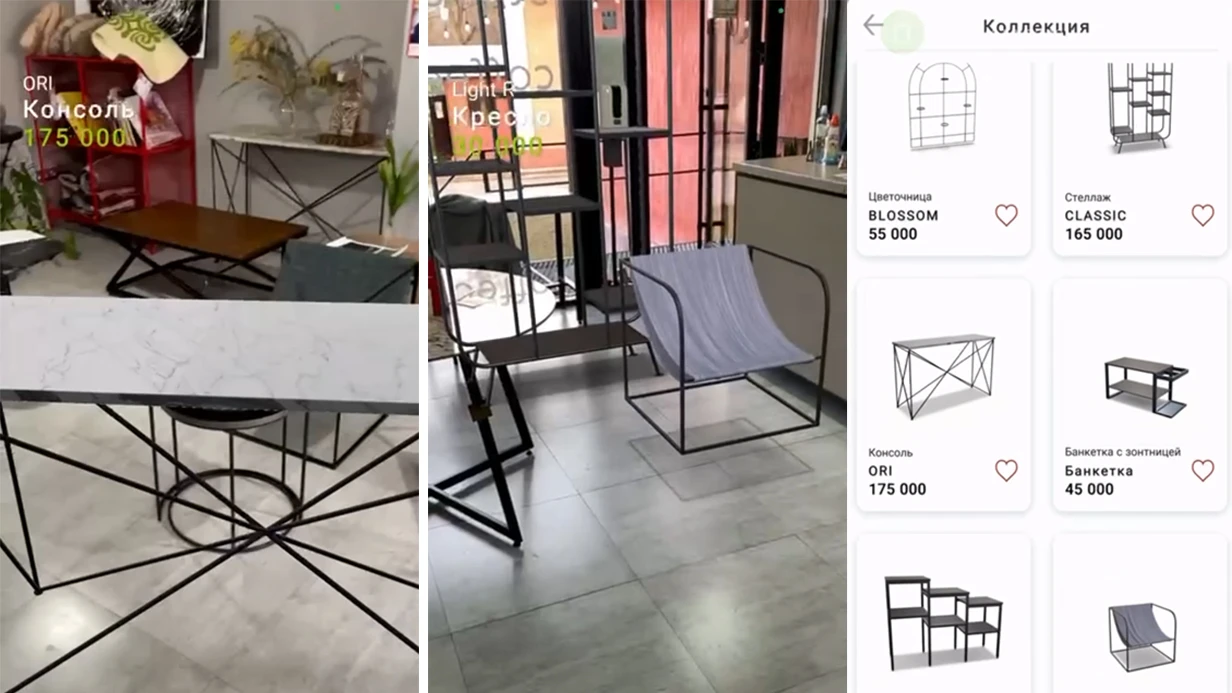
קונים מודרניים רגילים לאינטראקטיביות. הם כבר צופים בריהוט ובבגדים במציאות רבודה כשהם קונים, ולכן הם מצפים לאותה חוויה מתחום הרכב. כשסוכנות או מותג לא מציעים זאת, זה נתפס כפיגור אחרי השוק, והאמון יורד.
זו הסיבה העיקרית לכך שעסק מאבד לקוחות בלי AR לרכב: הם מקבלים פחות התרשמויות ופחות סיבות לבחור בכם.
הטמעת AR בתחום הרכב משנה את הדינמיקה הזו. הקונה רואה את הרכב בכל צבע וגרסת אבזור ישירות באפליקציה או על מסך באולם התצוגה – בלי לחכות למשלוחים או להדגמות פיזיות.
הם מרגישים בטוחים בבחירה שלהם, מקבלים החלטות מהר יותר, וסביר יותר שיישארו בערוץ המכירות שלכם.
יתרה מכך, פתרונות AR מודרניים לרכב אינם דורשים תשתית מורכבת. צוות מקצועי עוזר צעד אחר צעד – מבחירת תרחישים ועד להשקה.
כתוצאה מכך, אתם מקבלים לא רק אולם תצוגה דיגיטלי, אלא כלי עבודה שמעלה המרות ומחזיר לקוחות שנהגו לעזוב למתחרים. אנחנו מתחילים בפרויקט ניסיון קטן ומראים את התוצאה על המוצר שלכם.
אילו יתרונות המציאות הרבודה מביאה לעסקי הרכב
מציאות רבודה בתעשיית הרכב היא כבר לא ניסוי – היא כלי מכירות ושיווק מעשי. יצרנים מובילים כמו BMW כבר משתמשים ב-AR כדי להדגים אפשרויות ודגמים חדשים, וסוכנויות מאמצות אותה כדי להחזיק את תשומת הלב של הלקוחות באולם התצוגה.
היתרון הראשון והברור ביותר הוא הגדלת החשיפה. מצגת רכב ב-AR נראית יוצאת דופן, מבקרים מצלמים אותה בטלפונים ומשתפים ברשתות החברתיות. כתוצאה מכך, המותג מקבל אזכורים חינמיים עוד לפני שהקונה מגיע לסוכנות.
השני הוא נאמנות גבוהה יותר. במקום דוכן סטטי, הלקוח מתקשר עם הרכב: משנה צבע, חוקר את הפנים, משווה גרסאות אבזור.
החוויה הזו נצמדת לזיכרון, יוצרת חיבור רגשי למותג, ומגדילה את הסבירות לביקור חוזר.
השלישי הוא חיסכון בלוגיסטיקה וביחידות תצוגה. מציאות רבודה מאפשרת להראות כל גרסה של הרכב בלי להחזיק פיזית כל דגם במלאי.
הסוכן לא צריך לשכור שטח רצפה נוסף או להסיע רכבים – הקונה רואה את כל מגוון הדגמים ישירות באולם התצוגה.
אנחנו בונים פרויקטי AR על חומרה מקצועית וכלים מוכחים, כך שהתוצאה נשארת יציבה גם תחת עומס מבקרים כבד. עבור הלקוח, זה אומר ודאות: אף לקוח לא נשאר בלי הדגמה בגלל תקלה טכנית.
מנהל סוכנות שעבדנו איתו ציין: "המציאות הרבודה קיצרה את זמן המצגת והעלתה את ההמרה לנסיעות מבחן.
אנשים התחילו להישאר יותר זמן באולם התצוגה ולשאול יותר שאלות על הרכב." אלה בדיוק המדדים – מעורבות, חשיפה וגידול בפניות חוזרות – שהופכים את ה-AR מחדשנות טכנולוגית למקור רווח לעסקי הרכב.
פורמטי הטמעה ל-AR ברכב: מאולם התצוגה ועד למוסך
AR לרכב עובד בכל שלב של מגע הלקוח עם הרכב – מתצוגה באולם ועד למתחם השירות. המפתח הוא לבחור את הפורמט שפותר את המשימה הספציפית שלכם: הגדלת חשיפה, האצת הבחירה, או חיזוק האמון בשירות.
הפורמטים העיקריים להטמעה מוצגים בטבלה.
| פורמט | למי זה מיועד | מה זה נותן ללקוח |
|---|---|---|
| AR באולם התצוגה | סוכנויות רכב, משווקים, חללי תערוכה | מציג גרסאות אבזור ואפשרויות בלי צורך בכל רכב פיזית, מושך תשומת לב ומגדיל את זמן השהייה באתר. |
| AR לנסיעות מבחן | יצרנים, סוכנויות, מחלקות שיווק | משפר את הנסיעה האמיתית עם הדרכה: הנהג מבין את כל יכולות הרכב מהדקות הראשונות. |
| AR לשירות | מרכזי שירות, מוסכים, מחלקות שירות בסוכנויות | ממחיש את העבודה שבוצעה ואת היסטוריית הטיפולים – הלקוח רואה על מה הוא משלם, עם פחות שאלות ומחלוקות. |
| AR לחניה וניווט | מתקני חניה, קניונים, מתחמי עסקים | עוזר למצוא במהירות מקום פנוי ולאתר את הרכב של הלקוח, מפחית עומס על הצוות ומגביר נאמנות. |
זו לא קטגוריזציה נוקשה: אפשר לשלב פורמטים בקלות, או להתחיל בפיילוט יחיד. אנחנו מנתחים את משפך המכירות שלכם, מציעים את נקודת השילוב הנכונה, ומספקים תחזית השפעה לפני ההשקה – כך שאתם יודעים איזו תוצאה תקבלו בחודש הראשון.
עבור כל פורמט, אנחנו מכינים את התרחיש, התוכן ומדריך קצר לצוות – העובדים שלכם יכולים מיד להראות AR ללקוח ולענות על שאלות.
כך, ההטמעה מספקת ערך מדיד: יותר נסיעות מבחן, המרה גבוהה יותר לפניות, ויותר ביקורי שירות חוזרים.
איך הפרויקט מתפתח: מבריף ועד לתמיכה
הטמעת AR לרכב היא לא קניית מוצר מוכן מהמדף; זה פרויקט משותף שצריך להשתלב בתהליכים העסקיים שלכם. אנחנו עובדים בשלבים כך שבכל שלב אתם מבינים מה קורה, אילו תוצאות כבר הושגו, ומה הלאה.
- בריף והתעמקות. אנחנו מראיינים את הצוות שלכם ולומדים את מקרה השימוש: מכירות, הדרכה, תמיכה טכנית או מצגת. אנחנו קובעים את המטרות, קהל היעד וקריטריוני ההצלחה.
- ביקורת ותוכנית הטמעה. אנחנו מעריכים את התהליכים הקיימים, הציוד והנתונים שכבר יש לכם. אנחנו מכינים מפת דרכים: אילו משימות אנחנו פותרים, באיזה סדר, וכמה זמן ייקח כל שלב.
- אישור אב טיפוס. אנחנו מראים איך ה-AR ייראה ויפעל בתרחיש שלכם: ממשק, לוגיקת אינטראקציה, שילוב עם המערכות שלכם. אתם מבצעים תיקונים לפני שפיתוח מלא מתחיל – זה חוסך תקציב.
- פיתוח והגדרה. אנחנו בונים את הפתרון על חומרה מקצועית וארכיטקטורת שרתים, ומתאימים אותו למכשירים שלכם: טאבלטים, סמארטפונים או משקפי AR. אנחנו מציגים תוצאות ביניים בכל ספרינט.
- בדיקה עם משתמשים אמיתיים. אנחנו מאמתים את התרחיש עם העובדים או הלקוחות שלכם: נוחות, מהירות, אמינות. אנחנו מתקנים בעיות לפני ההשקה בקנה מידה מלא.
- השקה והדרכת צוות. אנחנו פורסים את המערכת, מחברים את הנתונים הנדרשים ומבצעים הדרכה לצוות שלכם. אתם מקבלים כלי מוגמר, לא פיתוח גולמי.
- תמיכה וצמיחה. אנחנו נשארים עם הפרויקט אחרי ההשקה: מרעננים תוכן, עוקבים אחר יציבות ועוזרים להרחיב פונקציונליות כשמתעוררות משימות חדשות.
גישה זו מספקת לוחות זמנים שקופים להטמעת AR ועלות ברורה בכל שלב. אתם תמיד יודעים מה אתם מקבלים ויכולים לשלוט בתהליך בלי להיכנס לפרטים טכניים.
מה כלול בחבילה: מסירה מלאה לפרויקט שלכם
חבילת מסירת ה-AR היא לא רק אפליקציה – זה סט שלם של כלים שהופך טכנולוגיה לתהליך עבודה. בפרויקטי AR לרכב, אנחנו בונים את החבילה הזו סביב משימות עסקיות ספציפיות: מכירות, שירות, הדרכה. מה כולל פרויקט AR? להלן היקף המסירה turnkey.
- תרחישים הבנויים סביב התהליכים שלכם – הצגת הרכב ללקוח, הוראות שירות, הדרכת צוות. לוגיקה מוכנה, לא תוכנה "ריקה".
- תוכן ומודלים תלת-ממדיים – חלקים, רכיבים, אנימציות של איך מערכות עובדות. הלקוח מבין את הרכב בלי נסיעת מבחן.
- אינטגרציות – קטלוג, קונפיגורטור, CRM. גרסאות אבזור ומחירים מעודכנים בלי עדכונים ידניים.
- הדרכת צוות – מדריכים קצרים ומפגשים למנהלים ומהנדסים. עובדים עובדים עם AR מהיום הראשון.
- דיווח – אילו תרחישים מופעלים, כמה זמן משתמשים מבלים, אילו אפשרויות מושכות עניין. נתונים לצמיחת מכירות.
- תמיכה ופיתוח – עדכוני מודלים, הוספת תרחישים חדשים, עזרה לצוות שלכם.
התוצאה של פרויקט AR אינה מוגבלת להתקנת אפליקציה. אתם מקבלים אפקט מדיד: יותר זמן שהלקוחות מבלים עם המוצר, המרה גבוהה יותר לנסיעות מבחן, הדרכת צוות מהירה יותר. זו חבילת המסירה המלאה – בלי עבודה נסתרת, בלי שאלות בלתי צפויות.
מקרה בוחן: איך מציאות רבודה החייתה נסיעת מבחן
נסיעת מבחן נשארת לעתים קרובות פורמליות: הלקוח נכנס, נוסע במסלול, ושוכח את התחושה בבית. המותג, לעומת זאת, צריך שהרכב ייזכר וידברו עליו. עזרנו ל-BMW להפוך את נסיעת המבחן לחוויה חיה עם מציאות רבודה.
במקום רשימה משעממת של אפשרויות, הנהג רואה הדרכה על יכולות הרכב ישירות בשדה הראייה שלו. חובב נהיגה בוחר תרחיש דינמי; משפחה בוחרת מסלול רגוע עם מידע שימושי.
AR לא מסיח את הדעת – הוא מטביע את הנהג ברכב ויוצר סיבה להתפעל ממנו. זו דוגמה ברורה ל-AR לרכב שעובד על הרגשות של הלקוח לפני הרכישה.
תוצאות ההטמעה
במהלך פיילוט של שלושה חודשים, זמן נסיעת המבחן הממוצע יותר מהכפיל את עצמו, וכל משתתף שני שיתף סרטונים עם אלמנטים של AR ברשתות החברתיות. המותג זכה לחשיפה אורגנית בלי תקציב פרסום נוסף.
איכות הלידים השתנתה גם היא: בקשות לנסיעות מבחן חוזרות עלו בשליש, וההמרה לפניות רכישה הייתה גבוהה יותר מאשר בנסיעות רגילות.
לקוחות דיברו יותר זמן עם יועצים ונזכרו ברגעי AR ספציפיים – מכירות נבנו על ערך הטכנולוגיה, לא על הנחות.
אחרי הפיילוט, BMW הרחיבה את תרחישי ה-AR לדגמים אחרים – עבורנו, זה האות הברור ביותר שהפתרון השתלם. אם אתם רוצים להחיות את נסיעות המבחן או מצגות הדגמים החדשים שלכם, נראה לכם איך ליישם את אותה גישה על המוצר שלכם.
השלב הבא: קבלו ייעוץ וחישוב עלות פרויקט
ייעוץ וחישוב עלות פרויקט הוא הצעד הראשון ליישום AR לרכב בלי סיכון או הוצאות מיותרות. אתם מקבלים תוכנית קונקרטית, לוחות זמנים והאפקט הצפוי – ורק אז מחליטים אם להתחיל.
זה חוסך זמן וכסף כי אתם יכולים מיד לראות היכן הטכנולוגיה תספק את הערך הגדול ביותר והיכן ההטמעה עדיין לא מוצדקת.
מה העבודה שלנו כוללת בשלב זה:
- שיחה ראשונית: אנחנו בוחנים את המשימות, התרחישים והאילוצים שלכם כדי להבין איך AR לרכב ישתלב בעסק שלכם.
- ביקורת תהליכים נוכחיים: אנחנו מוצאים נקודות שבהן מציאות רבודה תאיץ פעולות, תגדיל מכירות או תשפר את חוויית הלקוח.
- חישוב היקף: אנחנו מעריכים זמן, משאבים ותקציב – עם הערכה שקופה, בלי אותיות קטנות ובלי תוספות נסתרות.
- אב טיפוס של התרחיש המרכזי: אנחנו מראים איך הקונספט יעבוד בתנאים אמיתיים, על המכשיר שלכם ובחלל שלכם.
- השקת פיילוט: בדיקה מוגבלת עם עובדים או לקוחות כדי למדוד את הערך האמיתי לפני הטמעה בקנה מידה מלא.
- המלצות סופיות: תוכנית הרחבה, שיפורים נדרשים והמדדים שתשתמשו בהם כדי למדוד הצלחה.
אחרי זה, אתם יודעים בדיוק מה תקבלו, כמה זמן הפרויקט ייקח ומתי הוא יתחיל להניב תוצאות. אם תחליטו להמשיך – אנחנו לוקחים על עצמנו את ההטמעה turnkey ומביאים את הפתרון לפעולה יציבה.
הזמינו פרויקט AR עכשיו: שלחו בקשה לייעוץ וחישוב עלות. נחזור אליכם תוך יום עסקים אחד, נשאל את השאלות הנכונות ונכין פתרון מותאם לעסק שלכם.
איך לבחור את פורמט המציאות הרבודה הנכון למשימה שלכם?
בחירת מציאות רבודה לא מתחילה בטכנולוגיה – היא מתחילה בשאלה: מה בדיוק אתם רוצים לשנות בעסק שלכם – להגדיל המרה לנסיעות מבחן, לצמצם זמן הדרכה למהנדסי שירות, או להגביר מודעות לדגם בתערוכה?
אותו תרחיש יכול להיות מועבר כקטלוג סמארטפון, אזור תצוגה אינטראקטיבי או סימולטור הדרכה לצוות. הצוות שלנו מתאים את הפורמט למשימה האמיתית שלכם, לא להיפך – אנחנו לא מחפשים משימה שתתאים לטכנולוגיה אופנתית.
הפרמטרים העיקריים לבחירת פורמט AR הם מקרה השימוש, סביבת האינטראקציה והבשלות הדיגיטלית של הקהל שלכם. לייעוץ אחד-on-one בסוכנות, AR נייד מספיק: הקונה מכוון את המצלמה לרכב ורואה את גרסאות האבזור הזמינות.
להדרכת מכונאים, סימולטורי AR נייחים עובדים טוב יותר – הידיים נשארות חופשיות, וההוראות מופיעות ישירות על האובייקט. לאירוע המוני, AR מבוסס-דפדפן בלי התקנת אפליקציה מאפשר למבקר להפעיל את המצלמה ולקבל מיד מציאות רבודה.
בחירת פתרון AR נכון חותכת את התקציב ומגבירה תוצאות: אתם לא משלמים על פיתוח תכונות מיותרות, ומשתמשים לא נוטשים את התרחיש בשלב השני.
אנחנו מבצעים ביקורת הטמעת AR לרכב בשלושה עד חמישה ימים: אנחנו לומדים את משפך המכירות שלכם, בודקים את האילוצים הטכניים של המיקום, ובוחנים אב טיפוס עם משתמשים אמיתיים.
בסופו של דבר, אתם מקבלים לא "פרויקט AR" מופשט אלא פורמט קונקרטי עם תחזית השפעה ותוכנית השקה.
אם אתם לא בטוחים איזו אפשרות מתאימה לכם ביותר, התחילו בייעוץ-ביקורת קצר – נפרק את המשימה שלכם ונציע שניים או שלושה פורמטים עם תקציב ומהירויות הטמעה שונים. כך, אתם מקבלים החלטה על סמך נתונים וניסיון, לא על סמך הנחות.