




מקרי חירום במערכת הביוב: כיצד להימנע מאובדן כסף ומוניטין
מקרה חירום בביוב העירוני מכה בפתאומיות ופוגע במקום הכואב ביותר — התקציב. קרע בצנרת עוצר את התנועה, מציף רחובות ודורש תיקוני חירום ברשת.
כל שעת השבתה מכפילה את ההפסדים, ועלות עבודות החירום גדלה פי כמה בהשוואה לתחזוקה מתוכננת.
ההוצאות הישירות הן רק קצה הקרחון. לאחר תאונה, צריך לתת דין וחשבון לתושבים ולרשויות הרגולטוריות, ולבזבז חודשים על שיקום האמון.
נזק המוניטין מהפרעות בביוב נמשך זמן רב יותר ועולה יותר מכל תיקון: תלונות, בדיקות ומתח מתמיד ביחסים עם העירייה.
תאום דיגיטלי פותר את הבעיה באופן יזום. הוא אוסף נתונים על מצב הצנרת, הלחץ והסתימות למודל אחד ומראה היכן הרשת עלולה להיכשל.
זה מאפשר להחליף קטע מסוכן לפני שמתרחשת תאונה ולהעביר את הפעולות ממצב חירום לתחזוקה מתוכננת.
ההנהלה זוכה לוודאות פיננסית: הפסדי התקציב מצטמצמים, עלויות תיקון הרשת מותאמות, והדוחות הופכים לשקופים. תאום דיגיטלי הוא כלי שעובד למען המוניטין של החברה שלך, לא נגדו.
אנו מתכננים תאומים דיגיטליים של מערכות ביוב עירוניות כדי לעמוד ביעדי הלקוח — מקטע פיילוט ועד לרשת כולה. אנו עוזרים לך לראות את המערכת כמכלול, להפחית את שיעור התאונות ולהפסיק להפסיד כסף על עבודות בלתי צפויות.
מה מספק תאום דיגיטלי של הרשת: 5 תוצאות מדידות
תאום דיגיטלי מעביר את ניהול הביוב העירוני ממצב "כיבוי שריפות" לפעולות מתוכננות. הנה חמש תוצאות מדידות שתראה בתוך החודשים הראשונים.
פחות תאונות
התאום הדיגיטלי מראה היכן הבלאי מתקרב לרמות קריטיות. הבעיה מטופלת לפני שהיא הופכת לקרע — גם התאונות וגם ההוצאות הבלתי מתוכננות פוחתות.
תגובה מהירה יותר
כאשר מתרחש אירוע, התאום מאתר את המיקום המדויק ואת היקף הבעיה. הצוות הולך ישר לנקודה הנכונה במקום לחפש את התקלה בתרשימים על נייר — זמן התגובה יורד משעות לדקות.
הכשרת צוות
העובדים מתאמנים על תרחישים בעותק וירטואלי של הרשת: מתחזוקה שגרתית ועד סתימות מורכבות. ניסיון שנדרשו שנים לצבור זמין כעת ללא סיכון של טעויות או הפרעות בשירות.
שליטה בתשתית
ההנהלה רואה את כל הרשת על מסך אחד: אילו קטעים תקינים, היכן אזורי הסיכון והיכן מתבצעות עבודות מתוכננות. הדוחות ברורים גם ללא רקע הנדסי, כך שההחלטות מבוססות על עובדות.
דוחות ברורים
תמונת מצב רבעונית של בריאות הרשת עם מגמות ותחזיות מפשטת את הדיווח לעירייה ואת הצדקת התקציב לתקופה הבאה.
פורמטים של תאום דיגיטלי למערכות ביוב עירוניות: VR, AR ו-MR
תאום דיגיטלי של מערכת ביוב עירונית אינו מוצר סטטי אחד אלא כמה פורמטי עבודה המטפלים במשימות שונות, מהכשרת צוות ועד אישור פרויקטים מול רשויות העיר.
במקום שרטוטים שטוחים ומודלים פיזיים יקרים, אתה מקבל מודל חי שניתן ליצור איתו אינטראקציה במציאות וירטואלית, מוגברת או מעורבת.
הפורמט נבחר לפי המשימה הספציפית: לפעמים צריך להכשיר עובד במהירות, לפעמים להראות את הרשת התת-קרקעית ממש ברחוב, ולפעמים לחבר מתכננים והנהלה במרחב אחד. כך זה עובד בפועל.
| פורמט | למי | מה הוא נותן ללקוח |
|---|---|---|
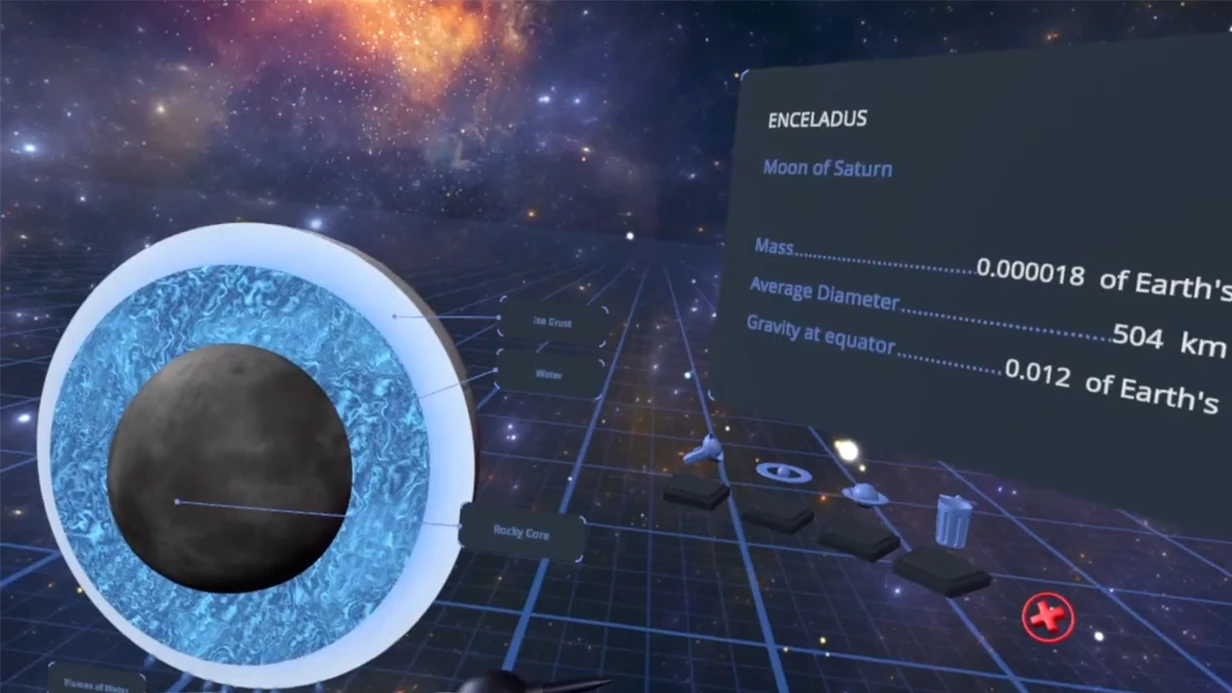
| סימולטור VR | מפעילים, צוותי תיקון, עובדים חדשים | תרגול תרחישי חירום ללא סיכון או השבתות רשת. העובד לומד לפנות סתימות, חסימות ונזקים בסביבה בטוחה — אתה מקבל כישורי צוות צפויים וצמצום זמן השבתת חירום. |
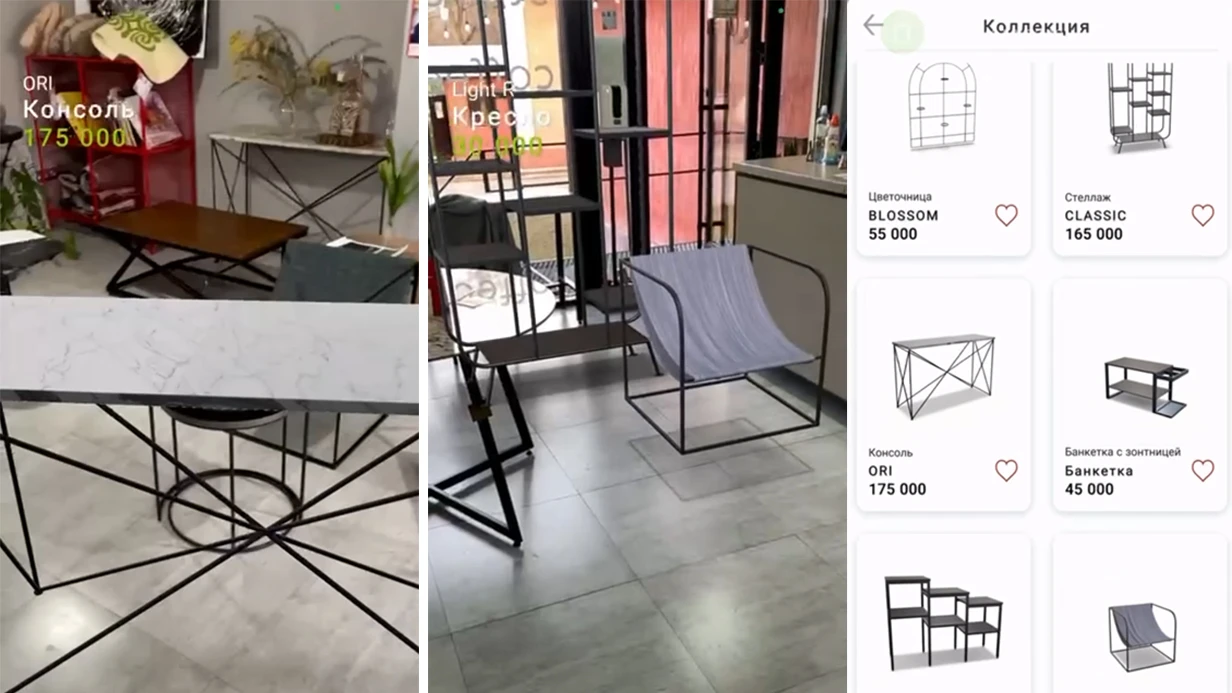
| ניווט AR | מתקינים, מהנדסים, שירותי תחזוקה | תאום "ממש על המדרכה": תשתיות תת-קרקעיות, פתחי ביוב ונקודות חיבור מוצגות על גבי התצוגה האמיתית של טאבלט או סמארטפון. פחות טעויות במהלך חפירות, איתור מהיר יותר של עצמים בשטח. |
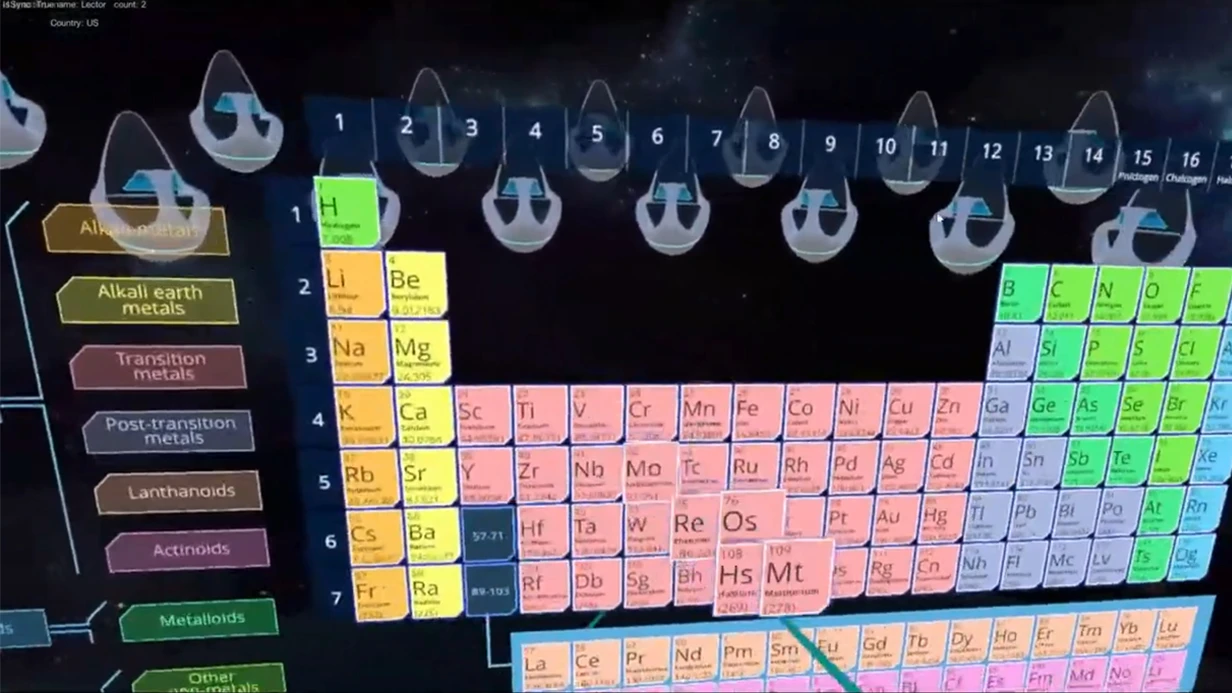
| ויזואליזציית MR | מנהלים, מתכננים, ועדות עירוניות | צפייה משותפת במודל בקנה מידה 1:1 ובחתך רוחב. משתתפי הפגישה רואים את ההשלכות של החלטות לפני תחילת הבנייה ומאשרים שינויים מהר יותר, ללא תרשימי נייר. |
כל שלושת הפורמטים משתמשים באותו תאום דיגיטלי של מערכת הביוב העירונית — רק שיטת ההצגה והציוד משתנים.
אנו מתאימים את האפשרות למשימה שלך במקום למכור "טכנולוגיה לשם טכנולוגיה", כך שאתה משלם על תוצאה שבאמת מזרזת עבודה ומפחיתה סיכונים.
כיצד מפתחים תאום דיגיטלי: מהבריף ועד ההשקה
ללקוח חשוב להבין שפיתוח תאום דיגיטלי של מערכת ביוב עירונית אינו "קופסה שחורה" אלא תהליך מבוקר עם שלבים ברורים, לוחות זמנים ונקודות אישור.
בנינו את העבודה כך שתראה תוצאות בכל שלב ותוכל להשפיע על הפרויקט, במקום לקבל מוצר מוגמר בסוף.
להלן נתיב פרויקט טיפוסי שאנו עוברים יחד עם הלקוח מהבריף הראשון ועד ההשקה והתמיכה השוטפת:
- בריף והתעמקות במשימה. אנו אוספים נתוני מקור: תרשימי רשת, אזורי תאונות, עומסי צנרת, דרישות ניטור. אנו מראיינים את המומחים שלך כדי להבין בדיוק אילו פתרונות אתה צריך — למוקד בקרה, תכנון תיקונים או הכשרת צוות.
- ביקורת טכנית ותוכנית יישום. אנו בודקים אילו נתונים כבר קיימים בתשתית שלך (טלמטריה, מערכות שיגור, מפות) וקובעים מה צריך לשפר. אנו קובעים את היקף העבודה, לוחות הזמנים ופורמט האישור — אתה מקבל תוכנית מפורטת עם אבני דרך ברורות.
- אישור ארכיטקטורה וקונספט. אנו מראים כיצד ייראה התאום הדיגיטלי: אילו מתקני ביוב יוצגו, אילו פרמטרים (סתימות, מפלסי שפכים, בלאי) יופיעו בלוח המחוונים. אתה מאשר את הקונספט לפני תחילת הפיתוח — זה מונע עבודה חוזרת בשלב הסופי.
- פיתוח ושילוב נתונים. אנו מחברים את מקורות המידע שלך ומגדירים סנכרון עם מערכות קיימות. בשלב זה אתה כבר יכול לראות את תרחישי הבדיקה הראשונים — למשל, כיצד העומס משתנה במהלך תאונה או כיצד המערכת מדגישה אזורי בעיה.
- בדיקות וכוונון לתרחישים שלך. אנו מוודאים את ביצועי התאום על נתונים אמיתיים ומריצים תרחישים: קרע בצנרת, סתימה, השבתה מתוכננת. אתה מספק משוב, אנו מתקנים את הלוגיקה והממשק כך שהמערכת תתאים לרגולציות הספציפיות שלך.
- השקה והכשרת צוות. אנו פורסים את המערכת על השרתים שלך או בענן מאובטח ומוסרים גישה. אנו מאמנים מוקדנים ומהנדסים — מראים כיצד להשתמש בתאום בעבודה היומיומית ובמצבים חריגים.
- תמיכה ופיתוח. לאחר ההשקה אנו נשארים בקשר: מעדכנים נתונים, מוסיפים קטעי רשת חדשים ועוזרים להרחיב את הפונקציונליות. אתה מקבל לא מוצר חד-פעמי אלא כלי שמתפתח יחד עם התשתית שלך.
גישה זו מאפשרת להשיק תאום דיגיטלי בזמן ובסיכונים מינימליים. אתה שולט בכל שלב, ואנו מטפלים במורכבות הטכנית — כך שהתוצאה משרתת את היעדים שלך כבר מהחודש הראשון לפעילות.
מה כלול במסירת התאום הדיגיטלי: חבילת מפתח מלא
אתה מקבל לא אוסף קבצים אלא מערכת עבודה מלאה — ממודלים דיגיטליים ועד הכשרת עובדים. הכל כבר מוגדר, נבדק ומוכן לפעילות יומיומית.
- מודל רשת דיגיטלי — עותק תלת-ממדי מדויק של התשתיות שלך שמתעדכן בהתאם לשינויים אמיתיים.
- ממשק ניהול — לוח ברור עם מפה, מצבי עצמים ונתונים בזמן אמת, נגיש מכל מכשיר.
- תבניות תרחיש למצבים טיפוסיים — אלגוריתמים מוכנים לעבודה מתוכננת, מקרי חירום ותוכניות פיתוח רשת.
- שילוב עם המערכות שלך — חיבור למערכות חשבונאות, שיגור ושירותי מידע גיאוגרפי שכבר נמצאים בשימוש.
- תיעוד טכני — הוראות התקנה, הגדרה ותפעול ברורות הכתובות ללא קוד מורכב.
- הוראות לצוות — מדריכים קצרים למוקדנים, מהנדסים ומנהלים: מה לעשות בכל תרחיש.
- הכשרת צוות — מפגשים מעשיים באמצעות הנתונים שלך כך שהעובדים יעבדו עם המערכת בביטחון מהיום הראשון.
- תמיכה טכנית ותחזוקה — מומחה ייעודי זמין עבורך, עדכונים וכוונון תרחישים随着 התפתחות הרשת.
כל התיעוד וההכשרה מבוססים על תרחישים אמיתיים מהרשת שלך, כך שהצוות מתחיל לעבוד מיד, ללא תקופת "התחממות" ארוכה.
והתמיכה הטכנית נשארת איתך לאחר ההשקה — מתקנת מודלים, מוסיפה תרחישים חדשים ועוזרת אם עולות שאלות.
זו לא "קופסה" שנשארת על סף הדלת. זה כלי עבודה שהעובדים שלך מקבלים ומשתמשים בו בפרקטיקה היומיומית מהיום הראשון.
מקרה בוחן: כיצד תאום דיגיטלי עזר לעיר להפחית את שיעור התאונות
במרכז אזורי אחד, מפעיל תשתיות התמודד עם הצפות מתמדות: רשת ביוב עירונית מזדקנת המשיכה להיכשל, והמוקדנים למדו על בעיות רק לאחר שתושבים התלוננו.
הצוות שלנו פיתח תאום דיגיטלי של רשת הביוב העירונית — מודל תלת-ממדי אינטראקטיבי שניתן לפתוח ב-VR כדי לראות את כל הרשת בזמן אמת: מפלסי שפכים, פעולות תחנות שאיבה ובקשות שוטפות ממערכת השיגור. היישום ארך ארבעה חודשים ולא דרש השבתת פעולות רשת.
תוצאות הפרויקט
בשנה הראשונה לפעילות, שיעור התאונות ירד ב-30%: מספר הסתימות והתקלות ירד מ-80 ל-55 בשנה.
זמן התגובה הממוצע לאירוע ירד משעתיים ל-20 דקות — המוקדן רואה את הבעיה על מפה וירטואלית ושולח מיד צוות במסלול האופטימלי. חלק מהתקלות נפתרות מרחוק, ללא שליחת איש לשטח.
בדיקות צנרת מתוכננות, שנהגו לקחת חודשים, אורכות כעת מספר ימים. מצלמות וידאו משדרות הקלטות — הן מותאמות אוטומטית למודל, והצוותים מקבלים תרשים תשתית מדויק עם היסטוריית הקטע. הסיכון לנזק במהלך עבודות חפירה כמעט בוטל.
עבור תקציב העיר, התוצאה העיקרית היא החזר השקעה. החיסכון בתיקוני חירום וקנסות הצפה בשנה הראשונה דומה לעלות היישום, והתאום ממשיך להפחית את הוצאות תחזוקת הרשת.
הלקוח מרחיב כעת את הפרויקט לביוב סערה — מה שמאשר את ערך הפתרון.
איך תדע איזה פורמט תאום דיגיטלי אתה צריך?
אין תאום דיגיטלי "סטנדרטי" אחד למערכת ביוב עירונית — וזה בעצם יתרון. הפורמט תלוי בשלושה דברים: איזו משימה אתה פותר, מי יעבוד עם המודל ואיזה תקציב פרויקט הוקצה.
הניסיון שלנו מראה שלקוחות בדרך כלל לא צריכים את האפשרות המורכבת ביותר אלא את זו שמחזירה את ההשקעה במצב הספציפי שלהם.
אם המטרה שלך היא לראות את תמונת הרשת הכוללת, לתכנן תיקונים ולהכשיר צוות, מודל אינטראקטיבי כללי מספיק.
הוא מורכב במהירות, אינו דורש השקעת תשתית גדולה ומספק תוצאות כבר בשלב ההשקה: המוקדנים מתמצאים מהר יותר, ומומחים חדשים נכנסים לעניינים ללא ביקורי שטח.
כשמדובר בתגובת חירום מהירה וניטור מצב בזמן אמת, אתה צריך תאום עם נתוני סטרימינג. פורמט זה יקר יותר לפיתוח, אך הוא מפחית ישירות את זמן התגובה ואת ההפסדים מאירועים.
אם המשימה שלך היא להראות למשקיעים או לתושבים כיצד המערכת פועלת ומה אתה עושה כדי לחדש אותה, גרסת תלת-ממד להצגה מספיקה: היא מרשימה וזולה בסדר גודל מפלטפורמת ניהול.
אנו עוזרים לך להימנע מתשלום יתר. בייעוץ הראשוני, אנו מנתחים את הדרישות שלך, מחשבים את עלות הבעלות הכוללת של כל אפשרות ומציעים את הפורמט המינימלי המספק שניתן להרחיב随着 גדילת המשימות שלך. כל ההסכמות מתועדות בחוזה — אתה יודע את לוחות הזמנים, ההיקף והעלות מראש.
שלח לנו דוא"ל או הודעה המתארים את המשימה שברצונך לפתור עם תאום דיגיטלי — נתאים פורמט לתקציב שלך ונראה דוגמאות יישום אמיתיות. זה ללא התחייבות.
שאלות נפוצות על תאומים דיגיטליים ויישומם
יישום תאום דיגיטלי הוא צעד רציני, ולקוחות יש להם שאלות לפני שמתחילים. אנו עונים על העיקריות: לגבי לוחות זמנים, סיכונים, ערבויות ותאימות לתהליכים קיימים. לא מצאת את השאלה שלך? שאל אותנו — נייעץ בגישה הטובה ביותר.
כמה זמן לוקח לפתח תאום דיגיטלי?
מסגרת זמן ריאלית היא 4 עד 6 חודשים, תלוי בהיקף הרשת ובמוכנות הנתונים. אנו קובעים את השלבים בחוזה ומראים תוצאות ביניים — ללא המתנה עיוורת. הפרויקט אינו משבש את עבודת מוקד הבקרה או שירותי החירום.
מהם הסיכונים לפעילות השוטפת?
איננו מתערבים בניהול הרשת: התאום עובד עם עותק של הנתונים ומייעץ למוקדן. המערכת עוברת תחילה בסביבת בדיקה, וחזרה לכלים קודמים אפשרית בכל עת. גם במהלך היישום, העיר עובדת כמו קודם.
אילו ערבויות יש לנו שהפרויקט יושלם?
אנו מגדירים מדדים מדידים במפרט הטכני — למשל, צמצום זמן איתור תאונה. אנו עוקבים אחריהם בכל שלב. קנסות חלים אם מפספסים מועדים, ולאחר המסירה אתה מקבל אחריות לשנה על המודל ותמיכה.
האם התאום תואם לתוכנות שכבר בשימוש?
כן, אנו בונים את המודל על גבי נתונים קיימים: מפות רשת, קריאות חיישנים, יומני תאונות. התאום אינו מחליף מערכות חשבונאות — הוא מחבר אותן לתמונה אחידה. השילוב משתמש בפורמטים סטנדרטיים, ללא צורך ברכישת ציוד חדש או בהכשרת צוות מחדש.
דון במשימה שלך: נתאים פורמט תאום דיגיטלי לתקציב שלך
התחלה עם תאום דיגיטלי של מערכת ביוב עירונית היא תמיד מאתגרת: ייתכן שתצטרך מודל אינטראקטיבי להכשרה, דרכון רשת תלת-ממדי או מערכת ניטור. כל אפשרות פותרת בעיה שונה ומשפיעה על התקציב אחרת.
במקום לשלם יותר מדי על תכונות מיותרות, התחל בשיחה איתנו — נבחר את הפורמט שמספק תוצאות מקסימליות למשאבים שלך.
שלח בקשה לפיתוח — הייעוץ החינמי אורך 30-40 דקות. במהלך הזמן הזה, ננתח את המצב שלך, נראה דוגמאות של תאומים דיגיטליים שהושלמו ונספק הערכת עלות ראשונית עם לוחות זמנים ברורים. זה ללא התחייבות: אתה מקבל תובנה מקצועית, וההחלטה נשארת בידיך.
מה תקבל לאחר הפנייה הראשונה:
- ניתוח משימה ומטרה: מי ישתמש בתאום, אילו נתונים כבר קיימים.
- בחירת פתרון: מוויזואליזציה פשוטה ועד מערכת אינטראקטיבית מלאה.
- הערכת עלות במספר תרחישים — להיקף מינימלי ומורחב של שירותים.
- תוכנית יישום ברורה: לוחות זמנים, שלבים ומעורבות הצוות שלך.
- דוגמאות לפרויקטים דומים והערכות השפעתם.
הדיון הוא הצעד הראשון לקראת תאום דיגיטלי שמפשט את בקרת הרשת ומפחית סיכונים. שלח בקשה לפיתוח בטופס למטה — נחזור אליך תוך יום עסקים אחד, נבהיר את הפרטים ונכין הצעה המותאמת לתקציב שלך. הצעד הבא הוא שלך.