



תאום דיגיטלי של מפעל כימי: מדוע הארגון זקוק לו?
בייצור כימי, מחיר הטעות גבוה במיוחד: דליפה, שריפה או טעות של מפעיל עלולים לגרום נזק חמור לאנשים, לציוד ולמוניטין של הארגון.
בינתיים, רוב המפעלים עדיין מאמנים את הצוות באמצעות הוראות מיושנות ותרגולים נדירים על מתקנים אמיתיים — דרך מסוכנת ויקרה.
הגישה המיושנת להכשרה פירושה שעובד נתקל לראשונה במצב חירום ברגע הקריטי ביותר, כשאין זמן לחשוב. תדריכים ופוסטרים אינם בונים זיכרון שרירי ואינם מלמדים אנשים לפעול ברוגע במצב חירום.
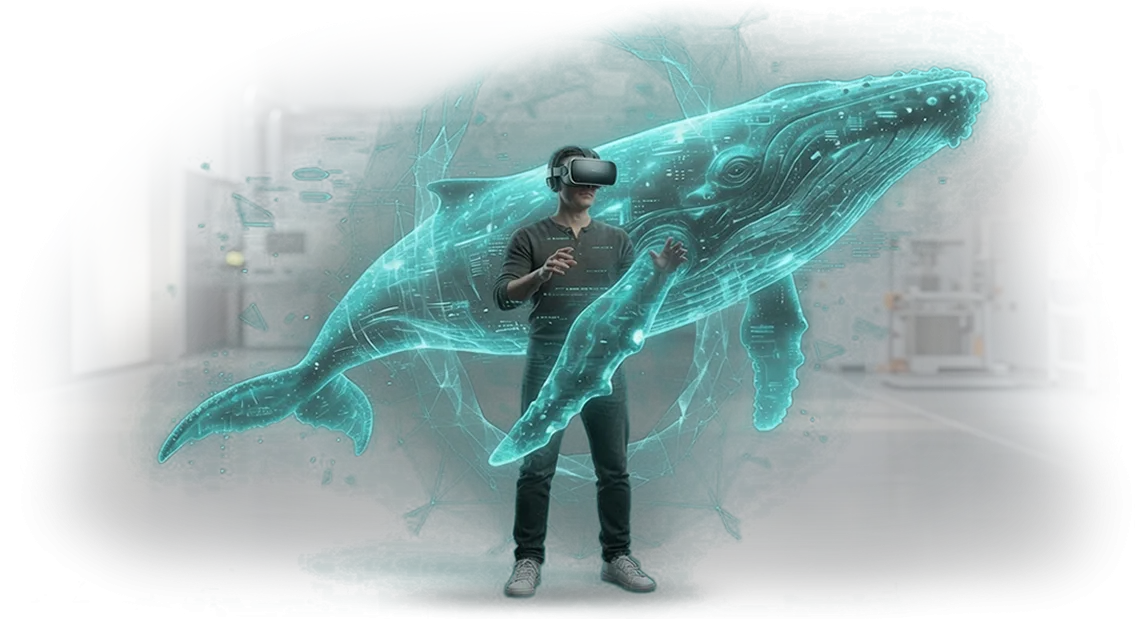
כאן נכנס לתמונה התאום הדיגיטלי של מפעל כימי: הוא מעביר את הייצור האמיתי לסביבה וירטואלית בטוחה שבה אפשר לתרגל כל תרחיש ללא סיכון לאנשים או לאולם הייצור.
כלי כזה אינו רק "מודל תלת-ממדי לתצוגה" אלא העתק מלא של הארגון המשכפל את הלוגיקה של הציוד ואת התנהגות המערכות.
ההנהלה מקבלת יכולת לאמן צוות בתגובה למצבי חירום, לבחון טעויות ולהעלות את רמת הבטיחות מבלי לעצור את הייצור. העובדים, מצדם, מפסיקים לפחד מהלא נודע: הם כבר תרגלו תרחישים מורכבים בסביבה וירטואלית ויודעים כיצד להגיב.
עבור בעל העסק, משמעות הדבר היא סיכונים מופחתים, הגנה על אנשים ותהליכים צפויים. הארגון מקבל עובדים שיכולים לפעול במהירות ובצורה נכונה במצב חירום — כלומר פחות השבתות, פחות תאונות ויציבות תפעולית גבוהה יותר.
התאום הדיגיטלי מחזיר את השקעתו כבר בשלב מניעת הטעות החמורה הראשונה, וזהו מקרה שבו בטיחות מומרת ישירות לכסף.
אנו יוצרים פתרונות כאלה במפתח מלא: אנו חוקרים את המפעל שלכם, מעבירים אותו לסביבה וירטואלית ומגדירים תרחישים התואמים את הנהלים שלכם.
כך, ההכשרה מפסיקה להיות פורמליות והופכת לביטוח אמיתי מפני הגורם האנושי — מקור הסיכון המרכזי בייצור כימי.
מה מקבלים מהטמעת יישומי VR/AR/MR?
יישומי VR ו-AR למפעל כימי אינם "צעצועים" אלא כלי עבודה שמפחיתים סיכונים והופכים תהליכים לשקופים. במקום תדריכים סטנדרטיים יקרים ונהלים על נייר, העובדים מקבלים מערכת ויזואלית שבה כל שלב מאומת ומודרך.
יתרון 1. פחות תאונות וטעויות
סימולטורים בסביבה וירטואלית מאפשרים לתרגל מצבי חירום ללא סיכון לאנשים או לציוד. העובד רואה את ההשלכות של מעשיו מיד, לא אחרי תקרית — ולומד לפעול נכון מהר יותר.
יתרון 2. תגובה מהירה יותר של הצוות
הוראות AR אינטראקטיביות מרכיבות שכבה על הציוד האמיתי: המפעיל רואה את השסתום הנכון, את הקריאות ואת רצף הפעולות ממש מול עיניו. זמן קבלת ההחלטות מצטמצם — קריטי במצב חירום.
יתרון 3. תהליכים שקופים להנהלה
טכנולוגיות MR מתעדות את פעולות הצוות ואת מצב המתקן במודל דיגיטלי. אתם רואים היכן מתרחשים עיכובים, מי זקוק להכשרה נוספת ואילו אזורים באולם הייצור כדאי לשדרג — על סמך נתונים, לא ניחושים.
להלן תרחישים אופייניים שלקוחותינו מזמינים לרוב:
| פורמט | למי | מה הוא נותן למפעל |
|---|---|---|
| סימולטור תגובה למצבי חירום ב-VR | מפעילים, צוות תחזוקה | תרגול נהלי תגובה ללא עצירת ייצור |
| הוראת AR לעבודה שוטפת | מהנדסי תהליך, מכונאים | פחות טעויות בתחזוקה ותיקונים |
| תאום דיגיטלי MR של אולם ייצור להכשרת עובדים חדשים | מתאמנים, מפקחים | קליטה מהירה ללא סיכון לציוד |
| הדגמת VR למשקיעים ואורחים | הנהלה, שותפים | הצגה ברורה של יכולות ללא תדריכי בטיחות או דרישות ציוד מגן |
ההטמעה אורכת 4 עד 12 שבועות בהתאם להיקף. אנו מטפלים בתכנון התרחישים, בפיתוח ובאינטגרציה עם הנתונים שלכם, ותומכים בצוותכם לאחר ההשקה. התוצאה היא אפקט מדיד: פחות השבתות, הכשרה מהירה יותר, פחות טעויות במתקן ייצור מסוכן.
פורמטים של יישומי VR/AR/MR למפעל כימי
כל פורמט VR/AR/MR פותר משימה משלו במפעל כימי. אנו מכסים את כל שלושת התרחישים — מהכשרה בטוחה ועד תמיכה מרחוק בייצור.
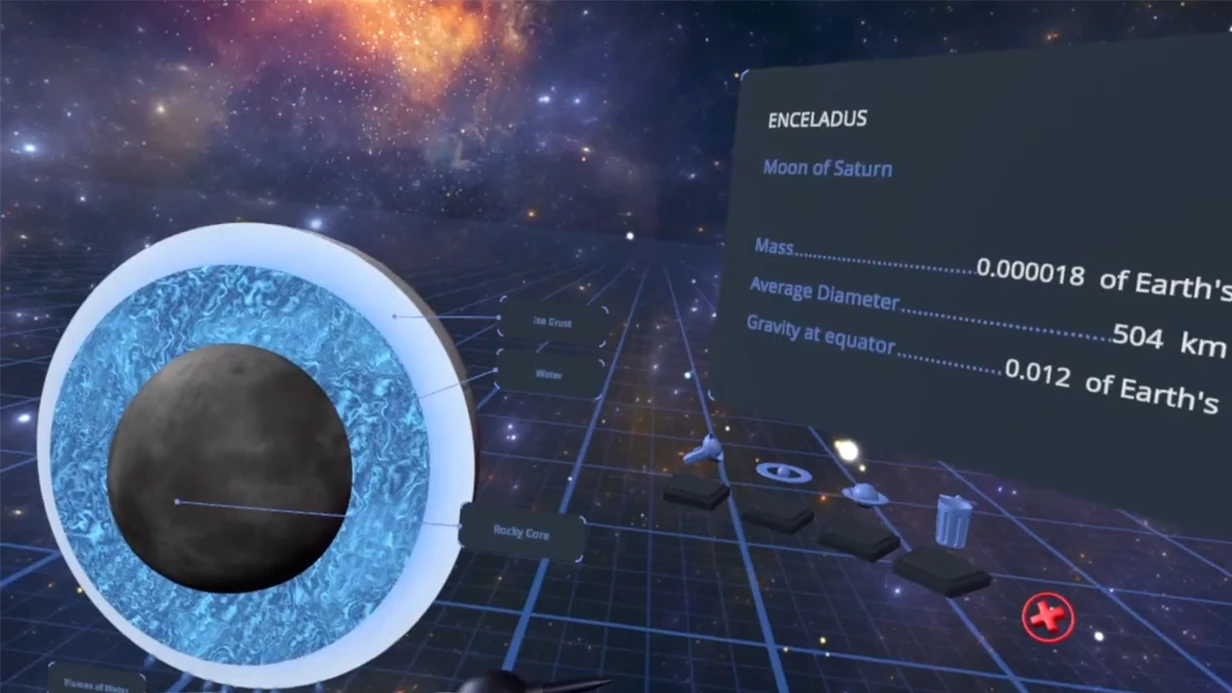
סימולטור VR הוא העתק וירטואלי של אולם הייצור שבו מפעילים מתרגלים פעולות בזמן תאונות ומצבי חירום. ההכשרה מתבצעת ללא סיכון לחיים או עצירת ייצור, כך שהצוות מוכן לתקריות אמיתיות ומספר הטעויות יורד.
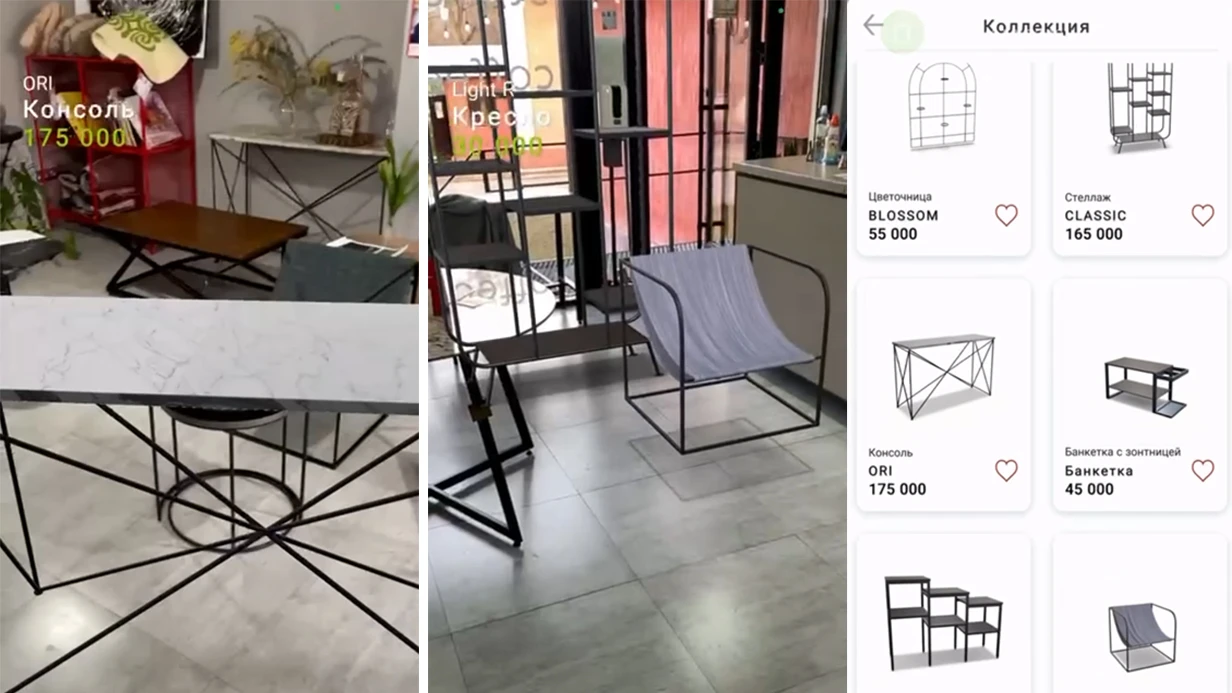
הוראת AR מרכיבה שכבה של הנחיות על הציוד האמיתי באמצעות טאבלט או משקפיים. העובד רואה את רצף הפעולות ישירות על יחידות המתקן: איזה שסתום לסובב, איזה פרמטר לבדוק. פחות ליקויים, אתחול מהיר יותר, פחות תלות בניסיון של העובד.
שיתוף פעולה MR מחבר מומחה מרוחק עם מומחה בשטח: המהנדס רואה את אותו ציוד ומספק הנחיות באמצעות מחוות, דיאגרמות וקול.
זה מזרז תיקונים ותחזוקה, חוסך בנסיעות עסקים ומפחית השבתות — המומחה עוזר מיד מכל מקום בעולם.
| פורמט | לאילו משימות | מה הוא נותן למפעל |
|---|---|---|
| סימולטור VR | הכשרה, תרגול מצבי חירום, הסמכה | בטיחות, פחות טעויות צוות |
| הוראת AR | נהלים, בדיקות, תחזוקה | יציבות תפעולית, פחות ליקויים |
| שיתוף פעולה MR | סיוע מומחה מרחוק, תיקונים | חיסכון בנסיעות עסקים, פחות השבתות |
כדי לבחור את הפורמט, הגדירו את נקודת הכאב המרכזית: בטיחות — VR, יציבות — AR, מהירות שירות — MR. אנו מפתחים יישומים כאלה במפתח מלא על מנוע Unity המקצועי — גרפיקה ריאליסטית ובקרות מגיבות. התקשרו או כתבו לנו — נתאים את הפורמט לתהליך שלכם ונראה הדגמה על התרחיש שלכם.
כיצד מתנהל פרויקט תאום דיגיטלי?
עבור הלקוח, תאום דיגיטלי הוא כלי לשליטה והכשרה, לא רק מודל תלת-ממדי.
כדי להבטיח שהפרויקט מביא ערך ולא הופך לניסוי ארוך, בנינו תהליך ברור: אתם תמיד יודעים באיזה שלב נמצאת העבודה, מה הלאה ומתי תופיע התוצאה.
הפרויקט מנוהל על ידי הצוות שלנו — תהליך ההטמעה מחולק לשלבים, שכל אחד מהם מסתיים בתוצאה קונקרטית. זה מאפשר לשלוט בלוחות זמנים, בתקציב ובאיכות מבלי להיכנס לפרטים טכניים.
- בריף והבנה מעמיקה של המשימה. אנו לומדים כיצד המפעל שלכם מאורגן ואילו תהליכים חשובים להכשרה או הדגמה. אנו אוספים דרישות מאלה שישתמשו בתאום הדיגיטלי על בסיס יומי.
- תוכנית והערכת לוחות זמנים. אנו מגדירים את היקף התאום הדיגיטלי: אילו אולמות ייצור, ציוד ותרחישים ייכללו בגרסה הראשונה. אתם מקבלים תוכנית ברורה עם שלבי פיתוח ותאריכים.
- אישור קונספט. אנו מראים כיצד ייראה המוצר העתידי: סגנון, רמת פירוט, אינטראקציה. בשלב זה מתבצעות התאמות לפני תחילת הפיתוח המרכזי.
- יצירת המודל התלת-ממדי והתאום הדיגיטלי. אנו מתכננים את מתקני הייצור בדיוק הנדרש — ממראה הציוד ועד לוגיקת ההפעלה שלו. שלב זה תופס את עיקר זמן הפרויקט.
- פיתוח תרחישים וממשק. אנו מגדירים תרחישים להכשרת צוות, תרגול תגובה למצבי חירום או הדגמת מתקנים למשקיעים. הממשק נעשה אינטואיטיבי כך שעובדים לא יזדקקו להכשרה ממושכת.
- בדיקות עם נתונים אמיתיים. אנו בודקים כיצד התאום מתנהג בתנאים שונים: תקינות תצוגה, מהירות טעינה, שימושיות. אנו מתקנים את כל הבעיות לפני ההשקה.
- השקה ותמיכה. אנו מוסרים את הפתרון המוגמר, מאמנים את הצוות שלכם ומבצעים אינטגרציה עם מערכות קיימות במידת הצורך. אנו נשארים זמינים לעדכונים ושיפורים.
לוחות הזמנים של הפרויקט תלויים בהיקף המתקן: מחודשיים עד שישה חודשים לגרסה מלאה. אנו קובעים את כל השלבים ולוחות הזמנים בחוזה מראש, כך שתוכלו לראות התקדמות בכל שלב ולהבין מתי התאום יתחיל לעבוד עבור העסק שלכם.
מה כלול במסירת פתרון VR/AR/MR?
כשמדובר בתאום דיגיטלי של מפעל כימי, חשוב להבין מה כלול במסירה. אנו מבנים את היקף הפרויקט כך שתקבלו כלי עבודה, לא רק יישום.
כלומר: מוצר מוגמר, אינטגרציה עם המערכות שלכם, הכשרת צוות ותמיכה לאחר ההשקה.
רכיבי מסירה מרכזיים:
- יישום VR/AR/MR מוכן המותאם למשימות שלכם — להכשרת עובדים, תרגול תגובה למצבי חירום או הדגמת תהליכים טכנולוגיים.
- אינטגרציה עם המערכות שלכם: אנו מחברים את הפתרון לפורטלי הכשרה, מערכות הנהלת חשבונות או פלטפורמות ייצור כך שלא יהיה צורך בהזנת נתונים ידנית.
- הוראות ונהלים: תיעוד למשתמשים ומנהלי מערכת, וכן כרטיסי עזר מהירים להתחלה מהירה.
- הכשרת צוות: אנו מקיימים מפגשים לעובדים ומנהלי מערכת, עונים על שאלות ומדגימים תרחישי שימוש בעבודה אמיתית.
- תמיכה טכנית ותחזוקה: אנו מגיבים במהירות לפניות, מתקנים תקלות, מעדכנים תוכן ומשפרים פונקציונליות.
- עדכונים ופיתוח: אנו מוסיפים תרחישים, מודולים ואובייקטים חדשים ככל שהתהליכים במפעל מתפתחים.
היקף פרויקט זה מבטל הפתעות: אתם יודעים מראש מה תקבלו, מי אחראי על כל שלב וכיצד הפתרון יעבוד בהמשך. זוהי מסירה אמיתית במפתח מלא — מהבריף הראשון ועד לפעולה יציבה בשגרת העבודה היומית שלכם.
מקרה בוחן: כיצד שיפרנו את הבטיחות במתקן ייצור מסוכן
בייצור כימי, מחיר הטעות נמדד בבריאות האנשים ובהשבתות של אולם הייצור. תדריכים סטנדרטיים אינם מאפשרים לעובדים לחוות מצב חירום, ואילו אימון אמיתי באתר מסוכן מדי. טיפלנו בצורך זה באמצעות סימולטור VR המבוסס על תאום דיגיטלי של הארגון.
כיצד שיפרנו את בטיחות הייצור
עבור Khimprom-Invest, יצרנו העתק וירטואלי של אולם הייצור עם תרחישי חירום מדויקים — מדליפות ריאגנטים ועד שריפות. מפעילים וצוות תחזוקה מתרגלים את פעולותיהם בתנאים קרובים ככל האפשר למציאות, אך ללא סיכון לחיים.
תוצאות ההטמעה מדברות בעד עצמן. מספר הטעויות בתגובה למצבי חירום ירד ב-40%, וזמן קבלת ההחלטות קוצץ בחצי. שיעור השלמת ההכשרה עלה מ-70% ל-98% — העובדים עצמם מבקשים גישה לסימולטור כי הוא מרתק וברור.
הלקוח ציין גם את האפקט הכלכלי: השבתות ציוד עקב הגורם האנושי ירדו בשליש. החברה הזמינה הרחבת התוכנית לאולמות ייצור שכנים — התאפשר הודות לארכיטקטורה המודולרית של הסימולטור.
"נהגנו לבזבז חודשים על תדריכים ועדיין דאגנו לבטיחות. עכשיו כל עובד עובר הכשרת תרחישי חירום ב-VR לפני שהוא מורשה לעבוד. זו רמת מוכנות שונה לחלוטין." — ראש מחלקת בטיחות תעסוקתית ב-Khimprom-Invest
מקרה זה מאשר: תאום דיגיטלי של מתקן ייצור מסוכן אינו ניסוי אלא כלי עבודה להפחתת סיכונים. אנו מטפלים בכל המחזור — מניתוח תרחישים ועד השקת הסימולטור והכשרת הצוות.
כיצד לבחור את פורמט ה-VR/AR/MR הנכון למשימה שלכם?
התשובה הקצרה: הפורמט הנכון נקבע על ידי המשימה שלכם, לא על ידי הפופולריות של הטכנולוגיה. אם אתם צריכים להטביע עובד בתנאי אולם ייצור ללא סיכון לחיים — בחרו VR. אם אתם צריכים להציג תאום דיגיטלי מעל ציוד אמיתי — AR.
אם המשימה דורשת מהנדסים לעבוד יחד על אותו אובייקט — MR. כך זה נראה בפועל.
עבור מפעל כימי, הצורך הנפוץ ביותר הוא סימולטורים וירטואליים. VR מספק סביבה בטוחה לחלוטין: עובד מתרגל תרחישי חירום, הפעלת ציוד ותגובה לדליפות — ללא עצירת ייצור וללא השלכות מסוכנות.
תהליך הלמידה הופך ויזואלי, ומיומנויות מתחזקות מהר יותר. פורמט זה מתאים למצבים שבהם צריך לבנות הרגלים יציבים לפני שאדם נכנס לאולם הייצור האמיתי.
AR שימושי כשצריך לשלב מודל דיגיטלי עם ציוד בפועל. צוות תחזוקה רואה דרך טאבלט או משקפיים היכן עוברים צינורות, כיצד נראית יחידה נסתרת ואילו פעולות יש לבצע.
זה מקצר את זמן החיפוש אחר מידע, מפחית את הסיכון לטעויות ועוזר למומחים חדשים להיקלט מהר יותר.
MR משלב את חוזקות שתי הגישות: המשתתפים רואים גם את אולם הייצור האמיתי וגם אובייקטים דיגיטליים ויכולים ליצור אינטראקציה עם המודל יחד. פורמט זה נוח לקבלת מתקנים, סיורים מתוכננים ויישור החלטות עם ההנהלה.
כדי לבחור את האפשרות שתניב תוצאות מהירות, התחילו בייעוץ: ננתח את התרחיש שלכם, את נקודות הצמיחה ונכין פתרון למשימה הספציפית שלכם — ולא נציע טכנולוגיה לשם הטכנולוגיה.
שאלות נפוצות על תאומים דיגיטליים
לפני תחילת פרויקט, כל לקוח רוצה להבין מה זה יעלה, כמה מהר זה יספק ערך והאם זה ישבש תהליכים קיימים.
אספנו תשובות לשאלות הנפוצות ביותר — כדי שתוכלו לראות את התמונה המלאה לפני בקשת הצעת מחיר לאתר שלכם.
כמה עולה תאום דיגיטלי של מפעל כימי?
העלות מחושבת על בסיס המשימות שלכם, לא "יש מאין". סימולטור להכשרת מפעילים ומאמן תגובה למצבי חירום הם פרויקטים בהיקף שונה, ולכן ההשקעה שונה בהתאם.
אנו מתחילים בבריף קצר ומראים טווח מחירים בשלב ההערכה. לעתים קרובות מתברר שאפשר להשיק פיילוט בתקציב קטן מהצפוי — והוא מחזיר את עצמו באמצעות הפחתת סיכונים וקליטה מהירה יותר של צוות.
מהם לוחות הזמנים לפיתוח?
פרויקט אופייני אורך מחודשיים עד שישה חודשים — בהתאם למספר התרחישים ורמת הפירוט של המודל. אנו עובדים שלב אחר שלב: תחילה גרסת בסיס המכסה מתקנים מרכזיים, ולאחר מכן אתם מרחיבים.
אינכם צריכים לעצור את הייצור או לחכות שנה לתוצאה הראשונה. ניתן להשיק את הגרסה הראשונה של הסימולטור תוך מספר שבועות מתחילת העבודה.
עד כמה קשה לשלב תאום דיגיטלי בתהליכים קיימים?
לא נדרשת הכנה מיוחדת מצד הצוות שלכם. העובדים נכנסים לסימולטור VR כמו למשחק מחשב: מרכיבים את המשקפיים — ובתוך 10 דקות הם כבר מריצים תרחיש.
ההטמעה אינה דורשת שינוי נהלים או סגירת אולמות ייצור. ההכשרה מתבצעת בחדר נפרד, ואתם מקבלים דוח על פעולות העובדים אוטומטית — בטבלה ברורה המתאימה להסמכה.
עדיין יש שאלות על פונקציונליות, טכנולוגיה או הכשרת צוות? תארו את המצב שלכם, ונכין תשובה המותאמת לפרטי הייצור שלכם.מוכנים להתחיל פרויקט? השאירו פנייה
ספרו לנו אילו משימות התאום הדיגיטלי של המפעל הכימי שלכם צריך לפתור — ונכין תרחיש שימוש, הערכת תקציב והצעה מסחרית.
כל מה שצריך הוא להשאיר פניית תכנון: נבהיר את הפרטים, נראה דוגמאות עבודה ונעזור לכם להזמין פיתוח במפתח מלא.
עם הניסיון שצברנו ביצירת פתרונות VR/AR/MR לתעשייה, אנו יודעים כיצד להפוך את אתר הייצור שלכם להעתק דיגיטלי ניתן לניהול. הוא מאפשר הכשרת צוות, תרגול בטוח של מצבי חירום וזיהוי נקודות אופטימיזציה ללא עצירת ייצור.
מה תקבלו בהזמנת פיתוח מאיתנו:
- ייעוץ עם מומחה — הוא ינתח את המשימה שלכם ויצביע היכן התאום הדיגיטלי יספק את הערך הרב ביותר.
- הערכת עלות ולוחות זמנים על בסיס הבריף — ללא תוספות נסתרות בשלב האישור.
- אב טיפוס או הדגמה כדי שתוכלו לראות את המוצר העתידי לפני הפיתוח המלא.
- מערך תיעוד פרויקט: תיאור פונקציונליות, ארכיטקטורה ותוכנית הטמעה ואינטגרציה עם המערכות שלכם.
- תמיכה לאחר ההשקה: הכשרת עובדים, תמיכה טכנית ושיפורים על סמך תוצאות תפעוליות.
- נקודת קשר אחת: מרעיון ועד השקה ותחזוקה — אתם עובדים עם צוות אחד.
השאירו פניית תכנון כבר עכשיו — ובתוך יום עסקים אחד ניצור אתכם קשר כדי לתאם ייעוץ ולהכין הצעה מסחרית.
אין צורך בטפסים ארוכים או במפרט טכני בשלב ההתחלה — רק תארו בקצרה את המצב שלכם, ואנחנו נטפל בשאר.