



אין חדשנות ללא VR/AR: אורחים עוזבים למתחרים
אורחים ושותפים רגילים לדינמיות: הם כבר ראו תערוכות קלאסיות, דוכנים ומצגות בעשרות מקומות.
אם חלל אינו מספק חוויות חדשות, הוא נתפס כ"עוד אולם עם מסכים" — הנוכחות יורדת, והמתחרים תופסים את תשומת הלב של הקהל עם פורמטים בהירים יותר.
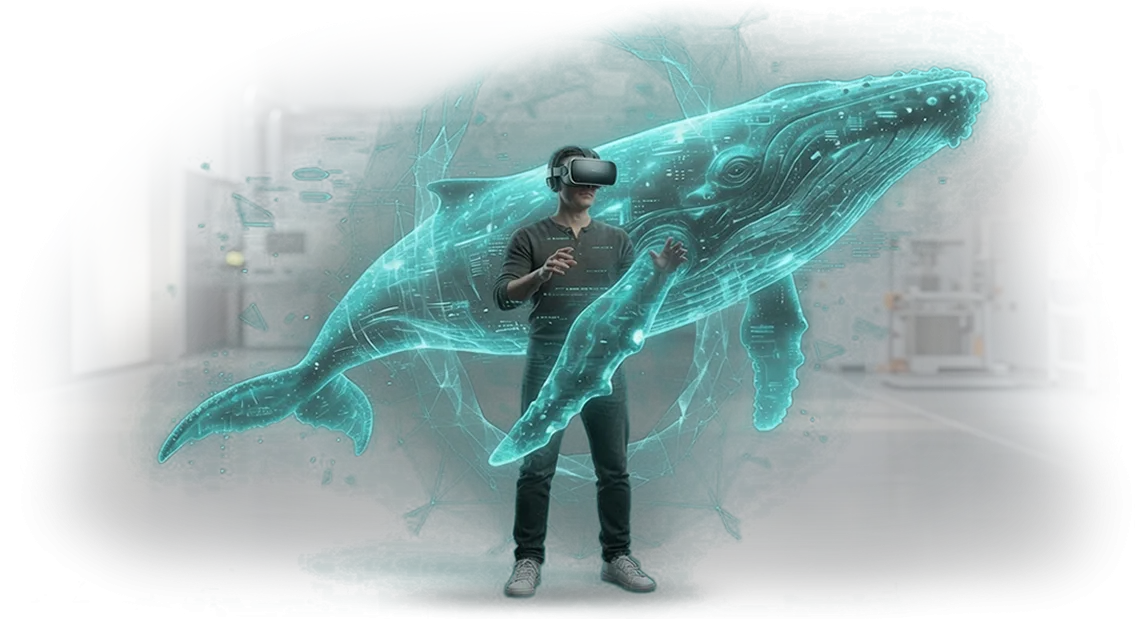
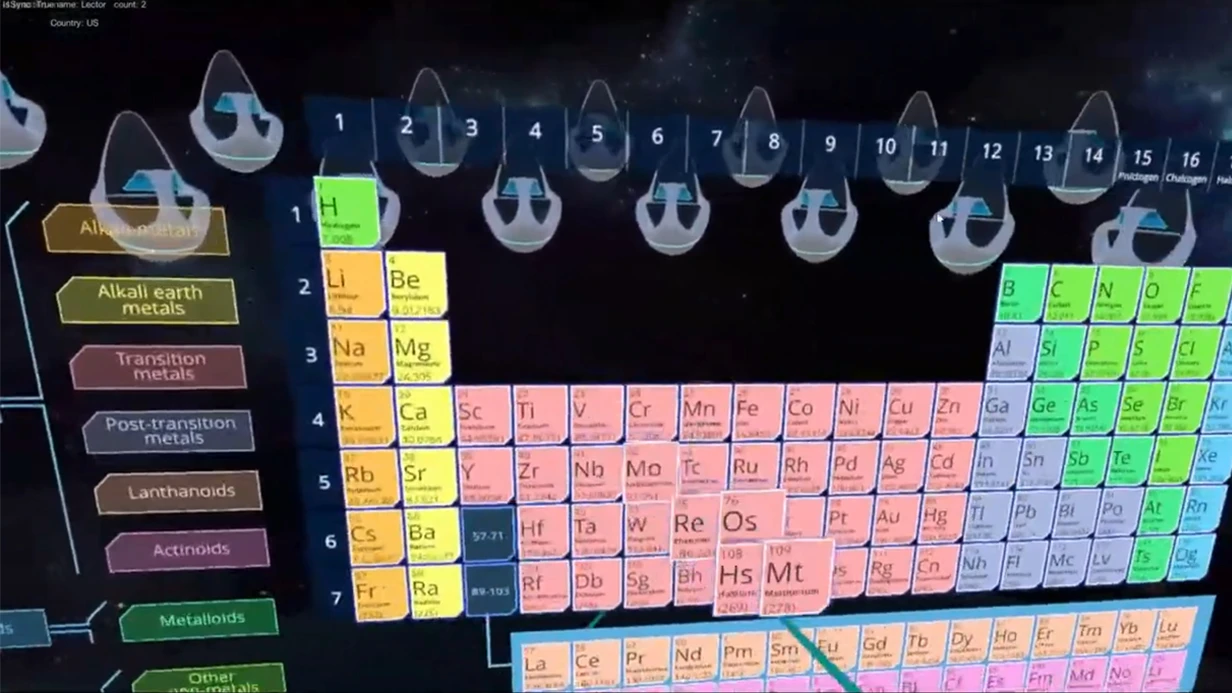
טכנולוגיות מציאות מדומה ורבודה הופכות את ההאב למקום שאנשים חוזרים אליו. במקום צפייה פסיבית — מעורבות אינטראקטיבית עם פרויקטים: האורח "נכנס" לעותק הדיגיטלי של הבניין, חוקר קונספטים, ושולט בתרחישי פיתוח.
זו אותה אפקט "וואו" שמתפשט מפה לאוזן מהר יותר מכל פרסום. כך האב חדשנות עומד בשמו.
אנחנו יוצרים פתרונות VR/AR לעסקים כבר יותר מ-10 שנים ויודעים איך להחזיק את תשומת הלב של קהל מודרני.
המוצרים שלנו יכולים להחליף אלף מילים ברושם חי אחד — האורח זוכר לא את הטקסט על הקיר, אלא את החוויה שחווה. בגישה זו, ההאב הופך לנקודת משיכה לתושבים, למשקיעים ולתושבי העיר, לא רק לחלל להשכרה.
הנה מה שמשתנה במדדי הנוכחות והנאמנות:
- זמן השהייה של האורח גדל — הם חוקרים את החלל באמצעות אינטראקטיביות במקום לחלוף על פניו.
- כל מבקר הופך לנושא תוכן: תמונות וסרטונים מאזור ה-VR מגיעים לרשתות החברתיות, ומרחיבים את החשיפה ללא תקציב פרסום.
- נוצרת סיבה לביקורים חוזרים — תרחישי מציאות רבודה מתעדכנים שומרים על עניין של קהל קבוע.
אנחנו לא מוכרים טכנולוגיה — אנחנו מחזירים להאב את המטרה המרכזית שלו: להיות מקום שבו העתיד נראה היום. ספרו לנו על החלל שלכם, ואנחנו נציע איזה פתרון VR/AR ישפר את המשיכה שלו לאורחים ולשותפים.
מה VR/AR מספק: רגשות, חשיפה ותוצאות מדידות
אורחים זוכרים לא שקופיות אלא רגשות. VR/AR הופך ביקור בהאב חדשנות לחוויה חיה ששווה לשתף: אנשים מצלמים תמונות, מצלמים סרטונים, כותבים פוסטים.
אתם מקבלים לא רק פעילות, אלא סיבה לדבר על המותג — והשיחה הזו נמשכת שבועות אחרי האירוע.
חוויה ייחודית
אזור אימרסיבי מחזיק תשומת לב פי כמה יותר מאשר דוכן או מצגת רגילים. כל מבקר הופך למשתתף, לא לצופה: הם מתקשרים עם האובייקט הדיגיטלי, מתנסים בתפקיד, חוקרים את החלל.
צמיחה במודעות למותג
כל אורח הוא נושא תוכן שלכם. תמונות וסרטונים עם אפקט AR יוצא דופן או סצנת VR מתפשטים ברשתות החברתיות ללא תקציב פרסום נוסף. החשיפה גדלה באופן טבעי: מבקרים מביאים את העוקבים שלהם, ואלה מביאים אורחים חדשים.
הגדלת זמן השהייה
תרחישים אינטראקטיביים שומרים אנשים במקום: האורח הממוצע מבלה 3–5 דקות באזור VR/AR במקום 20 שניות מול פוסטר רגיל. בזמן הזה הם יכולים לחקור את המוצרים, המיקומים או השירותים שלכם — ולזכור אותם.
איסוף נתונים ותוצאות מדידות
בניגוד לפרסום קלאסי, VR/AR מספק מספרים: כמה אנשים השלימו את התרחיש, היכן הם עצרו יותר זמן, אילו אובייקטים הם בחרו יותר. נתונים אלה עוזרים להעריך לידים ולהתאים את הקמפיין הבא.
פורמטים למשימה שלכם
| פורמט | למי | מה זה נותן ללקוח |
|---|---|---|
| סיור וירטואלי בהאב | לשותפים ומשקיעים | הצגה ויזואלית של המקום ללא לוגיסטיקה |
| מסע AR בשטח | לקהל צעיר | איסוף נתוני מעורבות והעדפות |
| סיור VR אל העתיד | לאורחי אירועים | תדמית מותג בלתי נשכחת ורשתות חברתיות |
אנחנו נעזור לכם לבחור תרחיש למטרות שלכם — מבידור ועד הצגה. ציוד מקצועי וכלים מוכחים מבטיחים תוצאה יציבה ביום האירוע. השאירו פנייה — נתעד את המטרות שלכם ונציע פתרון סוהר.
פורמטי פיתוח VR/AR למשימות האב חדשנות
האב חדשנות צריך פורמטי VR ו-AR שמשרתים שתי מטרות: למשוך תושבים ושותפים ולהדגים בבירור את ערך הטכנולוגיה.
אין פתרון אוניברסלי — לכן חשוב לבחור פורמט לתרחיש ספציפי: להציג תשתית, לערב מבקרים או להכשיר צוות.
אנחנו מפתחים פתרונות למטרות הלקוח, מהקונספט ועד ההשקה. להלן פורמטים טיפוסיים והתוצאות שהם משיגים.
פורמטים טיפוסיים ותוצאות
| פורמט | למי | מה זה נותן ללקוח |
|---|---|---|
| סיור וירטואלי | משקיעים, שותפים, שוכרים | מציג את חללי ההאב והתשתית ללא ביקור אישי, מזרז משאים ומתנים וחתימת חוזים |
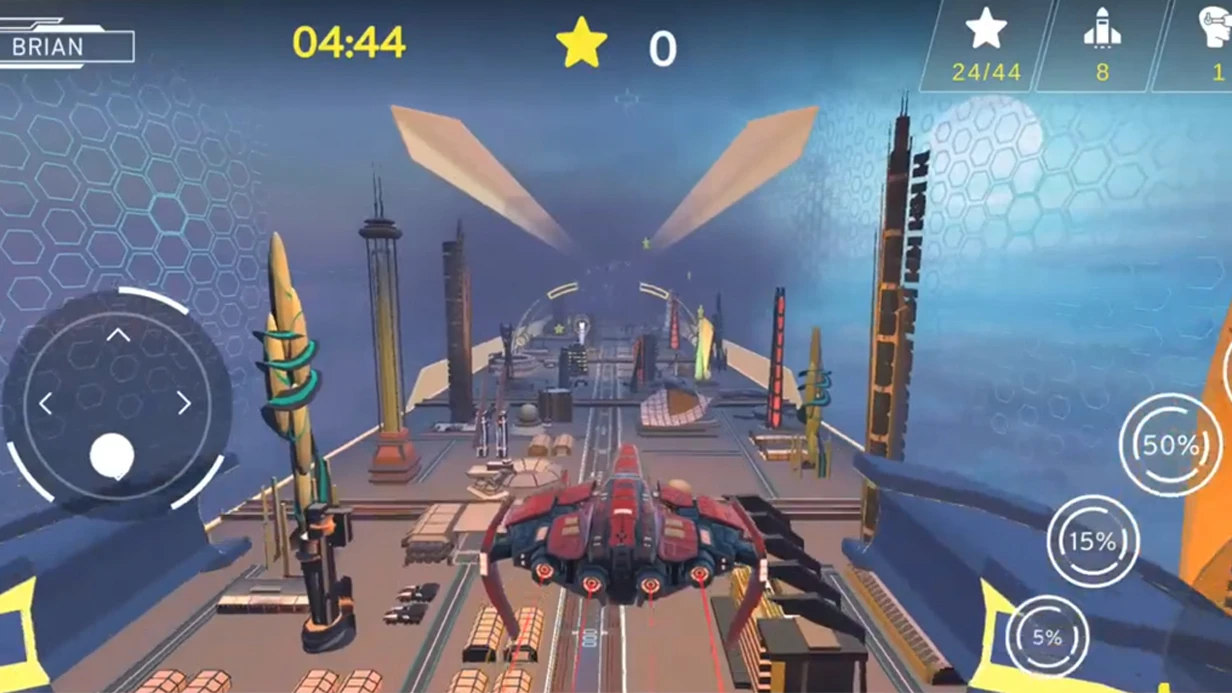
| מיצב אינטראקטיבי | מבקרי אירועים, אורחי האב | מושך תשומת לב, מחזיק אנשים, יוצר זרם של פוסטים ברשתות החברתיות — המודעות גדלה |
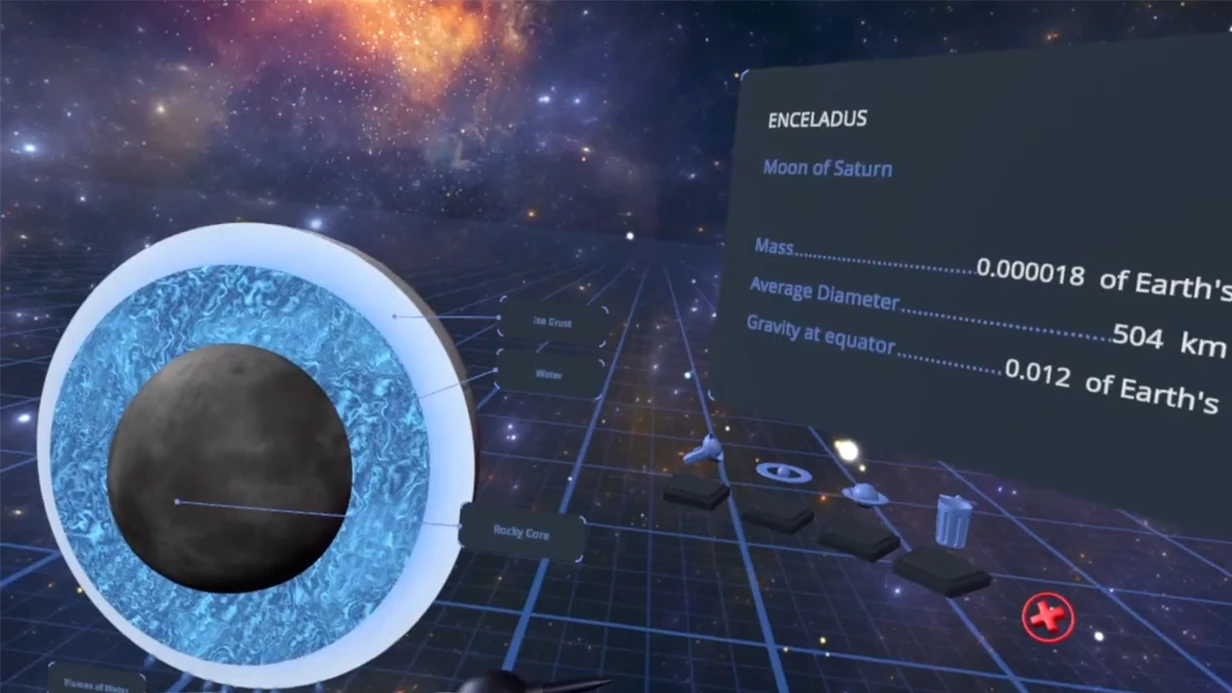
| סימולטור VR | תושבים, סטארטאפים, קבוצות הכשרה | תרגול מיומנויות ובדיקת מוצרים ללא סיכונים או עלויות לחומרים פיזיים |
| תאום דיגיטלי | מנהלים, חברת ניהול | מודל בזמן אמת של תהליכים וחללים — עוזר בקבלת החלטות פיתוח להאב |
כל פורמט פותר נקודת כאב ספציפית של הלקוח: משקיע יכול "להתהלך" בבניין שעדיין בבנייה, משווק מקבל סיבה מוכנה למשוך קהל, וצוות הניהול מקבל תוכנית עבודה לאופטימיזציה.
אנחנו בוחרים את הפורמט למשימה ומיישמים פתרון סוהר — מאב-טיפוס ועד השקה באירוע.
איך הפרויקט מתקדם: מבריף ועד השקה ב-6 שלבים
אנחנו לא עובדים בעיוורון. לכל פרויקט יש מסלול ברור של שישה שלבים — מהפגישה הראשונה ועד ההשקה והתמיכה. התהליך הזה מלוטש כך שתראו תוצאות בכל שלב ותוכלו להשפיע עליהן.
- בריף וניתוח משימה — אנחנו צוללים לתוך העסק שלכם: מי הקהל, מה מטרת האפליקציה, אילו תרחישי שימוש קיימים. על בסיס זה, אנחנו מספקים ציר זמן והערכת תקציב ללא הפתעות נסתרות.
- קונספט ותרחיש — אנחנו קובעים כיצד VR/AR יעזרו להשיג את המטרות שלכם: הכשרה, הצגה, רכישת לקוחות. אנחנו יוצרים תיאור חוויית משתמש וסגנון ויזואלי.
- אב-טיפוס ואישור — אנחנו בונים אב-טיפוס אינטראקטיבי על מכשיר אמיתי. אתם מתנסים, עורכים שינויים, ורק לאחר האישור אנחנו מתחילים בפיתוח בקנה מידה מלא.
- פיתוח אפליקציית VR — אנחנו מרכיבים את המוצר: עיצוב, תוכן, לוגיקה, אופטימיזציה לציוד מקצועי. אתם מקבלים גרסאות ביניים ורואים התקדמות.
- בדיקות והשקה — אנחנו בודקים את כל התרחישים, מתקנים תקלות ומכינים את הגרסה הסופית. אנחנו עוזרים בהגדרת ציוד והכשרת הצוות שלכם.
- תמיכה ואבולוציה — אנחנו נשארים בקשר לאחר ההשקה: מעדכנים תוכן, מתקנים שגיאות, מוסיפים פונקציות חדשות ככל שהפרויקט שלכם גדל.
גישה זו מבטלת את המצב שבו אתם מקבלים משהו שלא ציפיתם לו. כל שלב שקוף, ואתם תמיד יודעים לאן הולך הכסף ומתי התוצאה תהיה מוכנה.
מה כלול במסירת פתרון VR/AR: חבילה עסקית
להאב חדשנות חשוב שאורחים ושותפים יבינו מיד את הקונספט. בהזמנת תאום דיגיטלי, אתם מקבלים לא רק אפליקציה, אלא כלי מוכן להדגמות, מצגות ומעורבות מבקרים.
אנחנו מוסרים את כל הפתרון — מהתקנה ועד הכשרה — כך שהצוות שלכם יכול להשתמש בו מהיום הראשון.
הנה מה כלול בחבילת מסירת פתרון VR/AR:
- אפליקציית תאום דיגיטלי מוכנה של האב חדשנות — מותאמת לחללים ולאירועים שלכם, עם ממשק אינטואיטיבי לאורחים. הדגמות מופעלות במהירות, ללא הכנה מיוחדת.
- פאנל ניהול — אתם מעדכנים תוכן בעצמכם: מחליפים מוצגים, מוסיפים אירועים, מתאימים תיאורי אזורים. אין צורך לפנות למפתחים עבור כל שינוי.
- הכשרת צוות — אנחנו מספקים הכשרה מעשית לעובדים שלכם: כיצד להפעיל הדגמות, לנהל סשנים ולהתאים לאירוע או קהל ספציפי.
- הוראות ותיעוד — אתם מקבלים אוסף מדריכים למפעילים ולמנהלים. הכל כתוב בשפה פשוטה, כולל מה לעשות במצבים טיפוסיים.
- אחריות ותמיכה — אנחנו מכסים את פעולת הפתרון לאחר ההשקה: מתקנים שגיאות, מייעצים לעובדים, מסייעים בעדכונים לפי בקשה.
חבילה זו פותרת את הפחד המרכזי של עסקים: "מסרו לנו את הפרויקט, אבל מה נעשה איתו הלאה?" אתם מקבלים כלי עובד, צוות מיומן ותמיכה. כל מה שנשאר הוא להתמקד באירוע עצמו ובפיתוח ההאב, לא בפרטים טכניים.
מקרה בוחן: כיצד תאום דיגיטלי החיה מוזיאון תאגידי
עבור המוזיאון התאגידי של קונצרן תעשייתי גדול, התאום הדיגיטלי הפך לנקודת משיכה שעובדים ושותפים התחילו לדבר עליה. המוזיאון התקיים באופן פורמלי: מבקרים נדירים, סיורים מהירים, וללא זכר במרחב המידע.
המשימה הייתה פשוטה בניסוח ומורכבת בביצוע — להפוך את התערוכה לכלי מותג במקום למחסן של חפצים.
יצרנו תאום דיגיטלי של האב חדשנות על בסיס המוזיאון התאגידי: דיגטטנו מוצגים איקוניים, הוספנו תרחישים אינטראקטיביים ומדריך ויזואלי להיסטוריה של החברה.
בטאבלטים, משקפי VR וסמארטפונים אישיים, מבקרים "החיו" מכונות, הביטו פנימה לתהליכים והשוו בין סדנאות של עבר והווה.
זו לא רק תמונה — זה ניווט ומצגת חיה שמערבת אנשים ב-5–7 דקות של חקר פעיל של כל מוצג.
חודשיים לאחר מכן, מדדנו את האפקט. נוכחות המוזיאון גדלה ב-40%, וזמן השהייה הממוצע הוכפל — מ-25 דקות לכמעט שעה. אורחים נשארו, צילמו, שאלו שאלות. ביקורים חוזרים ובקשות לסיורי שותפים הפכו לשורה נפרדת בדוחות מחלקת יחסי הציבור.
התאום הדיגיטלי הפסיק להיות חלון ראווה מונפש והפך לכלי תקשורת עובד. מנהל השיווק קיבל מדדים ברורים: מעורבות, זמן, חשיפה.
המוזיאון משמש כיום במשא ומתן כהדגמה חיה של חדשנות החברה — נכס שעובד למודעות המותג.
איך לבחור את פורמט ה-VR/AR הנכון למשימה שלכם?
הבחירה בין VR ל-AR אינה עניין של אופנה אלא של יעילות למשימה עסקית ספציפית. שני הפורמטים פותרים בעיות לקוח בדרכם: האחד מטביע אתכם בסביבה דיגיטלית, השני מעשיר את המציאות בשכבות שימושיות.
העיקר הוא להבין בדיוק איזו בעיה אתם פותרים: להציג מוצר, להכשיר עובד, למשוך מבקר או לזרז תהליך.
VR משתלם כשצריך לבודד לחלוטין את המשתמש מהעולם החיצון: צפיות בנכסים וירטואליים, סימולציות של ציוד מורכב, תרחישי הכשרה הדורשים ריכוז גבוה. זו הבחירה למשימות שבהן נוכחות ומעורבות רגשית חשובות.
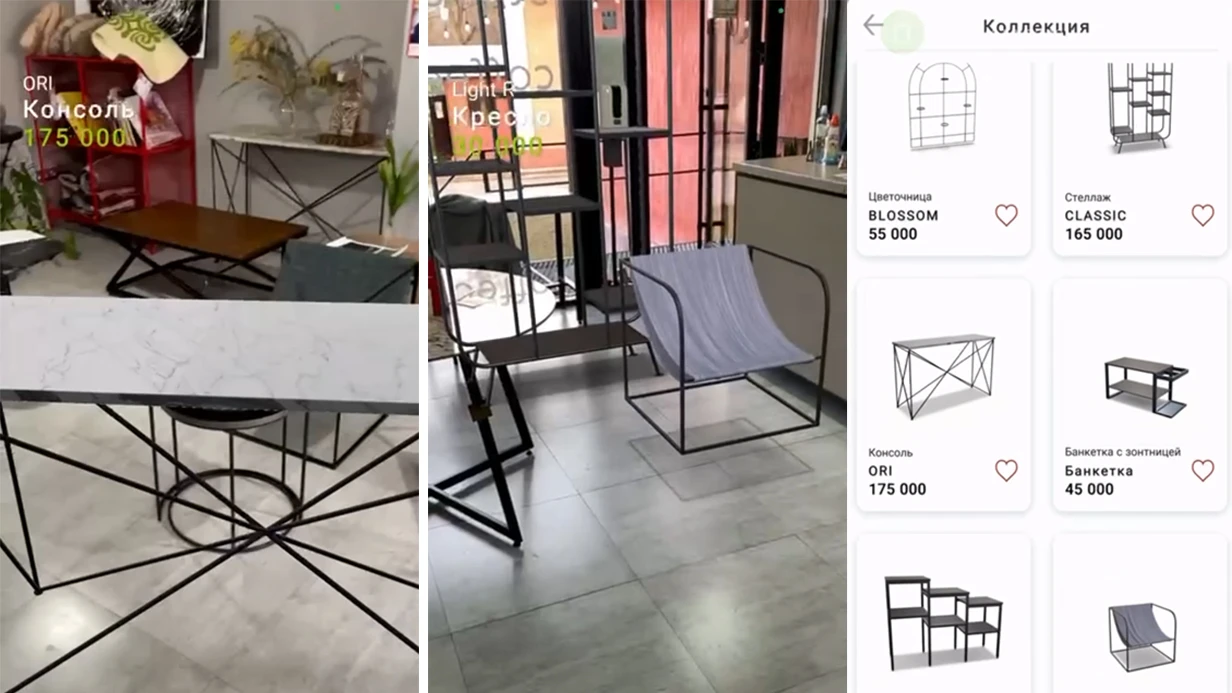
AR עובד אחרת — הוא לא מנתק מהמציאות אלא מרבד עליה מידע דיגיטלי. זה נוח לניווט, להדגמת מוצר במרחב אמיתי, להוראות תעשייתיות ולכל מה שחייב לקרות "כאן ועכשיו".
תקציב וצירי זמן משפיעים גם הם על הפורמט. תרחישי VR דורשים לעיתים קרובות יותר זמן פיתוח וציוד רציני יותר. פתרונות AR בדרך כלל מהירים וזולים יותר להשקה, במיוחד כשמשתמשים ניגשים אליהם מהסמארטפונים שלהם.
עם זאת, לא כדאי לחסוך באיכות: תרחיש לא מפותח או ביצועי אפליקציה לא יציבים יבריחו אפילו את הלקוח המעוניין ביותר. עדיף להשקיע בגרסה מלוטשת מאשר ליצור חוויה שלילית.
אנחנו עוזרים לבחור פורמט ללא הטיה. בהתחלה, אנחנו מקיימים ייעוץ: מנתחים את המטרה, הקהל, התוצאה הצפויה, התקציב וציר הזמן שלכם.
לאחר מכן, אנחנו מציעים פתרון שמספק תועלת מדידה — בין אם זו צמיחת מודעות, מעורבות מבקרים או בהירות מוצר לשותפים.
אם אתם צריכים לבדוק רעיון במהירות, נציע תרחיש AR פשוט; אם עומק הטבילה חשוב, נעצב פרויקט VR סוהר.
בסופו של דבר, אתם מקבלים לא "טכנולוגיה לשם טכנולוגיה" אלא כלי המשולב במשימה השיווקית או התפעולית שלכם. ספרו לנו על המצב שלכם — אנחנו נעזור להבין איזה פורמט יניב תוצאות מקסימליות במסגרת התקציב שלכם.
מענה לחששותיכם: מה עם תחזוקה ואבטחה?
כשאתם מזמינים תאום דיגיטלי של האב, השאלה המרכזית היא לא איך זה עובד, אלא מה קורה הלאה. האם הציוד ייכשל ברגע הקריטי ביותר? מי יעדכן את התוכן? האם מבקר יחווה חוויה שלילית?
אנחנו מסירים את החששות האלה: אנחנו לוקחים על עצמנו את הצד הטכני כך שתוכלו להתמקד בעסק ולא בהתעסקות עם הגדרות.
במודל התמיכה שלנו, הלקוח תמיד מקבל פתרון עובד ותמיכה ברורה. בעיות נפתרות בזרימת העבודה הרגילה — מעדכונים מתוזמנים ועד סיוע דחוף במהלך אירוע. הנה תשובות לחששות הנפוצים ביותר.
מי אחראי על תחזוקת ותיקון הציוד?
כל הציוד נשאר באחריותנו. אנחנו מתקינים אותו, בודקים ומתחזקים; במקרה של תקלה, אנחנו מחליפים או מתקנים במהירות — ללא אישורים נוספים מצדכם.
מה יקרה לתוכן בעוד שנה? האם הפתרון יתיישן?
אנחנו תומכים בפרויקט ומעדכנים תוכן ככל שהאב מתפתח: מוסיפים מוצגים חדשים, משנים תרחישים ומתאימים אותם לפעילויות. עדכונים כלולים בחוזה, כך שהפתרון נשאר רלוונטי ולא הופך לפריט מוזיאלי.
עד כמה זה בטוח למבקרים ולנתונים?
אנחנו משתמשים בציוד מקצועי עם הגנת התחממות יתר ומגבלות סשן מובנות — זה מבטל אי נוחות למשתמשים. הגישה לנתונים מבוססת תפקידים, ועדכונים נבדקים לפני התקנה, כך שהאבטחה מובטחת בכל הרמות.
מוכנים לדון ב-VR/AR לחלל שלכם? השאירו פנייה
דמיינו: מבקר נכנס להאב החדשנות שלכם ומיד נכנס לסביבה אינטראקטיבית — הוא יכול לבחון עותק דיגיטלי של המתקן, לשנות פרטים ולראות את התוצאה בזמן אמת. תרחישים כאלה כבר עובדים בעסקים, ואנחנו מוכנים להראות אותם בפועל.
השאירו פנייה, ואנחנו נספק ייעוץ, הדגמה בשטח ונחשב את עלות פתרון המותאם לחלל שלכם. זה לא מחייב, אבל זה נותן לכם מושג קונקרטי על האפשרויות והתקציב.
מה תקבלו לאחר יצירת קשר:
- ייעוץ על תרחישי VR/AR לקהל שלכם: מהצגות לשותפים ועד סיורים אינטראקטיביים;
- הדגמה בשטח של פתרונות עובדים — תראו איך הטכנולוגיה מתנהגת במקום שלכם;
- הערכת עלות עם אפשרויות לתקציבים שונים — ללא עמלות נסתרות או פרטים טכניים;
- תוכנית יישום עם שלבים וצירי זמן ברורים — מרעיון ועד השקה;
- המלצות לשילוב עם חומרה ותוכנה קיימים;
- תשובות לשאלות על תמיכה ותחזוקה לאחר ההשקה.
האב חדשנות הוא חלל שבו טכנולוגיה יוצרת חוויות. בואו נדבר על איך VR/AR יחזקו את הפרויקט שלכם. השאירו פנייה, ואנחנו ניצור קשר תוך יום עסקים אחד.