



תאום דיגיטלי של מפעל מתכות: למה אתם מאבדים לקוחות
לקוח פוטנציאלי של הארגון שלכם — משקיע או לקוח מרכזי — לא יכול לבקר במפעל כדי לראות את הייצור בעיניים שלו.
אז אתם מציגים להם מצגת שקופיות עם נתונים, אבל תמונות סטטיות לא יכולות להעביר את קנה המידה של הסדנאות, את התנועה של מתקני הגלגול, או את האווירה של ייצור אמיתי.
כתוצאה מכך, המשא ומתן נמשך, וההחלטה הולכת למי שיכל להדגים את היכולות שלו בצורה ברורה.
הצד השני הוא הכשרת עובדים. עובדים חדשים צריכים לשלוט בציוד מורכב, אבל ביצוע הדרכות במפעל פעיל הוא יקר ומסוכן: יש סיכון לתאונות וצורך לעצור קווי ייצור.
כל שעת השבתה עולה סכומים משמעותיים, ואפילו מומחים שהוכשרו על ציוד אמיתי עדיין עושים טעויות בגלל לחץ וחוסר תרגול.
תאום דיגיטלי של מפעל מתכות הוא עותק וירטואלי של המפעל שמשחזר סדנאות, יחידות ציוד ותהליכים טכנולוגיים בדיוק גבוה.
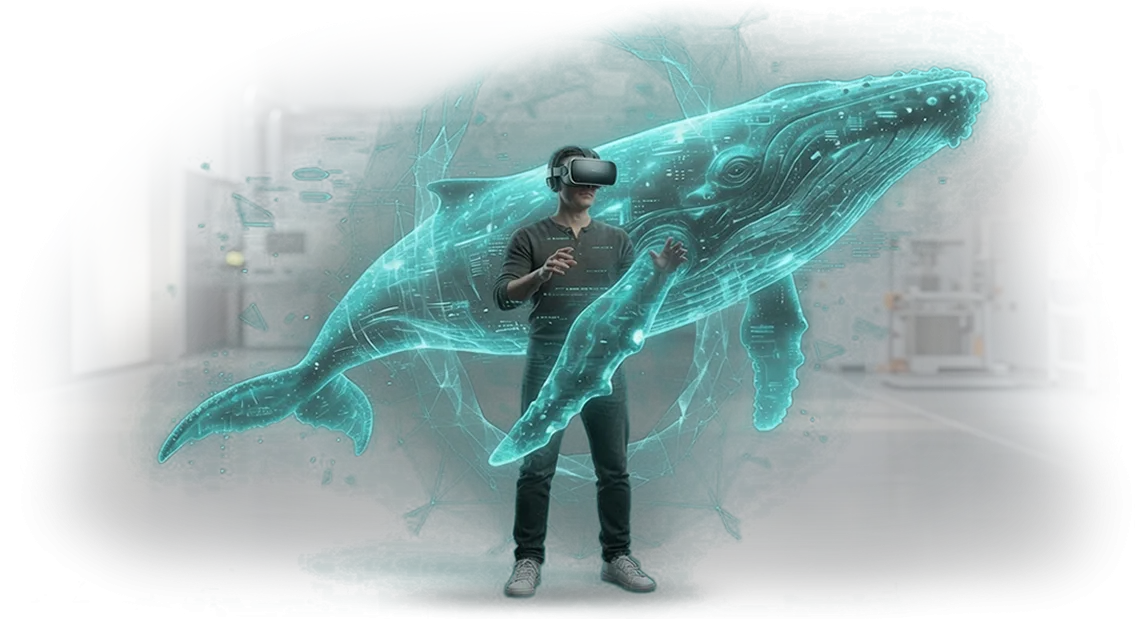
איתו, אתם יכולים לתת למשקיעים וללקוחות מצגת אינטראקטיבית של הארגון שלכם: הם "מסתובבים" בשטח, רואים ציוד בפעולה, ובוחנים רכיבים מרכזיים — ללא נסיעות עסקים או מגבלות בטיחות.
אותו תאום הופך לסימולטור להכשרת עובדים: עובד מתרגל נהלים בסביבה ריאלית בזמן שאתם שומרים על קצב הייצור ומבטלים סיכונים.
כתוצאה מכך, האטרקטיביות ההשקעתית שלכם גדלה — אתם מציגים את הארגון כמתקן מודרני, ניתן לניהול ובטוח. חוזים נחתמים מהר יותר, עלויות ההכשרה יורדות, ותחלופת העובדים פוחתת.
כבר סיפקנו פרויקטים כאלה לארגונים תעשייתיים ואנחנו עוזרים לכם לסגור את המשימות האלה ללא הטמעה ארוכה.
אילו משימות עסקיות VR/AR פותר לתעשייה
תאום דיגיטלי של מפעל מתכות הוא לא רק מודל תלת-ממדי — זה כלי שמתייחס לשלוש משימות עסקיות: להציג ייצור מבלי לעצור סדנאות, להכשיר עובדים ללא סיכונים, ולמשוך לקוחות ללא מודלים פיזיים יקרים.
המשימה הראשונה היא הדגמה ויזואלית. סיור וירטואלי במפעל מאפשר ללקוחות ולשותפים לראות את קנה המידה של הארגון גם אם הם רחוקים פיזית. אין צורך ללוות אורחים דרך סדנאות פעילות, לבזבז זמן על אישורים, או לדאוג לבטיחות שלהם.
אדם פותח את האפליקציה ולומד את התהליכים הטכנולוגיים והציוד בעיניים שלו — זה מרשים יותר מכל שקופיות.
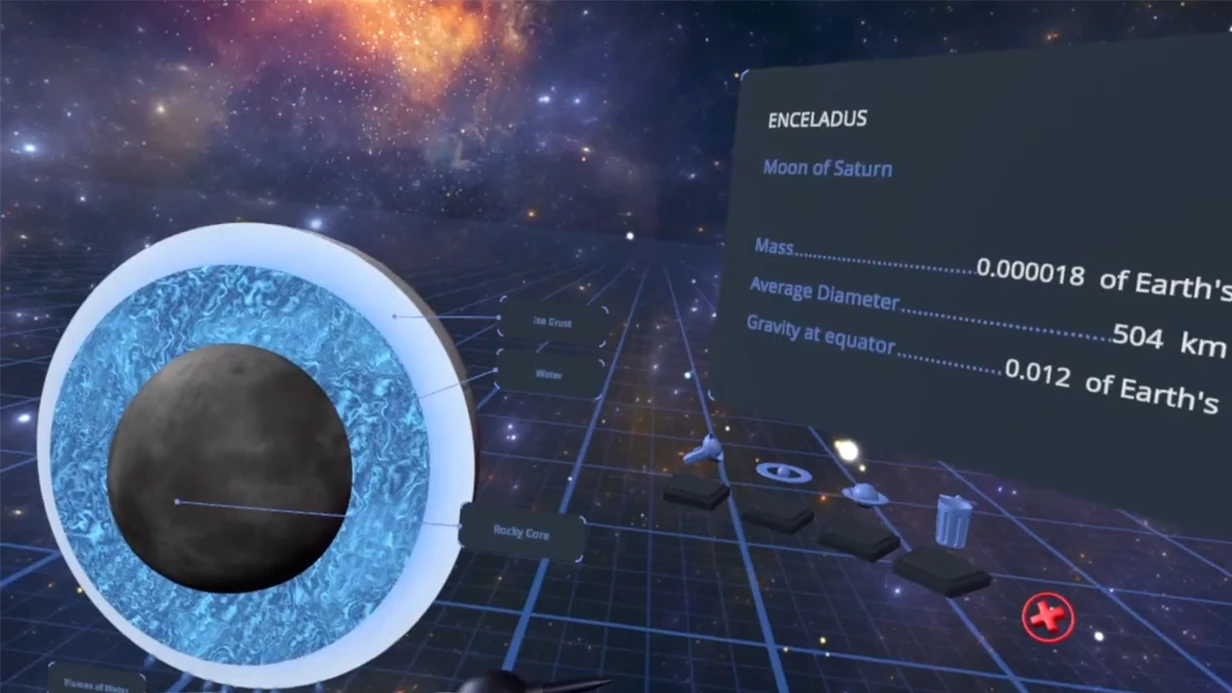
המשימה השנייה היא הכשרה בטוחה. VR תעשייתי והוראות מציאות רבודה אינטראקטיביות עוזרים לעובדים חדשים לשלוט בפעולות עבודה מבלי לגעת בציוד אמיתי. טעות בסביבה וירטואלית לא פוגעת באף אחד, והעובד מביא את ההליך לזיכרון שרירי.
הארגון רואה פחות פציעות, פחות גרוטאות, והטמעה מהירה יותר של כוח אדם לעבודה עצמאית.
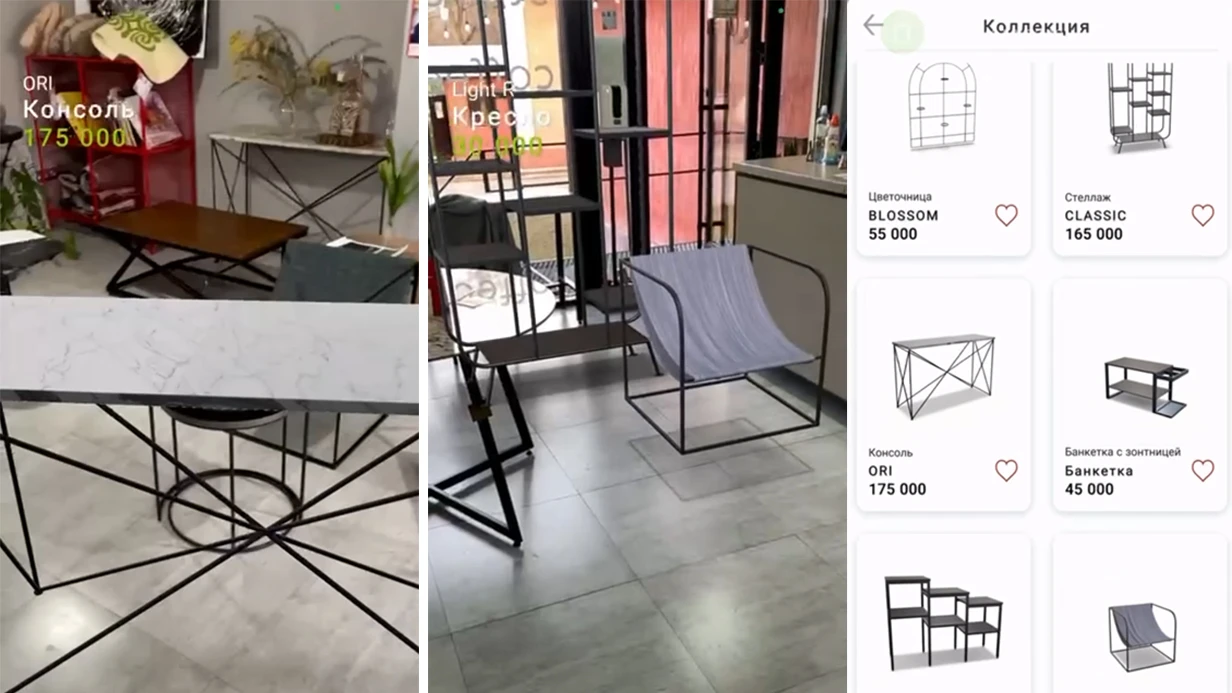
המשימה השלישית היא הגדלת מעורבות הלקוחות. AR לשיווק הופך מצגת רגילה או חוברת למוצר חי: כוונו את המצלמה, ומודל של יחידת הציוד מופיע על המסך עם מפרטים דינמיים.
בתערוכה או בחדר ישיבות, אינטראקציה כזו תופסת תשומת לב ונזכרת טוב יותר מתמונות סטטיות — מה שמשפיע על ההחלטה להזמין.
המסקנה פשוטה: VR/AR לתעשייה הוא לא בידור — זו דרך עובדת לקצץ עלויות, להאיץ מכירות, ולהגן על כוח אדם.
אנחנו מיישמים פתרונות כאלה למשימה הספציפית של הארגון שלכם ומודדים את התוצאה במדדים ברורים: מספר עובדים שהוכשרו, טווח הגעה לקהל, מהירות השקה, ועניין לקוחות במוצר.
פורמטים של תאום דיגיטלי למפעל מתכות למשימה שלכם
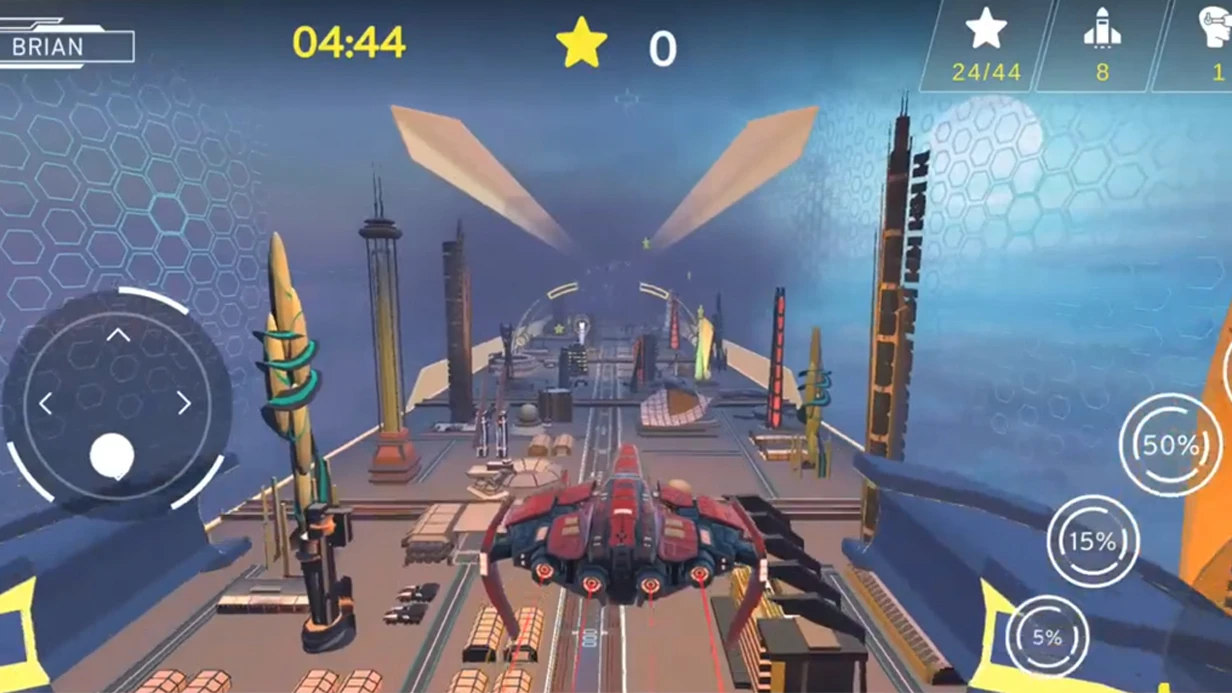
תאום דיגיטלי של מפעל מתכות הוא לא מוצר יחיד — זו פלטפורמה גמישה. בהתאם למטרה שלכם, אפשר להשתמש בו כאטרקציה תערוכתית, ככלי להדרכת עובדים, כסימולטור הכשרה, או כמוצג מוזיאלי.
כל פורמט פותר משימה עסקית משלו: מהגדלת הכרת המותג ועד להאצת הטמעת עובדים חדשים.
בפרויקט יחיד, אנחנו часто משלבים פורמטים: לדוגמה, תאום VR של סדנה להכשרה ורמזי AR לעבודה אמיתית. ככה, אתם מקבלים מערכת אקולוגית אחת שעובדת גם בתערוכות וגם בתהליכי ייצור — ללא כפילויות עלויות.
פורמטים של תאום דיגיטלי
| פורמט | למי | מה זה נותן ללקוח | | אטרקציית VR | מבקרי תערוכות, ימי פתוח | טבילה מלאה בסדנאות ללא סיכונים או מגבלות.
מעורבות גבוהה של אורחים, תדמית מותג חיה, וטווח הגעה במדיה חברתית דרך תמונות וסרטונים | | הוראות AR | עובדי סדנאות, צוותי תחזוקה | רמזים שלב-אחר-שלב בעבודה עם ציוד.
פחות טעויות, הכשרה מהירה יותר, ובקרת איכות של פעולות | | תאום דיגיטלי של סדנה | מנהלי ייצור, מהנדסים | מודל ויזואלי לתכנון פריסה, ניתוח עומסים, והצגת שינויים מבלי לעצור את הסדנה.
חוסך זמן ומשאבים | | מוזיאון מפעל וירטואלי | תלמידי בתי ספר, אורחים, מחפשי עבודה | מוצג אינטראקטיבי על ההיסטוריה והטכנולוגיות של המפעל. מחזק הכוונה תעסוקתית ותדמית מעסיק |
אם המטרה שלכם היא קנה מידה והשפעה ויזואלית, בחרו באטרקציית VR. אם אתם צריכים לשפר את יעילות העובדים, לכו עם הוראות AR. אנחנו נעזור לכם להגדיר את התרחיש, לפתח את התוכן, וליישם פתרון סוהר — ואז נישאר לתמיכה.
שלבי פיתוח אפליקציית VR/AR: מבריף ועד השקה
פיתוח אפליקציה למפעל מתכות הוא לא רק סט של מסכים — זה כלי שחייב להשתלב בתהליכי הייצור שלכם.
לכן פיצלנו את העבודה לשלבים: אתם תמיד יודעים מה קורה בשלב הנוכחי, מה אתם מקבלים כפלט, ומתי התוצאה תהיה מוכנה.
-
ניתוח משימה ובריף — אנחנו לומדים את אזור הייצור שלכם, את מטרות ההכשרה או המצגת, ואת הקהל. אנחנו מבינים איך פתרון VR/AR יקצץ עלויות או יאיץ הכשרת עובדים.
-
עיצוב תרחיש ואישור מפרט טכני — אנחנו מתארים, שלב אחר שלב, איך עובד או שותף יתקשר עם האפליקציה. אתם מאשרים את המפרט הטכני לפני תחילת הפיתוח — בלי הפתעות נסתרות.
-
אב-טיפוס ועיצוב ממשק — אנחנו מראים את הצד הוויזואלי: איך נראים אובייקטים דיגיטליים, פאנלים ורמזים. בשלב הזה, קל לבצע עריכות בלי לשכתב קוד.
-
פיתוח האפליקציה — אנחנו בונים את הפונקציונליות: סימולטורים וירטואליים, תרחישי הכשרה, ומעקב אחר פעולות. אנחנו עובדים עם ציוד מקצועי כדי שהתוצאה תהיה יציבה.
-
בדיקת האפליקציה — אנחנו בודקים מול תרחישי מפעל אמיתיים: אנחנו מדמים מצבי חירום, תקלות, ודיוק בהצגת נתונים. אתם מקבלים דוחות בדיקה ורואים שהכל עובד.
-
השקת הפרויקט ותמיכה — אנחנו מתקינים את הפתרון, מגדירים אותו לתשתית שלכם, ומכשירים עובדים. אחרי ההשקה, אנחנו נשארים בקשר: מעדכנים תוכן ומשכללים תכונות.
מה כלול במסירה של פתרון משולב
כשאתם מזמינים פיתוח של תאום דיגיטלי למפעל מתכות, אתם מקבלים לא רק תוכנה אלא חבילה מוכנה לשימוש.
הכל מאורגן כך שניתן ליישם את הפתרון, להכשיר עובדים, ולתחזק ולפתח את המערכת ללא תלות בקבלן יחיד.
- אפליקציית תאום דיגיטלי — מודל וירטואלי של המפעל שבו עובדים יכולים לתרגל תרחישים בבטחה מבלי לעצור ייצור. זה מפחית סיכונים וחותך את עלות ההכשרה על ציוד אמיתי.
- פאנל ניהול — אתם מעדכנים תרחישים, תוכן ופרמטרים של מודל בעצמכם. אין צורך לפנות למפתחים בכל פעם לעריכות קטנות.
- תיעוד טכני — תיאור מפורט של המערכת, בתוספת הוראות להגדרה, תפעול ואינטגרציה. המומחים שלכם יבינו במהירות את הפתרון ויוכלו להעביר ידע בתוך הצוות.
- קוד מקור — גישה מלאה לקוד הפרויקט. אתם לא קשורים לספק ספציפי ויכולים לשכלל את המערכת עם הצוות שלכם או להביא מפתחים אחרים אם צריך.
- הכשרת עובדים — סדנאות מעשיות למנהלי מערכת ומפעילים. הם רוכשים מיומנויות מוצקות בעבודה עם המערכת ואז מכשירים עובדים אחרים.
- תמיכת אחריות — לאורך תקופת האחריות, אנחנו מתקנים במהירות באגים, מספקים ייעוץ, ועוזרים בשכלולים. השבתות מבוטלות והפתרון תמיד תחת שליטה.
- קידום תוכן — אנחנו עוזרים לארוז את הפרויקט למצגות בתערוכות תעשייתיות, מול משקיעים ושותפים. זה מחזק את תדמית המפעל כמתקן ייצור מודרני和高-טק.
בסופו של דבר, אתם מקבלים לא טכנולוגיה מופשטת אלא כלי עבודה שמכסה את כל השלבים — מהתקנה והכשרה ועד פיתוח עתידי והדגמת יתרונות.
מקרה בוחן: איך החזרנו את ההשקעה בתאום דיגיטלי
כשמפעל מתכות צריך להכשיר מאות עובדים לעבודה בתנאים מסוכנים, תדריכים רגילים כבר לא מספיקים. תיאוריה בלי תרגול לא בונה את המיומנויות הנדרשות, בעוד הכשרה על ציוד אמיתי היא יקרה ועוצרת את הסדנאות. הצענו דרך אחרת — סימולטור וירטואלי.
עבור מפעל המתכות Stalprom, פיתחנו תאום דיגיטלי של אזורי הייצור. בתוך סביבת ה-VR, עובדים מתרגלים נהלים למצבי חירום — מהפעלת ציוד ועד פינוי.
זהו מקרה בוחן VR מלא למפעל שהחליף תרגילים מסוכנים בתרחישים ריאליסטיים אך בטוחים.
תוצאות היישום היו טובות מהצפוי. זמן ההכשרה לעובד אחד קוצץ פי ארבעה, ועלויות ההכשרה ירדו בכמעט חצי. במקביל, שימור החומר השתפר: אחרי שימוש בסימולטור, עובדים עושים 70% פחות טעויות בתנאים אמיתיים.
המדד המרכזי היה הפחתת התאונות. בשנה הראשונה לפעילות, המפעל רשם שליש פחות אירועים עם מעורבות כוח אדם. חיסכון בהכשרה והפחתת השבתות אפשרו למפעל להחזיר את ההשקעה בתאום הדיגיטלי בפחות משישה חודשים.
הצלחת הפרויקט הובילה להזמנה חוזרת: אנחנו עכשיו מרחיבים את התרחישים הווירטואליים לסדנאות חדשות ומפתחים מערכת הערכת הסמכה לכל המשמרות. תוצאה זו מאשרת: סימולטור VR מעוצב היטב למפעל משתלם — הוא לא נשאר צעצוע.
שאלות נפוצות: לוחות זמנים, עלות, בטיחות
לפני קבלת החלטה, לקוחות בדרך כלל שואלים שלוש שאלות מרכזיות: כמה זמן ייקח הפיתוח, איך מוגנים נתוני הייצור, ומה קורה אם המערכת נופלת. להלן, אנחנו עונים ישירות — בשפת העסקים, ללא פרטים טכניים.
מה קורה אם התאום הדיגיטלי נופל?
אנחנו מספקים אחריות על כל העבודה ומעגנים אותה בחוזה. במהלך תקופת ההפעלה הניסיונית ואחרי הפריסה, מסופקת תמיכה טכנית: מהנדסים זמינים בשעות העבודה, ובתקלות קריטיות — ביקור מהיר באתר או חיבור מרחוק. המערכת מגובה ונתונים נשמרים באופן קבוע, כך שאובדן מידע נשלל.
האם זה בטוח לעבוד ב-VR בסביבת ייצור?
כן, כי תרחישים מפותחים תוך התחשבות בתנאים האמיתיים של המפעל: חללים סגורים, קולות, ביגוד מגן. אנחנו שולטים במשך הסשן, בונים הפסקות, ויוצרים אזורי התאקלמות. עובדים מקבלים הוראות ברורות, והחומרה נבדקת לפני ההשקה.
כתוצאה מכך, הסיכון לאי-נוחות הוא מינימלי, וההכשרה הופכת לחלופה בטוחה לעבודה בסדנה.
איך מוגנים נתוני הארגון?
התאום הדיגיטלי נפרס בתוך היקף המערכת שלכם: המודל והנתונים לעולם לא עוזבים את מערכת המידע של המפעל. הגישה לפרויקט מוגדרת לפי תפקידים, ושום מידע ייצור לא מועבר החוצה.
עבורנו, זו דרך העבודה הסטנדרטית עם לקוחות תעשייתיים — אנחנו עוקבים אחר תקנות אבטחה פנימיות ומוכנים לחתום על הסכם סודיות (NDA) לכל מחזור הפרויקט.
האם ניתן לשלב את התאום הדיגיטלי עם המערכות הקיימות של המפעל?
כן, זה אחד התרחישים המרכזיים. אנחנו מטמיעים את התאום הדיגיטלי בתשתית ה-IT שלכם: מחברים אותו למערכות חשבונאות, יומני הזמנות עבודה, נתוני ציוד, ושירותים פנימיים אחרים.
עובדים עובדים בזרימות עבודה מוכרות, והתאום משלים אותן — מבלי להחליף תהליכים קיימים או לעצור ייצור.
כמה זמן לוקח הפיתוח ואיך נקבעת העלות?
לוחות הזמנים תלויים בהיקף ובמורכבות הסצנות, אבל אנחנו תמיד מספקים תכנון שקוף: אחרי הבריף ובדיקת הנתונים, אנחנו נותנים תאריכים ושלבים מדויקים.
העלות מקובעת באומדן ומשתנה רק בהסכמה הדדית — לדוגמה, אם אתם מוסיפים משימות חדשות בעצמכם. בסופו של דבר, אתם מקבלים פרויקט צפוי עם תוצאות ניתנות לאימות בכל שלב.
מוכנים לקבל את אותה תוצאה? השאירו פנייה
לפני תחילת פרויקט, אתם צריכים להבין בדיוק מה תקבלו ומה זה עולה. לכן אנחנו מתחילים עם שלושה שלבים חינמיים: ייעוץ, גישת הדגמה לפתרון ה-VR שלנו, והערכת עלות פרויקט.
מה כלול בתוכנית האישית שלכם:
- ייעוץ — אנחנו דנים במשימות, בפורמט ובקהל לתאום הדיגיטלי של הארגון שלכם.
- גישת הדגמה לפתרון ה-VR — אנחנו מראים איך התאום הדיגיטלי של מפעל מתכות עובד בפועל כדי שתוכלו להעריך את האפקט לפני השקעה.
- הערכת עלות VR — הצעת מחיר שקופה להיקף ולדרישות שלכם, ללא סעיפים נסתרים.
- אב-טיפוס של תרחיש מרכזי — אנחנו מגדירים איך עובדים או אורחים יתקשרו עם מתקני המפעל.
- תוכנית השקה עם לוחות זמנים ברורים — אתם יודעים מראש מתי תקבלו את הפתרון המוגמר והאינטגרציה.
- תמיכה לאחר יישום — עדכונים ותמיכה טכנית לאורך כל מחזור החיים של הפרויקט.
השאירו פנייה לפיתוח — נראה הדגמה, נכין הערכת עלות, ונסביר איך תאום דיגיטלי יגביר את מהירות הכשרת העובדים ויהפוך את מצגות המפעל לבלתי נשכחות באמת.
אין לכם שום התחייבות: בשלב הזה, אנחנו רק דנים ומדגימים, וההחלטה נשארת בידיים שלכם.
איך לבחור את פורמט התאום הדיגיטלי למשימה שלכם?
אין פתרון VR אוניברסלי. עבור מפעל מתכות, פורמט התאום הדיגיטלי תלוי במשימה שאתם פותרים: הכשרת עובדים, מצגת פרויקט, מכירת טכנולוגיה, או שליטה בייצור.
אנחנו עוזרים לקבוע את הסוג הנכון לפני תחילת הפיתוח — זה חוסך בתקציב הפיתוח ומקצר את לוחות הזמנים של ההשקה.
אם המטרה העיקרית שלכם היא הכנת כוח אדם ותרגול תגובות למצבי חירום, בחרו בסימולטור VR. הוא מספק תרגול בטוח ללא סיכון לאנשים או לציוד, ומומחים חדשים שולטים בתהליכים מהר יותר.
להצגת המפעל למשקיעים, שותפים או משלחות, סיור וירטואלי הוא הבחירה הנכונה: הוא מעביר את קנה המידה של הייצור והשלבים המרכזיים בכמה דקות ללא צורך בתנועה בשטח.
כשאתם צריכים להציג ציוד או קו ייצור ללקוחות, קטלוג VR אינטראקטיבי הוא יעיל. הלקוח חוקר את האובייקט בעצמו, בוחן רכיבים, ורואה את היתרונות — זה עוזר לקצר את מחזור המכירה.
ולניהול ייצור, תכנון מודרניזציה ותרחישי "מה אם", תאום דיגיטלי בקנה מידה מלא הוא הבחירה הטובה ביותר — הוא עובד עם נתונים אמיתיים ומאפשר החלטות מדויקות.
תקציב הפיתוח יגיד לכם איזה VR אתם צריכים. סימולטור וקטלוג אינטראקטיבי דורשים פחות השקעה ומשתלמים מהר יותר: עלויות הכשרה נמוכות יותר, מכירות גבוהות יותר, מצגות מהירות יותר.
תאום בקנה מידה מלא הוא פרויקט גדול יותר, אבל הוא מספק אפקט ארוך טווח: תכנון מדויק, הפחתת השבתות, בטיחות משופרת, ושקיפות בכל התהליכים.
אנחנו עוזרים לכם לבחור את פורמט התאום הדיגיטלי למשימה ולתקציב שלכם: שלחו לנו תיאור של המטרה — נציע פתרון עם שלבים, לוחות זמנים ותוצאות ברורים.
זה מונע תשלום יתר על פונקציונליות מיותרת ומבטיח שפרויקט ה-VR מספק ערך מדיד למפעל כבר מהשלב הראשון.