



מדוע פרויקט המטרו שלך מאבד את תשומת הלב של הקהל?
אנשים מגיעים לתערוכה בשביל חוויות, לא בשביל דיאגרמות וטקסט על דוכן. מצגת מטרו קלאסית — דגמים, שרטוטים ופסקאות צפופות — היא משהו שמבקרים סורקים בשניות ספורות.
כתוצאה מכך, ההחלטות המרכזיות של הפרויקט נעלמות מעיניים, והדוכן נטמע בין עשרות דוכנים שכנים.
חוסר מעורבות של הקהל פוגע במדדים העסקיים: פחות זמן בדוכן, פחות אנשי קשר מתועדים, זיהוי מותג חלש יותר. המבקרים לא זוכרים מה מייחד את הפרויקט שלך, ואחרי התערוכה הם שוכחים ממנו לחלוטין. ההשקעה בהשתתפות מתחילה לרדת לטמיון.
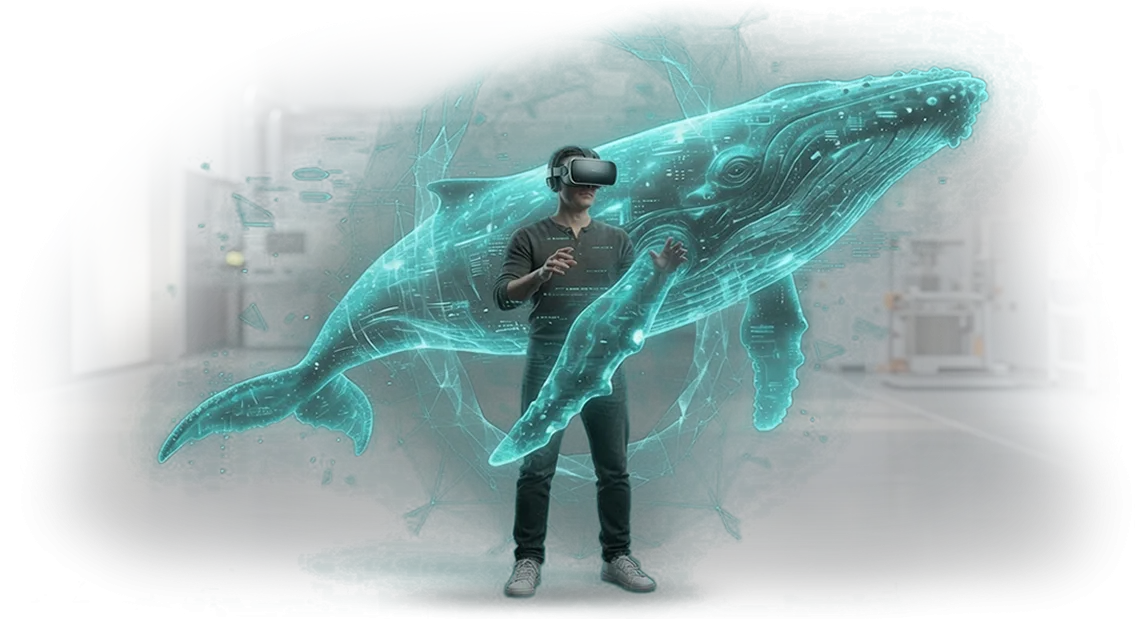
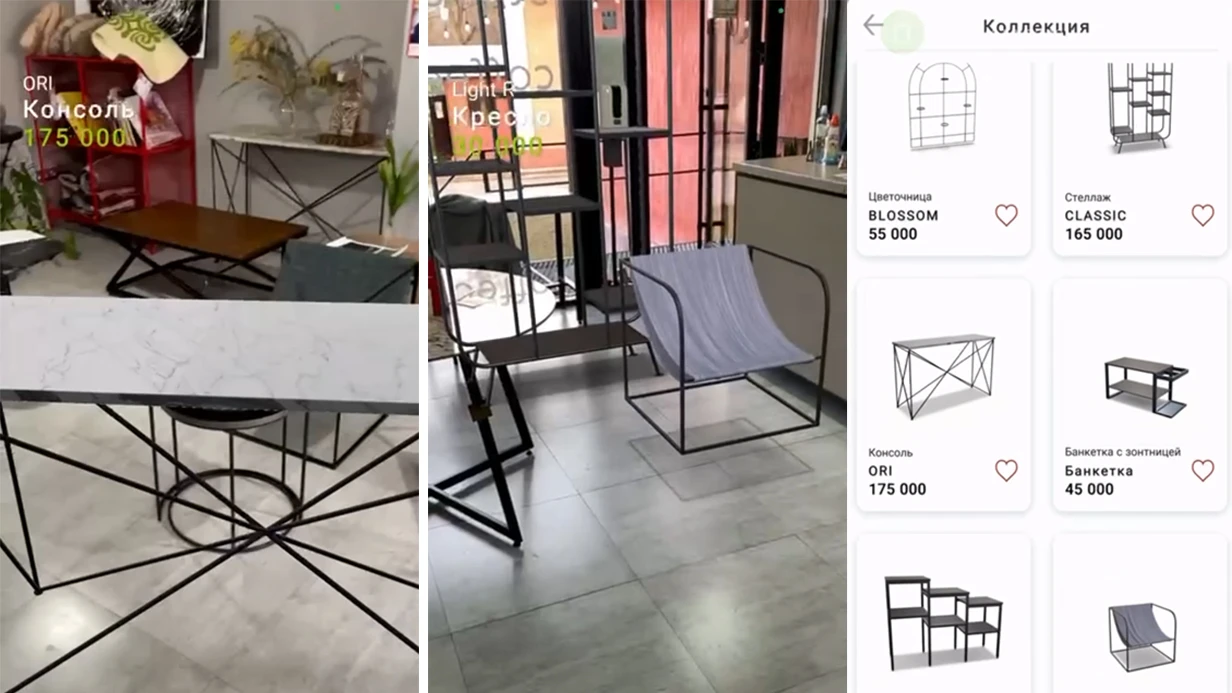
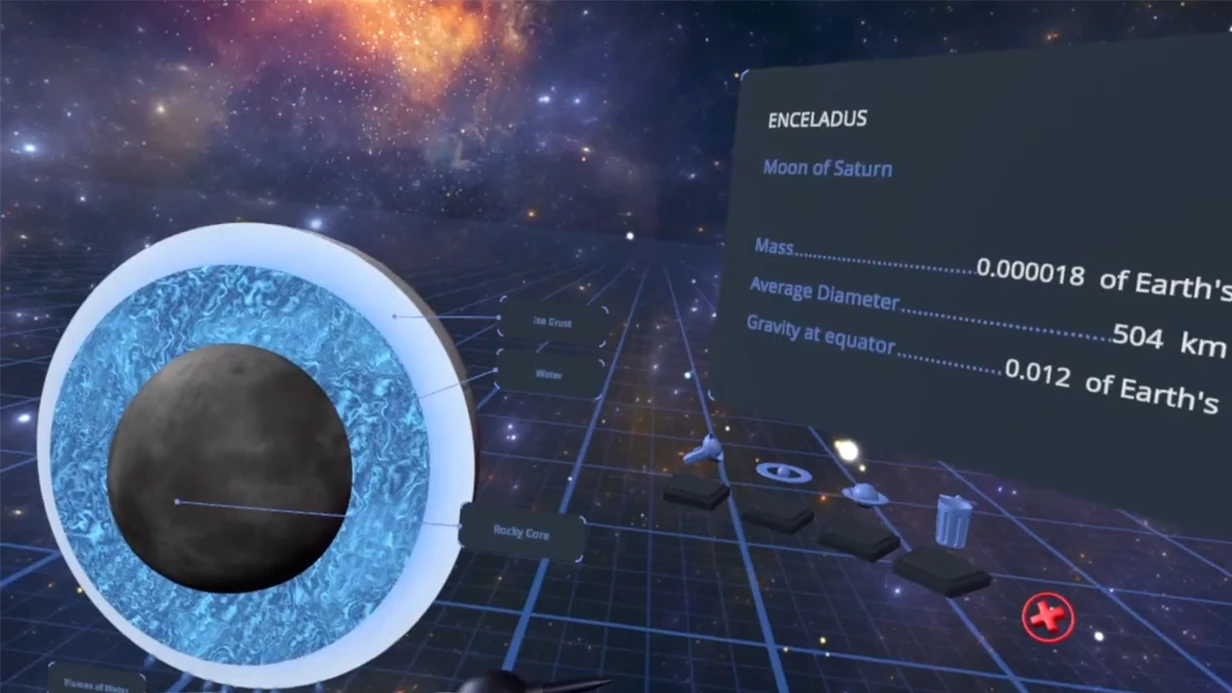
כדי שפרויקט מטרו יבלוט, צריך אינטראקטיביות שגורמת לאנשים לעצור ולהיות מעורבים. VR לתערוכות מאפשר למבקרים "להסתובב" בתחנה עתידית לפני שהיא נפתחת, בעוד AR למטרו מראה ממש על הדוכן כיצד העיר תשתנה.
זו לא רק תמונה — זה תרחיש שבו המבקרים מובילים את הסיור בעצמם: הם פותחים את המבואה, משנים את הזווית ומציצים לתוך המנהרה.
מצגת אינטראקטיבית הופכת צפייה פסיבית לחוויה פעילה שאנשים רוצים לחזור עליה ולספר עליה לאחרים. האורחים מצלמים, משתפים התרשמויות ברשתות החברתיות — והחשיפה ממשיכה לגדול גם אחרי שהאירוע מסתיים.
זו בדיוק סוג ההתעמקות שאנחנו יוצרים עבור פרויקטי מטרו: אתה מעביר את הרעיון לא במילים אלא בפעולה.
אילו יתרונות מביאה פתרון VR/AR לעסק שלך?
היתרונות של פתרון VR/AR לעסק אינם נעוצים בטכנולוגיה אלא בהתנהגות האורחים.
במקום לצפות בדוכן באופן פסיבי, אדם הופך למשתתף בתרחיש — וזה מביא לתוצאות מדידות: יותר זמן בדוכן, זיכרון מותג גבוה יותר ויותר אנשי קשר למחלקת המכירות.
אורחים מתערבים במקום רק להסתכל
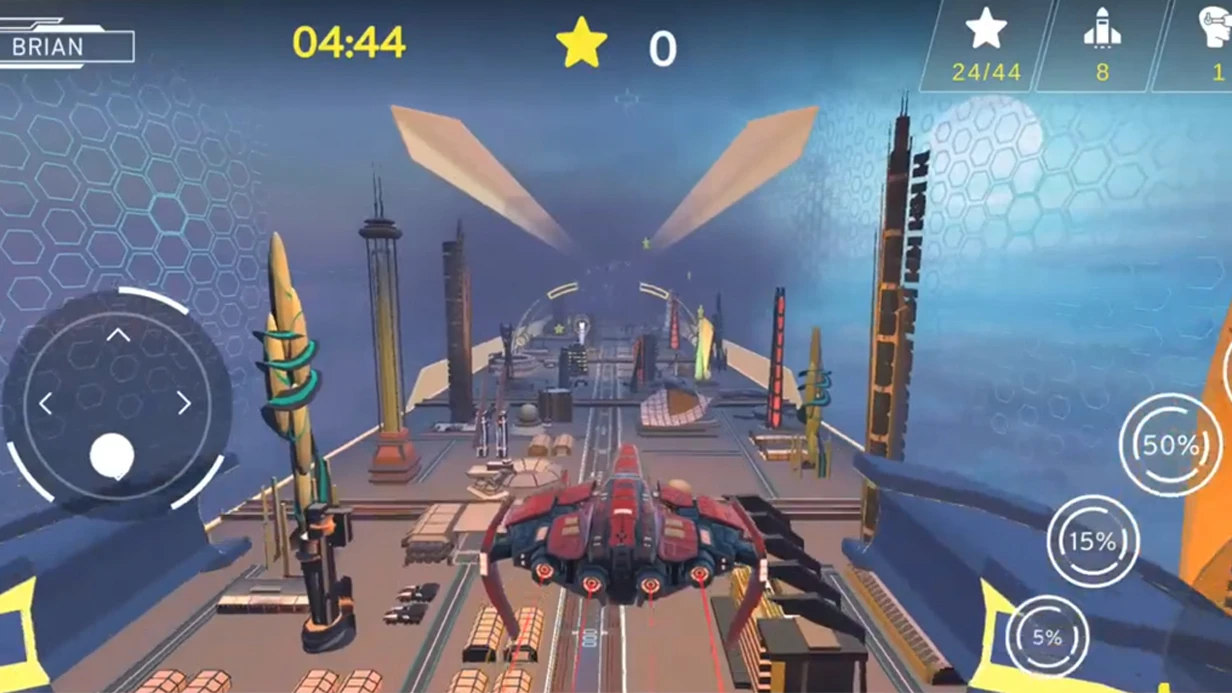
דוכן רגיל עם ברושורים מחזיק תשומת לב לכמה שניות. פתרון VR/AR הופך אותו לאזור אינטראקטיבי שבו מבקרים נכנסים לתפקיד נהג הרכבת, חוקרים תחנות או שולטים בתאום דיגיטלי של המטרו.
חוויה כזו שומרת על האורחים פי שלושה עד חמישה יותר זמן — והופכת צפייה לחוויה אישית.
המותג נזכר דרך רגשות
אנשים שוכחים פוסטרים פרסומיים אבל זוכרים חוויות. כשהאורח "נוהג" ברכבת לאורך הקו בעצמו או רואה איך תחנה נראית במציאות רבודה, זה הופך לסיפור שהוא רוצה לשתף.
רגעים כאלה מגיעים לרשתות החברתיות — והמותג מקבל חשיפה חינמית שממשיכה לעבוד אחרי האירוע.
אנשי קשר נאספים באופן טבעי
דוכן אינטראקטיבי מסיר את המחסום בין אורח למותג: אנשים משאירים ברצון את הפרטים שלהם כשהם מקבלים בתמורה תמונה, גישה לתרחיש VR ייחודי או כניסה להגרלה.
עבור החברה, זו לא רק בידור — זה כלי לבניית מאגר של אנשי קשר מתעניינים: קהל חם שכבר התערב עם המוצר ומוכן לשלב הבא.
פורמטים של פתרון VR/AR לכל משימת פרויקט
לכל משימה בפרויקט מטרו יש פורמט משלה: סיור וירטואלי עוזר להציג תחנות ומסלולים, מציאות רבודה מחייה חללים, ותאום דיגיטלי של המטרו מחבר תהליכים למודל אחד.
אנחנו לא מתאימים פרויקט לפתרון אחד — אנחנו בוחרים את הפורמט שמתאים למשימה, כך שאתה מקבל בדיוק את התוצאה שאתה משלם עליה.
הטבלה שלהלן היא מדריך לשלושת הפורמטים המרכזיים. לפרויקטים מורכבים אפשר לשלב ביניהם: למשל, סיור למצגות פרויקט ותאום להכשרת עובדים.
השוואת פורמטים
| פורמט | למי מיועד | מה הוא מספק ללקוח |
|---|---|---|
| סיור וירטואלי | מנהלים, משקיעים, נוסעים | מציג תחנות, מבואות ומעברים ללא ביקור בשטח; מבטל שאלות של "איך זה נראה" בשלב האישורים. |
| מציאות רבודה | מבקרי אירועים, תיירים, נוסעים | מציג רמזים, מפות ומידע עזר על גבי אובייקט אמיתי דרך סמארטפון — מגביר מעורבות ומפשט ניווט. |
| תאום דיגיטלי של המטרו | מחלקות תפעול, מרכזי הכשרה, הנהלה | עותק דיגיטלי מדויק של המתקן להכשרת תרחישים, חינוך עובדים וניטור מצב — מפחית סיכונים ועלויות של בדיקות פיזיות. |
נייעץ לך איזה פורמט יעבוד הכי טוב למשימה שלך ונציע שילוב אם אתה צריך לכסות כמה מטרות בבת אחת.
איך אנחנו עובדים על פרויקט ה-VR/AR שלך
הדבר החשוב ביותר בהזמנת פרויקט VR/AR הוא תוצאה צפויה ולוחות זמנים ברורים. מבננו את התהליך לשישה שלבים: בכל אחד מהם אתה מבין מה מוכן ואילו החלטות נדרשות ממך. זה עובד גם לדוכן תערוכה וגם לתאום דיגיטלי של המטרו.
-
בריף והתעמקות במשימה. אנחנו מגדירים את המטרות: מה המבקר צריך להרגיש, איזה מסר מותג להעביר, אילו פעולות לבצע. אנחנו אוספים את החומרים שלך, חוקרים את הקהל והמקום, ומציעים פתרון מדויק.
-
תוכנית פרויקט והערכת עלות. בהתבסס על הבריף, אנחנו יוצרים קונספט, בוחרים את הפורמט — VR, AR או MR — וקובעים את הציוד הדרוש. אתה מקבל תוכנית שקופה עם שלבים ונקודות אישור, בלי עבודה נסתרת או תוספות מחיר בלתי צפויות.
-
אישור קונספט. אנחנו מציגים את התרחיש, אבות הטיפוס והסגנון החזותי בצורה נגישה. אתה מבצע עריכות לפני תחילת הפיתוח — זה חוסך זמן ותקציב.
-
פיתוח ובקרת איכות. אנחנו בונים את הפרויקט על ציוד מקצועי, בודקים אותו על מכשירים אמיתיים ומאמתים תרחישים לתנאי מקום שונים. בנקודות מפתח, אנחנו שולחים לך גרסאות הדגמה למשוב.
-
השקת VR/AR. אנחנו מספקים, מתקינים ומגדירים את הציוד, מבצעים כיול ומדריכים את הצוות שלך. ביום האירוע, אנחנו שם — הכל עובד ללא תקלות.
-
תמיכה וצמיחה. אחרי ההשקה, אנחנו נשארים בקשר: פותרים בעיות במהירות, עוזרים בעדכונים ושיפורים, ומרחיבים את הפרויקט למקומות חדשים כשצריך.
בסופו של דבר, אתה מקבל פרויקט ניתן לניהול עם שלבים ברורים ותוצאה מובטחת. אנחנו מטפלים בצד הטכני — אתה מתמקד במטרה העסקית.
מה כלול במסירת פתרון VR/AR
כדי להבטיח שפתרון ה-VR/AR יעבוד כחלק מהעסק שלך ולא יישאר הדגמה של "סימון וי", אנחנו מספקים לא רק תוכנה מוגמרת אלא חבילה מלאה להשקה וצמיחה.
אתה מקבל את כל מה שאתה צריך כדי שהצוות שלך ישלוט בפתרון במהירות וכדי שתישאר בשליטה על התוצאה.
- קבצי מקור של האפליקציה — אתה הבעלים של הקוד ואינך תלוי במפתח: אתה יכול לפתח את המוצר איתנו או עם צוות אחר.
- הוראות השקה ותפעול — מדריכי עזר ברורים למנהלים ומפעילים, כך שההגדרה לא דורשת קריאה למתכנת.
- הכשרת צוות — מפגשים מעשיים לפני ואחרי ההשקה: הצוות שלך ילמד לנהל תרחישים, לשנות תוכן ולפתור במהירות בעיות נפוצות.
- אחריות על האפליקציה — אנחנו מתקנים שגיאות ותקלות ללא תשלום במהלך תקופת האחריות, כך שאתה עובד ללא השבתה.
- תמיכה ועדכונים שוטפים — אנחנו נשארים בקשר: מרחיבים פונקציונליות לפורמטים חדשים, מוסיפים סצנות ואינטגרציות כשהמשימות שלך גדלות.
- רשימת בדיקות קבלה — אתה יודע בדיוק מה אתה מקבל ומתי, ואתה מקבל את העבודה לפי קריטריונים ברורים.
- תיעוד טכני — תיאור תמציתי של הארכיטקטורה לצוות התפעול שלך: בלי "קסם", רק הנתונים הדרושים.
החבילה הזו מבטלת את הפחד הגדול ביותר של הלקוח — להישאר לבד עם הטכנולוגיה. אתה מקבל כלי עובד, צוות מיומן ותמיכה ברורה בכל שלב של השימוש.
מקרה בוחן: תאום דיגיטלי של המטרו לתערוכה
הלקוח — מפעיל תחבורה עירונית — הכין דוכן לתערוכה תעשייתית מרכזית. דגמים וסרטונים קונבנציונליים כבר לא משכו תשומת לב: המיקוד של המבקרים היה מפוזר, והיה צורך להראות איך מטרו מודרני עובד מבפנים.
כך נולדה המשימה של יצירת תאום דיגיטלי של המטרו — עותק וירטואלי אינטראקטיבי של המערכת האמיתית.
הצוות שלנו פיתח דוכן VR: מבקרים הרכיבו משקפיים ומצאו את עצמם בתחנה וירטואלית, שם יכלו לבדוק את הרכבות, לתכנן מסלול ולראות איך הרכבות נעות בזמן אמת.
בכוונה תכננו את התרחיש כמפגש קצר של 5–7 דקות, כך שכל אורח יוכל לנסות את הטכנולוגיה בלי שתיווצר תור.
התערוכה במספרים
התוצאות עלו על הציפיות. מספר המבקרים בדוכן גדל ב-40% בהשוואה לאירועים הקודמים של הלקוח.
במשך שעתיים של פעילות אינטנסיבית, הושלמו יותר מ-120 מפגשי VR, והזמן הממוצע בדוכן גדל מ-30 שניות ל-4 דקות — האורחים לא רק הסתכלו; הם חקרו את המוצר.
אחרי התערוכה, הלקוח חזר עם בקשה המשך: לפתח את התאום הדיגיטלי לסימולטור להכשרת נהגי רכבת ומבקרי תנועה. עבורנו, זה המדד המרכזי — הפרויקט הוכיח את עצמו לא רק כדוכן מרשים אלא גם ככלי עבודה.
איך לבחור את הפורמט הנכון למשימה שלך?
בחירת פורמט אינה שאלה של טכנולוגיה — זו שאלה של תוצאות. אותו תאום דיגיטלי של המטרו יכול להיות מועבר כאפליקציה ניידת לחקר עצמי, כאזור VR באירוע, או כדוכן אינטראקטיבי עם מציאות רבודה.
כל אפשרות פותרת משימה משלה: למשוך תשומת לב, להכשיר עובדים, להראות תהליך מבפנים או לאסוף אנשי קשר של מבקרים.
כדי להימנע מתשלום יתר ומלסיים עם "רק תמונה יפה", חשוב להתחיל מהמטרה שלך. אם אתה צריך להפתיע אורחים וליצור תוכן ויראלי — פורמט אחד. אם אתה צריך להכשיר צוות ולחסוך בסימולטורים — אחר.
אם המטרה היא להציג את הפרויקט בתערוכה ולאסוף לידים — שלישי. בחירת הפורמט הנכון קובעת 80% מהיעילות של התאום הדיגיטלי.
אנחנו עוזרים לך להחליט על פורמט בלי להיכנס לפרטי יישום. במהלך ייעוץ מומחה, אנחנו בוחנים את המשימה שלך, הקהל, תנאי המקום ולוחות הזמנים — ומציעים תרחישים ברורים עם תחזית השפעה. אתה מקבל פתרון מוכן המותאם למטרה שלך, לא הדגמה מופשטת של יכולות.
בחירת פתרון VR/AR מתחילה בשיחה פשוטה. אתה מתאר את המשימה, ואנחנו מציעים 2-3 פורמטים עם הערכה של חשיפה, מעורבות ותקציב יישום. ברוב המקרים, זה מספיק כדי לבחור כיוון ולהכין הצעה מסחרית מדויקת. כל מה שנשאר זה לאשר את התרחיש ולהשיק את הפרויקט.
שלח בקשת ייעוץ — נעריך איך תאום דיגיטלי של המטרו יעבוד עבור הפרויקט שלך ונציע את הדרך הבטוחה ביותר לבדוק את ההשערה לפני השקה בקנה מידה מלא.
תשובות לשאלות נפוצות על VR/AR
השאלות הראשונות שאנחנו שומעים מלקוחות לפני השקת VR/AR אינן על טכנולוגיה — הן על סיכונים: מה אם הציוד יתקלקל, איך לעמוד בלוחות הזמנים, והאם זה מתאים לתקציב. אנחנו עונים עליהן בכנות — באותה דרך שאנחנו עונים ללקוחות פנים אל פנים.
מה אם הציוד יתקלקל במהלך האירוע?
זה מקרה נדיר — אנחנו משתמשים במשקפיים מקצועיים שנבדקים לפני כל פרויקט. אבל גם אם משהו משתבש, תמיד יש איתנו ערכת גיבוי. ההחלפה אורכת כמה דקות; אתה מטפל בחששות של האורחים בזמן שאנחנו ממשיכים לעבוד עד שהתוצאה יציבה.
כמה זמן לוקח פיתוח VR/AR?
לוחות הזמנים תלויים בפורמט: מסכת AR פשוטה מוכנה תוך שבוע, סיור VR מלא תוך 1–2 חודשים. אחרי הבריף, אתה מקבל תוכנית מדויקת עם שלבים ותאריכים. אנחנו לא מפספסים מועדים, כך שההשקה מתוזמנת סביב האירוע שלך — לא להפך.
איך מכניסים VR/AR לתקציב?
יש לנו מגוון פתרונות לתקציבים שונים: מאפקטי AR קלים לרשתות חברתיות ועד חוויות סוחפות מרובות סצנות. בהתחלה, אנחנו בוחרים פורמט שפותר את המשימה שלך ומראים מה אתה מקבל בכל שלב. הערכת עלות שקופה בלי מלכודות נסתרות היא חלק מהעבודה.
האם אצטרך לשנות את העיצוב או זהות המותג שלי?
לא. אנחנו מתאימים את החומרים הקיימים שלך — לוגו, דמויות, גרפיקה — לפורמט ה-VR/AR. המותג נשאר מזוהה, והסביבה משפרת את הרושם. אין צורך בפרויקט עיצוב נפרד — רק קבצי המקור שלך וכמה שעות לאישור.
אם השאלה שלך לא הייתה ברשימה — כתוב לנו. נייעץ איזה פורמט מתאים לאירוע שלך וניתן לך לוחות זמנים מדויקים אחרי בריף קצר.מוכן לדון בפרויקט שלך? צור קשר
ספר לנו על המשימה שלך — ונציע איך פתרון VR/AR יכול לחזק את פרויקט המטרו שלך. תאר למי נוצר התאום הדיגיטלי: להכשרת נהגי רכבת, תרגול נהלי צוות, הצגת תחנות חדשות או ניווט נוסעים.
בפגישה, נדון במטרות, בקהל ובתוצאה הצפויה, כך שתדע בדיוק איזו השפעה תקבל.
הייעוץ החינמי הוא שיחה עניינית וממוקדת, לא סיפור כללי על החברה. קודם, אנחנו מבהירים את המשימה; אחר כך אנחנו מחשבים את עלות הפרויקט ולוחות הזמנים.
תקבל הצעה מסחרית שקופה בלי סעיפים נסתרים ובלי עומס טכני מיותר — רק פתרון שמתאים לתקציב שלך.
אחרי פנייה אלינו, אתה מקבל:
- הערכת עלות ולוחות זמנים תוך כמה ימי עבודה;
- הערכה האם VR/AR הגיוני עבור התחנה, הקו או תהליך ההכשרה הספציפיים שלך;
- הדגמה של הפרויקטים שלנו לתחום התחבורה ולמשימות דומות;
- תרחיש מותאם אישית: מהכשרת עובדים ועד מצגת וירטואלית לנוסעים;
- תוכנית שלב אחר שלב עם תוצאות ברורות — בלי הפתעות בהתחלה;
- תמיכת צוות אחרי ההשקה, כדי שתוכל להמשיך לפתח את התאום הדיגיטלי הלאה.
אנחנו עובדים מרחוק ויוצרים פתרונות VR/AR לעסקים כבר למעלה מ-10 שנים, כך שאנחנו לוקחים על עצמנו משימות בכל רמת מורכבות — מהדגמות שנמסרות תוך כמה שבועות ועד סימולטורים בקנה מידה גדול. צור קשר עכשיו — נדון בפרויקט ונכין את ההערכה. יחד, נמצא פתרון שמשתלם עבור המטרו שלך.