



עסק מפסיד רווחים עקב כאוס בחניון רב-קומתי
כל יום, חניון רב-קומתי הופך למבוך עבור המבקרים: סיבוב אחר סיבוב בחיפוש אחר מקום פנוי, פקק אינסופי ביציאה, ואיחורים לפגישות ולאירועים.
מי שלא רוצה לקחת סיכון פשוט נוסע למתחרה שבו החניה קלה יותר — וכך מתחילה נטישת לקוחות בחניון, שפוגעת לא רק בהכנסות מהחניה אלא בכל הכנסות המתחם.
נטישת מבקרים בחניון רב-קומתי אינה מקריות; היא תוצאה בלתי נמנעת של כאוס. אנשים לא יכולים לראות את התמונה הגדולה ואין להם מושג כמה סיבובים נוספים החיפוש ייקח, ולכן הרושם שלהם מהמקום נפגם עוד לפני שהם נכנסים פנימה.
ההחלטה כבר התקבלה: הם או שנוסעים למתחרה או שחוזרים רק אם יש מערכת ניווט בסיסית בחניון הרב-קומתי שמפחיתה לחץ וחוסכת זמן.
ההפסדים האלה חריפים במיוחד עבור קניונים, מתחמי משרדים ומקומות אירועים. אורח מגיע לפגישה או להופעה, מבלה עשרים דקות בחיפוש אחר הקומה והמקום הנכונים — ונכנס כבר עצבני.
לא אכפת להם שהמערכת עמוסה; הם שופטים רק נוחות, והחוויה השלילית נשארת בזיכרון שלהם.
הבעיה אינה מוגבלת לשעות השיא. אפילו בתפוסה חלקית, נהגים מסתובבים בין הקומות, יוצרים עומסים ברמפות, ועובדים מאחרים למשמרות שלהם. כל מקרה כזה שוחק את המוניטין, את הנאמנות ואת הביקורים החוזרים.
אנחנו מטפלים בכאב הזה עם תאום דיגיטלי של החניון. הפתרון מציג למבקרים את המקומות הפנויים לפני שהם נכנסים ומנחה אותם כל הדרך למקום חניה ספציפי, תוך שהוא נותן למנהל תמונה חיה של התפוסה.
התוצאה: מינימום זמן חיפוש, אורחים רגועים ביותר ופחות סיבות לנסוע למתחרים.
אילו יתרונות התאום הדיגיטלי מביא למתקן
תאום דיגיטלי של חניון רב-קומתי אינו רק מודל תלת-ממדי למצגות. זהו כלי עבודה שמביא נתוני תפוסה, תנועה והתנהגות מבקרים למערכת אחת.
בעזרתו, הבעלים והמנהל רואים את כל המתקן: היכן נוצרים תורים, אילו אזורים בטלים, ומתי מתרחשים עומסי שיא. הכי חשוב, הם יכולים לקבל החלטות על סמך עובדות ולא הנחות.
היתרון הראשון והבולט ביותר הוא שביעות רצון גבוהה יותר של המבקרים. נהג כבר לא מסתובב בין הקומות בחיפוש אחר מקום פנוי: התאום נותן הנחיה בזמן אמת לאן לנסוע. זה מקצר את זמן החניה מ-10–15 דקות לדקה או שתיים.
לקוח מרוצה חוזר וממליץ על המתקן לעמיתים — כך צומחים נאמנות וזרם קבוע של ביקורים חוזרים.
היתרון השני הוא תפוקה גדולה יותר ללא הרחבת שטח. אופטימיזציה של זרימת התנועה וחלוקה חכמה של כלי רכב מאפשרים לשרת 20–30 אחוז יותר מכוניות בשעה.
עבור קניון, מתחם משרדים או שדה תעופה, זה מתורגם ישירות להכנסות: כל מקום חניה מתהפך מהר יותר, התורים בכניסה וביציאה מתקצרים, ושעות השיא מפסיקות להיות בעיה.
שלישית היא הפחתה משמעותית בתאונות ובמצבי קונפליקט. כשנהגים יודעים את המסלול ואת המקומות הפנויים מראש, יש פחות תמרונים כאוטיים והתנגשויות. זה אומר פחות הוצאות על תיקונים, ביטוח ופתרון מחלוקות.
עבור חברת הניהול, זה אומר פעילות חלקה ותקציבים צפויים לתחזוקת המתקן.
לבסוף, תאום דיגיטלי מבסס את התדמית של מתקן מודרני ומונחה טכנולוגיה. שוכרים ומשקיעים תופסים חניון כזה כנכס אמין ומבטיח יותר.
ההחזר על טכנולוגיית VR במקרה זה מורכב ממכלול שלם של השפעות: תנועה והכנסות גבוהות יותר, חיסכון בתאונות, נאמנות מבקרים גדולה יותר וערך הון גבוה יותר למתקן. כל זה מכסה את עלות ההטמעה כבר בעונות הפעילות הראשונות.
פורמטי יישום VR/AR לחניון רב-קומתי
חניון רב-קומתי הופך בקלות למבוך: נהגים מסתובבים בחיפוש אחר מקום פנוי, ומבקרים מאבדים כיוון אחרי שתי פניות. התוצאה היא תורים בכניסה, תסכול ובזבוז זמן גם לצוות שלכם וגם ללקוחותיכם.
פורמטים דיגיטליים הופכים ניווט והצגת מתקן לתהליך מבוקר ומובן.
כל פורמט פותר משימה משלו: להציג את המתקן בשלב המכירות, להנחות מבקר למקום הנכון, או להכשיר צוות לפעול במצב חריג. להלן האפשרויות שאנו מספקים על בסיס מודל תלת-ממדי מדויק של החניון.
| פורמט | למי | מה הלקוח מקבל |
|---|---|---|
| סיורים וירטואליים | רוכשי מקומות חניה ושוכרים שאינם יכולים לבקר במתקן באופן אישי | היכולת "להסתובב" בחניון אונליין, לראות את הכניסות, רמות התאורה ורוחבי המעברים — זה מאיץ את החלטת הרכישה |
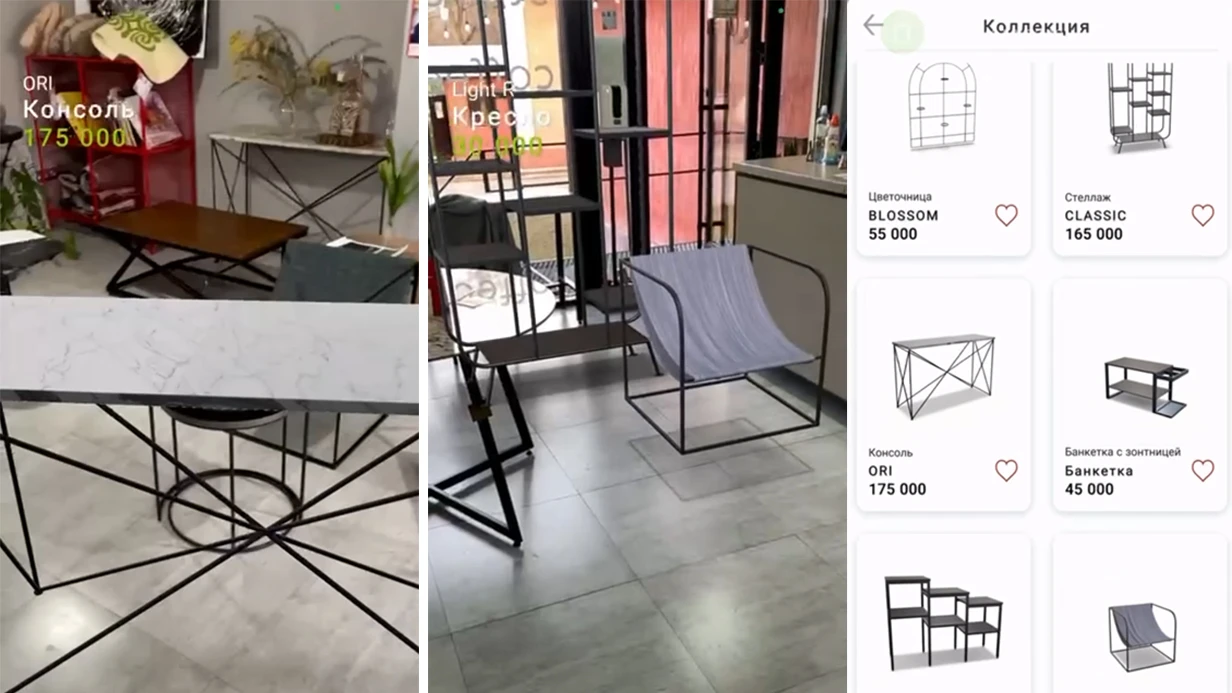
| ניווט AR | מבקרים ונהגים שכבר נמצאים במתקן | הפניית מצלמת הטלפון מציגה את הכיוון למקום חניה פנוי או ליציאה — מקצר את זמן החיפוש ומפחית את כמות התלונות |
| סימולטורים | חברת הניהול ושירותי האבטחה | הכשרת צוות ותרגול מצבים חריגים ללא כל סיכון ללקוחות — עובדים חדשים מסתגלים מהר יותר ותגובות חירום הופכות מלוטשות |
אנחנו עוזרים לכם לבחור את הפורמט שמתאים למטרה העסקית שלכם ומראים כיצד כל תרחיש ישתלם עבור עצמו בהתחשב בתנועה שלכם ובמספר מקומות החניה.
כיצד מתנהלת עבודת הפרויקט
העבודה על תאום דיגיטלי לחניון היא תהליך ברור: מהבריף ועד ההשקה והתמיכה. אתם שולטים בלוח הזמנים ורואים את התוצאה בכל שלב, בעוד החלטות מפתח מתקבלות יחד איתנו.
-
בריף והתעמקות. אנו מתעדים את המטרות: הכשרת צוות, תרגול תגובת חירום, ניווט מבקרים, ניתוח תפוסה. אתם מקבלים תוכנית עבודה והערכת עלות לפני ההתחלה.
-
עיצוב תרחישים. יחד איתכם, אנו מתארים את המצבים המרכזיים: כיצד משתמש מתקשר עם החניון, אילו אזורים ומדדים חשובים. אנו יוצרים אב-טיפוס לאישור.
-
פיתוח מודל וממשק. אנו בונים את המודל המרחבי של החניון ואת הממשקים בהתאם למטרותיכם. אנו משתמשים בציוד מקצועי — התוצאה יציבה במכשירים שונים.
-
בקרת איכות. אנו בודקים ניווט, היענות ממשק והתנהגות במצבים חריגים. אתם מקבלים מוצר מוגמר ללא הפתעות.
-
הטמעה והכשרה. אנו מכוונים את הפתרון לתשתית שלכם, מראים לעובדים כיצד להשתמש בתאום הדיגיטלי ומוסרים את ההוראות.
-
תמיכה ואבולוציה. לאחר ההשקה אנו נשארים בקשר: אנו מעדכנים תוכן, מוסיפים תרחישים ושומרים על הכל תקין.
התפקיד שלכם והערבויות
בכל שלב אתם מאשרים את התפוקות ומבצעים תיקונים. אנו מספקים לוחות זמנים קבועים, רשימת בדיקות קבלה ותמיכה לאחר ההשקה — אתם יודעים בדיוק על מה אתם משלמים ומקבלים תאום דיגיטלי שפותר את אתגרי החניה שלכם.
מה כלול במסירת התאום הדיגיטלי
כשאתם מזמינים תאום דיגיטלי של חניון רב-קומתי, אתם מקבלים לא רק מודל תלת-ממדי אלא כלי עבודה מוכן לשימוש עבור הצוות שלכם.
חבילת המסירה כוללת את כל הדרוש להפעלת המערכת ללא קבלנים חיצוניים ולהתחלת שימוש בה כבר בימים הראשונים להכשרת צוות, תרגול תרחישים וניטור מתקן.
המסירה כוללת:
- מודל תלת-ממדי וירטואלי של החניון — העתק מדויק של המתקן שלכם עם קומות מפורטות, כניסות, יציאות ואזורים טכניים. הוא מאפשר לדמות כל מצב עבודה ולזהות צווארי בקבוק מראש.
- ממשקים למנהל — לוח בקרה ברור לתרחישים ונתונים שמוגדר לצרכי המתקן שלכם ואינו דורש תכנות לפעולות יומיומיות.
- תרחישי הכשרה מוכנים — תרגול לעומסי כניסה, פינויים, מצבים חריגים ופעולות צוות בסביבה וירטואלית בטוחה. זה מסיר את הסיכון של בדיקת מיומנויות על מבקרים אמיתיים.
- חומרי הכשרה לעובדים — הוראות, שיעורי וידאו ומדריכים מהירים שעוזרים לצוות לשלוט בתאום הדיגיטלי במהירות. החומרים נשארים אצלכם לצמיתות ומשמשים בעת קליטת עובדים חדשים.
- תיעוד תפעולי — כל הדיאגרמות, הנהלים ותיאורי הפונקציות מרוכזים במקום אחד, כך שהצוות שלכם יכול לתחזק את המערכת בעצמו ללא צורך לפנות אלינו כל הזמן.
- תמיכה טכנית ועדכונים — תמיכה מרחוק, חידוד תרחישים ועדכוני תוכן לכל תקופת שיתוף הפעולה. כשהתהליכים העסקיים שלכם משתנים, התאום הדיגיטלי מסתגל אליהם.
הכשרת צוות היא חלק חובה בחבילת העבודה. אנו מקיימים מפגשים מקוונים למנהלים ולעובדים מרכזיים, ומראים בפירוט כיצד להפעיל תרחישים, לעבוד עם הממשק ולנתח את התוצאות.
לאחר סיום ההכשרה, כל ההקלטות וההוראות נשארות אצלכם, כך שתוכלו לקלוט עובדים חדשים ללא עלויות נוספות.
בקיצור, חבילת המסירה היא סט עצמאי שלוקח אתכם מההשקה הראשונה לפעילות יומיומית. המודל, הממשקים, חומרי ההכשרה והתמיכה מכסים את כל צרכי העסק שלכם, ואנחנו נשארים בקשר כדי לפתח את התאום הדיגיטלי יחד איתכם.
מקרה בוחן: כיצד ניווט AR שינה את חוויית המבקרים
מבקרים בחניון רב-קומתי בילו בממוצע 8–10 דקות בחיפוש אחר מקום פנוי — זה גרם לתסכול, יצר עומסים וקלקל את הרושם מהמתחם כולו.
פיתחנו ניווט AR שמראה את הדרך למקום הפנוי הקרוב ישירות על מסך מצלמת הסמארטפון. בלי שלטים מבלבלים ובלי תמרונים מיותרים — נהג רואה את החץ, יודע לאן לנסוע ונוסע ישר ליעד.
תוצאות הפרויקט מדברות בעד עצמן: זמן חיפוש המקום ירד בשליש, ושביעות רצון המבקרים עלתה ניכרת. אנשים הפסיקו להסתובב בין הקומות באקראי, העומס על הרמפות ירד, והאווירה הכללית בחניון הפכה רגועה יותר.
זה שיפר ישירות את חוויית האורח — מבקרים מגיעים לחנויות ולבתי קפה מהר יותר, מתעייפים פחות ומדרגים את הביקור שלהם גבוה יותר בסך הכל.
המלצת לקוח: "ציפינו לשיפור, אבל לא לאפקט כזה. ניווט AR הסיר את נקודת הכאב המרכזית של המבקרים — חיפוש מקום. אנשים הפסיקו להילחץ, והביקורים החוזרים הפכו תכופים יותר."
מנהל חניון רב-קומתי
עבור עסק, זו לא רק טכנולוגיה אלא זרימת אורחים ניתנת לניהול. חניה מהירה וברורה מעלה נאמנות, מגדילה את זמן השהייה בקניון ומובילה ליותר ביקורים בחנויות.
הניסיון הזה ניתן להרחבה בקלות למתקן שלכם — אנו מתאימים את הניווט למבנה, למספר הקומות ולדפוסי התנועה. התוצאה מדידה ומוחשית כבר בחודש הראשון לפעילות.
כיצד לבחור את הפורמט המתאים למשימה שלכם?
בחירת פורמט לתאום הדיגיטלי של חניון רב-קומתי מתחילה לא בטכנולוגיה אלא במטרה עסקית.
לקוח אחד צריך להציג את המתקן בצורה משכנעת למשקיע, אחר צריך להכשיר עובדים, ושלישי צריך לוודא לוגיסטיקה ופינוי.
לכן קריטריוני הבחירה המרכזיים הם המטרה, הקהל, התקציב ולוח הזמנים — לא כמה הפתרון "אופנתי". תשובה מנוסחת בבירור לשאלה "מה צריך להשתנות לאחר ההטמעה" חותכת מיד חצי מהאפשרויות.
לכל מטרה יש פורמט משלה. אם צריך להרשים אורחים ושותפים במהירות, חוויית AR פשוטה בסמארטפון עובדת — ללא צורך בהתקנת ציוד.
כשנדרשת התעמקות מלאה ותרגול מיומנויות, למשל עבור צוות החניה, VR היא הבחירה הטובה יותר: היא מספקת תחושת נוכחות ומאפשרת לחזור על תרחישים ללא סיכון.
ואם יש להצמיד נתונים דיגיטליים לתהליכים אמיתיים בזמן אמת, כדאי לשקול פתרון MR — הוא משלב את המרחב הפיזי עם המודל הדיגיטלי.
התקציב ולוחות הזמנים נקבעים על ידי היקף המודלים ועומק הפירוט.
תאום דיגיטלי מלא של כל החניון עם זרימות תנועה ומערכות בקרה הוא פרויקט ארוך, בעוד אב-טיפוס ממוקד של קומה אחת או תרחיש טיפוסי ניתן להכין תוך מספר שבועות.
אנחנו עוזרים לכם לבחור את ההיקף המינימלי המספיק כדי לקבל תוצאות במהירות ואז להרחיב את המערכת צעד אחר צעד. זה שומר על תקציב צפוי: לכל שלב הבא יש ערך ולוח זמנים ברורים.
בפועל, אנו ממליצים על בריף קצר: אתם מתארים את המשימה ואת התוצאה הרצויה, ואנחנו בוחרים 2–3 פורמטים מתאימים עם הערכת לוחות זמנים ותקציב. גישה זו מסירה אי-ודאות ומאפשרת לכם לקבל החלטה על סמך מספרים אמיתיים ולא דוגמאות מופשטות.
בסופו של דבר, אתם מקבלים את האפשרות האופטימלית למטרותיכם — בין אם זו מצגת למשקיע, סימולטור הכשרה או מערכת ניהול חניה בקנה מידה מלא.
שאלות נפוצות על פיתוח פתרונות VR/AR
לפני השקת פתרון VR/AR לחניון רב-קומתי, לבעלי עסקים נוטות להיות אותן שאלות. ריכזנו תשובות לעיקריות — על תאימות למערכות קיימות, אבטחת מידע, הכשרת צוות ותמיכה שוטפת.
האם קשה להטמיע פתרון VR בחניון שכבר פועל?
ההטמעה מתבצעת בשלבים ואינה עוצרת את פעילות החניון. אנו מתאימים את הפתרון לתשתית הקיימת שלכם, בודקים תאימות מראש ומסכמים תוכנית אינטגרציה. בכל שלב אתם רואים תוצאה ביניים — מקטע ניסוי ועד לתאום הדיגיטלי המלא.
עד כמה מוגנים נתוני החניה?
נתוני תפוסה, הזמנות וגישה מאוחסנים בסביבה מאובטחת עם בקרת גישה מבוססת תפקידים. אנו מגדירים רמות גישה בנפרד למנהלים, לאבטחה ולצוותי שירות.
גיבוי וניטור שלמות הם חלק מהתמיכה הבסיסית — אין לכם סיכון לאבד מידע.
האם הכשרת הצוות תיקח זמן רב?
לא — ההכשרה אורכת יום או יומיים. אנו מכינים תרחישים ברורים למפעילי חניה, לאבטחה ולמנהלים: כיצד לפתוח את התאום הווירטואלי, לבדוק תפוסה, למצוא מקום פנוי או לנעול אזור. העובדים לומדים את הממשק במהירות כי הוא חוזר על הפעולות שהם רגילים אליהן.
מי תומך בפתרון לאחר ההשקה?
הצוות שלנו נשאר עם הפרויקט לאחר המסירה: אנו מעדכנים תוכן, מנטרים יציבות ומתקנים כל תקלה במהירות. אם תצורת החניה משתנה — מתווספת קומה או אזור — אנו מבצעים את השינויים המתאימים בתאום הדיגיטלי. אתם מקבלים מערכת עובדת, לא "קופסה" ללא תמיכה.
אם עדיין יש לכם ספקות — שאלו אותנו ישירות. נספר לכם כיצד פתרון VR/AR משתלב בחניון שלכם ונראה דוגמאות ממתקנים דומים.מוכנים לדון בפרויקט שלכם? קבלו ייעוץ
דיונים על תאום דיגיטלי לחניון נתקעים לעתים קרובות על הפשטות: "מודל," "נתונים," "אינטגרציות." מה שחשוב יותר לבעל עסק הוא כיצד הפתרון ישפיע על תפוסה, נוחות מבקרים ועלויות תפעול. אנחנו הופכים את השיחה לפרטים: שלבים, לוחות זמנים, תוצאות ואחריות.
פניה אחת מספיקה כדי לקבל הערכת עלות ללא תקציב מנופח. מנהל הפרויקט שלנו מקשיב היטב למשימה שלכם, מבהיר את הפרטים וחוזר עם תוכנית ברורה: מה אנחנו עושים, באיזה סדר, מה אנחנו צריכים מכם ומתי יופיעו התוצאות הראשונות. בלי "נבין תוך כדי" — אתם מבינים את היקף העבודה מראש.
מה תקבלו לאחר הפנייה שלכם:
- הערכה מקצועית: האם התאום הדיגיטלי מתאים למשימה שלכם והיכן הוא יניב את האפקט הגדול ביותר;
- הערכת עלות שלבית עם לוחות זמנים קבועים — בלי עבודה נסתרת ובלי תוספות מחיר בלתי צפויות;
- תוכנית השקה: ממודל החניה הראשוני ועד לממשק שבו משתמשים עובדים ומבקרים;
- רשימה ברורה של הנתונים שאנו צריכים מכם כדי שהפרויקט יתחיל ללא הפסקות;
- אפשרויות פורמט: מפתרון פיילוט במתקן אחד ועד להרחבה לכל רשת החניונים;
- ייעוץ סיכונים — אתם יכולים לראות מיד מה עלול להשפיע על לוח הזמנים וכיצד אנו מפחיתים זאת.
הייעוץ אינו מחייב. אם תחליטו להמשיך לאחר השיחה, כבר יהיו לכם המספרים ומפת הדרכים. השאר הוא עניין של ביצוע.
השאירו פנייה — ניצור קשר תוך יום עסקים אחד ונכין הערכה ראשונית. אנחנו מתחילים בשיחה קצרה: היא תיקח לא יותר מ-15 דקות ותיתן לכם מיד הבנה כיצד להתקדם.