



מדוע אתה מאבד זמן ותקציב ללא גשר תאום דיגיטלי
תפעול גשר הוא פשרה מתמדת בין בטיחות לתקציב. בדיקות מסורתיות דורשות ממומחים לנסוע, גורמות לסגירות או להגבלות תנועה, והתוצאות מגיעות כדוחות נייר מפוזרים.
בעוד שהנתונים נאספים ידנית, אתה לא רואה את התמונה האמיתית: היכן כבר קיים עיוות, איזה קטע זקוק לתשומת לב, ואיזה יכול לחכות. בסופו של דבר, החלטות מתקבלות בעיוורון — או שאתה משלם יותר מדי עבור תיקונים מוקדמים או שאתה מסתכן בהשבתה יקרה.
גשר תאום דיגיטלי סוגר את הפער הזה. זהו עותק וירטואלי מדויק של המבנה שמתעדכן בנתוני ניטור בזמן אמת. אתה כבר לא צריך לחכות לדוח רבעוני — מצב האלמנטים המרכזיים נראה מיד במודל ויזואלי נוח.
ועם VR לגשרים, מהנדסים ומנהלים יכולים "לעבור דרכו" בנכס במרחב הדיגיטלי ללא נסיעה לאתר. זה אומר שחיסכון בבדיקות מושג באופן שיטתי: פחות נסיעות עסקים, פחות השבתות, פחות תקלות בלתי צפויות.
ההשפעה העיקרית היא יכולת חיזוי. אתה רואה מראש איזה רכיב מתקרב למצב קריטי ומתזמן תחזוקה בזמן נוח. לא "מתישהו, לפי הדוח," אלא כשזה מתאים לך ובטוח לתנועה.
תחזוקת המבנה מפסיקה להיות סדרה של תגובות דחופות והופכת לתהליך מנוהל — עם לוחות זמנים ברורים ובקרת עלויות.
אנחנו מפתחים גשרי תאום דיגיטליים במפתח מלא: מסריקת לייזר ומודלים תלת-ממדיים ועד למערכות ניטור וסיורי VR. אתה מקבל כלי שעובד לטובתך — מפחית סיכונים, חוסך בתקציבי בדיקות ומספק תמונה שקופה לקבלת החלטות.
רוצה לדון בנכס שלך? נתחיל בבריף ונראה כיצד תאום דיגיטלי יחסוך לך את הכסף הראשון כבר בשלב האבחון.
מה פלטפורמת VR/AR מספקת למהנדסים וללקוחות
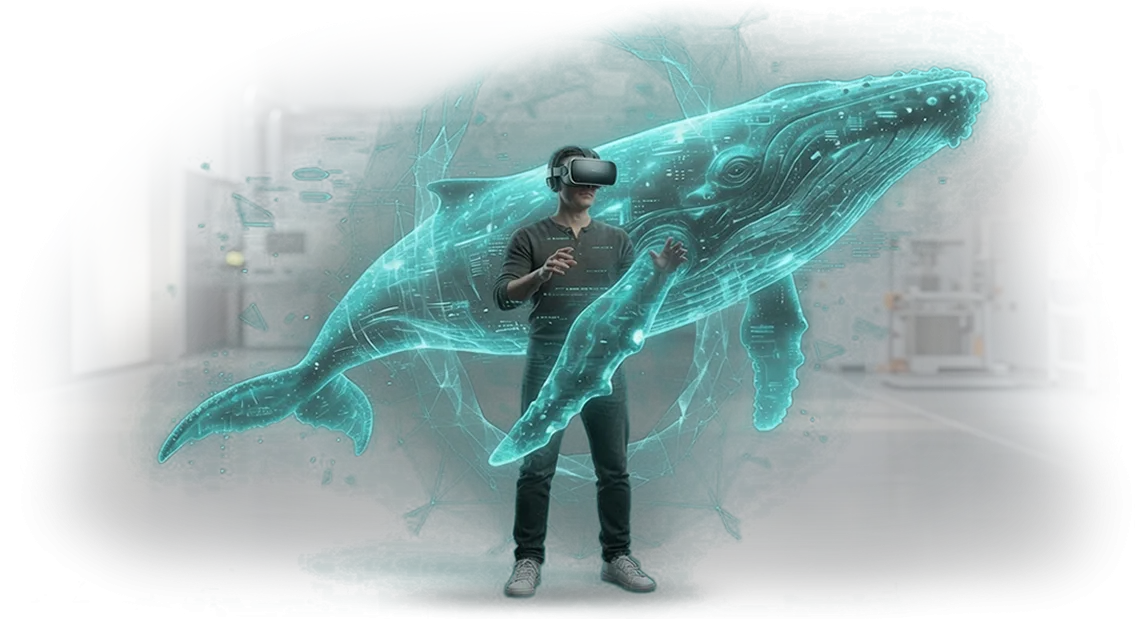
פלטפורמת VR/AR הופכת גשר תאום דיגיטלי משרטוטים וגיליונות אלקטרוניים לאובייקט חי ואינטראקטיבי. מהנדס רואה את המבנה בקנה מידה 1:1, "הולך" על פני המפתחות, ובודק רכיבים — אפילו לפני שהבנייה מתחילה.
לקוח מקבל לא מודל מופשט אלא כלי בקרה מדויק: אתה יכול לראות איך הנכס ייראה בנוף האמיתי, להעריך פתרונות ולבצע שינויים מבלי לעצור את הייצור.
דיוק הוא הערך המרכזי בהנדסת גשרים. התאום בנוי על נתוני פרויקט בפועל, כך שסטיות שאינן נראות על נייר הופכות מיד לברורות בנפח. אתה מפחית את הסיכון לשגיאות הרכבה, חוסך בעבודות חוזרות ואישורים.
מהנדסים כבר לא מנחשים: כל מה שנכנס למודל הווירטואלי נבדק להתנגשויות ולעמידה בפרויקט.
מהירות ההחלטות משתנה גם היא. במקום שעות ארוכות של לימוד שרטוטים — סשן VR קצר: תרחישי הרכבה, תנועת ציוד, נגישות רכיבים — הכל מאומת תוך דקות.
התיאום עם קבלן או לקוח עובר מהר יותר כי כל הצדדים רואים את אותו אובייקט. מחלוקות נפתרות במקום במקום להימשך שבועות של התכתבות.
הנראות חורגת מעבר לפרטים טכניים. פלטפורמת VR/AR עוזרת להסביר פרויקט אפילו למי שמעולם לא עבד עם גשרים: מנהלים, משקיעים, הציבור. במקום סכמות מופשטות — תמונה ריאלית עם תאורה, חומרים וסביבה. זה מאיץ אישורים ובונה אמון בפרויקט.
בסופו של דבר, הפלטפורמה מכסה את המחזור המלא: מהנדסים מקבלים כלי עבודה לבדיקות וניתוח, ולקוחות מקבלים בקרה שקופה בכל שלב. התאום הדיגיטלי אינו מחליף הנדסה — הוא הופך אותה למדויקת יותר, מהירה יותר וברורה יותר לכל בעלי העניין.
פורמטים של פתרונות VR/AR לגשר תאום דיגיטלי
אותו גשר תאום דיגיטלי פותר משימות שונות: הצגת מצב הנכס, הדרכת צוות או הצגת פרויקט למשקיעים.
פורמט ההצגה תלוי במי צופה ואיזו החלטה צריכה להתקבל — לכן אנו בוחרים פתרון VR/AR למטרה ספציפית ולא עושים "הכל בבת אחת."
פורמטים סטנדרטיים והיתרונות שלהם
| פורמט | קהל יעד | מה זה נותן ללקוח |
|---|---|---|
| בדיקה וירטואלית | שירות תחזוקה, פיקוח טכני | בדיקת גשר "מבפנים" ללא נסיעה לאתר: רכיבים ואזורי בקרה נראים, סיכוני ועלויות בדיקה מופחתים |
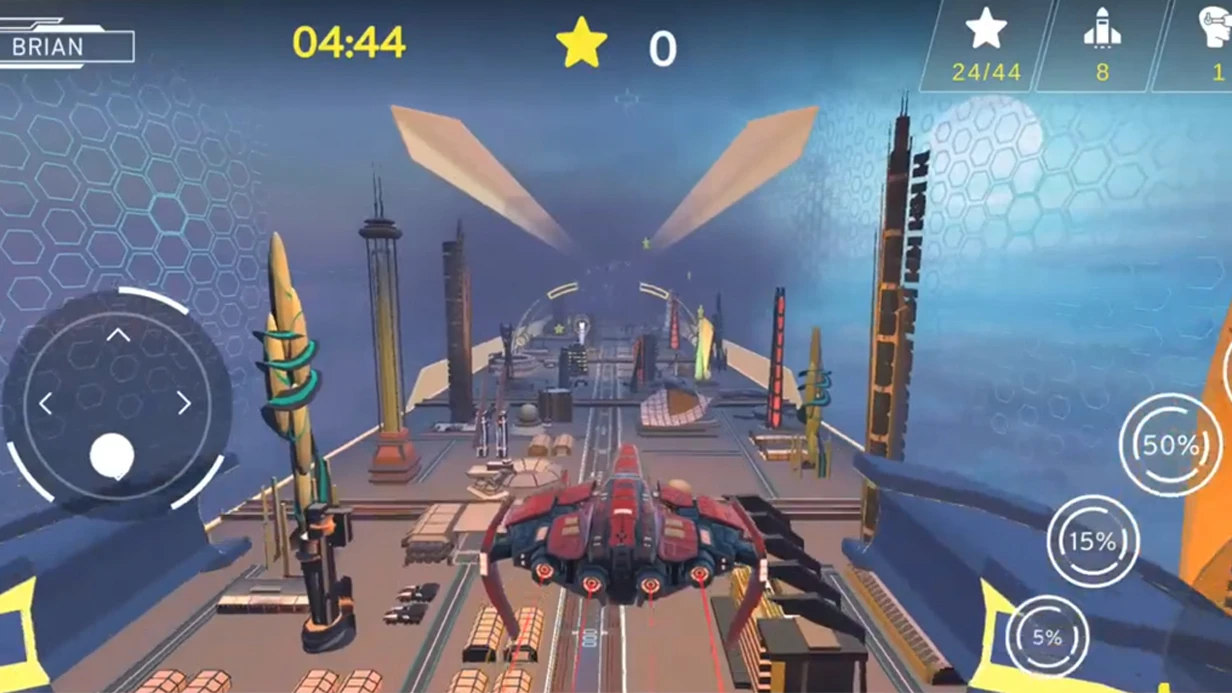
| מאמן VR | צוותי תחזוקת גשרים | תרגול פעולות בסביבה בטוחה, קליטת עובדים חדשים מהירה, פחות שגיאות ופחות השבתות באתר |
| מצגת AR של תאום | מנהלים, משקיעים, קבלנים | הדגמה ברורה בפגישה: כל הנכס והחלטות מפתח — ממש מול כולם, שאלות נפתרות מהר יותר |
| תצוגה אינטראקטיבית | מבקרים, עיתונות, תושבים | הכרת הפרויקט, ויזואליזציה חיה במקום שרטוטים, הזדמנות טבעית ליחסי ציבור |
כל פורמט רץ על חומרה מקצועית, כך שהתמונה נשארת יציבה גם במהלך סשנים ארוכים. אנו מכינים פתרון למשימה שלך ומביאים אותו להשקה: מהבריף הראשון ועד להפעלה על המכשירים שלך.
במידת הצורך, אנו משלבים פורמטים — ואז גשר התאום הדיגיטלי מספק ערך בכל השלבים: תכנון, בנייה, תפעול ומצגות ציבוריות.
כיצד אנו מפתחים אפליקציית VR/AR: 7 שלבים
פיתוח אפליקציית VR/AR לגשר אינו "קופסה שחורה" אלא רצף של שלבים מוסכמים.
בצוות שלנו בנינו תהליך שהופך את הפרויקט לשקוף עבור הלקוח: אתה תמיד רואה באיזה שלב נמצאת העבודה ויכול להשפיע על התוצאה לפני שמתחייבים לתקציבים משמעותיים.
-
איסוף דרישות והתעמקות במשימה. אנו לומדים את הגשר: מטרתו, קהל היעד ותרחישי השימוש. אנו מגדירים יעדים — הדרכת עובדים, הצגת נכס, ויזואליזציה של מצב מבני.
-
אב-טיפוס תרחישים. אנו יוצרים טיוטות אינטראקטיביות שמראות כיצד משתמש נע דרך הגשר, בודק אלמנטים ומקיים אינטראקציה עם נתונים. אתה מעריך את ההיגיון לפני שהקוד הראשי נכתב.
-
אישור סגנון ויזואלי ומכניקה. אנו מאשרים את קונספט העיצוב, ערכת הצבעים וכללי ה"פיזיקה" של האובייקט. אנו חותמים על פרמטרים מרכזיים כדי למנוע עבודה חוזרת בשלב הסופי.
-
הדגמות והתאמות שוטפות. כל 1–2 שבועות אנו מציגים גרסה עובדת על המכשיר שלך. אתה מספק הערות, אנו מבצעים עריכות מיד — ללא שלבי ביניים נסתרים.
-
בדיקות על חומרת יעד. אנו בודקים את האפליקציה בדיוק על המשקפיים והבקרים המתוכננים לשימוש שלך. זה מבטיח פעולה יציבה בתנאים אמיתיים, לא רק באולפן.
-
קבלה וכיוונון סופי. אנו מרכיבים את כל העריכות ומריצים בדיקת צ'קליסט יחד איתך. אתה מקבל את התוצאה ומקבל גישה לגרסה הסופית.
-
השקה ותמיכה. אנו פורסים את האפליקציה על מכשירים, מגדירים עדכונים ומכשירים את הצוות שלך. אנו נשארים זמינים לשיפורים ופיתוח עתידי.
תהליך זה נותן לך את העיקר — שליטה ויכולת חיזוי. אתה יודע את לוח הזמנים מראש, רואה התקדמות בכל שלב ומבין איזו תוצאה תקבל בסופו של דבר.
בלי הפתעות, רק רצף ברור של שלבים מרעיון ועד השקת אפליקציה שפותר את המשימה העסקית שלך.
היקף המסירה: ממודל ועד הדרכה
בגשר תאום דיגיטלי, המודל אינו הדבר היחיד שחשוב — מה שחשוב הוא כלי עבודה מוכן לשימוש שהעובדים שלך יכולים להשתמש בו מהיום הראשון. אנו מספקים את הפרויקט במפתח מלא: ממודל תלת-ממדי אינטראקטיבי ועד להכשרת צוות ותמיכה לאחר המסירה.
כל מה שאתה מקבל מכוון לתוצאות מעשיות — ניטור מצב גשר, דוחות ברורים והעברת ידע מהירה לצוות שלך.
הנה מה שכלול בהיקף המסירה:
-
עותק גשר אינטראקטיבי — מודל תלת-ממדי מפורט המקושר לנתוני מצב מבני אמיתיים. הוא מספק תמונה אחת וברורה למהנדסים ולמנהלים.
-
אפליקציית VR לבדיקת גשר — עובד "הולך דרך" הנכס ומסמן נקודות בדיקה ללא נסיעה לאתר. זה חוסך זמן ומפחית סיכון לצוות.
-
מודול בדיקות מתוזמנות — התאום הדיגיטלי עוזר לעקוב אחר שינויים, להשוות מצב בין תקופות שונות ולזהות אזורי בעיה מראש.
-
הכשרת צוות — אנו מקיימים סשנים מעשיים כך שהמהנדסים והטכנאים שלך עובדים בביטחון עם המודל והאפליקציה מהיום הראשון. ההכשרה מותאמת לרמת המיומנות של הצוות.
-
תיעוד — הוראות ברורות לעבודה עם המודל, האפליקציה והעדכונים. כל המידע הדרוש במקום אחד, ללא צלילה ארוכה לפרטים טכניים.
-
תמיכה טכנית — לאחר ההשקה אנו נשארים זמינים: אנו מייעצים, עוזרים בהתקנה ופותרים בעיות כשהן מתעוררות. אתה אף פעם לא נשאר לבד עם הכלי.
בסופו של דבר, אתה מקבל לא רק מודל תלת-ממדי אלא מערכת עובדת המשולבת בתהליכי הארגון שלך. הצוות הוכשר, התיעוד מוכן, התמיכה במקום — כל שנותר הוא להשתמש ולראות תוצאות.
מקרה בוחן: תאום וירטואלי הפחית עלויות ב-30%
חברה שמתכננת ובונה גשרים פנתה אלינו עם משימה: להפחית הפסדים מתיקון שגיאות תיעוד ואי-התאמות באתר. לפני היישום, כל כשל כזה גרם לשבועות נוספים של עבודה ולתקציבים גבוהים יותר.
הצענו ליצור תאום דיגיטלי של הגשר העתידי במציאות מדומה — מודל VR מדויק שאפשר "לעבור דרכו" לפני שהבנייה בכלל מתחילה.
כיצד התנהל היישום
יחד עם מהנדסים ממוסטוטרסט, דיגטנו את תיעוד הפרויקט ובנינו עותק וירטואלי מפורט של הנכס. הלקוח בדק תרחישים טכנולוגיים: הרכבת מפתחות, תנועת ציוד, גישת תחזוקה.
מומחים ראו נקודות חולשה שלא היו נראות בשרטוטי 2D והתאימו את הפרויקט מיד. כל התהליך מהגדרת המשימה ועד המסירה ארך חודשיים — שילוב כלי ה-VR בהליכים היומיומיים ארך בערך אותו זמן.
תוצאות הפרויקט
יישום התאום הדיגיטלי הפחית את עלויות ההכנה והבנייה ב-30%. החיסכון העיקרי הגיע מביטול התנגשויות לפני תחילת רכישת חומרים והשכרת ציוד.
ההשקעה הוחזרה במלואה לאחר השימוש הראשון: עבודה חוזרת הפכה לנחלת העבר, וזמן אישור ההחלטות מול הלקוח קוצץ בחצי.
"ראינו את כל הגשר בפעם הראשונה לפני שנשפך מטר מעוקב אחד של בטון. זה שינה את הגישה שלנו לתכנון וחסך עלויות עצומות," ציין ראש משרד הפרויקט.
לאחר פרויקט פיילוט אחד, קיבלנו הזמנות חוזרות לנכסים הבאים. החברה משתמשת כעת בתאומי VR על כל הגשרים החדשים, ואנו תומכים בהם כשותף טכנולוגי קבוע.
כיצד לבחור פורמט וירטואליזציה לנכס שלך?
כשהנכס הוא גשר, מרפסת תצפית או בניין היסטורי, הצגתו ללקוח היא קשה. ביקורים באתר דורשים לוגיסטיקה וזמן, ולפעמים הנכס עדיין לא פתוח או רחוק מהעיר. וירטואליזציה פותרת זאת — אבל הפורמט תלוי במטרה שלך.
אין פתרון אחד שמתאים לכולם. בחר על ידי שאלה: מה המשתמשים צריכים לעשות — לבדוק את המבנה, להתאמן או לקבל רושם? כמה אנשים עובדים עם העותק הדיגיטלי ובאיזו תדירות? אילו משאבים אתה מוכן להקצות לפיתוח ותמיכה?
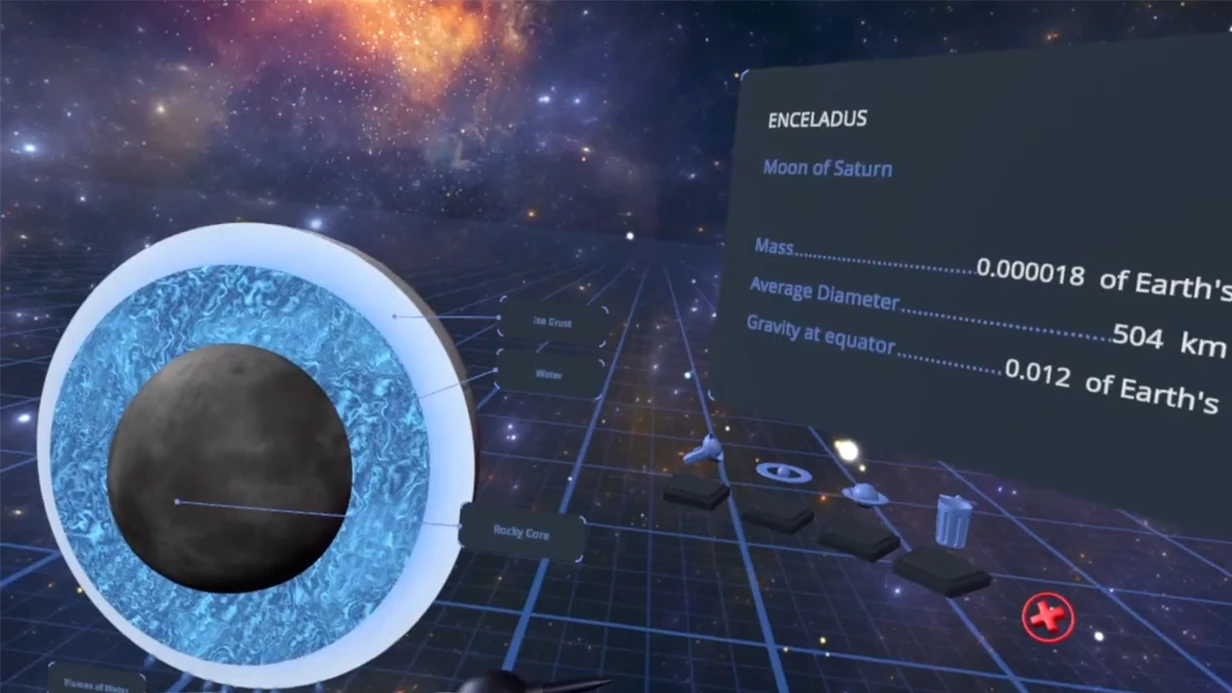
להדרכה ובדיקה מפורטת, טבילה מלאה עם משקפי VR מתאימה. עובד בוחן את המבנה מכל הזוויות, נכנס למקומות שקשה להגיע אליהם ומבצע פעולות מעשיות ללא סיכון. זה מספק תחושת נוכחות וחוסך בנסיעות והדרכה.
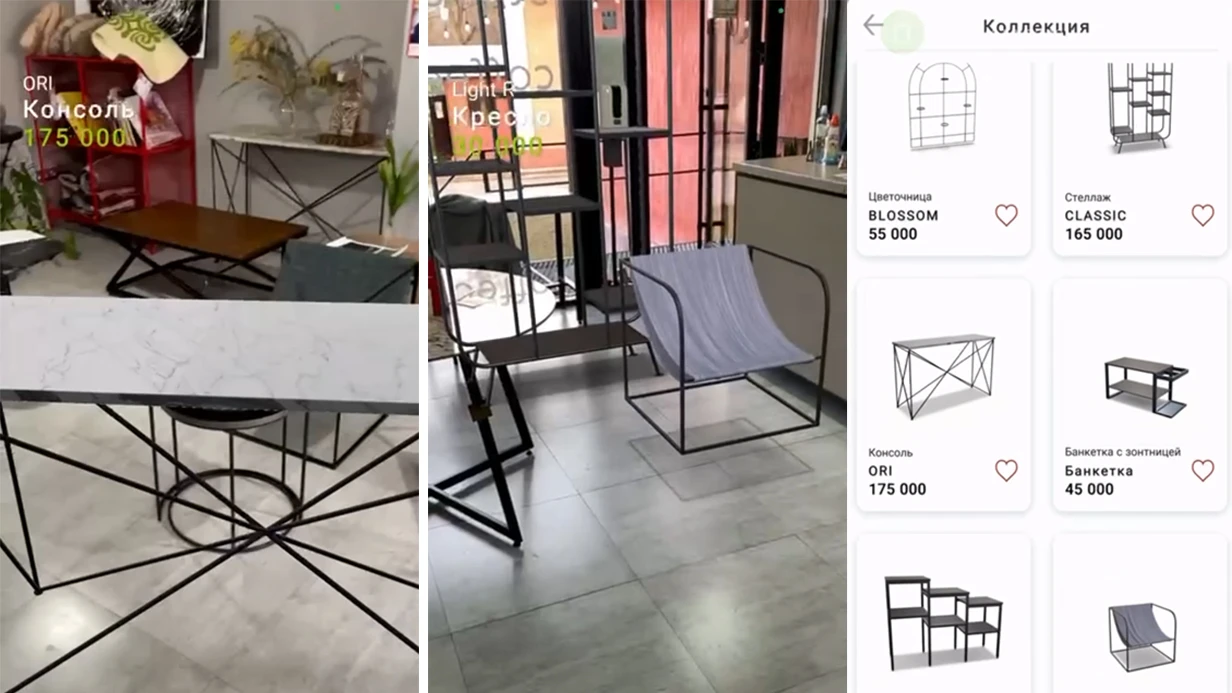
לקמפיינים שיווקיים ומצגות, מציאות רבודה משתלמת יותר. המודל מוצג על גבי העולם האמיתי דרך סמארטפון או טאבלט — ללא ציוד נדרש, והמשתמש מקיים אינטראקציה בקצב שלו. אתה יכול להראות נכס עתידי באתר או להחיות תמונה בחוברת.
לניטור מצב, אתה צריך תאום דיגיטלי עם חיישנים. זהו עותק חי שאוסף נתונים על עומסים ומצב מבני בזמן אמת. הפורמט משתלם על מבנים גדולים — פחות השבתות חירום ובדיקות מתוזמנות.
התחל בתיאור התרחיש: מי המשתמש, מה הוא עושה ואילו החלטות הוא מקבל. אנו נעזור לבחור פורמט ונראה בדיקה על הנכס שלך לפני תחילת הפיתוח — כך אתה נמנע מעבודה חוזרת ומקבל תוצאה שעובדת לעסק שלך.
תשובות לשאלות נפוצות על פיתוח VR/AR
אנו שומעים לרוב את אותן שאלות: כמה זה עולה, מתי זה יהיה מוכן, והאם האינטגרציה תשבור תהליכים קיימים. התשובות חשובות לפני שמתחילים — אז בואו נטפל בחששות המרכזיים בגלוי וללא ז'רגון טכני.
זה לא רק על פיתוח "מאפס" אלא גם על תאומים דיגיטליים, מאמנים וירטואליים וממשקי AR למשימות הנדסיות. המטרה זהה — אתה מקבל כלי עובד, לא ניסוי יקר.
כמה עולה פרויקט VR/AR?
העלות המדויקת תלויה בהיקף התרחישים, מספר הפלטפורמות ומורכבות האינטגרציה עם המערכות שלך.
לכן, אנו מספקים את העלות לאחר הבריף וקובעים אותה בחוזה: היא לא משתנה במהלך התהליך אלא אם אתה מבצע שינויים מהותיים בדרישות.
אנו עובדים עם תקציבים שונים. בהתחלה, אנו מציעים פורמט שפותר משימה עסקית ספציפית — מאב-טיפוס תוך כמה שבועות ועד מוצר מלא עם תמיכה.
מהם לוחות הזמנים ליישום?
אבות-טיפוס AR קטנים וחלונות ראווה וירטואליים אורכים 3–4 שבועות. מאמן מלא או גשר תאום דיגיטלי אורך 2 עד 4 חודשים תלוי בפרטים ובמספר התרחישים.
אנו עובדים באיטרציות קצרות ומציגים תוצאות ביניים בכל שלב. אתה רואה התקדמות במקום לחכות לתוצאה בסוף. למשימות דחופות, יש מצב מואץ — אנו מקדישים צוות מבלי לפזר משאבים על פרויקטים אחרים.
האם קשה לשלב VR/AR עם המערכות שלנו?
בדרך כלל לא. אנו מתחברים לפלטפורמות הארגוניות שלך — מסדי נתונים, מודלי BIM, מערכות ניטור — דרך ממשקים סטנדרטיים או פורמטים פתוחים. נצטרך גישה לתיעוד טכני ומעורבות של המומחה שלך בשלב התיאום.
אם אינטגרציה מלאה אינה אפשרית, אנו מציעים פתרונות חלופיים: ייצוא נתונים עדכניים לסביבת מערכת VR מאובטחת. הפתרון הסופי שקוף ונוח לצוות שלך — מבלי להחליף תוכנה עובדת.
האם אנחנו צריכים לקנות ציוד יקר?
לפתרונות AR, סמארטפונים רגילים או משקפי AR מספיקים לרוב — העובדים שלך כבר יש להם. למאמני VR, נדרש משקף, אבל נעזור לבחור תצורה לתרחיש ולתקציב שלך, ואנחנו יכולים לספק ציוד משלנו בשלב הבדיקות.
לקוחות עם תדירות שימוש גבוהה מרוויחים לרוב ממכשירים אמינים יותר, אז בשלב החישוב אנו מציגים שתיים או שלוש אפשרויות — מרמת כניסה ועד תעשייתית.
מה קורה לאחר מסירת הפרויקט?
אנו מוסרים חומרי מקור, מכשירים את הצוות שלך ותומכים בפרויקט לאחר ההשקה. יש אחריות לתיקון ליקויים, ולהרחבת פונקציונליות אנו מציעים שלב נפרד — ככל שהמשימות שלך מתפתחות.
אתה אף פעם לא נשאר לבד עם המערכת החדשה. יש מאחורינו מומחים אמיתיים שזמינים בשעות העבודה ומגיבים במהירות לשאלות.
המפתח הוא לשאול שאלות לפני שמתחילים. ככל שנלמד יותר פרטים על המשימה שלך בשלב הבריף, כך לוח הזמנים, התקציב והתוצאה הסופית יהיו מדויקים יותר. השאר בקשה — ננתח את המקרה שלך ונציע תוכנית פעולה קונקרטית.קבל ייעוץ לפרויקט שלך
גשר תאום דיגיטלי הוא פרויקט הנדסי מורכב שבו עלות טעות בשלב התכנון גבוהה במיוחד.
לכן, לפני תחילת הפיתוח, חשוב להגדיר משימות, פורמטי נתונים ותוצאה צפויה — כך שהטכנולוגיה תעבוד לטובתך, לא לשם ניסוי.
אנו מזמינים אותך לייעוץ על פתרונות VR/AR/MR: נדון במצבך, נראה אילו תרחישים מתאימים למקרה שלך ונציע אפשרויות ריאליות. תקבל הערכת עלות ולוחות זמנים לפני תחילת כל עבודה — רק לאחר שנבין את המשימה שלך.
לאחר שליחת בקשה, אתה מקבל:
- הערכת פרויקט מקצועית: תבין היכן VR/AR יספק את ההשפעה הגדולה ביותר — הדרכה, בקרה, מצגת או תיעוד אינטראקטיבי.
- חישוב עלות ולוחות זמנים המותאם למשימה שלך, ללא עמלות נסתרות או "הפתעות" לאורך הדרך.
- בחירת פורמט מתאים על סמך ניסיון אמיתי: ממאמני צוות ועד מערכות ניטור מצב גשר.
- דוגמאות לתאומים דיגיטליים מיושמים ותוצאות מדידות שהשגנו עבור לקוחות.
- תוכנית שלב אחר שלב: מבריף ועד השקה ותמיכה שוטפת — אתה תמיד רואה מה יקרה בהמשך.
- אחריות לתמיכה לאחר מסירה: אנו עוזרים ליישם את הפתרון ולהכשיר עובדים.
השאר בקשה לייעוץ — זה לא מחייב, אבל זה נותן לך בהירות על הפרויקט. נספר לך איך ייראה גשר התאום הדיגיטלי שלך, אילו נתונים נדרשים עבורו ואיזו השפעה כלכלית הוא יביא.
הצוות שלנו עוזר ללקוחות להפיק ערך מעשי מ-VR/AR כבר למעלה מעשר שנים — מהאצת הכשרת עובדים ועד לשיפור בטיחות ואיכות החלטות.