



מדוע תאום דיגיטלי של פלטפורמת נפט מפחית סיכונים והפסדים
הכשרת צוות לעבודה על פלטפורמת נפט היא אחד מסעיפי התקציב היקרים ביותר. ביצוע הכשרה במתקן אמיתי הוא קשה: נדרשת גישה לפלטפורמה, מדריכים וזמן ציוד זמין.
כל טעות של עובד חדש עלולה לגרום להשבתה או לתאונה, וזה אומר הפסדים ישירים לעסק.
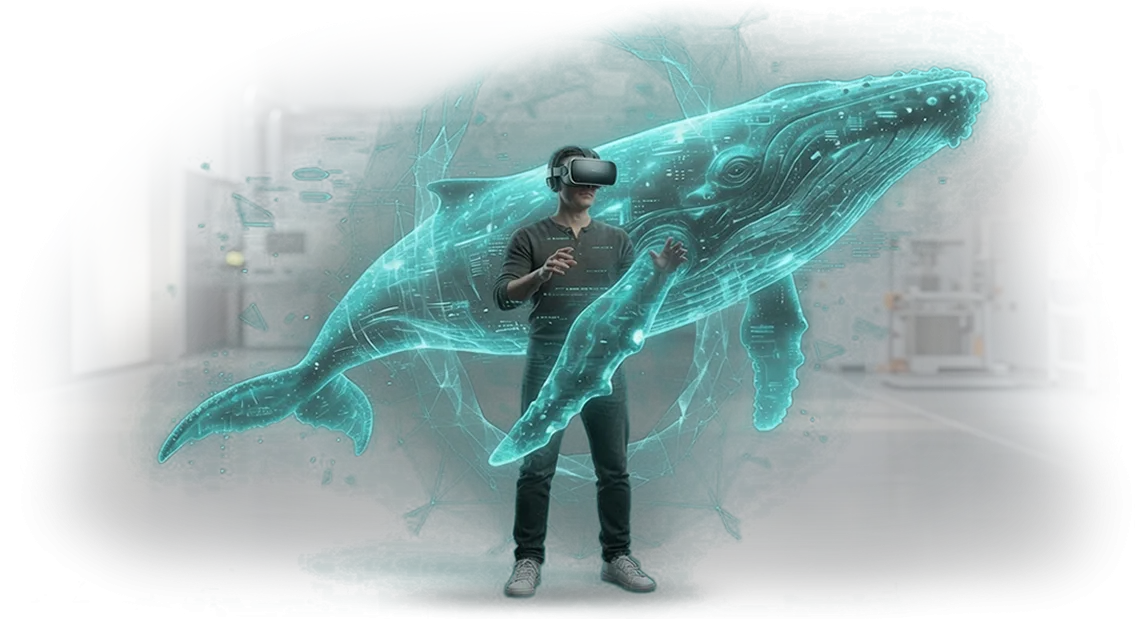
תאום דיגיטלי של פלטפורמת נפט פותר בעיה זו. הוא העתק וירטואלי מדויק של המתקן המשקף את התנהגות הציוד ותנאי העבודה.
העובדים מתנסים בכל תרחיש עליו — מפעולות שגרתיות ועד מצבי חירום — מבלי לעצור את הייצור או לסכן את בריאותו של איש.
זו בדיוק הגישה שמפחיתה באופן שיטתי את סיכוני התאונות. הצוות לומד לפעול נכון במצבי חירום, ובסביבה אמיתית הם כבר לא מבזבזים זמן בהחלטה מה לעשות.
כישורים מחודדים מפחיתים את מספר השגיאות ואת זמן התגובה — ולכן מורידים את הסבירות לתאונות ולהשבתות הנלוות.
תאום דיגיטלי גם מסייע במניעת תקלות ציוד. הוא אוסף נתוני מצב של הציוד, מזהה חריגות ומאפשר תכנון תחזוקה כך שהפעולות לא יופסקו בפתאומיות.
זה חשוב במיוחד עבור מתקנים מרוחקים: המוקדן רואה תמונה אחידה על פני כל הפלטפורמות גם כשהוא נמצא במרחק אלפי קילומטרים.
יישום פתרון כזה אינו פרויקט חד-פעמי אלא תהליך מנוהל. אנו תומכים בו מניתוח המשימה ועד ההשקה ומעניקים לצוות שלך כלים קלים לשימוש. כתוצאה מכך, אתה מקבל ביצועי ציוד צפויים, צוות בטוח בעצמו והפסדים נמוכים יותר מהשבתות.
מה תאום דיגיטלי נותן לעסק שלך: יתרונות למתקן תעשייתי
תאום דיגיטלי של פלטפורמת נפט אינו רק מודל תלת-ממדי; הוא העתק עובד של המתקן המשקף את מצב הציוד, הצינורות והרכיבים המרכזיים בזמן אמת.
עבור מנהל, זה אומר שלא צריך עוד לאסוף נתונים מעשרות דוחות: כל תמונת הייצור נמצאת במקום אחד ומובנת ללא הכשרה מיוחדת.
היתרון הראשון הוא נראות התהליך. במקום טבלאות וגרפים יבשים, אתה מקבל ויזואליזציה של נתונים שמראה כיצד המערכות פועלות, היכן קיימות חריגות ואילו אזורים דורשים תשומת לב. זה מזרז קבלת החלטות: מתגובה לאירוע ועד תחזוקת ציוד מתוכננת.
השני הוא הכשרת עובדים מהירה יותר. מפעיל או מהנדס חדש יכול לתרגל תרחישים על ההעתק הדיגיטלי מבלי לעצור את הייצור או לפגוע בבטיחות.
ההכשרה אורכת ימים במקום שבועות, והכישורים נקלטים מהר יותר כי האדם רואה מיד את ההשלכות של מעשיו.
השלישי הוא בטיחות הייצור. התאום מאפשר לדמות מצבי חירום מראש, לוודא את פעולות הצוות ולמצוא נקודות חולשה בתוכניות הפינוי וההגנה.
כתוצאה מכך, שיעור התאונות יורד, ואירועים נמנעים לפני שהם פוגעים באנשים או בציוד.
הרביעי הוא שליטה על הנכסים. אתה יודע בדיוק היכן נמצא כל ציוד, באיזה מצב הוא ומתי נדרשת תיקון. זה מפחית השבתות ומאריך את חיי השירות של ציוד יקר, מה שבתורו מפחית עלויות בלתי צפויות.
לבסוף, זה מגביר את יכולת השליטה הכוללת של המתקן. מנהל מקבל נקודת כניסה אחת לניטור, תכנון ובקרה: מהמצב התפעולי ועד אסטרטגיות מודרניזציה ארוכות טווח.
התאום הדיגיטלי הופך נתונים מפוזרים לכלי ניהול ברור שמניב תוצאות — הורדת עלויות והגברת היעילות של כל משמרת.
פורמטים של תאום דיגיטלי: בחר את הפורמט המתאים למשימה שלך
תאום דיגיטלי של פלטפורמת נפט אינו מוצר אחד "מתאים לכולם" אלא קבוצה של פורמטים למשימות שונות. חלק זקוקים לסימולטור הכשרה לצוות, חלק למודל וירטואלי לתכנון, ואחרים רוצים לנטר את מצב הפלטפורמה בזמן אמת. אנו עוזרים לך לבחור את הפורמט שמתאים לצורך הספציפי שלך ולהתאים אותו למתקן שלך.
להלן טבלה של תרחישים אופייניים שבהם לקוחות פונים אלינו. בחר את הפורמט שלך, ואנחנו נוסיף פרטים עבור הפלטפורמה שלך.
| פורמט | למי | מה הוא נותן ללקוח |
|---|---|---|
| סימולטור הכשרה | מנהלי הכשרה, מומחי בטיחות | הצוות מתרגל תרחישי חירום ללא סיכונים. כישורים מעשיים נבנים מהר יותר מאשר עם הוראות כתובות. |
| תכנון מתקן | צוותי תכנון, מהנדסים | אימות וירטואלי של פריסה וארגונומיה לפני הבנייה. שגיאות צצות במודל ולא באתר. |
| פיקוח מרחוק | פיקוח טכני, מחלקות תפעול ותחזוקה | בדיקת אזורים שקשה להגיע אליהם ללא נסיעה לפלטפורמה. זמן הבדיקה מצטמצם, אין השבתות עקב לוגיסטיקה. |
| תפעול פלטפורמה | מנהלי ייצור | המודל חי לצד המתקן: נתוני מערכות הנדסיות משתקפים בתאום. החלטות תחזוקה מתקבלות מהר יותר. |
כל פורמט יכול לשמש באופן עצמאי או להשלים אחר. לדוגמה, סימולטור הכשרה נבנה על בסיס מודל שנוצר לתכנון — זה חוסך תקציב ומאיץ את ההשקה.
אנחנו נבחר פורמט למשימה שלך ונדגים אותו על קטע מהמתקן שלך. כך תוכל לראות כיצד התאום הדיגיטלי ישתלב בתהליכים שלך עוד לפני תחילת הפיתוח בקנה מידה מלא.
כיצד מתנהל הפיתוח של תאום דיגיטלי לפלטפורמת נפט
הפיתוח של תאום דיגיטלי לפלטפורמת נפט הוא פרויקט מנוהל שבו לכל שלב יש לוחות זמנים ואבני דרך ברורים. אנו מבנים את התהליך כך שתראה תוצאות ביניים, תוכל לבצע התאמות ותבין בבירור את תקציב הזמן. להלן כיצד העבודה מתנהלת מהבריף הראשוני ועד לתמיכה לאחר ההשקה.
-
בריף וסקירת נתוני מקור. אנו אוספים דרישות, מטרות ואילוצים: לאיזו משימה נדרש התאום — הכשרה, תכנון תחזוקה או הדגמות למשקיעים. אנו בודקים את זמינות התיעוד, השרטוטים, המודלים התלת-ממדיים והנתונים על המתקנים האמיתיים. אנו מתעדים את התוצאה הצפויה ואת קריטריוני הקבלה.
-
קונספט ותוכנית פרויקט. אנו מגדירים את הרכב התאום: אילו אלמנטים של הפלטפורמה צריך למדל, איזו רמת פירוט תידרש וכיצד המוצר ישמש.
אנו מסכמים איתך על ארכיטקטורת הפתרון ועל לוח זמנים בשלבים — עם תאריכי מסירה ותשלומים ביניים.
-
תכנון והרכבה של המודל הדיגיטלי. אנו יוצרים סביבה תלת-ממדית מדויקת אך פשוטה של הפלטפורמה: מבנים נושאי עומס, ציוד, יחידות מפתח ואזורים.
אנו מחברים מאפיינים ופרמטרים אמיתיים אם הם זמינים — כך התאום הופך לכלי ניתוח ולא רק לוויזואליזציה.
-
פיתוח תרחישים אינטראקטיביים. אנו מחיים את התאום עם לוגיקה: תנועה במתקן, בדיקת ציוד, הדמיית מצבים חריגים או תהליכים טכנולוגיים.
בשלב זה, אתה מקבל את גרסאות הבדיקה הראשונות ובודק עד כמה נוח לבצע את המשימות שהוגדרו.
-
בדיקות ואישור. אנו מוודאים שהתאום עומד בדרישות: דיוק תצוגה, ביצועים והתנהגות בתרחישי מפתח. אנו עורכים בדיקות קבלה יחד עם המומחים שלך, אוספים משוב ומביאים את המוצר למצב עבודה.
-
פריסה והשקה. אנו מתקינים את הפתרון על המכשירים הנדרשים — משקפי VR, מחשבים, טאבלטים ניידים — ומגדירים אותו לתשתית שלך. אנו מאמנים את הצוות שלך ומשיקים את התאום לפעולה אמיתית, ומסמנים את הנקודה שבה אתה מקבל את התוצאה המוגמרת.
-
תמיכה ופיתוח. לאחר ההשקה, אנו נשארים בקשר: אנו מעדכנים תוכן, מוסיפים תרחישים חדשים ומתקנים בעיות שמדווחים משתמשים. אתה יכול להרחיב את התאום ככל שהפלטפורמה או המשימות שלך משתנות — לדוגמה, על ידי הוספת מתקנים חדשים או מודולי הכשרה.
כל התהליך בנוי סביב לוחות זמנים צפויים: כל שלב מסתיים בתוצאה קונקרטית שאתה מאשר. זה מבטל הפתעות בסיום ונותן לך ביטחון שהתאום יהיה שימושי לצוות שלך.
מה כלול במסירה: חבילה להשקה ותפעול
מסירת תאום דיגיטלי אינה רק מודל תלת-ממדי אלא מערכת מוכנה לשימוש. אתה מקבל חבילה מלאה: מההעתק הווירטואלי של הפלטפורמה ועד חומרים שהצוות שלך יכול להתחיל לעבוד איתם ביום ההשקה.
חבילת המסירה כוללת:
- העתק וירטואלי של פלטפורמת הנפט — מודל מפורט המשחזר מתקנים וציוד מרכזיים וניתן לצפייה מכל זווית.
- תרחישי שימוש שנבדקו — מותאמים למשימות שלך: הכשרת צוות, תרגול תגובות למצבים חריגים, הדגמות ומצגות.
- הוראות לעובדים — מדריכים ברורים להפעלה, ניווט ועבודה עם המערכת, ללא צורך ברקע טכני מיוחד.
- חומרי הכשרה — פירוטי וידאו ומדריכים מתודולוגיים להעלאת הצוות למהירות במהירות ולארגון הידע.
- תמיכה ביישום — אנו מחברים את המערכת, בודקים את כל התרחישים ונשארים זמינים לאחר המסירה: אנו עונים על שאלות ועוזרים לצוות להתרגל.
- עדכוני מערכת — פיתוח נוסף של המודל והפונקציונליות ככל שהמשימות שלך מתפתחות.
העובדים לא צריכים להתמודד עם פרטים טכניים — הם מתחילים להשתמש בתאום מיד: חוקרים את המתקן, עוברים על תרחישים ומיישמים את הפתרון בעבודתם.
אין צורך להעסיק מומחה ייעודי לפרויקט כי תמיכה והכשרה כבר כלולות במסירה.
התוצאה היא השקה מהירה ללא עיכובים בלוח הזמנים וצוות שעובד עם התאום הדיגיטלי מהיום הראשון. צור קשר כדי לבחור חבילה לפלטפורמה ולמשימות שלך.
מקרה בוחן: כיצד תאום דיגיטלי הפחית השבתות ציוד
כל שעת השבתה בפלטפורמת נפט מתורגמת להפסדים, והכנת צוות לעבודה עם ציוד מורכב אורכת חודשים. הוראות ודיאגרמות מסורתיות אינן מספקות תמונה מלאה — מומחה לומד על מתקנים אמיתיים ומסתכן בטעויות.
תאום דיגיטלי פותר בעיה זו: הוא מאפשר הכשרה, תכנון תיקונים ומניעת תקלות מבלי לעצור את הייצור.
דוגמת יישום
עבור המפעיל הגדול EnergoNeft, יצרנו העתק אינטראקטיבי מדויק של פלטפורמת נפט. העובדים יכלו "להסתובב" במתקן, לחקור יחידות ציוד ולתרגל תרחישי חירום בסביבה בטוחה.
המהנדסים משתמשים במודל כדי לוודא עבודות תיקון ולאשר שינויים — זה מבטל שגיאות בשלבים מוקדמים.
תוצאות ויעילות
תוך חודש מיום היישום, ההשבתות ירדו ב-28%: צוותי התיקון רואים אזורים בעייתיים מראש ומגיעים עם חלקי החילוף הדרושים.
ההפעלה של מודול חדש ארכה 6 ימים במקום שלושה שבועות קודם לכן, הודות לאימות וירטואלי של כל המערכות לפני ההתקנה. המפעיל העריך מאוד את האפקט והזמין תאום דומה לפלטפורמה שנייה.
כל אחד יכול לקבל פרויקט כזה — אנו מתאימים את המודל למתקן שלך ומדגימים את התוצאה באתר פיילוט. שלח בקשה כדי לדון בפרטים ובלוחות זמנים.
כיצד לבחור את פורמט התאום הדיגיטלי למשימה שלך?
ראשית, נענה על השאלה המרכזית: איך לא לשלם יותר מדי עבור תאום דיגיטלי של פלטפורמת נפט? אין פורמט אוניברסלי — הבחירה תלויה במשימה הספציפית.
הכשרת עובדים לתגובה למצבי חירום היא דבר אחד; הצגת ארכיטקטורת מתקן עתידי למשקיעים היא דבר אחר. הדרישות לפירוט, אינטראקטיביות וסביבת ההפעלה יהיו שונות.
הערך שלושה קריטריונים: המטרה, הקהל ותרחיש השימוש. אם התאום נדרש להכשרת צוות קבועה, הריאליזם של הפיזיקה והיכולת לתרגל מצבים חריגים ללא סיכון הם חשובים.
אם זה למצגות או תערוכות, הצגה ויזואלית וקלות השליטה תופסות מקום מרכזי. לניטור מצב מתקן, תצטרך מודל המחובר לנתונים אמיתיים. בקשה מוגדרת היטב מבטלת מיד אפשרויות מיותרות.
הקריטריון השלישי הוא התקציב, אבל לא כמגבלה — אלא כמסגרת לבחירה.
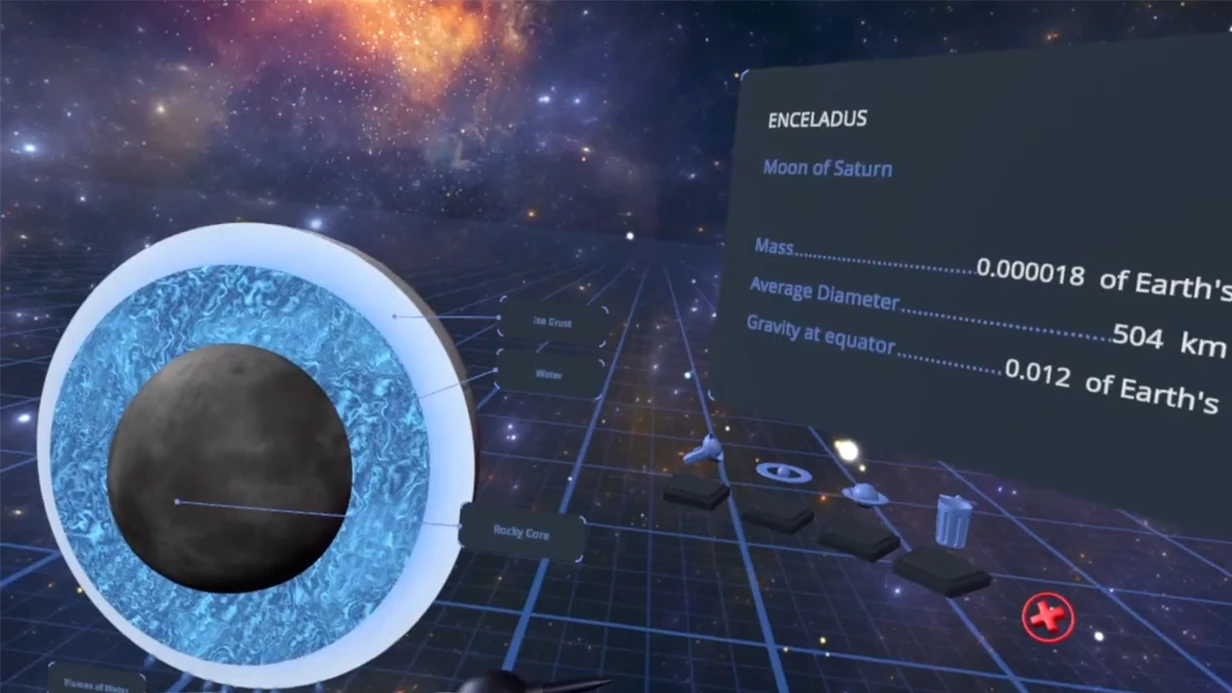
טכנולוגיות מודרניות מאפשרות לשנות את רמת המורכבות: למשימה אחת, מודל קל משקל שרץ על טאבלט רגיל מספיק; למשימה אחרת, נדרש מגרש אימונים וירטואלי מלא עם אפקט סוחף.
קבלן מנוסה יעזור למצוא איזון בין עלות לתוצאה על ידי הצעת פורמט שפותר את המשימה ללא תשלום יתר.
יש לנו עשרות פרויקטים של תאומים דיגיטליים לפלטפורמות נפט מאחורינו. במהלך הייעוץ המקדים, אנו מפרקים את המשימה שלך, מציגים אפשרויות פתרון ואומרים בכנות היכן מספיקה תוכנית פשוטה והיכן נדרשת סימולציה מלאה. זה מאפשר לך לקבל החלטה מושכלת לפני תחילת הפיתוח.
בסופו של דבר, בחירת פורמט אינה על "מה יותר מגניב" אלא על "מה יפתור את המשימה שלך בצורה אופטימלית." אנו עוזרים לך לעשות זאת במהירות וללא הוצאות מיותרות — התחל בדיון על המצב שלך.
שאלות נפוצות על אחריות, תמיכה ולוחות זמנים
חששות לפני השקת תאום דיגיטלי מובנים: מה אם המודל לא ייטען, מי יעדכן אותו לאחר שינויים בפלטפורמה, ואיפה הערובה שהמערכת לא תקרוס ברגע הקריטי ביותר. אנו עונים ישירות — זה מסיר את רוב השאלות עוד לפני תחילת הפרויקט.
מה יקרה אם התאום לא יופעל או יקפא?
במהלך הקבלה, אנו בודקים את הפעולה יחד איתך על חומרה אמיתית — החומרה שכבר נמצאת בשימוש במתקן או על ידי הצוות שלך. אם מתרחשת תקלה, אנו מתקנים אותה במסגרת התחייבויות האחריות עד שהמערכת יציבה לחלוטין. ההשקה נחשבת מוצלחת רק לאחר שתאשר את התוצאה.
כיצד המודל מתעדכן כאשר מתרחשים שינויים בפלטפורמה האמיתית?
התאום אינו תמונה סטטית. אנו בונים מנגנון לשמירת המודל מעודכן: לאחר שינויים בפריסת הפלטפורמה או בציוד, אתה מספק לנו את השרטוטים והנתונים העדכניים ביותר, ואנו מעדכנים את ההעתק הווירטואלי.
עבור עדכונים סטנדרטיים, אנו לוקחים על עצמנו עיבוד מואץ — השינויים אינם דורשים בנייה מחדש של כל הפרויקט ונכנסים ללוח העבודה הנוכחי.
מי אחראי לפעולה יציבה, ואיזו תמיכה ניתנת?
לאחר מסירת הפרויקט, אתה מקבל לוח זמנים לתמיכה עם זמן תגובה קבוע לאירועים. אנו מנטרים יציבות באמצעות ניטור מקצועי ובמידת הצורך מבצעים תחזוקה מונעת לפני שבעיה משפיעה על הפעולות. התמיכה זמינה לא רק בהשקה אלא לאורך כל מחזור החיים של התאום.
האחריות מובטחת בחוזה, לא ב"הבטחות" מילוליות. אנו קובעים לוחות זמנים לפיתוח, תנאי עדכון ונהלי תמיכה טכנית — אתה תמיד יודע מי יפתור משימה ומתי. זו הסיבה שלקוחות חוזרים אלינו לפיתוח נוסף של מודלים דיגיטליים לאחר היישומים הראשונים שלהם.שלח בקשה — נכין תוכנית פרויקט והערכת השפעה
תאום דיגיטלי של פלטפורמת נפט הוא דרך לשפר בטיחות ולהפחית עלויות.
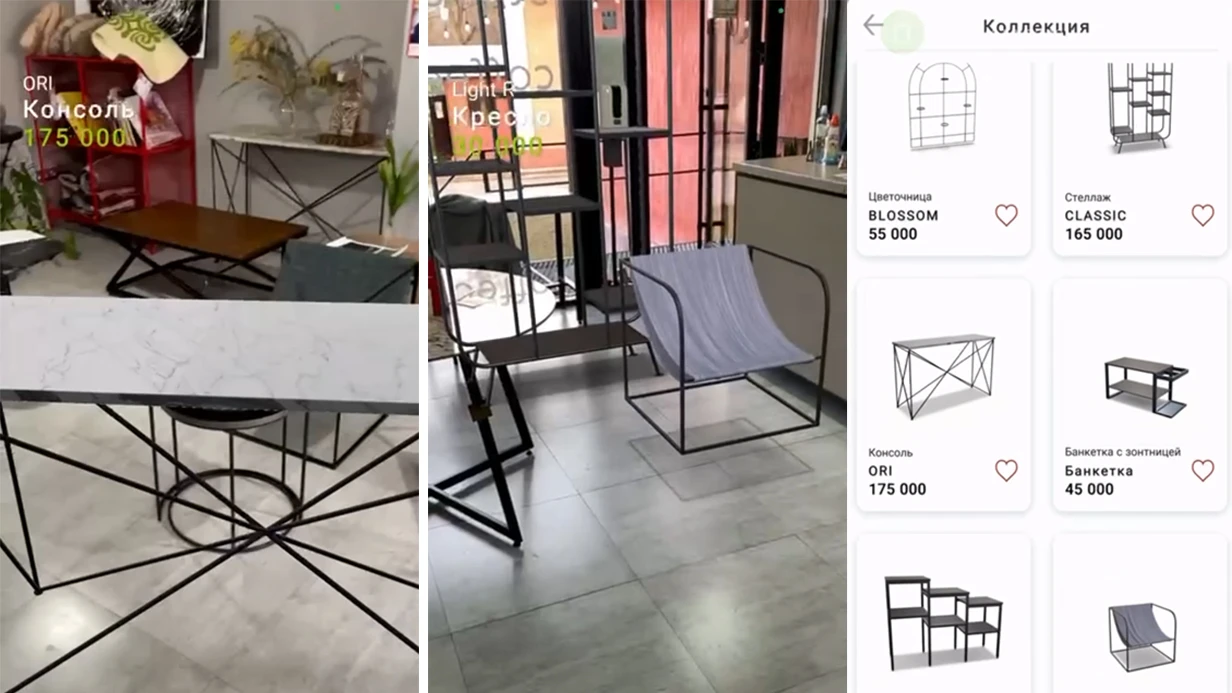
אבל היישום שלו מתחיל לא ברכישת ציוד אלא בהבנה מדויקת של המשימה: אילו תרחישים לתרגל, היכן נדרשים סימולטורי VR והיכן מספיקות הוראות AR. אנו עוזרים לך לפרק משימה זו לפני שאתה מוציא את התקציב.
שלח בקשה — ניצור איתך קשר תוך יום עסקים אחד, נבהיר את הפרטים ונכין מסמך שישמש בסיס להחלטה שלך. הוא יכלול:
- ניתוח המשימה שלך: נתאר אילו תהליכים בפלטפורמה כדאי לדיגיטציה וכיצד זה ישפר את הבטיחות.
- תוכנית פרויקט ראשונית: שלבים, לוחות זמנים, הרכב צוות וציוד נדרש.
- הערכת עלות יישום: חישוב שקוף לפי רכיבים, ללא עמלות נסתרות.
- הערכת השפעה: תחזית של האפקט על מהירות ההכשרה, שגיאות צוות והשבתות.
- המלצות פורמט: סימולטור VR, הוראות AR או פתרון מקיף במסגרת התקציב שלך.
- הדגמה של פתרונות דומים: נראה כיצד תאומים כאלה פועלים במתקנים אחרים.
- צעדים הבאים ברורים: מה נדרש ממך ומה אנו עושים לאחר החתימה.
זו לא רק מצגת: תקבל מספרים ספציפיים ותוכנית פעולה. אנו עובדים עם לקוחות תעשייתיים כבר יותר מ-10 שנים ויודעים כיצד לתכנן תאום שבאמת נמצא בשימוש ולא נזרק למדף. שלח בקשה עכשיו — אנו ניקח על עצמנו את הניתוח והתכנון.