



מדוע אתה מפסיד חוזים ללא תאום VR של סדנת הייצור שלך
כאשר קונה תעשייתי מעריך ספק, הוא מסתכל על מצגות, תמונות ומודלים תלת-ממדיים. אבל חומרים סטטיים לא מעבירים את קנה המידה של הסדנה, את תנועת הקווים או את כושר הייצור האמיתי.
שאלות נשארות בראשו של הלקוח: "מה אם הדברים לא כל כך חלקים שם?", "האם הם באמת יראו לנו את זה בפועל?" ספקות אלה מאריכים את המשא ומתן ולעתים קרובות מובילים לכך שהחוזה הולך למתחרה שהצליח להציג את עצמו בצורה חיה יותר.
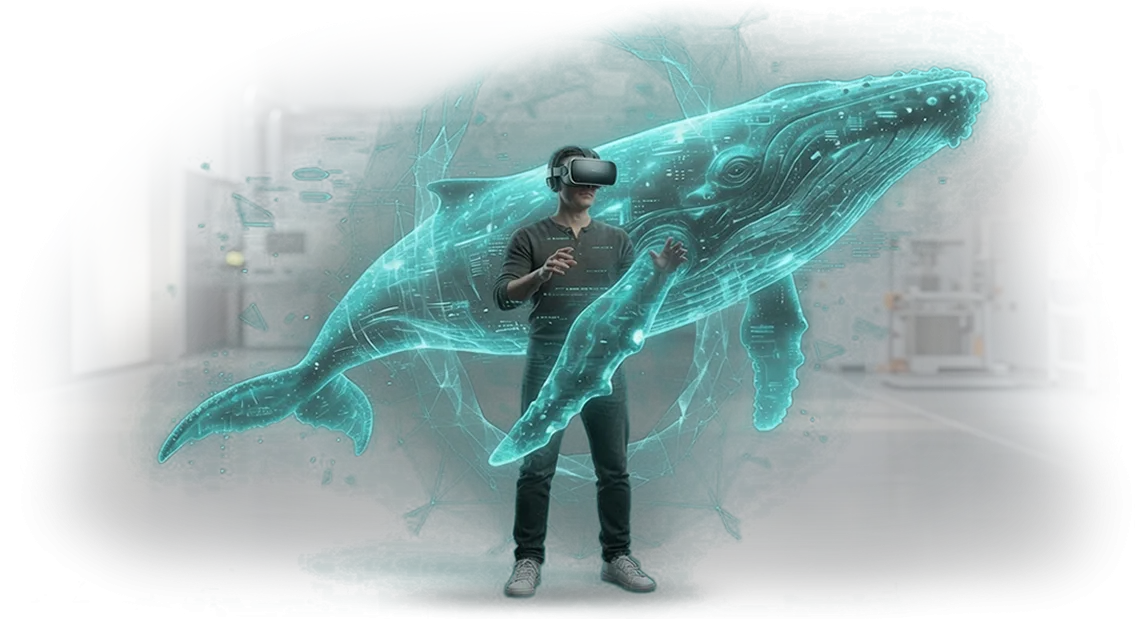
סיור וירטואלי בסדנה מסיר את ההתנגדויות האלה עוד לפני שהחוזה נחתם. אתה נותן ללקוח את ההזדמנות "ללכת" באתר הייצור באופן עצמאי, לבחון את היחידות, להעריך את הלוגיסטיקה ולראות את קנה המידה בפרופורציה אמיתית. זה לא רק רינדור — זה מודל עובד המשקף שטחים ומבנים בפועל.
תאום דיגיטלי של סדנת ייצור חשוב במיוחד בעסקאות שבהן ועדה מחליטה: כמה אנשים מערים שונות. במקום לארגן ביקור באתר, אתה פותח את מצגת ה-VR ומראה את כל האזורים המרכזיים. כך, ההחלטה מתקבלת מהר יותר, והסיכויים לזכות במכרז גדלים.
קונים זוכרים לא תמונות, אלא חוויות. כאשר VR למתקני ייצור משמש במשא ומתן, הוא מדבר על התחכום הטכנולוגי של החברה ועל הכבוד ללקוח. אתה עומד ראש וכתפיים מעל מתחרים שמביאים טאבלטים עם קבצי PDF. היתרון בצד שלך — אתה זה שמומלץ כשותף מודרני ואמין.
ללא תאום דיגיטלי, אתה צריך להילחם על תשומת הלב של הלקוח במילים כלליות. פורמט ה-VR מאפשר לך להראות את אתר הייצור ללא עלויות לוגיסטיקה ובצורה הוויזואלית ביותר.
המומחים שלנו מפתחים פתרונות כאלה עבור האתר שלך — ממעוף מעל הסדנה ועד מודל אינטראקטיבי מפורט. אתה מקבל כלי להצגת מפעל שמחזיר את עצמו על החוזה הגדול הראשון.
אילו יתרונות הלקוח מקבל מפתרונות VR/AR/MR
הכשרת עובדים ללא סיכונים או השבתה
תאום דיגיטלי של סדנה מאפשר לתרגל תרחישים על עותק וירטואלי של הציוד. עובד שולט בהליכים ובמצבי חירום ללא עצירת ייצור וללא סיכון לתקלות. טעות בווירטואליות לא עולה כלום, בעוד שבמציאות היא משמעותה דקות של השבתה.
הגדלת שיעור ההמרה במכירות
מוצר מורכב קל יותר למכור כאשר הלקוח רואה אותו בפעולה. מצגת VR של סדנה או מכונה מחליפה עשרות ביקורי אתר ודוכני תצוגה. הלקוח "נכנס" לסדנה ורואה את התוצאה עוד לפני חתימת החוזה.
עבור B2B, זה מקצר את מחזור העסקה: במקום תמונות וקבצי PDF, זה אינטראקציה חיה, כך שמנהל המפעל מקבל החלטה מהר יותר.
משיכת משקיעים ושותפים
קל יותר למשקיע להשקיע בפרויקט שהוא מבין. באמצעות תאום דיגיטלי VR/AR, הסדנה מוצגת במלואה: לוגיסטיקה, עומס מכונות, צווארי בקבוק. זה משכנע ללא מאות שקופיות.
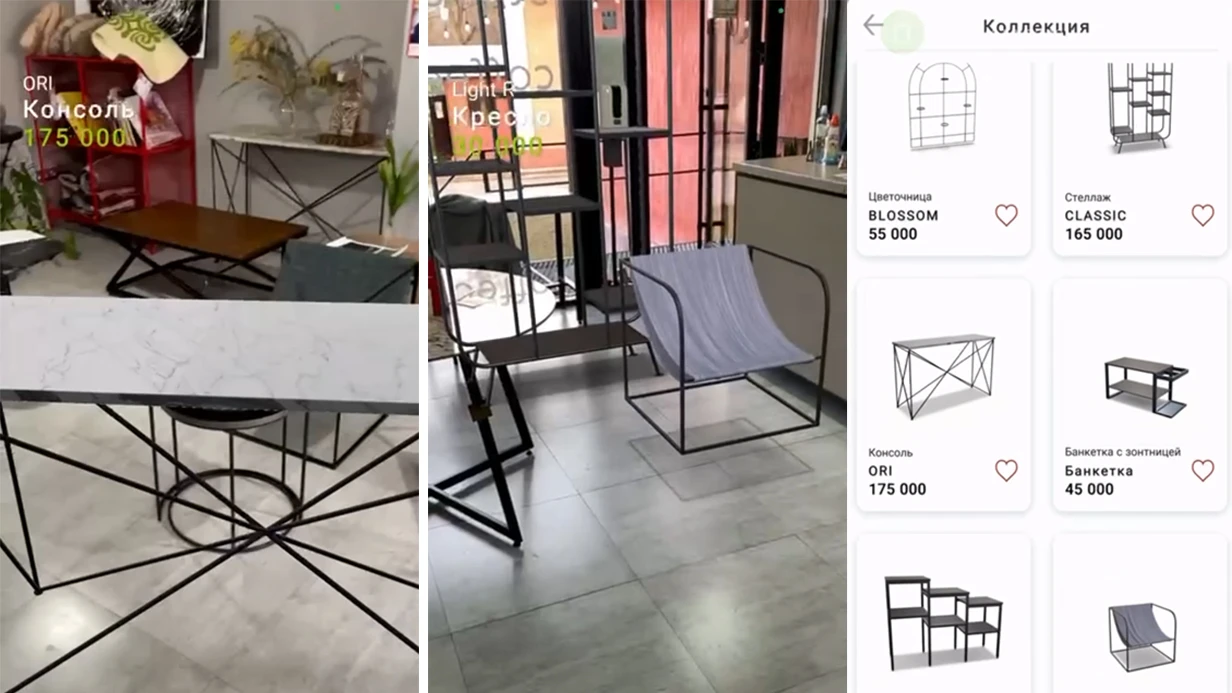
שכבות AR על הסדנה האמיתית מראות את המיקום העתידי של הציוד — השותף רואה את האזור המעודכן עוד לפני שהעבודה מתחילה, והאמון גדל.
נראות מותג ולידים חדשים
כלי מודרני הופך בעצמו לחדשות: הוא מושך תשומת לב בתערוכות ובכנסים ויוצר הזדמנות לפרסומים. החברה מקבלת חשיפה שפרסום ישיר לא יכול לקנות.
כל ביקור בתאום הדיגיטלי מביא קשרים חדשים: שותפויות, הזמנות, פניות חוזרות. הצוות שלנו מריץ פרויקטים כאלה באופן קבוע — מאזורים בודדים ועד מודלי ייצור בקנה מידה מלא.
אילו פורמטי יישום VR/AR/MR מתאימים למשימה שלך
תאום דיגיטלי של סדנת ייצור אינו "מסך" אחד אלא קבוצה של פורמטים הפותרים משימות שונות: להראות מוצר ללקוח, להכשיר עובד או לקצר זמן תיקון. הפורמט הנכון תלוי במי ישתמש ביישום ובתוצאה שאתה מצפה לה.
להלן טבלת השוואה: למי כל פורמט מתאים, מדוע, ואיזו תועלת עסקית הוא מביא.
| פורמט | למי | מה הוא נותן ללקוח |
|---|---|---|
| סיור VR להדגמה | מנהלי מכירות, לקוחות פוטנציאליים, משקיעים | מראה את הסדנה "מבפנים" ללא נסיעה לאתר הייצור. מאיץ אישורים, מגביר אמון במוצר ועוזר למכור אפילו בשלב התכנון. |
| הוראות תיקון AR | צוותי תיקון, מהנדסי שירות, אנשי קו | מציב רמזים שלב-אחר-שלב על ציוד אמיתי. מפחית זמן איתור תקלות ומספר שגיאות, מפחית תלות במנטורים מנוסים. |
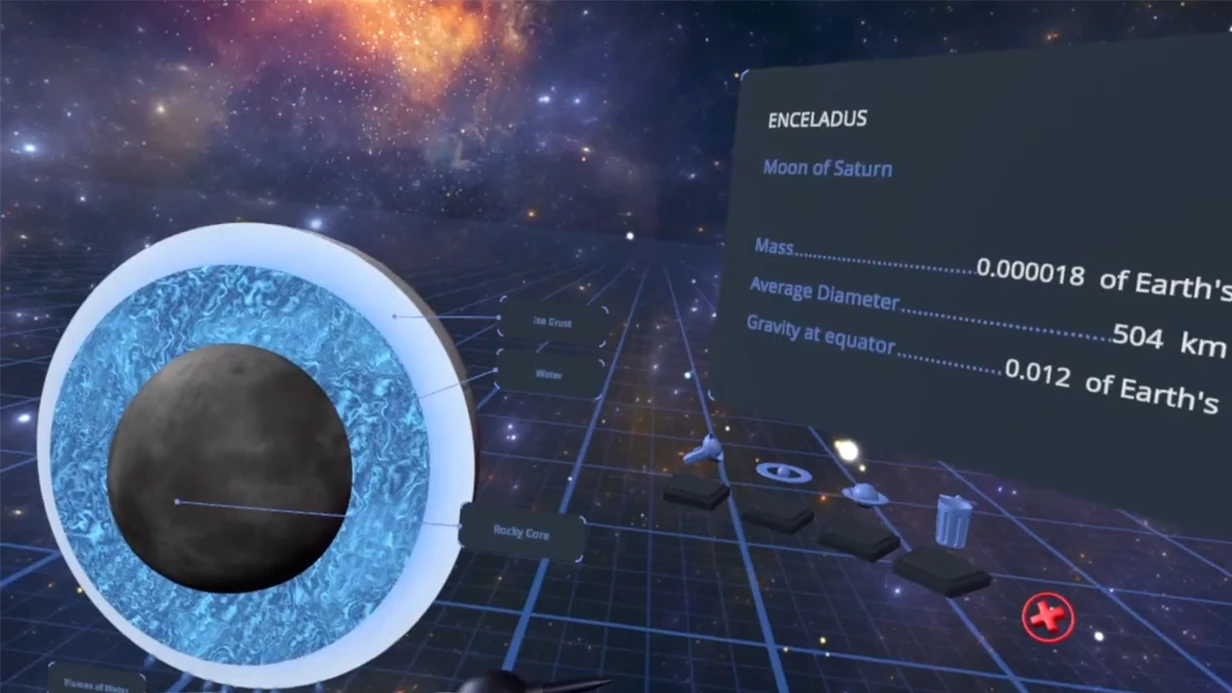
| סימולטור אימון MR | עובדים חדשים, מפעילי מכונות, סטודנטים | תרגול פעולות על עותק דיגיטלי של הסדנה ללא סיכון לציוד יקר. מאיץ קליטה ומשפר את איכות ההכנה לפני מתן אישור לעבודה אמיתית. |
| פורמטי מציאות רבודה לשליטה | מנהלי ייצור, מומחי איכות | מראה פרמטרי ציוד בפועל המוצבים על וידאו מהמצלמה. עוזר למצוא סטיות מהר יותר ולנטר את התהליך ללא עצירת הקו. |
הפורמטים קלים לשילוב: סיור VR למצגות, סימולטור MR להכשרה על אותו קו. אנו מתכננים את היישום סביב המשימה שלך ובוחרים מכשירים כך שההטמעה לא תדרוש הגדרה מחדש של הייצור.
פיתוח תאום דיגיטלי של רצפת ייצור: שלבים
בנינו את התהליך כך שהלקוח רואה תוצאה בכל שלב, לא "קופסה שחורה" עד לשחרור. במשך למעלה מ-10 שנים, ביצענו עשרות הטמעות VR/AR בייצור ואנחנו יודעים היכן בדרך כלל הולכים לאיבוד לוחות זמנים ותקציבים.
לכן כל שלב בפיתוח תאום דיגיטלי של סדנה מסתיים בארטיפקט ברור: מסמך, מודל או גרסה עובדת של היישום.
- בריף וצלילה למשימה. אנו מתעדים לשם מה נחוץ התאום הדיגיטלי: הכשרת עובדים, מצגת למשקיעים, שליטה בתהליך או מכירות "בתוך" הסדנה. אנו אוספים תוכניות, תמונות, סרטונים, נהלים וקובעים אילו אזורים הם החשובים ביותר.
- תכנון תרחיש והרכב המודל. אנו מסכימים על מה נכנס למודל התלת-ממדי: ציוד, תנועת אנשים, מצבי חירום. בשלב זה, אתה רואה את המבנה של היישום העתידי ומאשר אותו לפני שפיתוח יקר מתחיל.
- אישור מודל תלת-ממדי של הסדנה. אנו יוצרים עותק מפושט אך מדויק של המתחם והמכונות המרכזיות. אתה מקבל מודל סקירה לבדיקת גיאומטריה, קני מידה ומראה — אנו מבצעים תיקונים לפני שהם הופכים ליקרים.
- פיתוח יישום VR/AR. אנו ממלאים את התרחישים באינטראקטיביות: הליכה בסדנה, הפעלת ציוד, אימון בתגובה למצבי חירום. עבור AR, אנו מוסיפים הצבת נתונים דיגיטליים על עצמים אמיתיים דרך המצלמה.
- בדיקות והשקה. אנו בודקים את היישום על המכשירים האמיתיים של הלקוח, מאמנים מנהלים ועובדים מרכזיים. אתה מקבל הוראות וסשן העברת ידע קצר כך שהצוות יוכל להשתמש מיד בתאום.
- תמיכה לאחר השקה. אנו מעדכנים תרחישים, מוסיפים אזורים חדשים ומלווים עדכוני מכשירים. אם פריסת הסדנה או הציוד משתנים, התאום הדיגיטלי לא מתיישן — אנו מבצעים שינויים לפי בקשה.
סדר זה מסיר את הסיכונים העיקריים: אתה לא משלם עבור פיתוח "גולמי", ואתה רואה תוצאות כבר בשלב השני. לוחות הזמנים קבועים בחוזה, והגרסה הסופית מתקבלת לפי תרחישים מוסכמים מראש — ללא הפתעות במסירה.
מה כלול בתוצר: חבילה מלאה לפרויקט שלך
לאחר ההשקה, אתה לא מקבל רק "תוכנה מוגמרת"; אתה מקבל חבילת עבודה מלאה לשילוב התאום הדיגיטלי בחיי היומיום של הסדנה.
אנו מוסרים את הפרויקט במפתח מלא — כך שהצוות שלך יכול להשתמש, לפתח ולתחזק את המערכת באופן עצמאי ללא תלות מתמדת בקבלן.
הנה מה שכלול במסירה:
- יישום תאום VR של הסדנה — פתרון מוכן לעבודה הפרוס על הציוד שלך או על תשתית הענן שלנו. אתה מקבל מערכת יציבה שנפתחת בלחיצה אחת ואינה דורשת ידע טכני מיוחד מהצוות.
- קבצי מקור ורישיונות — כל הקוד וקבצי התצורה נשארים רכושך. אתה לא קשור לקבלן אחד ויכול להעביר פיתוח נוסף לכל צוות שאתה סומך עליו.
- תיעוד טכני — הוראות ברורות להפעלה, הגדרה וניהול המערכת. התיעוד כתוב ללא ז'רגון מורכב: אפילו עובד ללא ניסיון IT יבין אותו.
- הכשרת צוות — אנו מקיימים הכשרה למפעילים, טכנולוגים ומנהלים: מההשקה הראשונה ועד תרחישי עבודה יומיומיים. אנו תמיד כוללים בתוכנית תשובות לשאלות הצוות שלך ותרגול מיומנויות מעשי.
- אחריות על היישום — במהלך תקופת האחריות, אנו מתקנים שגיאות ואי-התאמות שנמצאו במהלך פעילות תעשייתית ללא תשלום. אין לך עלויות לא מתוכננות לתיקונים.
- תמיכה טכנית — המהנדסים שלנו נשארים בקשר: אנו עוזרים בתקלות, עונים לשאלות משתמשים ומלווים עדכונים. זמן תגובה ממוצע הוא כמה שעות עבודה, כך שפעילות הסדנה לא נעצרת.
- עדכונים ותיקונים לפי בקשה — כאשר הפריסה, הציוד או התהליכים הטכנולוגיים משתנים, אנו מבצעים במהירות שינויים במודל הדיגיטלי. אתה מקבל תאום עדכני שתמיד תואם לסדנה האמיתית.
חבילה זו מכסה את הסיכון העיקרי של הלקוח — הפרויקט לא הופך להדגמה חד-פעמית אלא לכלי עבודה שמחזיר את עצמו ומשמש מדי יום. אתה שולט בתהליך, והצוות שלנו מטפל בכל הנושאים הטכניים.
מקרה בוחן: כיצד תאום VR של סדנה עזר להגדיל את מספר הלידים
עבור מפעל לבניית מכונות, פיתחנו תאום דיגיטלי של סדנת ייצור — סיור VR אינטראקטיבי שבו לקוחות רואים ציוד אמיתי, תהליכים ויכולות.
בעבר, מנהלים נאלצו לארגן ביקורי אתר, שלקחו שבועות ולעתים קרובות גרמו ללידים להחמיץ מועדים. פתרון ה-VR הסיר מגבלה זו: ניתן להראות את הטכנולוגיה בכל מקום — בתערוכה, במשא ומתן או בפגישה מקוונת.
כיצד תאום ה-VR השפיע על המכירות
בשלושת החודשים הראשונים לשימוש, מספר הלידים הנכנסים גדל ב-43%. במקביל, זמן הכנת המצגת ירד משלושה ימים לשתי שעות — המנהל פשוט פותח את התרחיש ומדריך את הלקוח דרך הסדנה.
בנוסף, עקבנו אחר המרה בנפרד: 8 מתוך 10 מבקרים במצגת ה-VR ביקשו הצעה מסחרית, ולאחר מכן 6 מהם עברו לחתימת חוזה. עבור המפעל, זה אומר צמיחת הכנסות מוחשית ללא הרחבת מחלקת המכירות.
מנהל המכירות של המפעל אמר: "התאום הווירטואלי הפך לטיעון המרכזי שלנו במשא ומתן. לקוחות לא רק שומעים על יכולת — הם רואים אותה בעיניים שלהם. תוך חודש, הזמנו מודול נוסף להדגמת אזור ההרכבה החדש."
לאחר הפרויקט הראשון, יישמנו עדכונים ונשארנו בתמיכה: המפעל מזמין באופן קבוע התאמת סצנות לאובייקטים חדשים.
גישה זו אפשרה לנו לא רק להחזיר את ההשקעה אלא גם להניח את הבסיס לשיתוף פעולה ארוך טווח ולהרחבת תאום ה-VR לאתרים אחרים.
שאלות נפוצות על פיתוח יישומי VR/AR/MR
אני רואה ששאלות על VR/AR/MR בדרך כלל חוזרות על עצמן — לוחות זמנים, תקציב, תאימות למערכות קיימות ואבטחת מידע. אנו עונים על החששות העיקריים בקצרה ולעניין כך שתוכל להעריך את הפרויקט שלך עוד לפני הבריף.
כמה עולה פיתוח יישום VR/AR/MR?
העלות תלויה לא ב"תעריף שעתי" אלא במשימה שהיישום פותר. סימולטור אימון לעובדים, אולם תצוגה וירטואלי ללקוחות ותאום דיגיטלי של סדנה הם כמויות עבודה שונות וערך שונה לעסק.
לכן אנו תחילה לומדים את המשימה שלך ומחשבים את הפרויקט עבורה: היקף הסצנות, הלוגיקה, האינטגרציות. לאחר מכן, אנו קובעים את ההערכה ולוחות הזמנים בחוזה — הבדל בעלות אפשרי רק אם אתה בעצמך משנה את בריף הפרויקט.
כמה זמן לוקח פיתוח יישום?
פרויקט טיפוסי לוקח שלושה עד שישה חודשים. הזמן תלוי במורכבות: הדגמה פשוטה לתערוכה אפשר להרכיב תוך חודש, בעוד סימולטור מלא עם אינטגרציה למערכת חשבונאית ייקח יותר זמן.
המהירות מושפעת גם ממה שכבר יש לך: מודל תלת-ממדי מוכן של הסדנה מאיץ את העבודה; אם צריך לסרוק את המתחם מאפס, אפשר זמן לביקורי אתר ועיבוד.
האם ניתן לשלב את היישום עם 1C או ERP?
כן, זה נוהג סטנדרטי. היישום יכול לקבל נתונים עדכניים ממערכת החשבונאות שלך ולשלוח אותם בחזרה: לדוגמה, הוא יכול לתעד תקן זמן לפעולה או להעביר תוצאות הכשרת עובדים.
עבור העסק, זה אומר שהסביבה הווירטואלית אינה צעצוע אלא כלי עבודה המחובר לתהליכים אמיתיים, המספק נתונים להחלטות ניהוליות.
האם זה תואם לציוד שלנו?
ברוב המקרים, אין צורך לקנות משהו אקזוטי: משקפי מציאות מדומה מודרניים ומחשבים משרדיים רגילים עם כרטיס מסך ייעודי יספיקו. אם כבר יש לך ציוד, נבדוק את המאפיינים שלו ונודיע לך אם הוא יכול להתמודד עם הפרויקט.
למשימות הדורשות ניידות (הכשרה באתרים שונים), אנו מציעים משקפיים עצמאיים. אם אין לך ציוד כלל, נעזור לך לבחור ולרכוש אותו במסגרת התקציב שלך.
עד כמה מאובטח השימוש ביישום VR עם נתוני ארגון?
אבטחת מידע היא עניין של ארכיטקטורה, לא קסם. אנו יכולים לפרוס את היישום כולו בתוך המעטפת שלך: ללא גישה לאינטרנט, עם אימות עובדים והצפנה במהלך העברת נתונים למערכת החשבונאית.
זה חשוב במיוחד עבור תאומים דיגיטליים שבהם משתקפות פריסות אמיתיות ותהליכים טכנולוגיים. אתה שולט למי יש גישה לאיזה נתונים.
לא מצאת את השאלה שלך — כתוב לנו, ונספר לך כיצד אנו פותרים משימות דומות בענף שלך. כדי לחשב פרויקט, מספיקות כמה נקודות התחלה: מה אתה צריך להראות או ללמד והיכן זה ישמש.הזמן פיתוח יישום לסדנה שלך כבר עכשיו
כל יום של השבתה בסדנת ייצור משמעותו תפוקה אבודה, לוחות זמנים לחוצים ועלויות הכשרה נוספות. כאשר ציוד חדש לוקח שבועות לשליטה ושגיאות עובדים מובילות לפסילות, הארגון מפסיד כסף.
תאום דיגיטלי של הסדנה ב-VR מונע זאת: אתה מקבל עותק וירטואלי מדויק של מתקן הייצור שבו ניתן לתרגל תהליכים ללא סיכון או עצירת קווים.
אנו מפתחים יישומי VR למשימות של סדנת הייצור שלך — מהכשרת עובדים ועד בדיקת פתרונות טכנולוגיים. אתה רואה כיצד האזור יעבוד לפני היישום ומבצע שינויים ללא הוצאות על ניסויים אמיתיים. זה כלי פשוט שמחזיר את עצמו באמצעות עלויות נמוכות יותר והתנעה מהירה יותר.
הזמן יישום VR עכשיו — ותוך מספר ימים תקבל הצעה ספציפית לסדנה שלך. השאר פנייתך, ואנו נלווה אותך לאורך כל הדרך: מהרעיון ועד מוצר עובד.
לאחר פנייתך, תקבל:
- ייעוץ מומחה — נזהה היכן VR יניב תוצאות מהירות ספציפית בפעולות הייצור שלך;
- הערכה של הסדנה ופורמט יישום מומלץ: הכשרה, שליטה, הדגמה;
- הערכת עלות ולוחות זמנים המותאמת לתקציב שלך, ללא תוספות נסתרות;
- הצעה מסחרית עם תוכנית עבודה שלב-אחר-שלב והרכב צוות;
- מצגת פתרון להנהלה שלך ולמומחים שלך;
- תמיכה בכל השלבים — מתכנון ועד השקה ותחזוקה.
השאר פנייתך — וכבר בשבוע הבא תהיה לך תוכנית ברורה לשיפור היעילות של הסדנה. אנו עובדים מרחוק, כך שאין צורך לארגן דבר: פשוט כתוב לנו, ונענה על כל שאלותיך.
כיצד לבחור את פורמט ה-VR/AR/MR הנכון למשימה שלך?
בחירת פורמט VR/AR/MR מתחילה לא בטכנולוגיה אלא במשימה שאתה פותר. אם אתה צריך להראות סדנת ייצור למשקיעים, שותפים או לקוחות, סיור וירטואלי מספיק — השקה מהירה, תקציב נמוך, ותחושת הנוכחות בונה אמון בחברה.
אם המשימה עמוקה יותר — להכשיר עובדים בהפעלת ציוד, לבדוק תרחיש במצב חירום או לבחון פריסת סדנה חדשה לפני השקעה אמיתית — אז נחוץ תאום דיגיטלי עם תרחישים אינטראקטיביים.
בחירת פורמט למשימה שלך מסתכמת בשלוש שאלות: מי ישתמש ביישום, באיזו תדירות, ואיזו תוצאה אתה רוצה למדוד. להצגה חד-פעמית של הסדנה לאורחים, סיור VR עם נקודות תצפית מרכזיות מספיק.
להכשרת עובדים קבועה ותרגול מיומנויות ללא עצירת ייצור — תאום דיגיטלי המדמה תהליכים ונותן לעובדים תרגול בטוח.
אבל אם המשימה היא להציב הוראות על ציוד אמיתי לשליטה בהרכבה או תיקון, בחר במצב AR שעובד ישירות באתר.
במקביל, "תאום דיגיטלי או סיור VR" אינו שאלה של אופנה אלא של כלכלה. סיור מחזיר את עצמו ברגע: אתה מראה את הסדנה, מסיר התנגדויות, מסכם על מסירה.
תאום מחזיר את עצמו בתהליך: הוא מקצר זמן הכשרה, מפחית שגיאות ותאונות, ומאפשר "לשחק" תרחישים שיהיו מסוכנים או יקרים במציאות.
בנפרד, הערך את הקריטריונים לבחירת קבלן. הסתכל לא על מספר סרטוני הדמו אלא על ניסיון בענף שלך: האם הצוות מכיר את הפרטים של סדנאות ייצור? האם הוא מציע פתרון המותאם למשימה שלך, או שהוא מוכר את אותה תבנית?
ברר לוחות זמנים, שלבי אישור ומי תומך בפרויקט לאחר ההשקה. קבלן אמין קודם מבין את התהליך שלך ואז מציע פורמט, לא להיפך.
כיצד לבחור VR/AR למשימה שלך — התשובה הקצרה: הגדר את המטרה, חשב את התועלת לאנשים ולהכנסות, והפורמט ירמז על התוצאה. אנו עוזרים לך לעשות זאת בהתחלה, כך שאתה משלם רק על מה שבאמת עובד.