



לקוחות עוזבים בלי לראות את מלוא הפוטנציאל של מרכז המו"פ שלכם
תארו לעצמכם: השקעתם שנים של עבודה במרכז המו"פ שלכם, יצרתם פיתוחים ייחודיים, אבל במהלך הדגמות הלקוחות מסתכלים על המסך ומהנהנים בנימוס.
אחרי הפגישה הם לא חוזרים אליכם, כי הם מעולם לא קיבלו הזדמנות להרגיש איך הטכנולוגיות שלכם עובדות בחיים האמיתיים.
מצגת רגילה או ברושור לא יכולים להעביר את קנה המידה של פתרונות הנדסיים. הדגמת אב-טיפוס באתר היא קשה: זה דורש זמן, תקציב ונוכחות של אנשים מרכזיים.
ואם השותף נמצא בעיר אחרת, הסיכוי לראות את הפיתוח בפעולה קטן עוד יותר.
כשהדגמה מסתכמת בשקופיות ותיאורים, הלקוח צריך לקחת אתכם במילה. אנשים מקבלים החלטות על סמך הניסיון שלהם, ובלי היכולת "לגעת" במוצר, הם נשארים עם ספקות. כך בדיוק עסקאות נדחות או נופלות.
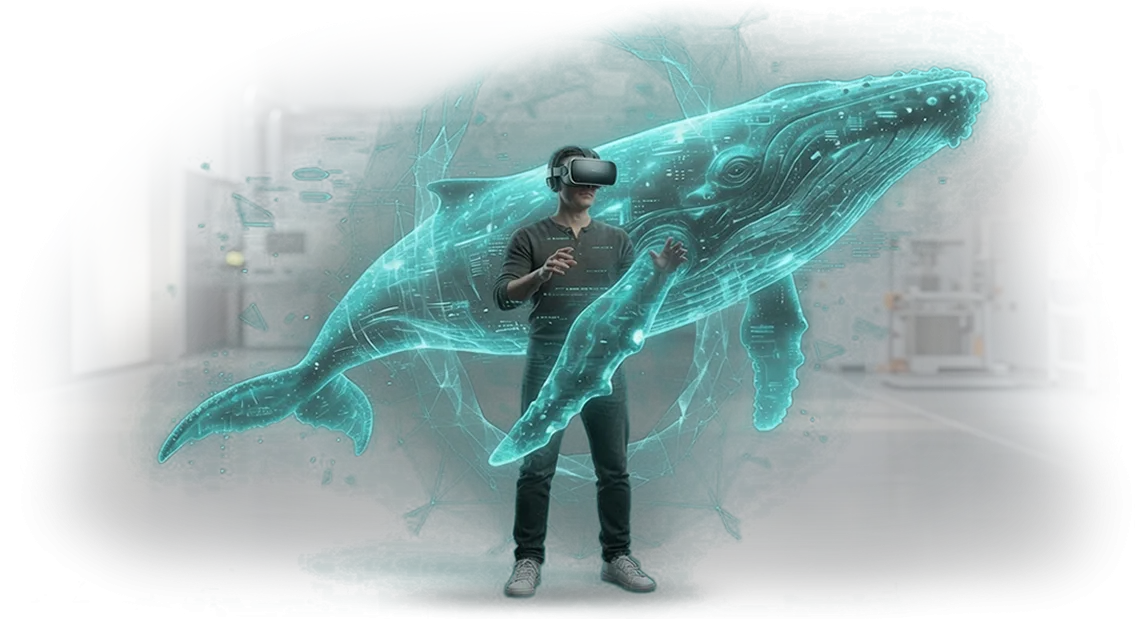
תאום דיגיטלי פותר את הבעיה הזו. הוא הופך את מרכז המו"פ שלכם למרחב אינטראקטיבי הזמין להדגמה וירטואלית מכל מכשיר. לקוחות יכולים לשנות פרמטרים בעצמם ולראות איך המערכת מגיבה — זה מערב הרבה יותר מכל סיפור. מעורבות כזו של לקוחות משאירה רושם חזק ומאיצה את המעבר לדיון בפרטים.
אנחנו יוצרים תאומים דיגיטליים שעובדים ככלי מכירות עצמאי עבור מרכז המו"פ שלכם. הדגמות וירטואליות ותרחישי אינטראקציה מעוצבים היטב עוזרים ללקוחות לראות את התועלת בעבודה אתכם.
ספרו לנו על הפיתוחים שלכם — נציע כיצד להציג את הערך שלהם בצורה הברורה ביותר ולהפוך את המצגת שלכם לסיבה להתחיל במשא ומתן.
מה תאום דיגיטלי של מרכז מו"פ מביא לעסק שלכם
תאום דיגיטלי של מרכז מו"פ הוא לא רק מודל תלת-ממדי — זה כלי עבודה שפותר משימות עסקיות: מהגברת עניין במוצר ועד האצת עסקאות. הצוות שלנו יוצר פתרונות כאלה במפתח מלא, והנה מה שאתם מקבלים כתוצאה.
הגברת עניין ותדמית החברה
מרכז מו"פ מודרני עם תאום וירטואלי בולט מול המתחרים. שותפים ומשקיעים זוכרים תצוגה כזו, ואורחים שמחים לשתף את ההתרשמות שלהם ברשתות החברתיות — זה נותן חשיפה נוספת למותג בלי תקציב פרסום. התדמית של חברת טכנולוגיה מתחזקת, מה שמשפיע ישירות על האמון במוצר.
נראות לשיווק ומכירות
כשפיתוח קיים רק כשרטוטים או מודלים, להסביר את הערך שלו זה קשה. תאום דיגיטלי מאפשר להראות את המוצר בפעולה: לפרק אותו לחלקים, להדגים תהליכים פנימיים, להראות את קנה המידה של המעבדה.
הלקוח לא צריך לדמיין כלום — הוא רואה הכל בעיניים שלו. זה מקצר את מחזור המכירות ומגביר את ביטחון הלקוח.
חיסכון בלוגיסטיקה
הדגמת מרכז מו"פ כבר לא דורשת ארגון ביקורים. סיור וירטואלי זמין ללקוחות בכל מקום בעולם — הם פשוט פותחים קישור. אתם חוסכים בנסיעות, השכרת אולמות וזמן צוות, בעוד טווח ההגעה של המצגת שלכם הופך רחב יותר. אותו תאום דיגיטלי עובד במקביל עבור עשרות שותפים פוטנציאליים.
הכשרת עובדים ללא סיכון
עובדים חדשים לומדים תהליכים על ציוד וירטואלי לפני שהם נכנסים למתקן. זה בטוח, מהיר ולא מפריע למחזור העבודה.
הבהירות של הסימולטור מקצרת את זמן הקליטה: אנשים מבינים מיד איך המעבדה עובדת ועושים פחות טעויות בחודשים הראשונים. מנהלים גם מקבלים כלי להערכה אובייקטיבית של כישורי הצוות.
פורמטי פתרון VR/AR/MR להדגמה והדרכה
כל מבקר במרכז מו"פ מגיע עם מטרה שונה: משקיע מעריך קנה מידה ופוטנציאל, שותף בודק אמינות, עובד חדש מתוודע לתהליכים ולציוד. להראות לכולם את אותו דבר פירושו לאבד את תשומת הלב והאמון של הקהל.
לכן אנחנו מפתחים תאום דיגיטלי במספר פורמטים — מותאם למשימה ספציפית, לקהל ולמקום.
כל הפורמטים עובדים ממודל אחד של מרכז המו"פ: הוא נוצר פעם אחת ומשקף את המצב הנוכחי של המתקן. כשמתרחשים שינויים באתר, אתם פשוט מעדכנים את המודל הדיגיטלי, וכל יישומי הסימולטור מקבלים נתונים עדכניים בלי עבודה חוזרת.
ארבעה פורמטים — תאום דיגיטלי אחד
| פורמט | למי | מה זה נותן ללקוח |
|---|---|---|
| סיור וירטואלי | משקיעים, שותפים, אורחים | מציג את המרכז בלי לוגיסטיקה או אישורים — התרשמות ואמון 24/7 מכל מקום בעולם |
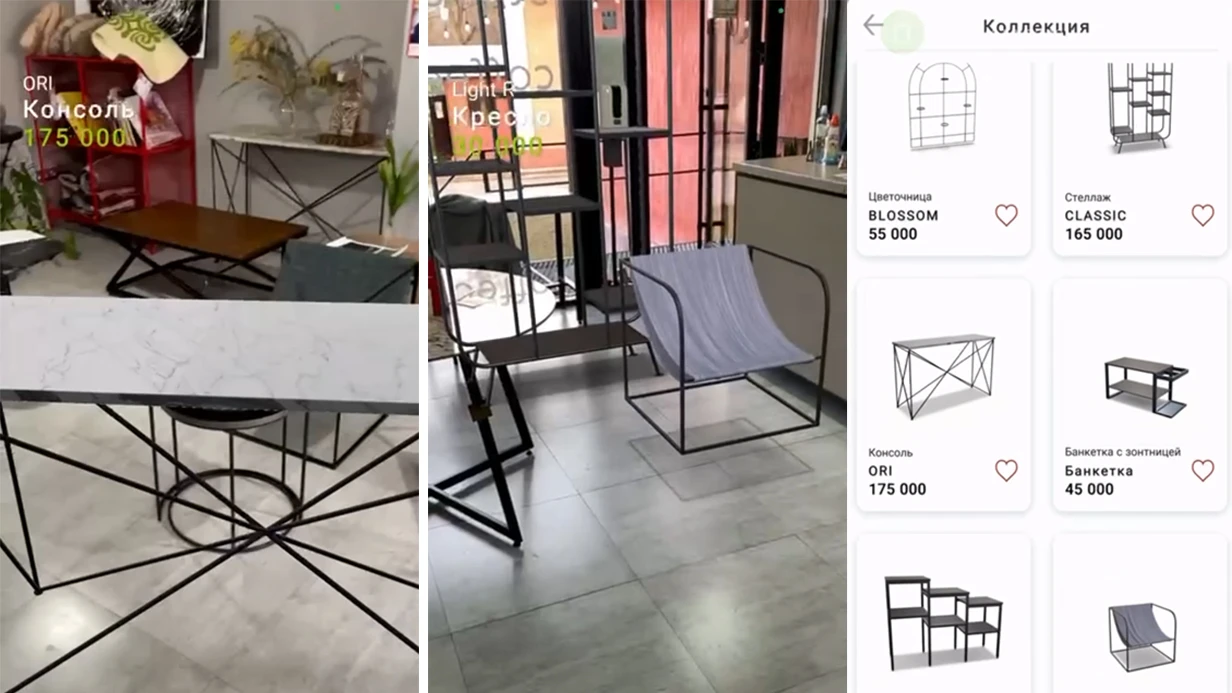
| יישום AR | מבקרים בתערוכות ואירועים | דוכן חי שמחזיק תשומת לב, מערב מבקרים בחוויה אינטראקטיבית ואוסף אנשי קשר בלי הוצאות פרסום נוספות |
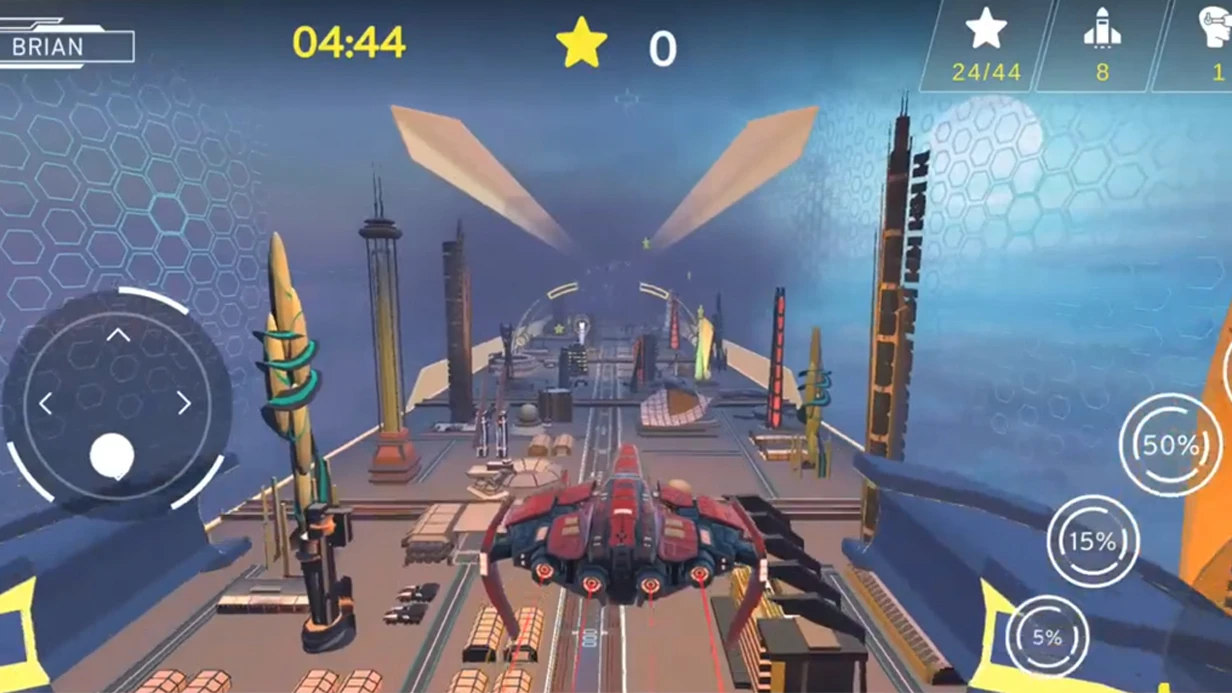
| סימולטור MR | מהנדסים, מפעילים, צוות חדש | תרגול בטוח של פעולות על תאום דיגיטלי — בלי סיכונים, תקלות או עצירת ייצור |
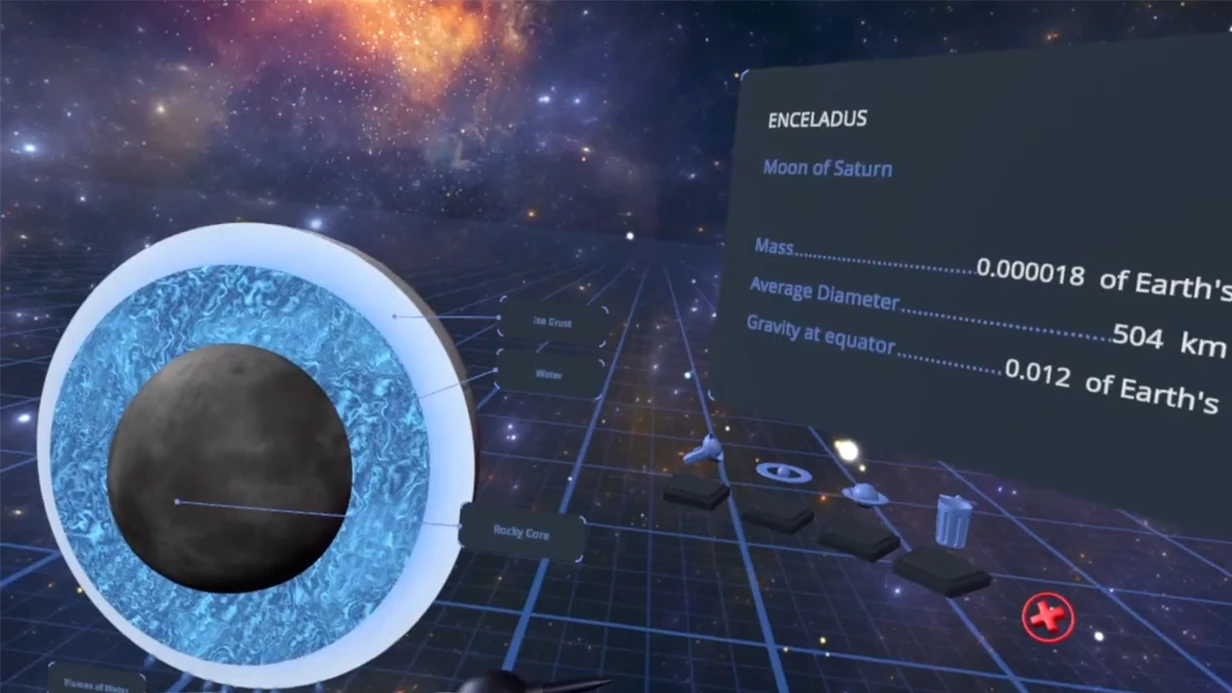
| הדרכות VR | מרכזי הדרכה, מחלקות פיתוח | תקן ידע אחיד, קליטה מהירה לתפקיד, פחות טעויות של חדשים |
תאום דיגיטלי אחד מכסה שלוש משימות בו-זמנית: מכירות, הדרכה ושיווק. אין צורך להזמין פיתוחים נפרדים לכל מקרה — זה חוסך תקציב וזמן, וצוותים מקבלים מערכת אקולוגית שלמה במקום יישומים מפוזרים.
בתחילת פרויקט, אנחנו עוזרים לכם לבחור את הפורמט לקהל שלכם: ספרו לנו את מי אתם רוצים להרשים ומה אתם רוצים ללמד — נמליץ על הפתרון האופטימלי ונראה לכם דוגמאות עובדות.
איך אנחנו יוצרים עותק וירטואלי של המתקן שלכם
יצירת תאום דיגיטלי של מרכז מו"פ היא לא רק מודל תלת-ממדי — זה עותק וירטואלי עובד שיכול להכשיר עובדים בבטחה, לבדוק תרחישים ולהציג יכולות לשותפים.
הצוות שלנו חילק את כל התהליך לשלבי פיתוח שקופים כך שתמיד תבינו מה קורה ומתי תראו את התוצאה.
- בריף וניתוח משימה. אנחנו צוללים לפרטים של המרכז שלכם, לומדים את המתחמים, הציוד ותהליכי העבודה. אנחנו מגדירים בדיוק מה העותק הווירטואלי חייב להיות מסוגל לעשות ואילו משימות הוא צריך לפתור.
- אישור קונספט ותוכנית עבודה. אנחנו קובעים את הרכב האובייקטים הדיגיטליים, רמת הפירוט והפונקציונליות. אתם מקבלים הערכת עלות, לוח זמנים ותוכנית ברורה שלא משתנה בלי ידיעתכם.
- יצירת העותק הווירטואלי של המתקן. אנחנו מעבירים את הפריסה והציוד המרכזי למרחב VR כך שהתאום הדיגיטלי יהיה מדויק ומוכר. במקביל, אנחנו מכינים ממשקים ותרחישי אינטראקציה.
- פיתוח תרחישים ולוגיקה. אנחנו ממלאים את התאום הדיגיטלי במשמעות: הפעלת תהליכים, שינוי פרמטרים, מצבי הדרכה. בשלב זה, אתם רואים את אבות הטיפוס הראשונים ומקבלים גרסת הדגמה להערכה.
- בדיקות ואישור סופי. אנחנו בודקים יציבות, תקינות חזותית ונוחות שימוש. אנחנו מבצעים תיקונים עד שהתוצאה מספקת אתכם לחלוטין.
- השקה ותמיכה. אנחנו עוזרים לשלב את הפתרון בתהליכי העבודה שלכם, מאמנים את הצוות ומספקים תמיכה לאחר ההשקה. אתם יכולים לסמוך על הסיוע שלנו בכל עת.
מה כלול בחבילת התאום הדיגיטלי
אתם לא מקבלים "אב-טיפוס רק לראווה" — אתם מקבלים כלי עבודה משולב בתהליכי מרכז המו"פ שלכם מהיום הראשון. חבילת המסירה בנויה סביב המשימה הספציפית שלכם וכוללת כל מה שצריך לעבודה יומיומית: גם למהנדסים וגם להנהלה.
הנה מה שחבילת תאום דיגיטלי סטנדרטית כוללת:
- סצנות תלת-ממד אינטראקטיביות — עותק מדויק של המתקן שלכם עם יכולת לטייל, לבדוק רכיבים ולשלוט בתרחישים. עובדים לומדים את המתקן כאילו הם פיזית בתוך הסדנה או המעבדה.
- תרחישי הדרכה והוראות — תרחישים שלב-אחר-שלב לחניכים ולעובדים חדשים. במקום תקנונים טקסטואליים — עבודה מעשית עם ציוד שמקצרת את זמן הקליטה.
- שכבת אנליטיקה להנהלה — לוח מחוונים עם נתונים על מי משתמש בתאום הדיגיטלי ואיך: כמה זמן עובדים מבלים, אילו תרחישים הם משלימים, איפה מתעוררות קשיים. אתם רואים את אפקטיביות ההדרכה, לא רק אם היא הופעלה.
- אזורי תקשורת — מרחבים וירטואליים לעבודה משותפת: מספר מומחים יכולים להיות בסצנה בו-זמנית, לדון בפתרונות ולהשאיר הערות.
- מערכת גישה ותפקידים — למנהלים יש גישה מלאה להגדרות, למהנדסים גישה לתרחישי עבודה, ולשותפים חיצוניים (אם צריך) גרסת הדגמה מוגבלת.
- אינטגרציה עם המערכות שלכם — ייצוא נתוני השלמת הדרכות ל-LMS או למערכת משאבי אנוש שלכם. אין צורך ברישום ידני — הכל נאסף אוטומטית.
- מדריכי משתמש ותמיכה — תיעוד, הדרכת צוות ותמיכה טכנית לכל תקופת השימוש.
כל פריט בחבילה פותר בעיה ספציפית: להאיץ הדרכה, להפחית סיכונים בעבודה עם ציוד יקר, לספק נראות שקופה להנהלה. אתם מקבלים לא קבצים מפוזרים, אלא מערכת מחוברת שכל המרכז משתמש בה.
אם אתם לא בטוחים מה בדיוק המחלקה שלכם צריכה, זה נורמלי: החבילה מתאימה את עצמה לתהליכים שלכם בשלב הבריף. תקבלו בדיוק את הכלים שמספקים ערך בתוך החודש הראשון.
מקרה בוחן: סיור וירטואלי למרכז מדעי
כשהמכון למחקר "סינטז" פנה אלינו, ההנהלה שלו עמדה בפני המשימה להראות למשקיעים את קנה המידה של המעבדות בלי להביא אותם לאתר. פגישות אישיות עם שותפים פוטנציאליים נמשכו שבועות, ואנשים מרכזיים פשוט לא יכלו להתפנות לסיור.
ההנהלה הבינה: כדי להבטיח מימון לכיוונים חדשים, הם צריכים כלי שעובד מסביב לשעון ולא תלוי בנסיעות עסקים.
יצרנו סיור וירטואלי של מרכז המו"פ: משקיעים נעים במסדרונות, נכנסים למעבדות, רואים ציוד ואזורי בדיקה, ופותחים סמנים אינטראקטיביים עם הסברים ממנהלי פרויקטים.
בלי הכנה מסובכת — רק דפדפן או משקפי VR כדי לשקוע בסביבת המחקר. זה אפשר להראות את המרכז בכל זמן ומכל מקום בעולם.
התוצאה עלתה על הציפיות: בשלושת החודשים הראשונים, נציגים של שתים-עשרה חברות טכנולוגיה צפו בסיור, וארבעה מהם הגיעו למכון לביקור אישי.
שני שותפים הגיעו לשלב הסופי של משא ומתן על מחקר משותף, ואחד נוסף ביקש גרסה מורחבת של הסיור לצוות שלו.
הנהלת המכון ציינה שהסיור הווירטואלי קיצר את מחזור ההיכרות הראשונית עם משקיעים מכמה פגישות להדגמה אחת.
מקרה ה-VR הזה הפך לנקודת צמיחה עבור כל המכון: אחרי השקת הסיור, מחלקת הפיתוח החלה להשתמש בו כאלמנט קבוע בחומרי המשא ומתן.
ואנחנו קיבלנו הזמנה לגרסה לבניין המעבדה החדש עוד לפני שהפרויקט הראשון הושלם — אנחנו עכשיו יוצרים תאום דיגיטלי מעודכן.
עבורנו, זה אישור: סיור וירטואלי פותר את המשימה העסקית של משיכת משקיעים, לא רק מחליף תמונות באתר.
איך לבחור את פורמט יישום ה-VR/AR הנכון למשימות שלכם?
בחירת פורמט מתחילה לא ב"מה יותר טרנדי" אלא במשימה: מה המשתמש צריך לעשות — להתרשם, לזכור, ללמוד או לקבל החלטה.
אם המטרה היא להרשים מבקרים בתערוכה ולהחזיק אותם בדוכן שלכם, VR הוא הבחירה הטובה ביותר: שקיעה מלאה חוסמת רעשים חיצוניים ומספקת תחושת נוכחות בשתיים-שלוש דקות ששום וידאו או מודל לא יכולים להחליף.
AR, לעומת זאת, חזק יותר בהדרכה ובעבודה מעשית: הוראות ורמזים מוצגים על גבי האובייקט האמיתי, ועובדים לומדים במקום ומיד מיישמים את הידע שלהם.
חשבו איפה היישום ישמש. לדוכן תערוכה, עצמאות, השקה מהירה ותגובה רגשית הם החשובים ביותר — כאן אזור VR מנצח: אורחים עומדים בתור, מתעדים מה שהם רואים ומשתפים ברשתות החברתיות, בעוד המותג מקבל חשיפה בלי הוצאות פרסום נוספות.
להדרכה שוטפת של עובדים בסביבות ייצור או שירות, AR נוח יותר: עובדים רואים את הציוד ומקבלים רמזים בזמן אמת, וטעויות לא מובילות להשבתה.
אם אתם צריכים מוצר למצגות ללקוחות, אבות טיפוס תלת-ממדיים אינטראקטיביים הם אופטימליים — אפשר להציג אותם גם ב-VR וגם ב-AR, תלוי בפורמט הפגישה.
אותו תאום דיגיטלי של מרכז מו"פ יכול לעבוד בפורמטים שונים, אבל כל אחד דורש לוגיקת אינטראקציה משלו. לכן אנחנו לא מציעים פתרון אוניברסלי; במקום זאת, אנחנו בוחרים את הפורמט למשימה הספציפית, למקום ולקהל.
בבסיס תמיד עומד תרחיש עסקי: איך מבקר או עובד ינוע, על מה הם יתמקדו, ואיזו תוצאה העסק שלכם צריך להשיג.
בואו לייעוץ — נדון במשימה שלכם, בתנאי המקום ובפרופיל הקהל. נעזור לכם לבחור את הפורמט ולתכנן את התקציב ולוח הזמנים כך שהיישום יפתור בעיה עסקית ולא יהיה רק ניסוי טכנולוגי.
שאלות נפוצות על פיתוח ותוצאות
פיתוח תאום דיגיטלי של מרכז מו"פ מעלה שאלות לפני רכישה: איך תיראה התוצאה, כמה מהר אפשר לעשות את זה, איזה ציוד יהיה צורך. אנחנו עונים על השאלות המרכזיות כדי שתבינו את התהליך והתוצאה לפני שמתחילים.
למה צריך VR/AR אם כבר יש לנו מצגות רגילות?
מצגת מראה תמונה, בעוד VR שוקע אנשים במרחב של המרכז. מבקרים רואים את המעבדה והתהליכים מבפנים — זה בלתי נשכח ובונה אמון.
כמה זמן לוקח הפיתוח?
גרסה בסיסית לוקחת 2–4 שבועות, בעוד פתרון מקיף עם תרחישים מרובים לוקח 6–12 שבועות. אנחנו עובדים בשלבים עם נקודות ביקורת, ולוח הזמנים קבוע בחוזה.
איזה ציוד הלקוח צריך?
משקפי VR מקצועיים אחד או טאבלט עם יישום AR מספיקים. נבחר דגם למשימות שלכם, נעזור בהתקנה ונאמן את העובדים שלכם.
אפשר לעדכן את התאום הדיגיטלי אחרי ההשקה?
כן, התאום הדיגיטלי מתפתח יחד עם המרכז: אנחנו מוסיפים אובייקטים, נתונים ותרחישים חדשים. חלק מהשינויים אתם יכולים לבצע בעצמכם; למורכבים, אנחנו מספקים תמיכה שוטפת.
אילו ערבויות הלקוח מקבל?
החוזה מפרט את היקף העבודה, לוח הזמנים ונקודות הביקורת. אתם מאשרים את התוצאה שלב אחר שלב, ואחרי המסירה חלה אחריות שירות.
בואו נדבר על הפרויקט שלכם? השאירו בקשה לפיתוח
כל פרויקט VR/AR משמעותי מתחיל בשאלה פשוטה: "איך זה יעבוד עבורנו?" אנחנו עוזרים למצוא את התשובה — בלי פרטים מיותרים וערפל טכנולוגי.
במהלך השנים, השלמנו עשרות פרויקטים למרכזי מו"פ, כך שמהשיחה הראשונה אנחנו יכולים לראות אילו פתרונות יניבו תוצאות ואילו יתבררו כמיותרים.
השאירו בקשה לפיתוח VR — וניצור אתכם קשר תוך יום עסקים אחד. במהלך הייעוץ, נסקור את המשימה שלכם ונציע את פורמט השקיעה הנכון: יישום VR מלא, שכבת AR לעבודה עם ציוד, או מציאות מעורבת להדרכת עובדים. זה לא מחייב ולא לוקח הרבה זמן.
תקבלו הערכת פרויקט על סמך הקלט שלכם: לוח זמנים, שלבים, הרכב צוות והשקעה נדרשת. בלי הבטחות מופשטות — רק פרטים ספציפיים עבור מרכז המו"פ שלכם.
מה תקבלו אחרי הפנייה:
- ייעוץ על יישום VR/AR/MR למשימות מרכז המו"פ שלכם;
- הערכת פרויקט: לוח זמנים, שלבים, הרכב צוות;
- המלצה על פורמט הפתרון — תאום דיגיטלי, הדרכה, מצגת;
- דוגמאות של יישומים דומים וההשפעה העסקית שלהם;
- תוכנית פיתוח ברורה עם נקודות ביקורת;
- הצעה מסחרית בלי תנאים נסתרים.
פיתוח יישום מתחיל בדיאלוג — ספרו לנו על המשימה שלכם, ואנחנו נציע פתרון שמאיץ מחקר או משפר את איכות הכשרת המומחים. השאירו בקשה — וקחו את הצעד הראשון לקראת התאום הדיגיטלי של מרכז המו"פ שלכם.