

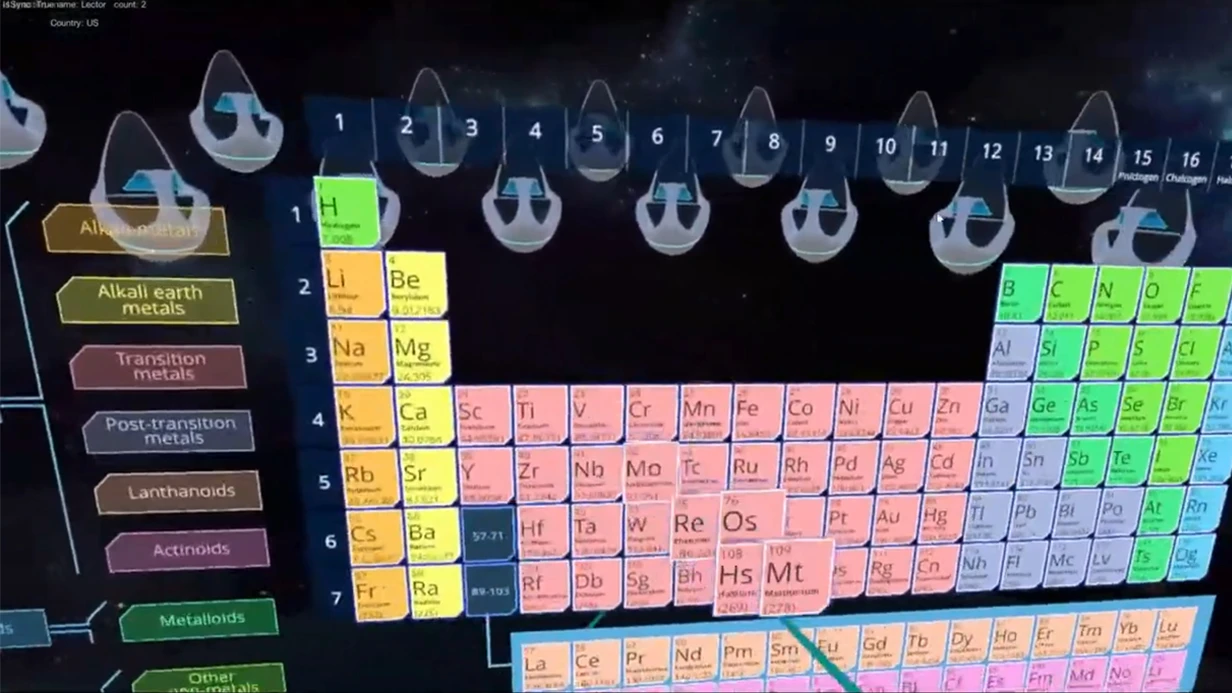


מדוע אתם מפסידים כסף וזמן ללא תאום דיגיטלי של המכרה?
כל עצירה במכרה אינה רק זמן השבתה — היא שעות ייצור אבודות, משכורות לצוות והחמצת חוזים. כאשר תהליכים תת-קרקעיים מתוקנים בעיוורון, כל טעות עלולה לעלות סכום השווה לרווח החודשי של הארגון.
בעוד שחלק פותרים בעיות לאחר מעשה, אחרים כבר מתכננים תרחישים מראש וצוברים זמן.
הנכס היקר ביותר במכרה אינו הציוד אלא האנשים. מומחה אחד שאינו מיומן מספיק מסכן את כל המשמרת, ואיתה את המוניטין של החברה.
בטיחות המכרה אינה רק שורה במדריך; היא גורם הקובע אם העובדים יגיעו לעבודה מחר והאם הם רוצים להישאר בצוות שלכם.
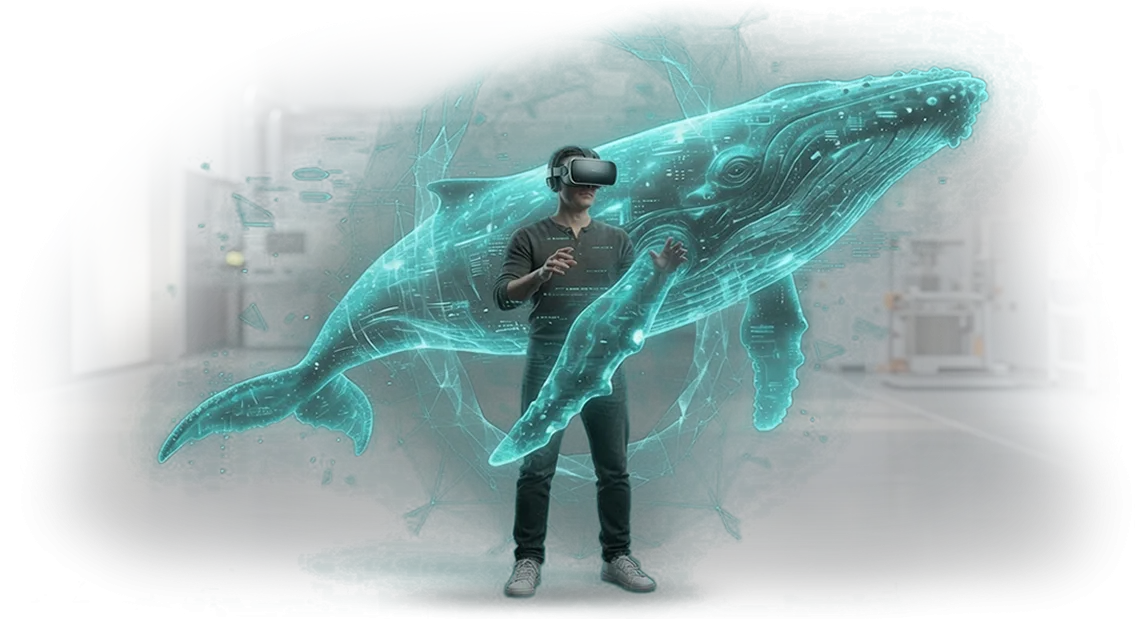
אנחנו סוגרים את הפער הזה: אנו יוצרים תאום דיגיטלי של המכרה שמעביר תהליכים אמיתיים למציאות וירטואלית. אתם רואים צווארי בקבוק, מתרגלים תרחישי חירום ומכשירים צוות ללא עצירת ייצור — לפני שהבעיה מתרחשת במציאות.
אילו תוצאות אתם מקבלים מהטמעת פתרונות VR/AR
הטמעת פתרונות VR/AR אינה עוד ניסוי — היא כלי עבודה המשפיע ישירות על בטיחות העובדים ועל הכלכלה של החברה.
תאום דיגיטלי של המכרה מאפשר לכם לחזרות על תרחישים שיהיו יקרים מדי או מסוכנים מדי במציאות, כך שאתם מקבלים תוצאה צפויה ללא השבתה או תאונות.
הדבר הראשון שתבחינו בו הוא הפחתת זמן הכשרת הצוות. במקום חודשים של תיאוריה ופרקטיקה על ציוד אמיתי, עובדים חדשים רוכשים מיומנויות בסביבה וירטואלית תוך ימים ספורים.
הם כבר יודעים כיצד לפעול במצב חריג לפני שהם יורדים לשטח. זה מפחית את מספר הטעויות, הפציעות, וכתוצאה מכך את עלויות הביטוח והפיצויים.
היתרון המוחשי השני הוא בקרת איכות ויעילות ייצור. עם כלי AR, מהנדסים רואים את מצב הציוד בזמן אמת ללא עצירת הקו. אתם מוצאים צווארי בקבוק מהר יותר, מונעים תקלות ומפחיתים את זמן ההשבתה של הציוד.
האנליטיקה שנאספת במודל הווירטואלי מראה היכן הולכים לאיבוד זמן ומשאבים — אתם מקבלים החלטות על סמך נתונים ולא על סמך ניחושים.
הטמעת פתרונות כאלה משתלמת דרך המהירות: הכשרה מהירה יותר, אבחון מהיר יותר, השקה מהירה יותר של תהליכים חדשים. אתם מקבלים כלי שעובד עבורכם מסביב לשעון, ללא עייפות או טעויות אנוש.
אנחנו תומכים בפרויקט משלב הביקורת ועד ההשקה, כך שעבור הצוות שלכם זה לא כאב ראש אלא דרך ברורה לתוצאה מדידה — כרייה בטוחה ויעילה.
פורמטים של פתרונות VR/AR/MR למשימות שלכם
כל משימה במכרה דורשת פורמט משלה. לפעמים צריך להכשיר צוות לעבודה בטוחה, לפעמים להפחית את זמן ההשבתה בתיקונים, לפעמים להראות למשקיעים מתקן עתידי לפני תחילת הבנייה.
לכן אנחנו לא כופים פתרון אחיד אחד; במקום זאת, אנו בוחרים את הפורמט של VR/AR/MR למשימה עסקית ספציפית — מהכשרה ועד שליטה דיגיטלית מלאה בייצור.
| פורמט | קהל יעד | ערך ללקוח |
|---|---|---|
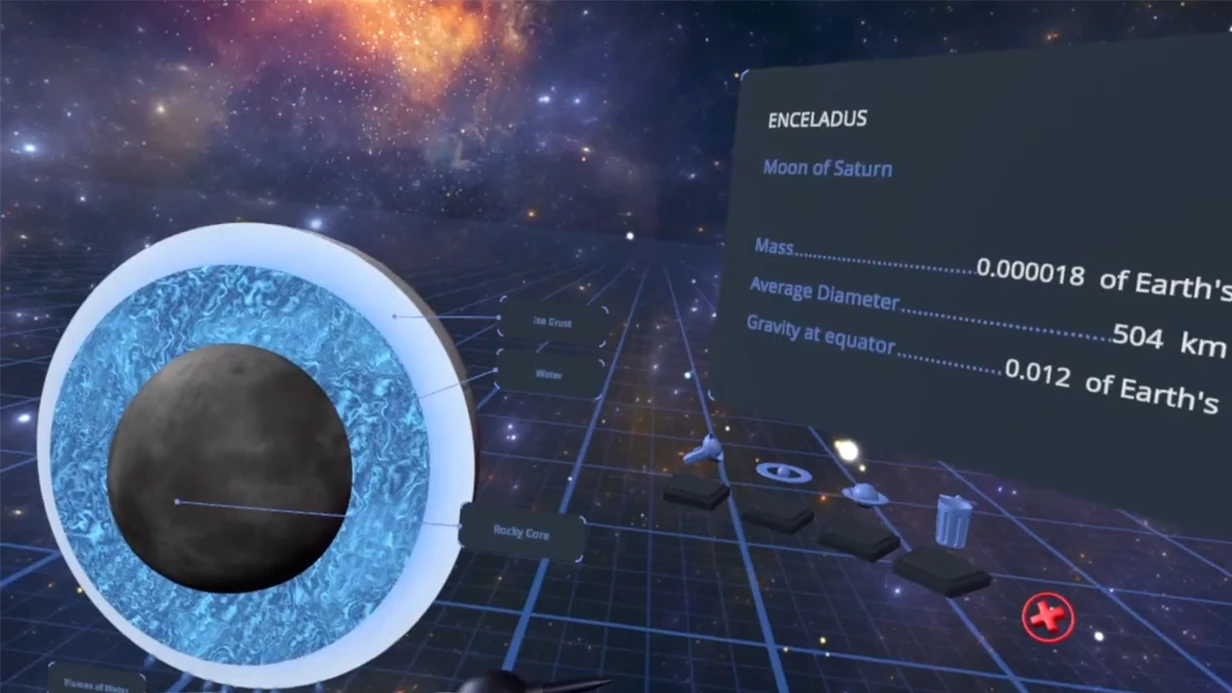
| סימולטור אימון VR | עובדים, מפעילי מכונות, מומחי בטיחות | תרגול מצבים מסוכנים ללא סיכון לאנשים או לציוד, הערכת מיומנויות |
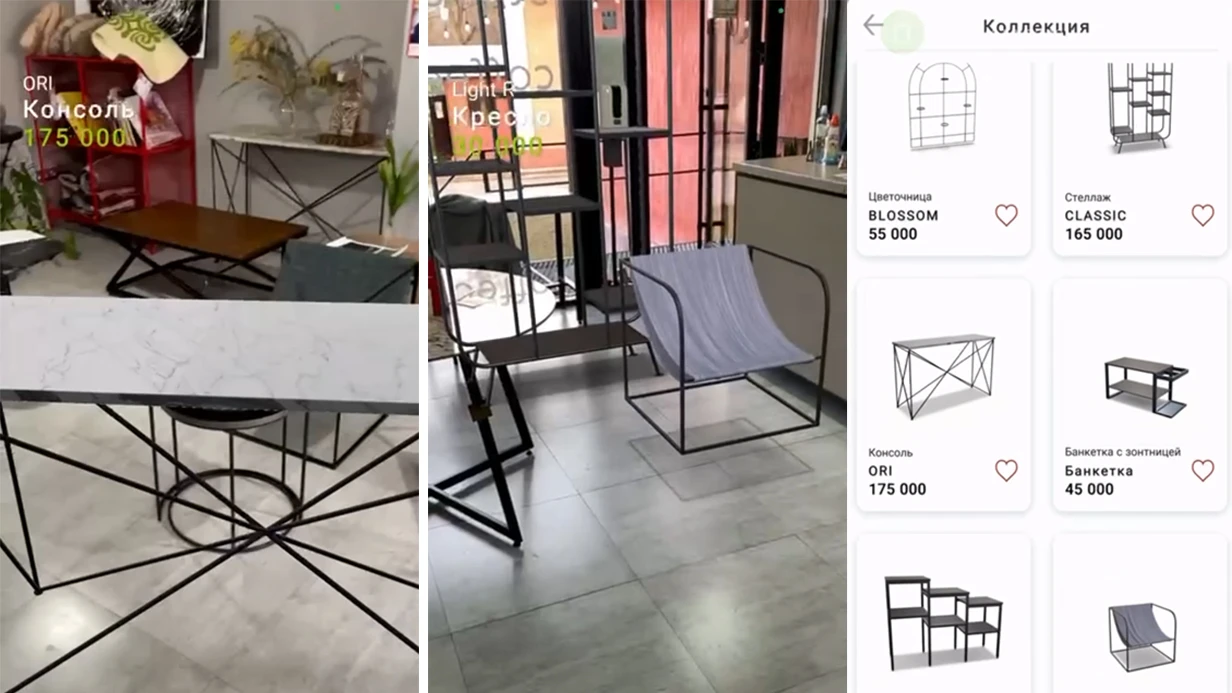
| הוראות AR | שירותי תיקון, מפעילים | הנחיות שלב-אחר-שלב ישירות על הציוד — פחות טעויות, התנעה מהירה יותר |
| תכנון MR | מתכננים, הנהלה, משקיעים | בחינה משותפת של מתקנים מתוכננים לפני בנייה ורכש |
| תאום דיגיטלי של המכרה | פקחים, מנהלי ייצור | מודל עדכני של עבודות המכרה בזמן אמת לשליטה ותכנון |
לעתים קרובות הפורמטים הללו עובדים יחד. תאום דיגיטלי אחד של המכרה משמש כבסיס לסימולטורי VR, הוראות AR ואישורי פרויקטים ב-MR.
אתם מקבלים לא יישומים מפוזרים אלא סביבת נתונים אחידה שמשפרת את הבטיחות, מאיצה קבלת החלטות והופכת תהליכים לשקופים.
איך אנחנו בונים פרויקט: מבירור ועד השקה
פיתוח תאום דיגיטלי של מכרה הוא פרויקט שבו חשוב להישאר ממוקדים במשימות ייצור אמיתיות מהיום הראשון. כדי שתוכלו לשלוט בלוחות זמנים ובתקציב, והתוצאה תעמוד בציפיות, אנו עובדים לפי תהליך שקוף של שבעה שלבים.
- בירור וביקורת. אנו נפגשים עם המומחים שלכם, לומדים תהליכים טכנולוגיים ומשימות נוכחיות. אנו מתעדים מטרות: הכשרת עובדים, שליטה בציוד או תכנון מכרה.
- קונספט ותרחישים. אנו מציעים מבנה של התאום הדיגיטלי העתידי ומפתחים תרחישי שימוש. אנו מסכמים על התוכנית והערכת העלות לפני תחילת הפיתוח.
- מידול תלת-ממדי. אנו יוצרים מחדש עבודות מכרה, ציוד ותשתית בגרפיקה תלת-ממדית מפורטת. העובדים מזהים מיד את המתקן, כך שהם שולטים בכלי החדש מהר יותר.
- חלק אינטראקטיבי. אנו מגדירים לוגיקת אינטראקציה: ניווט במתקן, שליטה בציוד, תרגול תרחישי חירום. אתם רואים את גרסת הפיילוט כבר בשלב זה.
- בדיקות עם הצוות שלכם. אנו בודקים תרחישים על נתונים אמיתיים ואוספים משוב מהמהנדסים והטכנולוגים. אנו מבצעים שינויים לפני ההשקה, וחוסכים זמן על תיקונים.
- השקת הפרויקט. אנו פורסים את הפתרון על הציוד שלכם או בתשתית ענן, מכשירים עובדים ומוסרים הוראות.
- תמיכה. אנו נשארים בקשר: מעדכנים נתונים, מוסיפים אזורים ופונקציונליות חדשים ככל שמשימות הארגון מתפתחות.
גישה זו מספקת תוצאה צפויה — אתם מבינים בעד מה אתם משלמים בכל שלב ומקבלים כלי עבודה שפותר את משימות המכרה שלכם.
מה כלול במסירת פתרון VR/AR לארגון
כל פרויקט מסתיים בהעברת תוצאה מוגמרת, לא ב"מסירת קוד" או אב-טיפוס. אנו מעצבים את חבילת המסירה לפי משימות הארגון שלכם — מיישום פרוס ועד הכשרת עובדים ותמיכה שוטפת. מסירת פתרון VR למכרה כוללת כל מה שצריך לעבודה יומיומית.
בסופו של דבר, אתם מקבלים:
- יישום VR עובד — תאום דיגיטלי של המכרה שלכם, מותאם למתקנים, ציוד ותהליכים טכנולוגיים אמיתיים.
- ציוד מקצועי, מוגדר ונבדק: קסדות, בקרים, תחנות עבודה למפעילים.
- הכשרה לצוות שלכם: הדרכות, הוראות ונהלים כך שעובדים יתחילו לעבוד ללא הדרכה שלנו.
- אינטגרציה עם הנתונים שלכם — תוכנית המכרה, חיישני ציוד או מערכת ניהול כוח אדם.
- לוח ניהול שבו תוכלו לשנות תרחישי הדרכה, להוסיף משימות חדשות ולעדכן מידע.
- מערכת סטטיסטיקות: תוכלו לראות אילו עובדים השלימו את ההכשרה, כמה זמן נמשך תרחיש ואילו טעויות נעשו.
- תמיכה בפרויקט לאחר ההשקה: תמיכה טכנית, עדכונים ושיפורי פונקציונליות כדי להתאים לתנאי ייצור משתנים.
כך, אתם מקבלים לא אב-טיפוס אלא כלי עבודה שמשתלב מיד בתהליך הייצור. תמיכת הפרויקט היא סיוע מתמשך כך שפתרון ה-VR יתפתח יחד עם הארגון שלכם ויספק ערך מדיד.
מקרה בוחן: תאום דיגיטלי של מכרה בארגון אמיתי
הלקוח הוא ארגון כרייה שבו כל שעת השבתה יקרה וכל טעות של צוות מהווה סיכון חיים.
ההכשרה המסורתית צרכה משמרות שלמות: עובדים חדשים הוכרו לציוד במשך שבועות, ועובדים מנוסים נמשכו מהעבודה להדרכות בטיחות חובה.
במקביל, לא ניתן לחזרות על תרחישי חירום אמיתיים באתר פעיל — זה מסוכן מדי.
פיתחנו תאום דיגיטלי של המכרה: מודל וירטואלי מדויק של העבודות, הציוד ותהליכי העבודה. בתוכו, עובדים משפרים את כישוריהם מדי יום — מפעולות סטנדרטיות ועד תגובה למצבי חירום.
המנהלים רואים את ההתקדמות האמיתית של כל מומחה ומקבלים החלטות על סמך נתונים אובייקטיביים, לא הערכות סובייקטיביות של מדריכים.
מספרי הפרויקט
- הטמעה מלאה תוך 3 ימים במקום 10–14 — לוחות הזמנים הואצו פי שלושה.
- שיעור התקריות ירד ב-40% תוך שנה מההשקה.
- זמן ההשבתה של הציוד ירד ב-25%: הצוותים מגיעים לאתר כבר מיומנים.
- יותר מ-200 עובדים השלימו הכשרה בסביבה הווירטואלית מבלי לעזוב את עבודתם העיקרית.
התוצאה המרכזית היא בטיחות ויכולת חיזוי. ההנהלה קיבלה תהליך הכשרת צוות ניתן לשליטה וציינה כבר במהלך הבדיקות שעובדים שולטים בפעולות מורכבות מהר יותר.
דברי הלקוח
"בעבר, משמרת שלמה הושקעה בהדרכת בטיחות ראשונית, ואת התגובה של אדם לתקלה ניתן היה לבדוק רק בתאונה אמיתית. עכשיו עובד מתרגל מצבים כאלה בעותק וירטואלי בטוח של המכרה ומגיע לאתר עם ביטחון.
זו רמה שונה לחלוטין של מוכנות." — ראש מחלקת הכשרת כוח אדם, מכרה סוורני.
לאחר פיילוט מוצלח, הלקוח שכפל את הפתרון לאתרים שכנים — עכשיו כל היקף הייצור מאומן בסביבה הווירטואלית.
עבורנו, זה המדד המרכזי: התאום הדיגיטלי אינו פותר בעיה חד-פעמית אלא משתלב בתהליכים השוטפים של הארגון.
איך לבחור את הפורמט הנכון למשימה שלכם
הפורמט הנכון תלוי לא בטרנדים אלא במאפייני המשימה: מה בדיוק אתם רוצים להשיג כתוצאה — להכשיר עובדים מהר יותר, להראות למשקיעים ויזואלית איך המכרה עובד, או לחזרות על מצבים חריגים לפני שהם מתרחשים.
לכן אנחנו אף פעם לא מתחילים עם "בואו נבנה VR" — קודם כל אנו מנתחים את הבעיה ואת אזורי הצמיחה שלכם, ואז מציעים את הכלי הנכון.
אותו תאום דיגיטלי של מכרה יכול להיות מיושם בדרכים שונות: כמצגת אינטראקטיבית להנהלה, כסימולטור הדרכה לצוות, או כלוח מחוונים לתכנון מכרה. כל אפשרות דורשת רמת פירוט, טבילה ותקציב משלה.
אנחנו לוקחים על עצמנו את בחירת הפורמט: בפגישה הראשונה, אנו שואלים על קהל היעד, מקרה השימוש, תדירות השימוש והתוצאה הצפויה.
בחירת VR/AR מבוססת על לוגיקה פשוטה: אם צריך "לראות ולהבין," שכבת AR קלה על טאבלט מספיקה; אם צריך "ללמוד לעשות," נדרש סימולטור מלא עם משוב והערכת פעולות.
אנו מציעים 2–3 אפשרויות יישום עם היקפי עבודה ולוחות זמנים שונים, ומסבירים בכנות מה כל אחת תספק. אתם בוחרים לא טכנולוגיה אלא תוצאה עסקית — דרך מהירה יותר לפעולה בטוחה, פחות טעויות ואמון גדול יותר מצד שותפים.
בסופו של דבר, אתם מקבלים פתרון שפותר את המשימה הספציפית שלכם, לא "סיפור VR אופנתי" מופשט. לשם כך, יש לנו ניסיון בהשקת פרויקטים כאלה, מתודולוגיה מעודנת וצוות שמדבר בשפת התעשייה שלכם, לא בקוד.
תארו את המשימה שלכם — ואנחנו נציע פורמט שמספק ערך כבר בשלב היישום.
שאלות נפוצות על הטמעת VR/AR בארגון
הטמעת VR/AR בארגון כרייה מעלה שאלות טבעיות: מאיפה להתחיל, האם זה יפסיק את הייצור, ומתי יופיעו תוצאות.
אספנו תשובות קצרות לחששות הנפוצים ביותר — הן יעזרו לכם להעריך את תנאי היישום לפני תחילת הפרויקט.
כמה זמן לוקח להשיק פתרון VR?
פרויקט מבירור ועד גרסה עובדת אורך בין שלושה שבועות לחודשיים תלוי במורכבות. כבר בשבוע הראשון, אתם מקבלים תרחיש ניסיון כדי להעריך את התוצאה ולהתאים משימות. אנו מכשירים את העובדים שלכם במקביל, כך שעד ההשקה הצוות משתמש במערכת ללא תמיכה שלנו.
מה הארגון צריך כדי ש-VR/AR יעבוד?
מחשב רגיל וקסדה מספיקים — אנחנו מספקים את שאר הציוד במהלך פרויקט הפיילוט. היישום אינו דורש עצירת ייצור או שינוי תשתית IT. נתונים משתלבים בקלות עם המערכות שלכם דרך ערוצים מאובטחים.
כמה מהר נראית ההשפעה העסקית?
התוצאות הראשונות מופיעות מיד לאחר ההשקה: הכשרת עובדים חדשים מואצת ומספר הטעויות יורד. בפרויקט אחד לחברת כרייה, זמן ההטמעה של כוח אדם קוצץ בחצי, וההשפעה הכלכלית הייתה ניכרת כבר בחודש הראשון לפעילות.
מי אחראי על תמיכה ופיתוח המערכת?
אנחנו תומכים בפרויקט לאחר ההשקה: מעדכנים תוכן, מוסיפים תרחישי עבודה ומנטרים את מצב הציוד. במשך 10+ שנים צברנו ניסיון יישום — מהכשרת כוח אדם ועד תאומים דיגיטליים של מכרות. אתם מקבלים שותף אמין, לא מסירה חד-פעמית.
אם עדיין יש לכם ספקות, שאלו את השאלה שלכם. אנו ננתח את המשימה שלכם, נייעץ אילו תרחישי VR/AR יועילו לארגון הספציפי שלכם, ונראה דוגמאות לפרויקטים דומים.הצעדים הבאים שלכם: מבקשה ועד השקה
מכאן זה פשוט: אתם שולחים בקשה, ותוך יום עסקים אחד אנו יוצרים קשר לשיחת ייעוץ קצרה ב-VR. אין שאלונים ארוכים — בשיחה אנו מבהירים את המטרה, ההיקף והתוצאה הצפויה כך שתבינו את הערך של תאום דיגיטלי לפני חתימת חוזה.
לאחר מכן אנו עוברים דרך השלבים — מהדיון הראשון ועד פתרון עובד במכרה שלכם:
- שליחת בקשה — מלאו את הטופס או כתבו לנו דרך המסנג'ר; נגיב באותו יום.
- ייעוץ VR — נראה בתרשימים ובדוגמאות אילו תהליכים התאום הדיגיטלי יכסה: הדרכה, שליטה, תכנון.
- ביקורת ותוכנית — אנו לומדים את החומרים שלכם, מגדירים תרחישים ולוחות זמנים, וקובעים תקציב ללא תוספות נסתרות.
- אב-טיפוס ואישור — אנו יוצרים קטע מהפתרון, אתם רואים את הממשק והלוגיקה, ואנו מבצעים שינויים לפני ההשקה.
- השקת הפרויקט — אנו פורסים את המערכת על הציוד שלכם, מכשירים עובדים ומוסרים הוראות.
- תמיכה — לאחר ההשקה אנו נשארים בקשר, מעדכנים תוכן ומשפרים תרחישים למשימות חדשות.
תהליך זה מבטל הפתעות: כל שלב מתואם איתכם, לא נעשה "בעיוורון." כתוצאה מכך, הפרויקט מגיע להשקה ללא עבודות חוזרות, ואתם מקבלים תאום דיגיטלי שבאמת נמצא בשימוש בפועל. שלחו בקשה, ונכין תוכנית יישום אישית תוך מספר ימים.