



ללא תאום דיגיטלי של אצטדיון ספורט, אתה מאבד את הקהל שלך
האוהדים המודרניים רגילים ליכולת לחקור כל אירוע מראש: לצפות במפת הישיבה, לבחור את המושב הטוב ביותר, לתכנן את המסלול, ואפילו להציץ לתוך הארנה לפני פתיחת הדלתות. האוהדים משווים אצטדיונים כמו שהם משווים חברות תעופה ובתי מלון — לפי נוחות השירות.
אצטדיון ללא השכבה הדיגיטלית הזו נתפס כמיושן, והאוהדים בוחרים במקום שבו הם מרגישים יותר בנוח ומעודכנים.
התחרות בין האצטדיונים גוברת עם כל עונה. ארנות שכנות כבר משיקות סיורים וירטואליים, ניווט נייד ושירותי מבקרים אינטראקטיביים. זה לא העתיד — זה ההווה.
מי שלא מציע חוויה דיגיטלית מאבד לא רק ביקורים חד-פעמיים, אלא גם את הקהל הקבוע שנודד למקומות שבהם הציפיות שלו תואמות את המציאות.
תאום דיגיטלי של אצטדיון ספורט הוא העתק וירטואלי של הארנה שמחבר בין נוחות הצופה לאינטרסים של הבעלים. בעזרתו, האוהדים יכולים למצוא את היציע שלהם מראש, לראות את הנוף מהמושב שלהם, לחקור את המתקנים ולתכנן את הביקור.
עבור מפעיל האצטדיון, זהו כלי להגברת התפוסה, הגדלת מכירות הכרטיסים והמכירות הנלוות, ובסיס לפורמטים חדשים של פרסום וחסות.
אם שום דבר לא משתנה, ההפסדים הופכים למערכתיים: הירידה בכמות המבקרים, ירידה בהכנסות מכרטיסים ומשירותים נלווים, והנותנים מפנים תקציבים למקומות מודרניים יותר.
הקהל זורם למקום שבו הטכנולוגיה כבר עובדת, ולהחזיר אותו קשה ויקר יותר עם הזמן. מועדונים וארנות שמשקיעים בתאומים דיגיטליים היום זוכים ליתרון משמעותי בתחרות על הצופים.
אנחנו בונים מוצרים דיגיטליים לעסקים כבר למעלה מ-10 שנים ואנחנו יודעים להפוך אצטדיון למקום מבוקש.
אנחנו נעזור לך לבנות תאום דיגיטלי במפתח מלא — מהתכנון והתוכן ועד ההשקה והתמיכה — כדי שהארנה שלך תנצח בתחרות על הצופים ותייצר הכנסה יציבה.
חמישה יתרונות עסקיים מרכזיים של תאום דיגיטלי
תאום דיגיטלי הופך אצטדיון ממקום רגיל למערכת אקולוגית אינטראקטיבית. הוא מחבר נתונים על מבקרים, תנועת רגלים, ניצול אזורים ושירותים למודל אחד שקל לנהל ולייצר ממנו רווח.
עבור העסק, זו לא טכנולוגיה לשם הטכנולוגיה — אלא צמיחה מדידה במדדים מרכזיים, מהנוכחות ועד חוזי שותפות.
-
הגדלת הנוכחות. צופים פוטנציאליים יכולים לראות את האצטדיון מכל מקום בעולם: סיור וירטואלי, בחירת מושב עם תצוגת נוף, מפת התמצאות אינטראקטיבית.
זה מסיר את מחסום "מעולם לא הייתי שם" ומביא מבקרים חדשים — במיוחד לאירועים שאינם משודרים בטלוויזיה.
-
מקורות הכנסה חדשים. התאום מאפשר למכור חוויות דיגיטליות: סיורים אקסקלוסיביים מאחורי הקלעים ב-VR, כרטיסים מקוונים עם תוכן אינטראקטיבי, מזכרות וירטואליות.
האצטדיון מייצר הכנסה גם בימים ללא משחקים, והשכרת המקום הדיגיטלי לכנסים ומצגות פותחת ערוץ הכנסה נפרד.
-
מעורבות ונאמנות אוהדים. דרך האפליקציה, האוהדים נכנסים לגרסה הדיגיטלית של הארנה: משתתפים בחידונים, מקבלים הצעות מותאמות אישית באזור האוהדים, וצוברים בונוסים על הגעה למשחקים.
ככל שיותר נקודות מגע — כך יותר ביקורים תכופים ורכישות חוזרות, במקום חוויות חד-פעמיות של "באתי ושכחתי".
-
תוכניות שותפות. נותני חסות צריכים יותר מסתם שלטי חוצות. התאום הדיגיטלי מספק חשיפה מדידה: מותג מציב דוכן וירטואלי, משיק קמפיין מבוסס מיקום, ורואה מעורבות אמיתית.
האצטדיון הופך לפלטפורמת מדיה, וחוזי שותפות נדונים בשפת המספרים, לא בהבטחות.
-
גמישות ניהולית. המודל מציג ניצול אזורים, שיאי תנועה ושירותים פופולריים. החלטות על כוח אדם, שירות ותמחור כרטיסים מבוססות על נתונים ולא על אינטואיציה — זה חוסך זמן ומגדיל את התשואה על כל מטר רבוע.
לקוח שכבר משתמש בפתרון מאשר: "המודל הדיגיטלי חיבר בין השיווק, המכירות ושירות האוהדים שלנו. לא רק הגדלנו את הנוכחות — הופיעו נותני חסות שמעולם לא היה לנו איתם דיאלוג" — המנכ"ל של אצטדיון סברני. גישה זו מייצרת הכנסה חוזרת, לא אפקט חד-פעמי מקמפיין בודד.
פורמטים של תאום דיגיטלי לאצטדיון ספורט
תאום דיגיטלי של אצטדיון עובד במגוון פורמטים — מסיור וירטואלי ועד מסכים אינטראקטיביים בארנה. כל פורמט פותר משימה משלו: הצגת הארנה לאוהדים לפני הביקור, שמירה על תשומת הלב שלהם במהלך המשחק, או הארכת החוויה לאחר האירוע.
המפתח עבור הלקוח הוא לבחור את הפורמט שמתאים לקהל ספציפי ולמטרה עסקית, ולא לאמץ טכנולוגיה לשם הטכנולוגיה.
השווינו ארבעה פורמטים מבוקשים כדי שתוכל לתכנן את התקציב ולהשיג תוצאות מדידות — יותר כרטיסים שנמכרו, מעורבות גבוהה יותר, יותר ביקורים חוזרים.
| פורמט | למי זה מיועד | מה זה מספק |
|---|---|---|
| סיור וירטואלי באצטדיון | אוהדים, מארגני אירועים, נותני חסות | מציג את הארנה לפני הביקור, עוזר למכור כרטיסים וסיורים, מפחית פניות לקופות |
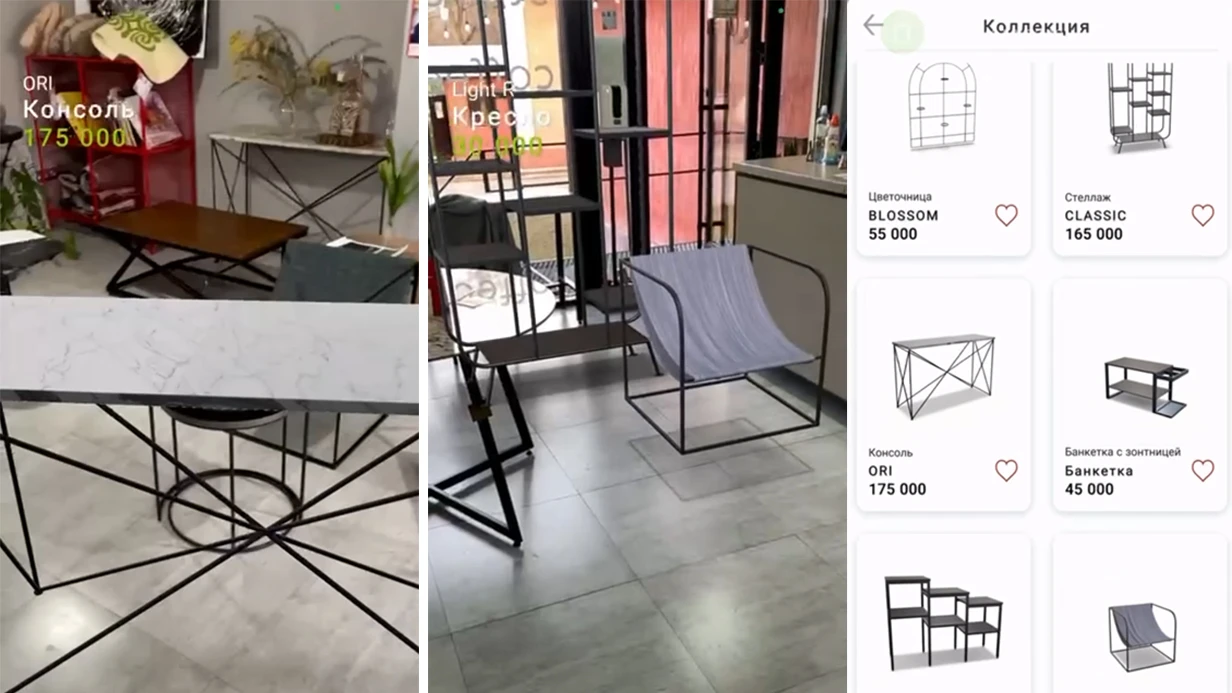
| מציאות רבודה ליציעים | צופי משחק, משפחות עם ילדים | מחייה קמעות, סטטיסטיקות שחקנים וניווט — האורחים נשארים יותר זמן ומשתפים תמונות ברשתות החברתיות |
| אפליקציית מובייל לאצטדיון | אוהדים קבועים, מנויי מועדון | מספקת מפת ארנה, משלוח אוכל למושב ותוכנית נאמנות — ערך ההזמנה הממוצע והנאמנות גדלים |
| קיוסקים ומסכים אינטראקטיביים | מבקרים ביום האירוע | מאיצים את מציאת היציע, קניית מרצ'נדייז והרשמה לקמפיינים — תורים קצרים יותר, יותר מכירות |
הפורמטים אינם סותרים זה את זה: שילוב של סיור וירטואלי עם אפליקציית מובייל או קיוסקים בדרך כלל נותן את האפקט הטוב ביותר. אנחנו מתכננים תאום דיגיטלי סביב התרחיש שלך, ממליצים על הסט המינימלי האפשרי, ובונים מקום לצמיחה.
איך מתנהל תהליך העבודה בפרויקט
העבודה על תאום דיגיטלי של אצטדיון היא תהליך שקוף עם שלבים ברורים. אתה תמיד רואה איזה שלב מתבצע ומה תקבל כתוצאה. גישה זו מונעת פספוס מועדים ועבודה חוזרת — אנחנו מסכימים על החלטות מפתח לפני תחילת הפיתוח.
-
בריף וניתוח. אנחנו קובעים למי נוצר התאום ואילו משימות הוא פותר: ניווט, אירועים, שירותי אוהדים או תרחישים תפעוליים. על סמך זה, אנחנו מגדירים את דרישות האפליקציה.
-
אב-טיפוס וקונספט. אנחנו מציגים את המבנה והלוגיקה של האפליקציה העתידית כתרשים וגרסת טיוטה. אתה מחדד את הפרטים לפני תחילת הפיתוח המלא.
-
אישור הפרויקט. אנחנו נועלים את היקף העבודה, לוחות הזמנים וקריטריוני הקבלה. ברגע שאתה מאשר את התוכנית, אנחנו עוברים לפיתוח — ללא משימות נסתרות או עלויות נוספות.
-
פיתוח מודל תלת-ממדי. אנחנו בונים את ההעתק הדיגיטלי של האצטדיון: גיאומטריית הבניין, קומות, כניסות, אזורים מרכזיים. הכל מעוצב בסגנון המותג שלך כדי שהאפליקציה תיראה אחידה.
-
בדיקות. אנחנו בודקים ניווט, מהירות טעינה ויציבות במכשירים אמיתיים. אנחנו מביאים את הצוות שלך או קבוצת מיקוד — אנחנו מוצאים ומתקנים בעיות לפני ההשקה.
-
השקה והדרכה. אנחנו מתקינים את האפליקציה על המכשירים הנדרשים ומפרסמים אותה בחנויות האפליקציות. אנחנו מאמנים את הצוות ומוסרים מדריכים — אתה מנהל את התוכן באופן עצמאי.
-
תמיכה ופיתוח. אנחנו נשארים בקשר לאחר ההשקה: עדכון נתונים, חידוד תכונות לאירועים חדשים. אתה מקבל לא מוצר חד-פעמי, אלא כלי שגדל עם האצטדיון.
מה כלול במסירת הפרויקט הסופית
כשאתה מזמין תאום דיגיטלי לאצטדיון, חשוב לדעת מראש מה כוללת המסירה הסופית. אנחנו מוסרים לא רק אפליקציה, אלא כלי עבודה לעסק שלך: ניהול מתקנים, ניווט אורחים, תרחישי אירועים — הכל בחבילה אחת.
בניגוד למודל "אפליקציה + שירותים נפרדים", אתה מקבל מערכת שלמה מיד. זה מבטל עלויות נסתרות, אישורים ארוכים ותלות בקבלן יחיד — לאחר ההשקה, הצוות שלך עובד עם התאום הדיגיטלי באופן עצמאי.
מה כלול במסירה:
- אפליקציית תאום דיגיטלי מוכנה — מותאמת לאצטדיון שלך, פועלת על מכשירי הצוות והמבקרים.
- פאנל ניהול — אתה מעדכן לוחות זמנים, אזורים, תוכן וניווט בעצמך ללא מעורבות מפתחים.
- תיעוד — מדריכים למפעיל ולמנהל, בתוספת מדריך פיתוח פרויקט.
- הדרכת צוות — מפגשים מעשיים לצוות שלך: שימוש בטוח במערכת מהיום הראשון.
- קודי מקור ונכסים — סט מלא של מקורות, כל קבצי הפרויקט וזכויות לפיתוח עתידי.
- תמיכת אחריות — זמן תגובה קבוע, עדכונים מתוזמנים וייעוץ עדיפות.
כתוצאה מכך, אתה מקבל תאום דיגיטלי לאצטדיון שהצוות שלך מנהל, שקל להרחיב אותו למשימות חדשות, ושאינו תלוי בקבלנים ספציפיים. אתה יודע מראש מה כלול — מהקוד ועד ההדרכה — ויכול לפתח את הפרויקט בבית או עם כל שותף.
מקרה אמיתי: איך הגדלנו את מעורבות המבקרים
כשהצופים מגיעים לאצטדיון הרבה לפני המשחק או במהלך ההפסקה, הם לעתים קרובות לא יודעים מה לעשות עם עצמם. פיתחנו תאום דיגיטלי של הארנה כיישום VR כדי להפוך את הזמן הזה לחוויה בלתי נשכחת.
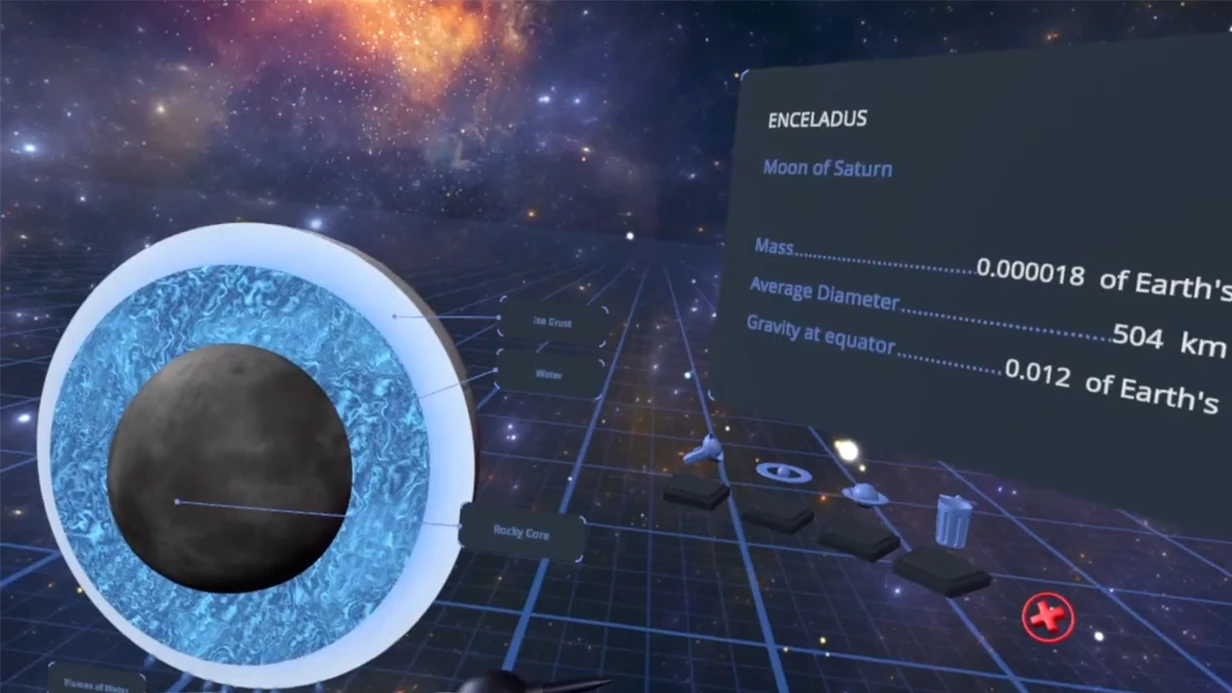
האורחים יכלו לחקור את האצטדיון מבפנים, להציץ לחדרי ההלבשה, ללכת במנהרה ולראות את המגרש מנקודת המבט של השחקנים.
מקרה VR כזה מניע מעורבות: הצופים לא רק בוהים בטלפונים שלהם — הם מתקשרים עם המותג של האצטדיון. האפליקציה רצה על טאבלטים שחולקו בכניסה ועל הסמארטפונים האישיים של המבקרים. תוך דקות, כל אחד יכול היה לצאת לסיור וירטואלי או למצוא את היציע שלו במציאות רבודה.
מדדי הפרויקט אישרו את ההשפעה. זמן השהייה הממוצע של מבקר בשטחי האצטדיון גדל ב-40%, ומכירות השירותים הנלווים — סיורים, מזכרות ומתחם האוכל — גדלו בכמעט שליש.
האורחים גם נטו יותר לחזור למשחקים הבאים: הביקורים החוזרים עלו ב-18%. עבורנו, זה הסימן הברור ביותר לכך שמעורבות הצופים הפכה לתוצאה עסקית אמיתית.
המשוב היקר ביותר הגיע מהלקוח. מנהל האצטדיון בארנה סברנאיה ציין: "ציפינו שהאפליקציה תהיה רק תכונה מהנה, אבל היא שינתה את התנהגות המבקרים. אנשים מגיעים מוקדם יותר, נשארים יותר זמן וקונים יותר.
זה בדיוק האפקט שיצאנו לדיגיטציה בשבילו." אחרי העונה הראשונה, חתמנו על חוזה להרחבת הפונקציונליות והשקת תרחישים חדשים לשנה הבאה.
איך לבחור את הפורמט הנכון של תאום דיגיטלי למשימה שלך?
בחירת פורמט התאום הדיגיטלי מתחילה לא בטכנולוגיה אלא בשאלה: מה צריך להשתנות בעסק שלך לאחר ההשקה? האם אתה רוצה למשוך יותר אוהדים ליציעים, להעלות את החשבון הממוצע בחנות המועדון, או ליצור חוויה מרשימה עבור נותני חסות ושותפים? התשובה מגדירה את היקף הפרויקט, התקציב ולוחות הזמנים.
אם המטרה היא חשיפה ורגש, העתק מפורט של אזורי מפתח — המגרש, היציעים, תאי ה-VIP — מספיק. אם התאום נדרש להדרכת צוות, תכנון אירועים או תחזוקה הנדסית, אז יש למדל חדרים בודדים ותשתית בפירוט. אז בפגישת הייעוץ הראשונה, אנחנו מגדירים קודם את המשימה, ורק אחר כך מציעים פורמט.
תקציב ולוחות זמנים הם אמת המידה המרכזית השנייה. העתק מלא של האצטדיון דורש יותר משאבים, אבל לא תמיד צריך אותו מיד: אפשר להתחיל עם האזורים המרכזיים ולהתרחב בהדרגה.
אם התוצאה נדרשת עד תחילת העונה או משחק מרכזי, אנחנו מתאימים את היקף העבודה כך שיעמוד בלוחות הזמנים בביטחון.
המאפיינים הספציפיים של האצטדיון עצמו משפיעים גם הם על בחירת הפורמט. ארכיטקטורה ייחודית, דרישות ניווט לזרימות מבקרים גדולות, זמינות תיעוד בנייה עדכני — כל זה קובע מה אנחנו משחזרים ובאיזו רמת פירוט.
עבור מקומות לא סטנדרטיים, אנחנו מכינים פתרון מותאם אישית; עבור סטנדרטיים, אנחנו משתמשים בפורמט תבנית מוכח.
השורה התחתונה פשוטה: הפורמט הנכון הוא זה שפותר את המשימה שלך במסגרת התקציב ולוחות הזמנים שלך. אנחנו עוזרים לך לבחור אותו בייעוץ: אנחנו מעריכים את המטרות שלך ואת המאפיינים של האצטדיון, ואז מציעים פתרון שאתה יכול לקבל ללא סיכון. תאר את המשימה שלך — ואנחנו נמליץ על האפשרות האופטימלית.
שאלות נפוצות על תאומים דיגיטליים
תאום דיגיטלי של אצטדיון הוא לא רק מודל תלת-ממדי — זו מערכת עבודה לניווט, השכרות ואירועי ספורט. לפני ההשקה, לקוחות נוטים לשאול שאלות דומות — הנה תשובות לעיקריות.
כמה זמן לוקח הפיתוח?
לוחות הזמנים תלויים בשטח האצטדיון ובמספר התרחישים. פרויקט בסיסי לוקח 1–2 חודשים, כולל לכידה, מידול והגדרת ממשק. אנחנו נועלים תוכנית שלבים ומנטרים כל שלב.
איך התאום משתלב עם המערכות שלנו?
אנחנו מחברים אותו למערכות כרטוס, ניווט וניהול ארנה באמצעות ממשקים סטנדרטיים. אתה לא צריך לשנות את התשתית הקיימת שלך — שכבה חלקה לאורחים מתווספת מעל.
האם אפשר לעדכן תוכן ללא מפתחים?
כן. המנהל יכול לשנות לוחות זמנים של אירועים, נקודות השכרה ושכבות מידע בעצמו דרך פאנל שליטה פשוט. עדכונים מתפרסמים ללא עצירת פעילות האצטדיון.
מה לגבי אחריות ותקלות?
אנחנו מספקים אחריות על חומרה ותוכנה, יחד עם אבחון ותמיכה מרחוק. אם משהו מתקלקל, נחליף את הרכיב לפי החוזה ונחזיר את הפעילות תוך זמן קצר.
מוכן ליצור תאום דיגיטלי למתקן שלך?
אתה כבר יכול לראות איך תאום דיגיטלי משנה את ניהול האצטדיון: ניטור מצב מבני, תכנון אירועים, חיסכון בתחזוקה.
נשאר רק לעשות את הצעד הראשון — לדון במשימה עם צוות שביצע יותר מפרויקט אחד כזה עבור מתקני ספורט.
אנחנו מקיימים ייעוץ אישי ומכינים סט מלא של מסמכים עוד לפני תחילת העבודה. אתה מקבל הערכת עלות שקופה ותוכנית ברורה — ללא תשלומים נסתרים או הפתעות בלתי צפויות באמצע הפרויקט.
מה תקבל לאחר שליחת בקשה:
- ייעוץ אישי — נסקור את המשימה שלך, נציג תרחישי VR/AR אפשריים ונעזור לך לבחור פורמט שמתאים לתקציב שלך.
- הערכת עלות מדויקת — הצעת מחיר המותאמת להיקף שלך: מאזור בודד ועד לכל הארנה.
- מפרט טכני — נתאר את הפונקציונליות, תרחישי השימוש ושלבי היישום בשפה פשוטה.
- תוכנית עבודה — לוחות זמנים, צוות, נקודות ביקורת; אתה תמיד יודע איפה הפרויקט עומד.
- הצעה מסחרית — תנאי שיתוף פעולה ואחריות, המעוגנים בחוזה.
כדי לקבל חבילה זו, צור איתנו קשר דרך כל ערוץ נוח. נגיב תוך יום עסקים אחד ונעזור לך להזמין תאום דיגיטלי שנבנה במיוחד עבור המתקן שלך. התחל בייעוץ — אנחנו נמשיך משם.