

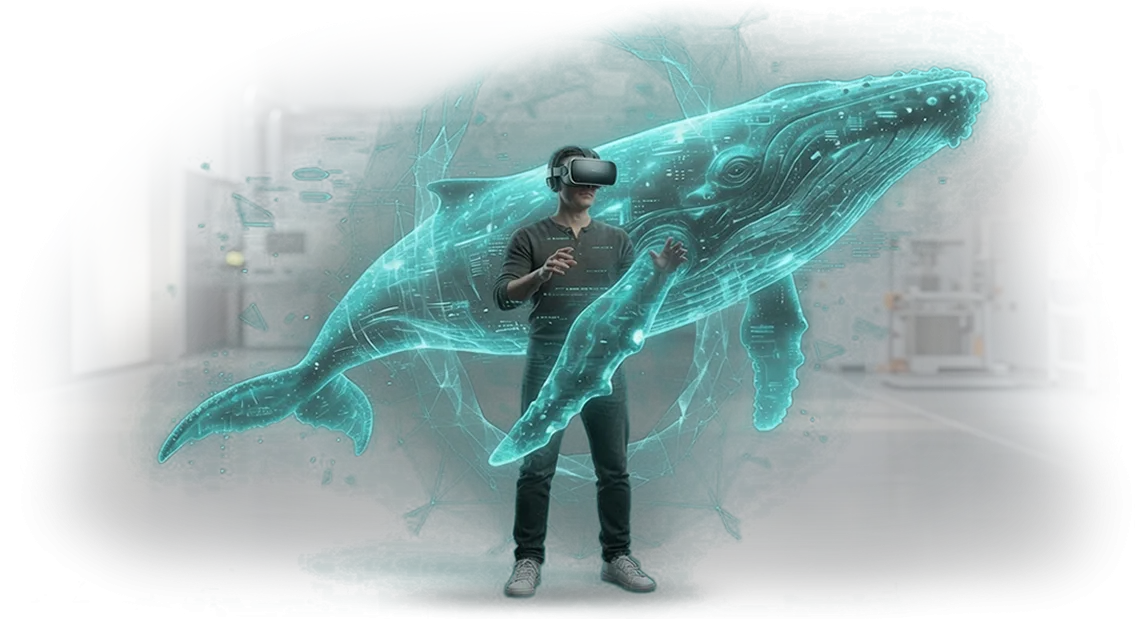
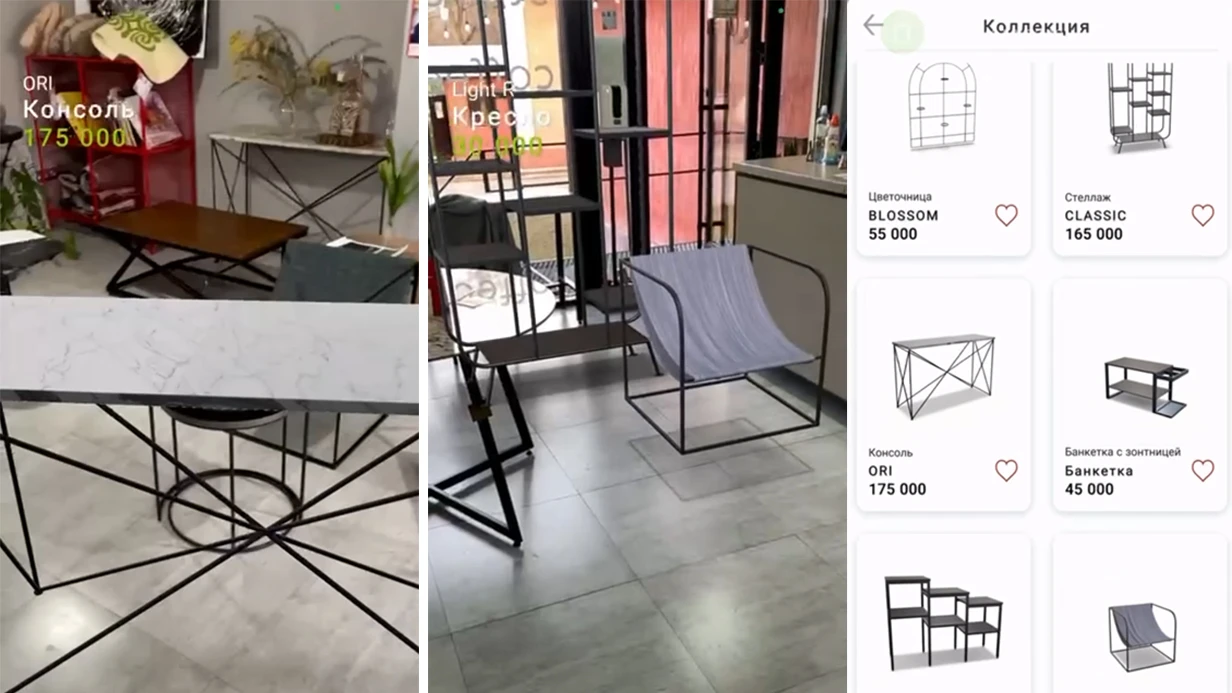
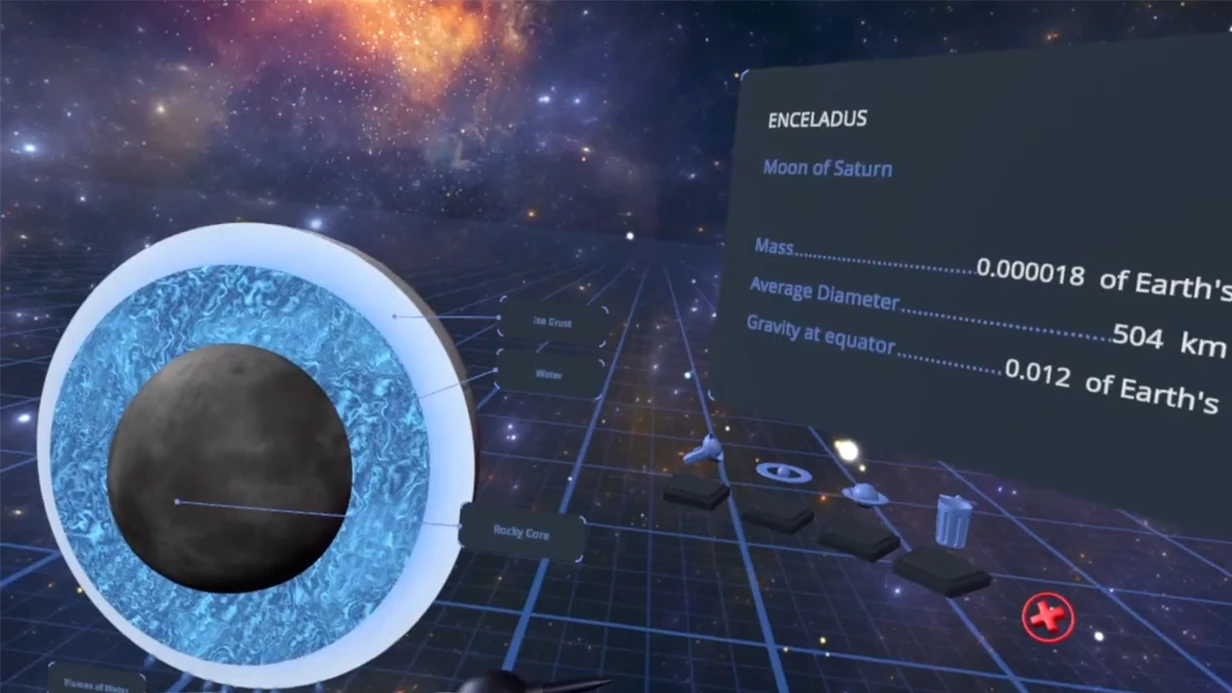


מדוע חממות מפסידות רווח ללא VR/AR ותאום דיגיטלי
כל בוקר של השבתת חממה הוא הכנסה אבודה: מערכות אקלים פועלות ללא תועלת, עובדים מבזבזים שעות על בדיקות ידניות, ובעיות מתגלות רק לאחר שההפסדים כבר התרחשו.
ללא מודל דיגיטלי של המתרחש, ניהול החממה מסתמך על ניחושים ותגובות מאוחרות, וכל טעות של צוות פוגעת בתקציב.
סעיף העלות הסמוי השני הוא הדרכה. עובד חדש זקוק לשבועות כדי לשלוט בתהליכים, תוך עשיית טעויות על גידולים וציוד חיים.
VR למגזר החקלאי מאפשר לתרגל תרחישים בסביבה וירטואלית בטוחה: אדם לומד לנהל אקלים, השקיה וקציר ללא סיכון לגידולים או למכונות.
לבסוף, הצגת מוצר חלשה היא אובדן רווח ישיר. קונים של מנות סיטונאיות ורשתות קמעונאיות לא רואים כיצד המוצר שלכם גדל או אילו טכנולוגיות עומדות מאחורי איכותו.
עם תאום דיגיטלי, אתם מציגים את החממה, התהליכים והסטנדרטים בפורמט תלת-ממדי ברור — זה עובד בצורה משכנעת יותר מכל מסמך.
אנו סוגרים את ההפסדים הללו באופן מקיף: אנו בונים תאום דיגיטלי מדויק של החממה שלכם, מעבירים הדרכה ל-VR, ויוצרים כלי הצגה ללקוחות. אתם מקבלים שליטה, הדרכת צוות מהירה וטיעונים חדשים במשא ומתן.
מה יישום VR/AR/MR מספק למפעל חקלאי בפועל
בעסקי החממות, הכל מסתכם בתזמון, במצב הצמחים ובדיוק עבודת הצוות. כאשר נתונים מפוזרים על פני דוחות ומסמכים נפרדים, טעויות הופכות בולטות מדי מאוחר: דישון יתר, תת-השקיה, אקלים משובש. מנהל צריך לבקר אישית בחממות כדי לשים יד על הדופק.
יישומי VR/AR/MR סוגרים בדיוק את נקודות הכאב הללו. במקום מספרים מופשטים — תמונה ויזואלית ברורה של החממה, ועובדים מקבלים רמזים ישירות במקום העבודה. סט מינימלי של תוצאות מדידות למפעל חקלאי:
- אמון השותפים גדל. קונים ומשקיעים רואים מודל תלת-ממדי של החממה עם נתוני צמחים עדכניים, לא שרטוטים. בהירות ויזואלית מאיצה את ההחלטה לסגור עסקה.
- זמן המנהל נחסך. התאום הדיגיטלי אוסף נתונים ודוחות לתמונה אחת. שלבי גדילה עדכניים ותחזיות יבול זמינים ללא נסיעה לאתר.
- פחות טעויות צוות. רמזי AR על טאבלט מראים מתי להשקות, מה לבדוק ואילו פרמטרים להתאים. עולים חדשים עובדים בביטחון רב יותר, וחלק הפיקוח הידני יורד.
- יותר פניות לקוחות. סיור אינטראקטיבי בחממה והדמיה ריאלית של היבול העתידי מחליפים תמונות שטוחות. קונים פוטנציאליים מקבלים החלטות מהר יותר ומוכנים יותר להגיש פנייה.
כל אחת מהתוצאות הללו קלה למדידה: לפי מספר הפניות החוזרות, מהירות הדרכת הצוות והגידול באחוז המשא ומתן המוצלח.
בצוות שלנו אנו מפתחים יישומי VR/AR/MR בדיוק לסוג כזה של עסק — מאב-טיפוס ועד השקה ותמיכה שוטפת.
פורמטים של פתרון VR/AR/MR לעסקי חקלאות: מסיור ועד סימולטור
בחירת פורמט ויזואליזציה "רק כדי שיהיה" היא טעות יקרה.
סיור VR, הוראות AR וסימולטור MR פותרים משימות שונות: הראשון מציג את החממה לשותפים או משקיעים, השני מפחית טעויות צוות, השלישי מאמן עולים חדשים ללא סיכון ליבול. חשוב להתאים את הפורמט למשימה עסקית ספציפית, לא לטרנד טכנולוגי.
בואו נסתכל על שלושת הפורמטים העיקריים שאנו משלבים בפעילות של מפעלים חקלאיים.
| פורמט | למי זה מיועד | מה זה נותן ללקוח |
|---|---|---|
| סיור VR בחממה | מנהלים, משקיעים, אורחי תערוכות | מציג את הפעילות ללא נסיעה לאתר; חוסך זמן פגישות ובונה אמון |
| הוראות AR | צוות חממה, קוטפים, מפעילים | מנחה את רצף העבודה ישירות בשדה הראייה; מפחית את מספר הטעויות ואת זמן ההדרכה |
| סימולטור MR | אגרונומים, סטודנטים, עובדים חדשים | תרגול פעולות על עותק דיגיטלי של החממה; ללא סיכון לגידולים או לציוד |
אנחנו לא קושרים את עצמנו לטכנולוגיה אחת: אנו בוחרים את הפורמט על סמך המשימה שלכם. צריך להציג את החממה לשותפים עתידיים — סיור VR; להפחית פגמים במהלך הקציר — הוראות AR; להכין את הצוות לעונה — סימולטור MR. במידת הצורך, אנו משלבים פורמטים בפרויקט אחד כדי לכסות גם מכירות וגם הדרכה.
אנו מיישמים את כל הפורמטים על ציוד מקצועי, כך שהתוצאות יציבות בתערוכות, בשטח ובכיתה. נתוני החממה מנוצלים מחדש לפורמטים שונים — אין צורך לבנות מחדש את המודל עבור כל משימה.
כיצד עובד פיתוח תאום דיגיטלי במפתח מלא
בנינו את הפיתוח כך שבכל שלב אתם מבינים מה קורה ואיזו תוצאה תקבלו. אתם עובדים לא עם מומחים בודדים אלא עם צוות שאחראי על המוצר הסופי — מהרעיון ועד לתמיכה לאחר ההשקה.
-
תדרוך והתעמקות במשימה. אתם מספרים לנו על המטרות שלכם: למה אתם צריכים תאום דיגיטלי, מי ישתמש בו ואילו תרחישים חשובים. אנו שואלים שאלות ומבהירים פרטים כדי להבין את המאפיינים הספציפיים של החממה שלכם ואת היעדים העסקיים שלכם.
-
אישור קונספט ותוכנית עבודה. אנו מכינים תוכנית עם שלבים, לוחות זמנים, הרכב צוות ונקודות ביקורת. אתם רואים מה קורה בכל שלב ויכולים לבצע שינויים לפני תחילת הפיתוח — זה מונע סטיות בלתי צפויות באמצע הפרויקט.
-
יצירת מודל החממה הדיגיטלי. על סמך השרטוטים, התמונות והפרמטרים האמיתיים שלכם, אנו בונים עותק וירטואלי — עם מבנה, ציוד ואזורים. אתם מקבלים תוצאות ביניים לאורך הדרך, לא בסוף הפרויקט, כך שתוכלו להעריך מיד את הדיוק.
-
פיתוח תרחישים ואינטראקטיביות. אנו מגדירים כיצד המשתמש יעבוד עם התאום: סיור, הדרכת צוות, הדגמות ללקוחות, בדיקות מצבים. אנו מאשרים כל תרחיש איתכם כך שהיישום פותר בדיוק את המשימות שלכם.
-
בניית היישום ובדיקות. אנו משלבים את המודל, התרחישים והממשק למוצר אחד. אנו בודקים על מכשירים שונים ובמצבים אופייניים כדי להשיג פעולה יציבה. אתם מקבלים גרסה עובדת לאישור סופי.
-
השקה והתקנה באתר שלכם. אנו עוזרים לפרוס את היישום, להגדיר ציוד ולהכשיר את הצוות שלכם. ההשקה עוברת חלק כי הכל נבדק מראש, ואתם יודעים כיצד להשתמש בתוצאה.
-
תמיכה לאחר ההשקה. אנו נשארים בקשר: מעדכנים תרחישים, מוסיפים פונקציות ועונים לשאלות העובדים שלכם. אתם אף פעם לא נשארים לבד עם המוצר — הוא ממשיך לעבוד ולהתפתח.
בסופו של דבר, אתם מקבלים לא רק יישום אלא כלי המשולב בתהליכים שלכם שמספק ערך: הדרכה, מצגות, ניתוח או בקרה.
שלבים שקופים, אישורים קבועים ואחריות ברורה הם הערובה לכך שהפרויקט יגיע להשקה וימשיך לעבוד לאחר מכן.
מה כלול במסירה של יישום VR/AR/MR לחממה
אתם מקבלים לא רק יישום אלא פתרון מוכן שעובד בשטח מהיום הראשון. אנו מוסרים חבילה מלאה: ממוצר מוגדר ועד להדרכת צוות ותמיכה לאחר ההשקה. להלן היקף המסירה כדי שתבינו על מה אתם משלמים.
- יישום VR/AR/MR עובד למשימות שלכם: תאום דיגיטלי של החממה שמציג תהליכים בזמן אמת ומאפשר לשלוט בהם.
- הדרכת צוות: אנו עורכים מפגשי הדרכה למפעילים ולאגרונומים כך שהצוות יעבוד בביטחון עם המערכת ללא תמיכה מתמדת של מפתחים.
- תיעוד ברור: מדריכים קצרים להפעלה, עבודה יומיומית ופעולות סטנדרטיות — הכל בעברית, ללא פרטים טכניים מורכבים.
- אחריות מוצר: במהלך תקופת האחריות, אנו מתקנים שגיאות ללא עלות ומתאימים את המערכת לתהליכים המשתנים של החממה.
- תמיכה טכנית: ערוץ תקשורת ייעודי עם הצוות שלנו — אנו מגיבים במהירות לשאלות ועוזרים לפתור כל בעיה.
- עדכוני תוכן: אנו מעדכנים באופן קבוע תרחישים, חומרי עזר ואלמנטים ויזואליים כדי לשמור על רלוונטיות היישום.
- תוכנית פיתוח אישית: אנו מציעים אילו פונקציות חדשות ניתן להוסיף בעוד חצי שנה עד שנה כדי שההשקעה תמשיך לספק ערך.
לאחר ההשקה, אתם לא נשארים לבד עם הטכנולוגיה. תמיכה ועדכונים כלולים — כל מה שנשאר לכם הוא להשתמש בתוצאה וליהנות מהתאום הדיגיטלי.
מקרה בוחן: תאום דיגיטלי הגדיל את שיעור ההמרה של חברה חקלאית
חוות חממות מתמודדות לעתים קרובות עם בעיה: קשה להציג את המוצר לקונה — המתקן רחוק, ומצגות ותמונות לא מעבירות את היקף הייצור.
עבור החברה החקלאית «Зелёный стандарт» פיתחנו תאום דיגיטלי של החממה: עותק וירטואלי של המתחם שבו ניתן לבדוק צמחים, לשנות פרמטרי אקלים ולראות כיצד זה משפיע על היבול. הפורמט פתר שתי משימות בבת אחת — מכירות והדרכת צוות.
לקוחות כבר לא נוסעים לאתר; במקום זאת, הם מקבלים סיור אינטראקטיבי מרחוק. עולים חדשים מתאמנים בסביבה בטוחה ולא מסתכנים בטעויות בייצור אמיתי. הפרויקט הראה תוצאות מדידות בחודשים הראשונים.
תוצאות הפרויקט
- שיעור ההמרה של מחלקת המכירות גדל ב-30% — קונים שראו את התאום עברו לחוזה במקום ה"נחשוב על זה" הסטנדרטי.
- מהירות קליטת העובדים הוכפלה: במקום שבוע של תרגול בשטח — כמה שעות בחממה הווירטואלית.
- החברה החקלאית הרחיבה את הפרויקט: תרחישים מתעדכנים עבור זנים חדשים ומשימות עונתיות.
המלצת לקוח
"התאום הדיגיטלי פתר בעיה שכיסינו במשך שנים עם ביקורי אתר יקרים והוראות נייר. המכירות הואצו, והצוות הפסיק לפחד מטעויות. עבורנו זה לא צעצוע, זה כלי עבודה," — ראש חטיבה בחברה החקלאית.
המקרה מראה: עותק וירטואלי של החממה הוא לא בידור אלא ערוץ צמיחה מדיד. פרויקט אחד הניב המרה גבוהה יותר, זמן קליטה קצר יותר ואמון של לקוח שחזר לעוד.
כיצד לבחור פורמט פתרון VR/AR לצרכי החווה שלכם?
כדי לבחור פורמט פתרון VR/AR, פשוט ענו על שתי שאלות: "מה צריך להשתנות בחווה?" ו"מי ישתמש בטכנולוגיה?". הדרכת צוות דורשת גישה אחת, בקרת תהליכים בחממה גישה אחרת, ותכנון יבול גישה שלישית. אין אפשרות אוניברסלית, אבל יש קריטריונים פשוטים לבחירת פתרון תוך יום.
להלן טבלה המתאימה משימות חווה טיפוסיות לפורמט המתאים. היא עוזרת לנווט במהירות ולהימנע מתשלום יתר על פונקציונליות מיותרת.
| פורמט | לאיזו משימה | מה החווה מקבלת |
|---|---|---|
| סימולטור VR | הדרכת עובדים חדשים, תרגול פעולות ללא סיכון לצמחים | הצוות שולט בתהליכים מהר יותר, פחות טעויות בטיפול בגידולים |
| רמזי AR | עבודת האגרונום בחממה: רמזים להשקיה, דישון, איתור בעיות | פחות זמן על בקרה, הפסדים נמוכים יותר מטעויות אנוש |
| תאום דיגיטלי MR | מודלים של "מה אם", תכנון שתילה, ניתוח נתונים | תחזית יבול, אופטימיזציה של משאבים, החלטות רכישה מושכלות |
הטבלה היא נקודת התחלה. הערכת עלות מדויקת ולוח זמנים תלויים בהיקף החממה, מספר העובדים והמאפיינים הספציפיים של הגידולים שלכם.
במהלך ייעוץ אנו מבהירים פרמטרים אלה ומציעים את הפורמט שפותר בדיוק את המשימה שלכם — ללא תשלום יתר על אפשרויות מיותרות.
אם אתם לא בטוחים איזו אפשרות מתאימה, הגישו בקשה. נשלח המלצה והערכה לתרחיש שלכם תוך יום עסקים אחד.
שאלות נפוצות על תאומים דיגיטליים בעסקי חקלאות
תאום דיגיטלי לחממה הוא צעד משמעותי, ולעסקי חקלאות יש שאלות לגיטימיות. לקוחות שואלים על אמינות, לוחות זמנים, תחזוקה וכיצד המערכת תשתלב עם תהליכים קיימים. בצוות שלנו, צברנו ניסיון על פרויקטים כאלה ואנחנו מוכנים להפיג ספקות.
מה אם הציוד יתקלקל?
אנו בונים סובלנות לתקלות: רכיבים קריטיים משוכפלים, וחלקי חילוף נשמרים במלאי. בזמן שהתיקונים מתבצעים, אנו מספקים ציוד חלופי — החממה נשארת תחת שליטה.
כמה זמן לוקח פיתוח תאום דיגיטלי?
בממוצע, חודשיים עד ארבעה חודשים, תלוי בשטח ורמת האוטומציה. רוב הזמן מושקע באיסוף נתונים וכיול; היישום עצמו מתחבר מהר יותר.
מי יתחזק את היישום לאחר ההשקה?
אנו מטפלים בעדכונים, בקרת דיוק ותמיכה טכנית. אתם מקבלים פעולת מערכת אמינה ללא צורך בגיוס מומחה ייעודי.
האם התאום משתלב עם תהליכי החממה הקיימים?
אנו לומדים את הפעולות שלכם ומכלילים את הנתונים בלוח מחוונים שהעובדים שלכם כבר מכירים. הצוות לא צריך להכשיר מחדש — הם פשוט מקבלים כלי חדש לבקרה וחיזוי.
אם יש לכם שאלות נוספות — שאלו אותנו. נסביר כיצד אנו מטפלים במשימות לא סטנדרטיות עבור האתר הספציפי שלכם.בואו נדון בפרויקט התאום הדיגיטלי למתחם החקלאי שלכם
כדי לעבור מרעיון לכלי עובד, פשוט הגישו בקשה להערכת עלות. ניצור קשר תוך יום עסקים אחד ונבהיר את המשימות: אילו תהליכי חממה צריך לדיגיטציה, אילו מדדים לנטר ומי ישתמש בתאום הדיגיטלי.
על סמך זה, נספק ייעוץ — נספר אילו פתרונות באמת עובדים במתחמים חקלאיים, כיצד הם משפיעים על היבול וכיצד הם מפחיתים עבודה ידנית. ללא הכללות, רק פרטים ספציפיים למתקן שלכם.
תוכנית העבודה וההערכה המוקדמת יכללו:
- תוכנית איסוף נתונים מחיישני אקלים, השקיה ותאורה;
- מודל תלת-ממדי של החממה והציוד שלה;
- ויזואליזציה בזמן אמת של מדדי מפתח;
- תרחישים למפעילים ומנהלים: מבקרת מיקרו-אקלים ועד תחזית יבול;
- אינטגרציה עם מערכות חשבונאות קיימות;
- שלבי יישום ולוחות זמנים לכל אחד מהם.
ללא תשלום עד שראיתם את התוכנית וההערכה. אם הפרויקט יתברר כלא מעשי, נגיד לכם בכנות — אבל בפועל, רוב הלקוחות עוברים ליישום לאחר האישור הראשון.
הגישו בקשה להערכת עלות: זה לא מחייב אתכם להזמין, אבל זה נותן לכם הבנה מלאה של היקף העבודה, לוחות הזמנים והתקציב. ההחלטה נשארת בידיכם.