



מדוע רשת חימום זקוקה לתאום דיגיטלי לבקרת אובדן חום
בכל עונת חימום, מנהל רשת חימום נתקל באותה בעיה: אובדן חום מתגלה מאוחר מדי. נתוני מכשירי המדידה מראים את המאזן הכולל בין מקור החום לצרכנים, אך אינם עונים על השאלה המרכזית — היכן בדיוק ומדוע אובד חום.
צוותי תיקון נשלחים לאחר שהתקלה כבר אירעה, כאשר הנזק פגע בשכונות מגורים, והמוקדן רק מתעד את היקף מה שקרה.
תאום דיגיטלי של רשת החימום משנה את הגישה. הוא מאחד נתונים על מצב הצנרת, עומסים וטמפרטורות למודל אחד הפועל בזמן אמת.
המוקדן רואה לא קריאות מפוזרות אלא תמונה מלאה: היכן זרימת נוזל הקירור חורגת מהנורמה, היכן הטמפרטורה יורדת לפני המועד, איזה קטע דורש מעקב. זו בקרת אובדן — לא לאחר תאונה, אלא בשלב שבו הבעיה מתחילה להתפתח.
עם מודל כזה, ניטור הצנרת הופך לתהליך שיטתי במקום חיפוש תקלות חירום. תיקונים מתוכננים נקבעים על פי מצב הרשת בפועל, לא לפי לוח שנה או לאחר אירוע.
שיעור התקלות יורד מכיוון שנקודות מסוכנות מזוהות מראש. המוקד מקבל כלי ברור לתעדוף עבודות: מה לתקן קודם, היכן מספיקה תצפית, והיכן נדרשת החלפת קטע.
אנחנו כבר מיישמים תאומים דיגיטליים של רשתות חימום — זה עונה על הצורך בבקרת אובדן שקופה ונותן להנהלה מקור אמת יחיד על מצב הצנרת.
הרשת מתחילה להיות מנוהלת על סמך נתונים במקום ניחושים: אתה רואה אובדנים לפני שהם הופכים לתאונות ומתכנן תיקונים בעלות מינימלית.
אילו תוצאות אתה מקבל מהטמעת מודל דיגיטלי
פעולת רשת צפויה ללא תקלות
תאום דיגיטלי של רשת חימום הופך את הכאוס של תאונות לתהליך ניתן לניהול. המודל אוסף נתונים מחיישנים ונקודות חום בזמן אמת, כך שאתה רואה את מצב הצנרת על מסך במקום ללמוד על בעיה משיחת מוקדן.
המערכת מדגישה אזורי סיכון מראש — היכן בלאי או מצבי פעולה חורגים מהנורמה. אתה מרוויח זמן לתיקונים מתוכננים במקום תיקוני חירום יקרים. עבור החברה, זה אומר פחות השבתות, פחות חוסר שביעות רצון של תושבים ופחות קנסות.
הפחתת עלויות לתיקונים ולרכישת חום
המודל מציג אובדנים בפועל בכל קטע רשת. דוחות נוצרים אוטומטית: אתה יכול לראות היכן צינורות מחממים את האוויר והיכן יש חימום חסר לצרכן הקצה. זה מאפשר לך לחסוך ברכישת דלק ונוזל קירור במקום לשלם על ג'יגה-קלוריות עודפות.
שקיפות הנתונים מסירה מחלוקות עם ארגוני אספקת משאבים. כל דיאלוג על עומסים ואובדנים מבוסס על נתוני המודל במקום על חישובי נייר. זה מגן על התקציב שלך ומאיץ הסכמות על מצבי פעולה.
תמונה אחידה לבקרה וקבלת החלטות
ההנהלה מקבלת תמונת מצב יחידה של הרשת: דרכוני מתקנים, היסטוריית פעילות, פרמטרים נוכחיים. אין צורך לאסוף מידע ממערכות ודוחות שונים — המודל עונה על השאלה "מה קורה עכשיו" תוך שניות.
ההטמעה מתבצעת על תוכנה מקצועית, והעובדים צריכים רק יום או יומיים כדי להתחיל לעבוד עם המודל.
התוצאה נקבעת לאחר ההשקה — מחלקת התפעול משתמשת בתאום הדיגיטלי של רשת החימום מדי יום לבקרת תשתית, בעוד אתה מפחית שיעורי תקלות ורואה תוצאות במספרים.
פורמטי הטמעה: מאפליקציות ניידות ועד חדרי VR
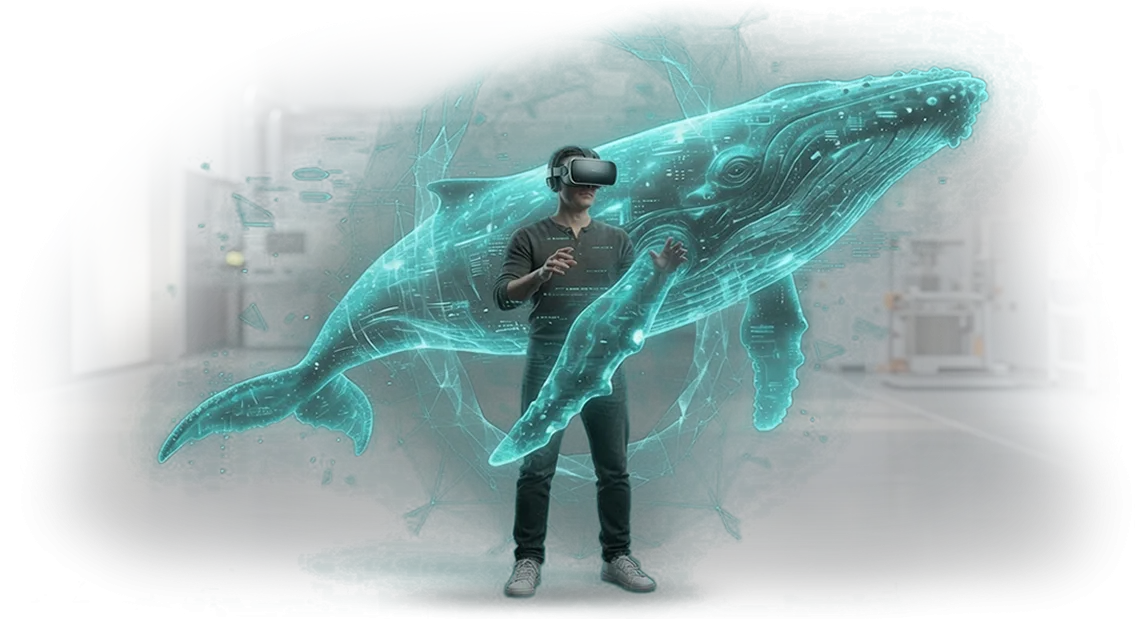
תאום דיגיטלי של רשת חימום נדרש ברמות שונות: למוקדן, לצוות תיקון, לעובד חדש ולמנהל. לכן אנחנו לא קושרים את עצמנו למסך אחד אלא בוחרים את המדיה המתאימה למשימה.
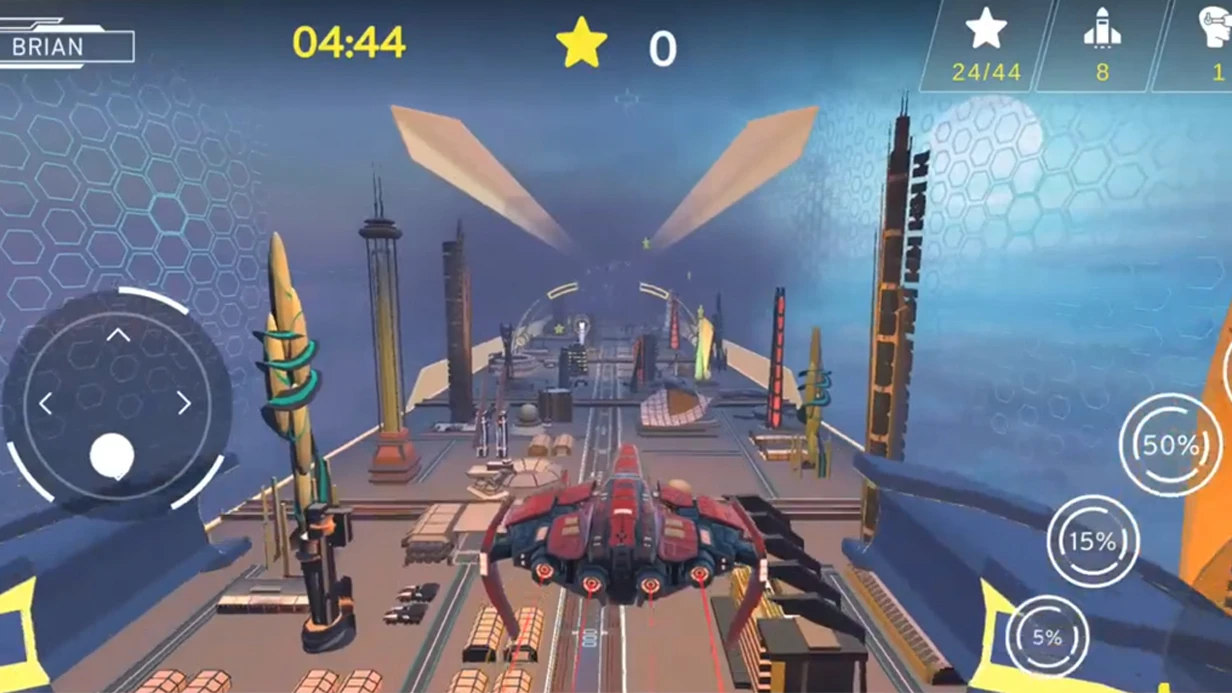
טאבלט נוח בשטח, קסדת מציאות מדומה מספקת הדרכה חווייתית, ועמדה נייחת עובדת בחדר הבקרה. התאום נשאר מערכת אחת — רק הממשק לאינטראקציה משתנה.
| פורמט | למי | מה זה נותן ללקוח |
|---|---|---|
| אפליקציה ניידת | מנהלים, פיקוח טכני | גישה מהירה למצב הרשת הנוכחי מהטלפון — ללא צורך בביקור בחדר הבקרה |
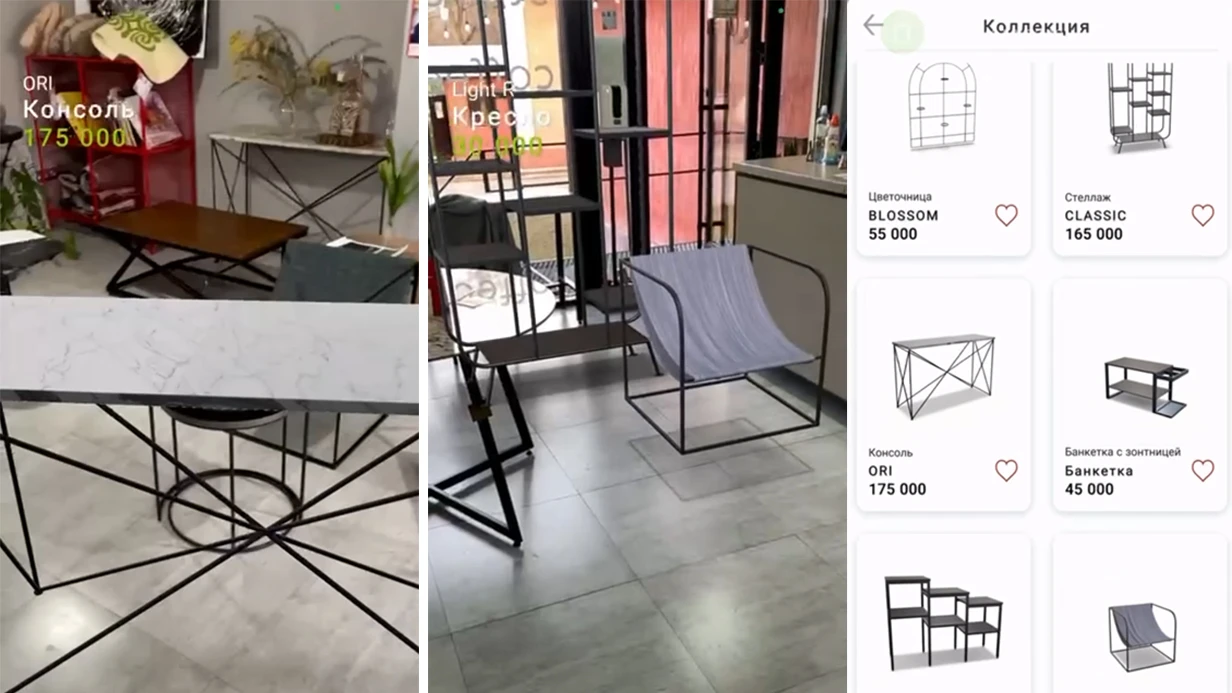
| אפליקציית AR לטאבלט | צוותי שטח, מתקינים | הצגת נתוני התאום על גבי האובייקט האמיתי: אזורים ונקודות בעייתיים נראים מיד |
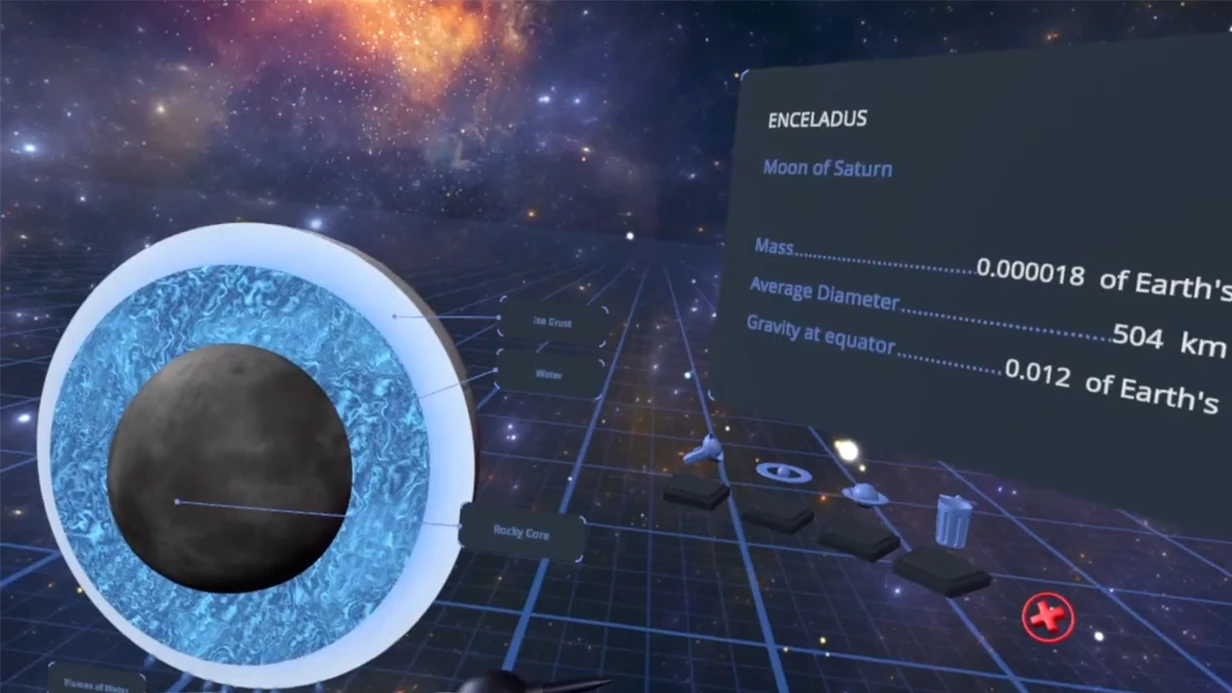
| סימולטור הדרכה VR על קסדת מציאות מדומה | מפעילים, כוח אדם חדש | הדרכה ותרגול למצבי חירום ללא סיכון לרשת האמיתית |
| עמדה אינטראקטיבית | חדר בקרה, מרכז הדרכה | מפת רשת חימום ויזואלית בפורמט גדול לפגישות וסקירות אירועים |
הפורמטים אינם מתחרים זה בזה; הם משלימים זה את זה. סימולטור VR מקצר את זמן הקליטה של עובדים חדשים, אפליקציית AR מאיצה בדיקות ופיקוח, ועמדה עוזרת לקבל החלטות מהר יותר בישיבות תכנון.
אם המשימה משתנה, ניתן להעביר את התאום למדיה אחרת — השקעות הפיתוח לא אובדות.
שלבי יצירת עותק דיגיטלי של מתקן תשתית
בנינו את התהליך כך שתראה תוצאות בכל שלב ותבין מה קורה עם התקציב ולוח הזמנים. אין "קופסאות שחורות": אחרי כל שלב אנו מתעדים תוצאות ביניים, אתה מאשר אותן — ורק אז אנחנו ממשיכים. זה מבטל סיכונים והוצאות מיותרות עוד לפני ההשקה.
-
בריף וסקירת נתוני מקור. אנו מנתחים את המשימות שלך, בוחנים דיאגרמות, מפות ומאגרי נתונים קיימים של רשת החימום. אנו קובעים אילו אובייקטים ופרמטרים צריכים להיכלל בעותק הדיגיטלי תחילה.
-
אב טיפוס של המודל הדיגיטלי. על קטע אמיתי של הרשת, אנו מדגימים את הגרסה הבסיסית — מראה, הרכב נתונים, לוגיקת ניווט. אתה רואה איך התוצאה תיראה ומבצע התאמות לפני השקעת משאבים משמעותית.
-
פיתוח העותק הדיגיטלי המלא. אנו ממלאים את המודל בכל מרכיבי רשת החימום: צינורות, צמתים, מבנים, שסתומי סגירה — הכל במערכת אחת מאוחדת.
אנו מקשרים אובייקטים למאפייניהם כך שהמודל עונה על שאלות מעשיות: מה נמצא איפה, באיזה מצב הוא, ולאיזה קטע הוא שייך.
-
אימות ובדיקות. אנו משווים את המודל לנתונים בפועל ועם מומחה התפעול שלך. אנו מאתרים אי-התאמות, משכללים מאפיינים — ורק אז מסיימים את תוצאת הביניים.
אנו בודקים עם תרחישים אמיתיים: איתור קטע, שליפת מידע, תכנון מסלול בדיקה.
-
שילוב בתהליכי עבודה. אנו פורסים את העותק הדיגיטלי על המכשירים או השרת שלך ומגדירים גישה למוקדנים ומהנדסים. אנו משלבים אותו עם מערכות קיימות כך שהמודל הופך לכלי עבודה ולא "חלון ראווה להנהלה".
-
הדרכת צוות. אנו מקיימים מפגשים מעשיים עם הצוות שלך: איך לפתוח אובייקט, למצוא נתונים, להשאיר הערה ולייצא דוח. אנו מספקים הוראות קצרות ונשארים זמינים לאחר ההשקה — עד שהעובדים בטוחים בשימוש במודל.
רצף זה מבטיח שתקבל פיתוח מבוקר ללא הפתעות, והעובדים שלך מקבלים כלי שבו הם באמת ישתמשו.
מה כלול במסירה: הרכב המודל הדיגיטלי
לאחר סיום הפרויקט, אתה מקבל לא רק "תמונה" של רשת החימום אלא כלי עבודה יחד עם כל חומרי המקור. כל הנכסים נשארים רכושך — אתה יכול להשתמש בהם ללא הגבלות, לשכלל אותם ולמסור אותם לכל צוות קבלן.
הנה חבילת המסירה המלאה:
- מודל תלת-ממדי מפורט של רשת החימום — צינורות, תחנות שאיבה, נקודות חום ושסתומי סגירה עם גיאומטריה מדויקת. זה נוח לבדיקת אובייקטים, אימות פריסות והסבר החלטות לעמיתים.
- נתוני מקור מובנים — שרטוטי מדידה, מאפייני דרכון של ציוד, דיאגרמות כפי שנבנה. הכל מרוכז ברישום אחד במקום מפוזר בארכיוני נייר.
- תיעוד טכני — תיאור ארכיטקטורת המודל, פורמטי נתונים ותקנות עדכון. המהנדסים שלך יכולים להבין את מבנה המודל ללא התייעצות איתנו.
- שילוב חיישנים — המודל מקבל קריאות טמפרטורה, לחץ וזרימה בזמן אמת. במקום תמונה סטטית, אתה רואה איך הרשת פועלת כרגע ויכול לעקוב אחר חריגות.
- תרחישי ויזואליזציה ואנליטיקה מוכנים — הצגת קטעי חירום, חישובי אובדן חום, זיהוי אזורים בעייתיים. אלה לא נתונים גולמיים אלא דוחות ודיאגרמות ברורים להנהלה.
- הוראות וחומרי הדרכה — מדריכים קצרים לצוות שלך: איך לפתוח את המודל, להפעיל את השכבה הנדרשת ולייצא נתונים. אין צורך בהכשרה; קריאת תזכיר מספיקה.
- פלטפורמה לצפייה במודל — ממשק אינטרנט או אפליקציה הפרוסים בצד שלך. המודל משמש דרך דפדפן רגיל, ללא רכישת ציוד נוסף או רישיונות מיוחדים.
חבילת המסירה מותאמת לרשת החימום הספציפית ולמשימות הלקוח, אך המינימום המפורט נשמר בכל פרויקט. אנו מעבירים קבצי מקור וזכויות שימוש, כך שאינך תלוי בנו להמשך פיתוח המודל.
אם你需要 להוסיף קטעי רשת חדשים, לשנות תרחישים או לחבר נתונים נוספים — אתה יכול לעשות זאת בבית או להזמין כל צוות מתמחה.
מקרה בוחן: איך מודל וירטואלי מצא נזילה בצינור ראשי
מפעיל רשת חימום הסתמך על בקרה סטנדרטית המבוססת על מדידות נקודתיות ובדיקות מתוזמנות. גישה זו לעתים קרובות מפספסת פגמים נסתרים: פרמטרים בקטע בעייתי חורגים מעט אך אינם חורגים מהנורמה בנפרד. זה בדיוק מה שקרה בצינור ראשי אחד — עד שהצוות חיבר את הכלים הדיגיטליים שלנו.
איך המודל מצא את הנזילה הבלתי נראית
פרסנו תאום דיגיטלי של הרשת עבור החברה TeploGrad. הוא לא רק הציג נתונים נוכחיים אלא השווה אותם להיסטוריית הפעילות ולמצבים צפויים.
לאחר מספר שבועות של ניתוח, המודל סימן קטע באורך כקילומטר שבו זרימת נוזל הקירור חרגה בעקביות מהערך המחושב ב-3-4%.
בנפרד, זה היה בטווח שגיאת המדידה, אך בהתבסס על שילוב האינדיקטורים, המערכת הצביעה על נזילה סבירה.
צוות שטח בדק את הקטע ומצא את הפגם לפני שהסלים לתאונה. התיקון ארך יומיים במקום שבוע, ואובדן החום במסלול זה ירד בכמעט שליש.
עבור החברה, זה אומר חיסכון בעבודות חירום, פיצויים לצרכנים והשבתת רשת. הטמעת המודל הדיגיטלי החזירה את ההשקעה תוך עונת חימום אחת.
למה זה חשוב לרשת שלך
המקרה עם TeploGrad הוא טיפוסי: אובדן חום אמיתי כמעט תמיד גבוה יותר ממה שנראה במכשירי מדידה.
התאום הדיגיטלי מראה היכן לחפש את הבעיה ומאפשר לחסל אותה בשלב מוקדם — ללא חפירות יקרות לאורך כל הצינור הראשי.
אם אתה מנהל רשת חימום ורוצה להפחית אובדנים, התחל בניתוח של קטע בעייתי אחד — נשמח להראות לך איך זה עובד.
למה אתה צריך תאום דיגיטלי של רשת חימום?
רשת חימום היא קילומטרים של צינורות שאי אפשר לשלוט בהם בעין בלתי מזוינת. אובדן חום, נזילות נסתרות או בלאי קטעים מתגלים רק בדיעבד, כאשר אירוע הופך לתאונה ולהוצאות חדשות.
לכן, השאלה המרכזית היא לא האם יש צורך במודל דיגיטלי, אלא כמה אתה מפסיד בעבודה עיוורת.
תאום דיגיטלי מאחד קריאות מפוזרות לתמונה מלאה של הרשת — בכל רגע אתה יכול לראות היכן הטמפרטורה יורדת, היכן העומס עולה, ואיזה קטע דורש תשומת לב.
זה מחליף עשרות דוחות וביקורי שטח: כל הרשת לפניך על מסך אחד, והחלטות מתקבלות בדקות במקום בימים.
ההחזר על ההשקעה בנוי מחיסכון ספציפי בעלויות. אובדן חום בדרך לצרכן מופחת, הוצאות דלק ותחזוקה ממוטבות, וחיי הציוד מתארכים.
בפועל, המודל מחזיר את ההשקעה כבר בעונת החימום הראשונה — באמצעות מניעת תאונות, קנסות ותיקונים לא מתוכננים.
ערך נוסף הוא צעדי מניעה. המודל חוזה איזה קטע יישחק מוקדם יותר מאחרים, היכן הלחץ קריטי, ומה צריך לבדוק בבדיקות מתוזמנות. במקום תיקוני חירום — עבודה מבוקרת עם תקציב ולוח זמנים ברורים. אתה מפסיק לנחש מה יקרה בחורף ומקבל כלי שמציע החלטות מראש.
בעצם, תאום דיגיטלי הוא הביטוח שלך נגד הוצאות בלתי צפויות ובסיס ראיות להשקעות מתוכננות.
ההנהלה מקבלת לא ערימת נתונים אלא תשובות מוכנות לשאלות "מה קורה ומה לעשות" — וזו התוצאה המרכזית: שליטה ושקט נפשי במהלך עונת החימום.
שאלות נפוצות על הטמעת פתרונות דיגיטליים
הטמעת תאום דיגיטלי של רשת חימום אינה החלפת התשתית הקיימת אלא שכבה נוספת של ניתוח וחיזוי. היא מאפשרת לראות את מצב הרשת בזמן אמת, למצוא נקודות חולשה ולקבל החלטות על סמך נתונים במקום הנחות.
כשפרויקטים כאלה עולים, לקוחות נוטים לשאול שאלות דומות: האם זה יהיה קשה, כמה זמן תימשך ההטמעה, האם הנתונים מאובטחים, והאם המודל יאבד רלוונטיות לאחר שינויים ברשת.
אספנו תשובות לחששות הנפוצים ביותר כדי שתוכל להעריך את תהליך ההטמעה ללא סיכון מיותר.
האם אצטרך להחליף לחלוטין ציוד או תוכנה?
לא. התאום הדיגיטלי מונח על גבי המערכות שבהן אתה כבר משתמש ומנצל את הנתונים שאתה אוסף היום. אנו מגדירים אינטגרציה לפי התשתית שלך, כך שהעובדים ממשיכים להשתמש בכלים המוכרים — ללא השבתה או שינויים פתאומיים בתהליכים.
כמה זמן תימשך ההטמעה?
לוחות הזמנים תלויים בהיקף ובמוכנות הנתונים. לקטע פיילוט, מספיקים מספר שבועות — אתה מקבל אב טיפוס עובד וממצאים ראשוניים. פריסה מלאה על פני כל הרשת אורכת בדרך כלל מספר חודשים. אנו מפרקים את הפרויקט לשלבים עם תוצאות ברורות כך שתראה התקדמות מההתחלה.
עד כמה מאובטחת העבודה עם נתוני רשת החימום?
הנתונים נשארים בתוך המרחב שלך: אנו מגדירים גישה לפי התקנות הפנימיות שלך. בקרת גישה מבוססת תפקידים, הצפנה וגיבוי — הכל מסופק. רק עובדים מורשים יקבלו גישה למודל — אתה שולט מי רואה איזה נתונים.
מה קורה לתאום לאחר מודרניזציה של רשת החימום?
המודל אינו סטטי — הוא מתעדכן יחד עם שינויי הרשת. כאשר מתווספים קטעים חדשים, צינורות מוחלפים או מצבי פעולה משתנים, אנו מתאימים את התאום כך שימשיך לשקף את התמונה האמיתית.
תמיכה שוטפת מסופקת: עדכונים קבועים, בדיקות דיוק וסיוע למפעילים בעבודה עם המודל.
אם עדיין יש לך שאלות, כתוב לנו — נסביר איך הפתרון מתאים למצב הספציפי שלך ואילו שלבים ניתן להשיק כבר עכשיו.דון בפרויקט התאום הדיגיטלי שלך
הצעד הראשון לקראת תאום דיגיטלי של רשת חימום הוא שיחה על המשימה שלך, לא צלילה לפרטים טכניים. ספר לנו איך הרשת בנויה כיום, אילו נתונים אתה אוסף, והיכן נקודות הכאב — אובדן חום, תאונות, תכנון תיקונים. נייעץ לך מאיפה להתחיל ואילו תוצאות ריאליות במקרה שלך.
השאר בקשה לייעוץ, ובתמורה תקבל:
- הערכת עלות ראשונית לפרויקט המותאמת להיקף ולמטרות שלך;
- הצעה מסחרית עם היקף העבודה ושלבי ההטמעה;
- הערכת לוח זמנים להשקת התאום הדיגיטלי;
- דוגמאות לפתרונות לרשתות חימום דומות;
- המלצות על מקורות נתונים וציוד נדרש;
- תוכנית ברורה של צעדים ראשונים ללא עבודה נסתרת או חיובים נוספים.
גם לאחר הדיון הראשון, תבין איזו השפעה יכול התאום הדיגיטלי לספק: הפחתת אובדנים, בקרת מצב צנרת וחיזוי תאונות. זו לא תיאוריה מופשטת — אנו תומכים בפרויקטים מבריף ועד השקה ולוקחים אחריות על התוצאה.
מלא את הטופס או כתוב לנו — נחזור אליך בזמן נוח, נענה על שאלותיך ונכין הערכת עלות. כדי להתחיל, מספיק הודעה קצרה: "אני רוצה לדון בתאום דיגיטלי לרשת חימום." אנחנו נטפל בשאר.