



מדוע תאום דיגיטלי של תחנת כוח רוח מפחית סיכוני פרויקט
אנרגיית רוח כוללת נכסים הפזורים על פני עשרות קילומטרים, לוגיסטיקה מורכבת ודרישות בטיחות מחמירות. כל טעות בשטח גורמת לזמן השבתה, תיקונים ואובדן ייצור.
במקביל, ניטור מצב כל טורבינה רק באמצעות דוחות פירושו לשים לב לסיכונים מאוחר מדי ולפעול בעיוורון. חברות מפסידות כסף ומוניטין, ותיקון ההשלכות עולה יותר ממניעה.
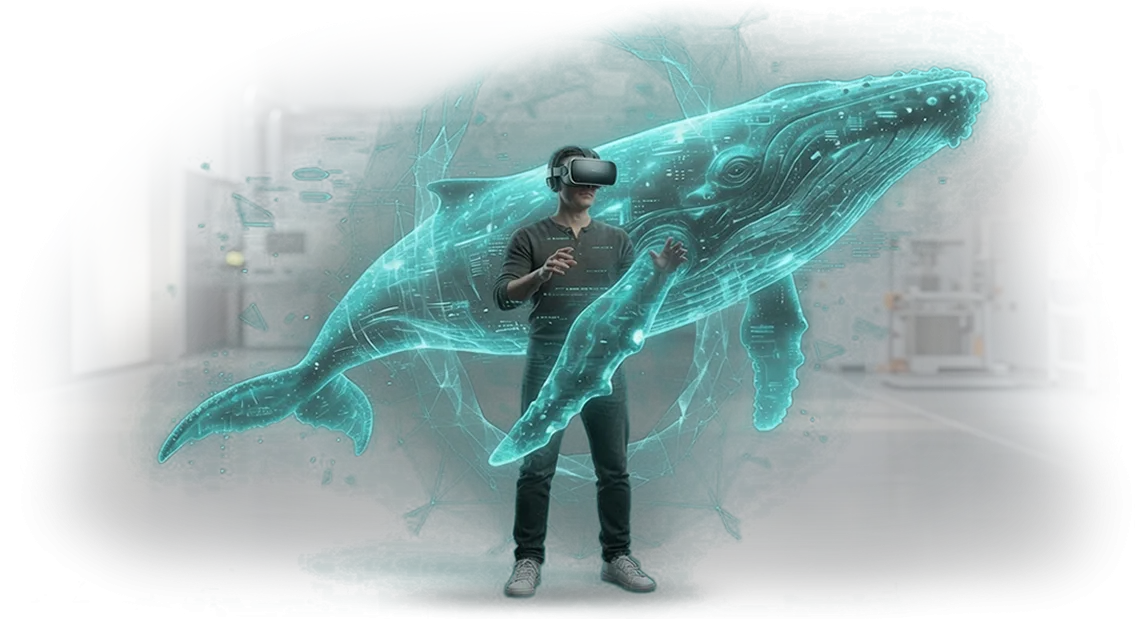
תאום דיגיטלי של תחנת כוח רוח מעביר את כל המתקן לסביבה וירטואלית ומאחד נתוני תפעול לתמונה אחת.
מנהלים ומהנדסים רואים את מצב הציוד, אזורי הסיכון ונקודות החולשה ללא נסיעה לאתר, ותחזוקה מתוכננת מתבצעת לפני שתקלה עוצרת את הייצור. גישה זו מפחיתה הן את הסבירות לתקלות והן את עלויות העבודה הלא מתוכננת. היא גם מאפשרת תכנון תחזוקה על בסיס מצב בפועל ולא על פי לוח שנה.
מה שחשוב במיוחד הוא שתאום דיגיטלי מאפשר לצוות לתרגל את פעולותיו. עובדים לומדים להגיב למצבי חירום, כיבוי חירום ותנאי מזג אוויר קשים — ללא סיכון לעצמם או לציוד.
הם מגיעים לאתר האמיתי מוכנים, מה שאומר פחות טעויות ופחות פציעות. האימון הזה מתבצע בסביבה בטוחה, וניתן להעריך את ביצועי כל עובד באופן אובייקטיבי.
הצוות שלנו מבצע פיתוח מפתח של פתרונות כאלה. כבר בנינו סימולטורים וירטואליים ומאמנים למגזר האנרגיה, ולכן אנו מבינים אילו סיכונים לתעדף וכיצד לבנות מערכת שבאמת מגנה על פרויקט.
אנו לוקחים על עצמנו את כל המחזור — מהמודל הדיגיטלי של המתקן ועד השקת המאמן לעובדים.
אילו משימות פותר תאום דיגיטלי של תחנת כוח רוח
תאום דיגיטלי הוא העתק וירטואלי של תחנת כוח רוח הפועל בסנכרון עם הציוד האמיתי. עבור מנהל, זהו כלי שהופך נתונים מפוזרים ובדיקות ידניות למערכת שחוסכת זמן וכסף. הצוות שלנו יוצר תאומים כאלה במפתח מלא — מניתוח הנדסי ועד פריסה באתר שלך.
יתרון: בדיקה מהירה של טורבינות רוח
בדיקת להבים ובתי גלגלים בגובה היא איטית, יקרה ומסוכנת. תאום דיגיטלי מאפשר לבצע בדיקות מהקרקע: המערכת מציינת אילו רכיבים דורשים תשומת לב ואילו פועלים כרגיל.
זה מקצר את זמן האבחון פי כמה. מהנדס אינו מטפס על הטורבינה שלא לצורך — רק כאשר התאום מראה בעיה פוטנציאלית.
יתרון: אימון בטוח לצוות תפעולי
תרגילי אימון על ציוד אמיתי מסוכנים ודורשים השבתת פעילות. העתק וירטואלי מאפשר לתרגל תרחישי חירום ללא סיכון לאנשים או למכונות: כשלי אוטומציה, קרח על להבים, חוסר איזון עומס.
מפעילים מתאמנים בתנאים הקרובים מאוד למציאות ובונים רפלקסים לפני שהם נתקלים אי פעם באירוע בתחנה האמיתית. זה מגביר את מוכנות הצוות ומפחית את הסבירות לזמן השבתת חירום.
יתרון: ויזואליזציה ברורה של נתונים
חיישני התחנה מייצרים כמויות עצומות של מידע שקשה לקרוא בגיליונות אלקטרוניים. תאום דיגיטלי הופך נתונים אלה למודל תלת-ממדי מובן: אתה רואה את מצב כל טורבינה בזמן אמת, לא שורות של מספרים.
מנהל מקבל תמונה מלאה של כל התחנה, יכול להשוות ביצועים של יחידות בודדות ולזהות במהירות חריגות. זה מאיץ קבלת החלטות ומאפשר תכנון עומס יעיל יותר של ציוד.
יתרון: ניטור מצב ציוד
במקום תחזוקה מתוזמנת "ליתר ביטחון" — שירות המבוסס על בלאי בפועל. התאום עוקב אחר שינויים בביצועי הרכיבים ומאותת מראש היכן יידרש החלפת חלקים בקרוב.
גישה זו מפחיתה השבתות לא מתוכננות ומאריכה את חיי השירות של טורבינות הרוח. אתה יודע מראש אילו עלויות צפויות ויכול לתכנן תקציב ללא הפתעות.
פורמטים של תאום דיגיטלי לשלבי תפעול שונים
תאום דיגיטלי של תחנת כוח רוח אינו מודל סטטי יחיד אלא כלי עבודה הפותר משימות שונות בשלבים שונים.
במהלך הבנייה וההפעלה, קבלה מדויקת של מתקנים היא קריטית; במהלך התפעול, זהו שליטה מהירה והדרכת צוות; ובמהלך מודרניזציה, זהו תכנון שינויים ללא עצירת ייצור.
לכן איננו מפתחים "מודל לכל דבר" אחד — אנו מתאימים את הפורמט למשימה הספציפית.
כל אפשרות משתמשת באותם נתוני תחנה אך מטפלת בהם אחרת — ומספקת תוצאה מדידה ללקוח: מהפחתת זמן השבתה ועד אימון בטוח של עובדים בתרחישים מורכבים.
| פורמט תאום | למי זה מיועד | ערך מעשי |
|---|---|---|
| בדיקה אינטראקטיבית | מהנדסי וטכנאי חוות רוח | מאפשר "להסתובב" במתקן מרחוק, לבדוק את הטורבינה, הרכיבים ודרכי הגישה ללא ביקור באתר. מקצר את זמן האבחון ועוזר לתכנן עבודות תיקון |
| מאמן כוח אדם | מפעילים וצוותי תחזוקה | תרגול מצבים שגרתיים וחירום ללא סיכון לציוד. הצוות צובר ניסיון מעשי בסביבה בטוחה, והמעסיק מקבל ביטחון בפעולות הצוות |
| ניטור ציוד | מנהלים ושירותי בקרה | ייצוג ויזואלי בזמן אמת של מצב הציוד. חריגות נראות מיד על סקירת התחנה הכללית, מה שמאיץ תגובה ומפחית הפסדי השבתה |
| קבלה והפעלה | קבלני תכנון ובנייה | אימות מצב המתקן בפועל מול הפרויקט לפני מסירה פיזית. מאפשר לזהות פערים בשלב מוקדם ולהימנע מעבודות חוזרות |
בחירת הפורמט תלויה באיזה שלב קריטי עבורך כרגע. אם אתה צריך להאיץ השקה — אנו מתמקדים בקבלה; אם הפחתת תקלות היא העדיפות — בניטור ואימון.
בכל המקרים, אתה מקבל בסיס דיגיטלי אחיד שאינו מתיישן ומתרחב למשימות חדשות.
כיצד מתנהל פיתוח התאום: מבריף ועד השקה
חשוב ללקוח להבין כיצד תתנהל העבודה כדי לתכנן תקציב, עומס צוות ולשלוט בתוצאה. לכן בנינו תהליך שקוף: אתה משתתף בנקודות מפתח, וכל הבעיות נפתרות לפני שמתחיל פיתוח יקר.
- בריף פיתוח — אנו מגדירים את מטרות התאום: הדרכת צוות, מצגת למשקיעים או ניטור ציוד. אנו קובעים תרחישים, הרכב נתונים והתוצאה הרצויה.
- תוכנית והערכת עלות — אנו מתארים שלבים, לוחות זמנים ותחומי אחריות. אתה מקבל הערכת עלות עם רשימת עבודות ברורה, ללא חיובים נסתרים.
- עיצוב תרחישים — אנו מתארים תרחישי תפעול: סיור בטורבינה, תרגול תגובת חירום, הדגמות תהליך. אנו מיישרים את ההיגיון לפני כתיבת קוד כלשהו.
- אישור אב טיפוס — אנו מציגים מודל אינטראקטיבי המבוסס על החומרים שלך. אתה רואה את הממשק ואת עומק ההתעמקות ויכול לבצע שינויים לפני ייצור מלא.
- פיתוח ובדיקות מלאות — אנו בונים את הגרסה המלאה של התאום ובודקים אותה על נתונים והתקנים אמיתיים. אנו מתקנים כל בעיה לפני שהפתרון מגיע אליך.
- השקת פתרון — אנו מתקינים את המערכת, מאמנים את העובדים שלך ומוסרים תיעוד וגישה. אתה מקבל כלי עבודה מלא במפתח מלא.
- תמיכה ופיתוח — אנו נשארים בקשר לאחר ההשקה: עדכון תוכן, הוספת תרחישים וסיוע בשינויי ציוד.
גישה זו מונעת את הבעיות האופייניות — דרישות מעורפלות, אישורים ארוכים ועלויות בלתי צפויות. אתה תמיד יודע היכן עומד הפרויקט ומה תקבל כתוצאה.
מה כלול במסירה וביישום
יישום פתרון VR בארגון נתקע בדרך כלל לא בגלל הטכנולוגיה אלא בגלל חבילה לא מלאה: האפליקציה קיימת, אבל חסרים תיעוד, הדרכה ותמיכה. בנינו את המסירה כך שתקבל מערכת עובדת במפתח מלא.
החבילה כוללת כל מה שצריך כדי להביא תאום דיגיטלי לפרקטיקה יומיומית — מתוכנה ועד הדרכת עובדים ותמיכה טכנית.
אלה אינם רק קבצים טכניים; זו קבוצת כלים המאפשרת לצוות שלך להתחיל במהירות להשתמש בתאום הווירטואלי לאימון, תכנון ותפעול.
- אפליקציית VR מוכנה של התאום הדיגיטלי של תחנת כוח הרוח, מותאמת לתרחישי הייצור ולמשימות העובדים שלך.
- תיעוד תפעולי: מדריכים ברורים, הוראות הפעלה והגדרה ונהלי תחזוקה.
- אינטגרציה עם התשתית שלך: חיבור למערכות חשבונאות פנימיות, טעינת נתונים עדכניים ומודלי ציוד.
- הדרכת עובדים: מפגש למפעילים ומהנדסים, שלאחריו הצוות עובד עם האפליקציה בביטחון ללא סיוע מתמיד שלנו.
- תמיכה טכנית: מוקד שירות, עדכונים שוטפים ותחזוקה מתוזמנת לכל תקופת ההפעלה.
- העברת חומרי מקור וגישה: אתה נשאר הבעלים של הפתרון ויכול לפתח אותו עם כל צוות.
- שיפורים נוספים: אפשרות להרחיב פונקציונליות, להוסיף תרחישים ולכלול מתקנים חדשים ככל שמשימות הארגון גדלות.
תוצאות לאנרגיית רוח: מספרים מפרויקטים שהושלמו
באנרגיית רוח, זמן השבתת טורבינה הוא הפסד ישיר. כל שעת סרק מפחיתה ייצור, ובדיקה באתר מרוחק יכולה להימשך שבועות: הצוות ממתין למזג האוויר, נוסע מטורבינה לטורבינה. בינתיים, חלק מהליקויים אינם מתגלים — הגורם האנושי.
הלקוח, WindTech Energy, מנהל צי של טורבינות רוח במספר אזורים וחיפש דרך להפוך את הבדיקות למהירות ואמינות יותר. במקום ביקורי שטח מסורתיים, פרסנו תאום דיגיטלי של התחנה.
מהנדסים עובדים עם העתק וירטואלי מדויק של המתקן: הם עוברים בין תאים, מתעדים ליקויים במודל התלת-ממדי ורואים מיד את היסטוריית התחזוקה של כל רכיב.
תוצאות היישום מדברות בעד עצמן. הזמן הממוצע לבדיקת אתר ירד מארבעה עשר ימים לשניים — חיסכון של פי שבעה. שגיאות בתיעוד ליקויים ירדו ב-80%: התאום מדגיש פערים ממש בתהליך הבדיקה.
עבור התפעול, זה אומר פחות זמן השבתה, לוחות זמני תיקון צפויים ועומסי צוות ללא "שריפות" בלתי צפויות.
ערך הפרויקט אושר על ידי הזמנה חוזרת. "ציפינו לחיסכון בזמן, אבל קיבלנו שליטה מלאה על הצי: אתה רואה כל טורבינה וכל בעיה, ומתכנן תיקונים ללא נסיעה לאתר", מציין מנהל התפעול. לאחר סבבי הקבלה הראשונים, הלקוח הרחיב את התאום לאתר שכן.
מקרה זה הפך לאמת מידה עבור כל תעשיית אנרגיית הרוח. אנו משכפלים את הגישה בתחנות חדשות, תוך התאמת התאום לטורבינות ונהלים ספציפיים.
זמן הבדיקה, דיוק הנתונים ותכנון התיקונים הופכים לניתנים לניהול — ללא קשר למזג האוויר ולגורם האנושי.
כיצד לבחור את הפורמט המתאים למשימה שלך?
בחירת פורמט תאום דיגיטלי לתחנת כוח רוח מתחילה לא בטכנולוגיה אלא במטרה: להכשיר צוות, להציג את המתקן למשקיע או להאיץ תיקונים?
זה קובע איזה פורמט ישתלם מהר יותר — VR למרכז הדרכה, AR למצגות או מציאות מעורבת לצוות תחזוקה.
ישנם שלושה קריטריונים: מטרה, תקציב ולוח זמנים. אם אתה צריך להכין עובדים לעבודה בגובה תוך חודש — VR מספק תרחישים בטוחים וניתנים לחזרה. אם העדיפות היא לעשות רושם במכרז — מודל AR על טאבלט יכול להיות מוכן תוך שבועות. ואם זמן השבתה הוא קריטי — הנחיות MR על הציוד מקצרות את זמן התיקון.
הטבלה שלהלן תעזור לך לנווט:
| פורמט | מתי לבחור | מה אתה מקבל |
|---|---|---|
| VR | הדרכה, תרחישי חירום, הצגת תחנה שעדיין לא נבנתה | תרגול בטוח ללא סיכונים, תמונה ברורה למשקיעים |
| AR | מצגות, מכרזים, תצוגה בהקשר האתר | השקה מהירה, תקציב צנוע, אפקט "המתקן כבר שם" |
| MR | תחזוקת טורבינות, תמיכה מרחוק | הפחתת זמן השבתה: הוראות ישירות על הציוד |
תקציב ולוח זמנים מחדדים את הבחירה. גרסת AR מושקת תוך כמה שבועות, מאמן VR תוך 1–2 חודשים, פתרון MR — מותאם לתחנה שלך. אנו נציע את הפורמט שפותר את המשימה ללא תשלום יתר על תכונות מיותרות.
תאר את המטרה שלך — אנו נתאים את הפורמט לתקציב וללוח הזמנים שלך ונראה דוגמאות לפתרונות דומים. השאר פנייה — נשיב תוך יום עסקים אחד.
שאלות נפוצות של לקוחות על תאומים דיגיטליים
תאום דיגיטלי של תחנת כוח רוח הוא פתרון בעל חשיבות גבוהה, וללקוחות יש באופן טבעי שאלות לפני התחלה.
לרוב הן נוגעות לא לטכנולוגיה אלא לאמינות: מה קורה אם הציוד נכשל, מאיפה מגיעים הנתונים למודל, כמה זמן ייקח היישום, והאם הפרויקט לא יישאר ללא תמיכה לאחר ההשקה.
אספנו את החששות האופייניים ועונים עליהם ישירות. אם השאלה שלך לא כאן — שאל אותנו, ונסביר בכנות כיצד נפתור את המשימה במקרה הספציפי שלך.
מה קורה אם הציוד או התוכנה נכשלים?
האחריות אינה רק מסמך אלא תהליך עבודה. אנו מגדירים בחוזה את התחייבויותינו לפעולה רציפה וזמני תגובה לאירועים. ארכיטקטורת השרת בנויה עם יתירות, כך שגם אם צומת אחד נכשל, התאום ממשיך לעבוד. נתונים קריטיים נשמרים, והשחזור אורך זמן מינימלי.
יש לנו נתונים מפוזרים על הטורבינות. האם תוכלו לבנות מודל מדויק?
כן. כדי להתחיל, מספיקים פרמטרים בסיסיים: מפרטי ציוד, תפוקת ייצור היסטורית ונתוני תקלות. אנו משלימים אינדיקטורים חסרים באמצעות שיטות חישוב ומחדדים את המודל ככל שמצטבר מידע נוסף. ככל שיש יותר נתונים — כך התחזית מדויקת יותר, אבל התאום מתחיל לעבוד מהיום הראשון.
כמה זמן לוקח הפיתוח ומה משפיע על לוחות הזמנים?
פרויקט טיפוסי אורך בין חודשיים לארבעה חודשים. לוחות הזמנים תלויים במספר הטורבינות, בשלמות נתוני המקור ובמשימות שהתאום צריך לפתור: ניטור בלבד, או גם חיזוי ייצור ואופטימיזציה של תחזוקה. אנו מפרטים את השלבים והתאריכים המדויקים בתוכנית העבודה כך שתוכל לראות את התוצאה בכל שלב.
מה קורה לאחר ההשקה? האם אתם משאירים אותנו לבד?
לא. לאחר ההשקה, אנו תומכים בתאום: עדכון מודלים, התאמה לתנאים חדשים והדרכת העובדים שלך. זמינים פורמטי תמיכה שונים — מייעוץ ועד ניהול מערכת מלא מצידנו. אתה מתמקד באנרגיה ובמשימות תפעוליות, ואנו דואגים לכלי.
בקיצור: הפרויקט שלך מוגן בכל שלב, הסיכונים מחושבים ולוחות הזמנים קבועים בחוזה. השאר פנייה — נשלח תוכנית עבודה ונענה על כל שאלה שנותרה.התחל את הפרויקט שלך עם ייעוץ VR/AR
השאר פנייה לפיתוח — הייעוץ החינמי אורך 30-40 דקות, ובמהלכו אנו מנתחים את המשימה שלך ולא מדברים בהכללות.
תקבל תוכנית קונקרטית של צעדים ראשונים לאפליקציית ה-VR/AR שלך ותבין היכן תאום דיגיטלי יניב תוצאות מדידות.
תאום דיגיטלי של תחנת כוח רוח הוא מוצר מורכב, וללא הגדרת משימה נכונה קל לשלם יתר על אפשרויות מיותרות.
אנו עוזרים לך להימנע מכך: במהלך הייעוץ, אנו מזהים היכן מציאות מדומה תאיץ הדרכת צוות והיכן מציאות רבודה תסייע בהתקנת ציוד ותחזוקה.
לאחר ההזמנה שלך, אתה מקבל:
- תרחיש אפליקציית VR/AR מפותח המותאם למשימה שלך
- הערכת תקציב ולוח זמנים המבוססת על מפרט טכני ברור
- תוכנית יישום לתאום הדיגיטלי של תחנת כוח הרוח
- אב טיפוס של התרחיש המרכזי לפני תחילת הפיתוח המלא
- מנהל פרויקט ייעודי וערוצי תקשורת נוחים
- תמיכה לאחר ההשקה — אנו נשארים איתך כל עוד המוצר פעיל
אינך צריך להיות מומחה טכני כדי לדון בפרויקט. אנו מתרגמים את המשימה שלך משפת העסקים לשפת המפתחים ודואגים להכל — מהתרחיש ועד ההשקה.
השאר פנייה עכשיו — נחזור אליך תוך יום עסקים אחד, נענה על שאלותיך ונציע פורמט שיתוף פעולה. נתחיל בייעוץ, ולאחר מכן נמשיך בקצב שלך.