



תאום דיגיטלי של מתקן אחסון תבואה: למה עסקים מפסידים עד 20% מהיבול שלהם
בזמן שהיבול נמצא בממגורה, העסק ממשיך להרוויח או להפסיד כסף — השאלה היא עד כמה מדויקת התמונה שלך על התהליכים בפנים.
אובדן יבול במתקן אחסון תבואה כמעט אף פעם לא קורה כקטסטרופה אחת: לחות, התחממות ספונטנית, קלקול ותקלות ציוד מצטברים לעשרות אחוזים מהמסה במהלך העונה.
כל אחוז הוא טונות של תבואה שכללת בתוכנית ההכנסות שלך אבל מעולם לא מסרת לקונה.
מערכות בקרה מסורתיות פועלות בדיעבד: ממגורות נבדקות כל כמה ימים, ואות על התחממות יתר מגיע כשהטמפרטורה כבר השפיעה על האיכות.
תאונות במעלית — מסוע שנתקע, שרוול קרוע, עצירה בניקוי — עוצרות את המשלוח ומוסיפות זמן השבתה לוגיסטי לאובדן התבואה.
כתוצאה מכך, ניהול חשבונות התבואה נעשה על נייר ולא לפי המצב האמיתי, והערכת הנזק לביטוח תמיד נמוכה מהנזק בפועל.
תאום דיגיטלי של מתקן אחסון תבואה אוסף נתונים מכל נקודות המתקן למודל אחד שחי בזמן אמת.
הוא רואה היכן הטמפרטורה עולה, היכן הלחות יצאה מהטווח, היכן הציוד עמוס, ומציע מראש מה לבדוק לפני שהבעיה הופכת לתאונה. עבורך, זה אומר שהחלטות מתקבלות על סמך התמונה המלאה, לא על רשימות של מפעיל.
אנחנו בונים תאומים דיגיטליים כאלה במפתח פתוח: אנחנו מתחילים בסקר מתקן, מקימים רשת של חיישנים ומודלים שמתריעים על סיכונים מראש. המטרה שלנו היא שתראה אובדן יבול לפני שהוא קורה ותתכנן משלוחים ברוגע בידיעה שהתבואה בטוחה.
מה פיתוח VR/AR נותן למפעל חקלאי
עבור מפעל חקלאי, אובדן יבול עקב שגיאות אחסון או צוות לא מיומן הוא לא מטרד קטן אלא הפסד כספי ישיר.
סיורים ידניים במתקני אחסון תבואה מספקים מידע באיחור, ו"התנסות בעבודה" למתחילים כרוכה בסיכונים ובזמן השבתה.
הדיגיטציה של החקלאות מסירה את הבעיות האלה: מציאות מדומה ומציאות רבודה מעבירות בקרה והדרכה לסביבה דיגיטלית בטוחה.
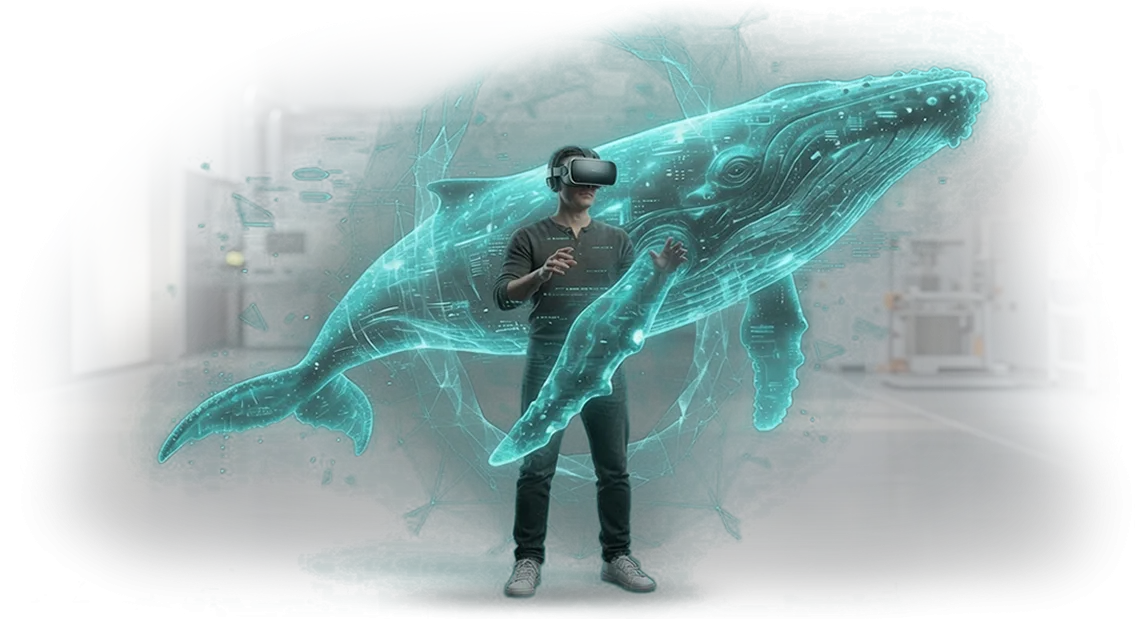
אנחנו מפתחים פתרונות כאלה לעסקים כבר למעלה מ-10 שנים. תאום דיגיטלי של מתקן אחסון תבואה אוסף נתונים מחיישנים ומציג אותם בתלת-ממד — אתה רואה כל מה שקורה במתקן מכל מכשיר.
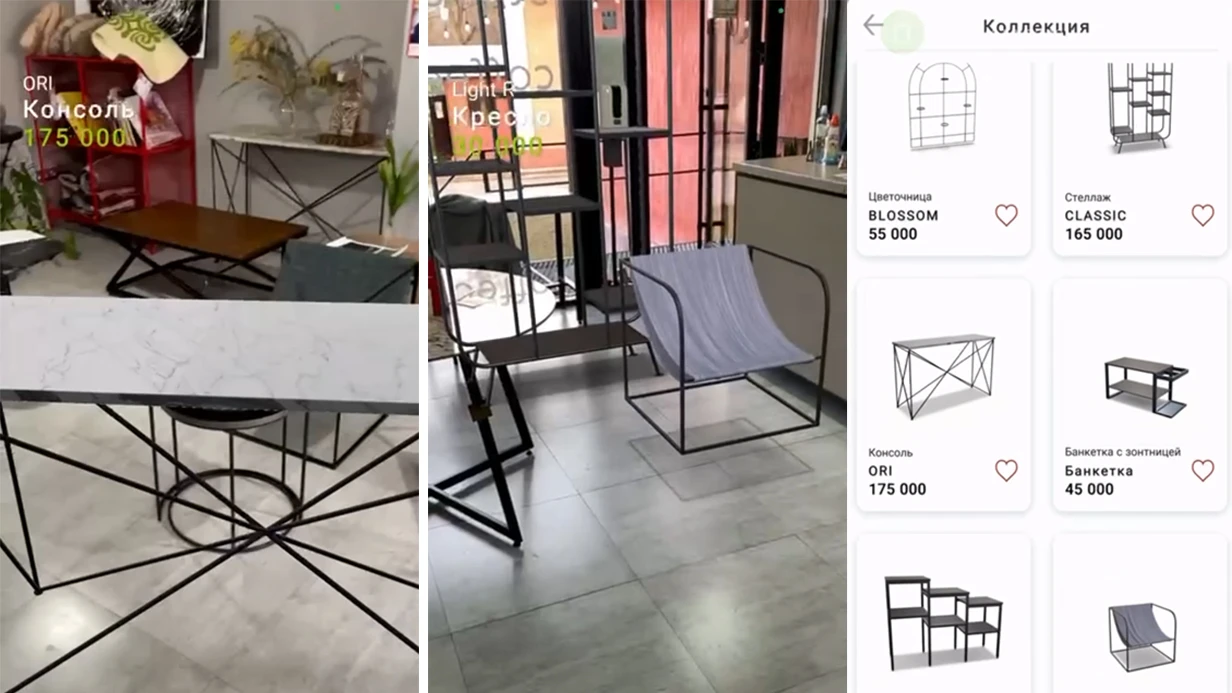
מציאות רבודה מציגה רמזים ישירות על הציוד, וסימולטורי VR מאמנים צוות בלי להפריע לעבודה.
קח את רשימת הבדיקה הזו — בדוק מה רלוונטי עבורך עכשיו:
- [ ] בקרה שקופה על מצב התבואה. במקום סיורים — תמונה עדכנית של טמפרטורה, לחות ורמות מילוי בזמן אמת. אתה מבחין בחריגות מיד, לא שבוע אחר כך.
- [ ] הדרכת צוות ללא סיכון. עובדים חדשים מתאמנים על מודל וירטואלי של מתקן אחסון התבואה: מקבלה ועד מצבי חירום. טעויות לא שוברות ציוד ולא מקלקלות את המוצר.
- [ ] חיסכון בהפסדים ובזמן השבתה. סימולטורי VR מקצרים את זמן הקליטה, ומציאות רבודה עוזרת לצוות הטכני למצוא ולתקן תקלות מהר יותר.
- [ ] פלטפורמת תכנון אחידה. אתה רואה לא רק את המצב הנוכחי אלא גם תחזיות — זה בסיס להחלטות על רכישה, משלוח ומודרניזציה.
- [ ] שיפור בטיחות במקום העבודה. חלק מהבדיקות מועברות לסביבה וירטואלית, פחות אנשים נכנסים לאזורים בסיכון גבוה.
בדוק אילו פריטים מהרשימה הזו כבר דורשים את תשומת לבך. אם לפחות אחד מתאים — הגיע הזמן לדון בפרויקט. אנחנו נעזור לך להעריך את היקף העבודה והיתרונות עבור המפעל שלך.
השאר פנייה — נספר לך איך תאום דיגיטלי של מתקן אחסון תבואה ישתלם בתנאים שלך.
פורמטים של פתרונות VR/AR/MR למתקני אחסון תבואה
פורמטי VR/AR/MR מכסים משימות שונות של מתקן אחסון תבואה: מהדרכת צוות ועד בקרה על כל המתקן. לכן אנחנו לא קושרים את עצמנו לטכנולוגיה אחת אלא בוחרים לפי המשימה העסקית שלך.
עבור מתקני אחסון תבואה, שלושה כיוונים רלוונטיים — סימולטורים, סיוע מרחוק ותאום דיגיטלי.
| פורמט | למי | מה הוא נותן ללקוח |
|---|---|---|
| סימולטור VR | מפעילי מעליות, מכונאים, שירות בטיחות בעבודה | תרגול פעולות במצב חירום או חריג ללא סיכון לאנשים ולציוד. עובד מגיע למתקן כבר מוכן, במקום ללמוד מטעויות |
| תמיכת AR | צוותי תיקון, מומחי שטח, מהנדסים באתרים מרוחקים | הוראות שלב-אחר-שלב ישירות בשדה הראייה — פחות זמן השבתה, איתור תקלות מהיר יותר, אין צורך לחכות למומחה נדיר באתר |
| תאום דיגיטלי של מתקן אחסון תבואה | מנהלי ייצור, מהנדסים ראשיים, שירות תחזוקה | מודל תלת-ממדי של המתקן עם נתוני חיישנים ומצב ציוד. אתה יכול לראות מה קורה במתקן בלי סיור — לתכנן תיקונים ולבחון השערות |
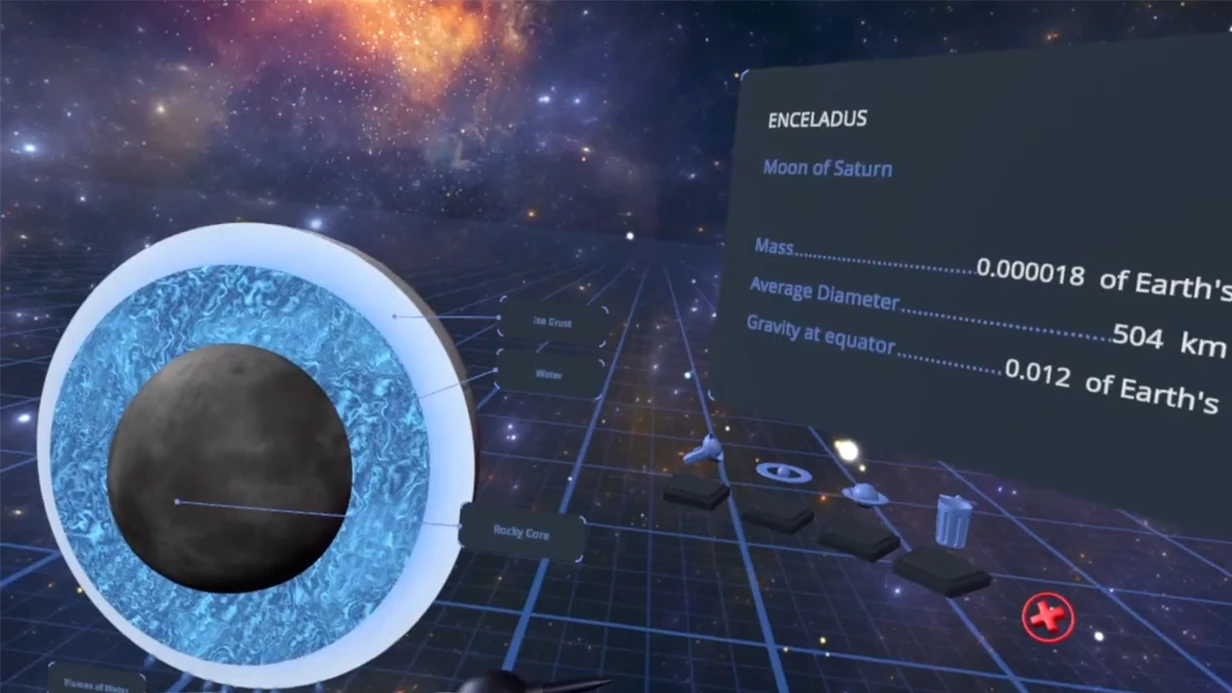
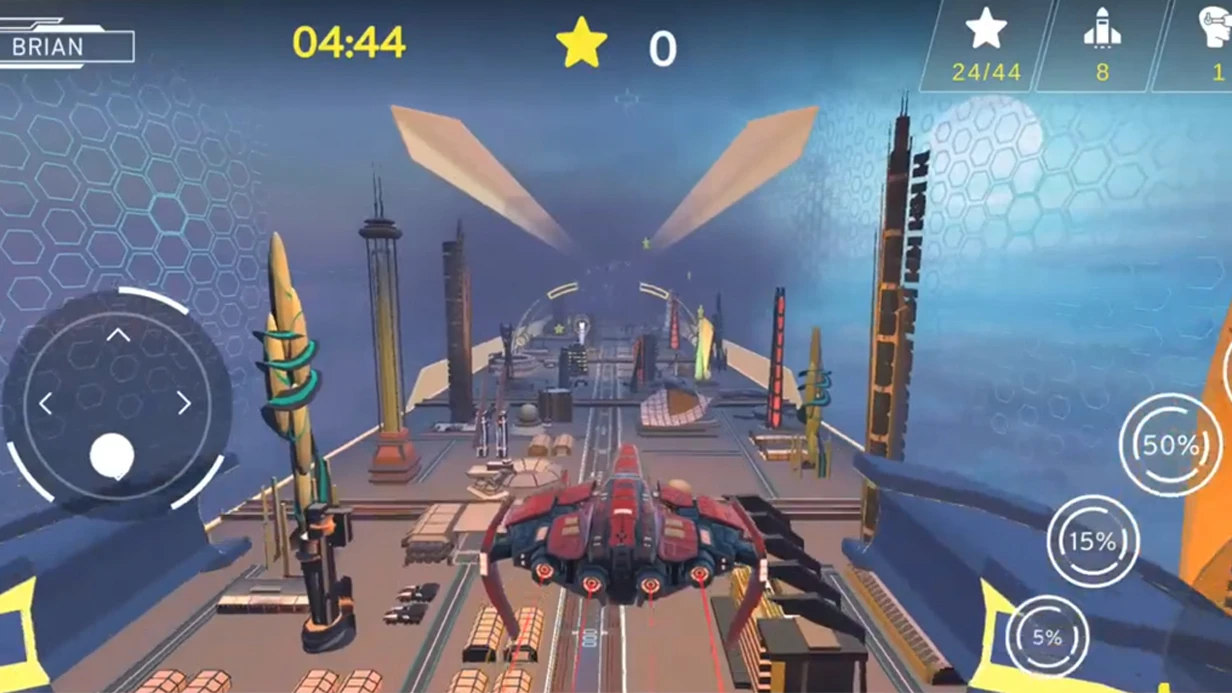
סימולטור VR הוא כאשר הדרכה והערכת מיומנויות מתרחשות במרחב וירטואלי. עובדים מתרגלים רצפי פעולות במהלך קריסת תבואה, שריפה או כשל מכני, והמערכת מתעדת טעויות. הדרכה כזו אורכת שעות, לא שבועות — והצוות פועל בביטחון רב יותר במתקן האמיתי.
תמיכת AR חוסכת זמן וכסף כאשר נדרש מומחה אבל הוא לא יכול להגיע במהירות לאתר. המהנדס מרכיב משקפי AR או משתמש בטאבלט, רואה רכיבים מודגשים ורמזים ישירות על הציוד, בעוד מומחה מרחוק צופה בפעולותיו על המסך. רוב התקלות מתוקנות בניסיון הראשון, בלי תיאומים ארוכים.
תאום דיגיטלי של מתקן אחסון תבואה הוא פלטפורמה לבקרה על כל המתקן. הוא משלב נתונים על מילוי ממגורות, טמפרטורה, פעולת אוורור ומצב מסועים לסצנה תלת-ממדית אחת.
מנהל רואה את התמונה העדכנית בלי סיורים, ומהנדס ראשי יכול "לשחק" תרחיש תיקון או מודרניזציה לפני רכישת ציוד. גישה זו מפחיתה את הסיכון לעצירות לא מתוכננות והופכת את התפעול לצפוי.
ניתן לשלב פורמטים בקלות: אפשר להתחיל עם סימולטור, ואז להוסיף תמיכת AR או תאום דיגיטלי. אנחנו בוחרים את האפשרות למשימה ולתקציב שלך, ואם צריך, מרחיבים את המערכת בשלבים.
העיקר הוא לא הטכנולוגיה עצמה, אלא התוצאה: פחות הפסדים, תגובה מהירה יותר, בטיחות גבוהה יותר.
שלבי הפרויקט: מבריף ועד השקת המערכת
העבודה על תאום דיגיטלי של מתקן אחסון תבואה מתנהלת לפי נוהל שקוף: אתה תמיד יודע באיזה שלב נמצא הפרויקט, מה כבר מוכן ומה יקרה בהמשך. אין "קופסאות שחורות" — רק שלבים ברורים, נקודות בקרה קבועות ותוצאה שאתה מקבל.
- בריף והתעמקות במשימה. אנחנו נפגשים, לומדים את התהליכים שלך: כמה ממגורות יש, איך מתבצעת הקבלה, אילו תרחישי הדרכה צריך לכסות. אנחנו מתעדים מטרות וקריטריוני הצלחה — למשל, מהירות הכנת מפעיל או מספר הטעויות במהלך קבלת תבואה.
- תוכנית פרויקט והערכת עלות. אנחנו מאשרים שלבים, לוחות זמנים והרכב צוות. אתה מקבל מפת דרכים עם נקודות קבלה — אתה מקבל את העבודה בחלקים, לא "הכל או כלום" בסוף.
- אב טיפוס לאישור. אנחנו מציגים גרסת בסיס של המערכת העתידית על הציוד שלך או שלנו. אתה רואה איך ייראה מתקן אחסון התבואה, איפה יופיעו אזורי ניווט ואיך עובד תרחיש ההדרכה.
- פיתוח לפי התרחיש המאושר. אנחנו בונים מערכת VR מלאה: מודל מתקן אחסון תבואה, מודולי הדרכה, סימולציה של מצבי חירום. כל 1–2 שבועות אנחנו שולחים גרסת עבודה — אתה מבצע עריכות בלי לחכות לגרסה הסופית.
- השקה והתקנה. אנחנו פורסים את המערכת על הציוד שלך, מאמנים עובדים לעבוד עם סימולטור ה-VR, מוסרים הוראות ופאנל ניהול — כך שתוכל לשנות תרחישים בלי מפתחים.
- תמיכה ופיתוח. אחרי ההשקה, אנחנו נשארים בקשר: מעדכנים תרחישים, מוסיפים מודולים חדשים, עוזרים להרחיב את התאום לאתרים אחרים. זמן תגובה אופייני הוא 1–2 שעות כדי שההדרכה שלך לא תיעצר.
התוצאה היא תהליך צפוי בלי הפתעות: אתה שולט בתקציב, רואה תוצאות ביניים ומקבל מערכת שמוטמעת מיד בעבודה שלך, לא "פרויקט לשם פרויקט".
מה כלול במסירת פתרון VR/AR
לאחר סיום הפרויקט, אתה מקבל לא "סתם אפליקציה" אלא ערכה מוכנה לשימוש לתאום דיגיטלי של מתקן אחסון תבואה.
המסירה כוללת את המוצר עצמו, תיעוד, הדרכת צוות וזכויות לקבצי מקור — כלומר, אתה הופך לבעלים המלא של הפתרון.
להלן הרשימה המלאה של מה שמועבר ללקוח עם סיום העבודה. היא כבר מותאמת לתהליך שלך ולא תדרוש השקעות נוספות.
-
אפליקציית VR/AR עובדת לתאום הדיגיטלי של מתקן אחסון התבואה. היא מוגדרת למשימות שלך: ויזואליזציה של מלאי, בקרה על תהליכים טכנולוגיים, הדרכת צוות. הפתרון נבדק ומוכן לשימוש יומיומי.
-
מערך תיעוד מלא: מדריכי משתמש ומנהל, הוראות השקה והגדרה. הכל כתוב בשפה פשוטה כך שכל עובד יכול להבין בלי עזרת מפתחים.
-
הדרכת צוות: פנים אל פנים או מרחוק. מפעילים, טכנולוגים ומהנדסים ילמדו לעבוד עם הפתרון ביום אחד וירכשו מיומנויות מעשיות על תרחישי הדרכה.
-
קבצי מקור וכל חומרי הפרויקט. הזכויות לפתרון מועברות אליך במלואן — אתה יכול לשפר אותו עם הצוות שלך או לגייס קבלנים חיצוניים ללא הגבלות.
-
תמיכה באחריות: תמיכה טכנית, עדכונים ותיקוני באגים במסגרת התקופה המוסכמת. אנחנו זמינים ופותרים בעיות במהירות כדי שלא תאבד זמן עבודה.
ערכה כזו היא ביטחון שההשקעות ב-VR/AR לא יהפכו ל"דיסק עם תוכנה" שאוסף אבק על מדף. אתה מקבל כלי עבודה שמוטמע בתהליכים שלך ומספק ערך מהיום הראשון.
מקרה בוחן: תאום דיגיטלי של מעלית AgroHolding
עבור מתקן מעלית, הפסדים מזמן השבתה ובקרה ידנית הם הפסדים משמעותיים על כל טעות. מפעיל לומד על בעיה תוך שעות, לא דקות: הטמפרטורה בממגורה עולה, הלחות חורגת, הציוד נעצר.
AgroHolding פנתה אלינו עם משימה להפוך את התפעול לשקוף וצפוי, ואנחנו הצענו תאום דיגיטלי של כל מתקן אחסון התבואה.
העותק הדיגיטלי אוסף נתונים מחיישנים, משקלים ומצלמות למודל וירטואלי אחד. במקום טבלאות וגרפים — סצנה אינטראקטיבית שניתן לצפות בה מכל נקודה.
המפעיל רואה רמות מילוי ממגורות, מצב מסועים, מדדי איכות תבואה ותרחישי פעולה לחריגות. הצוות עובר הדרכה בסימולטור VR, כך שעובדים חדשים מתחילים משמרת בלי סיכון לציוד.
תוצאות היישום
במהלך העונה הראשונה, זמן ההשבתה ירד ב-25%, ודיוק הבקרה הגיע ל-98%. צוות השיגור החל להבחין בחריגות בשלב המוקדם ביותר: זמן התגובה השתפר פי 2–3, אובדן התבואה ירד, ומספר הבדיקות הידניות צנח בחצי.
ההנהלה קיבלה לוח מחוונים עם מדדי מפתח — מניצול קיבולת ועד רווחיות על כל אצווה. זה אפשר קבלת החלטות מהירות יותר על קבלה, אחסון ומשלוח בלי לצאת מהמשרד.
אחרי העונה הראשונה, הלקוח הרחיב את הפרויקט לשני סניפים. זה המדד הטוב ביותר לכך שהתאום הדיגיטלי משתלם לא בתיאוריה אלא בעבודה היומיומית.
איך לבחור פורמט פתרון VR/AR למתקן אחסון התבואה שלך?
בחירת פורמט פתרון VR/AR למתקן אחסון תבואה מתחילה לא בטכנולוגיה, אלא במשימה שאתה רוצה לפתור. דבר אחד הוא לאמן עובדים בבטיחות, דבר אחר הוא להראות למשקיעים את פעולת המתקן עם מספרים אמיתיים.
המשימה היא שקובעת את התקציב, לוחות הזמנים וסוג הפיתוח, לא ההפך.
| פורמט | מתי לבחור | מה הוא נותן ללקוח |
|---|---|---|
| סימולטור VR | אתה צריך לתרגל פעולות צוות במצבים נדירים או מסוכנים | הדרכה בטוחה בלי עצירת ייצור, הערכה אובייקטיבית של פעולות כל עובד |
| הוראות AR | עובדים צריכים רמזים ישירות במתקן | פחות שגיאות בתחזוקת ציוד, קליטה מהירה של מומחים חדשים |
| תאום דיגיטלי | אתה צריך לנהל את המתקן, לראות את מצבו בזמן אמת ולהדריך על עותק עדכני | שליטה מלאה בתהליכים, פחות זמן השבתה, בסיס ויזואלי להדרכה |
| סיור VR/AR נייד | צריך להציג את המתקן ללקוחות, שותפים או הנהלה | הצגה אפקטיבית של יכולות המפעל בלי ביקור באתר |
קריטריוני הבחירה המרכזיים הם תקציב, לוחות זמנים והמטרה העיקרית. אם אתה צריך במהירות ובזול להראות את המתקן "בדיגיטל" — סיור נייד מספיק.
אם המשימה היא להפחית תאונות ושגיאות צוות — השקעה בסימולטור תשתלם דרך הפחתת זמן השבתה וקנסות. פורמט שנבחר נכון חוסך בתקציב: אתה לא משלם יותר מדי על מורכבות שלא נדרשת למשימה הנוכחית שלך.
אנחנו עוזרים לך לבחור פורמט למשימות ולתקציב שלך, במקום להציע "את היקר ביותר" מהקטלוג. אנחנו מצהירים בשקיפות על לוחות זמנים ושלבים, ומראים מה תקבל בכל שלב.
כתוצאה מכך, אתה משלם על פתרון משימה ותוצאה שניתן למדוד: מהירות הדרכה, הפחתת סיכונים, ערך הצגה מוגבר של המתקן.
ספקות נפוצים של לקוחות לגבי פרויקטי VR/AR למתקני אחסון תבואה
לפני הזמנת פרויקט VR/AR למתקן אחסון תבואה, לכל מנהל יש את אותן שאלות: האם נשלם יותר מדי, האם הייצור ייעצר במהלך היישום, מי יתקן את המערכת, ומתי יופיעו התוצאות הראשונות. אלה ספקות נורמליים — בואו נעבור עליהם לפי הסדר.
"זה יקר. מתי הפרויקט ישתלם?"
תרחיש VR/AR משתלם לא "מתישהו" אלא כבר במחזורי העבודה הראשונים. הדרכת צוות אורכת 40–60% פחות זמן, הסיכון לשגיאות במהלך קבלת תבואה יורד, וזמן השבתה בחירום הופך נדיר יותר.
חשב את העלות של יום השבתה אחד — ותראה שהפרויקט מכסה את עצמו בעונה אחת או שתיים, ואז עובד לרווח שלך.
אנחנו לא מוכרים "טכנולוגיה לשם טכנולוגיה". קודם כל, אנחנו מחשבים את הכלכלה שלך: הפסדים, זמן הדרכה, סיכונים נוכחיים. על סמך המספרים האלה, אנחנו מציעים פתרון עם נקודת החזר ברורה.
"האם קשה לשלב VR/AR בתהליכים הנוכחיים?"
אין החלפה של מערכת החשבונאות או הניהול שלך. כלי VR/AR משלימים תהליכים קיימים: הם עובדים עם הנתונים שלך, לא דורשים עצירת ייצור, ומיושמים במקביל לפעולות רגילות.
במהלך תקופת ההשקה, אנחנו תמיד שם — מלווים את הצוות עד שהפורמט החדש הופך מוכר.
"מה אם הציוד יתקלקל? אנחנו לא חברת IT"
אתה מקבל אחריות על הציוד ועל כל העבודה. אנחנו מאמנים את העובדים שלך, מספקים נהלים ונשארים בתמיכה אחרי ההשקה. אם משהו נכשל, אנחנו מחליפים או מתקנים אותו במסגרת לוחות זמנים מוסכמים כדי שמתקן אחסון התבואה שלך יפעל בלי השבתה. החלק הטכני הוא הדאגה שלנו, לא כאב הראש שלך.
"האם זה בידור או כלי עסקי אמיתי?"
VR/AR במתקני אחסון תבואה פותרים משימות מעשיות: סיורים באתר עם רמזים לעובדים, בקרת מצב ציוד, הוראות בטיחות ויזואליות, תרגול פעולות במצבי חירום.
זה לא צעצוע אלא כלי עבודה שמשפר את איכות התפעול ומפחית סיכונים. התוצאה נראית במדדים: הדרכה מהירה יותר, פחות שגיאות, בטיחות גבוהה יותר.
אנחנו שומעים כל התנגדות במהלך משאים ומתן וכבר למדנו להפוך אותה לתנאים ברורים עבור הלקוח. בוא עם שאלות — נראה את החישוב עבור מתקן אחסון התבואה שלך, נסביר את השלבים ולוחות הזמנים, כך שהפתרון יהיה שקוף עד הפרט האחרון.הזמן פיתוח אפליקציית VR/AR למתקן שלך
עבור עסק שרוצה פתרון VR/AR עובד בלי כאב ראש מיותר, התהליך שלנו מאורגן בצורה שקופה ככל האפשר. אתה לא נכנס לפרטים טכניים — אנחנו דואגים להכל: מהשיחה הראשונה ועד ההשקה והתמיכה.
צעד אחד מפריד בינך לבין הבנה איך בדיוק תאום דיגיטלי של מתקן אחסון התבואה שלך יעזור להפחית עלויות ולהגדיל יעילות.
הכל מתחיל בפנייה פשוטה. אחר כך אתה עובר איתנו חמישה שלבים קצרים:
- פנייה — אתה משאיר פרטי קשר ומתאר בקצרה את המשימה. אנחנו מגיבים תוך יום עסקים.
- ייעוץ — אנחנו דנים במטרות שלך ומראים אילו תרחישי VR/AR באמת יועילו למתקן שלך. בלי לחץ ובלי אפשרויות מיותרות.
- חישוב עלות ולוחות זמנים — אתה מקבל הערכה מדויקת ותוכנית לוח שנה. בלי עמלות נסתרות: המחיר קבוע לפני תחילת העבודה.
- פיתוח במפתח פתוח — אנחנו מתכננים, יוצרים ומגדירים את האפליקציה, מתאמים איתך נקודות מפתח לאורך הדרך. אתה תמיד יודע מה קורה.
- השקה ותמיכה — אנחנו מיישמים את הפתרון, מאמנים את העובדים שלך ונשארים בקשר אחרי ההשקה. אם צריך, אנחנו משפרים את הפונקציונליות.
כתוצאה מכך, אתה מקבל כלי שמשתלם דרך האצת הכשרת צוות, הדגמה ויזואלית של תהליכים והגברת בטיחות. הפנייה תיקח כמה דקות, ואתה תעריך את התועלת אחרי השלב הראשון. השאר פנייה — ונכין עבורך חישוב אישי.