



מדוע מדיה ומוציאים לאור מאבדים קהלים ללא פרויקטי VR
כיום, בתי מדיה והוצאה לאור מתחרים לא רק זה בזה, אלא גם בפלטפורמות וידאו, משחקים ופידי מדיה חברתית. הקוראים בוחרים בפורמט שמספק יותר רגש והשתתפות באותו פרק זמן.
מאמרים וסרטונים רגילים מפסידים לפרויקטים אינטראקטיביים—כך שהקהלים הולכים למקום שבו אפשר לא רק לצפות בתוכן, אלא גם לחוות אותו.
בזמן שאתם מציעים דפים שטוחים ומדיה רגילה, המתחרים כבר משיקים אפליקציות VR ומציאות רבודה. שער מגזין מתעורר לחיים על מסך הסמארטפון, כתבה הופכת לסצנה תלת-ממדית, ונתונים הופכים לגרפיקה חיה.
סוג כזה של התעמקות שומר על קהלי המדיה מעורבים להרבה יותר זמן, מגדיל ציטוטים, ונותן לעסקי ההוצאה לאור הזדמנויות חדשות לפרויקטים מיוחדים, מנויים ואינטגרציות פרסום.
אנחנו סוגרים את הפער הזה: אנו מפתחים אפליקציות VR שמשתלבות בפורמטים עיתונאיים—מגרסאות אינטרנט ועד מהדורות מיוחדות למובייל ואירועים. הלקוח מקבל לא הדגמה לשם הטכנולוגיה, אלא כלי עבודה שמערב קוראים, שותפים ומפרסמים.
זה היתרון שהופך מוציא לאור למוביל היום—אפילו בלי תקציב בסגנון הוליווד.
הטכנולוגיות משתנות כל הזמן, אבל הביקוש לחוויות חדשות גדל מהר יותר. ואם אתם לא מספקים את החוויה הזו לקהל שלכם, המתחרים יעשו זאת—כבר בעונה הקרובה.
מה מקבלים מהטמעת VR/AR בתוכן
התוכן היום מפסיד במאבק על תשומת הלב. פידי המדיה החברתית מציעים פורמטים חיים יותר ויותר, ומאמר רגיל או איור סטטי כבר לא מחזיקים את הקורא.
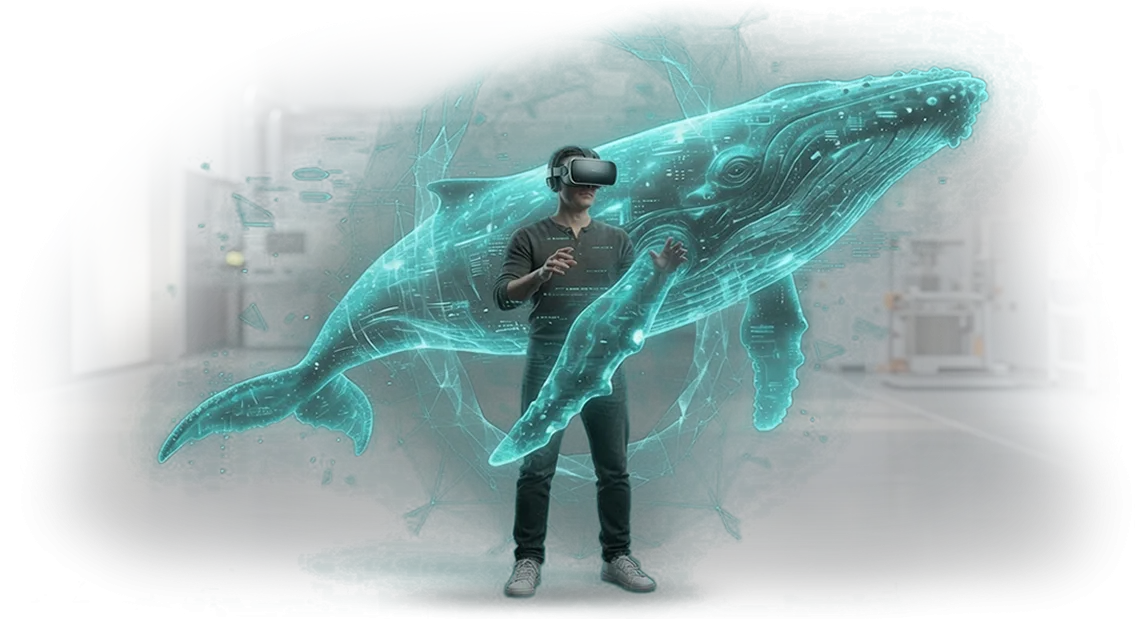
זו הסיבה שמדיה ומוציאים לאור פונים ל-VR ו-AR: הטכנולוגיות האלה הופכות צריכה להשתתפות פעילה. במקום לצפות, אדם מוצא את עצמו בתוך הסיפור, וזה משנה באופן קיצוני את היחס שלו למותג.
ההשפעה הראשונה היא מעורבות גבוהה יותר. כשהקוראים מחליטים בעצמם לאן להסתכל, מה לפתוח ואיך ליצור אינטראקציה עם אובייקטים, הם מפסיקים להיות פסיביים.
סיורים וירטואליים במיקומי אירועים, איורים תלת-ממדיים במגזין, צירי זמן אינטראקטיביים—כל אלה מחזיקים תשומת לב הרבה יותר זמן מאשר טקסט רגיל. זמן השהייה באתר גדל, עומק הקריאה עולה, הביקורים החוזרים גדלים, וחלקם של הקוראים שמסיימים את המאמר גדל.
ההשפעה השנייה היא הכרת המותג. הפורמט הסוחף עצמו הופך לחדשות. אנשים מדברים עליו במדיה החברתית, מצלמים תגובות, משתפים קישורים—הגוף התקשורתי מקבל חשיפה ויראלית טבעית בלי תקציב פרסום נוסף.
במקביל, המותג מקבע את תדמיתו כפרסום מודרני וחדשני, מה שחשוב במיוחד לקהלים צעירים.
לבסוף, מונטיזציה. תוכן VR/AR אפשר למכור כמוצר פרימיום: סיורים וירטואליים בתשלום, שכבות AR בלעדיות למהדורות מודפסות, חומרים תלת-ממדיים בלעדיים.
זה פותח מקורות הכנסה חדשים—ממנויים ועד אינטגרציות שותפים שבהן מפרסמים משלמים על נוכחות לא סטנדרטית בתוך פורמט מבוקש.
אנחנו עוזרים למדיה ומוציאים לאור ליישם פתרונות כאלה במפתח מלא: מרעיון ואב-טיפוס ועד השקה ותמיכה. אתם מקבלים כלי שמגביר מעורבות, מחזק הכרה, והופך תוכן למקור רווח.
פורמטי VR/AR למדיה ובתי הוצאה לאור
מדיה ומוציאים לאור עובדים היום בשני עולמות במקביל: מודפס ודיגיטלי.
הקוראים מצפים שמגזין או ספר לא רק יספרו סיפור, אלא גם יערבו אותם—יאפשרו להם לצפות בוידאו, להיכנס למרחב וירטואלי, או לראות שער "מתעורר לחיים." VR ו-AR פותרים את הבעיה הזו בכך שהם הופכים דף סטטי לחוויה אינטראקטיבית.
הפורמט נבחר לפי מטרה ספציפית: הגדלת מכירות, הארכת מגע עם הקהל, או יצירת אקטואליה. להלן התרחישים המרכזיים שאנו מיישמים עבור מדיה ומוציאים לאור, ומה כל אחד מהם נותן למותג שלכם.
| פורמט | למי מתאים | מה הוא נותן לקהל ולמותג |
|---|---|---|
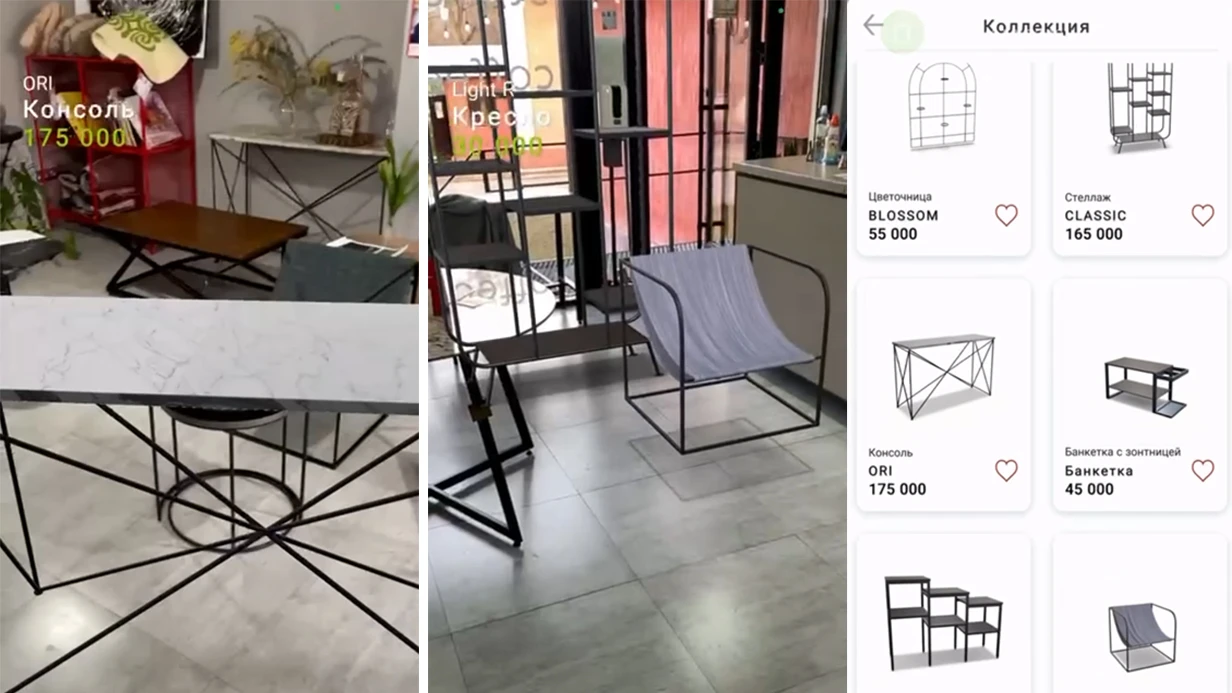
| שער AR | מגזינים, קטלוגים, חוברות | מחייה את הדף: וידאו, מודל תלת-ממדי, חומרים נוספים. הקוראים נשארים עם הפרסום זמן רב יותר |
| סיור וירטואלי | מדריכי טיולים, מוזיאונים, פרויקטים מיוחדים | מאפשר למשתמשים להיות במקום בלי לנסוע. מגביר אמון בפרסום ובמומחיות שלו |
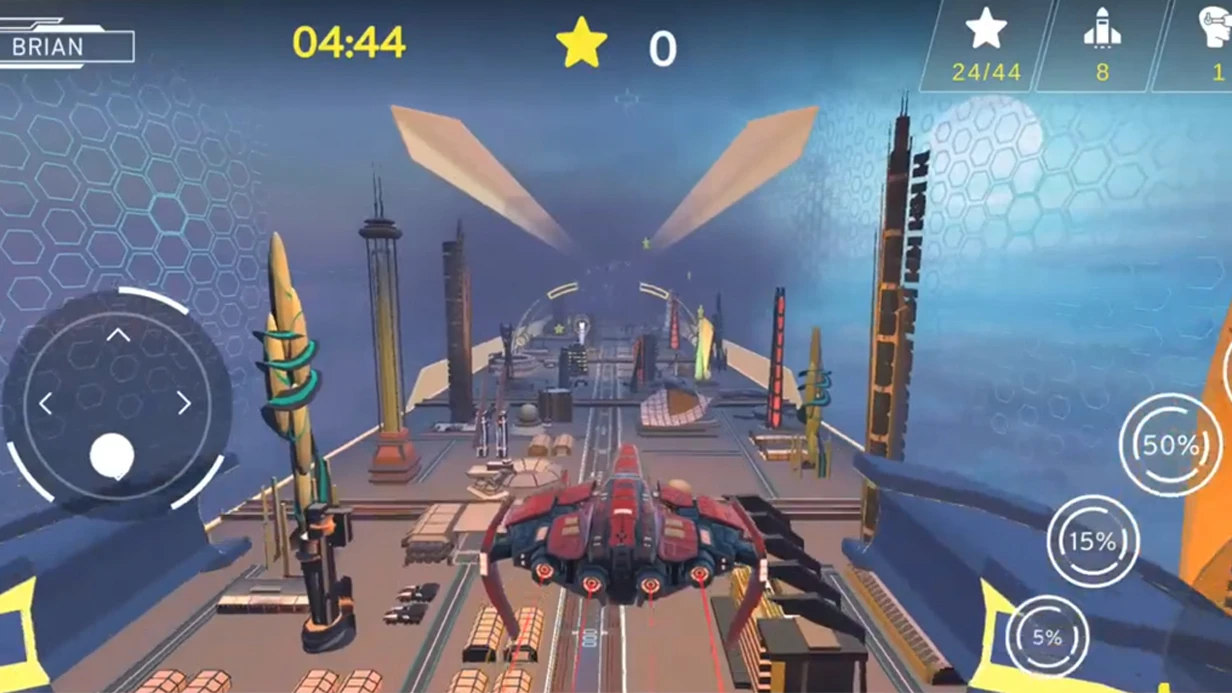
| שערים אינטראקטיביים | ספרים, פרסומים לילדים, אלבומי מתנה | השער הופך לנקודת כניסה למשחק או לסיפור. מעודד רכישה ודיון במדיה החברתית |
| הצגת גיליון VR | פרויקטי מדיה, פרסומי פרימיום | יוצר אירוע סביב השקת הגיליון. מבדל את המותג מהמתחרים |
זו לא רשימה מלאה—הפורמטים משתלבים היטב. לדוגמה, פרויקט מיוחד יכול לכלול גם שער AR וגם סיור וירטואלי. אנחנו נעזור לכם לבחור פתרון לקהל ולתקציב שלכם, ואז ניישם את הפרויקט מרעיון ועד השקה.
איך עובד פיתוח אפליקציות VR
פיתוח אפליקציית VR עבור חברת מדיה או בית הוצאה לאור הוא לא רק יצירת תוכנה; זה תהליך מובנה שבו כל שלב מתקדם לעבר מטרה ספציפית: הגדלת מעורבות הקהל, הגדלת זמן הקריאה, או מונטיזציה של תוכן.
עבדנו עם פרויקטי הוצאה לאור במשך שנים, ולכן אנחנו מבינים את המאפיינים של התעשייה: לוחות זמנים צפויים, תקציב שקוף, וקשר ברור בין המוצר הדיגיטלי למשימות העיתונאיות—כל אלה חשובים. להלן איך נראה תהליך טיפוסי מהפגישה הראשונה ועד ההשקה והתמיכה.
-
בריף והתעמקות במשימה. אנחנו לומדים את הפרסום שלכם, את הקהל ואת מטרות הפרויקט. אנו מזהים את הבעיה שאפליקציית ה-VR צריכה לפתור: שימור קוראים, יצירת פורמט תוכן חדש, או הצעת פלטפורמת פרסום לא סטנדרטית לשותפים. על סמך זה, אנחנו קובעים את הדרישות ואת לוחות הזמנים.
-
תרחיש ואב-טיפוס. אנחנו מפתחים תרחיש משתמש: איך הקוראים נכנסים לאפליקציה, אילו פעולות הם מבצעים, איזה תוכן הם רואים. אנו יוצרים אב-טיפוס אינטראקטיבי—כזה שאפשר "להרגיש" לפני שפיתוח מלא מתחיל. זה מאפשר לנו לאשר את המכניקה ולהימנע מתיקונים יקרים מאוחר יותר.
-
עיצוב והכנת תוכן. אנחנו יוצרים את הסגנון החזותי ומתאימים את התוכן שלכם לפורמט הסוחף: מאמרים, תמונות, סרטונים, אלמנטים אינטראקטיביים. בשלב הזה, אתם רואים איך המוצר ייראה ויכולים להתאים את אופן הצגת החומרים.
-
פיתוח ובדיקות. אנחנו בונים את האפליקציה ובודקים אותה על מכשירים אמיתיים—כולל ה-HTC Vive שאתם מכוונים אליו. אנו בודקים תרחישי אינטראקציה, נוחות ממשק ויציבות. אתם מקבלים גרסאות ביניים ועוקבים אחר ההתקדמות.
-
השקה ואנליטיקה. אנחנו מפרסמים את האפליקציה בחנויות ומגדירים איסוף סטטיסטיקות: מספר התקנות, משך סשן, פעילות משתמשים, המרות לפעולות יעד. הנתונים האלה נחוצים כדי להעריך את ההחזר על הפרויקט ולתכנן פיתוח.
-
תמיכה ועדכונים. אחרי ההשקה, אנחנו לא נעלמים: אנחנו מעדכנים תוכן, מתקנים תקלות, ומתאימים את האפליקציה למכשירים חדשים. אם צריך, אנחנו מוסיפים מדורים ומכניקות שמראים את היעילות הגדולה ביותר. אתם יכולים להתמקד במשימות עיתונאיות בזמן שהחלק הטכני נשאר אצלנו.
בכל שלב, אתם מקבלים דוח: מה נעשה, מה לוחות הזמנים, ומה הלאה. גישה זו מבטלת הפתעות ומאפשרת לכם להתאים את הפרויקט תוך כדי תנועה—בלי לאבד איכות או לשנות את התקציב הכולל.
התוצאה היא פתרון VR עובד שמחזק את המותג שלכם ונותן לקהל שלכם דרך חדשה ליצור אינטראקציה עם הפרסום שלכם.
מה כלול במסירת פרויקט VR/AR
כשאנחנו אומרים "מסירת פרויקט VR/AR," אנחנו לא מתכוונים לקבצים על כונן הבזק. אנחנו מתכוונים לחבילה מלאה שמאפשרת לצוות שלכם להשיק את הפרויקט, להשתמש בו בעבודה היומיומית, ולפתח אותו בלי עזרה מתמדת שלנו. אנחנו מרכיבים את המסירה כך שיהיו לכם גם המוצר עצמו וגם כל הכלים לנהל אותו.
הנה מה שאתם מקבלים לאחר מסירת הפרויקט:
- אפליקציה מוכנה להרצה שעובדת על הציוד הנבחר—מ-HTC Vive ועד מכשירים ניידים. אתם מקבלים גרסה מלוטשת שנבדקה על תרחישי שימוש אמיתיים: תערוכות, מצגות, אירועים עסקיים.
- חומרי פרויקט מקוריים—זה הבסיס לפיתוח עתידי. אם תרצו להוסיף תוכן חדש או לשנות תרחיש, הצוות שלכם יכול לעשות זאת בלי לשכתב את כל הפרויקט מאפס.
- תיעוד ברור—הוראות להפעלה, הגדרה וניהול. כל שלב מתואר: איך להכין מקום, איך לעדכן תוכן, איך לפתור תקלות טיפוסיות. אתם לא צריכים להיות מומחים טכניים כדי להבין את זה.
- הכשרת עובדים—אנחנו מעבירים סדנה קצרה לצוות שיעבד עם הפרויקט. זה לוקח 1-2 שעות, ולאחר מכן האנשים שלכם יכולים להשיק ולתמוך בפרויקט בביטחון בעצמם.
- תמיכה טכנית לתקופת האחריות—אם משהו משתבש, אתם לא תישארו לבד עם הבעיה. אנחנו נשארים זמינים, מגיבים מהר, ועוזרים לשחזר פעולות.
- עדכונים ושיפורים לפי בקשה—הפרויקט חי ומשתנה יחד עם המשימות שלכם. אתם יכולים להזמין סצנות, אינטגרציות ותכונות חדשות בנפרד, בלי להתחיל פרויקט חדש מאפס.
חשוב להבין: אנחנו לא נוטשים אתכם אחרי המסירה. המסירה היא תחילת העבודה. המטרה שלנו היא שהפרויקט ירוץ ביציבות ויניב תוצאות: יערב את הקהל, יחזק את המותג, ויחזיר את ההשקעה.
זו הסיבה שהחבילה תמיד כוללת תמיכה והוראות ברורות—אתם מקבלים לא "קופסה שחורה," אלא כלי ניתן לניהול.
אם אתם רוצים לראות איך נראית חבילת מסירה מלאה באמצעות דוגמאות של משימות דומות—כתבו לנו. נראה פרויקטים אמיתיים למדיה ומוציאים לאור, נדון במשימה שלכם, ונציע פתרון לתקציב וללוחות הזמנים שלכם.
מקרה בוחן: השקת פרויקט VR מיוחד לפרסום פדרלי
בית הוצאה לאור פדרלי אחד פנה אלינו עם משימה: למשוך קהל צעיר יותר לנושא אנליטי מורכב. מאמרים וסרטונים רגילים לא סיפקו את עומק המעורבות הדרוש—הקוראים איבדו עניין מהר.
הצענו את הפורמט של פרויקט VR מיוחד, שמאפשר למשתמשים "לחיות" את הסיפור במקום רק לקרוא עליו.
יחד עם הצוות העיתונאי, פיתחנו תרחיש ויצרנו דוח סוחף שעובד על משקפי מציאות וירטואלית HTC Vive.
המנויים קיבלו חוויה ייחודית—להיות במרכז האירועים מנקודת מבט של גוף ראשון, להסתכל סביב, וליצור אינטראקציה עם אובייקטים. זה הפך לפרויקט ה-VR הראשון בפורטפוליו של הפרסום וסיבה להציג את עצמו כמדיה חדשנית.
מה הפרויקט נתן לבית ההוצאה לאור
בחודש הראשון, יותר מ-12,000 משתמשים עברו את הפרויקט המיוחד—בתערוכה, במשרדי שותפים ובהקרנות פרטיות. הזמן הממוצע במרחב הווירטואלי היה 7 דקות, שזה כמה פעמים יותר מאשר קריאת מאמר רגיל.
פרסומים על ההשקה הביאו תנועה נוספת לאתר הפרסום, ואזור ה-VR עצמו הפך לאלמנט המרכזי של אירוע שאורגן יחד עם מפרסם.
שלושה חודשים לאחר מכן, בית ההוצאה לאור הזמין המשך—שני פרויקטי VR נוספים למדורים אחרים. לפי העורך הראשי, הפרויקט עזר לסגור חוזי פרסום חדשים וחיזק את מעמד המותג כפלטפורמה חדשנית.
עבורנו, זה אישור שמציאות וירטואלית עובדת לא כבידור, אלא ככלי שיווק עיתונאי.
המקרה מראה: פורמט VR מעוצב נכון מחזק את עניין הקהל, מגדיל את זמן השהייה עם המותג, ופותח הזדמנויות מסחריות חדשות לפרסום. אם אתם רוצים את אותה תוצאה—ספרו לנו על המשימה שלכם, ואנחנו נציע פתרון.
איך לבחור את הפורמט הנכון לפרויקט שלכם?
בחירת פורמט צריכה להתחיל לא במפרט טכני, אלא במשימה: מה בדיוק הקורא או המבקר שלכם צריך להרגיש אחרי האינטראקציה. אם המטרה היא התעמקות מלאה בסיפור ותחושת נוכחות, VR מספק את התגובה הרגשית החזקה ביותר.
אם אתם צריכים להשלים את העולם הפיזי בשכבה דיגיטלית—לדוגמה, להחיות שער מגזין או דף קטלוג—AR נוח יותר, כי מספיק סמארטפון או טאבלט.
עבור מדיה ומוציאים לאור, שילוב עובד לעתים קרובות: אירוע VR למסיבת עיתונאים או מצגת, וגרסת AR לשימוש יומיומי באפליקציה או באתר.
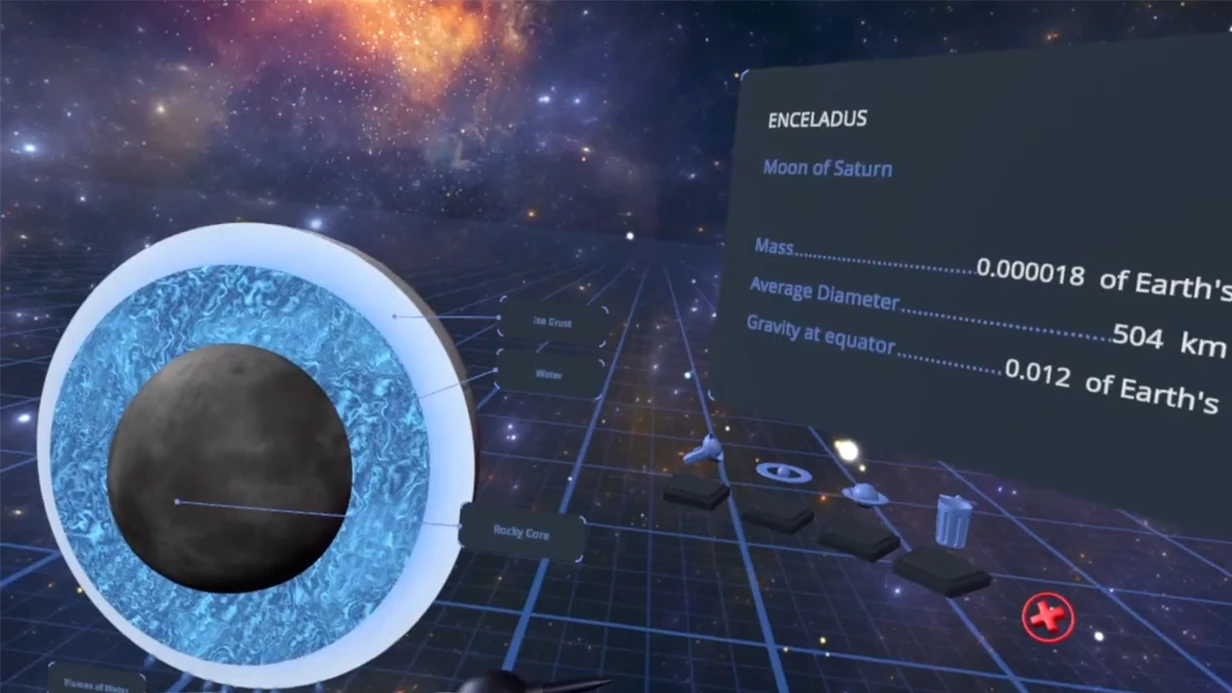
MR מתאים לחומרי למידה אינטראקטיביים ולעבודה משותפת כשצריך לשלב אובייקטים אמיתיים עם אלמנטים דיגיטליים. כל פורמט פותר משימה משלו, ולכן הצעד הראשון שלנו הוא לדון בציפיות הקהל שלכם ובתרחיש השימוש.
אנחנו לא מציעים פורמט "באקראי." בשלב הבריף, אנחנו בוחרים אפשרות מתאימה, יוצרים אב-טיפוס הדגמה קטן, ואם צריך, מציגים אותו לקבוצת מיקוד.
זה מאפשר לנו לבדוק מראש אם התרחיש מובן ואם הוא מעורר את הרגשות הנכונים. כך, אתם מקבלים החלטה על סמך ניסיון אמיתי, לא תיאורים מופשטים.
לאחר הבחירה וההשקה, אנחנו נשארים עם הפרויקט: אנחנו שומרים על תוכן רלוונטי, מעדכנים חומרים, מתאימים למכשירים חדשים, ועוזרים להכשיר את הצוות שלכם.
עבור מדיה ומוציאים לאור, זה חשוב כי תוכן חי ומתפתח—צריך לעדכן אותו בלי לפספס מועדים או לאבד איכות. תמיכה כלולה בחוזה, כך שאתם תמיד יודעים מי אחראי על התוצאה.
אם אתם לא בטוחים בין פורמטים, התחילו בפרויקט פיילוט. זה מפחית סיכונים ונותן תוצאה מדידה להנהלה—תגובת קהל, סטטיסטיקות מעורבות, ומסקנות לקנה מידה. ובכל שלב, אנחנו נייעץ איזה פורמט יהיה היעיל ביותר לנישה הספציפית שלכם.
שאלות נפוצות על פיתוח VR/AR
פתרונות במציאות רבודה ווירטואלית מעלים את אותן שאלות בקרב מדיה ומוציאים לאור: האם נפספס מועדים, האם נצטרך לארגן מחדש את כל התהליכים, מה קורה אם משהו משתבש.
אספנו את החששות המרכזיים ועונים עליהם ישירות—בלי פרטים טכניים, בשפת התוצאות.
כמה זמן לוקח פיתוח VR/AR?
פרויקט טיפוסי לוקח מארבעה עד שמונה שבועות—לוח הזמנים המדויק תלוי בפורמט ובכמות התוכן. אנחנו לא עובדים כ"קופסה שחורה": אנחנו מפרקים את המשימה לשלבים ומראים גרסאות ביניים כדי שתוכלו לראות התקדמות ולערוך שינויים תוך כדי.
לוח הזמנים המוסכם נקבע בהתחלה. אתם תמיד יודעים מה קורה בכל שלב ומתי התוצאה תהיה מוכנה.
כמה קשה לשלב VR/AR בתהליכים הנוכחיים שלנו?
האינטגרציה שקופה ואינה דורשת ארגון מחדש של עבודת הצוות שלכם. אנחנו מחברים את הפתרון למערכת ניהול התוכן, האתר או האפליקציה שלכם—אתם ממשיכים לעבוד בכלים מוכרים.
אנחנו מטפלים בכל הצד הטכני: מהכנת חומרים ועד תצורה סופית. העובדים שלכם רק צריכים לספק את התוכן; אנחנו מכסים את השאר.
אילו ערבויות יש לנו שהפרויקט ירוץ ביציבות?
אנחנו קובעים את הדרישות בבריף ובודקים אותן בכל שלב. לפני ההשקה, אנחנו בודקים את הפתרון על מכשירים אמיתיים וציוד מקצועי כדי להבטיח תוצאה צפויה—בלי הפתעות ביום המצגת.
אחרי ההשקה, אנחנו נשארים זמינים: אנחנו תומכים, משפרים, ופותרים תקלות במהירות. אתם מקבלים מוצר עובד, לא "גרסה גסה."
אם עדיין יש לכם ספקות—כתבו לנו. נראה דוגמאות של פרויקטים למדיה ומוציאים לאור, נדריך אתכם על לוחות זמנים, ונסביר איך אנחנו פותרים משימות דומות לתרחיש שלכם.דונו בפרויקט ה-VR/AR שלכם—נשלח הערכת עלות ולוח זמנים
אתם עובדים במדיה או בהוצאה לאור—ואתם מבינים ש-VR ו-AR הופכים את התוכן שלכם מ"דף" לאירוע. אבל לפני שנכנסים לפרטים, אתם צריכים לדעת את הדברים העיקריים: כמה זה עולה ומתי זה יהיה מוכן. אנחנו דואגים שתקבלו תשובות במהירות ובלי ז'רגון טכני.
השאירו פנייה—תוך יום עסקים אחד נשלח הערכת עלות ולוח זמנים ראשוני לפרויקט ה-VR שלכם.
אנחנו לא גובים "לפי שעה"; אנחנו מעריכים את העלות על סמך התרחיש וההיקף הנדרש: לסרט חינוכי, פרויקט מיוחד אינטראקטיבי, או אזור תערוכה. כך אתם מיד מבינים אם הרעיון מתאים לתקציב שלכם וכמה מהר אפשר להשיק אותו.
מיד לאחר הפנייה שלכם, אתם מקבלים:
- עלות ראשונית וטווח לוחות זמנים ליישום—מהסקיצה הראשונה ועד השחרור.
- תרחיש שימוש: איך מבקרים או קוראים ייצרו אינטראקציה עם ה-VR/AR, ואילו פורמטים יספקו היקף מקסימלי.
- היקף העבודה והשלבים—מה אנחנו עושים ומה אתם צריכים להכין: תוכן, מיתוג, מקום.
- הערכה של הציוד הנדרש ודרישות האתר—אם נדרשת הדגמה בתערוכה או באירוע.
- המלצות לאינטגרציה עם הערוצים שלכם: גרסת אינטרנט לקהל רחב והתעמקות מלאה לאורחים מרכזיים.
- תוכנית צעדים הבאים—מי יפנה אליכם, מה תדונו בפגישה הראשונה, ואילו החלטות צריך לקבל לפני תחילת הפיתוח.
אתם לא צריכים להיות מומחים טכניים—אנחנו נציע את הדרך הטובה ביותר לפתור את המשימה שלכם. תארו את פרויקט ה-VR שלכם בטופס הפנייה: שתיים או שלוש משפטים על מטרות וקהל מספיקים.
ניצור קשר, נבהיר את הפרטים, ונכין הערכת עלות כך שתוך יום תבינו את סיכויי ההשקה.