

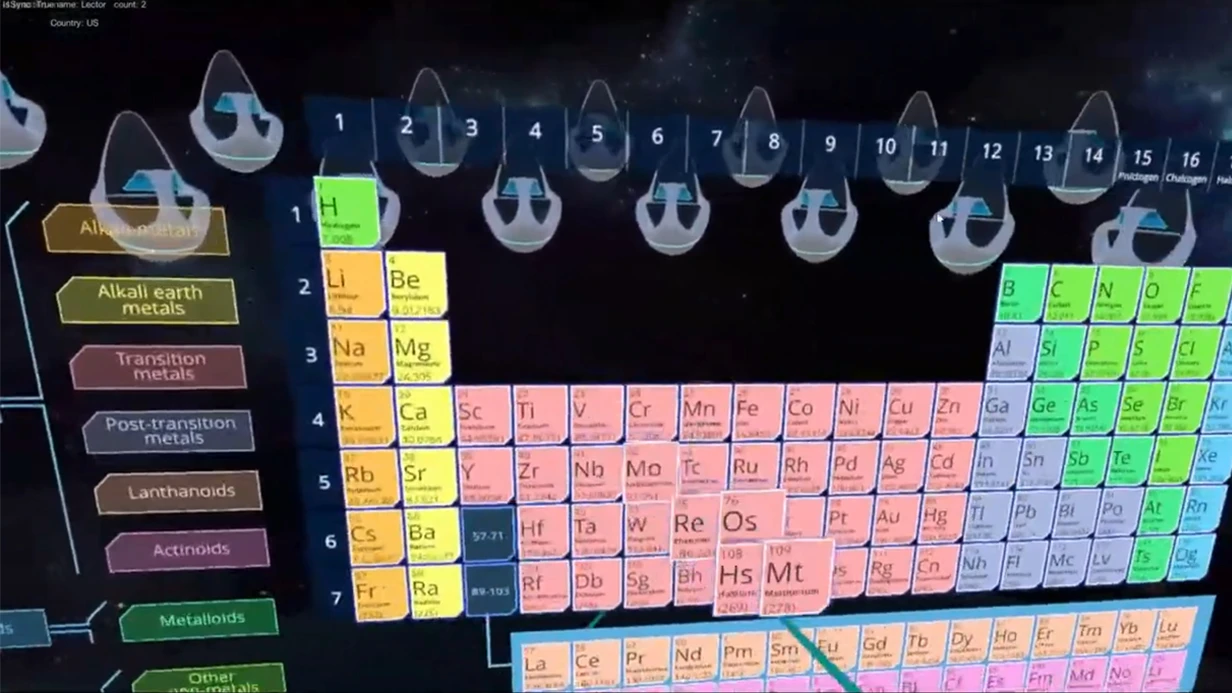


מדוע מוזיאונים ומרכזי תערוכות מאבדים מבקרים
מבקרים מודרניים מגיעים למוזיאון בשביל חוויה, אבל לעתים קרובות פוגשים ויטרינה מוכרת מהילדות.
מוצגים מיושנים לא מציעים רגשות חדשים ולא סיבה להישאר זמן רב יותר: האורחים עוברים באולם בתוך חמש עשרה דקות ועוזבים בלי לעצור בבית הקפה או בחנות המזכרות. המוזיאון הופך ל"פריט ברשימת חובה לראות" במקום למקום שאנשים נמשכים אליו.
הזמן פועל נגד מקומות מסורתיים — התחרות עם הבידור הדיגיטלי גדלה מדי שנה. סמארטפון, משחקים ומופעים אינטראקטיביים מספקים מעורבות מיידית, ומוצגים סטטיים מפסידים על הרקע הזה.
התוצאה היא ירידה במשיכת מבקרים, ביקורים חוזרים נדירים וירידה בהוצאה הממוצעת: אנשים רואים את האולמות פעם אחת ולעולם לא חוזרים.
ניסיונות לפתור את הבעיה עם תערוכות זמניות או מוצרי מזכרות מספקים רק אפקט קצר טווח. הקהל מצפה שמוצג יספר סיפור כשהם בתוכו: משהו לגעת בו, להשפיע על העלילה, להיות חלק ממה שקורה.
חוויה מסוג זה מעוררת רגש שאנשים רוצים לשתף ולחזור בשבילו — וזה בדיוק מה שמחזיר למוזיאון את תפקידו כמרכז תרבות חי.
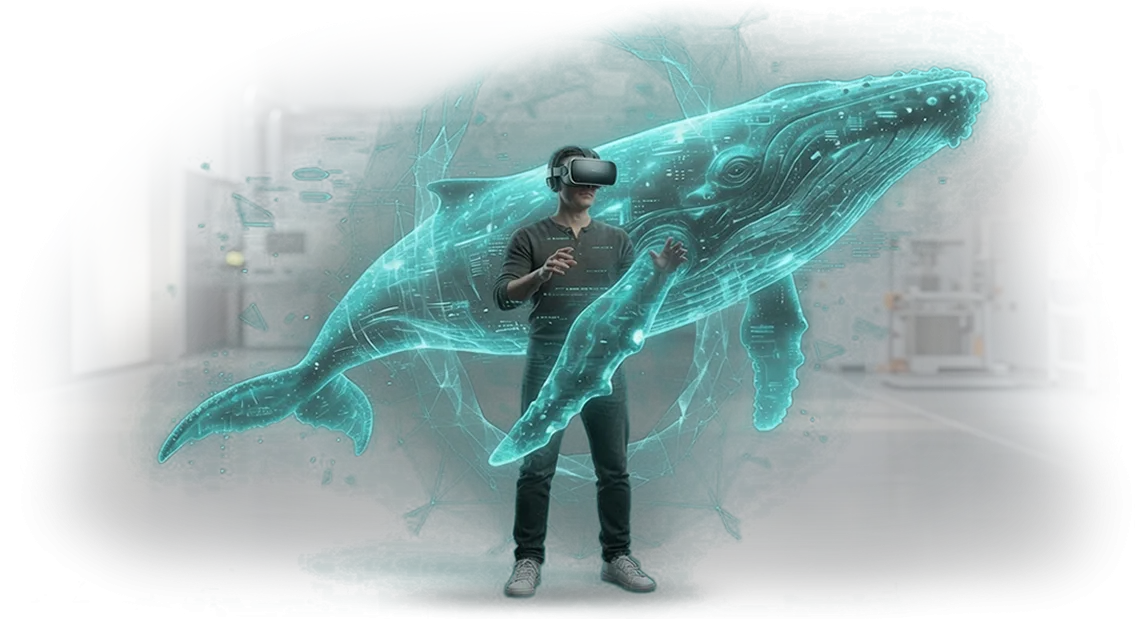
אנחנו עוזרים למוזיאונים ולמרכזי תערוכות לסגור את הפער הזה. אנו יוצרים אזורי VR אינטראקטיביים שמשתלבים באופן טבעי בתערוכה הקיימת ונותנים למבקרים את הרושם המדויק שגורם להם להביא חברים ולדבר עליכם ברשתות החברתיות.
כתוצאה מכך, המקום זוכה לסיבה חדשה למשוך מבקרים, להוצאה ממוצעת גבוהה יותר ולזרם קבוע של אורחים חוזרים.
מה מקבלים מהטמעת פרויקט VR/AR
פרויקטי VR/AR במוזיאונים אינם עוד ניסוי: הם פותרים משימות קונקרטיות — החזקת תשומת הלב של המבקרים והפיכת ביקור חד-פעמי לסיפור ששווה לספר.
במקום לעבור במהירות בין האולמות, האורחים נמשכים לתרחיש של 5–10 דקות, שקועים בעידן, בנרטיב או במוצג.
זמן ההשתתפות הפעיל הזה הופך למדד הביצועים המרכזי: לא רק שביעות הרצון גדלה, אלא גם מספר הדקות שבילה המבקר במוזיאון.
אזור VR אינטראקטיבי הופך מיד לנקודת משיכה. המבקרים לא רק צופים — הם מתקשרים, בוחרים ושולטים, ולכן הם זוכרים בצורה חיה יותר. המעורבות הזו משפיעה ישירות על המוניטין של המוזיאון: האורחים עוזבים עם רושם שהם רוצים לשתף.
כל משתתף מקליט סרטון קצר או תמונה לשיתוף ברשתות החברתיות — זו חשיפה חינמית וויראליות אמיתית.
ביקורים חוזרים הם תוצאה חשובה נוספת שפרויקט VR/AR מספק. תרחיש ייחודי יכול להתפתח: תוכן חדש, פרקים נוספים, רמות מעודכנות — ומבקרים חוזרים כדי לראות את ההמשך.
כך המוזיאון זוכה לא למבקרים חד-פעמיים אלא לקהל שעוקב אחר העדכונים ומתכנן ביקורים חדשים.
אנחנו עובדים עם מוזיאונים ומרכזי תערוכות באמצעות ציוד VR מקצועי ותומכים בפרויקט מהקונספט ועד ההשקה. זה אומר שהשילוב מתנהל בצורה חלקה בלי להפריע לפעילות התערוכה: הטכנולוגיה לא פולשנית, וכל הפוקוס נשאר על חוויית המבקר.
כתוצאה מכך, VR/AR הופך לכלי שמחזק את המותג של המוזיאון, מגביר את האטרקטיביות שלו ומספק תוצאות מדידות — נוכחות גבוהה יותר וביקורים חוזרים נוספים.
פורמטים של פתרונות VR/AR למוזיאונים ולתערוכות זמניות
בחירת פורמט אינה עניין טכני — היא תלויה במה שהתערוכה שלכם צריכה.
מוזיאון עשוי להזדקק לגישה למוצגים שאינם פתוחים לצפייה חופשית; תערוכה זמנית צריכה דרך להשאיר מבקרים מעורבים לזמן ארוך יותר; פארק או מרכז אינטראקטיבי צריך לערב קהל צעיר יותר.
כדי להימנע מניפוח התקציב ועדיין לקבל תוצאה מדידה, כדאי לחלק את האפשרויות לשלושה כיוונים בסיסיים: סיורים וירטואליים, מדריכי AR והתקנות אינטראקטיביות.
כולם רצים על ציוד VR/AR מקצועי וניתנים להרחבה לפי הצרכים שלכם, אבל הם פותרים בעיות עסקיות שונות.
| פורמט | מתי לבחור | מה הוא נותן ללקוח |
|---|---|---|
| סיור וירטואלי | כשצריך להציג את התערוכה הקבועה מרחוק, באיכות גבוהה, בלי לאבד פרטים | הגעה לקהל חיצוני (אתר, רשתות חברתיות, שותפויות), הזדמנויות למונטיזציה של גישה לאולמות סגורים |
| מדריך AR | כשרוצים להחיות דוכנים סטטיים ולחבר אותם לסיפור של המוצג | מחזיק מבקרים זמן רב יותר בכל מוצג, מגביר מעורבות וביקורים חוזרים |
| התקנה אינטראקטיבית | כשהמטרה היא ליצור נקודת משיכה, "עוגן רגשי" לתערוכה | תוכן תמונה ווידאו שנוצר על ידי משתמשים, חשיפה ויראלית, תורים של מבקרים חדשים, משך ביקור ממוצע גבוה |
| היברידי (VR + AR) | כשיש אוסף קבוע גדול ופרויקטים של תערוכות זמניות | בסיס תרחישים אחיד שניתן לשימוש חוזר לתערוכות חדשות — חיסכון בהשקות עתידיות |
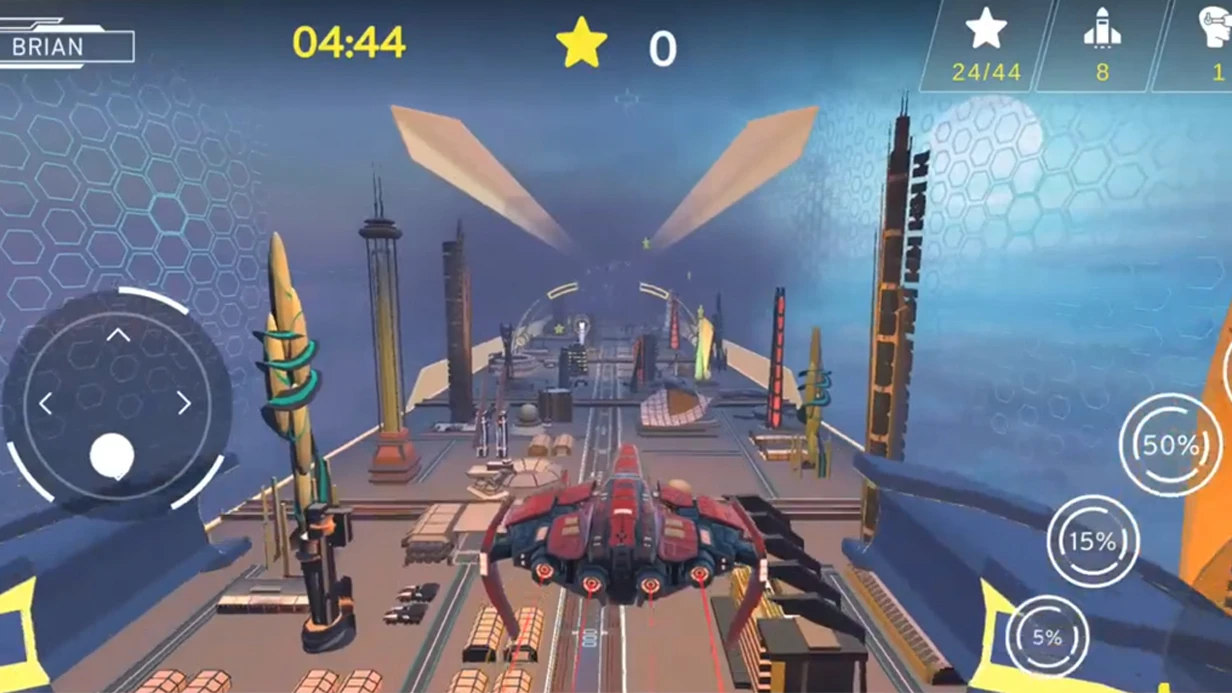
| משחק VR המבוסס על התערוכה | כשצריך למשוך קהל צעיר וקבוצות בתי ספר | מכירות גבוהות יותר של כרטיסים ומנויים עונתיים, עילה אירועית לעיתונות ובלוגרים |
כל פורמט פותר את המשימה בדרכו שלו, ולכן אנו ממליצים לשלב אותם כדי להתאים לתערוכה ספציפית.
בשלב הבריף, אתם מגדירים את המטרה — למשוך מבקרים חדשים, לשמר קיימים או להרחיב את החשיפה המקוונת — ואנחנו בוחרים את הפורמט ואת המספר המדויק של העמדות לפרויקט.
ההיגיון הזה מאפשר להתחיל עם התקנה אחת ואז להרחיב את הפתרון על פני כל מתחם המוזיאון בלי לבנות מחדש את הפרויקט.
זה בדרך כלל נותן ללקוחות השקות חוזרות במהלך העונה — מבקרים חוזרים בשביל שכבת AR חדשה, לא רק כדי לראות ויטרינות מעודכנות.
האם נדון באיזה פורמט יביא את התוצאה הראשונה לתערוכה שלכם?
איך עובד תהליך הפרויקט: 6 שלבים
אנחנו מגדירים את התהליך כך שתמיד תדעו איפה עומד הפרויקט ומה קורה הלאה. בלי "קופסאות שחורות": כל שלב מסתיים בתוצר ברור ונקודת אישור. אתם מקבלים החלטות, ואנחנו מטפלים בביצוע.
-
בריף והתעמקות במשימה. אנו דנים במטרות הפרויקט: מה המבקרים צריכים לראות ולהרגיש, איך אזור ה-VR ישתלב בתערוכה, ואילו תרחישים חשובים.
אנחנו קובעים לוחות זמנים, תקציב וקריטריוני הצלחה — בשלב הזה אתם מקבלים הבנה ברורה של היקף העבודה.
-
קונספט והצעה טכנית. בהתבסס על הבריף, אנו מכינים תרחיש אינטראקציה, תיאור של חוויית המשתמש ורשימת ציוד נדרשת. אנו מאשרים את הקונספט יחד — אתם רואים איך הפתרון ייראה לפני שפיתוח מתחיל.
-
תוכנית והערכת עלות. אנו מפרקים את השלבים, לוחות הזמנים והעלות של כל רכיב. אנו מציגים תלותיות ונקודות בקרה. בשלב הזה, אתם מאשרים את התוכנית הסופית, ואנחנו עוברים לייצור.
-
פיתוח והדגמות ביניים. אנו בונים גרסה עובדת ובודקים אותה על ציוד אמיתי. אחרי כל איטרציה, אנו מציגים לכם תוצאת ביניים — אתם רואים התקדמות, מבצעים התאמות ומוודאים שהכל בכיוון.
-
בדיקות ואיתור באגים. אנו בודקים את התרחיש ליציבות, שימושיות ואמינות טכנית — כדי ששום דבר לא ייכשל ביום הפתיחה. אנו מכינים הוראות לצוות שלכם ומבצעים הדרכה קצרה.
-
השקה ותמיכה. אנו מתקינים ומגדירים את הציוד ותומכים בימי הפעילות הראשונים. אחרי ההשקה, אנחנו נשארים בקשר: פותרים בעיות במהירות, מעדכנים תוכן כשצריך ועוזרים לפתח את הפרויקט הלאה.
מה כלול במסירה: החבילה המלאה
הנה מה שאתם מקבלים בצורה סופית — לא "קבצי מקור" או הבטחות, אלא כלי עובד שתוכלו להשיק כבר מחר. אנו מוסרים את כל הפרויקט, מההתקנה ועד הדרכת הצוות, כך שהצוות שלכם לא צריך לדאוג לפרטים טכניים.
- יישום מותקן ומוגדר במלואו על ציוד ה-HTC Vive שלכם — הכל מחובר, מכויל ומאומת באתר. מבקרים שמים את המשקפת ונכנסים מיד לתערוכה הווירטואלית, בלי צורך במנהל מערכת.
- חבילת תוכן סופית: כל הסצנות, מודלי התלת-ממד והתרחישים האינטראקטיביים מוכנים להדגמה. זה הנכס הדיגיטלי שלכם — הוא נשאר אצלכם וניתן לשימוש בתערוכות עתידיות.
- לוח ניהול — מסך פשוט לצוות שלכם: התחלת סשן, בחירת תרחיש, מעקב אחר זמן. הצוות שלכם יכול להבין את זה תוך דקות; אין צורך במיומנויות טכניות.
- הוראות ותיעוד בשפה פשוטה: איך להפעיל את המערכת, מה לעשות במצב חירום, איך לסיים סשן ואיך להכין את האזור למבקר הבא.
- הדרכה לצוות שלכם — אנו מבצעים הדרכה מעשית קצרה למנהלים ולמלווים באולמות. הצוות מרגיש בטוח בעבודה עם משקפיים ובעזרה לאורחים במקום לפחד מהטכנולוגיה.
- תמיכה טכנית בהשקה ולאחריה: אנו עוזרים בשבועות הראשונים של הפעילות, מספקים ייעוץ טלפוני, ובמידת הצורך, לוקחים שליטה מרחוק כדי לפתור בעיה במהירות. אתם אף פעם לא נשארים לבד עם הציוד.
- אחריות על היישום ועדכונים — למשך כל תקופת שיתוף הפעולה שלנו, אנו דואגים שהמוצר יפעל בצורה אמינה במקום שלכם.
זה לא רק "יישום בתשלום" — זה מוצג מוגמר שחוסך זמן לצוות, לא יתקלקל באמצע יום תערוכה עמוס, ונותן למבקרים סיבה לחזור למוזיאון שלכם.
מקרה בוחן: איך הכפלנו את משך השהייה של מבקרים
מבקרים במוזיאונים אזוריים עוברים לעתים קרובות תערוכה ב-20–30 דקות: הם מסתכלים על הוויטרינות, מצלמים כמה תמונות ועוזבים. עבור מוזיאון, זה אומר מעורבות נמוכה, זרם ביקורים חוזרים חלש והפסד הכנסות מבית הקפה ומחנות המזכרות.
הצענו לפתור את הבעיה עם סיור VR מלא ומרתק — וקיבלנו מקרה בוחן שאנחנו מציגים עכשיו לכל מי שעדיין מהסס.
מקרה בוחן: מוזיאון אזורי
עבור מוזיאון עם היסטוריה עשירה אבל תקציב מוגבל, פיתחנו סיור VR המבוסס על HTC Vive. מבקרים שמים את המשקפת ונכנסים לאולמות משוחזרים במלואם שסגורים בפועל לשיקום.
הם יכולים "ללכת" דרך האנפילדה, לבחון פריטי בית בפירוט ולשמוע קריינות של מדריך קולי. התוצאה הייתה אפקט של אולם חדש בלי עלויות בנייה.
התוצאות עלו על הציפיות. הזמן הממוצע שבילה אורח במוזיאון גדל מ-25 דקות לשעה — כפול. הנוכחות בימי חול עלתה בשליש: אנשים הגיעו בכוונה לחוויה חדשה ונשארו בבית הקפה וקנו מזכרות אחרי הסיור.
חודשיים לאחר מכן, המוזיאון הזמין עמדת VR נוספת וכלל את סיור ה-VR בתוכנית הסיורים הרגילה שלו.
מקרה המוזיאון הזה מראה שמציאות מדומה היא לא רק בידור לשם כך, אלא כלי עבודה להגדלת נוכחות ונאמנות. הטכנולוגיה נותנת למבקרים חוויה רגשית ייחודית ונותנת למוזיאון צמיחה מדידה במדדים מרכזיים.
אם אתם רוצים לחזור על התוצאה הזו, אנחנו יכולים להתחיל בדיון על המטרות שלכם ובחירת פורמט סיור לתערוכה שלכם.
איך לבחור את הפורמט הנכון למשימה שלכם?
הבחירה בין VR, AR ו-MR היא לא שאלה של טכנולוגיה אלא של המטרה שלכם והחוויה שהמבקרים שלכם צריכים לחוות. אין פתרון אוניברסלי: פרויקט אחד צריך רק מציאות רבודה, ואחר צריך טבילה מלאה. התחילו בהגדרת המטרה והתנאים שלכם — הפורמט יבוא בעקבותיהם.
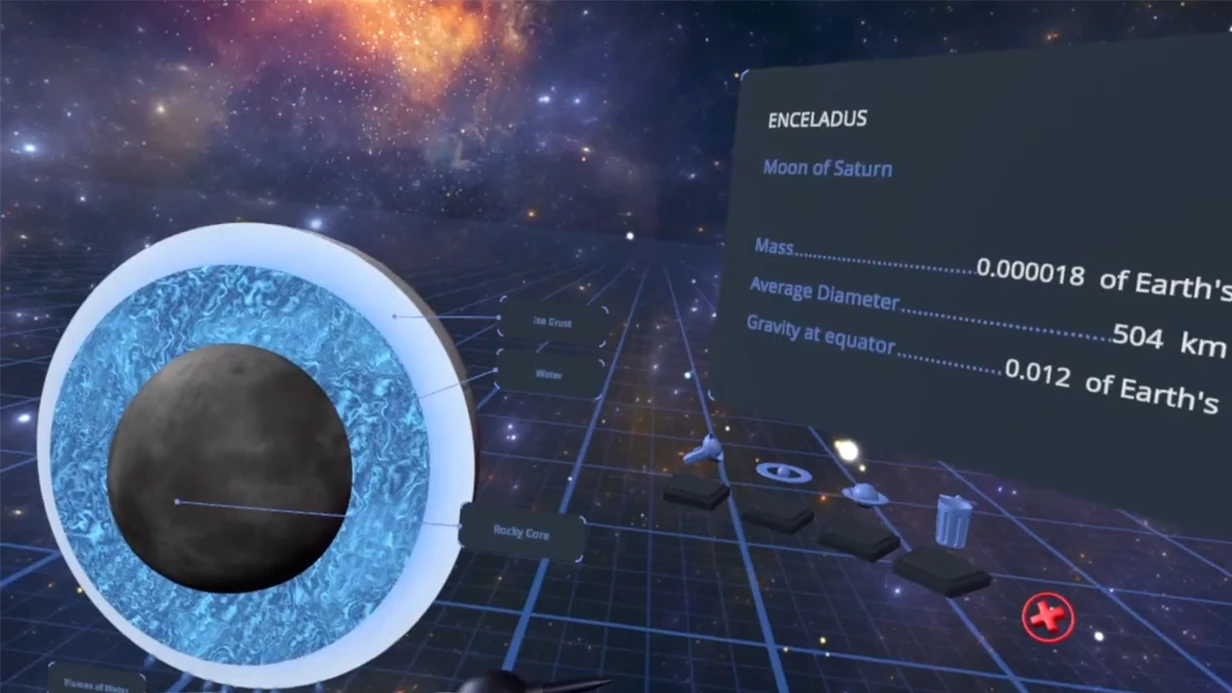
VR היא הבחירה הנכונה כשצריך ליצור עולם נפרד: להציג תקופות היסטוריות, חלל חיצוני או פנים של מוצג. מבקרים עם משקפת נשארים ממוקדים לחלוטין — אידיאלי לסיורים מודרכים ולסשנים אישיים. אם המטרה היא להפתיע ולספק רגשות בלתי אפשריים באולם רגיל, בחרו ב-VR.
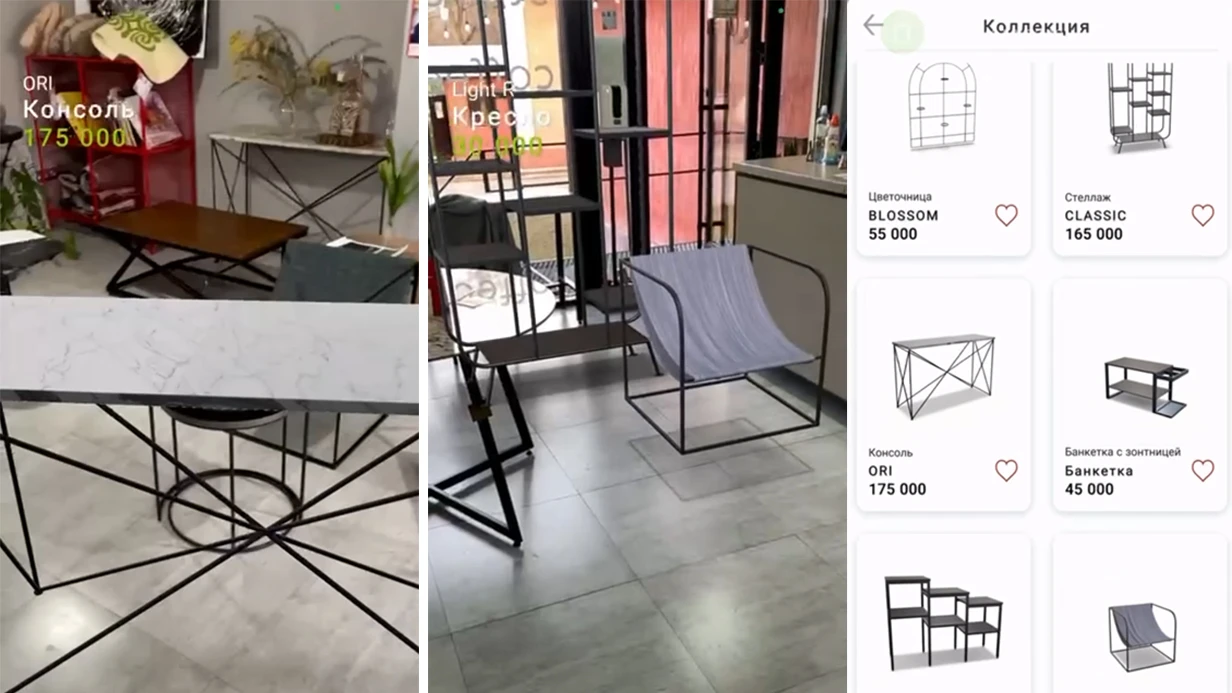
AR משפרת את החלל האמיתי עם אובייקטים דיגיטליים בלי למשוך מבקרים ממה שקורה סביבם. כוונו מצלמה למשהו וראו שכבה נוספת של מידע, אנימציה או פרטים נסתרים. זה עובד היטב בזרימת מבקרים גבוהה: אין צורך לחלק משקפיים או לנהל תורים.
MR משלבת את הטוב משני העולמות: אובייקטים אמיתיים וגרפיקה דיגיטלית מתקשרים באותו חלל. הפורמט הזה נבחר להתקנות ולתערוכות אינטראקטיביות שבהן מבקרים הופכים לחלק מהפעולה. זה דורש השקעה גדולה יותר אבל מספק זכירות מקסימלית וסיבות לחזור.
כדי להימנע מטעויות, התחילו בייעוץ. אנו נבחן את המטרות, הקהל, המקום ולוחות הזמנים שלכם, נציע פורמט מתאים ונראה דוגמאות של פרויקטים דומים.
תקבלו המלצה ברורה: מתי AR מספיקה, איפה צריך VR או MR, ואיזו תוצאה זה יניב.
שאלות נפוצות וחששות לגבי הטמעת VR/AR
הטמעת VR/AR במוזיאון או במרכז תערוכות מעלה שאלות, וזה נורמלי: טכנולוגיה חדשה חייבת לפעול בצורה אמינה ולא להפריע לתערוכה המרכזית. כאן אנו עונים על חששות אופייניים של לקוחות — לגבי בטיחות, שילוב והחזר השקעה.
אנחנו מיישמים פרויקטים למוזיאונים, פארקים ותערוכות כבר 10 שנים, אז אנחנו מדברים מניסיון, לא מתיאוריה. אם השאלה שלכם לא ברשימה, פשוט שאלו אותנו — נראה דוגמאות, חישובים ומקרים אמיתיים.
האם VR בטוח למבקרים ולציוד?
סשני VR בטוחים כשפועלים לפי כללים פשוטים. אנו משתמשים בציוד מקצועי עם כיסויי הגנה ומתקנים קבועים שמונעים נפילות. להיגיינה, משתמשים במסכות חד-פעמיות, ומשטחי המשקפיים מנוקים אחרי כל אורח.
התערוכה לא תינזק: האזור מגודר, והמבקרים נשארים בתוך שטח פתוח קטן. צוות המוזיאון מקבל תדריך קצר — כל עובד יכול לנהל התחלה וסיום של סשן.
האם קשה לשלב VR בתערוכה קיימת?
השילוב לוקח יום או יומיים ואינו דורש שיפוץ. אתם צריכים רק שטח של 2×2 מטר, שקע חשמל וגישה לרשת. הציוד קומפקטי — ניתן למקם אותו בפינת אולם או בנישה נפרדת עם שינוי מינימלי במסלול המבקר.
אנחנו מטפלים בהתקנה, הגדרה, כבילה והדרכת צוות. הכל עובד ביום ההשקה — בלי השבתה ארוכה של התערוכה.
כמה מהר משתלם השקעת VR/AR?
אזור VR הופך לאופציה נפרדת בתשלום או לסיבה לחזור למוזיאון. בפרויקטים שלנו, נקודה כזו בדרך כלל מחזירה את עצמה תוך 3–5 חודשים עם זרימה של מ-200 מבקרים ביום. אחרי זה, היא מייצרת רווח נקי.
מעבר למכירת כרטיסים ישירה, VR מגדיל את ההוצאה הממוצעת ומאריך את זמן השהייה של האורחים — מה שמגדיל גם את ההכנסות של בתי קפה, חנויות מזכרות וסיורים נוספים.
האם הציוד יתיישן בעוד שנה?
אנו משתמשים בדגמים אוניברסליים שתומכים בעדכוני תוכן בלי להחליף חומרה. ככל שהקהל שלכם גדל, אתם יכולים להוסיף תרחישים חדשים, משחק מרובה משתתפים או להרחיב את האזור — פלטפורמת הבסיס נשארת זהה.
כל הפרויקטים מגיעים עם אחריות ותמיכה טכנית: אנו עוזרים בעדכונים, החלפת אביזרים ופיתוח תוכן לתערוכות חדשות.
מוכנים לדון בפרויקט שלכם? השאירו פנייה
אנו מזמינים אתכם לדון כיצד VR יכול להחיות את התערוכה שלכם ולמשוך מבקרים חדשים. ספרו לנו על המוזיאון או מרכז התערוכות שלכם — נמצא פתרון שמחזק את חוויית האורחים, מגדיל ביקורים חוזרים ויוצר סיבה לחזור שוב.
אחרי הפנייה שלכם, תקבלו לא מילים כלליות אלא תוכנית פעולה ספציפית לחלל שלכם. נכין ייעוץ חינמי והערכת פרויקט המבוססת על המטרות של הצוות שלכם — בלי התחייבויות, תנאים נסתרים או בירוקרטיה מיותרת.
- ייעוץ חינמי: נזהה היכן VR/AR יספקו את ההשפעה המקסימלית לתערוכה הספציפית שלכם.
- הערכת פרויקט: ניתן לכם תחושה של לוחות זמנים, היקף ותקציב לפני תכנון מפורט.
- בחירת פורמט: סיורים וירטואליים, מוצגים אינטראקטיביים, אזורים סוחפים — מותאם לאולם ולקהל שלכם.
- המלצות שילוב: איך לשלב VR בתערוכה הנוכחית שלכם בלי השבתות ארוכות.
- דוגמאות מתעשיית המוזיאונים: נראה מה כבר עובד אצל עמיתים ואילו תוצאות זה מניב.
- תוכנית יישום שלב אחר שלב: מהתיאור הראשון ועד ההשקה, עם שלבים ברורים ואחראי לכל אחד.
השאירו פנייה — נחזור אליכם תוך יום עסקים אחד, נענה על שאלותיכם ונכין רעיונות ראשוניים לפני הפגישה הבאה. אנחנו מתחילים בייעוץ חינמי, לא במכירה: קודם נבין את ההקשר שלכם, ואז נציע פתרון.
פרויקט VR מחזיר את עצמו דרך הגדלת נוכחות וחשיפה תקשורתית: פורמט יוצא דופן מושך מבקרים, והם משתפים את החוויות שלהם ברשתות החברתיות באופן טבעי. בואו נדון איך זה יכול לעבוד עבור המוזיאון שלכם — השאירו פנייה, ויחד נמצא את התרחיש הטוב ביותר.