



פתרונות VR לייצור תעשייתי: איך להפסיק לבזבז זמן וכסף
מפעלים תעשייתיים מפסידים עד שליש מהתקציב שלהם עקב שגיאות ייצור, השבתות ציוד והדרכה יקרה על מכונות אמיתיות. כל טעות משמעותה מוצרים פגומים, חומרים מבוזבזים ופס ייצור עצור.
בייצור תעשייתי, הפסדים כאלה נחשבו פעם לבלתי נמנעים, אבל מציאות מדומה מאפשרת להעביר את תרגול המיומנויות לעותק דיגיטלי של בית המלאכה ולחסל את הבעיות האלה לפני שהייצור בכלל מתחיל.
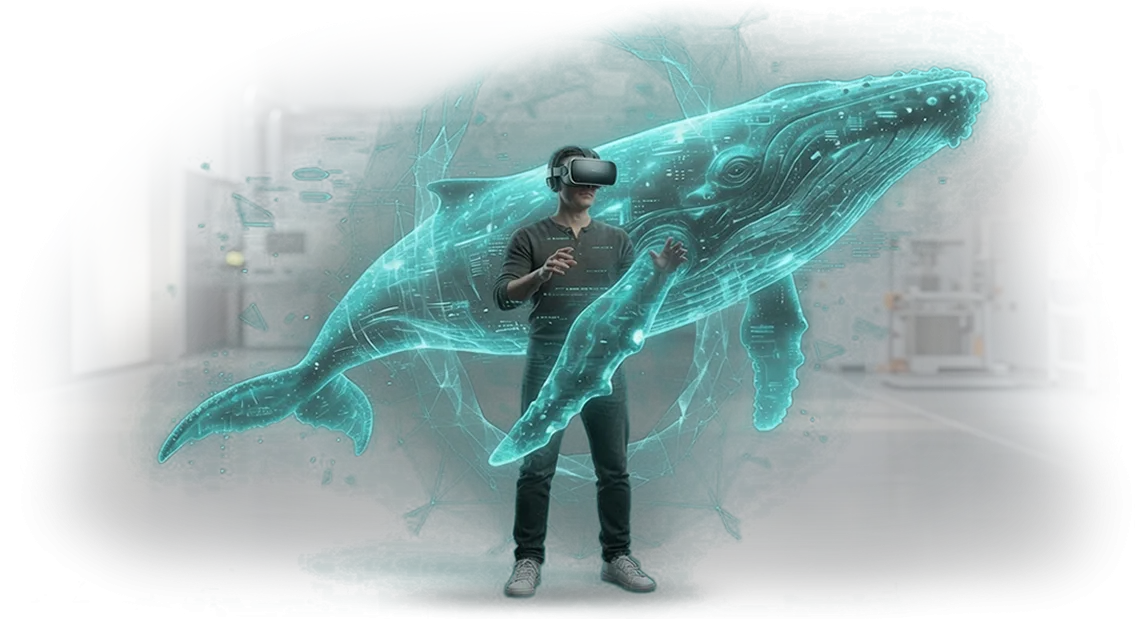
הטמעת VR במפעל אינה החלפת ציוד אמיתי — היא מגרש אימונים בטוח לעובדים. מפעיל יכול לתרגל תרחיש חירום מאות פעמים בלי לעצור את הקו או לסכן חיים. הדרכת עובדים ב-VR מהירה יותר ומספקת שימור ידע טוב יותר מהוראות נייר או מצגות.
בעלי ערך מיוחד הם תרחישים שאי אפשר לתרגל במציאות: כיבוי חירום, עבודה בחללים סגורים ופעולות נדירות. עובד מגיע לאתר האמיתי כבר מוכן — כלומר פחות פגמים, פחות פציעות ופחות השבתות לא מתוכננות.
אנחנו מפתחים סימולטורי VR למשימות הספציפיות של הייצור שלך: מבקרת איכות ועד עבודה בטוחה על מכונות מורכבות. ההטמעה אורכת החל מכמה שבועות, והאפקט נמדד לא ב"ויזואליה יפה" אלא בהפחתת עלויות והגדלת תפוקה. זהו כלי שמחזיר את עצמו באמצעות הפחתת שגיאות ייצור והאצת הדרכת עובדים.
מה הטמעת מציאות מדומה במפעל נותנת לך: 5 תוצאות מדידות
הטמעת מציאות מדומה בייצור מספקת לא "חידושים" מופשטים אלא תוצאות קונקרטיות שניתן לחשב בתוך החודשים הראשונים.
עבור מפעל תעשייתי, חמישה תחומים חשובים: מהירות הדרכה, בטיחות, זמינות ציוד, אטרקטיביות לעובדים וזרימת פניות לקוחות.
ראשון — חיסכון בזמן בהדרכה. עובדים שולטים בפעולות על סימולטור VR פי 2-3 מהר יותר מאשר עם הוראות ומדריכים. הם עושים טעויות בסביבה בטוחה, לא על קו אמיתי, ולכן מותר להם לעבוד כבר כשהם מוכנים.
שני — בטיחות משופרת. תרגול מצבי חירום ותרחישים נדירים בסביבה וירטואלית מפחית פציעות ומספר תקריות. עובד יודע איך לפעול לפני שהוא מתמודד עם איום אמיתי.
שלישי — הפחתת השבתות. הדרכה לא עוצרת את הייצור: עובדים מתאמנים כשנוח להם במקום לתפוס את הקו. הזמן הנדרש להכשרת מפעילים חדשים ולביצוע מעברים פוחת — הציוד ממשיך לפעול בזמן שההדרכה מתבצעת.
רביעי — הכרה במותג המעסיק. מפעל מודרני המשתמש ב-VR מושך מומחים צעירים ומהנדסים. מועמדים רואים שהחברה מתפתחת, וסרטוני הדרכת VR הופכים לחלק מקמפיין משאבי האנוש.
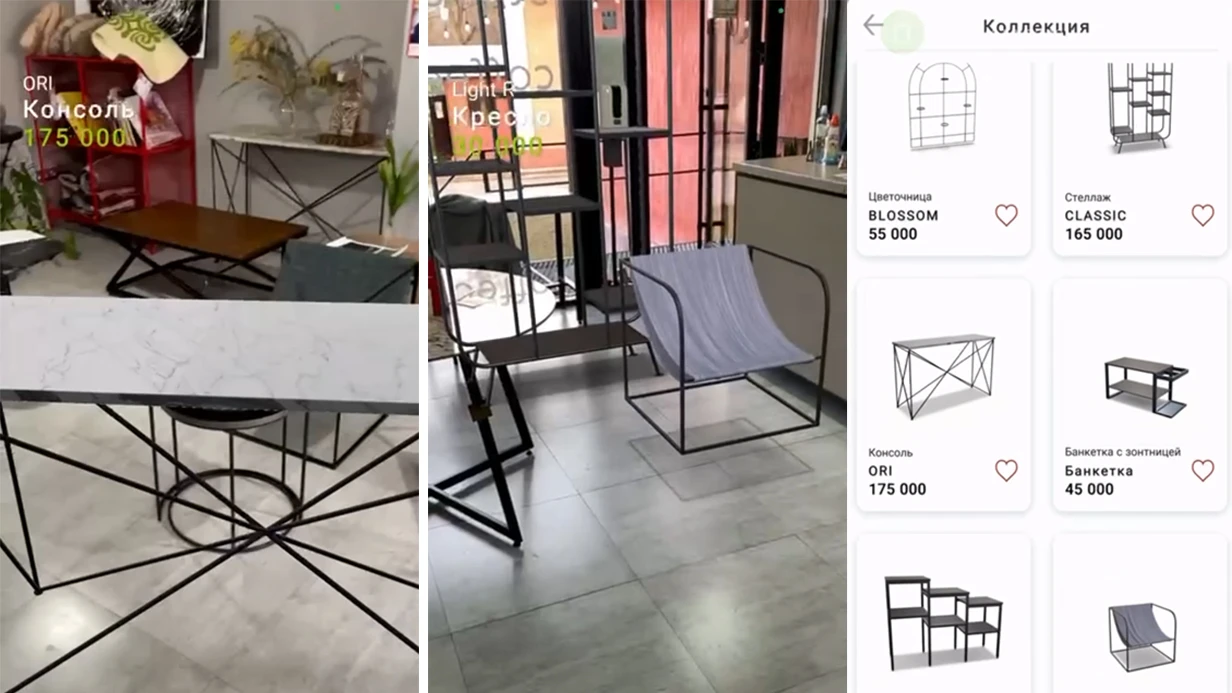
חמישי — לידים של מוצר. מצגת VR של בית המלאכה או הציוד מאפשרת להראות ללקוח את יכולות המפעל ללא ביקור באתר. הלקוח רואה את המוצר בפעולה ומקבל החלטות מהר יותר — מספר הפניות גדל.
כל חמש התוצאות מושגות על ציוד VR מקצועי ומשתלמות באמצעות תהליכים מואצים וסיכונים מופחתים. אנחנו עוזרים להטמיע פתרונות כאלה לצרכים הספציפיים של הארגון שלך.
פורמטים של סימולטורי VR לייצור תעשייתי: בחרו את זה שמתאים למשימה שלכם
כשבוחרים פתרון VR לייצור, קל להתבלבל: השוק מציע סימולטורים, הוראות אינטראקטיביות וסיורים וירטואליים בבית המלאכה. כל פורמט נותן מענה למשימה משלו — מהכשרה מהירה של עובדים חדשים ועד הצגת המתקן למשקיעים.
כדי להימנע מתשלום יתר על תכונות מיותרות, נשווה את האפשרויות העיקריות ונציע איזו מהן מתאימה לתרחיש שלך.
| פורמט | למי | מה הוא נותן ללקוח |
|---|---|---|
| סימולטורים לעובדים | עובדים חדשים, מפעילי ציוד מורכב | תרגול מיומנויות ללא סיכון לאנשים או למכונות, קיצור זמן עד לכשירות מלאה |
| הוראות אינטראקטיביות | שירותי תחזוקה, טכנאי הגדרה, מהנדסי תהליך | פעולות שלב-אחר-שלב עם בקרת שגיאות, פחות פגמים ופחות השבתות |
| סיורים וירטואליים | לקוחות, משקיעים, רשויות פיקוח | הצגה ברורה של בית המלאכה ללא עצירת ייצור, הגברת אמון בחברה |
| מודלים תלת-ממדיים של בית המלאכה | מהנדסי תכנון, מחלקת המהנדס הראשי | אימות פריסה ולוגיסטיקה לפני בנייה, חיסכון בעבודות חוזרות |
| סימולציית מצבים מסוכנים | מחלקות בטיחות בעבודה, צוות | הדרכה לתגובת חירום ללא סכנה אמיתית, עמידה בתקנות בטיחות |
אם המשימה שלך היא להכשיר כוח אדם, לרוב בוחרים בסימולטורים ובסימולציות: הם מספקים צמיחת מיומנויות מדידה בזמן קצר. כשצריך להציג ייצור לקהל חיצוני, סיורים וירטואליים הם הפתרון.
אנחנו נעזור לך לבחור פורמט לצרכים הספציפיים שלך, לשלב אותו בהליכים הקיימים שלך ולהשיק פיילוט באחד מהאזורים שלך — עם מדדי ביצוע ברורים.
איך הפרויקט מתנהל: מבריף ועד השקה ותמיכה
בנינו את תהליך פיתוח אפליקציות ה-VR עבור מפעלים תעשייתיים כך שתמיד תבין מה קורה בכל שלב ומה זה עולה. בלי "קופסה שחורה": כל ההסכמות מתועדות, ואתה מקבל החלטות ולא רק צופה מהצד.
- בריף וסקירת משימות. אנחנו אוספים מידע על התהליכים שלך: אילו פעולות צריך לפשט, להכשיר או להפוך לאוטומטיות. התוצאה היא הבנה ברורה של מטרות, לוחות זמנים ותקציב.
- אישור קונספט ואומדן. אנחנו מראים אילו תרחישים ופורמטים יפתרו את המשימה שלך בצורה הטובה ביותר. אתה מאשר את התוכנית, ורק אז אנחנו מתחילים בפיתוח — בלי עלויות בלתי צפויות.
- פיתוח אב-טיפוס. בשלב מוקדם, אנחנו בונים את התרחיש המרכזי כדי שתוכל לראות במו עיניך איך הסימולטור או הכלי יעבדו באתר הייצור שלך. זה מאפשר לנו לכוונן פרטים לפני שההרכבה המלאה מתחילה.
- הרכבה מלאה של הפתרון. אחרי אישור אב-הטיפוס, אנחנו ממלאים את המוצר בתוכן, משכללים את כל הפרטים ומשלבים אותו עם הציוד והתיעוד הטכני שלך.
- בדיקות באתר. אנחנו מבקרים במתקן שלך ובודקים איך המערכת עובדת בתנאים אמיתיים: בהתחשב בבית המלאכה, תאורה, תנועה ומאפייני פעולה. אתה מקבל פתרון יציב, לא דגם מעבדה.
- השקה והדרכת עובדים. אנחנו מגדירים את הציוד, מבצעים הדרכת צוות ומספקים הנחיות פשוטות. המומחים שלך מתחילים במהירות להשתמש במערכת בעבודה היומיומית.
- תמיכה ותחזוקה טכנית. אחרי ההשקה, אנחנו נשארים בקשר: מעדכנים תרחישים, עונים על שאלות ומשכללים פונקציונליות למשימות חדשות. הפתרון עובד ומספק ערך לאורך שנים.
כל שלב מסתיים בתוצר ברור ובאישור שלך. גישה זו מגנה על האינטרסים שלך ומבטיחה שהמוצר הסופי עומד בציפיות — בלי החמצת מועדים או תוספות מחיר נסתרות.
מה כלול במסירת פתרון VR לארגון
אתה מקבל לא "קופסה עם אפליקציה" אלא כלי עבודה שעובדים יכולים להשתמש בו ביום ההשקה. אנחנו מספקים לא רק קבצים, אלא את כל החבילה הדרושה להפעלה ופיתוח של הפתרון עם הצוות שלך.
- קודי מקור של האפליקציה — בעלות מלאה על הפיתוח ללא הגבלות נסתרות. זה מסיר תלות בקבלנים חיצוניים לשינויים עתידיים.
- תיעוד פריסה ותפעול — הוראות ברורות המאפשרות למומחים שלך לפרוס את המערכת באופן עצמאי באזורים הנדרשים.
- תרחישים והוראות לעובדים — חומרים מוכנים לעבודה עם סימולטור ה-VR: מהרכבת המשקפיים ועד ביצוע פעולות בקרה.
- הדרכת צוות — אנחנו מבצעים אותה באתר שלך, בזמן שנוח לייצור, עד שכל המפעילים שולטים במערכת במלואה.
- נוהל השקה ובדיקה — רשימת בדיקה המאפשרת לך לזהות ולתקן בעיות במהירות מבלי לפנות אלינו.
- אחריות על פתרון ה-VR — אנו מציינים את התקופה והתנאים בחוזה כדי שתוכל להיות סמוך ובטוח בפעולה רציפה על הקו.
- תמיכה לאחר ההטמעה — אנחנו עונים על שאלות ומעדכנים תרחישים ככל שמשימות הייצור שלך מתפתחות.
כדי למנוע הפתעות, היקף המסירה נקבע בחוזה לפני תחילת העבודה. כל פריט נבדק בשלב הקבלה — אתה מקבל החלטה רק כשאתה רואה שהכל עובד על הציוד שלך וברור לעובדים שלך.
מקרה בוחן: איך עזרנו למפעל להפחית השבתות ולשפר בטיחות
כשמפעל בניית המכונות PromTech פנה אלינו, הבעיה הייתה אופיינית לתעשייה: שיעור פציעות גבוה בעבודה עם ציוד כבד, עלויות גדולות להכשרת עולים חדשים והשבתות תכופות.
כל מפעיל חדש בילה כמה חודשים בלימוד המכונה תחת פיקוח מדריך, וטעויות הובילו לכשלים יקרים ברכיבים, עצירות קו וסכנה לאנשים. אפילו עובדים מנוסים מצאו את עצמם במצבי חירום עקב עייפות או חיפזון.
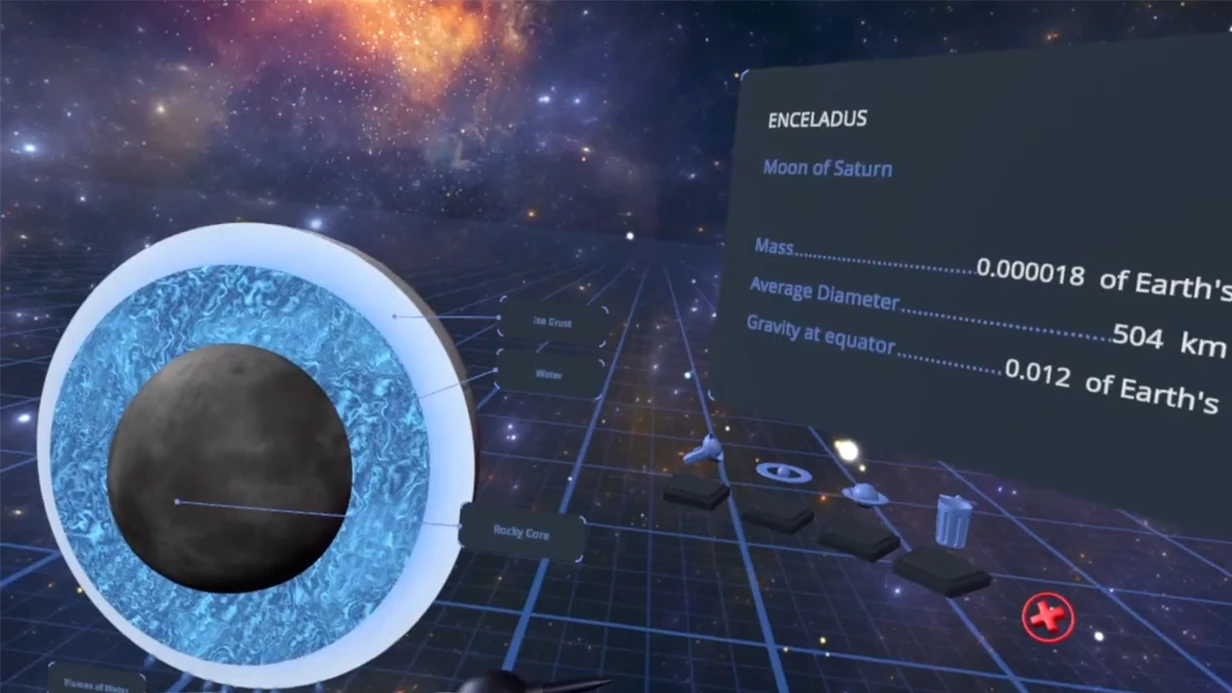
פיתחנו סימולטור VR שמטביע עובדים בתרחישי ייצור מציאותיים: הפעלת ציוד, תגובת חירום ורצפי פעולה נכונים.
ההדרכה מתבצעת בסביבה וירטואלית בטוחה שבה לטעות אין השלכות, ומיומנויות מתחזקות באמצעות תרגול חוזר. המדריך רואה את ההתקדמות של כל חניך ויכול להפנות אותו לנושא קשה מבלי לעצור את הייצור.
תוצאות ההטמעה
בתוך שישה חודשים, המפעל רשם ירידה של 40% בפציעות — עובדים למדו לזהות מצבים מסוכנים ולהגיב נכון.
עלויות ההדרכה נחתכו בחצי: הזמן להבאת מומחה חדש לכשירות מלאה ירד מכמה חודשים לשלושה שבועות, והצורך במדריך קבוע נעלם. עובדים שולטים בציוד מהר יותר ועושים פחות טעויות שהיו עולות ביוקר.
גם השבתות הציוד פחתו: מפעילים מטפלים בהגדרות בזהירות רבה יותר, כך שהקו נעצר פחות. איכות המוצר השתפרה, ושיעור הפגמים ירד.
בעקבות הפרויקט, המפעל הזמין מודולי VR נוספים להדרכה על מכונות אחרות, ומחלקת הבטיחות בעבודה כללה הדרכה וירטואלית בתוכנית ההכנה החובה שלה.
מקרה זה מראה ש-VR בתעשייה אינו בידור אלא כלי עבודה להפחתת סיכונים ושיפור יעילות.
אנחנו מיישמים את אותה גישה בכל פרויקט: לומדים את תהליכי הלקוח, יוצרים סימולטור למשימות ספציפיות ותומכים בהטמעה עד להשגת תוצאות. עבורנו, זה לא פרויקט חד-פעמי אלא שותפות ארוכת טווח.
איך לבחור את הפורמט הנכון של מציאות מדומה למשימות המפעל שלך?
בחירת פורמט מציאות מדומה למפעל מתחילה לא בטכנולוגיה אלא במשימת הייצור שאתה צריך לפתור. אותו פתרון VR לא יעבוד גם להכשרת רתכים וגם לבקרת הרכבה של יחידה מורכבת.
לכן, הצעד הראשון הוא לקבוע בדיוק מה אתה רוצה: הכשרה מהירה של עולים חדשים, תרגול תגובת חירום ללא סיכון לאנשים, הדגמת מוצר ברורה ללקוח, או אימות היתכנות הרכבה לפני שהיא מגיעה לבית המלאכה.
ואז נכנסים לתמונה הדרישות הספציפיות של הארגון שלך. תנאי תחנות העבודה נלקחים בחשבון: אבק, רטט, אזורים מסוכנים, צורך בעבודה עם כפפות או מנופים.
בהתאם לכך, נבחר סוג הציוד — עצמאי או מחובר למחשב — וכן שיטות אינטראקציה: בקרים, חיישני תנועה או פקודות קוליות.
אנחנו לא משתמשים ב"קופסה אחת" לכולם — כל פרויקט מותאם לבית המלאכה האמיתי, לפריסה ולהליכים שלו.
אינטגרציה עם ציוד היא קריטית. פתרון VR טוב לא קיים בנפרד מהייצור: הוא משתמש בשרטוטים, נתוני CAD, פרמטרי מכונות ולוגיקת תהליך.
המודל הווירטואלי חייב לשחזר במדויק את התנהגות המכונות והרכיבים כך שאחרי ההדרכה, אדם יכול לעבוד בביטחון על המכונה האמיתית.
אנחנו מטפלים באינטגרציה עם המערכות ההנדסיות שלך — מייבוא מודלים ועד ממשק עם עמדות הדרכה ומערכות בקרה.
תקציב ולוחות זמנים לפיתוח נקבעים לא לפי "רשימות משאלות" אלא לפי הפורמט הנבחר. טבילה מלאה עם סימולציית תהליך מפורטת עולה יותר ממציאות מעורבת עם הוראות המוצגות על גבי האובייקט האמיתי.
בהתחלה, אנחנו מראים כמה אפשרויות — מפרויקט הדגמה ועד סימולטור תעשייתי — כדי שתוכל לראות את יחס "עלות/תוצאה" ולבחור מה יספק החזר השקעה מהיר.
העיקרון המרכזי לבחירת פורמט הוא התמקדות בתועלת הסופית למפעל: פחות טעויות, הדרכה מהירה יותר, עבודות הפעלה בטוחות יותר. אנחנו עוזרים לך לא ללכת לאיבוד בין האפשרויות ומציעים פתרון שמתאים לתקציב ולתהליכים הקיימים שלך.
השאר פנייה — ננתח את המשימות שלך ונציע פורמט VR שבאמת יעבוד במתקן הייצור שלך.
התייחסות לספקות שלך: מה אם VR לא יתפוס או יתקלקל?
כל ציוד חדש בבית מלאכה או במתקן ייצור מעלה שאלות: האם הוא יתקלקל, האם נצטרך להתמודד עם הגדרות מסובכות, האם נבזבז זמן? זה נורמלי — כשמדובר בתהליכי עבודה, חיזוי חשוב.
להלן אנו מתייחסים לחששות הנפוצים ביותר כדי שתוכל לראות: פתרון VR לתעשייה הוא כלי עבודה, לא ניסוי.
מה אם ציוד ה-VR יתקלקל באמצע העבודה?
אנחנו מספקים אחריות גם על הציוד וגם על התוכנה. אם החומרה נכשלת, אתה לא נשאר לבד עם הבעיה: אנחנו שולחים במהירות מכשיר חלופי ומטפלים בתיקון בעצמנו. ההשבתה ממוזערת — התהליכים לא נעצרים.
איזו אחריות ניתנת על פתרון VR?
התחייבויות האחריות קבועות בחוזה ומכסות גם את המכשירים וגם את האפליקציה. במהלך תיקוני אחריות, אתה מקבל תחליף כדי שהדרכות או הדגמות יוכלו להמשיך ללא הפסקות. כל התנאים שקופים — אתה יודע מראש מה כלול בתחזוקה.
האם נצטרך לעדכן כל הזמן את האפליקציה ולהתמודד איתה בעצמנו?
עדכונים משוחררים לפי צורך — כשדרישות החברה משתנות או מופיעות תכונות חדשות. זה לא דורש מיומנויות טכניות ממך: אנחנו מתקינים עדכונים בעצמנו, בודקים אותם ומדווחים על התוצאות. אתה עובד עם הגרסה העדכנית ללא מאמץ נוסף.
האם קשה להכשיר צוות לעבודה עם VR?
ממשק האפליקציה מעוצב בכוונה סביב תרחישים פשוטים, ומסופקות הוראות קצרות לעובדים. הדרכה בסיסית אורכת כמה שעות — בדרך כלל עובדים עובדים בביטחון מהיום הראשון. במהלך ההשקה, אנחנו תומכים בתהליך ועונים על שאלות.
כמה זמן אורכת הטמעת VR בייצור?
לוחות הזמנים תלויים במשימה: פתרון סטנדרטי מיושם תוך כמה שבועות, פרויקט מורכב יותר תוך כמה חודשים. לפני שאנחנו מתחילים, אנחנו יוצרים תוכנית מפורטת עם שלבים ואבני דרך, כך שאתה תמיד מבין איפה התהליך עומד. עיכובים מבוטלים באמצעות לוח זמנים מוסכם.
אם עדיין יש לך ספקות — נשלח תיעוד מפורט על אחריות, תחזוקה ולוחות זמנים לתרחיש הספציפי שלך. נענה על כל שאלה כדי שתוכל לקבל החלטה בביטחון מלא.השאר פנייה: קבל חישוב עלות לפתרון VR לבית המלאכה שלך
בייצור תעשייתי, מחיר הטעות גבוה: השבתות ציוד, פגמים, פציעות. סימולטורי VR מאפשרים לתרגל פעולות עד כדי אוטומטיזציה מבלי לעצור את בית המלאכה וללא סיכון לצוות.
אבל לפני שמזמינים פיתוח, חשוב להבין אילו משימות VR יפתור עבורך ולהעריך את התקציב.
עבדנו עם מפעלי ייצור יותר מ-10 שנים ואנחנו יודעים לתרגם צרכי בית מלאכה למפרט טכני. אז אחרי הפנייה שלך, אתה מקבל לא "מצגת שיווקית" אלא רשימת בדיקה קונקרטית להטמעה:
- הזמן פיתוח VR עם סקירת משימות: אנחנו מזהים היכן VR יספק את האפקט הגדול ביותר.
- קבל חישוב עלות לפתרון VR — מפורט לפי שלבים ולוחות זמנים.
- קבל ייעוץ על VR עם מהנדס: נדון בתרחישים, ציוד ואינטגרציה.
- אשר תוכנית הטמעת VR סוהר: מרעיון ועד השקה בבית המלאכה.
- קבל הצעה מסחרית עם עלות קבועה ואחריות.
- תכנן הדרכת צוות ותמיכה טכנית לאחר ההשקה.
הטמעת VR סוהר כוללת יצירת סימולטורים, אינטגרציה עם מערכות הארגון והכנת מומחים. אנחנו מטפלים בכל השלבים, ואתה שולט בתוצאות באמצעות מדדים ברורים.
השאר פנייה — תוך יום עסקים אחד נבצע ייעוץ ראשוני, נכין חישוב עלות ונציע פתרון לתקציב שלך. זה לא מחייב אותך בשום צורה, אבל זה נותן בהירות לגבי לוחות זמנים ועלויות.