



קרקסים ותיאטראות מאבדים קהל: איך VR מחזיר את העניין
קרקסים ותיאטראות מאבדים קהל — דבר הניכר באולמות מתרוקנים ובירידה במכירת הכרטיסים. מופעים והפקות מוכרים כבר לא מעוררים את אותה התרגשות: הקהל של היום, במיוחד הצעירים, גדל על משחקים אינטראקטיביים ומופעים סוחפים.
צפייה מהצד כבר לא מספיקה — הם רוצים להיכנס לתוך הסיפור, להשפיע עליו, ולחוות רגשות שאי אפשר להרגיש מול מסך סמארטפון.
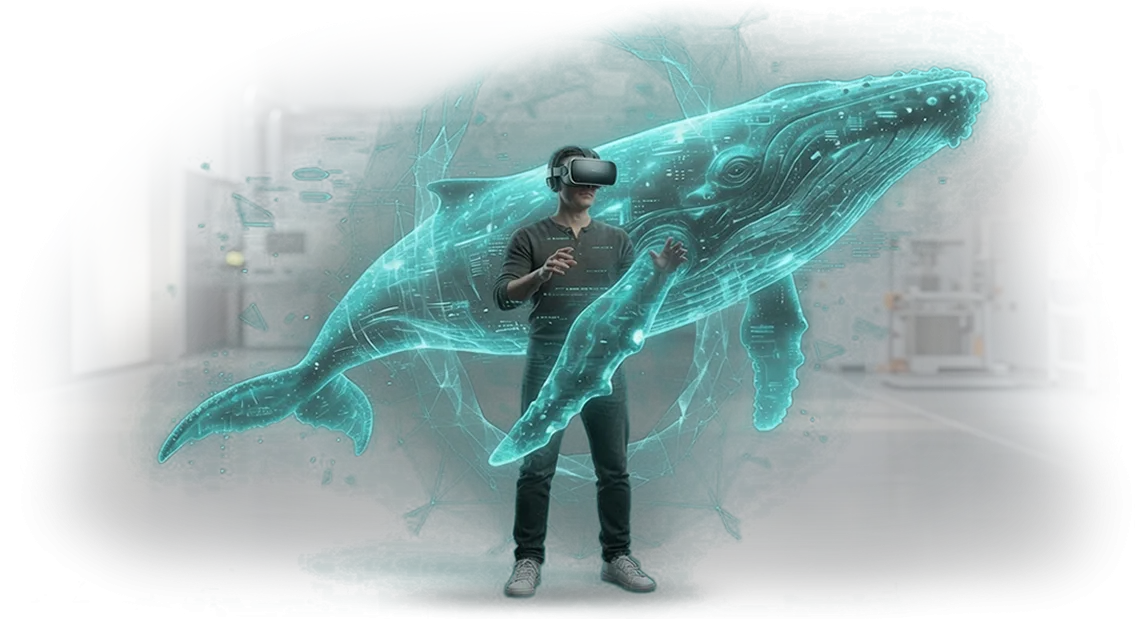
VR למופעים פותר את הבעיה הזו: הצופה מרכיב משקפיים והופך לחלק מהפעולה. במקום "צופה" סטטי — גיבור לכל דבר שנע בזירה הווירטואלית, יוצר אינטראקציה עם המבצעים, ואפילו משפיע על התפתחות העלילה.
מופע אינטראקטיבי כזה שובר את הקיר הרביעי ומספק את אותם "אפקטי וואו" שגורמים לאנשים לחזור שוב ושוב ולהביא חברים.
עבור קרקסים ותיאטראות, זה לא תחליף לקלאסיקה אלא דרך להרחיב את הקהל ולהעלות את ערך הכרטיס הממוצע באמצעות חוויה ייחודית שאי אפשר לשחזר בבית.
היתרון המרכזי הוא גמישות הפורמט. אפליקציית VR יכולה להיות אטרקציה עצמאית בלובי, חלק מהמופע המרכזי, או מופע סוחף מלא המשלים את המשחק החי של המבצעים.
עבור הצופה, זו רמת מעורבות חדשה: הם זוכרים לא רק את המופע אלא את המסע האישי שלהם בתוכו. עבור המקום, זו סיבה לביקורים חוזרים — אפילו מאלה שכבר "ראו הכל".
אנחנו עוזרים לקרקסים ותיאטראות להחזיר לעצמם את עניין הקהל: אנחנו מעצבים סצנות VR להפקה שלכם, משלבים אותן עם מופעים חיים, ומגדירים הכל כך שהצופים יקבלו רגשות עזים ואתם תקבלו גידול מדיד בנוכחות ובמכירות. סעיף זה עוסק בבעיה. להלן — איך בדיוק אנחנו פותרים אותה בפועל.
מה אטרקציית VR מביאה למקום שלכם
אטרקציית VR היא לא רק עמדת בידור עצמאית — היא כלי מלא לצמיחת המקום. היא מגדילה את תנועת המבקרים, מספקת חוויות חדשות, מעלה את ערך הכרטיס הממוצע, והופכת את המותג שלכם למוכר.
מפגשי VR אינטראקטיביים המופעלים באמצעות HTC Vive משתלבים בקלות בתוכנית של קרקס או תיאטרון ומתחילים לעבוד עבור התוצאות שלכם מהיום הראשון.
גידול בנוכחות
אטרקציית VR הופכת לנקודת משיכה שמושכת אפילו את אלה שבדרך כלל לא הולכים לתיאטרון או לקרקס. האורחים מגלים שהם יכולים לא רק לצפות במופע אלא גם לזכות בחוויה ייחודית — והם חוזרים שוב.
כל מפגש הוא סיבה להביא חברים ועמיתים. עם הזמן, נוצר קהל נאמן שעוקב אחר תרחישי VR חדשים ומתכנן את ביקוריו סביבם.
חוויות חדשות לקהל
במופע רגיל, הצופה צופה מהצד; ב-VR, הם הופכים לחלק מהפעולה. זו רמת מעורבות שונה מהותית שנשארת בזיכרון לאורך זמן.
חוויות כאלה מבקשות שיתוף. המבקרים מדברים עליכם באופן טבעי ברשתות החברתיות וממליצים על המקום לחברים — פרסום מפה לאוזן עובד טוב יותר מכל פרסומת.
העלאת ערך הכרטיס הממוצע
מפגשי VR מוצעים כתוספת לכרטיס הראשי: לפני המופע, בהפסקה, או אחרי ההופעה. זו דרך פשוטה להגדיל את ההכנסה מכל אורח בלי להרחיב את האולם או לגייס צוות נוסף.
אפשר ליצור חבילות מיוחדות של "מופע + חוויית VR" ולמכור אותן במחיר גבוה יותר. העלות של מפגש בודד היא מינימלית, כך שהמקום מרוויח כמעט הכנסה נוספת טהורה.
הכרת המותג
פורמט יוצא דופן מבדל אתכם ממקומות אחרים ונותן לתקשורת ולרשתות החברתיות סיבה לדבר עליכם. עיתונאים ובלוגרים שמחים לכתוב על חוויות VR, והקהל זוכר את המותג שלכם ספציפית.
עם הזמן, המקום מזוהה עם חדשנות ורגשות עזים. זה מחזק את הנאמנות של קהל קבוע ומושך אורחים חדשים.
פורמטים של אפליקציות VR לקרקסים ותיאטראות
VR בקרקסים ותיאטראות כיום הוא לא "קיוסק בלובי" עצמאי אלא כלי גמיש שניתן לשלב במופע, בהפסקה או בקמפיין קידום.
הכל תלוי במטרה: ליצור באזז לפני בכורה, להאריך את הרושם אחרי הסיום, או להוסיף נופך לבמה עצמה. להלן הפורמטים העיקריים שאנחנו מספקים ומה כל אחד מהם מביא למקום שלכם.
| פורמט | למי זה מיועד | מה זה נותן ללקוח |
|---|---|---|
| אטרקציית VR בלובי | תיאטראות וקרקסים שצריכים תנועת רגלים בהפסקה ולפני המופע | אורחים מגיעים מוקדם יותר ונשארים יותר זמן; נקודת מכירה נוספת לכרטיסים ומזכרות |
| סצנת VR אינטראקטיבית במופע | במאים שרוצים להפתיע ולשמור על תשומת הלב | הצופה הופך לחלק מהפעולה — סיבה לחזור ולהביא חברים |
| סיורי VR מאחורי הקלעים ובחדרי ההלבשה | תוכניות סיור והקרנות סגורות | פורמט סיור חדש בלי לאפשר פיזית לזרים להיכנס לאזורי הצוות |
| אזור VR בבכורות או בסיבובי הופעות | מחלקות שיווק ומפיקים | קרס תקשורתי חזק לעיתונות ולרשתות חברתיות, סיקור לפני ואחרי האירוע |
| תפאורת VR מולטימדיה | במות קטנות וחללים ניסיוניים | החלפת "תפאורות" בשניות במקום התקנה ארוכה — אנחנו חוסכים זמן בין מופעים |
פורמט היברידי עובד טוב במיוחד לקרקסים: אורחים מרכיבים משקפי VR ומוצאים את עצמם "בזירה" במהלך אקט מסוכן שאי אפשר לבצע live.
לתיאטראות — פרולוג אינטראקטיבי לפני המופע שמכין את האווירה הנכונה ושובר את מחסום ה"אמנות רצינית".
אנחנו מתאימים כל פורמט למקום שלכם: גודל קהל, אורך מפגש ולוגיסטיקה. אתם לא צריכים לשנות את התרחיש הרגיל שלכם — בלוק ה-VR פשוט הופך לחלק ממנו, ואנחנו מטפלים בכל הצד הטכני, מההשקה ועד התמיכה ביום המופע.
איך אנחנו יוצרים תרחיש VR להפקה שלכם
VR בתיאטרון או בקרקס עובד רק כשהוא הופך לחלק מהסיפור, לא כתוספת טכנית. לכן אנחנו בונים את התהליך כך שתוכלו לראות תוצאות בכל שלב ולעצב את התרחיש תוך כדי. להלן הדרך מהרעיון לבכורה.
- בריף וניתוח הפקה. אנחנו קובעים היכן נדרש VR: אקט עצמאי, פרולוג או חלק מסצנה קבוצתית גדולה. אנחנו מתעדים את אילוצי המקום והמושבים כדי שלא יהיו הפתעות בהמשך.
- קונספט וסטוריבורד. אנחנו מציגים סקיצות: מה הצופה רואה, אילו רגשות זה מעורר, ואיך VR משתלב בסיפור. אנחנו מיישרים קו על הרעיון לפני שמתחילים בפיתוח.
- אב-טיפוס אינטראקטיבי. אנחנו בונים גרסת טיוטה של פרק ה-VR כדי שתוכלו להעריך את הקצב ואת פעולות המבצעים. בשלב זה קל לשנות פרטים בלי להשפיע על התקציב.
- פיתוח האפליקציה. אנחנו יוצרים תפאורות וירטואליות, אנימציה, אפקטים מיוחדים וסאונד בסגנון שלכם. אנחנו בודקים יציבות על ציוד מקצועי.
- בדיקות בשטח. יחד עם המבצעים, אנחנו עוברים על סצנת ה-VR בתנאים אמיתיים — תוך התחשבות בתאורה, בכנפיים ובתנועה. אנחנו מכווננים את התזמון לשלמות.
- השקה והגדרה. אנחנו מספקים את המערכת, מגדירים אותה לבמה שלכם ומכשירים את הצוות. אנחנו משתמשים במשקפי HTC Vive מקצועיים לתמונה יציבה.
- תמיכה בבכורה. אנחנו נוכחים במופעים הראשונים ופותרים בעיות במקום. אנחנו נשארים בקשר להפקות עתידיות.
כך אתם מקבלים תוצאה צפויה בתאריך שנקבע, לא ניסוי עם תוצאה לא ידועה.
מה כלול במסירה: ערכת השקה
אתם מקבלים ערכה מלאה להשקת פרויקט VR — מהאפליקציה ועד הכשרת הצוות. אתם לא צריכים להתעסק בצד הטכני: אנחנו מטפלים בהגדרת הציוד, מתאימים את התרחיש למקום שלכם, ומוסרים הוראות פשוטות לצוות שלכם.
הנה מה שכלול במסירה הסופית:
- אפליקציית VR מוכנה לשימוש למשקפיים שלכם. התרחיש נוצר במיוחד עבור האקט, המופע או האזור האינטראקטיבי שלכם — הצופים נכנסים לעולם שמגביר את ההשפעה של המופע.
- פאנל ניהול לשליטה. עובד ללא רקע טכני יכול להפעיל את התוכנית, להחליף מצבים ולעצור את המופע בכמה הקשות. אין צורך במתכנתים בשטח.
- הכשרת צוות. אנחנו עורכים מפגש מעשי קצר למנהלים ולמבצעים שלכם: 1–2 שעות והם עובדים בביטחון עם הציוד. אנחנו מספקים דף הנחיות עם כל השלבים למקרה שמשהו נשכח.
- תמיכה טכנית. אחרי ההשקה, אתם לא נשארים לבד עם הציוד. אנחנו עונים על שאלות תוך יום עסקים, פותרים בעיות נפוצות מרחוק ועוזרים כשצריך.
- עדכונים ושיפורים. התוכנית גדלה עם הפרויקט שלכם: אנחנו מוסיפים סצנות חדשות, משנים אינטראקטיביות ומתאימים למקומות אחרים. אתם מקבלים מוצר עדכני בלי השקעה נוספת בבנייה מחדש.
- תמיכה במופעים הראשונים. אנחנו מצטרפים להשקות הציבוריות הראשונות כדי לוודא שהכל עובד חלק. אתם מארחים את המופע בביטחון, לא בפחד מתקלה טכנית.
מקרה בוחן: איך VR הגדיל את מכירת הכרטיסים בתיאטרון
כשתיאטרון פונה אלינו במטרה להגדיל את מכירת הכרטיסים, אנחנו לא רק מפתחים אפליקציה — אנחנו מחפשים דרך להפוך את המציאות הווירטואלית לנקודת צמיחה בהכנסות. פרויקט כזה עשינו עבור תיאטרון פרמייר.
לתיאטרון הייתה בעיה קלאסית לנישה שלו: צעירים ממעטים להגיע למופעים, והקהל הקבוע הזדקן בהדרגה. המשימה הייתה לא רק לפרסם את ההפקה אלא לתת לקהל תחושה ששווה לקנות עבורה כרטיס.
הצענו אזור VR בלובי: בתוך דקות ספורות, מבקר מועבר מאחורי הקלעים, רואה את התפאורות בפירוט, ומתוודע לסצנות מפתח מההפקה הקרובה.
זו לא רק בידור — זו דרך להראות שתיאטרון יכול להיות קרוב ומעניין יותר ממה שנדמה.
חשוב לציין, עבורנו זו לא הייתה מיצג אמנותי חד-פעמי אלא כלי מכירות מלא: אחרי המפגש, הצופה קיבל קישור אישי לקניית כרטיסים אונליין עם קוד קידום.
התוצאות עלו על הציפיות. במשך שבועיים, יותר מ-1,200 איש ביקרו באזור ה-VR — כ-70% מאלה שראו את ההכרזה.
כל מבקר רביעי באזור ה-VR קנה כרטיס למופע, ומכירת הכרטיסים הכוללת לתאריכי הבכורה גדלה ב-38% בהשוואה לעונה הקודמת.
אנחנו רואים גם אפקט ארוך טווח: 40% מהמבקרים החדשים הגיעו לתיאטרון בפעם הראשונה, ורבים מהם חזרו להפקות הבאות.
התיאטרון קיבל החזר השקעה מדיד ו— לא פחות חשוב — זרם של ביקורות חיוביות מהקהל.
אחרי ההשקה המוצלחת, פיתחנו פתרון VR נוסף עבור פרמייר: סיור סוחף לקהל צעיר, ועכשיו הוא הפך לחלק קבוע מהשיווק שלהם.
אנחנו לא מבטיחים ניסים, אבל אם תיאטרון מוכן לשלב VR במשפך המכירות שלו, התוצאה תהיה צפויה.
שאלות נפוצות לפני הזמנת אפליקציית VR
לפני השקת פרויקט VR לבמת תיאטרון או מופע קרקס, ללקוחות תמיד יש את אותם ספקות: האם הציוד יעמוד במשימה, האם נספיק לבכורה, מה קורה אם הבמאי משנה את הבימוי. אנחנו עונים על השאלות המרכזיות כדי שתוכלו לקבל החלטה ברוגע, בלי הפתעות בשטח.
עד כמה אמין ציוד VR במהלך מופע? האם תקלה יכולה להרוס את ההופעה?
אנחנו משתמשים בציוד מקצועי המיועד לשימוש אינטנסיבי. לפני כל מופע, אנחנו עורכים בדיקת מערכת מלאה, ורכיבים מרכזיים מגובים במהלך ההופעה — אם הסט הראשי נכשל, המעבר לגיבוי אורך שניות ואינו משפיע על ההפקה. בכל הפרויקטים שלנו, הקהל מעולם לא נשאר בלי מופע בגלל בעיות טכניות.
האם תוכלו לפתח את אפליקציית ה-VR עד תאריך הבכורה שנקבע?
אנחנו קובעים לוחות זמנים בשלב הבריף ומיד מגדירים נקודות ביקורת: סקיצת סצנה וירטואלית, גרסה עובדת, כוונון סופי. זה מאפשר לכם לראות התקדמות כל שבוע ולבצע שינויים בלי לדחות את הבכורה.
אם ההפקה מורכבת, נציע השקה בשלבים: קודם סצנת ה-VR המרכזית, אחר כך שאר הפרקים.
מה אם הבמאי משנה סצנה או את האינטראקציות של המבצעים במהלך החזרות?
תוכן VR לא "קופא" אחרי המסירה. אנחנו בונים את האפליקציה כך שתהיה גמישה: אלמנטים בודדים של סצנה, מיקומי אובייקטים והגיון ההנחיות מוגדרים בנפרד. אז שינוי הבימוי או הוספת פרק חדש הוא עריכה שגרתית, לא בנייה מחדש מהיסוד. אתם יכולים להתאים את החלק הווירטואלי להפקה החיה עד רגע לפני מופע הבכורה.
איך נקבע התקציב לאפליקציית VR לתיאטרון או קרקס?
התקציב תלוי בהיקף הסצנות הווירטואליות, במספר הסנכרונים עם פעולות המבצעים, וברמת הפירוט הגרפי הנדרשת.
אנחנו מכינים הערכת עלות שקופה לפני תחילת העבודה, מפולחת לפי שלבים — אתם מבינים על מה אתם משלמים בכל שלב. גרסה קלה יותר אפשרית גם לאקט קצר או לפרק בודד, אם אתם רוצים לנסות את טכנולוגיית ה-VR קודם בלי השקעה רחבת היקף.
הזמינו פיתוח VR לחלל שלכם
פיתוח VR לתיאטרון או קרקס הוא לא "צעצוע לאורחים" אלא כלי שמאריך את הרושם של המופע, מעלה את ערך הכרטיס הממוצע, ונותן לאנשים סיבה לחזור.
אנחנו יוצרים חללים שעובדים עבור התדמית שלכם: מלובי אינטראקטיבי ועד מופע מלא שבו הצופה הופך למשתתף. אתם מקבלים תרחיש מוכן שכולם — שחקנים, מנהלים וצוות טכני — מבינים, בלי ללכת לאיבוד בפרטים מורכבים.
השאירו פנייה לייעוץ — עד למחרת תדעו איך VR משתלב ברפרטואר ובתקציב שלכם. נכין הערכת פרויקט עם אפשרויות יישום: מהתקנה קומפקטית ל-3–5 מושבים ועד אזור נייד לסיבובי הופעות ואירועים מחוץ למקום.
מה תקבלו אחרי הפנייה:
- ניתוח של המקום והקהל שלכם: תבינו איזה פורמט יניע נוכחות מקסימלית ואילו סצנות עובדות הכי טוב לחוויית טבילה.
- הערכת פרויקט תוך 2–3 ימי עסקים: לוחות זמנים, מבנה צוות, שלבי השקה — בלי סעיפים נסתרים או אותיות קטנות.
- בחירת תרחיש לרפרטואר שלכם: מסיפורי ילדים ועד הפקות סוחפות לקהל מבוגר.
- דוגמאות מפרקטיקה של תיאטרון וקרקס: נראה פרויקטים שכבר החזירו את ההשקעה והניבו הזמנות חוזרות.
- הערכת עלות ברורה ומפת דרכים: איך לשלב VR בלוח הזמנים הנוכחי, אילו עובדים שלכם מעורבים, ומה צריך להכין.
- תמיכה לאחר ההשקה: אנחנו מכשירים את הצוות, נשארים בקשר ועוזרים לגדל את הפרויקט.
מלאו את הטופס — נחזור אליכם בזמן נוח, נענה על שאלותיכם ונשלח לכם את ההערכה. אין התחייבות, אבל זה נותן לכם בהירות: העלות המחושבת אחרי בדיקה והשלבים שיביאו את הרעיון שלכם להשקה. קחו את הצעד הראשון לקראת חלל שאנשים זוכרים וממליצים עליו.
איך לבחור פורמט VR לתקציב ולבמה שלכם?
VR בתיאטרון ובקרקס הוא כבר לא ניסוי — קהל מחפש חוויות חדשות, ומקומות שמספקים אותן רואים גידול בנוכחות ובפרסום מפה לאוזן.
אבל בחירת הפורמט משפיעה ישירות על התקציב: מה שעובד מצוין על במה אחת יכול לאכזב על אחרת.
הדבר הראשון שמתחילים איתו הוא התרחיש. אם VR צריך לשמח את הקהל לפני המופע ובהפסקה, אזור לובי נייח מספיק.
אם אתם רוצים לשלב מציאות וירטואלית בפעולה עצמה, פורמט אינטראקטיבי עובד — שבו צופים רואים דמויות או את הבמה מזווית אחרת דרך משקפי VR. המטרות שונות, וזה משנה את עלות הפיתוח פי כמה.
השאלה השנייה היא המקום. אותו פורמט דורש פתרונות שונים בלובי של 50 מ"ר ובבמה עם פעולה חיה. קבעו כמה צופים צריכים להיות ב-VR בו-זמנית: עשרה אנשים בשעה זה דבר אחד, סצנה של שלוש דקות למאתיים זה דבר אחר לגמרי. חבילת הציוד והלוגיסטיקה של המופע תלויים בזה.
התקציב הוא לא המגבלה העיקרית אם מסתכלים על ההחזר. לפעמים נקודת VR פשוטה בכניסה מניעה יותר ביקורים חוזרים מאשר מתקן מורכב שהקהל רואה פעם בשנה.
לכן אנחנו ממליצים להתחיל בבדיקה מצומצמת: בחרו פרק אחד מהמופע או אזור בלובי, בנו אב-טיפוס, ומדדו את התגובה. זה שומר על התקציב שלכם ומראה את האפקט האמיתי לפני שמחליטים להתרחב.
אנחנו עוזרים לכם לבחור פורמט VR לתרחיש, למקום ולתקציב שלכם: אנחנו עורכים את הבדיקה ישירות על הבמה שלכם, מציגים את התוצאות לקבוצה קטנה של צופים, ורק אז ממליצים על יישום מלא. כך אתם מקבלים אפקט ברור בלי סיכון של השבתה או חריגה בתקציב.