



אבחון רפואי: למה מרפאות מאבדות מטופלים
מטופלים מגיעים למרפאה לא בשביל פרוצדורות אלא בשביל פתרון לבעיה הבריאותית שלהם. כשהאבחון נמשך זמן רב, דורש התערבויות כואבות, או לא מספק תמונה מלאה, האמון יורד.
אדם יכול למצוא בקלות חלופה—דרך ביקורות מקוונות, עצות ממכרים, או פרסומות של מרכזים מודרניים. כתוצאה מכך, המרפאה מאבדת לא רק מטופל אחד אלא משפחות שלמות והפניות, ואחריהן ירידה בתפוסת החדרים ובהכנסות.
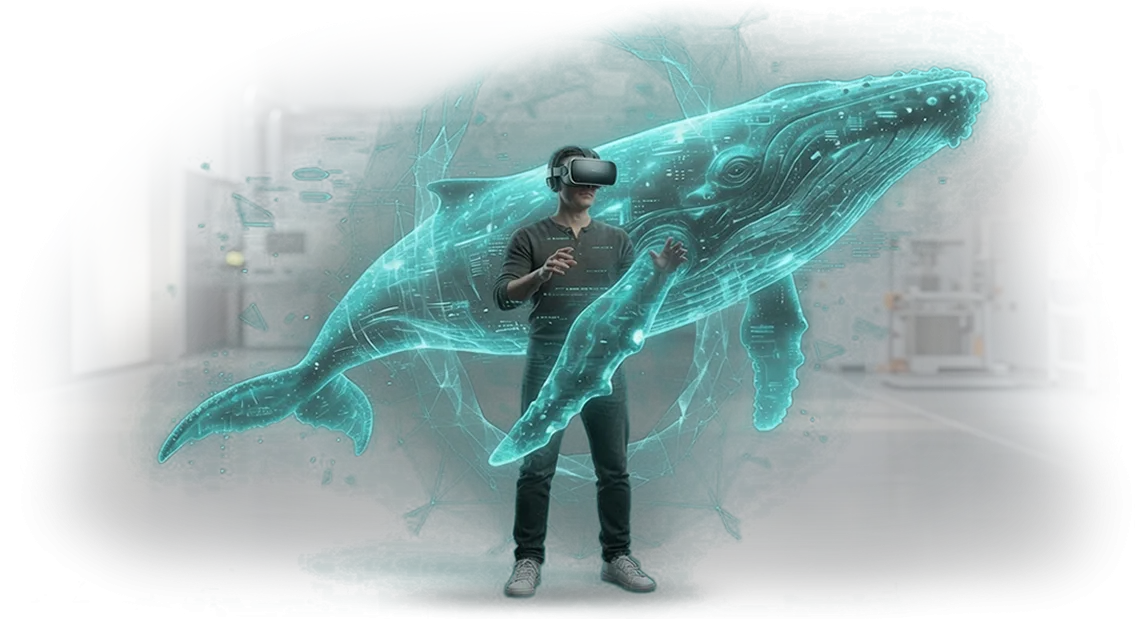
כיום, מתחרים כבר משתמשים ב-VR לרפואה כדי להחזיר את אמון המטופלים. אבחון ב-VR מאפשר לאדם לראות את הגוף שלו בתלת-ממד, לעבור בדיקות ללא לחץ או שיטות פולשניות, ונותן לרופא מודל ברור לאבחון מדויק.
יישומי אבחון מקצרים את זמן הבדיקה מכמה ימים לשעות, משפרים את הדיוק, ומפחיתים את מספר הביקורים החוזרים. מרפאות שמיישמות טכנולוגיות כאלה נראות מודרניות יותר ומקבלות החלטות מהר יותר, בעוד שאלה שמתעכבות מפסידות בהשוואה.
אנחנו מפתחים פתרונות VR/AR/MR לעסקים כבר יותר מ-10 שנים, וברפואה אנחנו עוזרים למרפאות להקים חדרי VR משלהן.
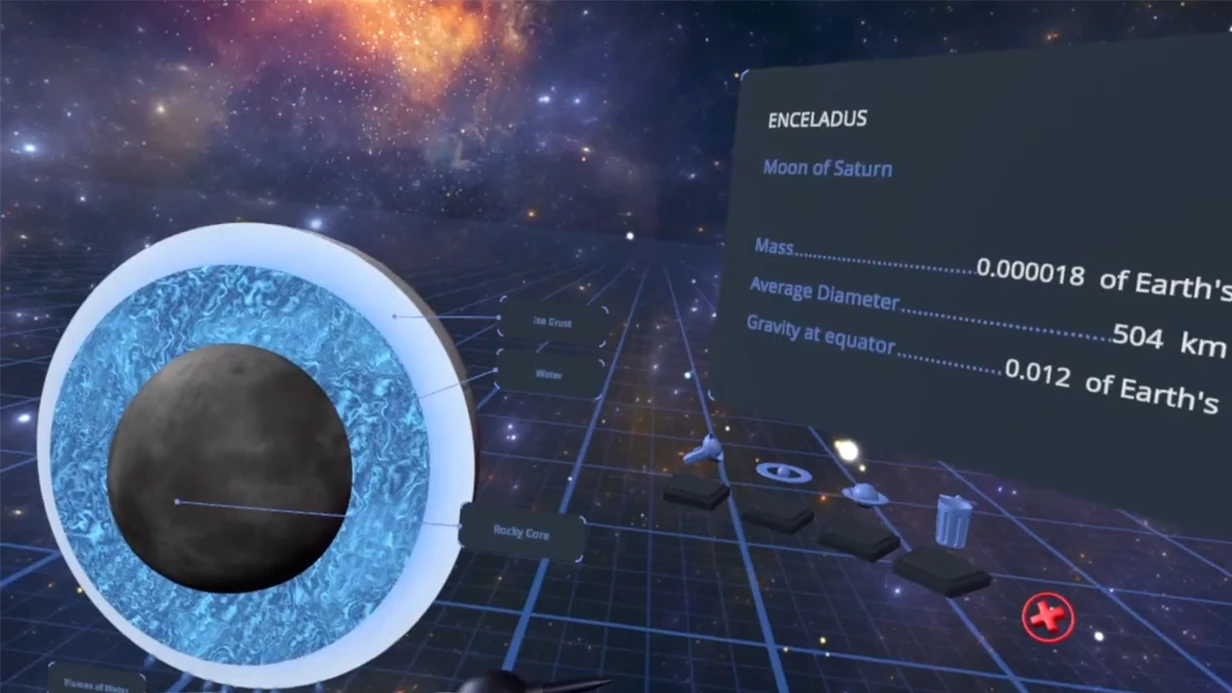
אנחנו בונים תרחישי אבחון למשימות הספציפיות של המרפאה שלך: אטלסים אינטראקטיביים, סימולטורים להכנה כירורגית, וסביבות שיקום.
אלה לא צעצועים אלא כלי עבודה שמשתלבים בתהליכים קיימים ומחזירים את ההשקעה במהירות דרך נאמנות מוגברת וזמני בדיקה קצרים יותר.
אנחנו סוגרים את הפער הזה. ננתח את תהליכי האבחון שלך ונציע פתרון VR שמחזק אותם והופך אותם ליתרון תחרותי שלך. התחל בייעוץ—נדון איך VR לרפואה עובד במקרה שלך.
מה יישום VR מספק: יתרונות למרפאה ולרופאים
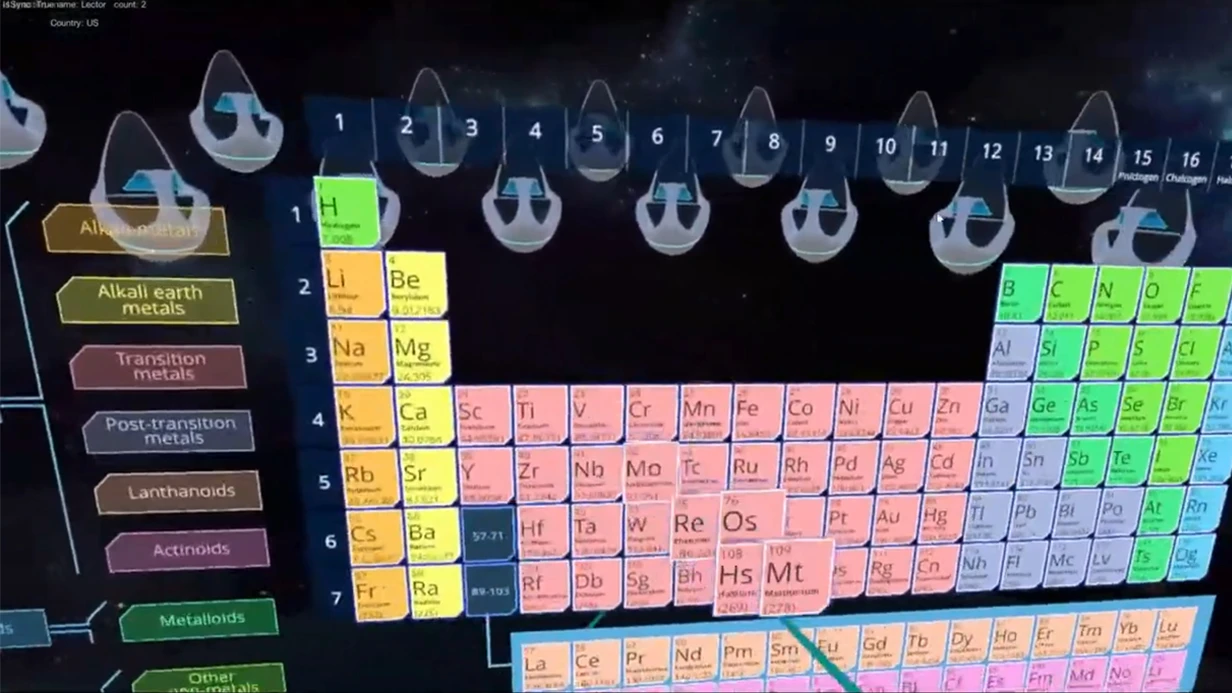
אבחון ב-VR משנה את תהליך הבדיקה עצמו: הרופא רואה לא תמונות שטוחות אלא מודל תלת-ממדי שאפשר לסובב, לפרק לשכבות, ולבחון מזווית רצויה.
זה מפחית את חלקם של פתולוגיות שהוחמצו ומקצר את הזמן עד לאבחון—הרופא מקבל החלטות מהר יותר, והמטופל מקבל תוצאות מוקדם יותר.
היתרון הבא הוא מעורבות המטופל. טרמינולוגיה רפואית מופשטת קשה להסבר, ואנשים רבים חוששים מפרוצדורות בדיוק בגלל שהם לא מבינים אותן.
ב-VR, הרופא מראה למטופל את האנטומיה שלו עצמו, ומסביר ישירות על המודל מה כואב, איפה, ואיך הטיפול יתנהל.
בהירות חזותית כזו מקלה על חרדה, בונה אמון, ומניעה את המטופל לעקוב אחר ההמלצות—זה משפיע ישירות על הצלחת הטיפול.
יתרון חשוב לא פחות הוא הכשרה לרופאים ומתמחים. סימולטורים וירטואליים מאפשרים לתרגל מניפולציות מורכבות ללא סיכון למטופל וללא שימוש בחומרים מתכלים יקרים.
הרופא צובר ניסיון עם מקרים קליניים נדירים בסביבה בטוחה, בעוד המרפאה מקבלת פיתוח עובדים שיטתי בלי להוציא עובדים מהעבודה.
כל זה מצטבר לחיסכון מעשי בזמן: אבחון מהיר יותר, ייעוץ ברור יותר, פחות ביקורים חוזרים, ואמון מטופלים גדול יותר.
יישום יישומי VR מחזיר את ההשקעה לא דרך טכנולוגיה מופשטת אלא דרך שיפורים קונקרטיים בפעילות המרפאה—מדיוק ועד נאמנות מטופלים.
פורמטים של יישומי VR לאבחון רפואי והכשרה
ברפואה, מחיר הטעות נמדד בבריאות המטופל. הכשרה מסורתית נתקלת במחסור בתרגול: מקרים נדירים לא נתקלים בהם כולם, ותרגול על אדם חי אינו מקובל. VR נותן לרופאים ולסטודנטים תרגול בטוח בלתי מוגבל—ללא סיכון למטופל.
למרפאות ולאוניברסיטאות רפואיות יש משימות שונות, ולכן הן צריכות פורמטים שונים. פתרון אחד לא יכול לכסות גם הכשרת סטודנטים, גם השתלמות לרופאים פעילים, וגם אבחון מקרים מורכבים. אנחנו בוחרים את הפורמט לפי המשימה שלך—ככה זה נראה בפועל.
| פורמט | למי זה מיועד | מה זה נותן ללקוח |
|---|---|---|
| מאמן רופאים | רופאים פעילים, מתמחים | תרגול אלגוריתמי אבחון, פחות טעויות, הערכת מיומנות ללא סיכון למטופלים |
| סימולטור וירטואלי | סטודנטים לרפואה, אוניברסיטאות רפואיות | הכשרה על מקרים קליניים נדירים, הכנה אחידה לכל הקבוצה, עלויות הכשרה נמוכות יותר |
| ויזואליזציית VR | מרכזי אבחון, מחלקות כירורגיות | הצגה תלת-ממדית של נתוני מחקר, אבחון מדויק, תמונה ברורה למטופל |
כל פורמט פותר בעיה משלו: המאמן מקצר את זמן הקליטה של רופאים צעירים, הסימולטור מייקר את ההכשרה בלי לערב מטופלים חיים, והוויזואליזציה משפרת את דיוק האבחון.
אנחנו נפתח יישום סביב התהליך שלך ונעזור להטמיע אותו בעבודת המרפאה או מרכז ההכשרה שלך—מהתרחיש הראשון ועד להשקה מלאה.
איך עובד פיתוח פתרון VR: מהבריף ועד ההשקה
פיתוח פתרון VR לאבחון רפואי הוא תהליך רציף שעוקב אחר תרחיש שקוף. הצוות שלנו בנה את השלבים כך שתבין את מצב הפרויקט בכל רגע ותקבל החלטות מפתח במודעות. להלן סקירה קצרה של זרימת העבודה מבריף הפיתוח ועד לתמיכה לאחר ההשקה.
-
בריף והתעמקות במשימה. אנחנו דנים ביעדי האבחון, בקהל, בתרחישי השימוש ובאילוצים. אנחנו לוכדים דרישות לממשק, לוחות זמנים והיקף עבודה—זה הופך לבסיס להערכת העלות והלו"ז.
-
מומחיות רפואית ואב-טיפוס. יחד עם מומחים רלוונטיים, אנחנו מוודאים שהתרחיש משקף נכון את תהליכי האבחון. אנחנו יוצרים אב-טיפוס של ממשק ולוגיקת אינטראקציה כדי שתוכל לראות את הפתרון העתידי "בפעולה" לפני תחילת הפיתוח המלא.
-
אישור קונספט ועיצוב. אנחנו מציגים את הסגנון החזותי, זרימת המסכים והאינטראקציה עם הבקר. בשלב הזה אנחנו מבצעים תיקונים ומאשרים את הפרויקט—אחרי זה, אנחנו עוברים ליישום טכני ללא שינויים בלתי צפויים.
-
פיתוח והרכבה. אנחנו יוצרים סצנות תלת-ממדיות, מתכנתים תרחישים, ומגדירים אינטראקציה עם חומרת Meta Quest. אנחנו מריצים בדיקות פנימיות לתאימות ויציבות כדי להבטיח תוצאה צפויה.
-
בדיקות עם משתמשים אמיתיים. אנחנו מזמינים רופאים ומטופלים, אוספים משוב, ומוודאים את נוחות ובהירות התרחיש. אנחנו משכללים פרטים ומאשרים שהפתרון מתאים לפרקטיקה יומיומית.
-
השקה ותמיכה לאחר מכן. אנחנו מספקים את פתרון ה-VR המוגמר, מאמנים את הצוות שלך, ומלווים אתכם בתקופת ההפעלה הראשונית. אנחנו נשארים בקשר לשיפורים ואופטימיזציה ככל שפרקטיקת האבחון שלך מתפתחת.
רצף זה מאפשר לך לשלוט בתקציב, להימנע מעבודה חוזרת, ולקבל תוצאה שבאמת עובדת בסביבה רפואית. אתה משתתף בכל שלב משמעותי, ואנחנו לוקחים על עצמנו את הסיכונים הטכניים.
מה כלול במסירת פרויקט VR: היקף העבודה המלא
אתה מקבל לא "תוכנה גולמית" אלא כלי עבודה מוכן לשימוש לאבחון רפואי. המסירה כוללת כל מה שהצוות שלך צריך כדי להשיק, להשתמש ולפתח את פתרון ה-VR—ללא שלבים נסתרים או אי-בהירויות.
- יישום VR עובד ל-Meta Quest, מותאם לתרחישי האבחון שלך ונבדק עם קהל היעד.
- תיעוד VR: הוראות ברורות לרופאים ולמנהלים, תיאורי תרחישים, נהלי הפעלת ציוד ותוכניות פעולה למצבי חירום.
- הכשרת צוות: מפגשים מעשיים עם העובדים שלך כך שישתמשו בפתרון בביטחון מהיום הראשון ולא יוסחו מהמטופלים בגלל בלבול בממשק.
- קוד מקור וכל חומרי הפרויקט—אתה נשאר הבעלים של הפתרון ויכול לשכלל אותו בעזרתנו או עם הצוות שלך.
- תמיכה טכנית ואחריות: זמני תגובה קבועים, עדכונים חינם בתקופת האחריות, וסיוע במקרה של תקלות ציוד.
- אפשרות לשיפורים אחרי הפיילוט: אחרי השבועות הראשונים של שימוש, אנחנו מתאימים תרחישים לתהליכים הקליניים האמיתיים שלך.
- חבילת השקה: הגדרת מכשירים, יצירת חשבונות והוראות פריסה במרפאה—כך שהפרויקט מתחיל לעבוד מיד לאחר המסירה.
התוצאה היא חבילת מפתח: יישום, ידע, תיעוד ותמיכה. כל מה שצריך לעשות זה להפעיל את הציוד ולהתחיל להשתמש בפתרון ה-VR לאבחון.
מקרה בוחן: מאמן VR להכשרה כירורגית—תוצאות במספרים
נשתף מקרה אמיתי: מאמן VR להכשרת כירורגים לאבחון. מרפאה פנתה אלינו עם המשימה להאיץ את הכנת המומחים הצעירים.
הגישה המסורתית—תיאוריה, אחר כך תצפית בחדר ניתוח, ואז ניסיונות עצמאיים ראשונים—נמשכה חודשים והפיקה שונות רחבה באיכות.
פיתחנו יישום למשקפי Meta Quest שמדמה פרוצדורות אבחוניות הכוללות פתולוגיות נדירות ומקרים מסובכים.
התרחיש הווירטואלי משקף את התהליך האמיתי: בדיקה, זיהוי סימני מחלה וקבלת החלטות על אסטרטגיית טיפול. הכירורג רואה את התגובה למעשיו בדיוק כמו עם מטופל אמיתי ויכול לטעות ללא סיכון.
שתי קבוצות של מתמחים עברו הטמעה—קודם קבוצת פיילוט, ואחר כך זרם ההכשרה הראשי.
תוצאות ההטמעה תועדו אחרי שישה חודשים: דיוק האבחון עלה ב-23%, והזמן עד לביצוע הפרוצדורה בביטחון קוצץ בחצי—משישה חודשים לשלושה. מספר ההתערבויות העצמאיות הראשונות המוצלחות עלה ב-40%.
ראש המחלקה ציין שהמעבר לעבודה אמיתית הפך לחלק יותר, ורמת הלחץ בקרב כירורגים מתחילים ירדה ניכרת.
לפי מנהל מרכז ההכשרה, "מאמן ה-VR פתר את הבעיה המרכזית—הפער בין תיאוריה לפרקטיקה." המרכז לכירורגיה זעיר-פולשנית כלל את התוכנית בהכשרה חובה והזמין מודולים נוספים לאבחון אנדוסקופי.
מקרה זה של VR ברפואה מראה שטכנולוגיה לא מחליפה הכשרה חיה אלא הופכת אותה לצפויה ומדידה. אחר כך התאמנו את המאמן לפרוטוקולים של מרפאה אחרת—והשגנו שיפורי דיוק דומים עם קבוצת המומחים השנייה.
שאלות נפוצות על פיתוח והטמעת VR
לפני הקצאת תקציב לאבחון VR, אתה מעריך את הסיכונים המרכזיים: האם הטכנולוגיה תחזיר את ההשקעה, איך היא תשתלב בשגרת פעילות המרפאה, והאם אבטחת נתוני המטופלים תיפגע. אנחנו עונים על החששות האלה כדי שההחלטה תתקבל ללא אי-ודאות.
כמה עולה הפיתוח, ומתי הוא יחזיר את ההשקעה?
התקציב תלוי במספר התרחישים, בעומק האינטגרציה ובהיקף התוכן. אחרי הבריף, אנחנו מכינים הערכת עלות שקופה ללא סעיפים נסתרים—אתה רואה מיד על מה אתה משלם.
ההטמעה מקצרת את זמן האבחון, מורידה את עומס העבודה על הרופאים ומפחיתה את חלקם של בדיקות חוזרות. הזמן שנחסך מתורגם לפגישות נוספות ולאבחונים מדויקים יותר, כך שההשקעה מתחילה לחזור כבר בחודשים הראשונים של הפעילות.
כמה קשה לשלב VR בתהליכים הקיימים של מרפאה?
לא תצטרך לארגן מחדש את העבודה. הרופא מקבל תרחיש פשוט: מרכיב את המשקפיים, מפעיל את האבחון, צופה בתוצאה. ההכשרה אורכת כמה ימים, לא שבועות.
אנחנו תומכים בהטמעה בכל שלב ומתאמים אינטגרציה עם צוות ה-IT שלך. אפשר להתחיל בפיילוט על תחנת עבודה אחת—תראה את ההשפעה האמיתית לפני הרחבה מלאה.
איך מובטחת אבטחת נתוני המטופלים?
נתוני המטופלים נשארים בסביבה המוגנת של המרפאה. אנחנו מתכננים את הארכיטקטורה כדי למנוע גישה לא מורשית והעברת נתונים חיצונית, ומוגדרות הרשאות אישיות לכל מומחה.
הפתרון מוכן לעבודה עם רשומות רפואיות בהתאם לדרישות הארגון שלך ולחקיקה החלה.
הזמן פיתוח יישום VR למרפאה שלך
אבחון מודרני הוא לא רק ציוד—זה גם הגישה למטופל. יישומי VR עוזרים למרפאות לבצע בדיקות מהר יותר, להפחית לחץ על מטופלים ולשפר את דיוק פרשנות התוצאות.
אנחנו מפתחים פתרונות כאלה למשימות הספציפיות של מחלקה מסוימת—מבדיקה ראשונית ועד בדיקות תפקודיות מורכבות.
השאר בקשת ייעוץ—ותוך 1–2 ימים תקבל הערכת מומחה ותוכנית הטמעה ל-VR בתהליכים שלך. הנה מה כולל הצעד הראשון בשיתוף הפעולה:
- ייעוץ מומחה: אנחנו מנתחים את משימת האבחון שלך ובוחרים את פורמט פתרון ה-VR המתאים;
- חישוב מקדים של עלות וזמן פיתוח לתקציב שלך;
- תרחיש הדגמה: אנחנו מראים על אב-טיפוס איך היישום יעבוד במרפאה שלך;
- ניתוח תאימות עם הציוד ומערכות רשומות המטופלים שלך;
- המלצות השקה: אילו מומחים ותהליכים יידרשו;
- ליווי משפטי: אנחנו עוזרים עם תיעוד לפתרונות רפואיים.
אנחנו עובדים עם מרפאות במגוון פרופילים: ממשרדים קטנים ועד מרכזים רב-תחומיים. עם יותר מ-10 שנות ניסיון בפרויקטי VR/AR מאחורינו, אתה מקבל לא "ניסוי" אלא כלי עבודה המשולב בפרקטיקה היומיומית.
השאר את פרטי הקשר שלך או התקשר אלינו—נדון בפרטי הפרויקט שלך, נחשב את העלות ונכין אב-טיפוס. הצעד הראשון לרמה חדשה של אבחון הוא בקשת ייעוץ.
איך לבחור את פורמט פתרון ה-VR הנכון?
פורמט פתרון ה-VR נקבע לא לפי אופנה אלא לפי משימת האבחון הספציפית. לקוח אחד צריך סימולטור פרוצדורות, אחר סביבת למידה, ושלישי ויזואליזציה של נתונים תלת-ממדיים.
ההבדל הוא לא בטכנולוגיה עצמה אלא בתוצאה שאתה רוצה להשיג: מיומנות, הבנה או בהירות.
בחר סימולטור כשהרופא או הסטודנט צריך לתרגל פעולה שוב ושוב: ניקור, אנדוסקופיה, גישה מורכבת.
מציאות מדומה מאפשרת לחזור על התרחיש בסביבה בטוחה, ללא סיכון למטופל, ומספקת הערכה אובייקטיבית של דיוק התנועה. אם המטרה היא להפוך טכניקה לאוטומטית, סימולטור הופך לבסיס ההכשרה.
פורמט חינוכי מתאים כשצריך להכיר למומחים מקרה נדיר או פרוטוקול מורכב. במקום מאות שקופיות, הרופא נכנס לתרחיש אינטראקטיבי שבו הוא מקבל החלטות בעצמו ורואה את ההשלכות.
גישה זו מקצרת את זמן ההכשרה המקדימה והופכת את ההכנה לאחידה בכל הצוות—בין אם הם עובדים במרפאה אחת או בסניפים ברחבי המדינה.
ויזואליזציה פותרת משימה אחרת—הצגת מה שלא ניתן לראות בעין: מודל תלת-ממדי של איבר, פתולוגיה, תוצאות טומוגרפיה. זה בעל ערך בתכנון ניתוח, בהסבר אבחון למטופל ובסקירת מקרים קליניים יחד.
אם המטרה המרכזית היא בהירות ותקשורת, לא תרגול מיומנות מוטורית, ויזואליזציה היא הבחירה הנכונה.
בפועל, פורמטים משולבים לעתים קרובות: סימולטור עם אלמנטים של ויזואליזציה, או הכשרה עם ניתוח נתונים אמיתיים. לכן אנחנו מתחילים בהגדרת המשימה והקהל, ואז בוחרים את סוג פתרון ה-VR.
במהלך הייעוץ, נעזור לקבוע את הפורמט המתאים למרפאה שלך ולהשיק גרסת הדגמה כדי שתוכל להעריך את ההשפעה לפני הטמעה מלאה.