



מדוע לקוחות עוזבים למתחרים במטלורגיה
כשמוצר מורכב והמתחרים לוחצים על המחיר, הלקוחות הולכים למקום שבו הדברים ברורים יותר.
במטלורגיה זה קורה כל הזמן: הלקוח לא רואה את ההבדל בין הפתרון שלך לשל מישהו אחר, כי כולם מציגים את אותו הדבר — מצגות, שרטוטים, מפרטים יבשים.
הם בוחרים לא את הטוב ביותר, אלא את מי שידע להסביר את היתרון מהר יותר וברור יותר. בלי כלי הדגמה מודרני, אתה מפסיד לפני שהחוזה בכלל נחתם.
הבעיה היא לא איכות המוצר, אלא ההצגה. פרטים הנדסיים וטבלאות עם מספרים משכנעים רק את אלה שמוכנים להתעמק, ובעל ההחלטות רוצה לראות את התוצאה במו עיניו.
זו הסיבה שלקוחות פוטנציאליים הולכים למתחרים שיודעים להראות את היתרון בפעולה ולא במילים. זה לא על החלפת תיעוד טכני — הוא נשאר, אבל הוא מפסיק להיות הטיעון היחיד.
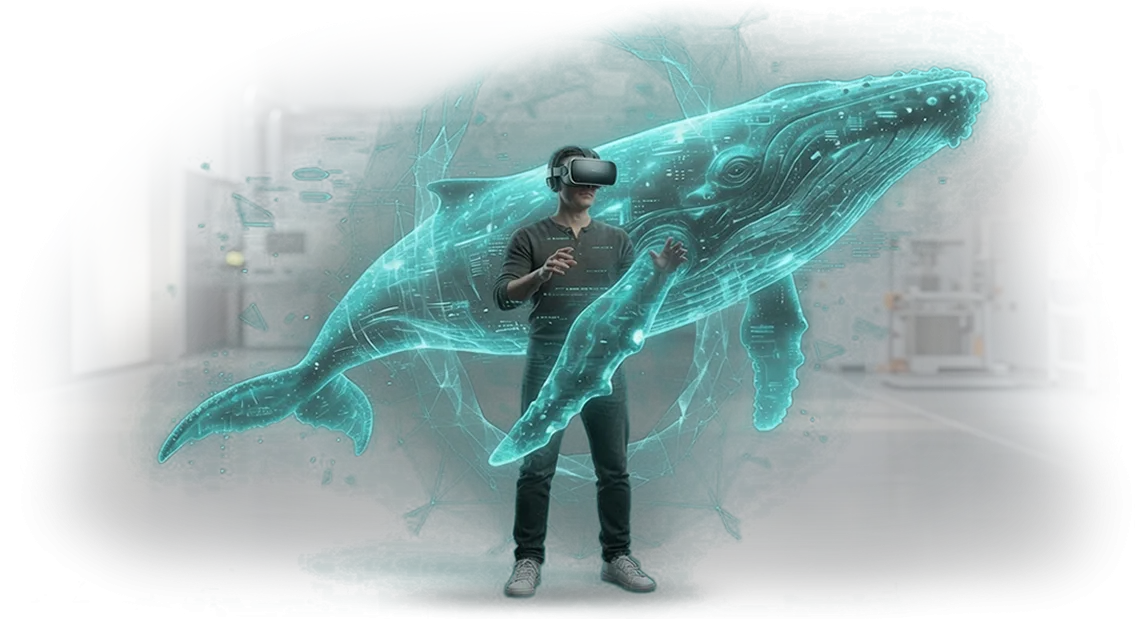
איך לבלוט? תגרום ללקוח ממש להיכנס לתוך המוצר שלך. במטלורגיה זה חשוב במיוחד: תהליכים מורכבים, אזורים מסוכנים, ציוד בקנה מידה גדול — את כל זה אפשר להראות בלי סיכון ובלי עלות של בדיקות אמיתיות.
כשהלקוח רואה איך הפתרון שלך עובד בתנאי בית המלאכה שלו, שאלת המחיר נדחקת לרקע, והיתרון עולה לחזית. ההדגמה הופכת לאותו גורם מבדל שהמתחרים יתקשו לחקות.
אנחנו עוזרים להפוך את ההצעה שלך לחוויה ויזואלית שמדברת בעד עצמה. הלקוח מפסיק להשוות מאפיינים מופשטים ומתחיל להעריך תוצאה קונקרטית — בדיוק את מה שהוא בא אליך בשבילו.
ככה אתה לא מחזיק לקוחות במאבק על הנחות, אלא זוכה בתשומת הלב שלהם דרך עליונות ברורה. זה הגשר שסוגר את הכאב של הזמנות אבודות במטלורגיה.
אילו יתרונות מביאה מצגת VR של הציוד שלך
היתרונות של מצגת VR לציוד מטלורגי ברורים: משיכת אורחים בתערוכה או באולם תצוגה.
וידאו רגיל או ברושור נסרקים במהירות, בעוד שאזור VR יוצר תור — אדם מרכיב משקפיים בעצמו ו"נכנס פנימה" לתוך מפעל הגלגול או תנור ההתכה שלך.
זו רגש שאי אפשר להשיג מקטלוג, וזה בדיוק מה שגורם למבקר להתעכב בדוכן שלך.
מעורבות משפיעה ישירות על צמיחת הלידים. כשהלקוח הפוטנציאלי שולט בסקירת הציוד בעצמו, הוא מבלה פי כמה יותר זמן בתוכן מאשר מול מסך עם מצגת.
והכי חשוב — הוא עוזב עם הבנה ברורה איך היחידה שלך תעבוד בבית המלאכה שלו. זה כבר קשר חם שקל יותר לקדם אותו להצעה מסחרית.
הגעה וזיהוי הם הצד השני של היתרון. מצגת ה-VR עצמה הופכת לסיבה למבקרים לצלם תמונות וסרטונים: אורחים משתפים את ההתרשמות שלהם ברשתות החברתיות ומזכירים את המותג שלך.
אפילו אלה שלא יכלו להגיע לתערוכה יראו חומרים חיים וביקורות שממשיכים לעבוד אחרי שהאירוע נגמר.
אזור ה-VR מספק גם סיפור מודרך: אתה מציג ציוד בתנועה — תהליך הגלגול החם או מחזור היציקה — בלי סיכון לייצור ובלי עלות של שינוע דוכנים כבדים.
זה מחזק את האמון בציוד שלך ומסיר התנגדויות בשלב המשא ומתן הראשוני.
השורה התחתונה פשוטה: מצגת VR היא לא בידור אלא כלי מכירה. היא מגבירה את מעורבות האורחים, מגדילה את מספר הלידים הממוקדים ומחזקת את המודעות למותג בקרב מקבלי החלטות. אלה בדיוק המשימות שאנחנו פותרים עם הפיתוח המקצה-לקצה שלנו.
פורמטים של אפליקציות VR/AR למשימות מטלורגיה
מפעל מטלורגי הוא מערכת מורכבת: תנורי פיצוץ, מפעלי גלגול, קילומטרים של צינורות.
אותה טכנולוגיית VR לא מכסה את כל המשימות: חלק צריכים פורמט למשא ומתן, אחרים צריכים סימולטור לפעולות מסוכנות, ועוד אחרים צריכים סיוע מהיר עם ציוד.
לכן אנחנו מחלקים אפליקציות VR/AR לפי תרחישי מפעל ספציפיים ומשתמשים בציוד מקצועי שהוכח באתרים תעשייתיים. זה מספק תוצאה יציבה בתנאי בית מלאכה.
| פורמט | למי | מה זה נותן ללקוח |
|---|---|---|
| מצגות VR | הנהלה, משקיעים, שותפים | מציג את בית המלאכה והטכנולוגיה בלי לבנות מודל פיזי, מחזק משאים ומתן ותערוכות |
| הדרכות VR | עובדים חדשים, צוות באזורים מסוכנים | תרגול פעולות לפני כניסה לבית המלאכה, פחות פציעות וטעויות |
| תמיכה מרחוק AR | טכנולוגים, שירותי תחזוקה | הוראות ישירות על הציוד, פחות השבתות ומצבי חירום |
הפורמטים משלימים זה את זה: בסימולטור העובד מתכונן לעבודה אמיתית, במצב AR הוא פותר משימה שוטפת, ומצגת VR מראה למשקיע איך הכל עובד. אנחנו נבחר פורמט למשימה שלך ונתאים אותו לייצור שלך.
שלבי פיתוח פרויקט VR עם הצוות שלנו
יצירת אפליקציית VR לייצור מטלורגי היא לא "כתיבת קוד" אלא תכנון של כלי שחותך עלויות ומשפר בטיחות.
כדי שהתוצאה תעמוד בציפיות, אנחנו עובדים בתהליך שקוף: אתה משתתף בנקודות מפתח ומבין מה קורה בכל שלב בפיתוח.
- בריף והתעמקות במשימה — אנחנו מגדירים את המטרות: אילו פעולות צריך לתרגל, כמה עובדים יוכשרו, איזה ציוד מעורב. על סמך הבריף, אנחנו מגבשים את המפרט הטכני ומעריכים את לוח הזמנים.
- אב-טיפוס תרחיש — אנחנו יוצרים מודל אינטראקטיבי של הייצור, מסכמים על לוגיקת הפעולה, הממשק ורמות הקושי. אתה רואה את המוצר העתידי לפני שפיתוח בקנה מידה מלא מתחיל.
- פיתוח אפליקציית VR — אנחנו מתכנתים אינטראקציות, משלבים סימולציית ציוד, מגדירים פיזיקה ומעקב אחר פעולות. בשלב הזה, אנחנו מראים גרסאות ביניים באופן קבוע.
- בדיקות על משימות אמיתיות — אנחנו בודקים את האפליקציה עם משתמשי קצה: מפעילים, טכנולוגים, מהנדסים. אנחנו אוספים משוב ומשכללים את התרחישים עד שהם תואמים לחלוטין את תהליכי העבודה.
- השקת האפליקציה — אנחנו מתקינים את התוכנה על משקפי VR, מאמנים עובדים, מגדירים חשבונות משתמש ומפעילים פרויקט פיילוט. יחד איתך, אנחנו עוקבים אחר הסשנים הראשונים.
- תמיכה ופיתוח — אנחנו מלווים את המוצר, מעדכנים תוכן כשהתקנות משתנות ומוסיפים תרחישים חדשים. אתה מקבל כלי עובד שחי לצד הייצור.
מה כלול במסירת פתרון VR מקצה-לקצה
אנחנו מבינים כמה חשוב לך לראות את היקף העבודה המלא מראש: בלי הפתעות ובלי "לא חשבנו על זה." לכן אנחנו בונים היקף מסירה שקוף לתוך החוזה, שבו כל פריט ברור וניתן לאימות בשלב הקבלה.
אתה מקבל לא "משהו במשקפיים" אלא מוצר עובד שאפשר להפעיל, לפתח ולהעביר לעובדים. החבילה כוללת:
- אפליקציית VR מוכנה למשימות ייצור מטלורגי: מסימולטור עבודה בטוחה לאתר ועד דיאגרמת זרימת תהליך אינטראקטיבית.
- תיעוד מלא של פתרון ה-VR: ארכיטקטורה, הוראות הפעלה, ניהול ועדכונים — בלי צורך לקרוא למפתח על כל דבר קטן.
- קוד מקור עם זכויות ורישיון: אתה הבעלים של המוצר ויכול לשכלל אותו בלי הצוות שלנו או עם מעורבותו.
- חומרי הדרכה לצוות: הוראות וידאו, דפי עזר, תרחישי מדריך — כדי שההדרכה תתחיל מיד אחרי המסירה.
- התקנה על ציוד והגדרת תחנות עבודה: אנחנו מחברים משקפיים, מגדירים עדכונים ובודקים פעולה באתר.
- תמיכה טכנית לתקופת האחריות: אנחנו עוזרים במהירות אם למפעילים או למנהלים יש שאלות.
- אופציונלית, אינטגרציה עם תוכניות הדרכה ומערכות מעקב לתיעוד התקדמות העובדים.
כל פריט מתועד בתעודת הקבלה, כך שאתה רואה על מה אתה משלם ומה אתה מקבל. אנחנו עורכים הדרכה פנימית עד שהצוות שלך בטוח לחלוטין: אנחנו מראים איך להשתמש בפתרון, איך לתחזק אותו ואיך לשלב אותו בתקנות הנוכחיות.
גישה זו מסירה תלות בקבלן ספציפי ומאפשרת לך לפתח בשלווה כלים דיגיטליים בתוך הארגון. העובדים שלך מקבלים דרך בטוחה להתאמן, ואתה מקבל נכס ניתן לניהול ומובן במקום "קופסה שחורה."
מקרה בוחן: איך הדגמת VR עזרה ללקוח לזכות במכרז
עבור חברה שמייצרת מתכת מגולגלת, המכרז היה ההזדמנות האחרונה להיכנס למתקן תעשייתי גדול.
המתחרים הציגו מצגות ושרטוטים, אבל הלקוח היה צריך הוכחה ויזואלית: איך הסגסוגת החדשה תתנהג בבית המלאכה ואילו פעולות היא תקצר.
בנינו הדגמת VR שלושה שבועות לפני ההגנה: מהנדסים עם משקפי מציאות מדומה יכלו "לפרק" את היחידה, לראות אותה בחתך ולשנות פרמטרי עומס בזמן אמת.
במצגת עצמה, הוועדה בילתה 40 דקות בדוכן במקום עשר המתוכננות — זה היה הטיעון המכריע.
מה זה נתן לעסק
חוזה זכייה לאספקת שלושה בתי מלאכה ומעמד של ספק בלעדי לכיוון הזה. אחרי המכרז, הלקוח הזמין שני תרחישי הדרכה נוספים לטכנולוגים שלו — ככה VR עבר מכלי שיווקי לכלי ארגוני עובד.
"בעבר, הסברנו את היתרונות במילים. עכשיו הלקוח מנסה את המוצר בעצמו לפני הקנייה. למטלורגיה זה פריצת דרך: שום PDF לא יכול להחליף את התחושה החיה של קנה מידה וחומר." מנהל מכירות, קונצרן מטלורגי
עבורנו, הפרויקט הזה אישר דבר פשוט: הדגמת VR עובדת לא כצעצוע, אלא ככלי מכירה לכל דבר.
אתה מראה את המוצר ללקוח לפני שהוא מוציא כסף על אצווה ניסיון, ואתה מסיר את הפחד המרכזי של כל עסקת מטלורגיה — הטעות של בחירת חומר או ציוד לא נכון.
תוצאות מפתח של הפרויקט: חוזה לשלושה בתי מלאכה, 40 דקות של תשומת לב ועדה במקום 10, ושתי הזמנות נוספות לפיתוח המערכת.
אם אתה מתכונן למכרז או למצגת של מוצר מורכב — נספר לך איך לחזור על תוצאה כזו בפרויקט שלך.
איך לבחור את הפורמט הנכון למשימה שלך?
בחירת פורמט מתחילה לא בטכנולוגיה אלא במשימה. במטלורגיה, אלה לרוב שלושה תרחישים: לאמן צוות בפעולות מורכבות בלי סיכון, להפחית השבתות ציוד ולשפר בטיחות באזורים מסוכנים.
לכל תרחיש יש פורמט משלו: VR — לטבילה מלאה ותרגול פעולות, AR — להצגת רמזים על ציוד אמיתי, MR — לעבודה משותפת כשמהנדס רואה מודל דיגיטלי ישירות באתר.
כדי להבין איזו אפשרות יעילה יותר, שאל שלוש שאלות. ראשית: איפה העובד רוכש את המיומנות — בחדר הדרכה או ישירות ליד היחידה? שנית: האם יש צורך בחיבור לציוד אמיתי, או שמודל וירטואלי מספיק? שלישית: כמה אנשים ישתמשו בפתרון בו-זמנית — מפעיל אחד או צוות שלם?
ייצור מטלורגי imposes דרישות מיוחדות שאנחנו לוקחים בחשבון כבר בשלב בחירת הפורמט. טמפרטורה גבוהה, אבק, רטט וציוד מגן אישי חובה — כל זה משפיע על סוג המשקפיים ושיטות השליטה.
לדוגמה, לעבודה בבית מלאכה עם כפפות מגן, שליטה קולית וממשקים גדולים מתאימים יותר, בעוד שבקרים קלאסיים עובדים היטב בחדר הדרכה.
הדרך האופטימלית היא ייעוץ קצר לפני תחילת הפיתוח. אנחנו מבקרים באתר שלך או עורכים שיחת וידאו, בוחנים את התנאים, דנים במשימות, ותוך 1–2 שעות מציעים 2–3 פורמטים מתאימים עם הערכת תוצאה ותקציב. אתה מקבל המלצה מוכנה, לא אפשרויות מפוזרות.
אם אתה מתלבט — התחל בפרויקט פיילוט בבית מלאכה אחד או בפעולה אחת. זה מאפשר לבדוק יעילות עם עובדים אמיתיים ולקבל החלטה על סמך מספרים — לדוגמה, על פחות טעויות או זמן הדרכה קצר יותר במקום תחושת בטן. ככה אתה בוחר פורמט שבאמת משתלם.
שאלות נפוצות וחששות של לקוחות לפני התחלה
לפני השקת פרויקט VR, ללקוחות יש את אותם חששות: האם לוח הזמנים יימשך, כמה בטוח להשתמש בציוד בבית המלאכה, ומי יתמוך במוצר אחרי היישום. אנחנו מתייחסים לשאלות הנפוצות ביותר — בקצרה ולעניין.
כמה זמן לוקח לפתח סימולטור VR?
פרויקט סטנדרטי על Meta Quest לוקח 6 עד 12 שבועות — מבריף לפתרון מוכן. לוח הזמנים תלוי במספר התרחישים ובמורכבות התהליכים שאתה רוצה לשקף בהדרכה או במצגת.
בהתחלה, אנחנו קובעים את השלבים והתאריכים כדי שתוכל לראות התקדמות שבוע אחר שבוע ולהבין מתי תקבל את התוצאה.
האם זה בטוח להשתמש ב-VR בייצור?
כן, אנחנו מתכננים תרחישים לתנאים אמיתיים: ההדרכה מתקיימת בחדר נפרד או באזור, ואובייקטים וירטואליים לא חופפים למכונות נעות. אם צריך, אנחנו מגדירים מצב שבו העובד יכול לראות את גבולות האזור ולא יוצא מהאזור הבטוח. אין סיכון לאנשים או לציוד.
איך VR ישתלב בתהליכים הקיימים שלנו?
אנחנו לא משנים את מערכת ההדרכה שלך — אנחנו משלימים אותה. אפליקציית ה-VR רצה על משקפיים עצמאיים, לא דורשת מחשבים חזקים וקלה להפעלה אפילו בתנאי שטח.
אם צריך, אנחנו משלבים תוצאות הדרכה במערכת המעקב שלך: אתה רואה התקדמות עובדים ומספר ניסיונות חוזרים.
מה לגבי תמיכה ואחריות אחרי ההשקה?
אחרי מסירת הפרויקט, אתה מקבל אחריות על האפליקציה ותמיכה טכנית. אם עובד צריך רמז או משהו משתבש — אנחנו בקשר מרחוק ופותרים בעיות במהירות.
אתה יכול להרחיב את הפונקציונליות בכל זמן: תרחישים חדשים, שינויי תקנות, הוספת שפות — את כל זה אפשר לעשות על המוצר העובד.
אם עדיין יש לך חששות — שאל אותנו ישירות. נראה דוגמאות של פרויקטים תעשייתיים, נסביר איך התהליך בנוי, ונציע תרחיש פיילוט שתוכל לבדוק עם העובדים שלך. זו הדרך הטובה ביותר להסיר את כל השאלות לפני השקה בקנה מידה מלא.בואו נדון בפרויקט שלך: השאר בקשה לייעוץ
אתה כבר רואה את הפוטנציאל של VR למטלורגיה: הדרכת צוות בלי סיכון, שליטה בתהליכים, הוראות ויזואליות. אבל נשארות שאלות — כמה זה עולה, איך זה משתלב בתקנות הנוכחיות ומתי תבוא התוצאה.
במקום לנחש, התחל בייעוץ קצר: ננתח את המשימה שלך, נציע תרחיש מתאים ונכין הצעה מסחרית.
כל מה שאתה צריך לעשות זה להשאיר בקשה לייעוץ VR. ניצור קשר תוך יום עסקים אחד, נברר את הפרטים ונבנה הערכת עלות אישית — בלי "מחירים ממוצעים" או עבודה נסתרת.
יחד עם ההערכה, תקבל מצגת עם אפשרויות פתרון: אילו תהליכים אפשר לדיגיטציה, אילו מכשירים להשתמש, כמה מהר ליישם ואיך למדוד את האפקט.
מה כלול בתשובה לבקשה שלך:
- הערכת עלות לפיתוח לפי התרחיש שלך — מהדרכת צוות ועד סימולטור וירטואלי לפעולות מסוכנות.
- מצגת פתרון עם דוגמאות ממשק ולוגיקת שימוש באפליקציה.
- בחירת ציוד ותאימות לתשתית הקיימת שלך.
- הערכת השפעה כלכלית: זמן הדרכה קצר יותר, פחות תקריות, כישורי עובדים גבוהים יותר.
- תוכנית יישום עם שלבים ולוחות זמנים — מבריף ועד השקה באתר.
אנחנו עובדים מרחוק, כך שבקשת VR מכל אזור עובדת — לא משנה איפה המפעל או אתר הייצור שלך נמצא. אתה מקבל חבילת מסמכים מלאה ומפת דרכים ברורה, לא הבטחות מופשטות.
השאר בקשה עכשיו — תוך 1–2 ימים תהיה לך הצעה מסחרית ומצגת שתוכל להשתמש בהן כדי לקבל החלטה. זה לא מחייב, אבל זה מבהיר את השאלות המרכזיות על עלות, לוחות זמנים ותוצאות.