



מדוע סיורים רגילים לא מוכרים נדל"ן — ומה לעשות בנידון
קוני נדל"ן מקבלים החלטות על בסיס רגש, אבל מאמתים עם עובדות.
תמונות רגילות וסיורים דו-ממדיים מציגים תוכנית קומה, אבל הם לא מעבירים את התחושה האמיתית של החלל: אי אפשר לשפוט את גודל החדר, גובה התקרה, האור בשעות שונות של היום, או הנוף מהחלון.
הלקוח מהסס: "בתמונות רואים דבר אחד, אבל במציאות זה דבר אחר." הספקות האלה מאריכים את העסקה, מאלצים מנהלים לבזבז שעות על סיורים חוזרים, ומורידים את אחוזי ההמרה במכירות.
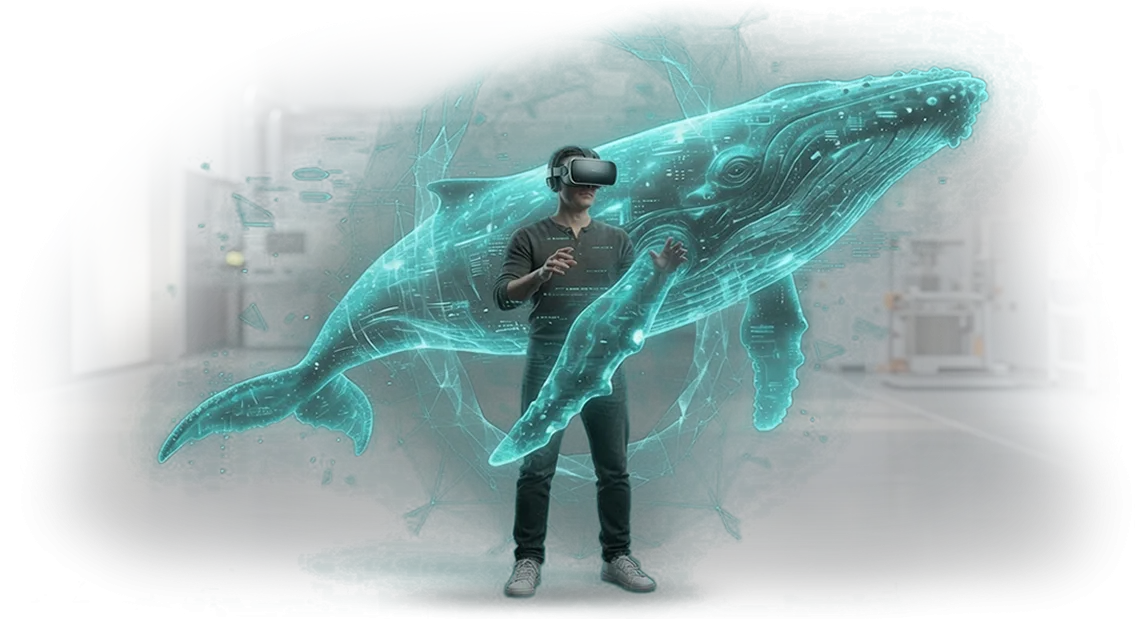
סיור וירטואלי בפורמט VR פותר את הבעיה הזו. הלקוח "מסתובב" בתוך הדירה או הבית, מביט לכל חדר, ומבין אם החלל מתאים לאורח החיים שלהם.
זו לא מצגת שקופיות — זה סיור אינטראקטיבי שמעסיק קונים ומחזיק את תשומת הלב שלהם הרבה יותר זמן מחומרים רגילים.
במקום ספקנות, מופיע עניין: הלקוח כבר מדמיין את עצמו בחלל הזה, מה שאומר שהם מגיעים לצפייה מוכנים לסגור את העסקה.
אנחנו יוצרים סיורים אינטראקטיביים למכירת נדל"ן שבונים אמון בנכס ומעסיקים לקוחות מהשניות הראשונות. אנחנו מטפלים בכל העבודה הטכנית, ואתם מקבלים כלי שעובד עבור כל נכס ומבדל את הפרויקט שלכם מהתחרות.
אילו מטרות עסקיות אפליקציית VR פותרת עבור הפרויקט שלכם?
קונה נדל"ן מחליט פעם אחת ולזמן ארוך, כך שכל ספק יכול להרוס את העסקה. אפליקציית VR הופכת הצגה רגילה למסע אל תוך הדיור העתידי: הלקוח רואה את התכנון, את האור, את הנופים מהחלונות, ואפילו בוחר את הגימורים. הפורמט הזה מסיר פחדים ומנחה את הקונה להחלטה מהר יותר מכל תצלום.
המרת מכירות גבוהה יותר
סיור וירטואלי מאפשר להציג את הנכס עוד לפני שהבנייה הושלמה. הקונה מסתובב בדירה, פותח דלתות, יוצא למרפסת — וכבר מדמיין את עצמו שם.
זה מסיר את המחסום המרכזי: "אני לא מבין מה אני קונה." כתוצאה מכך, מספר הפגישות שהופכות להזמנות גדל באופן דרמטי.
חיבור רגשי לבית עתידי עובד חזק יותר מכל טיעון. ברגע שאדם "חי" בדירה אפילו 10 דקות, הרבה יותר קשה לו לוותר לטובת מתחרה.
חיסכון בסיורים ובלוגיסטיקה
סיור וירטואלי אחד מחליף עשרות ביקורים בשטח. המנהל לא צריך לקחת את הלקוח לאתר הבנייה, לחבוש קסדה, או לבזבז שעה על הכביש.
מספיק לקיים את הפגישה במשרד או לשלוח קישור — הקונה מוצא את עצמו בדירה הנכונה מכל מקום בעולם.
עלות ארגון הסיורים יורדת, ומספר הצפיות כבר לא תלוי במזג האוויר או בזמינות הנכס. עבור יזם, זה חיסכון תקציבי ישיר שניתן להפנות לשיווק.
הכרת מותג ושיווק רגשי
מצגת VR היא אפקט הוואו שמספרים עליו לחברים. לקוחות זוכרים חברה שמציגה דיור עתידי בפירוט במקום רק להבטיח אותו.
פרויקטים כאלה משתפים ברשתות החברתיות וכותבים עליהם בעמודי קהילה עירוניים — חשיפה חינמית ששום ברושור רגיל לא יכול לספק.
הפתרונות שלנו רצים על חומרה מקצועית של Meta Quest — זה מספק תמונה יציבה והתעמקות מלאה ללא תקלות טכניות. עבור הלקוח, זה אומר שהמצגת תרוץ בצורה חלקה ותשאיר בדיוק את הרושם שתכננתם.
לידים איכותיים ואנליטיקה
אחרי צפייה וירטואלית, רק קונים שבאמת מתעניינים מגיעים לפגישה — לא מבקרים אקראיים. אתם יודעים בוודאות שהאדם כבר ראה את הנכס, למד את התכנון, ומוכן לדון בתנאים. זה חוסך זמן למנהלים ומעלה את ההמרה במחלקת המכירות.
אתם גם מקבלים נתונים: אילו תכנונים נצפים הכי הרבה, אילו קומות שומרות על תשומת לב זמן רב יותר, אילו תרחישים קונים בוחרים. המספרים האלה מאפשרים לכם להתאים את ההיצע ולבצע הצעות ממוקדות לכל לקוח.
ההשקעה ב-VR מחזירה את עצמה דרך מכירות גבוהות יותר ועלויות הצגה נמוכות יותר — בדרך כלל כבר בפרויקט הראשון.
פורמטים של פתרונות VR לנדל"ן: בחירה לפי מטרה
בחירת פורמט פתרון ה-VR משפיעה ישירות על מהירות העסקה והתקציב. פרויקט חדש שבו הבניינים עדיין לא קיימים פיזית צריך מצגת וירטואלית, בעוד שחלל מושלם צריך סיור ריאליסטי. אין אפשרות "קסם" אוניברסלית: כל פורמט פותר אתגר מכירות משלו.
להלן השוואה בין הפורמטים המרכזיים שבהם אנו משתמשים בפרויקטים עבור יזמים, מוכרים פרטיים ובעלי נכסים מסחריים.
| פורמט | למי זה מיועד | מה זה נותן ללקוח |
|---|---|---|
| סיור תלת-ממדי וירטואלי | דירות מוכנות, משרדים, קוטג'ים | הלקוח "מסתובב" בנכס באופן עצמאי לפני הביקור; צפיות לא ממוקדות מסוננות, וחוסכות זמן למנהלים |
| מצגת VR למשקפיים | פרויקטים חדשים, נכסים בשלב היסודות | הקונה רואה את הדירה העתידית עם גימורים וריהוט ריאליסטיים — זה מסיר את הפחד מ"חזיר בשק" ומאיץ את ההחלטה |
| סיור תלת-ממדי אינטראקטיבי עם תוכניות קומה | נדל"ן מסחרי | מציג משרד או חלל מסחרי עם אפשרויות אזור וריהוט מיד — השוכר מחליט מהר יותר |
| פורמט VR נייד | לקוחות שלא יכולים לבקר בנכס באופן אישי | אתם שולחים קישור או קובץ — הקונה צופה בנכס מכל עיר, קהל היעד גדל ללא נסיעות |
עבור פרויקטים חדשים, אנחנו לרוב ממליצים על מצגת VR מלאה: היא יוצרת את ה"התעמקות" הרגשית בדירה שרינדור שטוח לא יכול להשיג.
עבור נדל"ן מסחרי, סיור אינטראקטיבי יעיל יותר — שוכר צריך להעריך לוגיסטיקה ומיקום עובדים, לא "להתפעל מהנוף."
בכל מקרה, אתם מקבלים כלי מכירה מוכן שעובד על סמארטפונים, טאבלטים ומשקפיים — הקונה בוחר את הדרך הנוחה ביותר לחקור את הנכס.
אנליטיקה מובנית בפתרון: אתם רואים אילו אזורים באפליקציה נצפים הכי הרבה ומתאימים את השיווק בהתאם.
שלבי פיתוח אפליקציית VR עבור הנכס שלכם
עבור עסקים, חיזוי חשוב בפרויקט VR: אתם צריכים לדעת לוחות זמנים, להבין אילו שינויים אפשריים, ולראות בדיוק במה הקבלן אחראי.
לכן פיתוח אפליקציות נכסים בנוי כתהליך שקוף של שבעה שלבים — מהבריף ועד ההשקה והתמיכה.
- בריף ומטרות — אנחנו קובעים אילו נכסים להציג ומי קהל היעד. אתם מיד רואים מה כלול בפרויקט ואילו לוחות זמנים ריאליים.
- עיצוב מסלול — אנחנו מתכננים כיצד הלקוח חוקר את הנכס: אזורים, נופים מהחלונות, נקודות מידע. זה מאפשר לכם לאשר לוגיקת צפייה שתומכת במכירות.
- מידול תלת-ממדי — אנחנו יוצרים חדרים ריאליסטיים על בסיס שרטוטים אדריכליים. אתם מקבלים עותק דיגיטלי של הנכס למכירות; עותק כזה מאפשר להציג את הנכס מרחוק וחוסך זמן ללקוח.
- אישור — אנחנו מציגים גרסת ביניים, ואתם מגישים הערות לפני הייצור המלא. זה חוסך תקציב וזמן כי כל השינויים קורים בתחילת התהליך.
- פיתוח סופי — אנחנו מרכיבים את האפליקציה, מגדירים מעברים ואינטראקטיביות: מעלית, דלתות, החלפת תכנון. הכל רץ בצורה יציבה על החומרה שנבחרה.
- השקה והדרכה — אנחנו מתקינים את האפליקציה, מגדירים את המשקפיים ומכשירים את המנהלים. ההדגמה מתחילה מיד אחרי הפגישה; ההדרכה אורכת לא יותר משעה.
- תמיכה — אנחנו מעדכנים תוכן ככל שמופיעים תכנונים חדשים ופותרים בעיות טכניות. אתם אף פעם לא נשארים לבד עם המוצר: הפרויקט ממשיך לעבוד אחרי ההשקה.
מה כלול בפתרון VR לנדל"ן
המסירה כוללת חבילה מלאה: אפליקציה מוכנה לשימוש המלאה בנכס שלכם, הוראות ותמיכה. אתם לא צריכים לקנות או להגדיר שום דבר נוסף — אתם מקבלים כלי מכירה מוכן ויכולים להתחיל סיורים ברגע שהציוד מגיע.
- אפליקציית VR עובדת להצגת נדל"ן: רצה על משקפי מציאות מדומה ועובדת בצורה אמינה בפגישות, בתערוכות ובמשרד המכירות.
- תוכן תלת-ממדי של הנכס שלכם: דירות, תכנונים, בתים ושטחים עם גימורים, ריהוט ותאורה ריאליסטיים.
- תרחישי צפייה ללקוחות: תנועה חופשית בין קומות, מבטים ממעוף הציפור והשוואה בלחיצה אחת בין אפשרויות ותכנונים.
- ממשק הבנוי סביב המותג שלכם: לוגו, צבעי חברה, שמות נכסים ותוויות ברורות — הלקוח מבין מהשנייה הראשונה שהם מסתכלים על המוצר שלכם.
- הדרכת צוות: מדריכים קצרים וסשן הדגמה למנהלים כדי שיוכלו להריץ סיורים בביטחון ללא רקע טכני.
- חבילת מסמכים: מדריך עזר להשקה, הגדרת משקפיים ועדכוני תוכן ככל שמופיעים בניינים או קומות חדשים.
- תמיכה לאחר ההשקה: סיוע מהיר, עדכוני אפליקציה ושיפורי תוכן כאשר תכנונים משתנים או נכסים מתווספים.
מקרה בוחן: כיצד סיור VR הגדיל מכירות של מתחם מגורים
המכירות של מתחם מגורים חדש ברמת עסקים נתקעו בגלל סיורים פיזיים: קונים מערים אחרות לא יכלו לבקר באתר הבנייה, ותמונות הקשו על הערכת הנוף מהחלון או השטח בפועל.
היזם רצה לקצר את הדרך מליד להחלטה ולתפוס את תשומת הלב של הלקוח לפני שהם פותחים את האתר של מתחרה. הצענו סיור VR — והוא שינה את משפך המכירות.
כיצד מדדנו את האפקט
בנינו חוויה סוחפת למשקפי Meta Quest: הקונה "מסתובב" בדירה, מחליף גימורים, צופה בחצר מגובה הקומה הנכון, ואפילו מסתכל על בניינים שכנים.
הסיור הושק בחדר התצוגה ובתערוכת נדל"ן. בשלושת החודשים הראשונים, הוא צבר 720 סשנים, וזמן השהייה הממוצע בדירה היה 11 דקות לעומת שתי דקות בצפייה בתמונות.
אחרי סיור ה-VR, 38% מהמשתתפים ביקשו סיור אמיתי, וחלק העסקאות שנסגרו גדל ב-16%. כדי לזהות את מקור הצמיחה, קישרנו לידים לסשנים באמצעות קודי קידום וסקרים קצרים למבקרים.
זה אישר: אחד מכל שלושה קונים מציין את סיור ה-VR כגורם המפתח בבחירה שלהם — אנשים מחליטים מהר יותר ובביטחון רב יותר.
הלקוח השתכנע ביעילותו וכעבור שישה חודשים הזמין סיורים לשתי השלבים הבאים של המתחם. עסקים חוזרים הם ההוכחה הטובה ביותר לערך: סיור ה-VR לא רק מרשים — הוא מעלה מכירות באופן עקבי ומחזיר את עצמו דרך עסקאות חדשות.
איזה פורמט VR מתאים לכם?
אין פורמט VR אוניברסלי: עבור נדל"ן, זה יכול להיות סיורים וירטואליים בדירות שעדיין לא נבנו, תכנונים אינטראקטיביים עם גימורים ניתנים להחלפה, או פרויקט מותאם אישית לחלוטין כמו משרד מכירות וירטואלי.
הכל תלוי במטרה שלכם: VR לעסקי נדל"ן עוזר למכור נכסים בשלב היסודות, להפחית את מספר פגישות הלקוחות הפיזיות, או להבליט מצגת תערוכה מול מתחרים.
אנחנו עוזרים לכם לבחור את הפורמט באמצעות ייעוץ. ראשית, אנחנו מפרקים את המשימה העסקית שלכם, קהל היעד והתקציב המתוכנן. לאחר מכן אנחנו מציעים אפשרויות — מסיור VR פשוט ועד פיתוח מותאם אישית לנכס ספציפי. אנחנו אף פעם לא דוחפים תוספות: אם פתרון סטנדרטי מספיק, נגיד זאת.
לדוגמה, למכירת דירות בבניין בבנייה, אנחנו ממליצים על סיור VR עם גימורים ריאליסטיים — הלקוח מבין איך הדירה תיראה ומחליט מהר יותר.
עבור נכסים שכבר נבנו, תכנונים אינטראקטיביים עם ריהוט וגימורים ניתנים לשינוי עובדים טוב יותר. ועבור דוכן תערוכה או פתיחת אולם תצוגה, פרויקט מותאם אישית שבלתי נשכח ומבדל אתכם מהמתחרים.
שאלה נפוצה: מה אם הפורמט לא מתאים? לכן אנחנו בודקים את האפשרות הנבחרת על פרויקט פיילוט קטן תחילה, ואז פורסים את הפתרון על כל הפורטפוליו. אתם מקבלים ביטחון לפני השקעה גדולה ורואים כיצד VR משפיע על מהירות ויעילות המכירות. גישה זו חוסכת תקציב ומגנה על לוחות זמנים.
קבעו ייעוץ: נספר לכם איזה פורמט VR מתאים לנכס הספציפי שלכם, נכין הערכת עלות ונראה דוגמאות לפתרונות דומים. זה יעזור לכם לעשות את הבחירה הנכונה.
שאלות נפוצות על פיתוח אפליקציות VR
לפני השקת פרויקט VR לנדל"ן, לקוחות נוטים לשאול את אותן שאלות: על עלות, לוחות זמנים, תאימות לכלים קיימים ואבטחת מידע. להלן, אנו מתייחסים לחששות הנפוצים ביותר — ללא פרטים טכניים, רק עיקרי הדברים.
כמה עולה לפתח אפליקציית VR לנדל"ן?
התקציב תלוי בפורמט: סיור סטנדרטי לנכס אחד עולה משמעותית פחות מפתרון מקיף עם תרחיש מותאם אישית ואינטגרציית CRM. אנחנו קובעים את המחיר בשלב הבריף ולא מוסיפים עמלות נסתרות — אתם יודעים את הסכום הסופי לפני שאנחנו מתחילים.
כמה זמן לוקח ליצור פרויקט VR?
פרויקט סטנדרטי אורך שלושה עד שישה שבועות, כולל צילום או מידול הנכס, בניית התרחיש ובדיקות על משקפיים. אם אתם צריכים סיור סקירה מהיר לקמפיין פרסומי, אנחנו יכולים לדחוס את לוח הזמנים לשבועיים.
איזה ציוד הלקוח והלקוח הסופי צריכים?
לצפייה בסיור, מספיק משקפי Meta Quest עצמאיים — אין צורך במחשב חזק. אנחנו עוזרים לכם לרכוש את מספר המשקפיים הנכון ולהגדיר השקה בלחיצה אחת כך שהצוות שלכם יוכל להריץ את האפליקציה ללא הכשרה מיוחדת.
איך משלבים VR עם האתר וה-CRM?
האפליקציה רצה כתוכנה עצמאית וניתן גם להטמיע אותה באתר לצפייה ללא משקפיים. אנחנו מחברים את האינטגרציה עם ה-CRM שלכם כך שתוכלו לראות אילו נכסים הלקוח צפה, כמה זמן הם השקיעו בכל אחד, והיכן הם עצרו.
האם זה מאובטח, ואיזו תמיכה מגיעה אחרי ההשקה?
הזכויות על הקוד והחומרים עוברות אליכם; נתוני הלקוח נשארים בתוך המערכת שלכם — הגישה מוגדרת לפי תפקיד למנהלים ולמנהלים בכירים.
אחרי מסירת הפרויקט, אנחנו מספקים אחריות ותמיכה שוטפת: עדכוני תוכן, ייעוץ ושיפורים ככל שתכנונים או מחירים משתנים.
בואו נדון בפרויקט שלכם — השאירו פנייה
השאירו פנייה, ותוך יום עסקים אחד נפרק את משימת הנדל"ן שלכם: נספר לכם היכן פורמט VR יניב תועלת מקסימלית והיכן סיור תלת-ממדי קל מספיק.
זהו ייעוץ, שלאחריו תקבלו ביקורת על החומרים הנוכחיים שלכם והערכת עלות כנה.
הנה מה כולל הצעד הראשון:
- ייעוץ עם מומחה — שיחה בשפה של העסק שלכם, ללא ז'רגון טכני.
- ביקורת משימה — אנחנו בוחנים מה כבר קיים: תוכניות קומה, רינדורים, תמונות, תיאורי נכסים.
- בחירת פורמט — סיור וירטואלי, חדר תצוגה אינטראקטיבי, אפליקציה ניידת או מצגת VR למשא ומתן.
- הצעת מחיר מדויקת — אנחנו קובעים את היקף העבודה, לוחות הזמנים והעלות לפני שמתחילים, ללא עמלות נסתרות.
- חישוב אפקט — אנחנו מראים כיצד הפורמט משפיע על מהירות המכירות ומספר צפיות הנכס.
- תגובה תוך יום עסקים אחד — לא "נחזור אליכם מחר," אלא תשובה מהירה וקביעת פגישה.
איתנו, אתם לא מבזבזים שבועות על מחקר שוק ומשא ומתן עם קבלנים. עבדנו מרחוק יותר מ-10 שנים ומשתמשים בציוד מקצועי ובכלים משוכללים — כך שאנחנו מטפלים בכל המחזור מרעיון ועד השקה ותמיכה. כל מה שאתם צריכים לעשות זה לאשר את הקונספט ולקבל תוצאה מוגמרת.
ספרו לנו על הנכס או המשימה שלכם — לחצו על הכפתור והשאירו פנייה. ניצור קשר, נענה על השאלות שלכם, ואז אתם מחליטים אם להמשיך. אם VR לא מתאים לכם, נגיד זאת — כי התועלת שלכם חשובה לנו יותר מפרויקט נוסף.