



מדוע החינוך המסורתי מאבד את תשומת הלב של התלמידים?
תלמיד מודרני מביט במסך הסמארטפון שלו יותר מאשר במרצה שלו. הרצאות עם מצגות שקופיות, קריאת ספר בקול רם וכתיבת הערות ביד מפסידות לסרטונים הקצרים ולמשחקים שמקיפים צעירים בכל יום.
טווחי הקשב נמשכים רק כמה דקות — ואם החומר לא תופס אותם, התלמיד עובר לאפליקציית מסרים, ונושאי מפתח חולפים על פניו.
הבעיה אינה עצלנות של תלמידים, אלא שיטות העברה מיושנות. כאשר הלמידה מבוססת על האזנה פסיבית, המוח מתעייף במהירות: המידע נקלט ב-10–20% גרוע יותר מאשר עם השתתפות פעילה.
המרצה משקיע מאמץ, אך התוצאה עדיין נופלת מהציפיות — הן בציונים והן בכישורים אמיתיים. בסופו של דבר, גם הביצועים האקדמיים וגם המוטיבציה הקבוצתית נפגעים.
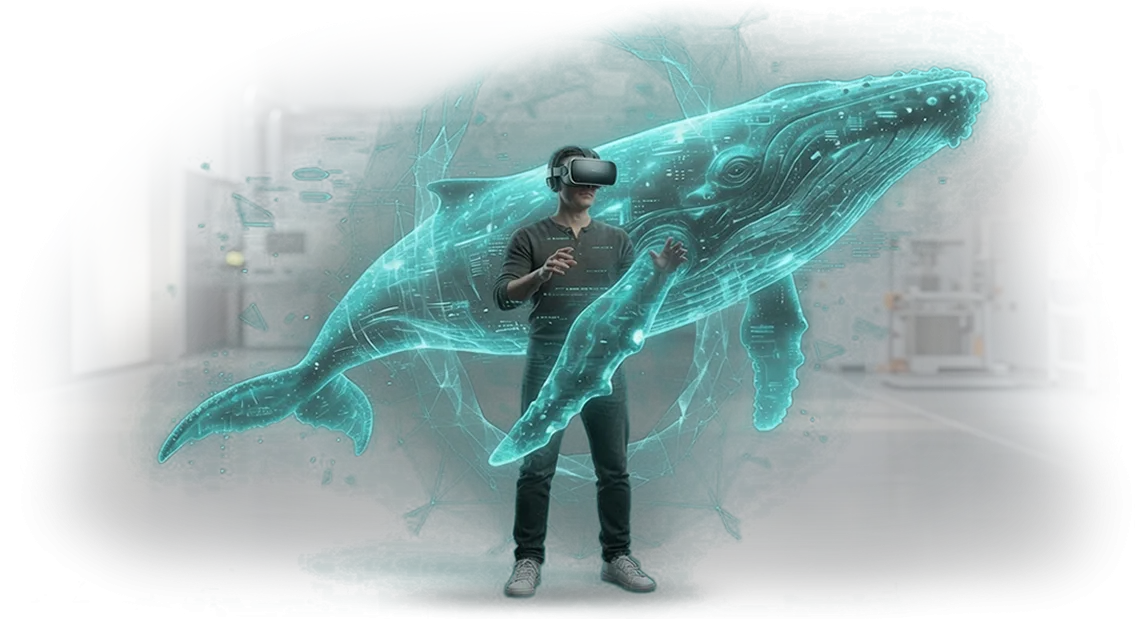
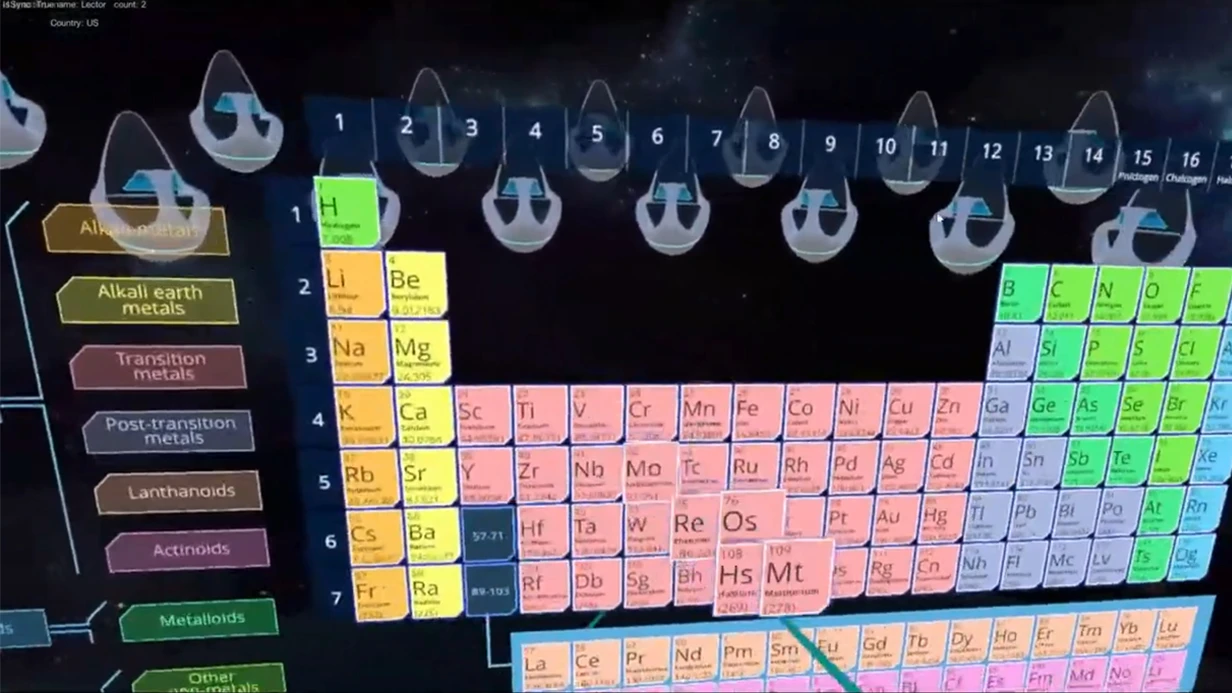
במקביל, חלק מהמוסדות החינוכיים ומרכזי ההכשרה הארגוניים כבר החלו לשנות את הגישה שלהם. הם מציגים שיעורי VR, שבהם התלמיד לא רק צופה אלא פועל: מפרק מנגנון, מריץ תגובה, בוחן חפץ היסטורי.
מפגשים כאלה מחזיקים את תשומת הלב לאורך כל התהליך, והחומר נזכר דרך חוויה אישית, לא שינון בעל פה.
מי שעדיין לא משתמש בכלי הזה מסתכן בפיגור אחרי ציפיות התלמידים ובהפסד במרוץ התחרותי על מועמדים וחוזים ארגוניים.
אנחנו עוזרים למוסדות חינוך ועסקים לסגור את הפער הזה: אנו מפתחים אפליקציות VR עבור Meta Quest שהופכות נושאים מורכבים לתרחישים ויזואליים, מרתקים ובלתי נשכחים. התלמידים מתעניינים, למרצים נוח, והתוצאות נראות מיד.
מה החינוך ב-VR נותן למוסד שלך?
הרצאות סטנדרטיות נכשלות יותר ויותר בהחזקת תשומת הלב. חינוך ב-VR הופך נושאים מורכבים לחוויה שנזכרת בגוף וברגשות — כלומר, היא באמת נקלטת.
מה זה נותן למוסד חינוכי? חמש תוצאות:
- שיפור בביצועים האקדמיים. שיעורים סוחפים מגבירים מעורבות ותוצאות בחינות. תלמידים חופרים עמוק יותר בנושא בעצמם במקום לשבת passively בכיתה.
- תדמית חדשנית. מוסד עם VR נראה מודרני בעיני תלמידים, הורים ושותפים. זה פרסום חינמי במדיה החברתית ובאירועים.
- חיסכון בחומרים. מעבדות וירטואליות וסימולטורים מחליפים ריאגנטים וציוד יקרים. טעות ב-VR לא עולה כלום — אפשר לחזור עליה מאה פעמים.
- משיכת מועמדים. מועמדים בוחרים באוניברסיטאות חדשניות. תוכנית VR היא טיעון ל"אנחנו יותר מעניינים" ומעלה את שיעור ההמרה לפניות.
- פיתוח כישורים מעשיים. תלמידים מתרגלים פעולות שמסוכנות או נדירות בחיים האמיתיים. אחרי אימון VR, הם נכנסים לפרקטיקה האמיתית עם יותר ביטחון.
אנחנו עוזרים ליישם פתרונות כאלה במפתח פתוח. הצוות שלנו מפתח אפליקציות VR עבור Meta Quest, מתאים אותן לתוכנית הלימודים שלך ותומך בך בכל שלב. אתה מקבל תוצאות מדידות: מעורבות מוגברת, חיסכון בתקציב ומועמדים חדשים.
פורמטים של שיעורי VR למשימות חינוכיות שונות
VR בחינוך לא מתאים לתבנית אחת: כל שיעור פותר בעיה משלו — מעורבות תלמידים, הסבר נושא מורכב או תרגול כישור מעשי.
כשהפורמט נבחר נכון, המעורבות, עומק הלמידה והעניין בנושא גדלים, והמרצה מקבל כלי שחוסך זמן בהכנה ובהערכה.
| פורמט | למי | מה הוא מספק |
|---|---|---|
| מעבדות וירטואליות | סטודנטים במדעי הטבע, תלמידי בתי ספר בכיתות מתמחות | ביצוע ניסויים ללא ריאגנטים או ציוד: בטוח, ויזואלי, זמין בכל זמן. אין סיכון לתלמידים ואין עומס על התקציב. |
| סיורים תלת-ממדיים | תלמידי בתי ספר, סטודנטים למדעי הרוח, קבוצות השתלמות | שקיעה באתרים היסטוריים, מוזיאונים ומתקני ייצור שקשה או יקר לבקר בהם במציאות. בהירות מקסימלית ללא ארגון טיולים. |
| סימולטורים | אנשי מקצוע רפואיים לעתיד, מהנדסים, נהגים ומומחים במקצועות מסוכנים | תרגול פעולות לפני פרקטיקה אמיתית: לטעות אין השלכות, והכישור מתחזק דרך זיכרון שרירי. לפי הסטטיסטיקה, שיעורים כאלה מקצרים את זמן ההכנה לעבודה אמיתית. |
קל לשלב בין הפורמטים: לדוגמה, סיור תלת-ממדי בתיאטרון אנטומי הופך להקדמה למעבדה וירטואלית, וסימולטור משמש כבדיקת ידע סופית.
אנחנו מתאימים את הפורמט לתוכנית הלימודים שלך, לרמת הקהל וליכולות הטכניות — ומשלבים את הפתרון בתהליך הלמידה כך שהוא עובד מהשיעור הראשון. כל מה שנשאר לך הוא לפתוח את לוח הזמנים: כל השאר כבר מחושב.
איך אנחנו מיישמים VR בחינוך: שלבי הפרויקט
תהליך יישום VR בחינוך מורכב משישה שלבים שקופים. אנחנו מסכימים על החלטות מפתח מראש, כך שאתה מבין איך תיראה התוצאה עוד לפני תחילת הפיתוח.
-
בריף ומטרות — אנו דנים במטרות שלך: נושאים, קהל והקשיים שאתה מתמודד איתם כרגע. אנו מגדירים קריטריוני הצלחה כדי להבין בבירור מה צריך ליצור.
-
קונספט ותסריט — אנו מציעים רעיון לאפליקציית VR כדי לפתור את המשימה הפדגוגית שלך. אנו מתארים איך התלמיד יעבוד עם החומר ואיך זה משתלב בתוכנית הלימודים.
-
אישור הפרויקט — אנו מציגים את התסריט והלוגיקה של האפליקציה. אתה יכול לערוך לפני תחילת הפיתוח — זה חוסך זמן ומבטיח תוצאה נכונה.
-
פיתוח האפליקציה — אנו יוצרים סצנות אינטראקטיביות, מכניקות וממשקים. אנו עובדים עם ציוד מקצועי ומכוונים למכשירי Meta Quest ספציפיים כדי שהתלמידים יקבלו חוויה חלקה ויציבה.
-
בדיקות — אנו מריצים שיעורי פיילוט עם תלמידים ומרצים ואוספים משוב. אנו מלטשים את התסריט כך שהכל יעבוד ללא תקלות בכיתות אמיתיות.
-
השקה ותמיכה — אנו מתקינים את האפליקציה, מאמנים מרצים ומספקים הוראות. אנו נשארים בקשר: מעדכנים תוכן ועוזרים בבעיות טכניות.
מה כלול במסירת פתרון VR
אתה לא מקבל תוכנית "גולמית" אלא כלי מוכן לשימוש שניתן להשיק מהיום הראשון. אנו מרכיבים את החבילה כך שהמרצים שלך לא יצטרכו להבין את הטכנולוגיה לבד — הכל כבר מחושב ונבדק.
מסירת פתרון VR סטנדרטי כוללת:
- אפליקציה מוכנה לצרכים שלך — עבודת מעבדה וירטואלית, סימולטורים או סיורים המותאמים לדיסציפלינה ולקהל ספציפיים.
- חומרים מתודולוגיים למרצים — תסריטי שיעורים, הוראות ודפי עבודה לשילוב VR בתוכנית הלימודים ללא עיבוד מחדש של התוכנית.
- הכשרת צוות — אימון מעשי למרצים ומנהלים: מההשקה הראשונה ועד ניהול שיעור VR עצמאי.
- תיעוד טכני — מדריכים ברורים להגדרת ציוד, התקנת האפליקציה וטיפול במצבים נפוצים.
- 6 חודשי תמיכה — צוות זמין שמגיב במהירות לשאלות ועוזר אם משהו משתבש.
- עדכונים ושיפורים על בסיס הפיילוט — אחרי הכיתות הראשונות, אנו מתאימים תסריטים ופונקציונליות על סמך התנהגות תלמידים אמיתית.
עם החבילה הזו, אתה סוגר את סיכוני היישום העיקריים: מרצים לא מפחדים מהטכנולוגיה, מנהלים יודעים מה לעשות, וההנהלה מקבלת תוצאה צפויה.
כל מה שנשאר הוא להסכים על הפורמט — אנו נתאים את ההרכב למספר התלמידים, סוגי השיעורים והבסיס הטכני שלך.
מקרה בוחן: מעבדת VR לאוניברסיטה לרפואה
אוניברסיטה לרפואה התמודדה עם בעיה טיפוסית: אנטומיה היא הבסיס להכשרת רופאים, אבל חומרי הפרקטיקה מוגבלים. אין מספיק דגמים אנטומיים לכל התלמידים, וניתן להשתמש בהם רק בכיתות מתמחות. הכישור המעשי הופך להגרלה: חלק מהתלמידים זוכים, אחרים לא.
הצענו פתרון — מעבדת VR עם מודלים תלת-ממדיים מפורטים של מבנים אנטומיים. הצוות שלנו פיתח סימולטור המותאם לתוכנית הקורס: ממערכת השלד ועד חתכים טופוגרפיים.
תלמיד יכול "לפרק" איבר, לבחון אותו מכל זווית ובכל קנה מידה — ללא שימוש בחומרים או סיכון לטעויות.
איך זה נראה בפועל
הסימולטור הווירטואלי החליף חלק ממפגשי המעבדה אבל לא הפך לבידור.
בנינו תסריטים סביב מודולי לימוד: התלמיד עובד עם המודל, ואז עובר מבחן ב-VR, והמרצה רואה סטטיסטיקות — איפה השגיאות, באילו נושאים תלמידים מתקשים.
תוצאות היישום
אחרי שני סמסטרים, האוניברסיטה השוותה ביצועים קבוצתיים. הציון הממוצע באנטומיה עלה ב-32%, והבחינות החוזרות כמעט נחצו. עלויות החומרים המתכלים ירדו: חלק מהפרקטיקה עבר לסביבה הווירטואלית.
היום הסימולטור הוא חלק מתוכנית הלימודים, והמחלקה הוסיפה קורסי בחירה למתמחים על בסיסו. עבורנו, זו דוגמה לאיך VR פותר בעיות מערכתיות בחינוך: נגישות, בטיחות וכלכלה.
שאלות נפוצות על יישום VR בחינוך
לפני שמחליטים ליישם VR, מנהיגי חינוך נוטים לשאול את אותן שאלות: האם זה יפגע בבריאות התלמידים, כמה זה עולה, והאם יצטרכו לשנות את כל התשתית.
הנה תשובות קצרות לחששות המרכזיים, כדי שתראה ששיעור VR הוא פרויקט ניתן לניהול וצפוי — לא ניסוי.
האם משקפי VR בטוחים לתלמידים ולמרצים?
כן. אנו בוחרים מצבי מפגש על פי נורמות גיל: המפגשים נמשכים לא יותר מהזמן המומלץ, וההפסקות ביניהם הן חובה. מסכות פנים חד-פעמיות משמשות להיגיינה, והתאמת המרחק הבין-אישי אורכת כמה דקות.
המרצה תמיד רואה מה קורה בסביבה הווירטואלית ויכול לעצור את המפגש בכל רגע.
כמה זה עולה וכמה מהר זה מחזיר את ההשקעה?
העלות מורכבת מציוד, תוכן ותמיכה מתודולוגית. אנו מציעים השקה בשלבים: התחל עם דיסציפלינה אחת או קבוצת פיילוט — זה מוריד את חסם הכניסה ומאפשר לך להעריך את האפקט לפני הגדלת היקף.
הפרקטיקה מראה ש-VR מגביר מעורבות תלמידים ומפחית הוצאות על חומרים מתכלים לעבודת מעבדה, כך שההחזר מגיע מהר יותר ממה שנדמה.
האם קשה לשלב VR בתוכנית לימודים קיימת?
אנו מתכננים בכוונה תסריטים שמשלימים שיעורים ולא מחליפים אותם. אתה לא צריך לכתוב מחדש את תוכנית הלימודים: שיעור VR משתלב בקורס הקיים כרכיב מעשי — לדוגמה, מחליף חלק מההרצאות או עבודת המעבדה בסביבה וירטואלית. מרצים עוברים הכשרה קצרה, והחומרים המתודולוגיים נשארים אצלך.
האם VR יעבוד עם הציוד שכבר קיים במוסד?
ברוב המקרים, אתה צריך רק מחשב נייד עם כרטיס מסך מודרני ומשקפיים — הגדרה סטנדרטית שאנו מגדירים לכיתה שלך. אם החומרה מיושנת, נציע את האפשרות החסכונית ביותר ללא צורך בהחלפה מלאה של הציוד. הנקודה המרכזית היא ש-VR לא מתנגש עם המערכת הקיימת שלך — הוא עובד לצידה.
אם עדיין יש לך ספקות לגבי דיסציפלינה או קהל מסוימים, כתוב לנו — נשלח דוגמאות לתסריטים שכבר בשימוש על ידי עמיתים בתחום שלך.דון בפרויקט ה-VR שלך עם המהנדס שלנו
פרויקט VR לחינוך הוא לא רק רעיון — הוא גם תקציב, לוחות זמנים ושילוב בתהליך הלמידה.
כדי להימנע מתשלום יתר והחמצת פרטים, כדאי לדון בפרויקט שלך מראש עם מהנדס שיודע להפוך קונספט לאפליקציית Meta Quest עובדת — לא רק אב טיפוס להדגמה.
קבע ייעוץ ותקבל:
- הערכה של מידת הריאליזם של הרעיון שלך, בהתחשב בקהל וביעדים החינוכיים.
- חישוב עלות פיתוח שקוף — ללא תוספות נסתרות.
- תוכנית יישום שלב אחר שלב: מאב טיפוס ועד השקה סופית.
- לוחות זמנים ראשוניים — תדע מתי הפרויקט יכול לעלות לאוויר.
- המלצות על פורמט VR/MR ותרחישי שימוש בכיתה או באולם הרצאות.
- רשימה ברורה של מה שאתה צריך להכין מצידך כדי להתחיל.
ללא התחייבויות: הייעוץ הוא שיחה, שלאחריה אתה מקבל את ההחלטה שלך. כבר סיפקנו עשרות פתרונות VR חינוכיים — נעזור לך להימנע מטעויות טיפוסיות ועלויות עיבוד מיותרות.
כדי להתחיל, השאר פנייה באתר או שלח לנו הודעה באפליקציית מסרים. מהנדס יחזור אליך תוך יום עסקים, יענה על שאלותיך, יכין הערכת עלות ראשונית למשימה שלך ויתאר את הצעדים הבאים. נדון בפרויקט שלך?
איך לבחור את פורמט ה-VR הנכון לנושא שלך?
בחירת פורמט VR לשיעורים שלך היא לא עניין של אופנה — זה עניין של המשימה החינוכית: מה בדיוק תלמידים צריכים ללמוד ואיך.
אותו נושא יכול להילמד דרך מעבדה וירטואלית, סיור או סימולטור — וכל אפשרות מספקת תוצאה שונה.
אז לפני שמסתכלים על התקציב, חשוב להגדיר את המטרה המרכזית: בניית הבנה של תהליכים, שקיעת תלמידים בהקשר או חידוד כישור מעשי.
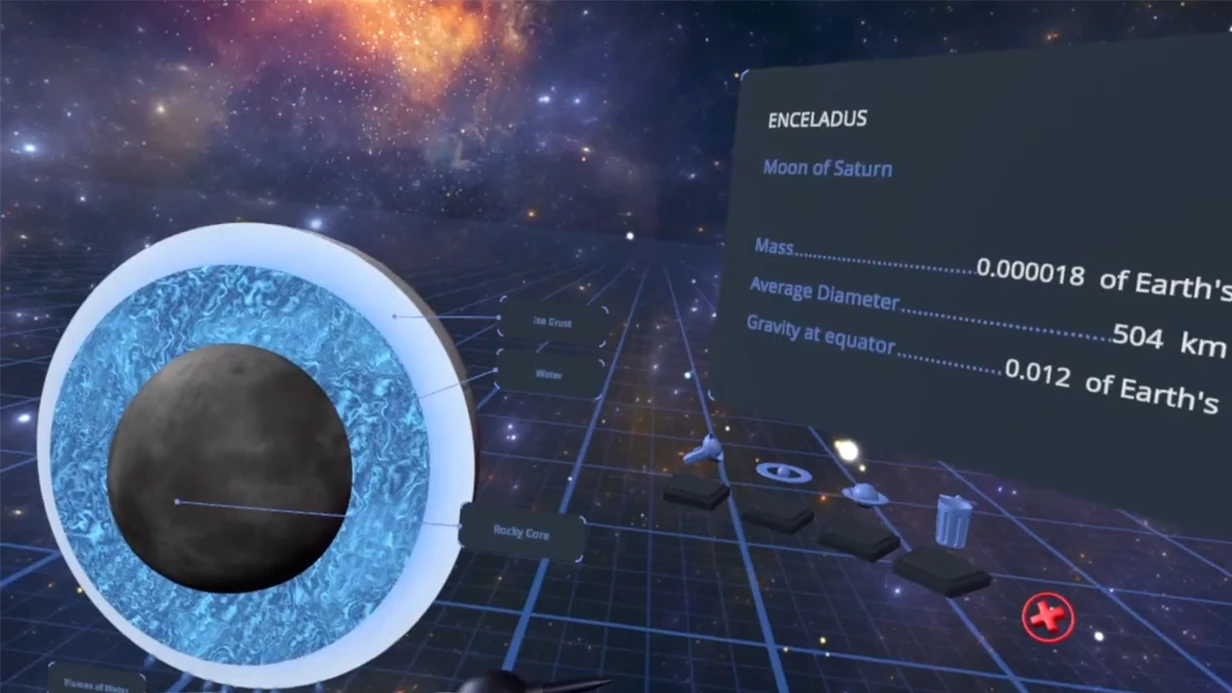
אם הדיסציפלינה דורשת ניסויים — כימיה, פיזיקה, ביולוגיה, אנטומיה — מעבדה וירטואלית היא הבחירה האופטימלית. תלמידים יכולים להריץ ניסויים, לעשות טעויות ולבחון חפצים מזוויות שונות, וזה בטוח עבורם ועבור הציוד.
לנושאי מדעי הרוח — היסטוריה, ספרות, לימודי אמנות — סיור וירטואלי עובד טוב יותר: הוא מעביר את הקבוצה לעידן או למקום אחר, יוצר תחושת נוכחות והופך את החומר לרגשי ולכן בלתי נשכח יותר.
כשמדובר בתרגול פעולות רציפות — פרוצדורות רפואיות, תחזוקה טכנית, עבודה במצבי חירום — בחר סימולטור. הוא מאפשר לתלמידים לחזור על האלגוריתם פעמים רבות, מתעד שגיאות ומתרגל את התנועה עד שהיא הופכת לאוטומטית.
כדאי גם לציין שפתרון VR יחיד יכול לכלול כמה רמות קושי ולהתאים למספרי תלמידים וסטים שונים של נושאים — מה שמשפיע ישירות על עלות היישום.
התקציב הוא הקריטריון השני בחשיבותו אחרי המטרה החינוכית. סיורים בדרך כלל פשוטים יותר להפקה וזולים יותר ממעבדות מלאות עם סימולציה של תהליכים פיזיים. סימולטורים נמצאים בטווח הביניים אבל מספקים את ההשפעה הלמידתית הגדולה ביותר לאורך זמן.
אנחנו עוזרים לך לבחור את הפורמט ואת היקף הפיתוח כדי להתאים לנושא שלך, למספר התלמידים וליכולות המימון בפועל — ללא תכונות מיותרות שלא ישמשו וללא פגיעה באיכות.
בפועל, זה נראה כך: אתה מביא את תוכנית הקורס שלך ומסביר מה תלמידים מתקשים לקלוט כרגע — ואנחנו מציעים את הפורמט והתסריט הנכונים.
במשך יותר מ-10 שנים, בנינו עשרות פתרונות כאלה, כך שאנחנו יכולים לראות מראש איפה סיור משתלם ואיפה צריך סימולטור מלא.
בסופו של דבר, אתה מקבל לא "מציאות וירטואלית לשם המציאות הווירטואלית" אלא כלי שמשפר באופן מדיד את הביצועים האקדמיים ואת המעורבות הקבוצתית.