



מדוע תעשיית המזון סופגת הפסדים ללא פתרונות VR/AR?
תעשיית המזון היא מגזר שבו עלות הטעות נמדדת לא בקנסות מופשטים, אלא במוצרים שנמחקו ובעצירות של קווי ייצור. כל שעת השבתה, כל פעולה כושלת וכל אצווה שנדחית פוגעים ישירות ברווחיות הייצור.
במקביל, בקרת האיכות והכשרת העובדים עדיין מסתמכות על שיטות מיושנות. מפעיל חדש עולה על קו הייצור האמיתי ומאט אותו בזמן שהוא צובר ניסיון — ומדריכים נמשכים מהמשימות שלהם כדי להכשיר מתחילים.
תחום הפסדים נפרד הוא הגורם האנושי בבדיקות: עייפות, חיפזון ומונוטוניות מובילים לפספוס פגמים. הוסיפו לכך חוסר באוטומציה בהעברת ידע — הניסיון של העובדים הטובים ביותר לעולם לא הופך לסטנדרט עבור משמרות אחרות.
מציאות מדומה ומציאות רבודה סוגרות את הפערים הללו מבלי לעצור את הייצור. סימולטור VR משחזר את קו הייצור דיגיטלית: עובד מתאמן על מודל מדויק של הציוד בזמן שהמפעל האמיתי ממשיך לפעול.
כלי AR מביאים את נתוני הבדיקה ישירות מול עיני המפעיל — הם רואים חריגות באופן מיידי, לא לאחר בדיקה מדגמית.
עבור מפעל, המשמעות היא פחות פגמים, קליטה מהירה יותר של עובדים חדשים ליכולת מתוכננת, ופחות עומס על טכנולוגים.
אנחנו מתכננים פתרונות VR/AR לצרכים הספציפיים של מתקן ייצור ומתאימים אותם ל-Meta Quest — אתם מקבלים כלי עבודה שמפחית הפסדים, לא אב טיפוס להדגמה.
מה הטמעת VR/AR מביאה: יתרונות ליצרנים ולמשווקים
בתעשיית המזון, התחרות על תשומת הלב של הצרכן ועל מקום על המדף גוברת מדי עונה. טעימות פשוטות וקטלוגים כבר לא מספיקים — הלקוחות רוצים חוויה ואינטראקטיביות.
טכנולוגיות מציאות מדומה ומציאות רבודה פותרות את הבעיה הזו ומספקות יתרונות מדידים לעסק.
מציאות רבודה לשיווק ולאריזה
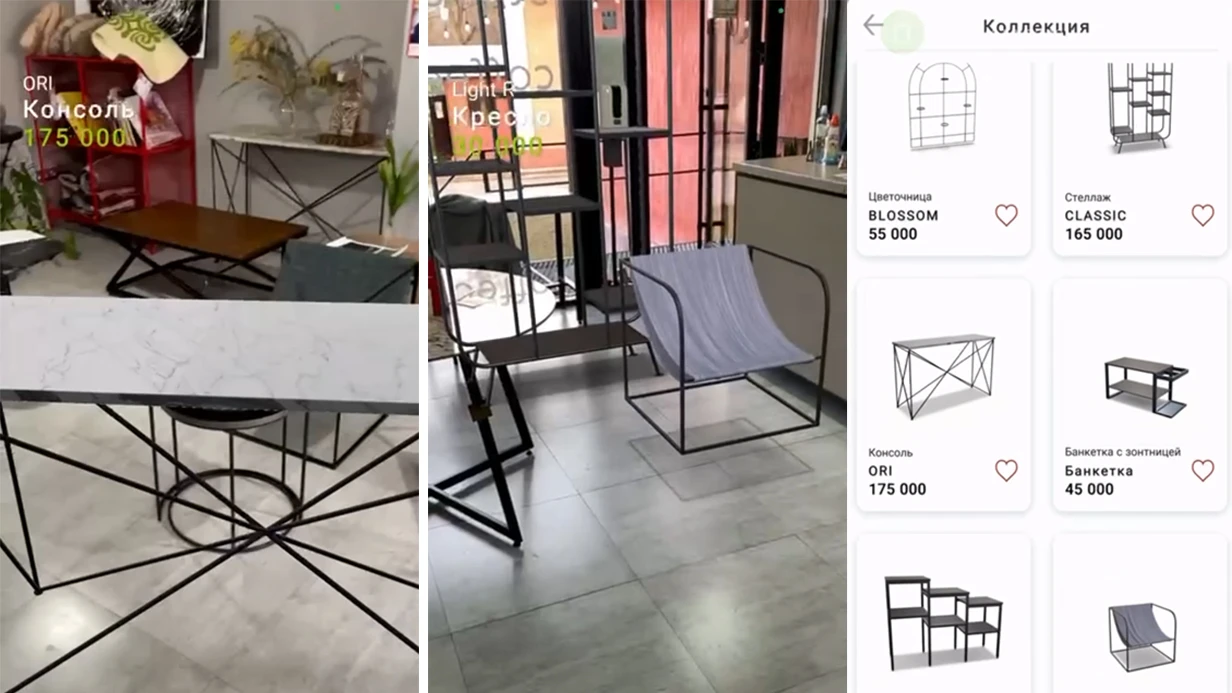
לקוח מכוון סמארטפון אל האריזה — ורואה את סיפור המותג, מתכון או מודל תלת-ממדי של המוצר. האינטראקציה הזו מגבירה את ההכרה ואת שיעור ההמרה לרכישה, בעוד האריזה הופכת לערוץ מדיה. עבור משווק, זו סיבה מוכנה למבצעים ולתוכן ויראלי ברשתות החברתיות.
מציאות מדומה להכשרת עובדים
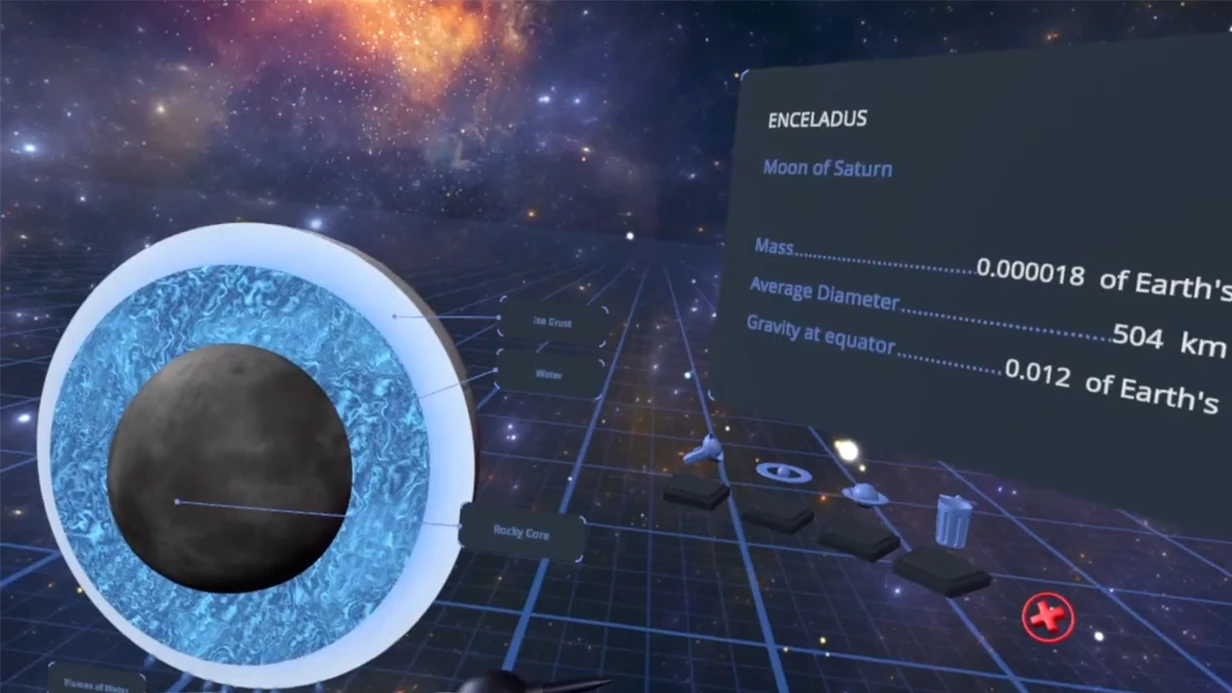
סימולטורי VR מאפשרים לעובדים חדשים לשלוט בבטחה בקווי ייצור, במתכונים ובתקני תברואה ללא סיכון לפגמים. מדריכים מנוסים לא צריכים להתרחק מעבודתם, וזמן הקליטה מתקצר ב-30–50%. הידע נשמר טוב יותר מאשר קריאת מדריכים — וזה משפיע ישירות על איכות המוצר.
מצגות וירטואליות ללקוחות סיטונאיים ולתערוכות
במקום עשרות דוגמיות פיזיות, אתם מציגים לשותפים מפעל וירטואלי, את המוצר ואת כל מגוון הטעמים. זה נוח במשא ומתן ובתערוכות: הדוגמית לא תופסת מקום, לא מתקלקלת ומשאירה רושם מתמשך.
אב טיפוס דיגיטלי ניתן להציג עוד לפני השקת קו הייצור — רשתות קמעונאיות מקבלות החלטות רכישה מהר יותר.
חיסכון בדוגמיות ובלוגיסטיקה
עם VR/AR, אין צורך לסחוב דוגמיות כבדות, לשכור דוכנים גדולים או להדפיס קטלוגים לכל לקוח. זה מזרז אישורים מול רשתות ומפחית משמעותית את תקציב השיווק.
פורמטים של יישומי VR/AR לתעשיית המזון
מצגת מוצר סטנדרטית כבר לא עוזרת לבלוט על המדף, והכשרת עובדים חדשים אוכלת זמן ותקציב.
טכנולוגיות מציאות רבודה ומדומה פותרות את הבעיות הללו בדרכים שונות: הן מושכות לקוחות לתוך סיפור המותג ומאפשרות להכשיר עובדים בבטחה על כל ציוד — מקווי מסוע ועד מתקני אריזה.
בחרנו שלושה פורמטים שמספקים תוצאות מדידות לעסק. איזה מהם מתאים לכם תלוי במשימה שלכם.
| פורמט | למי ומתי | מה זה נותן ללקוח |
|---|---|---|
| סיור ייצור וירטואלי | למבקרים בתערוכות ולימים פתוחים, להכשרת שותפים ומפיצים. הציגו מתקנים שאינם נגישים לביקורים פיזיים. | שקיפות מותג ואמון באיכות. תוך 5–7 דקות, אורח רואה את הניקיון ואת טכנולוגיית הייצור — זה מסיר התנגדויות ומגביר נאמנות למחיר. |
| תווית AR על האריזה | לקונים קמעונאיים שסורקים את האריזה עם סמארטפון. החיו את התווית: סיפור המוצר, מתכונים, עובדות כנות על מרכיבים, מבצעים. | הכרה מוגברת וחשיפה נוספת ברשתות החברתיות. לקוחות משתפים את האריזה ה"חיה" בעצמם — אתם מקבלים פרסום חינם מלקוחות אמיתיים. |
| סימולטור VR לעובדים | להכשרת עובדים לעבודה על קו, אריזה, תחזוקת ציוד או תקני בטיחות. עובד חדש מתרגל פעולות בסביבת תלת-ממד בטוחה לפני כניסה למתקן האמיתי. | פחות פסולת ופחות שגיאות בייצור. זמן ההכשרה מתקצר משמעותית, ועובדים מגיעים לפרודוקטיביות מתוכננת מהר יותר. |
אפילו פורמט בודד מספק תוצאות. אבל האפקט המרבי מגיע משילוב: סיור וירטואלי בתערוכה, תווית AR על המדף וסימולטור VR במתקן.
כך, הסביבה הדיגיטלית מכסה לחלוטין את מסע הלקוח — מהמגע הראשון עם המותג ועד לביצוע בטוח של העובדים.
אם אתם לא בטוחים מאיפה להתחיל, נייעץ לכם איזה פורמט ישתלם הכי מהר עבור המשימה ותקציב הקמפיין שלכם. צרו קשר — ננתח את המצב שלכם ונציע פתרון.
שלבי פיתוח אפליקציית VR/AR: מהבריף ועד ההשקה
תהליך פיתוח פתרון VR/AR לתעשיית המזון הוא שקוף וצפוי: אתם יודעים את לוחות הזמנים, היקף העבודה והתוצאה בכל שלב מראש.
אנחנו מפצלים את הפרויקט לשלבים קצרים כדי שתוכלו לראות התקדמות ולהשפיע על המוצר לפני ההשקה הסופית. עבור בעל עסק, זה אומר שליטה בתקציב וביטחון שהאפליקציה תפתור בדיוק את המשימה שלכם — מהכשרת עובדים ועד טעימה של מוצר חדש.
העלות הסופית ולוחות הזמנים נקבעים לאחר הבריף וסקירת המשימה, ושינויים נעשים בשלבים מוקדמים, כשהם זולים ומהירים יותר. גישה זו מונעת הפתעות ומספקת תוצאה צפויה — בדיוק מה שמפעל ייצור, מפעל או רשת הסעדה צריכים.
- בריף וסקירת משימה. אנחנו צוללים לתוך התהליך שלכם: מה אתם רוצים לאוטומט, להכשיר או להציג. אנו מגדירים את המטרה, התרחישים ומדדי ההצלחה.
- אב טיפוס ותרחיש. אנחנו מראים כיצד המשתמש ינוע וייצור אינטראקציה: מסכים, לוגיקה, טקסטים. אתם רואים את המוצר העתידי ללא כל תכנות.
- קונספט עיצובי. אנחנו מציירים את המראה והאווירה: סגנון, ממשק, גרפיקה. אנו מבססים ויזואליה שעובדת עבור המותג שלכם.
- פיתוח האפליקציה. אנחנו בונים גרסה יציבה למכשירים שנבחרו: Meta Quest, סמארטפונים או משקפי AR. אנחנו עובדים על ציוד מקצועי, כך שהתוצאה נראית טוב גם על מכשירים לשוק ההמוני.
- בדיקה בתרחישים אמיתיים. אנחנו מריצים את האפליקציה עם העובדים או המבקרים שלכם. תופסים שגיאות, מסירים רגעים לא נוחים ובודקים את העומס.
- השקה והכשרה. אנחנו מתקינים את הפתרון, מאמנים את הצוות שלכם ומוסרים את כל החומרים לשימוש עצמאי.
- תמיכה לאחר ההשקה. אנחנו מספקים תמיכה, אוספים משוב ומעדכנים תוכן כאשר קו המוצרים או דרישות ההכשרה משתנים.
מה כלול במסירת פתרון VR/AR
בתעשיית המזון, עלות הטעות גבוהה במיוחד: תקלת קו, טעות אנוש או השגחה בשלב בקרת האיכות עולות לעסק ביוקר.
לכן אנחנו מרכיבים את המסירה כחבילת עבודה מלאה — מהיום הראשון אתם מקבלים כלי, לא רק קובץ פרויקט גולמי. הנה מה שיש לכם בידיים לאחר מסירת הפרויקט:
- אפליקציית VR/AR מוכנה ל-Meta Quest — עם ממשק המותאם למשימות ייצור מזון ותרחישים המשקפים תהליכים אמיתיים.
- פאנל ניהול — כדי שתוכלו לעדכן הוראות, תקנות ושלבי בקרת איכות ללא מעורבות מפתחים.
- תיעוד טכני ברוסית — המכסה השקה, תצורה ותחזוקה עבור מחלקת ה-IT שלכם.
- הכשרת צוות: אנחנו עורכים הדגמות ועוברים על תרחישים כדי שהצוות שלכם יבין מיד כיצד ליישם את הפתרון בפועל.
- תוכנית יישום — עם חלוקת אחריות ברורה ומסגרת תמיכה לכל שלב.
- חומרי מקור וזכויות שינוי — אתם לא כבולים לקבלן ויכולים לפתח את המוצר בבית או בעזרתנו.
- תמיכה לאחר ההשקה — אנחנו מבצעים עריכות ומרחיבים פונקציונליות כאשר מתעוררים אתגרים טכניים חדשים.
לאחר מסירת הפרויקט, אנחנו נשארים בקשר: מייעצים כיצד לפתח את הפתרון ועוזרים להתאים אותו לקווים חדשים, מתקנים או פורמטי הכשרה. אתם מקבלים לא תוצאה חד-פעמית, אלא כלי ארוך טווח שעובד עבור יעילות הייצור והפחתת סיכונים.
מקרה בוחן: איך הגדלנו מכירות ליצרן מוצרי חלב
המכירות בקמעונאות המזון נקבעות בשניות: לקוח רואה את המדף, מרים מוצר, משווה למתחרים. יש מעט טקסט על האריזה — וצריך לבלוט מיד.
פיתחנו תווית AR ליצרן מוצרי חלב: כוונו את מצלמת הסמארטפון לאריזה — והמותג מתעורר לחיים. אין צורך להוריד אפליקציות נוספות: הלקוח פותח את המצלמה, רואה את סיפור החווה, מתכונים ומכניקת מבצעים במציאות רבודה.
איך זה עובד
הרעיון הוא להפוך את האריזה לנשאית של סיפור מוכר. במקום אותיות קטנות — אינטראקטיביות: לקוח עוצר ליד המדף ל-10–15 שניות ומקבל רגש שגובר על המחיר. המתחרים נשארים סטטיים — בעוד המותג כבר נמצא בדיאלוג עם הקהל.
עבור החנות, זה גם יתרון: סיבה נוספת למבקר לחזור למוצר הספציפי הזה.
עבור השיווק, זה כלי מדיד: אנחנו רואים כמה פעמים הופעלה התווית, איזה תוכן נצפה יותר, ואנחנו מכפילים את מה שבאמת מעסיק את הקהל.
המספרים שהלקוח השיג
- צמיחה במכירות ברשתות פיילוט במשך חודשיים
- הכרת מותג מוגברת: לקוחות ציינו את המוצר יותר בסקרים
- רכישות חוזרות גדלו, הודות לתוכן עונתי חדש שהופיע על התווית
התוצאה אישרה: מציאות רבודה משתלמת כשהיא משולבת בלוגיקת המוצר — כמו שעשינו. הגישה והטכנולוגיה מוכחות, כך שהיישום לוקח שבועות, לא חודשים.
הצוות שלנו עובד מרחוק בכל הארץ: אנחנו מביאים פתרון מוכן המותאם למוצר שלכם ועוזרים להשיק אותו ברשתות קמעונאיות. כתבו לנו — נחשב מה תווית AR יכולה לעשות עבור המותג שלכם.
איך לבחור את פורמט ה-VR/AR הנכון לייצור שלכם?
פורמט ה-VR/AR הנכון לייצור מזון הוא לא שאלה של "חידוש" אלא של משימה עסקית ספציפית. אם אתם צריכים להכשיר צוות קו לעבודה על קו מילוי או אריזה חדש תוך שבוע, בחרו בסימולטור VR מלא עם תרחישים שלב-אחר-שלב.
הוא נותן לעובדים תחושה של קו אמיתי, מאפשר להם לתרגל פעולות עד שהן הופכות לאוטומטיות, ומבטל את הסיכון לפגמים ופציעות על ציוד אמיתי.
אם המטרה היא להציג מוצר חדש למפיצים או להכשיר לקוחות דרך קטלוג, פורמט ה-AR מספיק. על ידי הצגת מודל תלת-ממדי של האריזה על שולחן או תצוגה, אפשר להראות את כל תכונות המוצר ללא יצירת דוגמית פיזית. זה חוסך זמן ותקציב על ייצור אצוות ניסיון.
לבסוף, כשצריך להעריך את הארגונומיה של מתקן חדש לפני רכישת ציוד, השתמשו בסיור VR בתאום הדיגיטלי של הייצור.
אתם יכולים לעבור דרך האתר העתידי, לבדוק נגישות לעובדים ולבצע שינויים בפרויקט מראש — מבלי להוציא דבר על בנייה.
הקריטריון המרכזי הוא פשוט: קבעו מה צריך להשתנות — כישורי עובדים, מכירות מוצר או פריסת המתקן. אנחנו נעזור לכם לבחור פורמט למשימה שלכם ולמדוד את התוצאה: מהירות הכשרה, המרה להזמנות או דיוק תכנון.
שאלות נפוצות על פיתוח אפליקציות VR/AR
לקוחות מתעשיית המזון שואלים לרוב על תקציב, לוחות זמנים וכיצד VR/AR ישתלב בתהליכים שכבר פועלים. אלו חששות מובנים: כל כיוון חדש חייב להביא ערך ולא להפריע לעבודה השוטפת. להלן תשובות לשאלות הנפוצות ביותר.
כמה עולה פיתוח אפליקציית VR/AR?
העלות תלויה במשימה ובהיקף התוכן. עבור ייצור מזון, זה יכול להיות סימולטור VR להכשרת עובדים או קטלוג מוצרי AR — התקציבים משתנים.
אנחנו מכינים הערכה מדויקת לאחר הבהרת המשימה: אתם משלמים רק על התכונות שבאמת משפיעות על התוצאה.
כמה מהר אפשר להשיק את הפרויקט?
פרויקט טיפוסי לוקח בין חודש למספר חודשים, תלוי במורכבות. קטלוג AR פשוט ניתן להשיק תוך ארבעה עד שישה שבועות, סימולטור VR מלא לעובדים תוך חודשיים עד שלושה חודשים.
אנחנו עובדים בשלבים: אתם רואים תוצאות ביניים ויכולים להתאים פרטים, במקום לחכות לתוצאה בסוף.
האם קשה לשלב VR בתהליכים קיימים?
לא. אנחנו מתאימים את עצמנו לתשתית שלכם ומשתמשים בציוד סטנדרטי של Meta Quest שאינו דורש הגדרה מורכבת. זה נוח במיוחד לתעשיית המזון: הכשרות ומצגות מתבצעות מבלי לעצור את הייצור. אנחנו גם מספקים הוראות ומאמנים את הצוות שלכם.
אם השאלה שלכם לא כוסתה, כתבו לנו. נסביר כיצד VR/AR פותר את המשימה עבור המפעל הספציפי שלכם ונציע פרויקט הדגמה.דונו במשימה שלכם — קבלו הערכת פרויקט VR/AR
דיון במשימה שלכם וקבלת הערכת פרויקט VR/AR הוא הצעד הראשון לקראת ייצור, הכשרה או מצגת מוצר שנראים חדשים לחלוטין.
אנחנו לא "מוכרים תמונה יפה" — אנחנו בוחרים תרחיש שפותר משימה ספציפית: מבקרת איכות וקליטת עובדים ועד לאולמות תצוגה וירטואליים למפיצים. ספרו לנו מה אתם רוצים לשפר — נציע אפשרות שמתאימה לתקציב ולהיקף העסק שלכם.
שליחת בקשה לפיתוח VR לוקחת כמה דקות ואינה מחייבת אתכם בשום צורה. נבהיר את הפרטים, נראה דוגמאות לפתרונות דומים ונתכנן את שלבי היישום הראשונים.
לאחר מכן, תקבלו תוכנית ברורה: מה נעשה, באיזה לוח זמנים, איזה ציוד נדרש ואיזו השפעה זה יביא.
מה כלול בהערכת הפרויקט לאחר בקשתכם:
- ייעוץ מקדים מומחה: אנחנו מנתחים את המשימה שלכם ולא "מציירים VR בכדור ריק".
- בחירת תרחישים לתעשיית המזון: הכשרת עובדים, סיורים וירטואליים במתקנים, קטלוגי מוצרים אינטראקטיביים.
- הערכת מגוון המכשירים — ממשקפי מובייל ועד מערכות מקצועיות, תוך התחשבות בתקציב שלכם.
- לוח זמנים משוער ליישום ושלבי עבודה ללא תשלומים נסתרים.
- דוגמאות מהפרויקטים שלנו למתקני ייצור דומים שכבר החזירו את ההשקעה.
- המלצות לשילוב בהתחשב בתשתית ה-IT שלכם כדי שהפתרון יעבוד בצורה אמינה.
שלחו את בקשתכם לפיתוח VR — ותוך יום עסקים אחד נחזור עם רעיונות ראשוניים ומספרים ריאליים. נדון במה שעובד עבורכם ונכין הערכה מפורטת. זה מהיר ובהחלט לא יהיה "עוד פגישה".