



מפסידים מכירות בקמעונאות? טכנולוגיות VR הן התשובה
לקוח נכנס לחנות, רואה את המדפים הרגילים, ועוזב בלי לקנות כעבור חמש דקות. עבור קמעונאים רבים, זו תמונה מוכרת: מדי שנה קשה יותר ויותר להחזיק את תשומת הלב של הלקוח, והתחרות מול הפלטפורמות המקוונות רק הולכת וגדלה.
לקוחות הולכים לאיבוד לרוב לא בגלל איכות המוצר, אלא בגלל שהמרחב הפיזי הפסיק להפתיע.
לתצוגות קלאסיות, מבצעים ועמדות קידום יש פחות ופחות השפעה על החלטת הרכישה — הלקוח כבר ראה את אלה מאה פעמים, ולכן הוא לא מתעכב ולא זוכר את המותג.
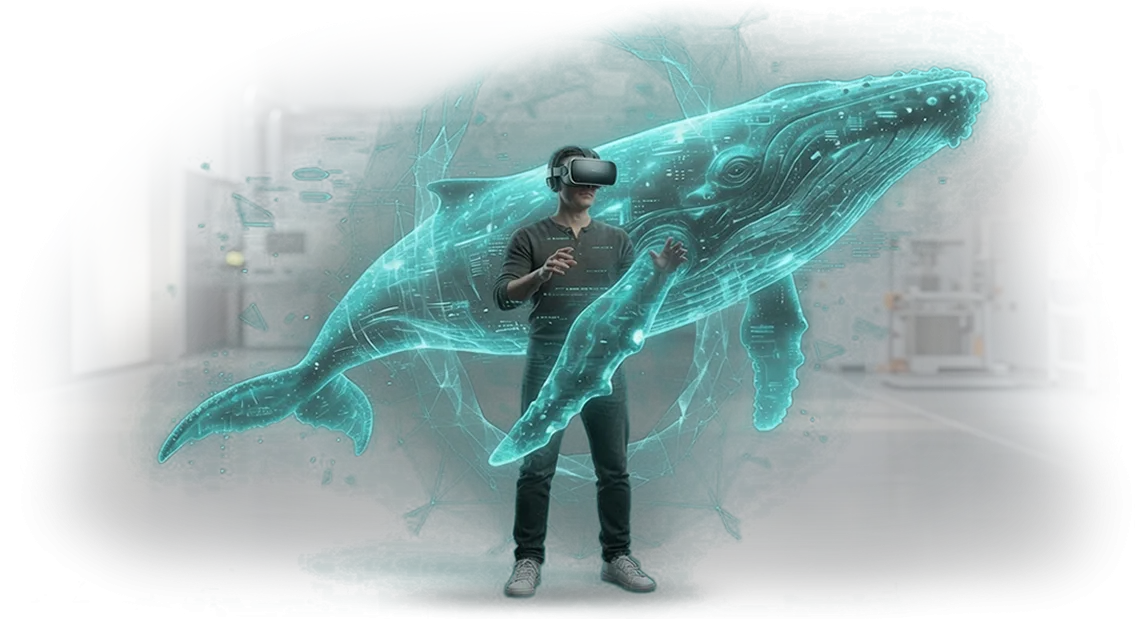
כאן נכנסת VR לקמעונאות: הטכנולוגיה הופכת ביקור רגיל בחנות לחוויה שאנשים רוצים לחיות ולספר עליה לאחרים.
שיווק אינטראקטיבי באמצעות מציאות מדומה מאפשר להראות מוצר בפעולה במקום שבו הדגמה חיה אינה אפשרית.
הלקוח יכול למדוד מוצר, להציץ לתהליך ייצור, או למצוא את עצמו בתוך הסיפור של המותג — בלי תורים, הגבלות או דוכנים משעממים. זה עובד על רגשות, ורגשות הם מה שמניע רכישות אימפולסיביות ובונה נאמנות.
ההשפעה על העסק נראית במהירות: המבקרים נשארים בחנות זמן רב יותר, משתפים את ההתרשמות שלהם ברשתות החברתיות בתדירות גבוהה יותר, וחוזרים שוב.
סוג כזה של התעמקות מגביר את הכרת המותג, מגדיל את ההמרה למכירה, ויוצר סיבה לביקור חוזר — למשל, כדי להראות את אזור ה-VR לחברים או לנסות קולקציה חדשה.
אנחנו עוזרים לקמעונאים להטמיע פתרונות VR במפתח מלא, מהקונספט ועד ההשקה על ציוד מקצועי. אנחנו מטפלים בכל הצד הטכני, כך שאתם מקבלים מעורבות ומכירות גבוהות יותר, לא כאבי ראש של התקנה.
מה פרויקט VR/AR יביא לחנות שלכם
קמעונאות כבר לא עוסקת במדפים וקופות — זה קרב על תשומת הלב. תצוגה רגילה עוצרת את העין לשנייה, ואילו אזור VR/AR הופך ביקור בחנות לאירוע שמדברים עליו ומשתפים ברשתות החברתיות.
אנחנו יוצרים פתרונות כאלה על ציוד מקצועי, כולל Meta Quest, ואנחנו יודעים בדיוק מה הם מביאים לחנות.
הנה מה שאתם מקבלים:
- מעורבות גבוהה יותר. מבקרים מתעכבים בתצוגה אינטראקטיבית בממוצע פי 3–4 יותר מאשר בתצוגה רגילה. הם חוזרים כדי להראות את האזור לחברים — וכל ביקור כזה הוא שיווק חינם למותג.
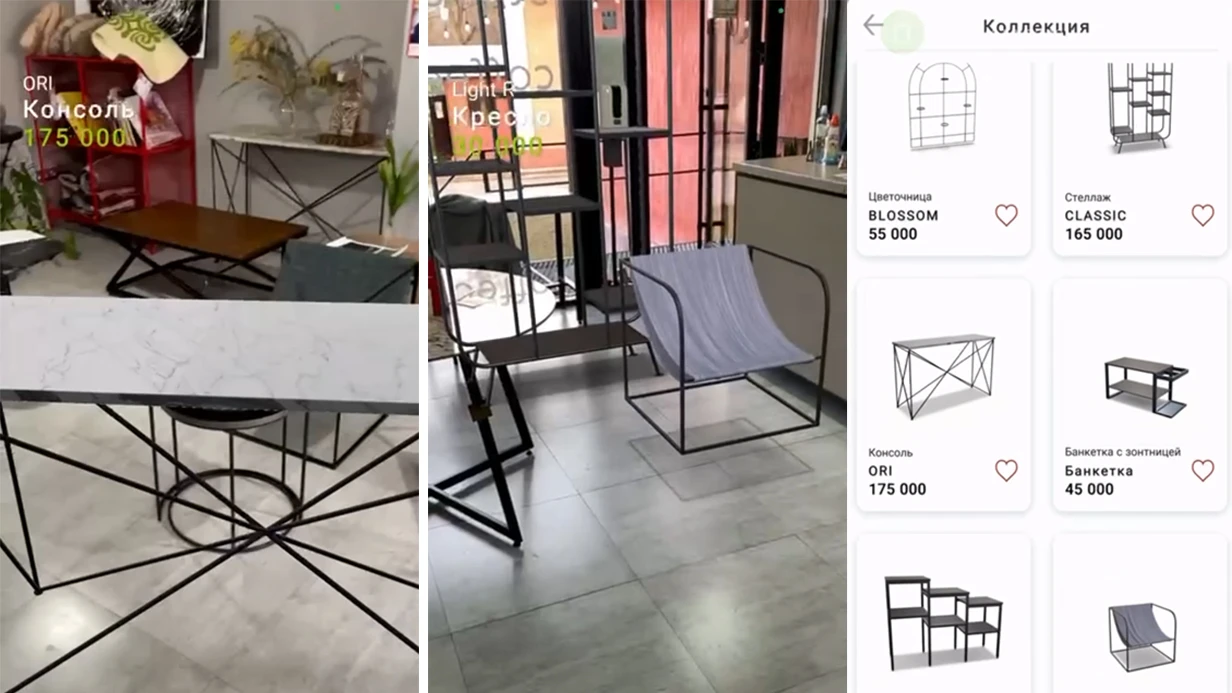
- המרה טובה יותר. מדידה וירטואלית של ביגוד, נעליים או רהיטים מסירה את ההתנגדות המרכזית של הלקוח — "אני לא בטוח שזה יתאים לי". ברגע שהספק נעלם, החלטת הרכישה מתקבלת מהר יותר, במקום.
- תצוגה אינטראקטיבית. תצוגה שמגיבה לעוברים ושבים או מאפשרת לקונים "לדפדף" בין מוצרים במחווה מושכת סדר גודל יותר תשומת לב מאשר בובת תצוגה סטטית. היא עובדת גם כשהחנות סגורה.
- הכרת מותג. אזור VR/AR נראה יוצא דופן, ולכן מבקרים מצלמים אותו ומפרסמים בעצמם. החשיפה גדלה בלי תקציב פרסום נוסף.
- פחות החזרות. הלקוח רואה את המוצר בקנה מידה אמיתי או בתוך הבית שלו מראש. זה מפחית אכזבה לאחר רכישה ומפשט את הטיפול בהחזרות.
כל נקודה היא תוצאה מדידה: יותר זמן בחנות, המרה, ביקורים חוזרים, אזכורים ברשתות החברתיות. אנחנו עוזרים להטמיע פתרונות כאלה במהירות, תומכים בפרויקט לאחר ההשקה, ומשכללים תרחישים כשצריך.
פורמטים של פתרונות VR למיקומים קמעונאיים
פורמטים של VR ו-AR נבדלים לא בסט הטכנולוגיות, אלא במשימה שהם פותרים במיקום קמעונאי.
אטרקציית VR יוצרת אירוע ומרכזת מבקרים סביב התצוגה, מדידה ב-AR מסירה את החשש מרכישה שגויה, ואולם תצוגה וירטואלי מרחיב את התצוגה למלאי המלא.
כדי לבחור את האפשרות הנכונה, נשווה אותן לפי ההשפעה על הלקוח ועל העסק שלכם.
| פורמט | למי זה מיועד | מה זה נותן ללקוח |
|---|---|---|
| אטרקציית VR | חנויות אלקטרוניקה, מוצרי ילדים, ספורט | מושכת תנועת רגליים ויוצרת תור; מבקרים מבלים 5–10 דקות בתצוגה ומשתפים תמונות ברצון |
| מדידה ב-AR | רהיטים, ביגוד, משקפיים, קוסמטיקה | הלקוח רואה את המוצר על עצמו או בתוך הבית שלו בלי חדר מדידה — פחות ספקות והחזרות |
| אולם תצוגה וירטואלי | קניונים, בוטיקים, מתחמי B2B | מציג את כל המגוון בכמה מטרים רבועים, כולל מוצרים בהזמנה אישית וקולקציות חדשות |
| תצוגה אינטראקטיבית | חלונות ראווה, אזורי כניסה | תופסת את תשומת הלב של עוברי אורח, עובדת בלי מוכר, וממשיכה למכור אחרי הסגירה |
אנחנו משלבים את הפורמטים האלה בפתרון אחד: למשל, אטרקציית VR משמשת כמגנט, בעוד מדידה ב-AR ממש לידה מובילה ישירות לרכישה. כך אתם מקבלים גם באזז סביב המותג וגם ערך המרה מעשי.
אנחנו נבחר את הפורמט המתאים למיקום שלכם — בייעוץ, נראה את התרחיש על המוצר שלכם ונחשב את ההשפעה הצפויה.
איך מפתחים פרויקט VR: 6 שלבים
כדי להבטיח שפרויקט ה-VR פותר את המשימות הקמעונאיות שלכם במקום להפוך לצעצוע תצוגה, בנינו תהליך שקוף של שישה שלבים. בכל שלב אתם מבינים מה קורה, איזו תוצאה אתם מקבלים, ובעד מה אתם משלמים — בלי עבודה נסתרת או הפתעות בסוף.
-
בריף וגילוי משימה. אנחנו לומדים את מקרה השימוש שלכם: תצוגה, מדידה, הדרכת יועצים או אולם תצוגה מקוון. אנחנו מציבים יעדים — המרה גבוהה יותר, פחות החזרות, חשיפה לקהל — וקובעים בדיוק מה המשתמש צריך לעשות במרחב הווירטואלי.
-
אב טיפוס ותרחיש. אנחנו יוצרים מודל עבודה של האינטראקציה העתידית: איך הלקוח נע, מה הוא רואה, אילו פעולות הוא מבצע. אתם בודקים את ההיגיון לפני שפיתוח העיקרי מתחיל ומבצעים שינויים בלי עלויות נוספות.
-
עיצוב ופיתוח. אנחנו מעצבים את הממשק, הסגנון החזותי והלוגיקה של האפליקציה. אנחנו עובדים עם ציוד מקצועי וכלים מכוונים היטב, כך שהתמונה נשארת יציבה, בלי פיגור או מאמץ לעיניים.
-
בדיקה על מכשירים אמיתיים. אנחנו בודקים את התרחיש על משקפי VR, תוך התחשבות בהתנהגות אמיתית של לקוחות וצוות. אנחנו מוצאים ומסירים כל דבר שעלול לבלבל אנשים או ליצור חוויה שלילית.
-
השקה ואינטגרציה. אנחנו משלבים את הפתרון בתהליכים שלכם: מתקינים ציוד, מגדירים תוכן, מאמנים את הצוות ומספקים הוראות. אתם מקבלים מערכת עובדת במפתח מלא עם נוהל השקה ברור.
-
תמיכה ופיתוח. אנחנו אוספים משוב מלקוחות וצוות, מעדכנים את מגוון המוצרים ומוסיפים תרחישים חדשים. פתרון ה-VR ממשיך לספק ערך לאחר ההשקה במקום להפוך לפריט מדף.
בכל שלב אתם מקבלים תוצאות ביניים ויכולים להשפיע על כיוון הפרויקט. זה מונע אי-הבנות ומבטיח שהמוצר הסופי עונה על הציפיות העסקיות שלכם.
מה כלול בחבילת המסירה
אתם מקבלים לא רק אפליקציה, אלא פתרון מלא לקמעונאות שלכם — מההשקה הראשונה ועד אנליטיקה שוטפת. הרכבנו חבילה שמכסה את כל השלבים: רכיבים טכניים, תוכן, הדרכת צוות ותמיכה לאחר ההשקה.
אתם לא צריכים לחפש קבלנים נפרדים או לטפל בפרטים — הכל כבר כלול.
הנה מה שהמסירה כוללת:
- אפליקציית VR ל-Meta Quest, מותאמת למשימות החנות או אולם התצוגה שלכם. הלקוח מרכיב את המשקפיים ונכנס מיד למגוון המוצרים הווירטואלי שלכם — בלי הגדרה מורכבת או מעורבות צוות.
- תוכן תלת-ממדי מוכן — תצוגות, מוצרים, פנים. אנחנו ממלאים אותו לפי המגוון שלכם ומעדכנים כשצריך. אתם מקבלים מוצר ויזואלי, לא תוכנה "ריקה".
- הדרכת צוות — אנחנו מתדרכים את הצוות שלכם כך שעובדים יוכלו לשלוט בהשקה תוך 15 דקות ולסייע למבקרים. בלי נהלים מסובכים, רק כישורים מעשיים.
- תמיכה טכנית לכל תקופת ההפעלה — אנחנו עונים על שאלות, פותרים תקלות ציוד ומעדכנים את האפליקציה. אתם לא נשארים לבד עם המוצר אחרי מסירת הפרויקט.
- לוח מחוונים אנליטי — ראו כמה אנשים השתמשו באזור ה-VR, אילו מוצרים קיבלו הכי הרבה תשומת לב, וכמה זמן הם שהו מול המסך. הנתונים האלה עוזרים לכוונן את המרצ'נדייזינג ולתכנן קמפיינים שיווקיים.
- אחריות ועדכונים מתוזמנים — אנחנו מעגנים את ההתחייבויות שלנו בחוזה, מבטיחים פעולה יציבה ומתאימים את האפליקציה לגרסאות חדשות של חומרת Meta Quest.
החבילה הזו סוגרת את כל המשימות מקצה לקצה: מהרעיון ועד מדידת הביצועים. אתם מקבלים כלי עובד שמגביר את מעורבות המבקרים ומספק מספרים ברורים לצמיחה — בלי צורך להיכנס לפרטים טכניים.
מקרה בוחן: איך תצוגת VR הכפילה את ההמרה
קונים בחנויות פיזיות לא תמיד מבינים איך מוצר ייראה בבית שלהם. תצוגות רגילות מראות רק את החלק החיצוני, בעוד ספקות לגבי גודל, צבע או חומרים פוגעים בהמרה.
נתקלנו בזה בפרויקט עבור רשת ההיפרמרקטים Радуга — הקמעונאי רצה להגדיל מכירות בקטגוריית מוצרי החשמל הביתיים הגדולים.
הפתרון היה תצוגת VR: במקום דוכן סטטי, המבקר מרכיב משקפיים ומוצא את עצמו בחדר וירטואלי שבו הוא יכול "להציב" מקרר או מכונת כביסה, לשנות את צבע הארון, ולראות איך המוצר משתלב בחלל.
בלי הוראות מסובכות — הממשק ברור לכולם, ויועץ מסייע כשצריך.
איך זה עבד
לקוח ניגש לאזור תצוגת ה-VR ובוחר דגם שמעניין אותו. במשקפיים, הוא רואה אותו בקנה מידה 1:1, יכול להסתובב סביבו, לפתוח את הדלת ולבדוק את הנפח. בזמן שהמבקר מעורב, היועץ עונה על שאלות ומציע לבצע הזמנה מיד. זה מסיר את המחסום המרכזי — החשש מבחירה שגויה.
הנתונים של הפרויקט
אחרי חודשיים של בדיקה בחנות אחת, הרשת השיגה תוצאה עסקית מוחשית. הזמן שקונה מבלה בתצוגה גדל פי ארבעה — משלושים שניות לשתי דקות.
ההמרה למכירה בקטגוריה ההיא הוכפלה, וביקורים חוזרים במחלקת מוצרי החשמל עלו ברבע.
ההנהלה של Радуга הייתה מרוצה מהתוצאות ומתכננת להרחיב את תצוגת ה-VR לחנויות נוספות ברשת. עבורנו, המקרה הזה הוא הוכחה נוספת לכך שהדגמה אינטראקטיבית משפיעה ישירות על ההכנסות ולא רק מבדרת מבקרים.
איזה פתרון VR מתאים לקמעונאות שלכם?
התשובה תלויה ביעד העסקי שלכם. אין פתרון VR אוניברסלי לקמעונאות: פורמט אחד מגביר המרה, אחר מפחית תחלופת עובדים, שלישי יוצר תור בחנות.
לכן אנחנו מתחילים באבחון — מה כואב, אילו מדדים צריך לשפר, מי הקהל שלכם. על סמך זה, אנחנו בוחרים תרחיש ליעדים שלכם במקום למכור "קופסה של משקפיים".
אם היעד המרכזי הוא להפחית החזרות וחוסר החלטיות בנקודת הבחירה, בחרו במדידה וירטואלית. הלקוח רואה את המוצר על עצמו לפני הקנייה: איך הבגד יושב, האם הגוון מתאים לו, איך הרהיט נראה בפנים.
זה משפר את ההמרה וחותך את שיעור ההחזרות — הקונה מקבל בדיוק מה שציפה לו. עבור קמעונאות, זה יתרון מדיד שמחזיר את ההשקעה במהירות.
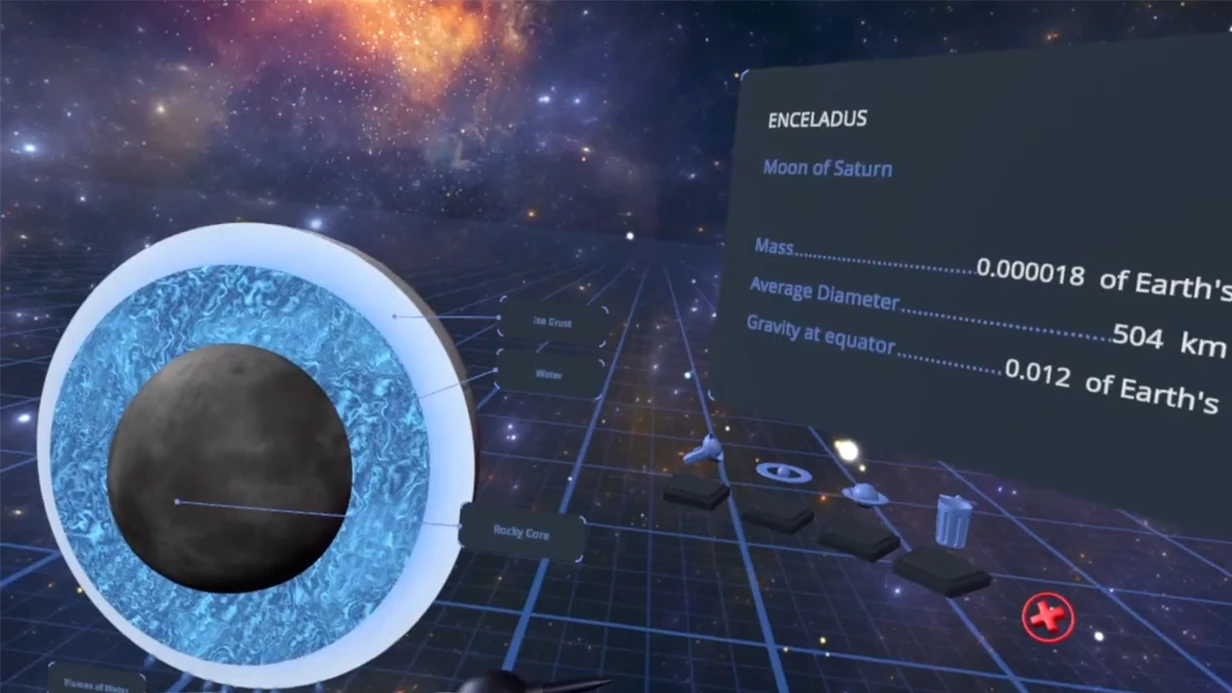
כשצריך להכשיר צוות, תרחישי VR מאפשרים לתרגל טיפול בהתנגדויות, תקני שירות או תהליכי עבודה עם מוצר בסביבה בטוחה.
ההכשרה נזכרת מהר יותר, לא דורשת סגירת שטח המכירה, ומספקת רמת שירות עקבית — מעובדים חדשים ועד ותיקים.
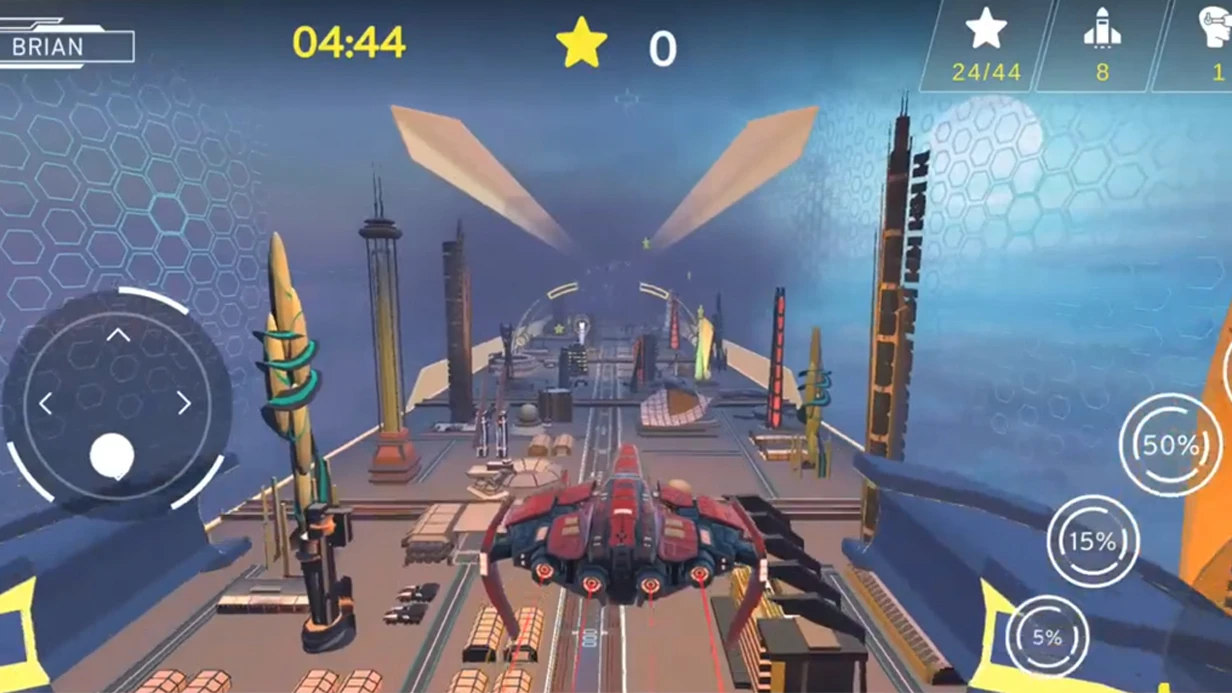
אם המטרה היא תשומת לב, בחרו בבידור VR: אטרקציות קצרות, משימות, תצוגות אינטראקטיביות. הן הופכות למוקד משיכה בקניונים ומייצרות חשיפה חינמית דרך הפוסטים החברתיים של המבקרים. התרחיש עדיין נושא משמעות מותגית ולא רק מבדר.
בחירת פתרון ה-VR הנכון היא מציאת תרחיש למדדים העסקיים שלכם, לא בחירת משקפיים. צברנו ניסיון קמעונאי ואנחנו עוזרים לכם לבחור פתרון שמתאים ליעדים, לתקציב וללוח הזמנים שלכם.
בואו לייעוץ — ננתח את המקרה שלכם ונציע פורמט שמספק תוצאות מדידות.
שאלות נפוצות: תמחור, לוחות זמנים, תאימות
כל פרויקט מתחיל בשאלות על מחיר, לוחות זמנים, בטיחות ותאימות לתהליכים קיימים. הכנו תשובות קצרות לשאלות הנפוצות ביותר — נדון בפרטים בבריף החינמי.
כמה עולה פיתוח VR לקמעונאות?
העלות תלויה במספר התרחישים ובמורכבות האלמנטים האינטראקטיביים. אנחנו נועלים את ההערכה המדויקת אחרי הבריף ולא משנים אותה במהלך הפרויקט כל עוד היקף העבודה נשאר זהה.
מהם לוחות הזמנים ליישום?
פרויקט טיפוסי אורך 4–8 שבועות לאחר אישור התרחיש. אנחנו מציגים תוצאות ביניים מדי שבוע ובמידת הצורך משיקים בשלבים כדי לספק תוצאות מהר יותר.
האם זה בטוח?
אנחנו מתכננים אזור בטוח, מגבילים את המרחב ואת משך הסשן, ומספקים הוראות לצוות. במהלך ההשקה, אנחנו מספקים תמיכה ועונים על שאלות.
מה לגבי אחריות ותאימות?
אנחנו עובדים על פלטפורמות פופולריות, כולל Meta Quest, ומתאימים את הפתרון לתשתית שלכם — מ-CRM ועד פורטל פנימי. אנחנו מבטיחים יציבות ומספקים תמיכה לאחר ההשקה.
לא מצאתם תשובה? בבריף חינמי של 30 דקות, ננתח את התרחיש שלכם, נציע אילו פורמטי VR יעבדו, ונשרטט טווח תקציב.הזמינו אפליקציית VR במפתח מלא וקבלו תרחיש בדיקה
לקוחות קמעונאיים בוחרים עם רגשות, לא רק עם מחיר. אזור VR בחנות או בתערוכה מחזיק תשומת לב פי כמה יותר מדוכן סטנדרטי ומגדיל את ההמרה לניסוי מוצר.
אבל הטכנולוגיה משתלמת רק כשהתרחיש מחושב היטב: איפה אדם מתחיל, מה הוא רואה, ומה הוא עושה אחר כך.
פיתוח אפליקציית VR במפתח מלא הוא פתרון מוכן בלי להיכנס לפרטים. אנחנו נעצב את מסע המשתמש, נבחר ציוד נוח, נגדיר אינטגרציה עם המוצרים שלכם, ונאמן את הצוות שלכם. אתם מורידים מעצמכם את ניהול הפרויקט ומקבלים כלי מכירות, לא "הדגמה לראווה".
לפני שנתחיל, נרכיב תרחיש בדיקה על המוצר שלכם. תוך כמה ימים, תראו איך מדידה וירטואלית או תצוגה אינטראקטיבית עובדות בפועל, תצפו בתגובות לקוחות, ותקבלו החלטה בלי סיכון.
פיתוח במפתח מלא כבר כולל כל אלמנט שבלעדיו הפרויקט לא מספק ערך:
- תרחיש ידידותי ללקוח: ממגע ראשון ועד לפעולה הרצויה;
- ציוד והגדרה שנבדקו למיקום שלכם;
- תוכן מותאם לקהל של חנות ספציפית;
- הדרכת צוות והוראות ברוסית;
- הגנה מפני תקלות ותמיכה טכנית בהשקה.
ההדגמה מגיעה בלי התחייבויות: אתם מקבלים דוגמה חיה של הפתרון והצעה מסחרית עם הערכה מדויקת של לוחות זמנים והיקף.
הזמינו אפליקציית VR במפתח מלא — השאירו פנייה, ונכין תרחיש בדיקה והערכת עלות. זה ייקח יום אחד מזמנכם.