



טלקום: למה שיטות מכירה ישנות מאבדות לקוחות
כל מי שמוכר שירותי טלקום נתקל בזה: אתה מכין מצגת, ובעשר דקות הלקוח מאבד ריכוז ומתחיל לגלול בטלפון. תעריפים, תנאי התחברות, אזורי כיסוי — כל זה קשה להסביר עם דיאגרמות שטוחות ורשימות.
הלקוח מקבל החלטת רכישה על בסיס רגשות והבנה ברורה של התועלת, בעוד חומרים קלאסיים מספקים רק טקסט ותמונות סטטיות שלא מראים את המוצר בשימוש אמיתי.
התוצאה — משא ומתן ממושך, התנגדויות, "נחשוב על זה." בזמן שאתה מבזבז שבועות על אישורים והבהרות אינסופיות, מתחרים עם הדגמות מרשימות רצים להראות את המוצרים שלהם בפעולה.
זו בדיוק הסיבה שמכירות בטלקום מאבדות לקוחות: זה לא קשור לאיכות החיבור או השירות, אלא לעובדה שהערך לא נראה במבט ראשון.
כל שקופית עם טבלה ומספרים קטנים היא סיכון לאבד תשומת לב לנצח ולתת את העסקה למוכר מודרני יותר.
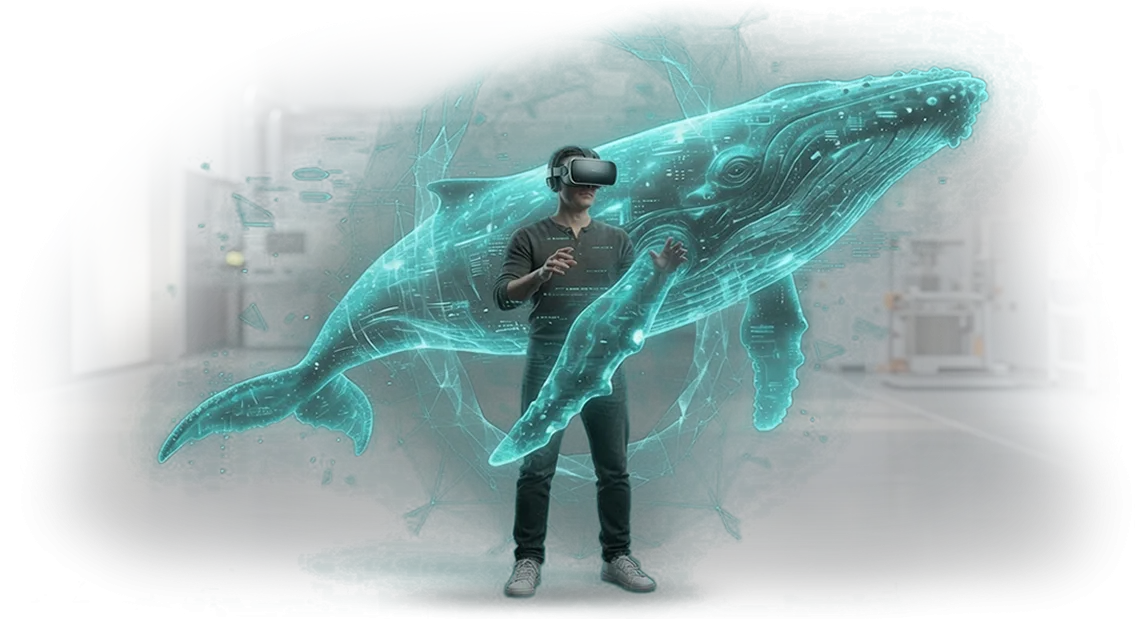
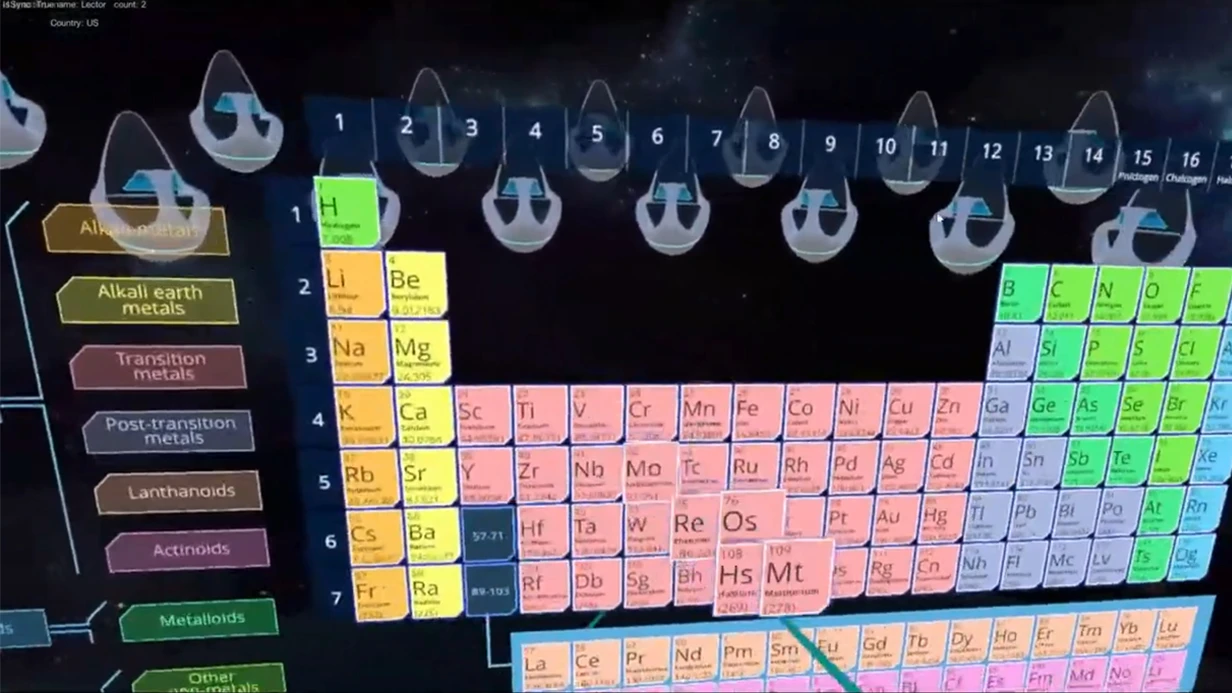
טכנולוגיות אימרסיביות משנות את חוקי המשחק. VR לטלקום הופך קטלוג משעמם למרחב אינטראקטיבי שבו הלקוח חוקר את הרשת בעצמו, מציץ למרכז נתונים וירטואלי, רואה את היקף הכיסוי ואיך שירותים עסקיים עובדים.
הם לא מקשיבים למונולוג של מנהל אלא מגלים משהו בעצמם — זה נצרב בזיכרון ובונה אמון במותג. הלקוח ממש חווה איך זה להשתמש ברשת שלך, ואפילו התמונות והמצגות היפות ביותר לא יכולות להחליף את הרושם הזה.
אנחנו מיישמים פתרונות VR לטלקום כבר למעלה מ-10 שנים. אנחנו עוזרים למפעילי טלקום ויצרני ציוד להציג מוצרים כך שהלקוח יבין הכל בפגישה אחת וירצה לקנות.
ספרו לנו על המשימה שלכם — נייעץ כיצד מצגת אימרסיבית יכולה לקצר את מחזור העסקה, להעלות המרות ולהחזיר לכם נתח שוק.
מה מציאות מדומה נותנת למפעיל טלקום
מציאות מדומה לעסקים היא כבר לא ניסוי — עבור מפעילי טלקום זה כלי עבודה שהופך תעריפים מופשטים ושירותים דיגיטליים לחוויה מוחשית.
במקום שקופיות וחוברות, הלקוח נכנס לסביבה תלת-ממדית: רואה את אזור הכיסוי, משווה אפשרויות ומבין מיד את ערך המוצר.
Meta Quest וציוד מקצועי אחר מאפשרים להריץ מצגות VR ישירות באולמות תצוגה או באירועים גדולים. זה מעלה מעורבות, מאיץ את העסקה ומשאיר רושם רגשי — כל מה שצריך לצמיחת הכנסות ונאמנות.
רשימת בדיקה: מה מפעיל טלקום מקבל אחרי יישום מציאות מדומה:
- מעורבות קהל. מבקר מבלה פי כמה יותר זמן עם המוצר מאשר עם פלייר פרסומי. שיווק אימרסיבי תופס תשומת לב ויוצר תדמית מותג בלתי נשכחת.
- המחשה לשירותים מורכבים. שרתי ענן, אינטרנט לווייני, בית חכם — את כל זה אפשר "לגעת" במרחב וירטואלי. קל יותר ללקוח להגיד "כן" כשהוא רואה את התוצאה בעיניים שלו.
- עסקאות מהירות יותר. מצגת VR מסירה את רוב השאלות עוד לפני השיחה עם המנהל. מחזור המכירה הממוצע מתקצר וההמרה גדלה.
- נאמנות ואפקט ויראלי. תרחישי VR מרשימים גורמים לאנשים לרצות לשתף את החוויה ברשתות החברתיות. כל סשן מביא אזכורים נוספים למותג ללא עלויות פרסום.
היישום הולך צעד אחר צעד: ממצגת VR קצרה לאולם תצוגה ועד משימת טלקום מלאה בתערוכה. אנחנו לוקחים על עצמנו פיתוח תרחישים, יצירת תוכן ותמיכה כך שהמפעיל מקבל תוצאה יציבה.
פורמטים של פתרונות VR לטלקום: התאמה למשימה
עבור חברת טלקום, VR הוא לא ניסוי אלא כלי לפתרון משימות עסקיות. הוא חוסך בעלויות נסיעות, מאיץ הכשרת עובדים חדשים, והופך פגישת לקוח להדגמה חיה של השירותים שלך. העיקר הוא לבחור את הפורמט הנכון, כי לכל משימה יש היגיון משלה.
אנחנו מפתחים אפליקציות VR למשקפי Meta Quest מנוהלים ומציעים לחברה לא "סתם VR" אלא תרחיש ספציפי למטרה שלך: מכירות, הדרכה או תמיכת צוות. להלן השוואה של פורמטי VR בסיסיים כדי שתוכלו להעריך איזה מהם ישתלם מהר יותר.
| פורמט | למי | מה הוא נותן ללקוח |
|---|---|---|
| אולם תצוגה VR | מנהלי מכירות ולקוחות עסקיים | הדגמה חיה של תעריפים, ציוד ואזור כיסוי ללא ביקור באתר — המרת פגישות גבוהה יותר ומודעות למותג. |
| הדרכת VR | צוות טכני ומהנדסים | תרגול תהליכי עבודה עם ציוד ללא סיכון לרשת — השגה מהירה של יעדי ביצוע ופחות שגיאות. |
| תמיכה מרחוק ב-VR | צוותי שטח ומוקדנים | הנחיות שלב-אחר-שלב במהלך התקנה ותיקונים — פחות זמן השבתה ופחות ביקורים חוזרים. |
העיקרון המרכזי לבחירת פורמט VR לטלקום הוא לעבוד מהתוצאה אחורה, לא מהטכנולוגיה. אם צריך להראות את המוצר למאות לקוחות — זה אולם תצוגה; אם צריך להכשיר חמישים מתקינים — זה הדרכה. אנחנו נעזור לכם לבחור פתרון ולהכין הערכת עלות אחרי בריף קצר.
איך עובד פיתוח פרויקט VR: מבריף ועד השקה
הדבר הראשון שמפחיד אנשים בפרויקט VR הוא חוסר הוודאות: כמה זמן זה ייקח, איך ייראה התוצאה והאם נקבל אפליקציה עובדת.
לכן עבור חברות טלקום בנינו תהליך שקוף: אנחנו קובעים את שלבי פיתוח ה-VR, מסכמים על כל פיצול ונותנים לוחות זמנים ריאליים לפיתוח — בלי הפתעות בשלב הסופי.
עבורנו, "אפליקציית VR במפתח מוכן" פירושה שהלקוח מקבל מוצר גמור, לא "מוצר חצי מוכן" עם תאריך השקה לא ברור. להלן הנתיב הסטנדרטי שפרויקטי טלקום עוברים: מרעיונות ראשונים ועד פעילות שוטפת.
- בריף והבנת המשימה. אנחנו לומדים את המאפיינים שלכם: הדרכת עובדים, הדגמת תעריפים, משרד וירטואלי או סימולטור ציוד. אנחנו קובעים את המטרות, הקהל ותרחיש השימוש.
- אב טיפוס ותרחיש. אנחנו יוצרים מודל אינטראקטיבי של האפליקציה העתידית: איך המשתמש נע, עם מה הוא מתקשר, אילו רמזים הוא מקבל. בשלב זה ברור אם העובדים והלקוחות ימצאו את זה נוח.
- אישור ותוכנית עבודה. אנחנו מאשרים את אב הטיפוס, קובעים את שלבי פיתוח ה-VR, נקודות בקרה ולוחות זמנים לשחרור לכל גרסה. אתם תמיד יודעים באיזה שלב נמצא הפרויקט.
- פיתוח והרכבה. אנחנו יוצרים סצנות ויזואליות, לוגיקת אינטראקציה ואינטגרציות עם המערכות שלכם. אנחנו מראים תוצאות ביניים באופן קבוע כדי שתוכלו לבצע עריכות בדרך.
- בדיקה על מכשירים אמיתיים. אנחנו בודקים איך האפליקציה מתנהגת במשרד, באזור תערוכה או בכיתת הדרכה. אנחנו אוספים משוב מקבוצת ניסוי ומשפרים לביצועים יציבים.
- השקה, הדרכה ותמיכה. אנחנו מתקינים את האפליקציה, מאמנים את הצוות שלכם ומכינים הוראות. אחרי ההשקה אנחנו נשארים בקשר — לוקחים על עצמנו תחזוקה טכנית ועדכונים.
בסופו של דבר, אתם מקבלים כלי עבודה עם לוגיקה ברורה, שלבים שקופים ולוחות זמנים קבועים — לא פיתוח אינסופי.
גישה זו כבר הוכחה בפרויקטים עבור מפעילי טלקום: היא מקצרת את הזמן מבריף ועד השקה ומסירה את הסיכונים האופייניים הקשורים לאי-הבנה בהתחלה.
מה כלול במסירת פתרון VR לחברה שלכם
אפליקציית VR במפתח מוכן לטלקום היא לא רק תוכנה אלא כלי מוכן לשימוש שהעובדים שלכם יתחילו להשתמש בו ביום ההשקה. אנחנו לוקחים על עצמנו את כל הדרך: מניתוח משימה עסקית ועד מסירה, הדרכת צוות ותמיכה טכנית.
אתם לא צריכים להרכיב צוות נפרד או להבין טכנולוגיה מורכבת — אתם מקבלים תוצאה בזמן עם נקודת קשר ברורה.
מסירה סטנדרטית של פתרון VR לחברה שלכם כוללת:
- אפליקציית VR מוכנה המותאמת למשימות שלכם: הכשרת עובדים לעבודה עם ציוד, הדגמת שירותים ללקוחות, סיורים וירטואליים במתקני רשת או סימולטורים לצוותי שטח.
- הוראות פשוטות לעובדים: איך להפעיל את המשקפיים, לבחור תרחיש ולסיים סשן. בלי תיעוד מסובך — רק דפי רמאות קצרים שלב-אחר-שלב.
- הדרכה לצוות שלכם: אנחנו עורכים סדנה שאחריה מומחים מפעילים תרחישי VR בעצמם ויכולים להכשיר עמיתים חדשים ללא עזרה חיצונית.
- אחריות על האפליקציה והציוד: לכל תקופת האחריות אנחנו מתקנים תקלות הקשורות לפתרון ללא עלות.
- תמיכה טכנית ותחזוקת פרויקט VR: אנחנו עונים על שאלות, מעדכנים תרחישים ומוסיפים פיצ'רים חדשים בהתאם לשינויים בתהליכים שלכם.
- אודיט יעילות אופציונלי — אנחנו מראים באיזו תדירות נעשה שימוש באפליקציה ואילו תרחישים מביאים את התוצאה הגדולה ביותר.
מסירת VR כזו מסירה מכם את כל השאלות הטכניות והסיכונים. אתם מקבלים החלטה פעם אחת — ומקבלים כלי שהופך מיד לחלק מתהליכי העבודה: מהכשרת מתמחים ועד מצגות ללקוחות גדולים. והתחזוקה מבטיחה שהפתרון יספק ערך בעוד שנה ובעוד שלוש.
מקרה בוחן: איך מפעיל סלולרי שילש המרות
עבדנו עם מפעיל סלולרי מהחמישייה המובילה. מנויים עזבו לעתים קרובות את האתר בלי לבחור תעריף כי השוואת תנאים הייתה קשה: עשרות פרמטרים, כוכביות, אותיות קטנות. יועצים הסבירו את אותו דבר כמה פעמים, ומבקרים עדיין היססו. כתוצאה מכך, רכישות נדחו והתנועה לאולם התצוגה ירדה.
הלקוח כבר ניסה לעדכן את האתר ולהכשיר צוות, אבל זה לא הביא צמיחה ניכרת. הצענו אולם תצוגה VR במקום הקטלוג הרגיל.
מבקר מרכיב משקפיים ונכנס למרחב וירטואלי שבו תעריפים מוצגים כתרחישים חיים: בבית, בדרך, בנדידה.
נראה בבירור כמה ג'יגה מספיקים לוידאו, אילו שירותים כלולים, איך "בלתי מוגבל" שונה מאפשרויות "חכמות". ההשוואה מתרחשת אינטואיטיבית — כמו לבחור מכונית בסוכנות.
תוצאות היישום
ביומיים של אזור הניסוי באולם התצוגה — 120 סשנים. זמן ממוצע של לימוד תעריף עלה משלוש לתשע דקות: אנשים לא דפדפו בניירות אלא "חיו" את התנאים. בעקבות הפיילוט, ההמרה למנוי שולשה.
בנוסף, חלק המנויים שבחרו שירותים נוספים גדל: ב-VR הם נראים וקלים להפעלה.
העסק קיבל לא רק אטרקציה אלא כלי מכירות. התאמנו את אולם התצוגה למיקומים אחרים והוספנו סטטיסטיקות לכל תרחיש.
המפעיל רואה אילו תעריפים מעניינים יותר ואילו תרחישים "מנוסים" יותר — הנתונים האלה עוזרים לכוונן שיווק. שישה חודשים אחר כך הלקוח חזר עם משימה חדשה, הפעם למגזר העסקי.
שאלות נפוצות של לקוחות על הזמנת פיתוח VR
לקוחות מתעשיית הטלקום דוחים לעתים קרובות פרויקטי VR, וחושבים שזה מסובך מדי, דורש ציוד יקר או לא ברור מתי זה ישתלם.
למעשה, פתרונות VR מודרניים עזבו מזמן את שלב הניסוי: הם עובדים בצורה אמינה על משקפיים מסחריים ומביאים ערך מדיד לעסק.
אנחנו עונים על שלוש השאלות המרכזיות שאנחנו שומעים ממנהלים: האם קשה ליישם, איזה ציוד נדרש ומתי תגיע ההחזר. להלן תשובות קצרות, ואת כל הפרטים נדון בייעוץ אישי.
האם קשה ליישם VR בתהליכים קיימים?
לא. עבור המשתמש הקצה זה פשוט להרכיב משקפיים ולעקוב אחר ההנחיות. אנחנו מטפלים בהגדרת התרחיש, התאמה למשימות שלכם והדרכת צוות. יישום טיפוסי אורך בין כמה שבועות לכמה חודשים — תלוי בהיקף.
האם נצטרך לקנות ציוד יקר?
הערכה הבסיסית להשקה היא כמה משקפיים מודרניים שכבר בשימוש עסקי. בנוסף, ייתכן שיידרש שרת לטעינת תוכן, אבל לעתים קרובות מחשב משרדי רגיל מספיק.
אנחנו בוחרים תצורה לתקציב ולמשימות שלכם, וגם עוזרים עם השכרה לתקופת הפיילוט.
מתי זה ישתלם ואיך מודדים את זה?
זה תלוי בתרחיש. בהדרכת עובדים, VR מקצר את זמן ההכנה ומפחית את מספר השגיאות — חיסכון נראה אחרי הקבוצות הראשונות. לשירותים מול לקוחות, VR מעלה מעורבות וזכירת מותג, מה שמגביר המרות ופניות חוזרות. אנחנו מגדירים את המדדים מראש כדי שתוכלו לראות את התוצאה.
השיקו פרויקט VR משלכם — קבלו לקוחות חדשים
עבור חברת טלקום, פרויקט VR הוא לא הצהרה אופנתית אלא כלי לרכישת לקוחות.
במקום מצגת משעממת או כרטיס ביקור, אתם נותנים ללקוח את האפשרות "להיכנס" למשרד שלכם, לראות את היקף הרשת ולהשוות תעריפים במצב אינטראקטיבי.
אפליקציית VR כזו לעסקים היא בלתי נשכחת, מדברים עליה, וזה עובד למודעות המותג.
VR יעיל במיוחד בטלקום, שבו קשה להראות שירותים חיים: כיסוי, מהירות, שירותים דיגיטליים. עם מציאות מדומה, אתם הופכים יתרונות מופשטים לחוויה מוחשית. זה מושך תשומת לב בתערוכות, באולמות תצוגה ובמכירות עסקיות.
כדי להשיק פרויקט בלי סיכונים מיותרים, אנחנו עוקבים אחר רשימת בדיקה מוכחת. אתם עוברים אותה איתנו — מהבקשה הראשונה ועד ההשקה והערכת תוצאות.
- בקשה. אתם משאירים בקשה באתר — בתגובה אתם מקבלים ייעוץ פיתוח VR והערכה ראשונית של הרעיון.
- הבנת המשימה. אנחנו לומדים את הקהל, השירותים והמטרה שלכם: למשוך לקוחות חדשים, להכשיר עובדים או להראות את המוצר לשותפים.
- חישוב עלות ולוחות זמנים. אנחנו מכינים הערכת עלות שקופה ותוכנית עבודה. בלי תשלומים נסתרים או "הפתעות" בדרך.
- אב טיפוס להדגמה. אנחנו יוצרים אב טיפוס אינטראקטיבי — אתם רואים איך פתרון ה-VR שלכם ייראה ויעבד עוד לפני שלב הפיתוח המרכזי.
- השקה. אנחנו תומכים ביישום, מתאימים לציוד שלכם ומשיקים את אפליקציית ה-VR ללקוחות.
- אחרי ההשקה. אנחנו עוקבים אחר יעילות, מבצעים חידודים, מעדכנים תוכן. אתם תמיד יודעים כמה אנשים משתמשים ב-VR ואיך זה משפיע על מכירות.
הזמנת פיתוח VR היא פשוטה: השאירו בקשה, ואנחנו נשלח ייעוץ, הערכת עלות וגישת הדגמה לאב טיפוס ה-VR. אתם תקבלו כלי עבודה לרכישת לקוחות, לא רק קבצי פרויקט. פיתוח VR במפתח מוכן הוא תהליך רגוע, ברור ובעל תוצאה צפויה.
אנחנו עובדים על ציוד מקצועי ומשתמשים בכלים מוכחים, כך שאנחנו מבטיחים פעולה יציבה של הפתרון בכל השלבים — מהדגמה ועד השקה מלאה אצל הלקוחות שלכם.
איך לבחור פורמט VR למשימות העסקיות שלכם?
בחירת פורמט VR מתחילה לא בטכנולוגיה אלא בשאלה: מה בדיוק מציאות מדומה צריכה לפתור בעסק שלכם?
עבור חברת טלקום, זה יכול להיות מצגת תעריפים אינטראקטיבית ללקוחות קמעונאיים, הכשרת מתקינים לעבודה עם ציוד חדש, או אולם תצוגה וירטואלי ללקוחות עסקיים.
לכל תרחיש יש דרישות משלו לעומק אימרסיה, אורך סשן וסוג מכשיר, כך שאין תשובה אוניברסלית כמו "פשוט קנו משקפיים." משימת הבחירה היא למצוא את האיזון האופטימלי בין תקציב, ערך וקלות יישום.
אנחנו עובדים עם פורמטים שונים: משקפיים עצמאיים למשימות משרדיות, פתרונות ניידים לעובדי שטח, מערכות נייחות למרכזי הדרכה ותערוכות.
עם זאת, הבחירה מבוססת לא על קטלוג אלא על איך העובדים והלקוחות שלכם יתקשרו עם הפתרון. לכן אנחנו מתחילים עם בריף קצר וראיון מפורט עם הצוות שלכם כדי להבין את התהליכים והאילוצים האמיתיים. הכנה כזו חוסכת זמן למומחים שלכם ומונעת קניית ציוד לא מתאים.
במהלך הבריף, אנחנו מגלים מי ישתמש במוצר — צוות או מבקרים, באילו תנאים, כמה זמן נמשך סשן, ואיזו תוצאה העסק צריך לראות במספרים. אחר כך אנחנו מנתחים מטרות: להפחית זמן הדרכה, להוריד עלויות הדגמה, להעלות מודעות מותג.
לטלקום, סימולטורים לצוות טכני ודוכנים וירטואליים שמחליפים ציוד יקר מבוקשים במיוחד, כמו גם תרחישים אינטראקטיביים לתערוכות והצגת תעריפים חדשים.
אחרי הניתוח, אנחנו בוחרים את סוג פתרון ה-VR המתאים, מציעים אב טיפוס ובודקים אותו עם הצוות שלכם. אתם מקבלים לא פיתוח מופשט אלא כלי שפותר משימה עסקית ספציפית ומראה תוצאה מדידה.
אם אתם לא בטוחים מאיפה להתחיל, צרו קשר: נמלא את הבריף, נבחר פורמט ונראה איך VR יחזק את החברה שלכם. אנחנו לוקחים על עצמנו את כל האנליטיקה, ואתם מקבלים המלצה ברורה אחרי השיחה הראשונה.