

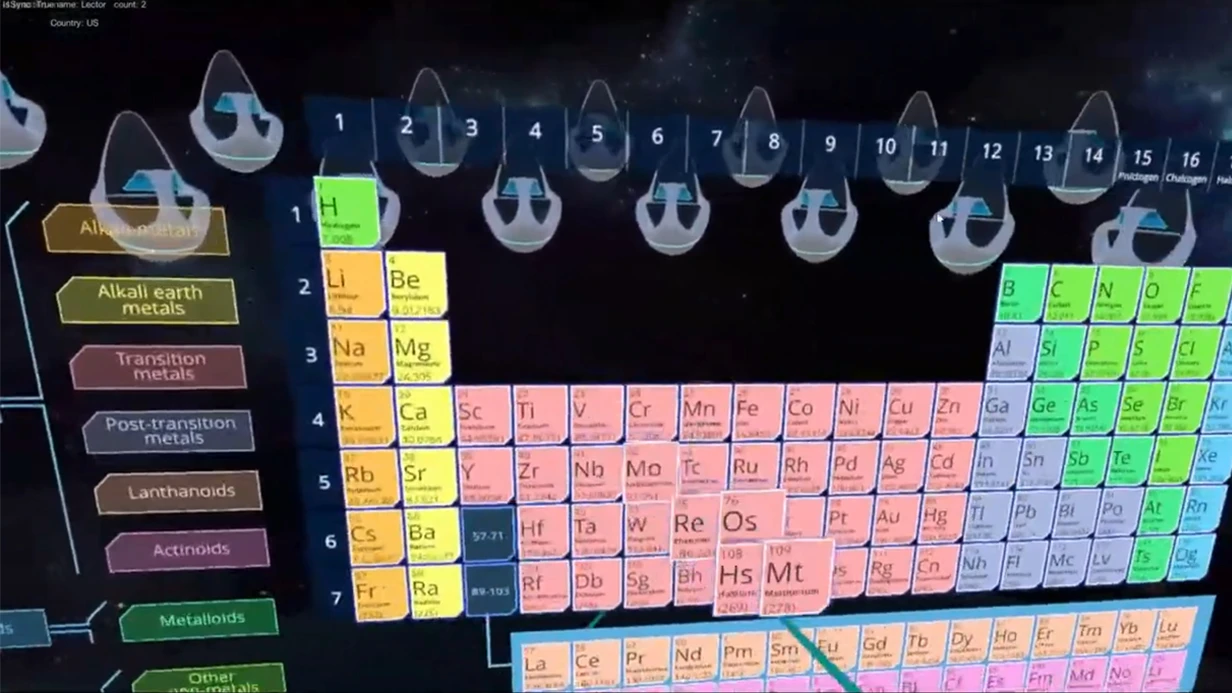


פורמט VR לבניית צוות בצוותים מרוחקים והיברידיים
צוות מרוחק או היברידי הוא קבוצת אנשים הרואים זה את זה בחלונות שיחת וידאו קטנים ומתקשרים רק על נושאי עבודה. בפורמט זה, שיחות לא פורמליות, דיונים ספונטניים, ואותם רגעי "מקרר המים" שבונים אמון ותחושת "אנחנו" נעלמים.
עם הזמן, עובדים מפסיקים להרגיש חלק ממשימה משותפת, עובדים חדשים נשארים מבחוץ, והתרבות הארגונית נשחקת.
העסק רואה את ההשלכות ישירות: החלטות מואטות, קונפליקטים מתרבים, ואנשים עוזבים יותר ויותר "לשום מקום". פעילויות גיבוש אונליין קלאסיות לא פותרות את הבעיה — חידונים והרצאות לא מייצרים רגשות אמיתיים, ובלעדיהם לכידות אף פעם לא נוצרת. מה שצריך הוא פורמט שבו המשתתפים באמת ביחד, לא רק באותה שיחה.
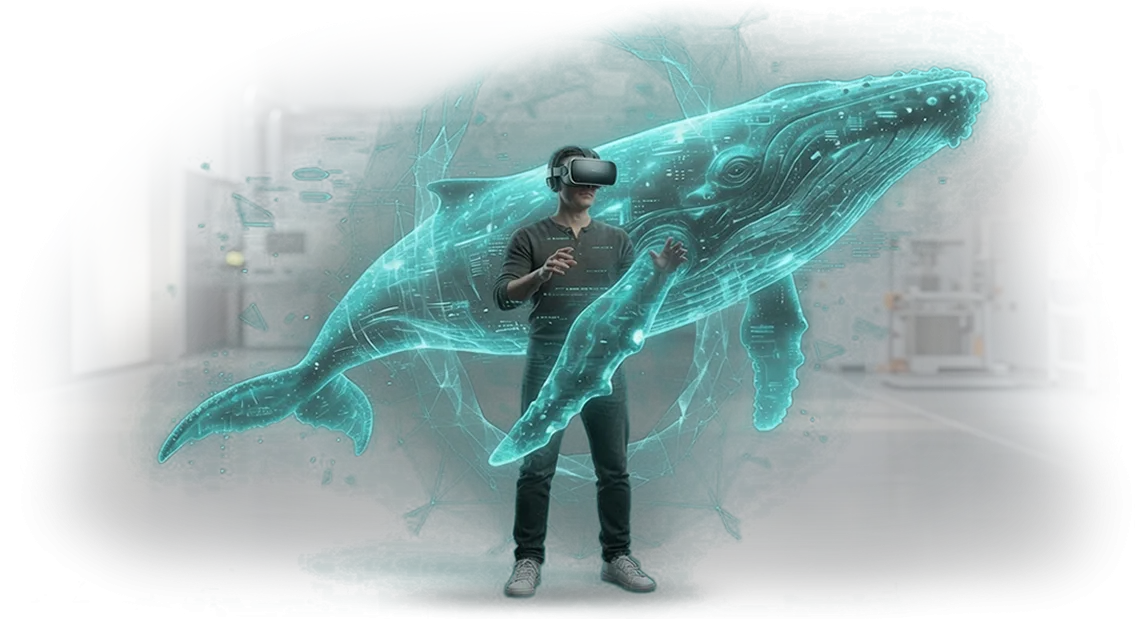
VR ארגוני ממלא את הצורך הזה. הצוות נכנס למרחב וירטואלי משותף: הם רואים זה את זה, שומעים זה את זה, נעים, ופותרים משימה משותפת — הם חווים רגע משותף אמיתי.
כך בדיוק נוצרים קשרים, קשרים שעוברים למערכות יחסים בעבודה ומאיצים פרויקטים משותפים. החברה שלנו בונה מרחבים כאלה לעסקים כבר למעלה מ-10 שנים: ממשימות צוות ועד מטאוורסים ארגוניים בקנה מידה מלא.
אנחנו יודעים איך להחזיר לעובדים מרוחקים את התחושה שיש עמית לצידם.
אנחנו מפתחים פורמטי VR למטרות של חברה ספציפית: אנחנו מאחדים מחלקות מפוזרות, מערבים צוותים היברידיים, משלבים בעדינות עובדים חדשים, ומחזירים לאנשים את תחושת המטרה המשותפת — ללא קשר לעיר או לאזור זמן.
זו לא הפסקה משעשעת, אלא כלי עבודה שמחזיר לצוות את האנרגיה שלו ומפחית תחלופה.
מה מטאוורס VR ארגוני נותן לעסק
מטאוורס ארגוני הוא לא בידור אלא כלי עבודה שמספק תוצאות עסקיות מדידות. לפי מחקר של PwC, עובדים קולטים חומר ב-VR פי 4 מהר יותר מאשר בכיתה — כלומר זמן ההכשרה מתקצר בלי לאבד איכות.
למנהלי משאבי אנוש ולמנהלים, זה פתרון מוכן למעורבות של צוות שעובד בערים ואזורי זמן שונים.
יתרונות שהעסק רואה בתוך החודש הראשון:
- מעורבות גבוהה יותר. עובדים מפסיקים "לכבות את המצלמה" בשיחות — הם נכנסים למרחב משותף שבו הם יכולים ליצור אינטראקציה עם עמיתים וחפצים. מפגשי צוות חיים יותר מאשר ב-Zoom ומשאירים רגשות שאנשים מדברים עליהם אחרי העבודה.
- חיסכון בלוגיסטיקה ובהשכרת מקום. אין צורך להזמין אולמות, לשלם על טיסות, או לכסות לינה עבור הדרכה אחת. המטאוורס מאסיף 50 אנשים מערים שונות על פלטפורמה אחת — אתה משלם רק על הפיתוח והתמיכה במרחב.
- מותג מעסיק חזק יותר. אירוע ארגוני מודרני או תוכנית קליטת עובדים ב-VR הם תוכן שעובדים משתפים ברשתות החברתיות. החברה נראית מתקדמת טכנולוגית, ומועמדים מתחילים לכתוב למשאבי אנוש מיוזמתם.
איך להפוך את ההשפעות האלה למספרים:
| כיוון | מה משתנה | מה למדוד |
|---|---|---|
| מעורבות עובדים | נוכחות גבוהה יותר, פעילות ושביעות רצון מההכשרה | מדד eNPS, % של השלמת תוכנית |
| לוגיסטיקת אירועים | עלות נמוכה יותר של השכרת מקום, תחבורה ולינה | עלות האירוע לעובד |
| מותג מעסיק | יותר פניות איכותיות, שימור גבוה יותר | מספר פניות, תחלופה שנתית |
| כלי משאבי אנוש | קליטת עובדים חדשים מהירה יותר, הערכה ברורה יותר | זמן עד לפרודוקטיביות מלאה של עובד חדש |
המטאוורס מטפל במשימות שדרשו בעבר תקציב עצום או פשרות כמו "בואו פשוט נעשה שיחת וידאו". כבר סיפקנו מרחבים כאלה לחברות עם צוותים היברידיים — ובכל פעם זה משתלם דרך תהליכים מהירים יותר וחיסכון ב"פיזי".
פורמטי VR לבניית צוות: מוועידה ועד הדרכה
פורמט אירוע ה-VR הנכון קובע אם תקבל מפגש פורמלי של "סימון וי" או את האנרגיה החיה שמקרבת צוות מפוזר. כשעובדים רואים זה את זה כאווטארים במרחב אחד, מחסום המסכים נעלם — הם מדברים, מתקשרים, וזוכרים את האירוע.
כדי לבחור את האפשרות הטובה ביותר, חשוב להבין את המשימה: לאחד מחלקה על בסיס קבוע, לקיים אירוע בקנה מידה גדול לכל החברה, או לתרגל מיומנות עסקית ספציפית. להלן השוואה בין שלושת הפורמטים העיקריים שבהם אנו משתמשים במטאוורס הארגוני.
| פורמט | למי | מה זה נותן ללקוח |
|---|---|---|
| ועידה וירטואלית | חברות עם מאות עובדים שצריכות התכנסות משותפת | מעורב עד כמה מאות משתתפים ללא השכרת אולם או תקציב לוגיסטיקה, יוצר תחושת השתתפות באירוע חי |
| משחק צוות ב-VR | מחלקות מפוזרות וקבוצות פרויקט | בתוך 1–1.5 שעות משחרר מתח, מפרק היררכיה, ומשאיר "זיכרונות משותפים" חיים שאנשים מדברים עליהם לאחר מכן |
| הדרכת VR | משאבי אנוש ומנהלים המפתחים מיומנויות רכות | מספק תרגול מיומנויות אינטנסיבי בסביבה בטוחה — התוצאה נראית מיד וקלה למדידה |
ועידה וירטואלית היא "יום כיף" הארגוני שלך בלי טיסות ובלי לספור ימים עד החופשה. היא מתאימה כשצריך לאחד משרדים מפוזרים גיאוגרפית: עובדים מתאספים באולם משותף, מאזינים למרצים, ומתרועעים באזורים לא פורמליים.
אתה מקבל הגעה לכל הצוות והכרת מותג, והמשתתפים מקבלים תחושת שייכות לחברה גדולה.
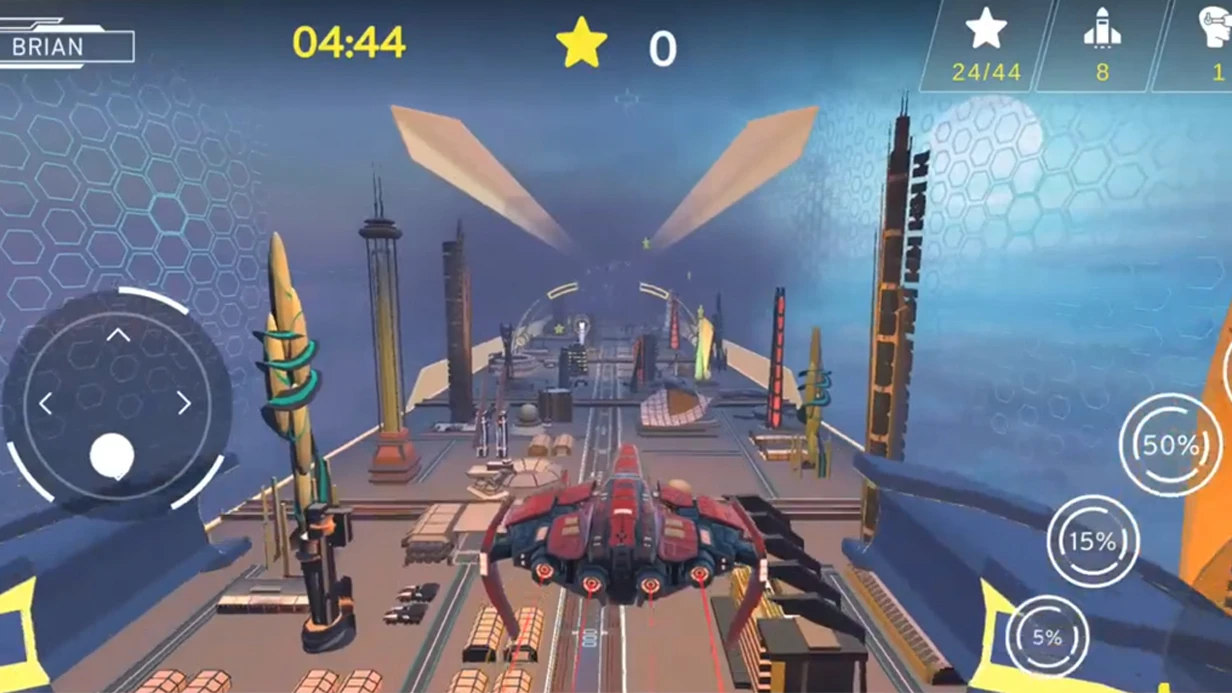
משחק צוות פותר את הבעיה של "אנחנו מדברים רק בצ'אטים". ב-VR, עמיתים רואים תגובות חיות, פותרים משימות יחד, ומתחילים לעבוד בצורה מלוכדת יותר כבר למחרת.
הפורמט הזה יעיל במיוחד לעובדים חדשים — במפגש אחד הם מכירים את הצוות מהר יותר מאשר בחודש של הודעות.
הדרכת VR היא הפורמט העמוק ביותר לבניית מיומנויות ספציפיות: מניהול קונפליקטים ועד דיבור בפני קהל.
עובד נכנס לסיטואציה מציאותית, מקבל החלטות, ורואה את התגובה של "היריב הווירטואלי" — כל זאת תוך שמירה על בטיחות נפשית ומוניטין. עבור משאבי אנוש, זה כלי מדיד: אפשר להעריך את ההתקדמות של משתתף לפני ואחרי ההדרכה.
איך עובד יישום מרחב וירטואלי בחברה
בנינו את תהליך היישום כך שיהיה שקוף וצפוי עבורך. אתה תמיד יודע באיזה שלב נמצא הפרויקט, אילו תוצאות הושגו, ומה הלאה — בלי קופסאות שחורות ובלי הפתעות.
- בריף והתעמקות במשימה. בהתחלה, אנו לומדים את הצוות שלך, את הכאבים שלו ואת המטרות שלו. אנו מראיינים מנהלים ועובדים מרכזיים כדי להבין מה מעכב עבודה יעילה כרגע.
- קונספט של המרחב הווירטואלי. בהתבסס על הבריף, אנו מציעים תרחיש: אילו פעילויות, אזורים ומכניקות יחיו בתוך המטאוורס. אנו מיישרים את הפרטים איתך לפני תחילת ההפקה כדי שתוכל לראות את התוצאה הסופית מראש.
- הפקה והרכבה. אנו יוצרים את המרחבים הווירטואליים, הדמויות והתרחישים האינטראקטיביים. בשלב זה, אתה מקבל גרסאות ביניים ויכול לבצע עריכות — זה זול ומהיר יותר מאשר לעשות הכל מחדש אחרי ההשקה.
- בדיקה עם הצוות שלך. אנו מריצים מפגש פיילוט עם עובדים אמיתיים. אנו בודקים אם נוח לעבוד, אם הכל ברור, ואם יש תקלות טכניות. אנו אוספים משוב ומשכללים את התרחיש.
- השקה והפעלה. אנו משלבים את המרחב בעבודה היומיומית שלך: מחברים את הכלים הדרושים, מגדירים הרשאות גישה, ומעבירים הדרכה קצרה למנהל המערכת. בשלב זה, כבר יש לך הוראות לשימוש עצמאי.
- תמיכה ופיתוח. לאחר ההשקה, אנחנו נשארים בקשר. אנו עוזרים לעדכן תרחישים למשימות חדשות, מוסיפים פעילויות, ומביאים עובדים נוספים. כשצריך, אנו מרחיבים את המרחב כדי להתאים לצוות גדל.
גישה זו מוכחת בעשרות פרויקטים שהושלמו. אתה מקבל לא "אב טיפוס גולמי" אלא כלי עבודה שעובדים משתמשים בו מהיום הראשון. ואנחנו לוקחים אחריות על התוצאה בכל שלב — עם אחריות ולוחות זמנים ברורים.
מה כלול במסירת מטאוורס ארגוני
מטאוורס ארגוני הוא לא רק חדר וירטואלי אלא כלי מוכן שפותר את אתגר בניית הצוות עבור צוותים מרוחקים והיברידיים.
אנחנו מרכיבים את הפתרון במפתח מלא: אנחנו מפתחים תרחישים, מגדירים את המרחב, ומספקים תמיכה לאחר ההשקה כך שלעולם לא תצטרך להיכנס לפרטים טכניים.
הנה מה שכלול בחבילת המסירה:
- תרחישים למשימות שלך — מבניית צוות ל-10 אנשים ועד לאירוע ארגוני למספר מאות משתתפים. אלה פורמטים מוכנים: משימות משותפות, משחקים עסקיים, תקשורת לא פורמלית וקליטת עובדים חדשים.
- אווטארים אישיים לעובדים — משתתפים רואים זה את זה כדמויות מוכרות עם שם ותפקיד. זה מסיר את המחסום של "אני יושב מול מסך" והופך את האינטראקציה לחיה כמו במשרד אמיתי.
- סאונד ואווירה מקצועיים — קולות העמיתים נשמעים טבעיים; רעש קהל וסביבת שמע מרחבית יוצרים תחושת נוכחות. עובדים שומעים רגשות, לא את הזמזום השטוח של גשר ועידה.
- ממשק אינטואיטיבי ללא צורך בהדרכה — משתתף נכנס למטאוורס דרך קישור, בלי להתקין תוכנה מורכבת או להגדיר ציוד. מספיק מחשב רגיל או משקפי VR.
- אינטגרציה עם המערכות שלך — אנו מחברים דואר אלקטרוני ארגוני, יומנים ושירותים פנימיים כדי שתוכל לתזמן פגישות ולשלוח הזמנות ישירות מהכלים שבהם אתה כבר משתמש.
- הדרכה לצוות ולמנהלי מערכת — אנו מעבירים מפגש קצר למארחים ולמארגנים ומוסרים דפי עזר ותבניות כדי שתוכל להשיק אירועים בעצמך בכל עת.
- תמיכה טכנית ותחזוקה — אנו עוזרים במפגשים הראשונים בהתחלה ואז נשארים בקשר: מעדכנים תרחישים, מוסיפים פונקציות, ופותרים שאלות בשעות העבודה.
כל פריט בחבילה מכוון לתוצאה אחת — לתת לך סביבת עבודה לבניית צוות ללא הטמעה ארוכה או משאבי IT פנימיים. כל מה שנותר לך הוא לבחור תאריך ולהזמין את העובדים שלך: כל השאר כבר מוגדר ונבדק.
מקרה בוחן: איך איחדנו צוות מפוזר באמצעות VR
הצוות שלנו עזר לחברת IT בינלאומית עם צוות מפוזר של 150 עובדים על פני שישה אזורי זמן. עובדים מרוחקים rarely ראו זה את זה פנים אל פנים, רוח הצוות דעכה, והמעורבות בפרויקטים משותפים ירדה.
בנינו מטאוורס ארגוני — משרד וירטואלי עם אזורים לסיעור מוחות, תקשורת לא פורמלית וחגיגות משותפות. עובדים נכנסים דרך משקפי VR או מחשבים רגילים, כך שההשתתפות לא דורשת ציוד יקר.
מה השתנה
חודשיים לאחר ההשקה, מעורבות הצוות גדלה ב-25%: עובדים החלו ליזום פגישות לעתים קרובות יותר, להצטרף מרצון לפעילויות משותפות, ולעזור לעמיתים מאזורים אחרים. מספר השיחות הלא פורמליות בין מחלקות שונות גדל פי שלושה.
מנהל הפרויקט ציין: "לראשונה, ראינו צוות מרוחק חי חיים אחד — בלי טיסות ומאמץ ארגוני."
למה זה עבד
VR יוצר תחושת נוכחות ששיחות וידאו לא יכולות לספק. אנשים זוכרים את הרגשות ואת התחושה של מרחב משותף, כך שהיוזמה לא הופכת לאירוע חד-פעמי אלא לסביבה קבועה לעבודה ולתקשורת.
המקרה מאשר: מטאוורס ארגוני הוא כלי מעשי לצוותים היברידיים ומרוחקים שמשפיע באופן מדיד על מעורבות ושימור עובדים יקרי ערך.
שאלות נפוצות על אירועים וירטואליים לצוותים
כשאנחנו מדברים עם מנהלים על אירועים וירטואליים, אנחנו שומעים לרוב את אותם חששות: האם הפגישה תתפרק בגלל הטכנולוגיה, האם המשתתפים ירגישו לא בנוח. זה נורמלי — פורמט חדש תמיד מגיע עם אי-ודאות. אנחנו לוקחים על עצמנו את הצד הטכני ואת כל התמיכה, כך שכל מה שנשאר לך הוא התוצאה.
להלן תשובות לשאלות שאנו שומעים לרוב לפני היישום. הצוות שלנו עובד עם צוותים ארגוניים ברחבי העולם, כך שהתרחישים האלה מוכרים לנו מאוד.
מה אם תתרחש תקלה טכנית במהלך מפגש וירטואלי?
אנחנו עורכים חזרות מראש ומגדירים ערוצי גיבוי. אם משהו משתבש, המעבר אורך כמה דקות — המשתתפים לא ישימו לב. ב-10 שנים, הרצנו מאות אירועים מקוונים.
האם יהיה קשה לעובדים להבין את המרחב הווירטואלי?
מפגש הדרכה של 10–15 דקות מספיק. הממשק פשוט, ותמיכה זמינה תמיד בתוך המרחב.
איך המרחב הווירטואלי יעבוד על המחשבים שלנו?
אנחנו מתאימים את הפתרון למחשבים שלך ומספקים ציוד במידת הצורך. לפני ההשקה, אנחנו מראים לך מפגש ניסיון.
כמה זמן ייקח יישום מטאוורס לצוות?
הפרויקט אורך משבועיים עד חודש וחצי. אנחנו עובדים בשלבים בלי לעצור את התהליכים הנוכחיים שלך.
אם עדיין יש לך ספקות — שאל אותנו ישירות. נראה דוגמאות לפרויקטים ונערוך הדגמה קצרה.בואו נדון במשימה שלך ונבחר פורמט אירוע VR
כל צוות מרוחק מתמודד עם בעיה אחת: עובדים מכירים זה את זה רק דרך אווטארים במסנג'ר. משימות אונליין רגילות ופעילויות גיבוש משעממות מהר, והן לא מספקות את התוצאה — לכידות.
כדי שאירוע VR יצליח, צריך להבין במדויק את המשימה, את הרכב הצוות ואת היכולות הטכניות של המשתתפים.
לכן אנחנו מציעים סקירה חינמית של הבקשה שלך. בייעוץ אחד, נעבור על כל הנקודות המרכזיות צעד אחר צעד:
- אתה מתאר את המצב: כמה אנשים בצוות, באילו ערים, ומה המטרה העיקרית.
- אנחנו שואלים שאלות הבהרה על ציפיות, אילוצים ולוחות זמנים.
- אנחנו בוחרים 2–3 פורמטי אירוע VR עם נימוקים למקרה הספציפי שלך.
- אנחנו מחשבים את העלות בהתבסס על משך, השכרת ציוד ומספר המארחים.
- אנחנו מסיימים את תוכנית ההשקה: מההכרזה ועד לאחר האירוע.
לחישוב מדויק, נצטרך את הנתונים הבאים:
- מספר משתתפים והתפלגותם בין ערים.
- משך האירוע והשעה המועדפת.
- מטרה: בניית צוות, השקת מוצר, חגיגה ארגונית או הדרכה.
- האם לעובדים יש מכשירי VR או שצריך השכרה.
- תקציב משוער ועד כמה לוח הזמנים קבוע.
השאר בקשה לייעוץ — תוך יום עסקים אחד, נשלח הערכת עלות ראשונית והמלצות על פורמטים.
זה לא מחייב אותך בשום צורה, אבל תקבל תוכנית ברורה לקבלת החלטה ותוכל להזמין אירוע VR מצוות שכבר סיפק אותו עשרות פעמים.
איך לבחור את פורמט המטאוורס הנכון למשימה שלך?
בחירת פורמט מטאוורס מתחילה לא בטכנולוגיה אלא במשימה העסקית של הצוות שלך. שאל את עצמך: מה צריך להשתנות אחרי האירוע — האם הצוות יתקשר טוב יותר, יחליף מידע מהר יותר, או ירגיש מטרה משותפת?
התשובה קובעת אם אתה צריך מפגש וירטואלי חד-פעמי או סביבה ארגונית קבועה שבה הצוות נפגש באופן קבוע.
לבניית צוות קצרה של 10–30 אנשים, מספיק מרחב וירטואלי אינטימי עם משימות ומשימות משותפות: משתתפים נכנסים במהירות, מתקשרים, ויוצאים עם רגשות חיים.
לצוות מרוחק או היברידי שעובד יחד כל הזמן, הגיוני יותר לבנות מטאוורס מלא: משרד וירטואלי עם חדרי ישיבות, אזורים לתקשורת לא פורמלית ומרחב לאירועים.
הפורמט הזה הופך עובדים מפוזרים לקהילה חיה, לא רק למשתתפים בפעילויות חד-פעמיות.
השתמש בשלושה פרמטרים כמדריך: גודל הצוות, תדירות המפגשים והתוצאה העסקית הרצויה. אם אתה צריך להגביר במהירות מעורבות לפני השקת מוצר, תוכנית קצרה בסגנון אירוע תספיק.
אם אתה רוצה להפחית את אפקט "העבודה המרוחקת" ולשמר עובדים, בחר מטאוורס קבוע שהופך למשרד השני שלך.
הסביבה חייבת להיות מובנת לאנשים ללא הכשרה טכנית ולעבוד על כל מחשב נייד רגיל — אחרת הצוות פשוט לא ישתמש בה.
אנחנו עוזרים לך לא ללכת לאיבוד בין האפשרויות: במהלך הבריף, אנחנו מגדירים את המשימה, האילוצים והציפיות שלך, ואז מציעים שניים או שלושה פורמטים מתאימים עם תיאורי תרחישים והשפעה פוטנציאלית. אחרי מפגש פיילוט, אנחנו מתאימים את המרחב לתרבות ולתהליכים שלך.
כך אתה מקבל מטאוורס שנבנה למשימה — לא "פלטפורמה וירטואלית מופשטת לשם האופנה" — פתרון שמשתלם דרך עבודת צוות, מהירות החלטות ושימור עובדים.