



אוניברסיטאות ומכוני מחקר מפסידים מענקים: סימולציות מחקר הן הכרח
ועדות מענקים וקרנות מדע כיום מעריכות לא רק תוצאות מחקר, אלא גם את התשתית שעליה הן מושגות.
בקשות תחרותיות דורשות יותר ויותר להדגים דיגיטציה של המדע: ניסויים וירטואליים, תאומים דיגיטליים של מתקנים, ויכולת גישה למעבדות מרחוק. ללא זה, אפילו צוות חזק מפסיד למועמדים מתקדמים יותר טכנולוגית.
המציאות עבור רוב האוניברסיטאות ומכוני המחקר היא ציוד מיושן וגישה מוגבלת למתקני ניסוי. חלק מהניסויים בלתי אפשריים פיזית לביצוע בבטחה או במהירות; אחרים דורשים חומרים מתכלים ונסיעות.
כתוצאה מכך, חוקרים צעירים עוברים למקום שבו הם יכולים לעבוד עם כלים מודרניים, בעוד פרסומים ובקשות נופלים מרמת המתחרים.
זה יוצר מעגל קסמים: אין מעבדות וירטואליות — פחות מענקים, פחות התמחויות יוקרתיות ושותפים תעשייתיים, ולכן פחות משאבים לפיתוח.
עם זאת, סימולציות הן בדיוק מה שמאפשר להרחיב את יכולות המחקר ללא רכישת מתקני ניסוי פיזיים יקרים — להכפיל את מספר הניסויים ולמשוך מימון על סמך החדשנות של הפרויקט.
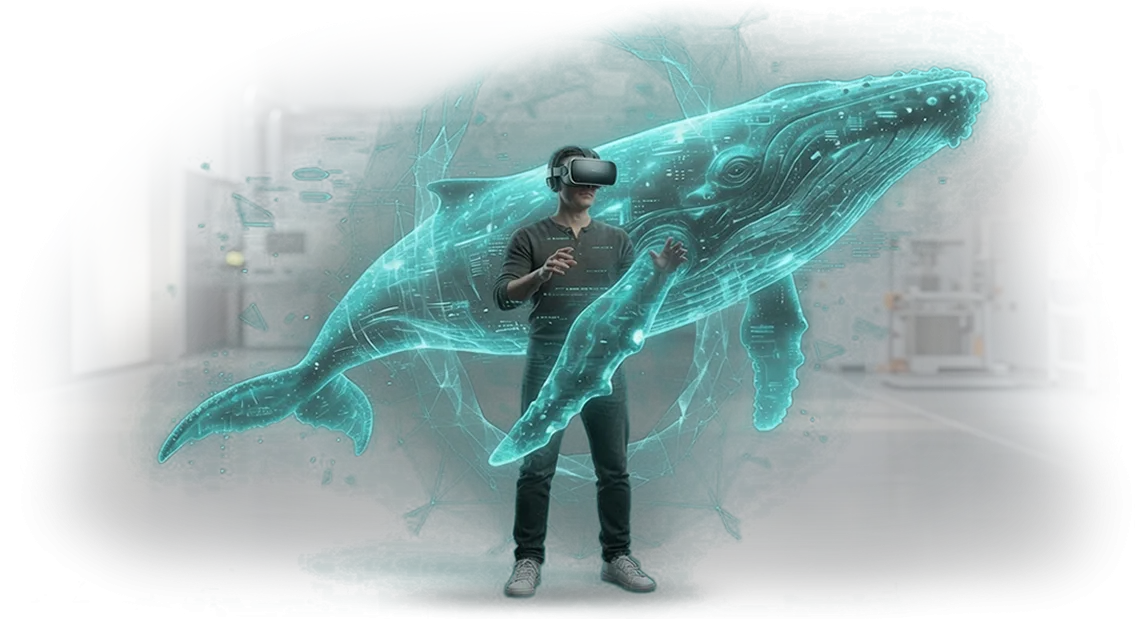
אנחנו סוגרים את הפער הזה. אנו מפתחים מטאוורסים ארגוניים ויישומי VR/AR לסימולציות מחקר: צוות האוניברסיטה מקבל עותק דיגיטלי מלא של המעבדה, וההנהלה מקבלת טיעון חזק לבקשות מענקים ותוכניות שותפות.
יישום פרויקטים כאלה מראה למומחים שהארגון עומד בקצב המדע המתקדם ומוכן לרמה חדשה של מחקר.
מה מעבדה וירטואלית תיתן למוסד שלך
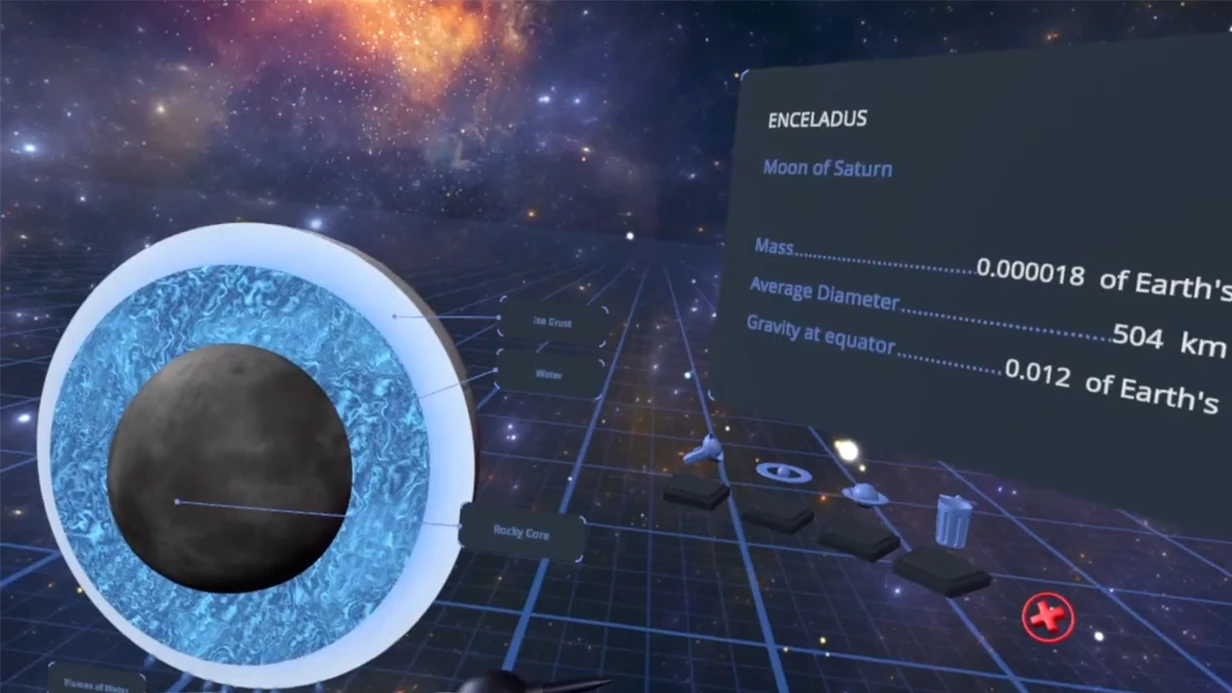
מעבדה וירטואלית נותנת לחוקרים את מה שהפרקטיקה הרגילה חסרה — חופש להתנסות ללא מגבלות זמן וציוד. ניתן להריץ תהליכים מורכבים שוב ושוב, לשנות פרמטרים, ולראות תוצאות מיד, במקום אחרי שבועות של הכנה.
עבור האוניברסיטה, זו האצה מדידה של מחזור המחקר: באותו זמן, הצוות מצליח להריץ פי כמה יותר סדרות ניסויים.
ההאצה מתורגמת ישירות לפרסומים. יותר נתונים והשערות מאומתות — יותר מאמרים בכתבי עת מיוחדים, כלומר בקשות מענקים חזקות יותר ומיקומים גבוהים יותר בדירוגים מדעיים.
במקביל, העלויות לציוד פיזי יורדות: חלק ממתקני הניסוי במעבדה מוחלפים במודלים דיגיטליים שאינם דורשים ריאגנטים, תחזוקה או שטח. התקציב שהתפנה מופנה למחקר ייחודי באמת שלא ניתן לבצע וירטואלית.
יש גם ערך מובהק — היוקרה של הארגון. מעבדה וירטואלית הופכת לטיעון משכנע בשיחות עם מועמדים והוריהם: היא מראה שהאוניברסיטה עומדת בקצב המדע המודרני.
זה עובד באותה דרך גם לשותפויות — חברות תעשייתיות וקבוצות מחקר זרות מוכנות יותר לדון בפרויקטים משותפים עם מוסד שיש לו תשתית דיגיטלית עדכנית.
בסופו של דבר, הסביבה הדיגיטלית פותרת שלוש משימות בבת אחת: היא מאיצה מחקר, מפחיתה עלויות ומחזקת מוניטין.
אנחנו עוזרים להשיק מעבדה כזו במפתח מלא — מבחירת תרחישים ועד לשילובה בתהליך החינוכי והמחקרי, כך שתקבלו תוצאה בלי להסיח את דעת הצוות מהעבודה המרכזית.
פורמטים של סימולציה למשימות שונות
לפני השקת סימולציות באוניברסיטה או במכון מחקר, חשוב להבין איזו משימה הפרויקט פותר: הכנת סטודנטים לעבודה על ציוד אמיתי, מתן אפשרות לבצע ניסויים, או חקר התנהגות של מערכת שלמה.
כל פורמט — סימולטור וירטואלי, מעבדת מציאות מדומה או תאום דיגיטלי — נותן מענה לצורך משלו, כך שהבחירה מתחילה לא בטכנולוגיה אלא בשאלה "מה צריך להשתנות עבור המשתמש אחרי העבודה בסימולציה".
| פורמט | לאילו משימות הוא מיועד | מה הוא נותן לאוניברסיטה או למכון המחקר |
|---|---|---|
| סימולטור ציוד וירטואלי | הדרכה על מכונות, מכשירים, מתקנים רפואיים ומעבדתיים | סטודנטים רוכשים מיומנויות מעשיות לפני הכניסה לייצור, ללא סיכון של תקלות או פציעות |
| מעבדת מציאות מדומה | ניסויים המוגבלים על ידי אילוצי שטח פיזיים: ריאגנטים יקרים, חומרים נדירים, תנאים מסוכנים | עבודת מעבדה זמינה מסביב לשעון, בלתי תלויה בצריכת חומרים ובתורים |
| תאום דיגיטלי | ניתוח וחיזוי התנהגות של אובייקט אמיתי, סדנה או קו ייצור | חוקרים בודקים השערות בלי לעצור את הייצור, רואים סיכונים ומטביעים תהליכים |
כדי להחליט במהירות, עברו על שלוש נקודות. ראשית: איזו פעולה חוזרת על עצמה אצל המשתמש? אם זה תמיד עבודה עם מכשיר ספציפי — בחרו סימולטור; אם זה רצף שלם של מדידות ומסקנות — בחרו מעבדה.
שנית: האם יש צורך בחיבור לנתונים אמיתיים ולתהליכי ארגון? אז זה תאום דיגיטלי. שלישית: מי יעבוד בסביבה — סטודנטים בשנה הראשונה, סטודנטים לתואר שני או צוות מחקר? התרחישים והממשק תלויים בזה.
החדשות הטובות: הפורמטים אינם שוללים זה את זה. לקוח יכול להתחיל עם סימולטור הדרכה ואז להוסיף תאום דיגיטלי לחלק המחקרי.
במהלך ייעוץ, אנחנו עוזרים להרכיב שילוב המותאם למשימות המחלקה וללוח הזמנים של היישום — פשוט תארו את הבעיה, ואנחנו נטפל בשאר.
שלבי יצירת מעבדה וירטואלית
יישום מעבדה וירטואלית הוא פרויקט שבו חשוב לא רק להשיג את התוצאה אלא גם לשלוט בה בכל שלב.
עיצבנו את התהליך כך שתמיד תדעו מה קורה עם הפרויקט, אילו החלטות מתקבלות ואילו מועדים נעמוד בהם — בלי "קופסאות שחורות" או הפתעות.
-
בריף והתעמקות במשימה. אנו לומדים את המשימות שלכם, היעדים החינוכיים וקהל הסימולציה. אנו מזהים אילו ניסויים צריך לשחזר ואילו תרחישים קריטיים ללמידה.
-
קונספט והצעה טכנית. בהתבסס על הבריף, אנו מעצבים את התמונה של המעבדה הווירטואלית: הרכב התרחישים, הממשק, דרישות הציוד. אתם מקבלים תיאור מפורט של הפתרון ותוכנית עבודה.
-
אישור וקביעת היקף. אנו מאשרים איתכם את הקונספט, האומדן ולוח הזמנים. אנו קובעים נקודות בקרה — זה מבטל שינויים "בדרך" ומחלוקות בסיום.
-
פיתוח הסביבה הווירטואלית. אנו יוצרים את המעבדה הווירטואלית: מודלים של אובייקטים, פיזיקת אינטראקציה, לוגיקת ניסויים. אנו עובדים בצורה איטרטיבית — אתם רואים גרסאות ביניים ועורכים שינויים לפני שהשלב הסופי מגיע.
-
בדיקות עם מורים וסטודנטים. אנו בודקים את הפתרון על משתמשים אמיתיים: שימושיות, תקינות הסימולציה, עומס על ציוד. אנו אוספים משוב ומשכללים את הממשק.
-
השקה ותמיכה. אנו מתקינים את המערכת על הציוד שלכם או מסדרים גישה דרך שרת. אנו מאמנים צוות ונשארים בקשר — מעדכנים תרחישים, מוסיפים ניסויים חדשים ופותרים במהירות בעיות טכניות.
בכל שלב, אתם מקבלים דוחות ברורים ומשתתפים בהחלטות מפתח. גישה זו מונעת עבודה חוזרת ומספקת מעבדה שבאמת משרתת את התהליך החינוכי — בזמן ובלי עלויות מיותרות.
מה תקבלו לאחר מסירת הפרויקט
לאחר מסירת הפרויקט, האוניברסיטה או מכון המחקר מקבלים לא רק יישום, אלא פתרון מוכן לתהליכי מחקר וחינוך.
אנו מוסרים את כל חבילת החומרים והידע כך שהצוות שלכם יוכל להשתמש ולפתח את הסימולציה באופן עצמאי.
איך עובדת מסירת הפרויקט ומה כלול בחבילה:
- ביום המסירה — פתרון מוגדר ומלוטש במלואו, פרוס על ציוד הלקוח או בתשתית ענן.
- חומרי מקור ותיעוד טכני מלא — לביצוע שינויים על ידי המומחים שלכם.
- מדריכי משתמש ומנהל באנגלית — עם הוראות לכל התפקידים והתרחישים האופייניים.
- הכשרת צוות — מפגשים מעשיים למורים, עוזרי מעבדה ומנהלי מערכות.
- תמיכה טכנית — לכל תקופת ההפעלה: ייעוץ, תמיכה בעדכונים ושכלול מודולים נחוצים.
תוצאות הפרויקט מתועדות בדוחות קבלה ורשימות בדיקה, כך שאתם יודעים בדיוק מה קיבלתם. הכשרת הצוות מתבצעת לפני ההשקה הרשמית כך שהעובדים מתחילים לעבוד כבר עם מיומנויות מעשיות.
והתמיכה הטכנית נשארת איתכם לאחר המסירה — אנו עונים על שאלות ועוזרים להתאים את הסימולציה למשימות מחקר חדשות.
בסופו של דבר, אתם מקבלים כלי עבודה שמשפר את איכות המחקר, מאיץ את הכשרת הסטודנטים ונותן לאוניברסיטה עצמאות בניהול הפרויקט.
מקרה בוחן: מאמן וירטואלי למרכז מחקר
כשמעבדה מדעית פנתה אלינו, הצוות שלה בילה שנים בביצוע ניסויים מסוכנים על ציוד אמיתי. כל הפעלה של המתקן דרשה שעות של הכנה ונשאה סיכונים לחוקרים.
ההנהלה חיפשה דרך לתרגל תרחישים בבטחה בלי לאבד דיוק נתונים — והזמינה מאמן וירטואלי.
יצרנו עותק דיגיטלי של מתקן הניסוי ששיחזר במלואו את הפקדים והפרמטרים הפיזיים.
המכון לפיזיקה יישומית קיבל סביבה שבה עוזרי מעבדה מתאמנים עם משקפי מציאות מדומה: הם מבצעים הפעלות, משנים מצבים ומנתחים קריאות. הציוד לא נשחק, וטעות עולה לא בתיקון אלא בדקה של אתחול מחדש.
בתוך שישה חודשים, מספר הניסויים המסוכנים על המתקן האמיתי ירד ב-60%. חוקרים העבירו חלק מהבדיקות השגרתיות לחלוטין לתוך המאמן, ופינו זמן למשימות יישומיות.
התוצאות הבחינו גם מחוץ למכון: שני שותפים תעשייתיים התעניינו בפלטפורמה וחתמו על הסכם לפרויקטים משותפים.
עבור האוניברסיטה, זה לא רק חיסכון במשאבים, אלא הזדמנויות פיתוח חדשות. המאמן הפך לחלק מתוכניות חינוכיות ולמוצר מסחרי שמייצר הכנסה.
אנחנו מפתחים כעת את הפלטפורמה למחלקות אחרות — מכימיה ועד רפואה — וכל תרחיש חדש מחזיר את ההשקעה מהר יותר מקודמו.
מה זה אומר עבור הפרויקט שלכם
אם הצוות שלכם מבלה שעות בהכנת ניסויים או מתמודד עם סיכונים, אנחנו יכולים להעביר תרחישי מפתח לסביבה בטוחה. תקבלו תוצאה מדידה: עלויות משאבים נמוכות יותר, מחקר מוגן יותר ושותפויות חדשות.
שאלות נפוצות על יישום פתרונות וירטואליים
אנחנו יודעים שלפני יישום פתרונות וירטואליים בסביבה מדעית או חינוכית, עולות שאלות רבות — מלוחות זמנים ועד עלות ואחריות.
כדי להקל על החלטתכם, ריכזנו תשובות לשאלות הנפוצות ביותר שנשאלות על ידי מנהלי אוניברסיטאות ומכוני מחקר.
איך מתבצע יישום פתרונות וירטואליים באוניברסיטה או במכון מחקר?
אנחנו מתחילים בבריף: אנו מנתחים אילו ניסויים או תרחישים צריך ליישם ואילו משימות קבוצות המחקר שלכם מציבות. לאחר מכן אנו יוצרים אב טיפוס שאנו בודקים יחד עם המומחים שלכם, ורק לאחר אישור אנו עוברים לפיתוח מלא.
היישום אינו דורש החלפת ציוד — מחשבים קיימים או משקפיים מספיקים, ובמידת הצורך, אנו עוזרים לבחור מתאימים.
כמה עולה לפתח סימולציית מחקר?
העלות תלויה במורכבות התרחיש, ברמת הפירוט של החלל הווירטואלי ובמספר האינטראקציות. לאחר הבריף, אנו מכינים אומדן מפורט לפי שלבים עם מועדים מדויקים, כך שתוכלו לראות על מה אתם משלמים.
תנאים מיוחדים זמינים לאוניברסיטאות ומכוני מחקר — לעתים קרובות ניתן לפצל את הפרויקט למענקים או למימון בשלבים.
מה קורה אם משהו נשבר? האם יש אחריות?
כן, כל הפתרונות שפותחו מגיעים עם תקופת אחריות. היא כוללת תיקוני באגים, עדכונים למשימות חדשות ותמיכה טכנית לפי בקשה.
אם לאחר ההשקה תצטרכו לשכלל תרחיש כדי לעמוד בדרישות משתנות — אנחנו בקרבת מקום, וזה תמיד זול יותר מהזמנת פיתוח חדש.
מי יאמן את הצוות והמורים?
אנחנו מבצעים הכשרה לצוות שלכם: אנו מראים כיצד להפעיל סימולציות, לנהל תרחישים ולהשתמש בתכונות לניתוח תוצאות. כל החומרים נשארים אצלכם, כך שעובדים חדשים יכולים להיכנס לעניינים ללא נוכחותנו. מורים לא צריכים להיות מתכנתים — הממשק מותאם למשתמשים רגילים.
עד כמה טכנולוגיות וירטואליות מתאימות למשימות מדעיות אמיתיות?
סימולציות וירטואליות כבר מזמן משמשות לניסויים בטוחים ולחקר תהליכים שקשה או מסוכן לשחזר במציאות. בעזרתן, סטודנטים וחוקרים מקבלים ניסיון ללא סיכון וללא עלויות חומר מיותרות.
פתרונות כאלה כבר נמצאים בשימוש במעבדות ומניבים תוצאות מדידות: מעורבות מוגברת, זמן הכנה מופחת וחזרתיות של ניסויים.
בואו נדון בפרויקט שלכם ונכין הצעה
מחקר והכשרת סטודנטים דורשים בהירות ובטיחות שניסויים אמיתיים לא תמיד מספקים.
סימולציות VR ו-AR מאפשרות ביצוע ניסויים וירטואליים ללא סיכון וציוד יקר — אבל איך בוחרים את הפורמט הנכון ונמנעים מתשלום יתר על תכונות מיותרות?
אנחנו יכולים לעזור לכם להבין את זה. השאירו פנייה באתר שלנו — ננתח את המשימה שלכם, נציע פתרון אופטימלי ונחשב את העלות. הנה מה שקורה אחרי שתפנו אלינו:
- אנחנו מקיימים ייעוץ: אנו מקשיבים למשימה שלכם, ליעדי המחקר ולתוצאות הצפויות.
- אנו לומדים את ההקשר: מספר משתמשים, ציוד נדרש, דרישות אינטגרציה עם מערכות קיימות.
- אנו מציעים פורמט — VR, AR או תרחיש משולב שפותר את המשימה המדעית או החינוכית הספציפית שלכם.
- אנו מכינים הערכת עלות וזמן: אומדן שקוף ללא תשלומים נסתרים או אותיות קטנות.
- במידת הצורך, אנו מראים דוגמאות של פרויקטים דומים לאוניברסיטאות ומכוני מחקר — כדי שתבינו איך תיראה התוצאה.
- אנו מתעדים את ההצעה בכתב: לאחר הייעוץ, אתם מקבלים מסמך המתאר את הפתרון והתקציב.
הייעוץ והחישוב המקדים מתבצעים לפני תחילת העבודה. גם אם אתם עדיין לא בטוחים ש-VR/AR מתאים למעבדה שלכם, פשוט ספרו לנו על המשימה — יחד נמצא דרך לפתור אותה. השאירו פנייה, ונחזור אליכם בקרוב.
איך לבחור פתרון שמתאים לארגון שלכם?
ראשית, כדאי לקבוע איזו משימה הסימולציה פותרת: הכשרת סטודנטים, הכנה לניסויים אמיתיים או הדגמת יכולות מחקר.
הפורמט תלוי בזה — מתרחיש קצר של כמה דקות ועד סביבה שבה קבוצות עובדות על משימה משותפת. סימולציה מדעית לא צריכה רק להיראות מרשימה; היא חייבת לייצר תוצאה ניתנת לשחזור שניתן להשתמש בה בפועל.
בבחירת קבלן, שימו לב לא לרשימת הטכנולוגיות, אלא ליכולת להבין את התחום המדעי שלכם.
שותף טוב יודע לתרגם את שפת המאמר המדעי לתרחישים ידידותיים למשתמש: מה קורה על המסך, אילו פרמטרים משתנים, אילו נתונים נרשמים.
ניסיון בסביבה החינוכית חשוב לא פחות — עבור אוניברסיטאות ומכוני מחקר, קריטי שהפתרון ישתלב בתוכנית הלימודים ולא יתקיים בנפרד.
שאלו את הקבלן איך הם מודדים את האפקטיביות של הפיתוחים שלהם: איך מודדים צמיחת מעורבות, שימור חומר ומהירות השלמת עבודת מעבדה.
המדד הוא לא שעות במציאות מדומה, אלא תוצאה מדידה — זמן הכנת ניסוי מופחת, פחות שגיאות ויכולת לתרגל פעולות מסוכנות או יקרות במציאות.
מה שחשוב גם הוא איך הקבלן תומך בפרויקט לאחר ההשקה: מי מעדכן תרחישים, מה קורה כשהציוד משתנה או נתונים חדשים מופיעים. שאלו איך תאמנו מורים וסטודנטים ומי אחראי על תמיכה טכנית בחודשים הראשונים. התשובות האלה יראו אם הסימולציה הופכת לכלי עבודה או נשארת סרטון הדגמה.
עברנו את המסע הזה עם עשרות פרויקטים חינוכיים ומחקריים. אנחנו מתחילים בהתעמקות במשימה שלכם, מנסחים תרחישים וקריטריוני הצלחה יחד עם המומחים שלכם, ואז מעצבים פתרון שבאמת נמצא בשימוש.
אם תרצו, נשלח דוגמאות לאיך עזרנו למכונים להפוך השערות מחקר לסימולציות עובדות.