



הכשרת מפעילי ציוד כבד: סיכונים, עלויות וכוח אדם
הכשרת מפעיל ציוד כבד אינה רק שכרו של המדריך ושכירת האתר. כל שעת אימון על מכונה אמיתית משמעותה צריכת דלק, בלאי ציוד וזמן השבתה של מכונות שיכלו לעבוד באתר. בעוד מתחיל רוכש מיומנויות בסיסיות, העסק מפסיד כסף ודוחה השקות פרויקטים.
הגישה המסורתית של "ישר למושב הנהג" נושאת גם סיכוני בטיחות ישירים להכשרה. טעות של מפעיל חסר ניסיון על ציוד אמיתי מובילה לתאונות, נזק למטען או פציעה.
עלויות ביטוח ומוניטין לאחר אירוע כזה עולות על כל חיסכון בתהליך ההכשרה.
בנוסף, הכשרת מפעילים תלויה בזמינות של מכונות פנויות ומדריכים מנוסים. אם המדריך עסוק באתר או שהמכונה מתקלקלת, לוח הזמנים של ההכשרה נעצר ותור המתחילים גדל. החברה הופכת תלויה בגורם אנושי שקשה לתכנן אותו.
כתוצאה מכך, חברה משאירה משרות פתוחות לאורך זמן או שוכרת אנשים ללא ניסיון מספק. הדרך השנייה מובילה לפריון נמוך יותר וליותר תאונות. מעגל קסמים: ככל שיש למלא משרה מהר יותר, כך עלות הטעות גבוהה יותר.
אנו פותרים בעיה זו על ידי העברת ההכשרה לסביבה וירטואלית בטוחה. המפעיל מקבל תרגול ריאלי ללא סיכונים או השבתות, והעסק מקבל לוח זמנים צפוי להכשרה ועלויות הכשרה נמוכות יותר.
מה המטאוורס נותן לעסק ולעובדים שלך
הכשרת מפעילי ציוד כבד היא תמיד פשרה בין בטיחות, מהירות ועלות. ציוד אמיתי יקר, השבתה במהלך ההכשרה עוצרת עבודה, וטעות של מתחיל מובילה לתיקונים או לפציעה. מרחב וירטואלי מסיר את כל שלושת המגבלות בבת אחת.
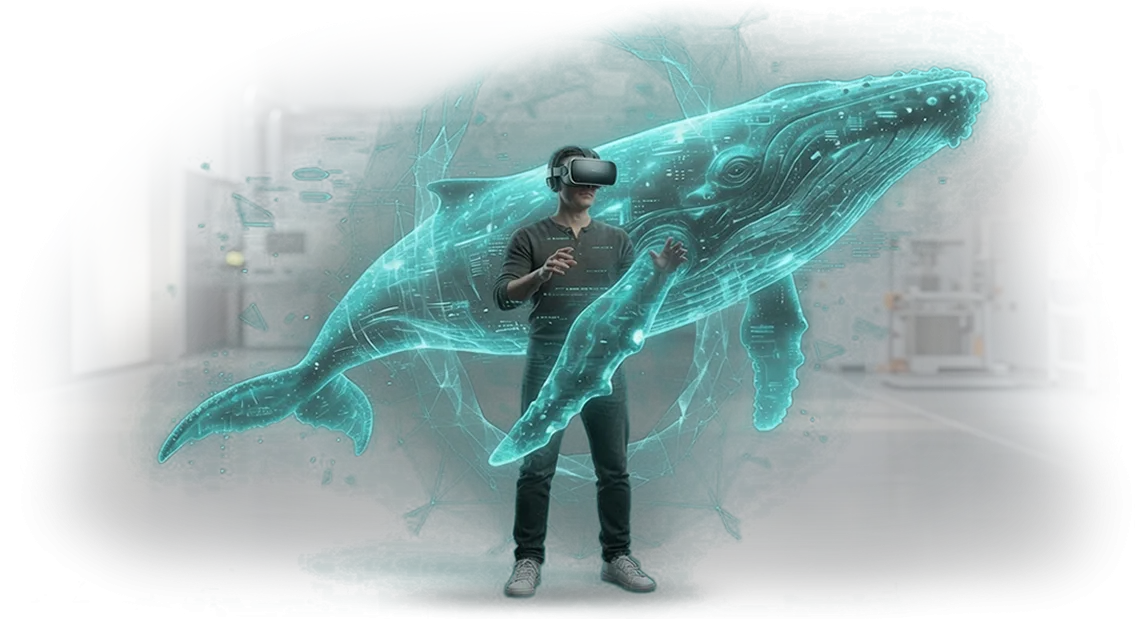
מטאוורס הכשרה הוא מגרש אימונים דיגיטלי שבו עובדים לומדים שליטה ללא סיכון לעצמם או לאחרים. הם מתרגלים תרחישים מורכבים עשרות פעמים עד שהמיומנות הופכת לאוטומטית, ללא צריכת דלק, בלאי מנגנונים או גרימת תאונות.
אתה מקבל מפעיל מוכן לעבודה אמיתית, לא תלמיד שיושב ליד הפקדים בפעם הראשונה באתר בנייה.
החיסכון מגיע משלושה מרכיבים: אין צורך לשכור אתר או ציוד, אין צורך לעצור את הייצור במהלך ההכשרה, והסיכון לנזק לציוד מצטמצם לאפס.
חברות שהטמיעו סימולטורי VR מפחיתות את עלויות הכשרת המפעילים בעד 40% — בעוד שאיכות המיומנויות אינה יורדת אלא גדלה הודות ליכולת החזרה על תרחישים.
גם המעורבות משתנה. במקום תדריכים משעממים ותיאוריה — שקיעה מלאה בתא ריאלי עם פקדים מוכרים. העובדים רואים את ההשלכות של מעשיהם מיד, לומדים מטעויות בסביבה בטוחה וזוכרים את ההליך הנכון מהר יותר.
פורמט הכשרה זה נתפס כהזדמנות, לא כתרגולת, ולכן המוטיבציה ושימור העובדים גבוהים באופן ניכר.
בנוסף, המטאוורס מאפשר להכשיר כמה אנשים בו זמנית במרחב וירטואלי אחד ולדמות מצבים נדירים ומסוכנים שאי אפשר לשחזר במציאות.
זה נותן לחברה שלך תקן הכשרה שאינו תלוי במזג האוויר, בזמינות המדריך או במצב הציוד. אתה מקבל תוצאה צפויה: מפעיל בטוח בעצמו שמגיע לאתר מוכן.
פורמטים של הכשרת VR ארגונית למשימות שונות
הכשרת מפעילי ציוד כבד אינה רק תיאוריה אלא תרגול מיומנויות מעשי שבו טעות עולה ביוקר. VR מאפשר הכשרה בטוחה בכל תנאי, אך היקף המשימות יכול להשתנות: משליטה במיומנות אחת ועד לעבודה מתואמת של צוות שלם. לכן פיתחנו שלושה פורמטים של הכשרת VR ארגונית למשימות ספציפיות.
| פורמט | למי | מה הוא נותן ללקוח |
|---|---|---|
| סימולטור VR | מפעילים חדשים, תרגול מיומנויות בסיסיות | כניסה מהירה למקצוע ללא סיכון לציוד, חיסכון בדלק ובזמן מדריך. |
| סימולטור ציוד כבד | עובדים מנוסים במעבר לדגם חדש או תנאים מורכבים | תרגול פעולות מדויקות ומצבי חירום. ביטחון עצמי מוגבר, פחות תקלות והשבתות. |
| מטאוורס שיתופי | צוותים העובדים יחד באתר | פעולה מתואמת של מספר יחידות ציוד ואנשי צוות. הצוות לומד לתקשר לפני היציאה לאתר. |
כל הפורמטים פועלים על ציוד VR מקצועי ופלטפורמה אחת, כך שתוצאות המפעילים נאספות במערכת אחת. אתה יכול לראות בקלות אילו מיומנויות תורגלו ואילו דורשות תשומת לב — זה מפשט את הפיקוח והופך את ההכשרה לשקופה עבור המנהל.
אנו עוזרים לך לבחור את הפורמט המתאים או לשלב ביניהם. לדוגמה, עובד שולט תחילה בפעולות בסיסיות על סימולטור יחיד ולאחר מכן עובר למטאוורס לעבודה צוותית. כך אתה מקבל משמרת מיומנת בזמן קצר וללא השבתות באתר.
שלבי השקת הכשרת VR למפעילי החברה שלך
פרויקט מורכב מרתיע לעתים קרובות בשל אי-ודאות: מה קורה בין "אנחנו רוצים להכשיר את העובדים שלנו" לבין תוכנית עובדת? אנו מפרקים את כל המסלול שלב אחר שלב כדי שתבין מה אתה מקבל בכל שלב וכמה זמן זה לוקח.
התהליך שלנו מתוכנן כך שאתה שולט בתוצאה במקום לצלול לפרטים טכניים. אתה רואה גרסאות ביניים, מעריך אותן ומשפיע על המוצר הסופי — ללא הפתעות או שלבים נסתרים.
- בריף וסקירת משימה. אנו מגדירים את המטרות: אילו מפעילים אנו מכשירים, אילו מיומנויות אנו מתרגלים ואיזו תוצאה אנו מחשיבים כמוצלחת. אנו לומדים את התיעוד והנהלים שלך כך שההכשרה לא תסתור הוראות אמיתיות.
- תרחיש ומתודולוגיה. יחד עם הטכנולוגים שלך, אנו הופכים הוראות לתרחישים אינטראקטיביים. אנו קובעים כיצד המפעיל מתקשר עם הפקדים ואילו שגיאות התוכנית חייבת לעקוב אחריהן.
- אב טיפוס של תרגיל מפתח. אנו יוצרים גרסה קצרה של אחד התרחישים — אתה רואה את הגרפיקה, ההיגיון והפקדים בשלב מוקדם. זה זול ומהיר יותר מאשר לשנות תוכנית מוגמרת.
- פיתוח גרסה מלאה. אנו מרכיבים את כל התרחישים, מוסיפים מערכת הערכת פעולות מפעיל וממשק מדריך. בשלב זה אתה מקבל גרסאות ביניים ובודק אותן על משימות אמיתיות.
- בדיקה על הציוד שלך. אנו מתקינים את התוכנית על המשקפיים שלך ובודקים שימושיות ונכונות. אנו מבצעים התאמות אחרונות כך שעובדים יעבדו מיד בסביבה נוחה.
- הכשרת המדריכים שלך. אנו מעבירים ידע לצוות: כיצד להפעיל את התוכנית, לשנות הגדרות קושי ולנתח דוחות. אתה הופך לעצמאי ואינו תלוי בנו בעבודה היומיומית.
- תמיכה ועדכונים. חודש לאחר ההשקה, אנו חוזרים ובודקים כיצד התהליך מתנהל. במידת הצורך, אנו מתאימים תרחישים — ההכשרה חיה ומתפתחת יחד עם הייצור שלך.
בכל שלב אתה יודע מה קורה, כמה זה עולה ומתי תגיע התוצאה. לכן הטמעת סימולטור VR הופכת לתהליך צפוי, לא "פרויקט מקופסה שחורה".
מה כולל הפרויקט: חבילת אספקה להכשרה שלך
אתה מקבל לא רק אוסף סצנות אלא מערכת הכשרה שלמה שניתן להפעיל מהיום הראשון. הפרויקט כולל כל מה שצריך כדי שמפעילים ישלטו בציוד כבד מהר יותר וכדי שתראה תוצאות מדידות — ממעקב אחר השלמה ועד מבחנים סופיים. הנה חבילת האספקה המלאה.
- תרחישי VR לציוד שלך — סימולטורים וירטואליים המשכפלים תנאי עבודה: הפעלת מנופים, מעמיסים, מחפרים. מפעילים מתרגלים מיומנויות בסביבה בטוחה ללא סיכון לציוד או לאנשים.
- קורסים והוראות למדריכים — חומרים מתודולוגיים מוכנים שהמדריכים שלך יכולים להשתמש בהם מיד לאחר ההתקנה. אין צורך לפתח דבר בעצמך.
- מערכת מעקב תוצאות — לוחות מחוונים אישיים למפעיל, סטטיסטיקות השלמת תרגילים, דוחות שגיאות וזמני השלמה. אתה רואה את ההתקדמות של כל תלמיד ושל כל הקבוצה.
- אינטגרציה עם תהליך ההכשרה שלך — תרחישים משולבים בתוכנית ההכשרה הקיימת: מההדרכה הראשונית ועד לבדיקות מיומנות תקופתיות.
- הכשרת הצוות שלך — המומחים שלנו מפעילים את המערכת ומלמדים את המנהלים שלך לנהל את כל הפונקציונליות: יצירת קבוצות, הקצאת תרגילים וייצוא דוחות.
- תמיכה טכנית ועדכונים — לאחר מסירת הפרויקט, אתה לא נשאר לבד עם המערכת. אנו תומכים בעדכוני תרחישים, עוקבים אחר תאימות ופותרים בעיות במהירות.
מה אתה מקבל בסופו של דבר: כלי עבודה להכשרת מפעילי ציוד כבד שמקצר את זמן הקליטה, מפחית עלויות דלק ובלאי ציוד ומשפר את הבטיחות באתר.
כל תוצאות הפרויקט מתועדות במפרט הטכני ומתקבלות על ידך שלב אחר שלב.
מקרה בוחן: כיצד הכשרנו מפעילי משאיות כרייה ללא תאונות
עבור חברת כרייה המפעילה צי משאיות כרייה, הכשרת מפעילים תמיד משמעותה השבתות וסיכון לתאונות. גישה למכונה אמיתית ניתנה רק לאחר שבועות של תיאוריה ועבודה עם מדריך, וכל שעת השבתת ציוד משמעותה תוכנית שלא מולאה.
הצענו להעביר את התרגול של מצבים מורכבים לסביבה וירטואלית, שבה המפעיל לומד לפעול ללא סכנה לעצמו או לציוד.
יצרנו מטאוורס ארגוני עם סימולטור משאית כרייה. מתחילים תרגלו תרחישים אמיתיים: נהיגה לאורך מדפים, העמסה, בלימת חירום ומצבי חירום.
הכל התנהל בתנאים קרובים ככל האפשר למציאות, אך ללא השלכות על ציוד או אנשים.
תוצאות היישום
לאחר שלושה חודשי פעילות, המיזם רשם שינויים ברורים: השבתות ציוד הקשורות להמתנה לאישור ירדו ב-35%. מפעילים החלו משמרות עצמאיות מהר פי 2.5 — בשלושה שבועות במקום חודשיים. במקביל, לא אירעה אף תאונה שנגרמה על ידי חניך במהלך כל תקופת ההכשרה.
ראש המיזם העריך את ההשפעה והורה על הרחבת הפתרון לציוד אחר בצי. הזמנה חוזרת היא המדד העיקרי לכך שהכשרת VR מביאה ערך עסקי מדיד ולא רק כלי אופנתי.
פרויקט זה מאשר: הגישה הנכונה להכשרת מפעילי ציוד כבד מפחיתה עלויות ומשפרת בטיחות כבר מהמשמרות הראשונות.
כיצד לבחור את פורמט ההכשרה הווירטואלית המתאים?
יש לבחור פורמט הכשרה וירטואלית לא מתוך הטכנולוגיה, אלא מתוך השאלה: איזו מיומנות בדיוק צריך לתרגל והיכן מתרחשות שגיאות מפעילים כיום.
אם מדובר בהיכרות ראשונית עם ציוד ותרגול נהלים סטנדרטיים, מספיק תרחיש VR קל ללא סימולציית פיזיקה מלאה.
אם המשימה היא להכין מפעיל למצב חירום, יש צורך בסימולטור מלא עם התנהגות מכונה ריאלית ומשוב.
הקריטריון השני הוא היקף ההכשרה. עבור קבוצה קטנה בעיר אחת, מספיק ערכת ציוד אחת שניתן להביא לאתר.
כאשר יש עשרות מפעילים המפוזרים על פני אזורים, נכון לפרוס כיתות וירטואליות בכל מיקום או להשתמש בפורמט היברידי — חלק תיאוריה מקוונת, חלק תרגול ב-VR. זה משפיע ישירות על מהירות הקליטה ועל תקציב התוכנית.
הקריטריון השלישי הוא כיצד תעריך את התוצאה. הכשרה וירטואלית חזקה כי היא מתעדת את פעולותיו של כל מפעיל: זמן תגובה, רצף פעולות נכון וטעויות שנעשו. בקש לראות אילו מדדים תקבל בפורמט הנבחר.
אם אין כאלה, לא תוכל לדעת אם הפתרון השתלם ומה העובד באמת למד.
טעות נפוצה היא בחירת פורמט "לפי המראה": הסימולטור היקר ביותר או, להיפך, משחק VR תקציבי. שניהם עשויים שלא להתאים למשימה שלך.
לכן אנו תמיד מתחילים בסקר קצר: אנו מתארים את תרחיש העבודה האמיתי של המפעיל, מוצאים את הפעולות המסוכנות ביותר ורק אז מציעים פורמט מתאים — ממאמן פשוט של 30 דקות ועד תרחיש רב-שעתי עם שליטת מדריך.
אם אתה מתלבט, הפעל פיילוט: אתר אחד, קבוצה של 5-8 מפעילים, תרחיש אחד. תוך כמה שבועות תראה אם ביטחון העובדים גדל, אם מספר הטעויות יורד וכיצד הם עצמם מרגישים לגבי הפורמט.
על סמך זה אתה מקבל החלטת הרחבה — ללא סיכון של רכישת ציוד לא נכון או היקף פיתוח לא נכון.
בחירת פורמט טובה אינה עניין של מציאת "ה-VR הטוב ביותר" אלא בחירת פתרון למשימה התפעולית שלך. כך אתה מקבל לא צעצוע יקר אלא כלי עבודה שמקצר את זמן הכשרת המפעילים ומשפר את הבטיחות באתר.
שאלות נפוצות על הטמעת מטאוורס ארגוני
לפני הטמעת הכשרה וירטואלית, למנהלים יש לעתים קרובות אותן שאלות: האם זה בטוח, כמה זמן ייקח ההשקה, האם זה יקר והאם קל לשלב בתהליכים קיימים. אנו עונים עליהן בקצרה כדי להפיג את החששות העיקריים.
האם הכשרת VR בטוחה למתחילים?
כן. טעויות בתוך הסימולטור אינן מובילות לפציעות, תקלות ציוד או נזק לייצור. המפעיל שקוע לחלוטין בסביבה ריאלית אך נשאר במרחב מוגן.
זה חשוב במיוחד לתרגול מצבי חירום שאי אפשר לאפשר באתר אמיתי.
כמה זמן לוקח היישום?
הפרויקט הממוצע אורך בין חודש לחודשיים — תלוי במספר המשימות המדומות ובציוד. אנו מטפלים בכל השלבים, מניתוח תהליכי עבודה ועד הגדרת תרחישים. בינתיים, אתה יכול להמשיך להכשיר עובדים בדרך הנוכחית ואז פשוט להוסיף את הכלי החדש.
כיצד זה משתלם יותר מהכשרה רגילה?
השווה עם שכירת ציוד, צריכת דלק וסיכון לתקלות באתר הכשרה. סימולטור VR מחזיר את ההשקעה אחרי הקבוצות הראשונות, ואז כל קורס עולה פחות משמעותית מהכשרה פרונטלית. אנו עושים חישוב מדויק על בסיס הצי ומספר העובדים שלך.
האם הסימולטור תואם למערכת ההכשרה שלנו?
כן. הפתרון אינו דורש תשתית IT כבדה, פועל על ציוד סטנדרטי ומתחבר בקלות למערכות מעקב תוצאות ארגוניות. ייצא נתוני השלמת קורס למערכת האלקטרונית שלך ושמור על הדיווח הרגיל שלך.
אם לא מצאת את שאלתך, כתוב לנו — נספר לך אם הפתרון מתאים לציוד ולמשימות שלך.מוכן להטמיע הכשרת VR למפעילים שלך?
אתה כבר יודע שהכשרת VR למפעילי ציוד כבד מפחיתה סיכונים, חותכת עלויות הכשרה אמיתית ועוזרת לתקנן מיומנויות. השאלה שנותרה היא כיצד זה משתלב בתהליכים, בציוד ובתקציב שלך. אנו נעזור לך לגלות זאת מבלי לצלול לפרטים טכניים.
השאר פנייה באתר, ונכין הערכת פרויקט ראשונית תוך מספר ימים. נסביר אילו תרחישי הכשרה לכסות תחילה, כמה זמן ייקח היישום ואילו מדדים יראו תוצאות.
הערכה זו חינמית ואינה מחייבת. תקבל נתונים ספציפיים על היקף העבודה, לוחות זמנים וההשפעה הצפויה — ותוכל להשוות אותם לשיטות הכשרה אחרות.
הנה מה שתקבל לאחר הפנייה:
- תוכנית הכשרה ראשונית לסוגי הציוד ורמות המיומנות שלך.
- חישוב מספר תחנות העבודה והציוד הנדרש, כולל אפשרויות במתחם שלך או בענן.
- תרחישים שמחזירים את ההשקעה הכי מהר: מהערכת מיומנות ועד מצבי חירום נדירים.
- דוגמאות לפרויקטים למפעילי ציוד כבד ותוצאות שהלקוחות השיגו.
- הערכת מאמץ היישום: כמה אנשים צריך להכשיר וכיצד לשלב VR בלוחות משמרות.
- המלצות להשקה בפיילוט כדי לוודא את התוצאה עם קבוצה קטנה.
- תקשורת ישירה עם מנהל הפרויקט — ללא מנהלי ביניים.
השאר פנייה להזמנת הכשרת VR למפעילים שלך — נחזור אליך תוך יום עסקים אחד. נכין הערכה, נענה על שאלותיך ונייעץ לך היכן להתחיל כך שהקבוצה הראשונה של מפעילים תעבוד עם סימולטור VR תוך חודש.