



מצגות Pre-Sale למשקיעים: איך להראות מוצר שעדיין לא קיים
משקיע מקבל החלטה בשעה, לא בחודשים. כשמוצר קיים רק במצגת ובשרטוטים, קשה להאמין בערכו: מספרים בשקופיות לא מראים איך ישתמשו בו.
זו הסיבה שרוב סבבי ה-pre-sale נתקעים — הרעיון חזק, אבל ההוכחה החזותית למשקיע מינימלית.
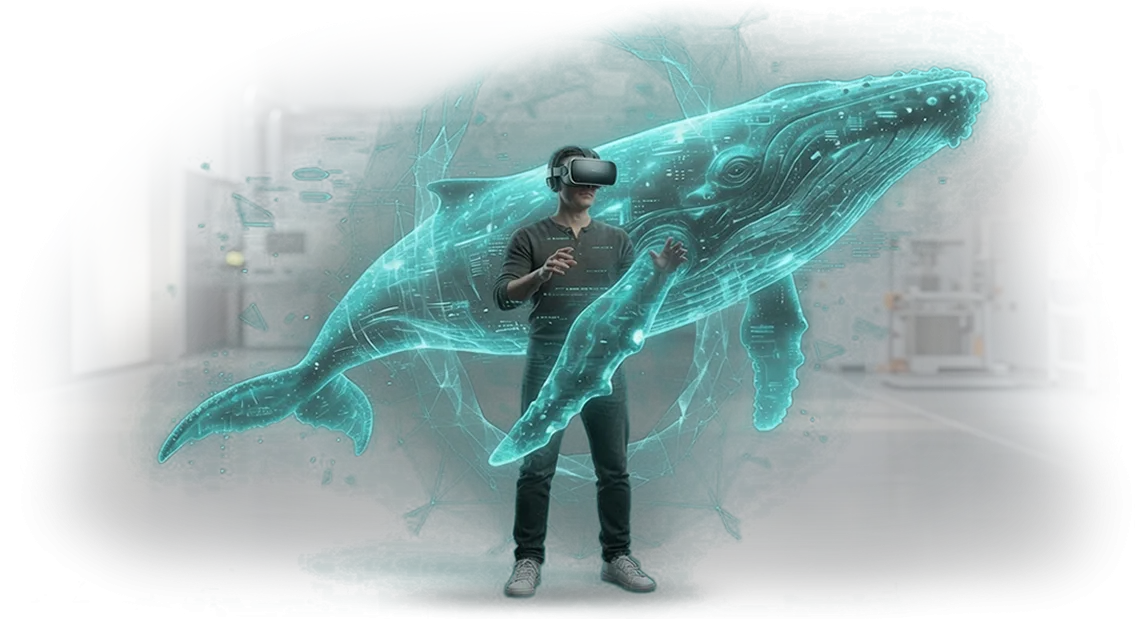
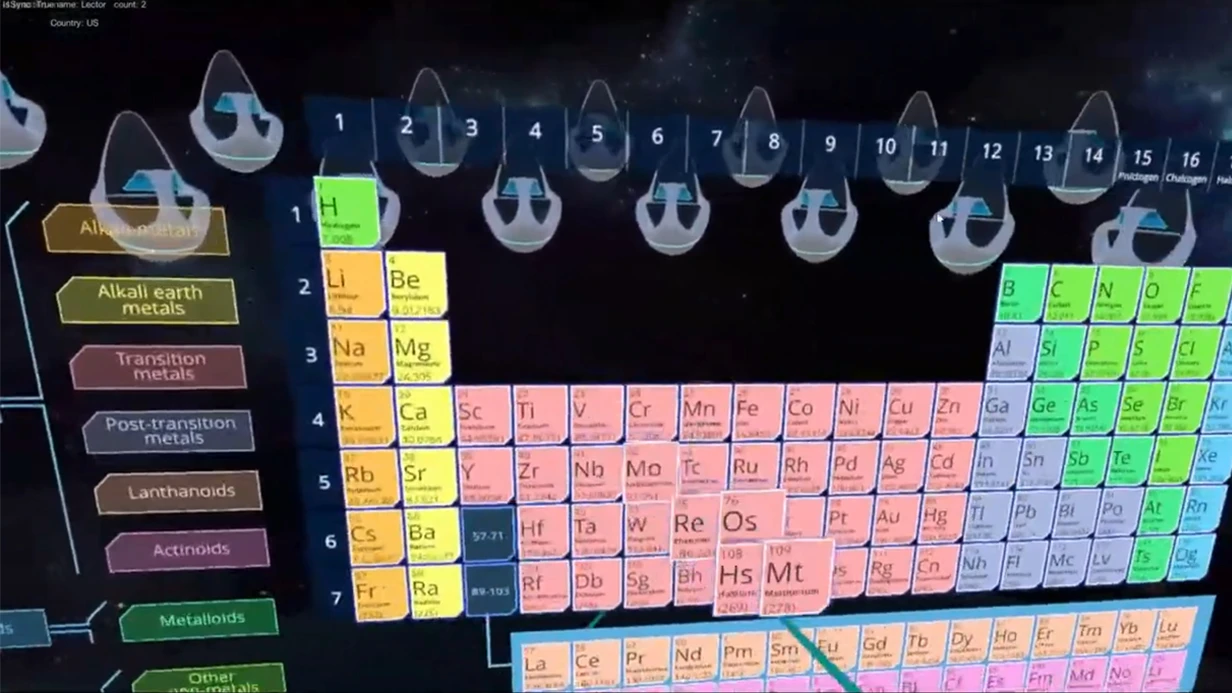
VR/AR/MR הופכים את התהליך הזה: אב טיפוס אינטראקטיבי מאפשר להושיב את המשקיע בתא הנהג של מחפר עתידי, להדריך אותו בבניין לפני שהתשתית מונחת, או לבדוק את הממשק של שירות שקיים רק במפרט הטכני.
זו לא תמונה סטטית אלא הדגמה חיה של הרעיון: האדם מפעיל את המוצר בעצמו, מקבל החלטות, ומיד רואה את התוצאה.
גישה זו משנה את הטון של הפגישה. במקום הרצאה על פוטנציאל — דיאלוג שבו המוצר מדבר בעד עצמו. המשקיע זוכר את החוויה, שואל שאלות ספציפיות, ועובר מהר יותר לדיון על העסקה.
המצגת למשקיעים הופכת לטיעון שמילים לא יכולות להשיג: "ראיתי וניסיתי בעצמי."
אנחנו יוצרים אבות טיפוס אינטראקטיביים turnkey: מתרחיש האינטראקציה ועד התקנה למכשיר היעד. אנחנו עובדים מרחוק ושומרים על סודיות בכל השלבים — זה חשוב כל עוד המוצר לא הושק או הוכרז. ספרו לנו על הרעיון שלכם — נבנה הדגמה שהמשקיע יזכור לאורך זמן.
למה שקופיות קלאסיות לא מוכרות מוצרים מורכבים
משקיע מקבל החלטה על בסיס רגש: הוא חייב "לראות" את המוצר, להאמין בו, להרגיש את ההיקף שלו. PowerPoint קלאסי דוחס פיתוח מורכב לתמונות שטוחות ונקודות — ומאלץ את המשקיע לשחזר את התמונה המלאה בראשו.
ככל שהמוצר מורכב יותר, כך יש יותר מחסומים בדרך והסיכון שהרעיון פשוט לא יובן גבוה יותר.
כשמדובר בציוד תעשייתי, מכשור רפואי או פלטפורמה דיגיטלית, שקופיות לא מעבירות לא ממדים אמיתיים, לא תנועה, ולא תרחיש הפעלה. המשקיע נאלץ לקחת את דברי המציג כמובן מאליו — וזו צורת השכנוע החלשה ביותר.
VR/AR/MR הופכים את התהליך הזה. במקום מסמך סטטי, המשקיע נכנס לתוך המוצר: ניגש אליו, מפרק אותו לרכיבים, מפעיל אותו, ורואה את התוצאה.
מצגת אינטראקטיבית יוצרת תחושת נוכחות, מערבת ושומרת על תשומת הלב כל כך טוב, שההחלטה לממן מגיעה מעצמה. זה מה שאומר לארוז רעיון — לתרגם אותו מהפשטה לחוויה.
מבחינה טכנית, אנחנו בונים סצנות על מנוע real-time מקצועי, כך שרמת הפירוט והפיזיקה תואמות את האובייקט האמיתי.
מצגת מוצר בתלת-ממד נותנת למשקיע את האמון שלא מופיע אחרי עשרות עמודי PDF: הם לא קוראים על המוצר, הם רואים אותו בפעולה.
המעורבות של המשקיע נראית בדיאלוג חי — הם שואלים שאלות מהותיות במקום לבקש שקופית נוספת עם מפרטים.
אילו פורמטים של מצגות אינטראקטיביות אנחנו מציעים
אותה מצגת עובדת אחרת בפגישה אישית לעומת פורום רחב היקף.
עבור משקיעי pre-sale, חשוב לא רק להראות שקופיות אלא לאפשר להם לחוות אינטראקציה עם המוצר — ואז החלטות השקעה מתקבלות מהר יותר ובביטחון רב יותר.
אנחנו מתאימים את הפורמט למשימה ולתרחיש האירוע: משולחן משא ומתן פרטי ועד יום דמו גדול. כל אפשרות עובדת למטרה אחת — להדגים בבירור את ערך המוצר ולקצר את הדרך של המשקיע ל"כן."
| פורמט | למי זה מיועד | מה זה נותן ללקוח |
|---|---|---|
| מצגת VR | פגישות אישיות והדגמות למנהלים בכירים | שקיעה מלאה במוצר ללא רעשי רקע, שליטה אישית בתשומת הלב של המשקיע |
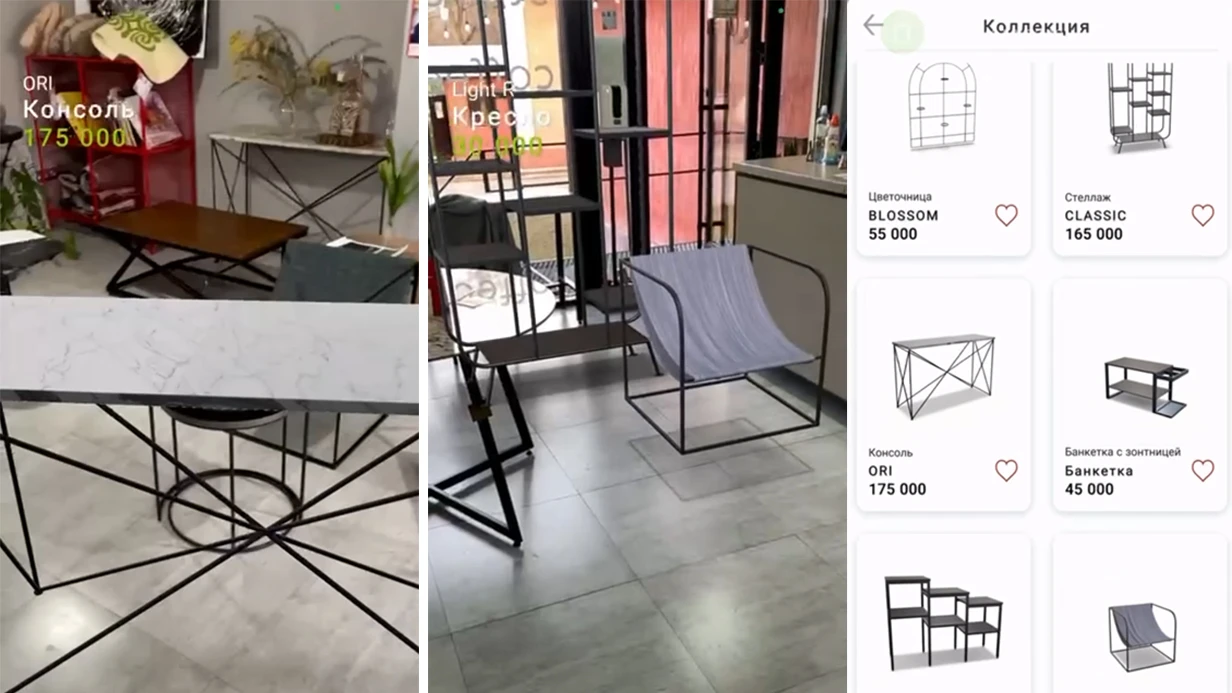
| מצגת AR | משא ומתן במשרד, תערוכות | שילוב של מרחב אמיתי עם אובייקטים דיגיטליים — המוצר "מתעורר לחיים" ישירות על שולחן המשא ומתן |
| Metaverse ארגוני | קמפיינים של pre-sale, אירועים המוניים | מרחב אחד לעשרות או מאות אורחים: משקיעים חוקרים את המוצר בקצב שלהם, משוחחים עם הצוות |
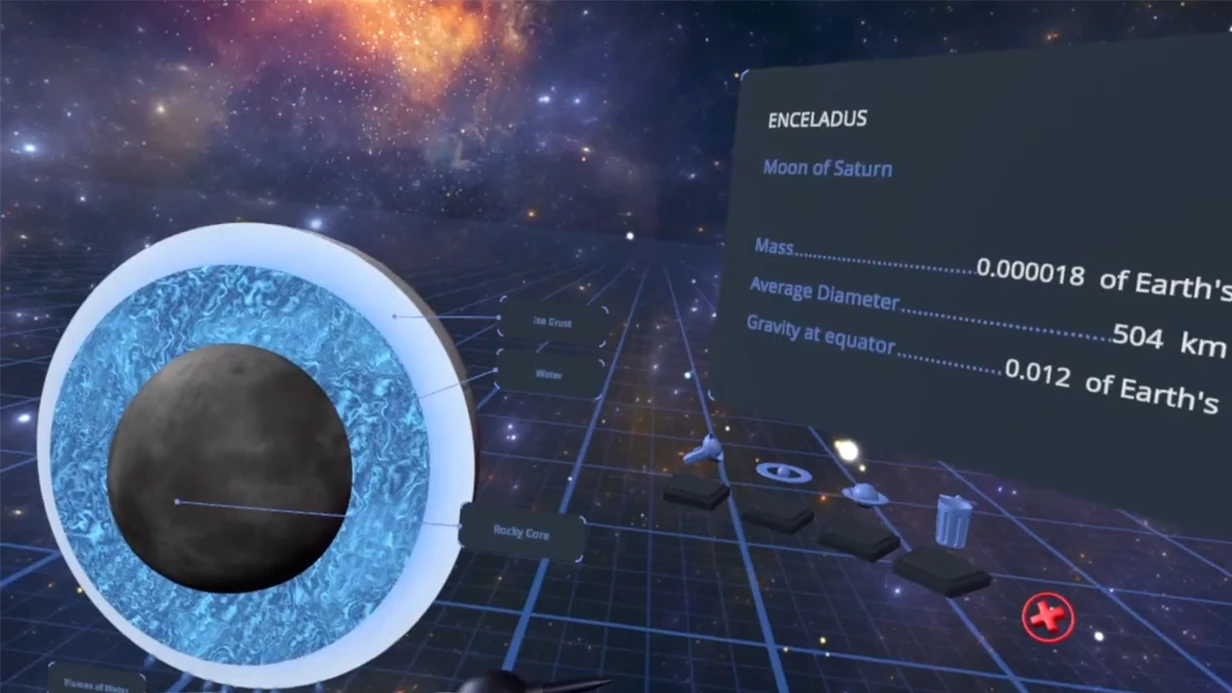
| סיור מוצר בתלת-ממד | הדגמת פתרונות, אובייקטים ותהליכים מורכבים | ויזואליזציה ברורה של המבנה, ההיקף וההיגיון התפעולי ללא הסברים ארוכים |
הפורמטים משתלבים בקלות: למשל, אזור AR בתערוכה, ואחריו הזמנה ל-metaverse להיכרות מעמיקה יותר. המשקיע תמיד נשאר בתוך תרחיש מונחה שמוביל אותו להחלטה המיועדת.
אנחנו מספקים ייעוץ לבחירת הפורמט המתאים לתרחיש המכירה המוקדמת שלכם — פשוט תארו את המשימה ואנחנו נציע את האפשרות האופטימלית עם הערכת לוחות זמנים ותוצאות צפויות.
מצגות Pre-sale למשקיעים: 5 שלבים להשקה
משקיעים צריכים לראות לא רק תמונה יפה אלא מוצר ברור עם תרחיש מחושב. כל אי-ודאות בשלב ה-pre-sale היא סיכון לאובדן העסקה, ולכן תהליך הפיתוח חייב להיות שקוף וניתן לניהול.
אנחנו מבנים אותו כך שתוכלו לראות תוצאות ביניים בכל שלב ולהשפיע על התוצאה הסופית.
הצוות שלנו בונה metaverses ארגוניים למשא ומתן ומצגות כבר למעלה מ-10 שנים.
במשך הזמן הזה, חידדנו תהליך שמבטל הפתעות: אתם יודעים מה יהיה על המסך, מתי ההדגמה תעבוד, ומי אחראי על התוצאה. להלן חמישה שלבים מרעיון ועד השקה.
-
בריף ומפרט טכני. אנחנו לוכדים את מטרות המצגת, הקהל והמסרים המרכזיים. אתם מקבלים מסמך המתאר את התרחיש, היגיון האינטראקציה וקריטריוני הקבלה — בלי "בערך" או "אולי."
-
אישור אב טיפוס ופריסה. אנחנו מראים איך ייראה המרחב הווירטואלי: אזורים, אובייקטים, ממשק. בשלב זה אתם מאשרים את הסגנון החזותי והמבנה כך שלא יהיה צורך לשנות את הסביבה המוגמרת.
-
פיתוח והרכבת סצנות. אנחנו בונים את ה-metaverse עצמו: ממלאים אותו בגרפיקה, אנימציה ואלמנטים אינטראקטיביים. אנחנו עובדים על ציוד מקצועי, כך שהתמונה נשארת יציבה גם בעומסים גבוהים.
-
בדיקות והשקת הפרויקט. אנחנו מוודאים את התרחיש על מכשירי היעד, מכווננים פקדים ותזמונים. אתם מקבלים פתרון עובד לחלוטין ומוכן להצגה למשקיעים ביום המיועד.
-
תמיכה ותחזוקה שוטפת. אנחנו זמינים במהלך ה-pre-sale: עוזרים בשאלות טכניות ומבצעים עריכות במהירות אם הדגש במצגת שלכם משתנה. הכל כדי שהמצגת תרוץ ללא תקלות.
גישה זו מספקת דבר מרכזי אחד — ביטחון לפני הפגישה. אתם יודעים שהמוצר שלם, נבדק ונתמך על ידי המומחים שלנו. כל מה שנשאר הוא להתמקד במשא ומתן ולשכנע את המשקיעים בפוטנציאל של הפרויקט שלכם.
מה כלול בפרויקט ולמה זה מניב תוצאות
משקיעים זוכרים לא טבלאות ושקופיות אלא תמונה קוהרנטית וביטחון של הדובר. Metaverse ארגוני ל-pre-sale הוא לא "אפליקציה בשביל הטכנולוגיה" אלא כלי מוכן שמתרגם את המצגת שלכם לשפה שכולם בחדר מבינים.
הפרויקט כולל כל מה שצריך כדי להעביר את המצגת — מתסריט ועד תמיכה ביום הפגישה. הנה היקף המסירה מנקודת מבטו של הלקוח:
- תסריט מצגת המותאם למבנה ה-pitch. בעיה, פתרון, שוק, צוות, בקשת השקעה — כל סצנה במרחב הווירטואלי תואמת לקטע בנאום שלכם. המשקיע רואה היגיון, לא אוסף של תמונות יפות.
- מיקומים וירטואליים: משרד, ייצור, מוצר בפעולה. אם המתקן עדיין לא קיים או נמצא במדינה אחרת, אנחנו מראים אותו במלוא ההיקף. המשקיע תופס מיד את הגודל והפוטנציאל בלי לבזבז זמן על ביקורים בשטח.
- גרפיקה אינטראקטיבית למצגת. נתוני מכירות, דינמיקת צמיחה, תוצאות בדיקות — מספרים ממש מרחפים באוויר. הם תומכים בנרטיב שלכם במקום להתחרות בו.
- עדכוני תוכן ללא בנייה מחדש של הפרויקט. החליפו נתונים, תמונות וטקסטים למשקיע חדש — והמצגת שוב רלוונטית. אין צורך לחכות למפתחים או להזמין גרסה חדשה.
- הכשרת דובר וחזרות. אתם והצוות שלכם מתאמנים בסביבה הווירטואלית: מה ללחוץ, איך לנוע, איפה לעצור. ביום הפגישה אין "פחד מהכפתור" — רק הגשה בטוחה.
- תמיכה טכנית ביום המצגת. מומחה זמין לפני ובמהלך הפגישה. הכל רץ חלק, אתם לא מוסחים מהמכניקה ונשארים ממוקדים במשא ומתן.
גישה זו משתלמת ברגע האמת: המשקיע רואה תמונה ברורה ושואל שאלות עסקיות במקום "איך זה עובד?" אנחנו מתאימים את ההיקף לכל פרויקט בנפרד — הרשימה למעלה מראה ממה מורכב התוצאה הסופית.
מקרה בוחן: איך מוצר קיבל תגובת קהל חיה לפני ההשקה
משקיע מקבל החלטה לא משקופית מלאת מספרים אלא מהתחושה של "הנה, אני מבין במה אני משקיע." לכן למצגות pre-sale אנחנו בונים metaverse ארגוני שבו אפשר לראות ו"לגעת" במוצר לפני ההשקה.
סיפור הלקוח של "נובוגרד" — חברת נדל"ן שהכינה סבב משא ומתן עם משקיעים על רובע מסחרי. הבנייה עוד לא החלה, והמשקיעים היו צריכים להעריך את ההיקף, הלוגיסטיקה והרווחיות העתידית.
בהעתק הווירטואלי של הרובע, הם נעו בחופשיות בין מבנים, נכנסו לחצרים, שינו תוכניות קומה, ומיד ראו איך השינויים האלה משפיעים על הערך המסחרי.
מה השתנה אחרי ההשקה
הפכנו תצוגה אחת של שעתיים ל-12 מפגשים אינטראקטיביים — כל משקיע קיבל סיור אישי. שמונה מתוך עשרה משתתפים ביקשו מודל פיננסי מפורט אחרי המצגת, ושלושה חזרו לפגישה שנייה עם צוותי האנליסטים שלהם.
ההמרה של עניין למשא ומתן גדלה פי כמה בהשוואה למצגת שקופיות רגילה.
הסוד הוא תרחיש מונחה. המשקיע לא צופה בוידאו של מישהו אחר — הוא מחליט במה להסתכל בעצמו: בוחר קומה, תאורה וגימורים. זה יוצר תחושת מעורבות אישית, ולכן אמון במספרים המוצגים.
החומרים קלים לשיתוף אחרי ההצגה — הקלטת המסך והגרסה האינטראקטיבית נשארות זמינות לעיון בכל עת.
חודש לאחר מכן, נובוגרד חזרה עם הזמנה חוזרת: ה-metaverse החל לשמש לא רק למשקיעים חיצוניים אלא גם להכשרת צוות המכירות שלהם.
עבורנו, זה המדד המרכזי — כשמוצר מאומץ לשימוש שוטף ולא משמש כ"תמונה יפה" חד-פעמית.
איך לבחור את הפורמט הנכון ולעשות את זה נכון?
בחירת פורמט היא לא על "מה יותר טרנדי" אלא על "מה מקרב את העסקה." אם המשקיע צריך לתפוס את הרעיון בחמש דקות — הדגמת AR קלה מספיקה.
לשותפות אסטרטגית שבה צריך לראות את המוצר בפעולה — מצגת VR. ואם אתם בונים מערכת יחסים ארוכת טווח עם המשקיע, כנסו ל-metaverse הארגוני.
קל לטעות בפורמט: סצנת VR כבדה תעייף מישהו שמצפה למצגת קצרה, בעוד placeholder חלש של AR לא ירשים מישהו שמוכן לשקיעה עמוקה.
לכן אנחנו מתאימים את הפורמט למשימה ולתנאי המצגת: איפה תתקיים ההדגמה, כמה זמן יש לכם, ומה בדיוק אתם צריכים להוכיח למשקיע.
הנה הקו המנחה שבו אנחנו משתמשים בעבודה שלנו:
| פורמט | מתי לבחור | מה זה נותן ללקוח |
|---|---|---|
| הדגמת AR | מצגת מהירה, תערוכה, פגישה מחוץ למשרד | מראה את המוצר מונח על העולם האמיתי — המשקיע רואה את הנקודות המרכזיות ב-3–5 דקות בלי משקפיים או התקנה נוספת |
| מצגת VR | מצגת בחדר ישיבות, הדגמת אב טיפוס | שקיעה מלאה במוצר, תרחיש מונחה, אפקט "כבר ראיתי את זה" — האמון בצוות גדל |
| Metaverse ארגוני | סדרת פגישות, סקירת פרויקט מקיפה, תמיכה לאחר השקעה | מרחב אחד למצגות, נתונים ותקשורת — המשקיע חוזר לפרויקט ורואה את ההתקדמות שלו |
הטבלה הזו היא לא דוגמה קשיחה אלא נקודת התחלה. אנחנו משלבים פורמטים: מתחילים בהדגמת AR, ואז שבוע לאחר מכן מזמינים את המשקיע ל-metaverse. המפתח הוא שכל שלב הבא מחזק את הרושם ומקרב לחתימה.
בסופו של דבר, הבחירה מסתכמת בכלל פשוט: בחרו למשימה, לא לטכנולוגיה. בואו עם תיאור המצב שלכם — בשיחה אחת נבחר את הפורמט שיעבד עם המשקיע הספציפי שלכם.
ספקות נפוצים לפני תחילת פרויקט
לפני שפרויקט VR/AR מתחיל, ללקוחות יש בדרך כלל את אותן דאגות: באיזו תדירות יהיה צורך לעדכן תוכן, מה קורה אם הציוד נכשל או מתיישן, מי יתמוך בפרויקט אחרי ההשקה, והאם זה יעבוד על המכשירים של המשקיעים. החששות האלה מובנים — בואו נתייחס לכל אחד ונראה איך אנחנו פותרים אותם.
באיזו תדירות יהיה צורך לעדכן תוכן?
אנחנו מתכננים את המערכת כך שתוכלו לשנות טקסטים, תמונות וסרטונים בלי מתכנת — דרך פאנל ניהול פשוט. עדכונים לוקחים דקות, לא שבועות.
למצגות pre-sale למשקיעים, זה קריטי: מידע משתנה לעתים קרובות עד ליום האחרון, ולא תהיו תלויים בקבלן.
מה אם הציוד נכשל או מתיישן?
אנחנו משתמשים בציוד מקצועי שאנחנו בודקים הרבה לפני האירוע. תרחישים מרכזיים נבדקים על דגמי מכשירים שונים כך שהכל רץ חלק ביום ההדגמה. אם משהו משתבש במהלך המצגת, יש תוכנית החלפה מהירה וגיבוי.
מי יתמוך בפרויקט אחרי ההשקה?
אנחנו נשארים בקשר אחרי מסירת הפרויקט: מייעצים לצוות שלכם, עוזרים לעדכן חומרים ומשתתפים באירועים לתמיכה טכנית. אתם יכולים לבחור תוכנית החל מייעוץ חד-פעמי ועד תמיכה מלאה בכל אירועי המשקיעים שלכם.
האם הפרויקט יעבוד על המכשירים של הקהל שלנו?
אנחנו מתאימים את הפתרון לדגמי המכשירים המרכזיים של VR/AR שמשקיעים ושותפים משתמשים בהם. אנחנו בודקים תרחישים על תצורות שונות כך שלא יהיו הפתעות ביום המצגת — לא עבורכם ולא עבור האורחים שלכם. אתם מקבלים תוצאה צפויה ללא קשר לחומרה בחדר.
אם אתם שואלים את עצמכם את אחת השאלות האלה עכשיו — אתם כנראה מוכנים להתחיל. אנחנו נטפל בשאר: מתכנון ועד השקה ותמיכה.קבלו את תוכנית המצגת האינטראקטיבית שלכם
קבלו תוכנית פעולה מוכנה לפני שהפרויקט בכלל מתחיל. שליחת בקשה היא לא התחייבות — זו דרך לראות איך נהפוך את הרעיון שלכם למצגת אינטראקטיבית למשקיעים.
בשלב הראשון, אנחנו עורכים ביקורת אקספרס: לומדים את החומרים, המטרות והקהל שלכם כדי להציע פתרון שבאמת יעבוד.
אחרי הבקשה שלכם, אתם מקבלים:
- ביקורת אקספרס של החומרים הנוכחיים שלכם: אנחנו מזהים את החוזקות ונקודות הצמיחה כדי לבנות עליהם את המצגת.
- המלצת פורמט למשימה שלכם: תרחיש VR לשקיעה מלאה, מודול AR לאבות טיפוס ברורים, או אפשרות משולבת — אנחנו בוחרים מה ישכנע משקיעים מהר יותר.
- היקף עבודה בשלבים: אתם רואים את ההיגיון של הפרויקט בלי פרטים טכניים — מתסריט ועד השקת ניסיון.
- תוכנית לוח שנה עם תאריכים מרכזיים: אתם יודעים מתי תקבלו את גרסת ההדגמה ומתי תוכלו להראות אותה למשקיעים.
- רשימה ברורה של מסמכים והחלטות שנדרשים מכם: אין מה להבין בדרך.
- תקציב שקוף בהתחלה: אנחנו קובעים את היקף העבודה והתנאים כך שלא יהיו הפתעות בהמשך.
זו תוכנית הפרויקט שלכם: אתם יכולים לאשר אותה, לשנות פרטים, או להמשיך לחפש. היא מוכנה על ידי אותם מומחים שיישמו את הפרויקט — כך שאתם יודעים בדיוק עם מי אתם מתעסקים מההתחלה. אתם מקבלים ערך גם אם לא תמשיכו איתנו.