



אירועים וכנסים עסקיים: מה השתנה?
אירועים וכנסים עסקיים טיפוסיים הופכים פעמים רבות להרצאות חד-כיווניות: הדובר מדבר, והקהל מסתכל בטלפונים. גם עם ארגון טוב, המעורבות יורדת אחרי 15-20 דקות בלבד, וכל מה שנשאר אחרי האירוע הוא כמה תמונות בפיד.
בינתיים, הפורמט הפיזי מוגבל על ידי קיבולת האולם, תקציבי הנסיעות, וחוסר היכולת לחבר בין צוותים מערים שונות.
מציאות מדומה לאירועים משנה לחלוטין את הדינמיקה הזו. משתתף לא רק צופה מהצד — הוא נמצא בתוך החלל של המותג, מתקשר עם אובייקטים ועמיתים, ובוחר את המסלול שלו בתוכנית.
כנסי VR מאפשרים לחבר מאות ואלפי אורחים מאזורים שונים ללא עלויות לוגיסטיקה והשכרת אולמות, תוך שמירה על תחושת נוכחות חיה.
אירועים עסקיים מבוססי VR מספקים מה שפורמטים קלאסיים לא יכולים — מעורבות מדידה. אנו רואים כמה זמן כל משתתף בילה באזור, באילו דוכנים ביקר, ואילו שאלות שאל. אלה מדדים ברורים לדיווח להנהלה ולהכנת האירוע הבא.
כיום, פורמטים חדשים אינם תחליף למפגשים חיים אלא שיפור שלהם. ניתן לארגן אירוע היברידי: חלק מהאורחים באולם, חלק במקומות נפרדים או בבית, אבל כולם נמצאים באותו מרחב וירטואלי ומתקשרים בזמן אמת.
כך בדיוק אנו פותרים את המשימה של אירוח אירועים וכנסים עסקיים גדולים: עם חשיפה מקסימלית, מעורבות, וללא פגיעה באיכות התקשורת.
אילו תוצאות עסקיות פורמטי VR מספקים?
אירועים וכנסים עסקיים מתחרים על תשומת הלב של המשתתפים. מצגת רגילה או דוכן מחזיקים עניין לכמה דקות, בעוד פורמט VR מכניס כל אורח לתרחיש פעיל. לכן התוצאות נראות מיד — בחשיפה, במעורבות, ובמספרי הקשרים.
-
מעורבות משתתפים. אזור VR גורם לאדם לפעול, לא לצפות. המשתתף עובר את התרחיש בעצמו, פותר משימות, מתקשר עם המוצר — וכתוצאה מכך מבלה פי כמה יותר זמן עם המותג מאשר בדוכן רגיל.
-
חשיפת קהל. חוויה וירטואלית תמיד גורמת לאנשים לרצות להשוויץ בה. אורחים מקליטים סרטונים, מצלמים תמונות, ומפרסמים אותם ברשתות החברתיות — כך שהאירוע ממשיך לעבוד לזיהוי המותג עוד כמה שבועות. כל משתתף מביא למותג אזכורים נוספים וחשיפה חינמית.
-
לידים מהאירוע. בתרחיש VR, ניתן לראות מי באמת מעוניין: כמה זמן האורח בילה באזור, אילו אובייקטים חקר, והאם הגיע לסוף.
הנתונים האלה הופכים לרשימה ממוינת של אנשי קשר "חמים" — מחלקת המכירות לא צריכה לנחש מי ראוי לזמנם.
-
החזר השקעה ב-VR. מקום וירטואלי מחליף חלק מהחלל הפיזי, העיצובים והמנחים.
פורמט VR אחד מושק פעם אחת ולאחר מכן נעשה בו שימוש חוזר במספר אירועים — העלויות מתחלקות, והחיסכון בלוגיסטיקה והשכרה הופך למדיד כבר אחרי האירוע הראשון.
גישה זו היא חלק מהמתודולוגיה שלנו: אנחנו לא רק פורסים טכנולוגיה, אלא מחשבים החזר השקעה ובוחרים פורמט VR עבור מדדי ה-KPI הספציפיים של האירוע שלך.
פורמטי אירועי VR: בחירת ההתאמה הנכונה
כל חברה מגיעה אלינו עם מטרות שונות: חלק רוצים לאסוף 5,000 משתתפים לכנס, אחרים רוצים להציג מוצר חדש למאה לקוחות מרכזיים, ועוד אחרים רוצים ליצור מרחב קבוע לתקשורת עם שותפים. פורמט האירוע קובע מה העסק מקבל: חשיפה, לידים, או עומק אינטראקציה.
בואו נפרק את הפורמטים המרכזיים של אירועי VR שאנו מיישמים במטאברסים עסקיים, ונעזור לכם להבין מה לבחור למשימה שלכם.
| פורמט | למי זה מיועד | מה זה מספק ללקוח |
|---|---|---|
| כנס VR | חברות שמקיימות באופן קבוע פסגות, הכרזות, מסיבות עיתונאים ורוצות לאסוף קהל גדול ללא השכרת אולם | חשיפת משתתפים מכל אזור, חיסכון בארגון, אינטראקציה חיה בין דובר לקהל, הקלטת מושבים והפעלה חוזרת |
| תערוכה וירטואלית | לספקים, מרקטפלייסים ויצרנים — כשצריך להציג עשרות מוצרים, לאסוף קשרים ולהריץ הדגמות | דוכנים אינטראקטיביים שמושכים תשומת לב; מספר בלתי מוגבל של מוצגים; איסוף אוטומטי של בקשות וסטטיסטיקות לכל תצוגה |
| מטאברס עסקי | לאירועים גדולים, ימי נישואין, סדנאות אסטרטגיה שבהם המותג הוא הדמות המרכזית והאורחים חוזרים שוב | נקודת כניסה קבועה עם אזורים ממותגים, יכולת לפתוח אולמות ותרחישים חדשים לכל אירוע, אפקט מצטבר ונאמנות |
| אירועים היברידיים | לאירועים פיזיים שבהם חלק מהאורחים באולם וחלק מרוחקים | עבודה בו-זמנית עם שני הקהלים, משתתפים וירטואליים רואים כל מה שקורה ויכולים להשפיע על מהלך האירוע, חשיפה מורחבת ללא אובדן איכות |
יש לנו גם פתרון למיני-אירועים — מצגות אינטימיות, שולחנות עגולים ווובינרים במרחב וירטואלי. אלה כוללים אינטראקציה קרובה יותר: משתתפים יכולים להתקרב זה לזה, לדבר בקבוצות, ולבחון חומרים בתלת-ממד.
כדי לבחור את הפורמט הנכון, פשוט ענו על שאלה אחת: מה העדיפות שלכם — חשיפה מקסימלית, עבודה עמוקה עם כל אורח, או בניית "בית מותג" קבוע במטאברס.
אנחנו נעזור לעצב את הקונספט כך שהתקציב יעבוד לתוצאות: נחשב אזורים, מספר המשתמשים המקבילים הנדרש, ותרחיש האירוע. בחלק הבא, נבחן איך עובד היישום — מהבריף ועד ההשקה.
איך הפרויקט עובד: מהבריף ועד ההשקה
תהליך שקוף הוא המפתח לפרויקט VR מוצלח לאירוע עסקי. פירקנו את פיתוח ה-VR לשישה שלבים עם לוחות זמנים ברורים כדי שתוכלו לראות התקדמות ולהשפיע על התוצאה ברגעים מרכזיים.
- בריף והתעמקות במשימה. אנו לומדים את פורמט הכנס, הקהל והמטרות. אנו מבינים איזה פתרון VR ימשוך אורחים ויחזק את תדמית המותג.
- קונספט ותרחיש. אנו מציעים את המרחב הווירטואלי — מאזור תערוכה ועד במה אינטראקטיבית. אנו מתארים את היתרונות למבקרים ולמארגנים.
- אישור ואב-טיפוס. אנו מראים את הסצנות המרכזיות ואת לוגיקת האינטראקציה לפני תחילת הייצור. אתם מאשרים את התכנון מראש ומבצעים שינויים ללא אובדן זמן.
- ייצור אפליקציית ה-VR. אנו יוצרים גרפיקה, אנימציה ולוגיקה המותאמים למקום הספציפי שלכם — כך שההשקה עוברת ללא תקלות.
- בדיקות והשקה. אנו בודקים יציבות על מכשירים אמיתיים, מריצים חזרה גנרלית, ומשיקים את הפתרון באירוע בדיוק לפי לוח הזמנים.
- תמיכה ואנליטיקה. אנו מנטרים את המערכת, אוספים נתוני פעילות אורחים ומספקים דוח. יישום פרויקט VR לא מסתיים בהשקה — אנחנו נשארים בקשר.
פורמט זה עוזר לתכנן את לוחות הזמנים של אפליקציית ה-VR במדויק ולהימנע מהפתעות. אתם תמיד יודעים מה קורה ומקבלים החלטות על סמך עובדות.
מה כלול במסירת פתרון ה-VR?
ללקוח שמארח אירוע גדול, חשוב שפתרון VR לא יהפוך לערמה של חלקים מנותקים. אתם צריכים כלי שעובד מהיום הראשון ולא דורש ידע טכני מעמיק.
לכן חבילת מסירת ה-VR כוללת את כל מה שצריך: האפליקציה, פאנל ניהול, הדרכה ותמיכה.
הנה בדיוק מה שכלול במסירה:
- אפליקציית VR/AR/MR שנבנתה למשימת האירוע שלכם: מושבים אינטראקטיביים, מצגות מוצר, אזורי טבילה במותג — הכל עוקב אחרי תרחיש האירוע שלכם ומותאם בקלות לפורמט.
- פאנל ניהול ל-VR: אתם מנהלים את תור האורחים, מתחילים ומפסיקים מושבים, צופים בסטטיסטיקות בזמן אמת — ללא צורך במתכנת.
- ציוד והתקנה: אנו מספקים תחנות עבודה, קסדות וחיישנים, ומתקינים ובודקים הכל לפני הגעת האורחים הראשונים.
- הדרכה לצוות שלכם: סדנה מעשית קצרה כך שהצוות שלכם משיק את הפתרון בביטחון, עוזר למבקרים ומתמודד עם מצבים סטנדרטיים.
- תמיכה בפרויקט ה-VR בכל השלבים: מבדיקות מקדימות ועד אנליטיקה לאחר האירוע — אנחנו זמינים ומגיבים לפניות במהירות.
- עדכונים ושיפור תוכן: אנו משנים את התרחיש, מוסיפים פעילויות חדשות ומתאימים את הפתרון לאירוע הבא.
- הוראות ונהלים: מדריכי צוות, רשימות בדיקה לפתיחה וסגירה של המקום, תבניות דוחות סופיים.
חבילה זו מכסה הכל מהבריף ועד הדוח הסופי. אתם מקבלים תוצאה צפויה, והאורחים שלכם מקבלים חוויה מרשימה שידברו עליה הרבה אחר כך. וכל זה מגיע עם נקודת אחריות אחת: אנחנו אחראים על כל רכיב.
מקרה בוחן: פורום עסקי במטאברס
כשהקהל מפוזר ברחבי העולם, איסוף כולם לאולם כנסים אחד הוא בלתי אפשרי.
לפורום בינלאומי גדול, הצוות שלנו יצר מקום וירטואלי שהחליף את האירוע הפיזי: יותר מ-5,000 משתתפים מ-30 מדינות השתתפו בפורום ללא טיסות, מלונות או לוגיסטיקה.
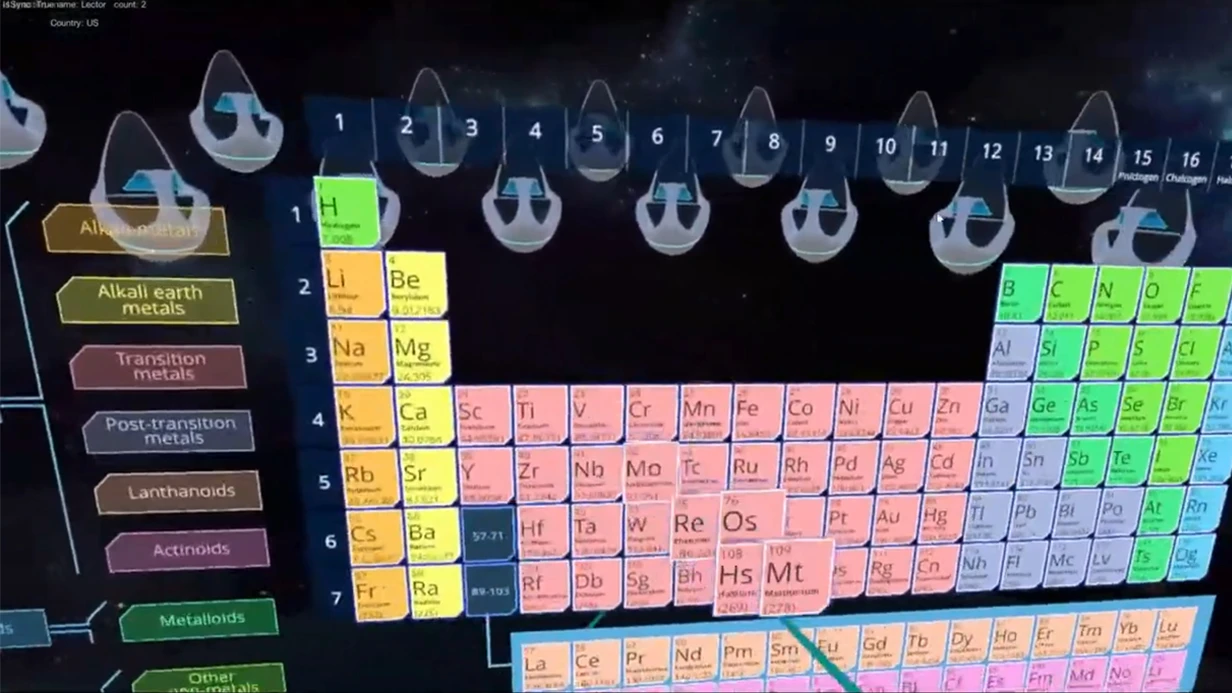
במקום הזרמות וידאו שטוחות, משתתפים נעו במרכז קונגרסים דיגיטלי: הם נכנסו לאולם המרכזי, ביקרו בדוכני שותפים והתרועעו באזור מנוחה מזדמן.
אווטארים נתנו תחושת נוכחות, וחדרי קול סיפקו את השיחות החיות שכל כך חסרות בוובינרים רגילים.
מה זה סיפק לעסק
- חשיפה — 5,000+ משתתפים בו-זמנית, פי כמה ממקום פיזי יכול להכיל;
- מעורבות — אורחים בילו יותר משעתיים על הפלטפורמה: חקרו תוכן, דוכנים ודיברו זה עם זה;
- נוכחות גלובלית — השתתפות מ-30 מדינות ללא נסיעת עסקים אחת או הוצאות נלוות;
- תוצאות חוזרות — הלקוח המשיך להשתמש במטאברס לסדרת אירועים后续.
מקרה מטאברס שתוכלו לשכפל
עבורנו, זה לא היה ניסוי חד-פעמי אלא מודל עבודה לאירוח פורומים עסקיים. טיפלנו בתכנון המקום הדיגיטלי, מיתון האזורים ותמיכה טכנית למשתתפים — הלקוח התמקד בתוכן, בדוברים ובמטרות עסקיות. גישה זו מסירה את המגבלות העיקריות של אירועים פיזיים: קיבולת מושבים וגאוגרפיה.
הפורום ההוא אישר שהמטאברס הפך מזמן לכלי בוגר לתקשורת עסקית.
אם אתם צריכים לארח אירוע עסקי גדול לקהל מפוזר, אנחנו מוכנים לבנות פרויקט דומה סביב התרחיש שלכם — עם המותג שלכם, הדוברים שלכם ומטרות מעורבות המשתתפים שלכם.
איך לבחור פורמט VR לאירוע שלכם?
אין פורמט VR "הטוב ביותר" יחיד — הפורמט נבחר על סמך המטרה הספציפית של האירוע.
אזור צילום וירטואלי מספק רגשות עזים וחשיפה ברשתות החברתיות, סיור 360 מטביל אנשים במוצר, ומטאברס עסקי מחבר אלפי משתתפים מערים שונות.
כדי לבחור פורמט VR, אנו עונים תחילה על שלוש שאלות: כמה אורחים, היכן הם נמצאים, ואיזו רמת מעורבות נדרשת.
לאחר מכן אנו משווים פורמטים לפי קריטריונים: היקף האירוע, רמת אינטראקטיביות, צורך באנליטיקה וגאוגרפיית משתתפים. הנה מדריך שאנו משתמשים בו בעבודה עם לקוחות.
| פורמט | מתי לבחור | מה זה מספק ללקוח |
|---|---|---|
| אזור VR במקום | כנסים ואירועים עסקיים פיזיים — עד 500 אורחים | באזז חי, תורים יוצרים עניין, אורחים מצלמים תמונות וסרטונים לרשתות החברתיות |
| וידאו 360 / סיור וירטואלי | הצגת מוצר חדש, הדרכת עובדים | טבילה מלאה ללא ציוד מיוחד, גישה קלה מכל מכשיר |
| מטאברס עסקי | כנסים גדולים, צוותים מפוזרים — מ-1,000 משתתפים | מושבי מליאה, נטוורקינג בין משתתפים ודוכנים במקום אחד, אנליטיקת נוכחות |
אף פורמט יחיד לא מכסה הכל בבת אחת, לכן אנו מציעים תרחישים היברידיים. לדוגמה, אזור VR לאורחים פיזיים פלוס מטאברס למשתתפים מקוונים — כך מקבלים פי כמה יותר חשיפה והופכים אירוע חד-פעמי לפלטפורמת מותג דיגיטלית קבועה.
אם אתם לא בטוחים בבחירה, בואו לייעוץ — תוך שעה ננתח את המשימה שלכם ונציע 2-3 פורמטי VR מתאימים עם תחזית מעורבות. זה ללא התחייבות.
שאלות נפוצות על יישום מציאות מדומה
יישום מציאות מדומה לעתים קרובות מרגיש מאיים בגלל הלא נודע: זה נראה יקר, מסובך ומסוכן. בפועל, רוב החששות נפתרים עם הכנת פרויקט נכונה.
אנחנו מספקים פתרונות VR לאירועים גדולים כבר למעלה מ-10 שנים ויודעים אילו שאלות לקוחות שואלים לפני שמתחילים — הנה הנפוצות ביותר.
האם זה לא מסובך מדי לשלב VR בתשתית הקיימת?
השילוב אינו דורש החלפת המערכות שלכם. אנו מתכננים את הפתרון סביב המקום, הרשת ותרחיש האירוע שלכם — מהרשמת אורחים ועד סנכרון עם דוברים.
כל החלקים הטכניים מוגדרים מראש, מאומתים בריצת בדיקה, וביום האירוע כל מה שצריך לעשות הוא להשיק את התוכנית.
כמה עולה פיתוח אפליקציית VR לכנס?
העלות תלויה בהיקף: מספר המיקומים, משתמשים מקבילים ורמת הטבילה. אנו מכינים הערכת עלות שקופה ומפצלים תשלום לשלבים.
VR מחזיר את עצמו דרך חיסכון בהשכרת אולם ולוגיסטיקת דוברים, וגם מרחיב את חשיפת הקהל — משתתפים מערים אחרות מצטרפים ללא טיסות.
מה אם הציוד נכשל במהלך האירוע?
אנו משתמשים במערכות מקצועיות שהוכחו בעשרות אירועים עסקיים, ובונים יתירות ברכיבים מרכזיים. המהנדס שלנו נוכח במקום ופותר בעיות תוך דקות.
בנוסף, תרחישי גיבוי מובנים בתוכנה: גם במצב בלתי צפוי, אורחים ממשיכים לראות את התמונה.
שאלות אלה הן סימן לגישה אחראית. אנו מכסים את כל שלוש הנקודות בשלב הבריף: אנו מסכימים על הארכיטקטורה, הערכת העלות ותוכנית התמיכה הטכנית מראש. כתוצאה מכך, אתם מקבלים אירוע שבו VR עובד ככלי אמין ולא כמקור לחץ.השלב הבא: קבלו תוכנית לפרויקט ה-VR שלכם
כשאתם שולחים בקשה, אנחנו לא מתחילים למכור — אנחנו מתחילים לחשב. תוך 1-2 ימי עסקים, אנו מנתחים את המשימה שלכם: פורמט האירוע, מספר האורחים, מטרות הכנס ומדדי הצלחה.
לאחר מכן אנו חוזרים אליכם עם תוכנית פרויקט VR קונקרטית שמראה בבירור את היקף העבודה, לוחות הזמנים והתקציב.
הנה מה שאתם מקבלים לאחר שליחת בקשה לפיתוח VR:
- ניתוח המשימה וקהל היעד: מי ישתתף ואיזו חוויה תחזיק את תשומת הלב של האורחים.
- קונספט לאזור VR או מטאברס עסקי המשולב בתוכנית האירוע שלכם.
- הערכת עלות עם מבנה שקוף: פיתוח, ציוד, תמיכה טכנית, התקנה ופירוק.
- תוכנית לוח זמנים עם שלבים — מאישור קונספט ועד ריצת בדיקה לפני האירוע.
- תיאור תמיכה באתר: מהנדסים מגדירים את המערכת, מסייעים לאורחים ופותרים בעיות בזמן אמת.
- המלצות לשילוב VR בתוכנית: היכן למקם את האזור, כיצד לרשום מושבים וכיצד למדוד חשיפה.
לאחר מכן, אנו נועלים את תוכנית הפעולה ומתחילים ביישום. אתם לא צריכים להיכנס לפרטים טכניים — אתם פשוט מקבלים שלבים ברורים, לוחות זמנים ותוצאות צפויות. ואם המשימה משתנה, נתאים את התוכנית ללא אובדן איכות.
שלחו בקשה לפיתוח VR — נחזור אליכם עם ניתוח המשימה ותוכנית מוכנה. זה ללא התחייבות.