



אירוח סמינרים מקוונים, כיתות אמן וקורסים מקוונים במטאוורס
הקהל מאבד ריכוז כבר 10–15 דקות לאחר תחילת סמינר מקוון טיפוסי. הפורמטים המרוחקים נמזגים לזרם אחד: רשתות מסכים זהות, מצגות סטטיות ומצלמות כבויות.
המשתתפים נוכחים פורמלית, אבל מחשבותיהם נמצאות בדוא"ל ובהודעות — בעוד המארגן מקבל חשיפה נמוכה ומשוב חלש.
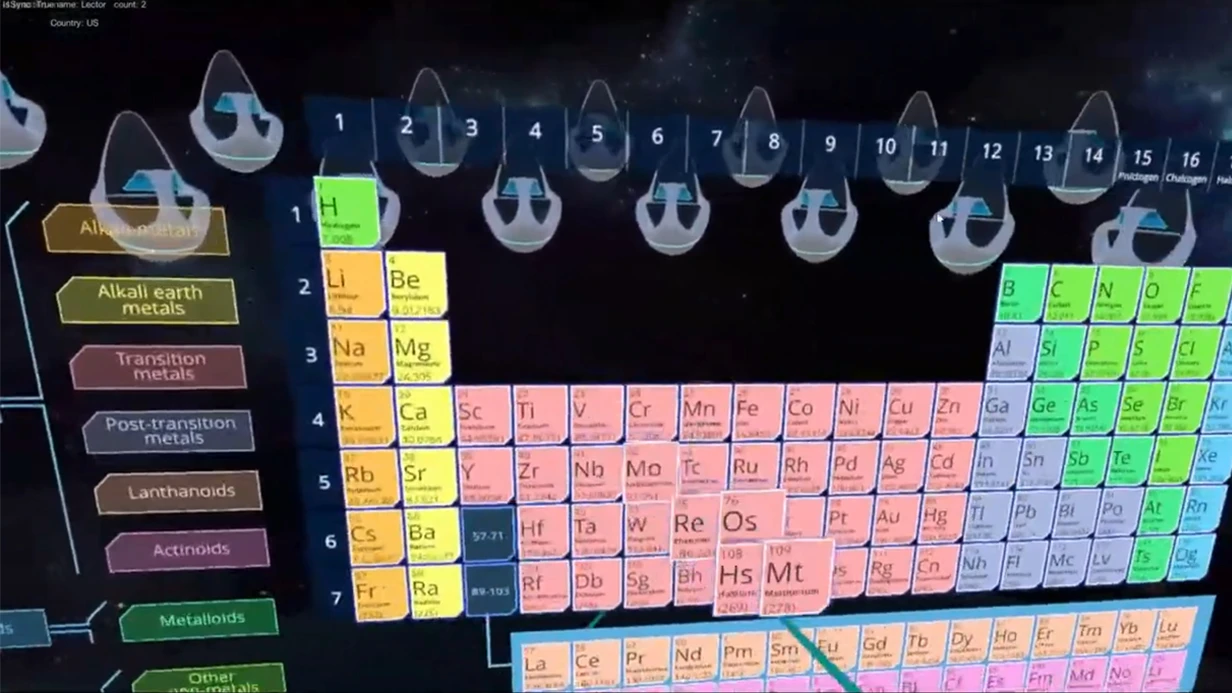
המטאוורס העסקי פותר בעיה זו באמצעות למידה חווייתית. במקום "תמונה" שטוחה, המשתתפים נכנסים למרחב שבו הם יכולים לנוע, לבחון אובייקטים ולדבר עם עמיתים ועם המרצה — בדיוק כמו באירוע חי.
סמינרים מקוונים וירטואליים בפורמט זה שומרים על תשומת הלב פי כמה זמן רב יותר, והרגשות מהחוויה מחזקים את החומר.
מתחרים כבר מציגים מרחבים חווייתיים לאירועים מקוונים וזוכים ליתרון: אנשים מצטטים אירועים כאלה, שומרים את ההקלטות ומפרקים אותם למקרי בוחן.
חברות שנשארות על פלטפורמות מסורתיות מאבדות בהדרגה את הקהל שלהן — הקהל בוחר בפורמטים מעניינים, לא רק נוחים.
אנחנו עוזרים לכם לעבור לרמה חדשה ללא השבתה: אנחנו מעצבים את המרחב סביב המשימה שלכם, מאמנים את הצוות שלכם ותומכים בכם בכל שלב.
אתם מקבלים לא רק שידור, אלא סביבה מלאה ללמידה ולתקשורת: אולמות לכיתות אמן, אזורי נטוורקינג ודוכנים אינטראקטיביים.
המשתתפים זוכרים את המותג שלכם וחוזרים לאירועים עתידיים — החשיפה והנאמנות גדלות ללא השקעה נוספת בפרסום. אלה התוצאות ששווה לשנות עבורן את הפורמט, ואנחנו מוכנים לעשות זאת יחד אתכם.
מה מטאוורס ארגוני ייתן לעסק שלכם
מטאוורס ארגוני הוא לא רק מקום תלת-ממדי לאירועים, אלא כלי עסקי מלא. הוא מטפל בו-זמנית במספר מטרות שיווקיות והדרכתיות: מהחזקת תשומת הלב של המשתתפים ועד לאיסוף אנשי קשר מוכנים לדיאלוג.
מעורבות קהל. במקום צפייה פסיבית בשקופיות, המשתתפים נעים במרחב, מתקשרים ומבצעים משימות. זה שומר על תשומת הלב לאורך כל האירוע ומעלה את אחוז אלה שצופים עד הסוף. זה אומר שכל רגע וכל שקל שהושקעו באירוע עובדים למען התוצאות.
הכרת המותג. המרחב בנוי בסגנון הארגוני שלכם, עם אווירה ייחודית ופרטים בלתי נשכחים. המשתתפים עצמם חולקים את החוויות שלהם — הם מצלמים מסכים ומזמינים עמיתים. כך המותג זוכה לחשיפה אורגנית גם לאחר שהסמינר המקוון מסתיים.
יעילות ההדרכה. קורסים מקוונים וכיתות אמן במטאוורס הופכים מהרצאות לתרגול חי: המשתתפים יכולים לעבוד בקבוצות, ליישם מיד את מה שלמדו ולקבל משוב.
בפרויקטים שלנו, המעורבות ושימור החומר גדלים פי כמה בהשוואה לסמינר מקוון קלאסי.
יצירת לידים. המטאוורס מאפשר לעקוב אחר פעילות המשתתפים: מי ניגש לדוכן, אילו נושאים עוררו עניין ומי שאל שאלות.
הנתונים האלה נכנסים לדוח שקוף והופכים לבסיס למיילי המשך ממוקדים ולהעברת קשרים חמים למחלקת המכירות.
בסופו של דבר, אתם מקבלים לא רק מרחב אופנתי, אלא ערוץ תקשורת עובד: נאמנות הקהל גדלה, ההכרה במותג עולה, וההדרכה מספקת תוצאות עסקיות מדידות. אנחנו מטפלים בכל זה — מהקונספט ועד ההשקה והאנליטיקה.
פורמטים של מרחב וירטואלי למשימות שלכם
כל אירוע מתחרה על תשומת הלב של המשתתפים בדרכו שלו: סמינר מקוון דורש שידור ברור ושאלות מהקהל, כיתת אמן דורשת אינטראקטיביות ובהירות ויזואלית, והצגת מוצר דורשת הגשה משכנעת ובדיקה מפורטת.
אולם וירטואלי אחד ויחיד ממלא רק לעתים רחוקות את כל התרחישים, לכן חילקנו את המרחבים שלנו לשלושה פורמטים עיקריים.
שלושה פורמטים של מטאוורס
| פורמט | למי | מה הוא נותן ללקוח |
|---|---|---|
| כנס וירטואלי | סמינרים מקוונים, פורומים, כנסים עם עד כמה מאות משתתפים | הרצאות מרצים בו-זמנית, שאלות מהקהל ואזורי תקשורת לא פורמלית — הכל כמו באירוע פיזי, אבל ללא שכירות ולוגיסטיקה |
| מרחב למידה | כיתות אמן, הדרכות, קורסים מקוונים | משימות אינטראקטיביות, מודלים תלת-ממדיים ויזואליים ובדיקות ידע ישירות בתהליך — המשתתפים קולטים חומר מהר יותר ב-30–40% |
| אולם הצגה | השקות מוצר חדש, תערוכות, אולמות תצוגה | תצוגת מוצר תלת-ממדית, אפשרות לצפות בו מכל הכיוונים ותרחיש אוטומטי שמנחה את האורח ממגע ראשון ועד לפנייה |
הפורמטים קלים לשילוב בתוך מרחב אחד: מתחילים בכנס, אחר כך מפצלים את המשתתפים לאזורי למידה, ומסיימים ביום פתוח באולם ההצגה. גמישות זו מאפשרת לקיים אירוע בכל היקף ללא אובדן מעורבות.
אנחנו עובדים עם ציוד מקצועי וארכיטקטורת שרתים משלנו, כך שהמרחב נשאר יציב גם בעלייה חדה במספר המבקרים.
ספרו לנו על המשימה שלכם — נמליץ על הפורמט המתאים, נעצב את המרחב ונטפל בצד הטכני, כך שתוכלו להתמקד בתוכן ולא בהגדרות.
שלבי פיתוח מטאוורס ארגוני
יצירת מטאוורס ארגוני נוגעת בו-זמנית בהדרכה, שיווק ומכירות. כדי לוודא שהתוצאה עומדת בציפיות, צריך לראות ולהשפיע על כל שלב.
לכן אנחנו מבנים את העבודה שלנו כתהליך שקוף עם נקודות אישור — אתם תמיד יודעים באיזה שלב נמצא הפרויקט ומה תקבלו בשלב הבא.
- בריף והתעמקות במשימה. אנחנו דנים במטרות הפלטפורמה, פרופיל הקהל והתרחישים: סמינרים מקוונים, כיתות אמן, קורסים. אנחנו מתעדים את הדרישות המרכזיות ואת קריטריוני ההצלחה.
- קונספט המרחב. אנחנו מציעים את מבנה המטאוורס: אולמות, במות ואזורי תקשורת. אנחנו מראים כיצד המשתתפים ינועו ויתקשרו.
- אישור סקיצה. אתם מקבלים אב-טיפוס ויזואלי — המראה, מיקום האלמנטים וההיגיון הניווטי. אנחנו מבצעים תיקונים לפני תחילת הפיתוח הראשי.
- פיתוח הפלטפורמה. אנחנו יוצרים את המרחב, כלי אירוח, מערכת רישום משתתפים ומודול משוב. הכל מותאם לסגנון הארגוני שלכם.
- בדיקות והשקה פיילוט. אנחנו עורכים מספר מפגשים סגורים כדי לבדוק עמידות בעומס ושימושיות. אנחנו מאמנים את הצוות שלכם ומספקים הוראות ברורות.
- השקה ותמיכה. אנחנו עוזרים באירוע הראשון, נשארים בקשר ומשכללים את הפלטפורמה לפורמטים חדשים — מאינטנסיביים קצרים ועד תוכניות ארוכות טווח.
בכל שלב אתם מקבלים תוצאה קונקרטית ומבינים מה קורה עם הפרויקט. זה מפחית סיכונים ומאפשר להשיק את המטאוורס בדיוק לפורמט שלכם — ללא הפתעות ברגע הקריטי ביותר.
מה כלול בפרויקט מטאוורס ארגוני
כשמזמינים מטאוורס ארגוני, חשוב להבין שאתם מקבלים לא רק מרחב תלת-ממדי, אלא כלי מוכן ללמידה ולתקשורת.
הפרויקט כולל את כל מה שצריך כדי להבטיח שהסמינרים המקוונים, כיתות האמן והקורסים שלכם יתנהלו ללא הפרעות, והמשתתפים יחזרו שוב.
להלן היקף העבודה המלא והתוצאה שתראו לאחר ההשקה:
-
פלטפורמה מוכנה — מרחב וירטואלי תחת המותג שלכם, מותאם לתרחישי אירועים: הרצאות, דיונים, כיתות אמן. הפלטפורמה רצה על ציוד מקצועי ותומכת במאות משתמשים המתחברים בו-זמנית ללא אובדן מהירות או איכות תמונה.
-
תוכן למטאוורס — אנחנו ממלאים את המרחב במצגות, סרטונים, אובייקטים אינטראקטיביים וחומרי הדרכה. כל התוכן מובנה ומועלה למערכת לפני ההשקה, כך שלא תצטרכו להתעסק בפרטים טכניים.
-
תיעוד ונהלים — הוראות שלב-אחר-שלב למנהלים ולמנחי צ'אט: כיצד ליצור אירוע, להוסיף משתתפים, לפתוח חדרי סמינר מקוון או להעניק גישה להקלטות. כל התיעוד בעברית, ללא ניסוחים טכניים מורכבים.
-
הדרכה לצוות שלכם — אנחנו עורכים 2–3 מפגשים מעשיים שבהם תלמדו לנהל את המטאוורס בעצמכם: לארגן שידורים חיים, לעקוב אחר סטטיסטיקות נוכחות ולנהל צ'אטים. לאחר ההדרכה, לא תצטרכו מפתח למשימות יומיומיות.
-
אנליטיקה ודוחות — לוח מחוונים עם נתונים על נוכחות, פעילות משתתפים ומשך שהייה. אתם רואים אילו כיתות אמן משכו יותר צופים, באילו נקודות משתמשים עזבו — ומשתמשים בנתונים אלה כדי לשפר תוכניות עתידיות.
-
תמיכה טכנית — לאחר ההשקה, אנחנו נשארים בקשר: אנחנו עוזרים באירועים הראשונים, פותרים במהירות בעיות קישוריות, העלאת תוכן או גישה. זמן תגובה ממוצע הוא כמה שעות, כך שאירועים חיים מתוזמנים לא מופרעים.
-
עדכונים ושיפורים — ככל שתוכנית ההדרכה שלכם גדלה, אנחנו יכולים להרחיב את המרחב, להוסיף אולמות חדשים או פיצ'רים — סקרים, חידונים, אזורי נטוורקינג. זה מאפשר למטאוורס להתפתח יחד עם העסק שלכם.
בסופו של דבר, אתם מקבלים מוצר מוגדר במלואו, מתועד ונתמך. מהיום הראשון, הצוות שלכם יכול להריץ סמינרים מקוונים וקורסים, והמשתתפים יכולים להשתמש בכל תכונות הפלטפורמה ללא הוראות נוספות.
מקרה בוחן: מטאוורס להדרכת עובדים
במהלך עבודה על הדרכה לרשת קמעונאית גדולה, נתקלנו בנקודת כאב טיפוסית: עובדים חדשים הוכשרו בערים שונות, ומדריכים בילו שבועות בנסיעות.
במקום סמינרים מקוונים סטנדרטיים, בנינו מטאוורס ארגוני — אולמות וירטואליים שבהם המשתתפים מתקשרים עם ציוד ומתרגלים תרחישים בסביבה ריאלית.
הפרויקט של הרשת הקמעונאית הפך לשטח ניסוי: הדרישה הייתה לא "וואו" אלא צמיחה מדידה במדדי הדרכה מרכזיים.
תוצאות הפרויקט
במשך חודשיים, יותר מ-300 עובדים מ-14 אזורים השלימו הדרכה במטאוורס. זמן הקליטה ירד ב-40% — אנשי מכירות חדשים הגיעו ליעדים שלהם עד סוף השבוע הראשון.
שיעור המעבר במבחן הסופי עלה מ-62% ל-91%, ומספר השגיאות בפעולות הקופה ירד פי שלושה.
הלקוח קיבל אנליטיקה שקופה: יכולנו לראות אילו עובדים "נתקעו" על מודול מסוים והתאמנו את התוכנית ישירות בתהליך. צוות משאבי האנוש לא אסף עוד דוחות ידנית — המערכת יצרה נתונים לכל משתתף בעצמה.
יעילות הגישה
הגורם המרכזי הוא תרגול, לא הרצאות. במקום צפייה פסיבית במצגות, העובדים מתקשרים עם כלים וירטואליים, עושים טעויות בבטחה ומקבלים משוב מיידי. זה בונה מיומנות, לא רק ידע, וזו בדיוק הסיבה שהעסק רואה אפקט מהיר.
הפרויקט החזיר את ההשקעה תוך שישה חודשים: הצורך בשכירת כיתות ובתשלום עבור נסיעות עסקים של מדריכים נעלם, והתחלופה בתקופת הניסיון ירדה.
הרשת המשיכה את השותפות והרחיבה את המטאוורס למחלקות אחרות — מפעולות מחסן ועד להדרכת מנהלי חנויות. עבורנו, זה המדד המרכזי: כשהלקוח חוזר ומרחיב את הפרויקט, זה אומר שהטכנולוגיה מספקת ערך אמיתי.
תשובות לשאלות לפני תחילת פרויקט
לפני התחלה, לכל לקוח יש שאלות: לוחות זמנים, עלות, מורכבות, יציבות. אנחנו עונים על העיקריות כדי שתבינו כיצד תתנהל העבודה ומה תהיה התוצאה.
כמה זמן אורך הפיתוח?
לוחות הזמנים תלויים בהיקף: מספר האזורים, מספר המשתתפים והתרחישים. פרויקט טיפוסי אורך בין כמה שבועות לחודשיים-שלושה. אנחנו מספקים מיד לוח זמנים עם אבני דרך — אתם יודעים מתי האירועים שלכם יתחילו.
כמה עולה ליצור מטאוורס?
התקציב נקבע לפי גודל המרחב, מספר המשתמשים בו-זמנית והפיצ'רים. אנחנו מכינים אומדן שקוף לפני ההשקה — אתם רואים כל סעיף ויכולים לבחור באפשרות האופטימלית. המטאוורס מחזיר את ההשקעה דרך חשיפה, מפגשים חוזרים וחיסכון במקומות אירוע.
האם יהיה קשה להשתמש?
הממשק ברור לכל משתתף: כניסה בלחיצה אחת, הנחיות ניווט ועבודה מכל מכשיר. אנחנו מאמנים את הצוות שלכם ותומכים בהם באירועים הראשונים, כך שלא תצטרכו לגייס מומחה נפרד.
כמה זה יציב?
אנחנו משתמשים בציוד מקצועי ובארכיטקטורת שרתים שעומדת בעומסי שיא — גם עם אלפי משתתפים. אנחנו עורכים בדיקות לפני ההשקה, והצוות שלנו בכוננות במהלך אירועים.
מה אתם צריכים מאיתנו?
ראיון קצר מספיק, שבו אתם מתארים את המטרות והפורמטים שלכם. לאחר מכן נציע קונספט ואומדן, ולאחר האישור נטפל בכל הפיתוח והתמיכה. מכם — רק השתתפות בקבלה הסופית.
אם עדיין יש לכם ספקות — צרו קשר: נבחר פתרון ונענה על הפרטים.השיקו את המטאוורס שלכם תוך 3 חודשים בלבד
אנחנו מבינים שאתם מחפשים לא טכנולוגיה, אלא תוצאה מהירה וצפויה.
לכן בנינו את התהליך כך שהמטאוורס הארגוני שלכם לסמינרים מקוונים, כיתות אמן וקורסים מקוונים יפעל תוך שלושה חודשים בלבד — עם שלבים ברורים, ללא הפתעות וללא "פלפולים" במהלך האישורים.
כך נראה המסלול הסטנדרטי שלנו מבקשה ועד השקה:
- בריף והתעמקות במשימה — תוך 2–3 ימים אנחנו מתעדים את המטרות: מספר משתתפים, תרחישי אירועים ופונקציונליות נדרשת. אתם מקבלים אומדן ראשוני של לוחות זמנים ועלות.
- אב-טיפוס ותרחישים — בשבוע השני, אנחנו מראים כיצד ייראה המרחב וכיצד המרצה והקהל יתקשרו. אתם רואים את המוצר העתידי, לא תיאורים מופשטים.
- הרכבה ותוכן — אנחנו יוצרים אולמות וירטואליים, כיתות, אזורי תקשורת וניווט. במקביל, אנחנו מגדירים ניהול: כניסה דרך קישור, רישום ותפקידים למנחים ולמרצים.
- אינטגרציות ובדיקות — אנחנו מחברים רישום משתתפים, תזכורות ואנליטיקת נוכחות. אנחנו עורכים מפגשי בדיקה כדי שאתם והאורחים שלכם תרגישו בטוחים מהפעם הראשונה.
- השקה ותמיכה — אנחנו עוזרים לכם להריץ את האירועים הראשונים, מאמנים את הצוות שלכם ונשארים בקשר לשיפורים. המטאוורס עובד, ואתם מתמקדים בתוכן, לא בטכנולוגיה.
כדי להגיע לתוצאה כזו, אתם לא צריכים להבין במציאות מדומה — רק להשאיר בקשה. במהלך הייעוץ הראשוני, נדון במשימה שלכם, נייעץ אילו תרחישים באמת יגבירו מעורבות, ונכין אומדן עלות בהתאם למטרות שלכם.
הזמנת מטאוורס פירושה קבלת שותף שלוקח על עצמו את כל המחזור: מהרעיון ועד האירוע הראשון. השאירו בקשה באתר, ותוך יום עסקים אחד ניצור קשר, נענה על שאלותיכם ונציע תוכנית פעולה. אחרי זה — פשוט השיקו תוך שלושה חודשים.
איך לבחור את פורמט המטאוורס הנכון?
בחירת פורמט מטאוורס מתחילה לא בטכנולוגיה, אלא במשימה. לסמינר מקוון עם כמה מאות משתתפים, המרחב חייב להישאר ניתן לניהול ולשמור על קשר עם הקהל. לכיתת אמן — תנועה חופשית, תקשורת חיה ועבודה בקבוצות קטנות.
לקורס מקוון — התקדמות רציפה בשלבים ויכולת לחזור לחומרים בכל עת.
הקריטריון השני הוא מוכנות הקהל. אם המשתתפים נכנסים למרחב וירטואלי בפעם הראשונה, הממשק צריך להיות פשוט וללא הוראות.
לקהל מתקדם, אפשר לבנות תרחישים עשירים: אזורי תקשורת עסקית, דוכני תערוכה וחדרים נפרדים לדיונים. אנחנו מסתמכים על הפרטים של המשימה שלכם, לא על פתרונות תבניתיים.
היקף האירוע קובע את המבנה. הפורמט "מרצה אחד, מאזינים רבים" הוא הטוב ביותר לשידור וטיפול בשאלות מהקהל. כיתת אמן דורשת כמה אזורים שבהם המשתתפים מתפצלים לפי עניין.
קורס דורש היגיון של התקדמות הדרגתית, שבו שיעור חדש נפתח לאחר השלמת הקודם.
מספיק לתאר את המשימה: מספר המשתתפים, מטרת האירוע והתרחיש הרצוי — ואנחנו נציע את הפורמט המתאים. ניקח בחשבון את תדירות האירועים, ניהול השידור, ההקלטה ומדדי הביצועים.
פורמט שנבחר נכון אינו דורש הסבר: המשתתפים מבינים מיד לאן ללכת ומה לעשות, ואתם מקבלים אירוע שמחזק את המותג שלכם ומספק תוצאות מדידות.