



מדוע כשלים יקרים מחייבים סימולציה של תהליכים תפעוליים
כל כשל ייצור אינו רק עלות של אצווה מקולקלת — הוא גם החמצת מועדים, השבתת ציוד ואובדן חוזים.
יקר במיוחד הוא המצב שבו הצוות נתקל בפעולה חריגה בפעם הראשונה: החלטות מתקבלות בשניות, ומחיר הטעות נמדד לא בדולרים, אלא במוניטין ובבטיחות האדם.
חזרה על תרחישים כאלה על קו ייצור אמיתי היא מסוכנת ויקרה: יש לעצור את הייצור, להביא מומחים מנוסים וליצור תנאים מיוחדים. לכן חברות מעבירות יותר ויותר את בדיקת התהליכים התפעוליים לסביבה וירטואלית.
סימולציה מאפשרת להריץ עשרות תרחישים, כולל תרחישי חירום, ללא פגיעה בציוד או בלוחות הזמנים של הייצור.
מנקודת מבט עסקית, זה עובד פשוט: אתם רואים נקודות חולשה בתוכנית התפעולית מראש, בודקים פתרונות ומכשירים עובדים לפני שטעות הופכת לתאונה אמיתית.
במקום תחקיר יקר לאחר אירוע, אתם מקבלים תהליך מבוקר של הכנת צוות וניפוי מסלול הייצור.
זה בדיוק מה שאנחנו עושים: אנו בונים עותקים וירטואליים של התהליכים התפעוליים שלכם, שבהם תרחישים מורכבים ונדירים מתורגלים בבטחה. אתם מקבלים תוצאה מדידה — סיכונים מופחתים, יכולת צוות גבוהה יותר וביטחון שההשקה האמיתית הראשונה תעבור ללא הפתעות.
תהליכי ייצור ב-VR/AR: צמיחה ביעילות ובבטיחות
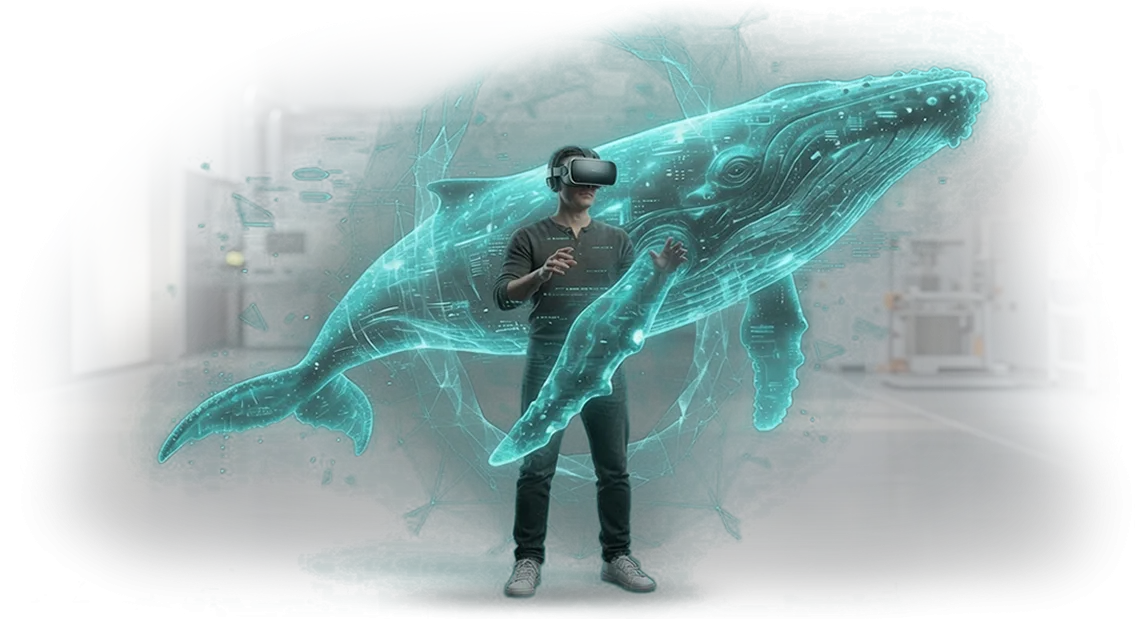
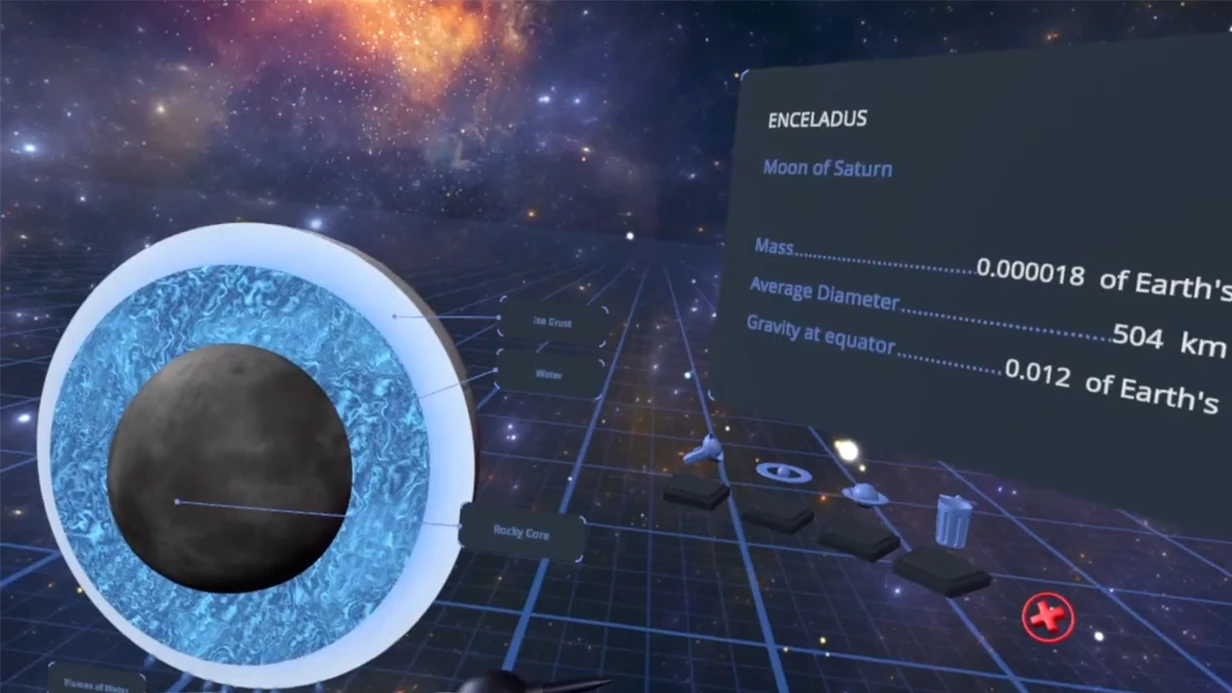
עבור חברת ייצור, VR ו-AR אינם צעצועים אלא כלי עבודה להפחתת סיכונים והגברת יעילות. היתרונות של VR בולטים במיוחד בהדרכה: עובד מתרגל פעולות מסוכנות ללא עצירת הסדנה.
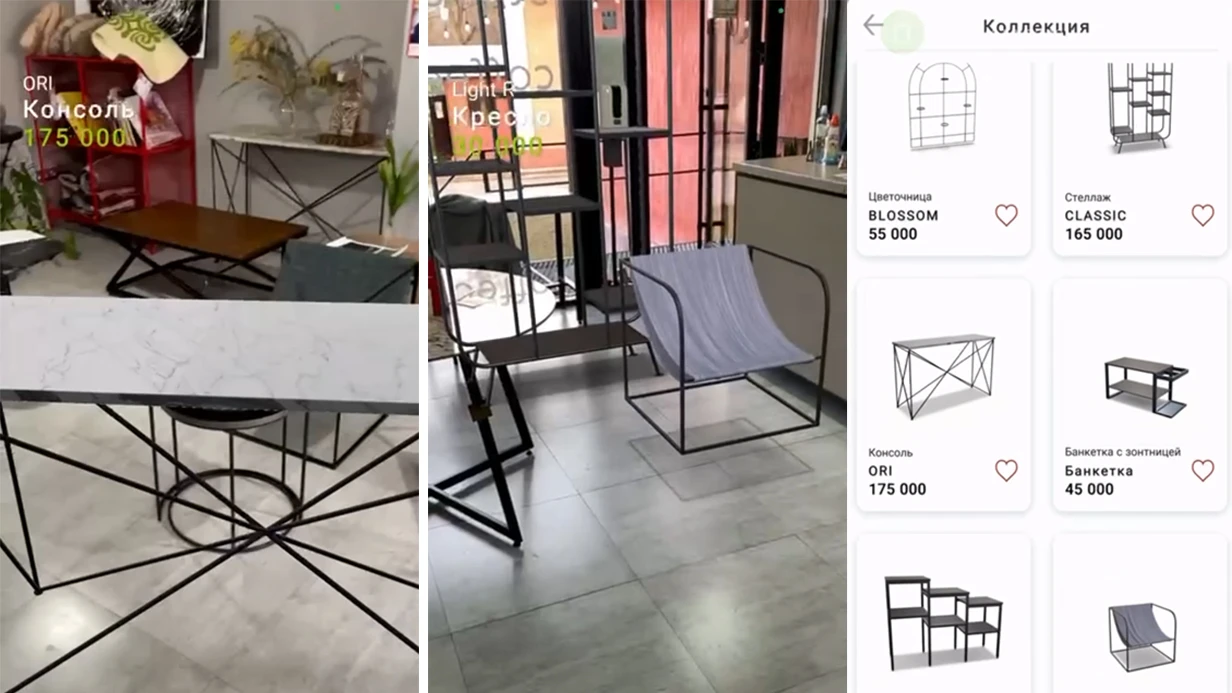
האפקטיביות של AR באה לידי ביטוי ברצפת הייצור, שבה רמזים מוצגים על גבי ציוד אמיתי ומאיצים את העבודה.
ההטמעה מתחילה ברשימת בדיקה — היא מראה היכן הטכנולוגיות יניבו תוצאה מקסימלית ועוזרת להימנע משיבוש תהליכים קיימים. החברה שהצוות שלנו תומך בה לאורך המסע הזה מביקורת ועד פעילות מערכת יציבה.
רשימת בדיקה להטמעת VR/AR
- בטיחות ייצור. תרגול תרחישי חירום ב-VR — פעולות בתנאים קרובים למציאות, אך ללא סיכון לחיים או לציוד. הדרכה חוזרת מפחיתה פציעות ובונה מיומנויות.
- מהירות עבודה עם AR. הוראות ודיאגרמות מופיעות ישירות בשדה הראייה. העובד אינו דפדף בניירות אלא מבצע את הפעולה מיד — פחות שגיאות, קצב גבוה יותר.
- בקרת איכות. מפגשים וירטואליים מתעדים פעולות ומשווים אותן מול מדד ייחוס. חריגות נבדקות מיד, לפני שהן הופכות לפגמים.
- הפחתת עלויות. פחות השבתות, פחות פגמים, עלויות הדרכה נמוכות יותר. במקביל, אין צורך בהחלפת ציוד — VR/AR עובד על גבי מערכות קיימות.
אנחנו מוכנים להתחיל בביקורת: אנו מזהים נקודות צמיחה, בוחרים את הפורמט ומחשבים את האפקט. כך תהליכי ייצור הופכים לבטוחים יותר, שקופים יותר ורווחיים יותר.
פורמטים של פרויקטי VR/AR/MR למשימות העסקיות שלכם
פורמטים של פרויקטי VR/AR/MR נבדלים לא ב"מראה" אלא בהיקף ובעומק של פתרון משימה עסקית. דבר אחד הוא סימולטור מהיר לתרגול מיומנויות; דבר אחר הוא מרחב וירטואלי קבוע שבו עובדים לומדים, מתקשרים ומנהלים תהליכים.
אנחנו מתאימים את הפורמט למטרה הספציפית: לפעמים רמז AR קל מספיק, לפעמים יש צורך בסימולטור של מחזור תפעולי מורכב, ולעבודה שיטתית — מטאוורס ארגוני.
להלן פורמטים טיפוסיים והתוצאות שהם מביאים לעסק:
| פורמט | לאילו משימות | מה העסק מקבל |
|---|---|---|
| מאמן VR | תרגול מיומנויות, פעולות במצבים מסוכנים או נדירים | הכשרת עובדים מהירה ללא עצירת ייצור או סיכון לאנשים |
| הוראות AR | הרכבה, תיקון, תחזוקת ציוד | פחות שגיאות, פעולות מהירות יותר, עצמאות מניסיון של מומחה ספציפי |
| סימולטור תהליכים | מידול שרשראות ייצור, לוגיסטיקה, עומסים | בדיקת שינויים לפני הטמעה, אופטימיזציה של מסלולים ומשאבים |
| מטאוורס ארגוני | סביבה אחידה להדרכה, תקשורת וניהול תפעול | אנליטיקת פעולות עובדים, מעורבות של צוותים מבוזרים, עלויות נמוכות יותר |
פירוט זה מאפשר להימנע מתשלום יתר על "הכל בבת אחת" ולקחת בדיוק את הכלי שפותר את המשימה של היום.
במקביל, הפתרונות מתוכננים עם מקום לצמיחה: היום זה מאמן — בעוד שנה, אותה פלטפורמה הופכת למטאוורס ארגוני מלא.
אנחנו עוזרים לקבוע את הפורמט כבר בשלב הבריף: אנו בוחנים היכן זמן וכסף אובדים ומציעים אפשרות עם תוצאה ברורה. כל פרויקט מותאם לפרטי הייצור שלכם — מאתר יחיד ועד לחברה כולה.
שלבי עבודה: מבריף ועד השקה ותמיכה
אנחנו מבנים את העבודה שלנו כך שתראו תוצאות בכל שלב ותוכלו להשפיע על מהלך הפרויקט. תהליך שקוף של שבעה שלבים עוזר להימנע מהפתעות: אתם תמיד יודעים מה קורה ומבינים כיצד הסימולציה מתקרבת למשימות הייצור שלכם.
- בריף והתעמקות. אנו לומדים את התהליכים התפעוליים שלכם ואוספים דרישות מעובדים מרכזיים. אתם מקבלים הבנה מדויקת אילו תרחישים יסומלצו וכיצד זה ישפיע על הדרכה או בקרת איכות.
- עיצוב פתרון. אנו מפתחים את המבנה של המרחב הווירטואלי, לוגיקת הפעולה והמדדים שיעקבו. הפלט הוא מסמך שמראה את התוצאה העתידית עוד לפני תחילת הפיתוח.
- פיתוח אב טיפוס. אנו יוצרים גרסה עובדת עם תרחישי ליבה. אתם רואים ומנסים את הסימולציה ומבצעים שינויים בשלב מוקדם — זה חוסך זמן ותקציב.
- הרכבת מוצר מלא. אנו ממלאים את הסימולציה בפרטים: אובייקטים ריאליסטיים, תפקידי עובדים, מודלים של פעולות שגויות. כבר בשלב זה ברור כיצד הפתרון ישתלב בהכשרת העובדים הנוכחית או בבקרת הייצור שלכם.
- בדיקות משותפות. אנו בודקים את העבודה יחד עם המומחים שלכם ומתקנים כל הערה. אתם מקבלים ביטחון שהסימולציה תואמת לחלוטין תהליכים אמיתיים.
- השקה והכשרת צוות. אנו פורסים את הפתרון, מגדירים אותו לתשתית שלכם ומקיימים תדריכים למנהלים ולמשתמשים. העובדים שלכם מתחילים לעבוד ללא הכנה ממושכת.
- תמיכה ופיתוח. אנו מספקים תמיכה טכנית ומעדכנים את הסימולציה כאשר תהליכים משתנים. אתם יכולים להוסיף תרחישים חדשים — הפתרון ממשיך לספק ערך לאחר ההטמעה.
גישה זו מאפשרת להשיק פרויקט בפרק זמן קצר ולקבל תוצאה צפויה. כל שלב מסתיים בארטיפקט ברור — מסמך, גרסה או צוות מיומן — כך שאתם תמיד מבינים בעד מה אתם משלמים ומה מגיע אחר כך.
מה אתם מקבלים בסופו של דבר: היקף עבודה ותוצאה
היקף עבודה מוסכם אינו "שלחנו קישור ולהתראות" אלא חבילה מלאה להשקה ולשימוש יומיומי.
אתם מקבלים מטאוורס ארגוני מוכן שבו סימולציה של תהליכים תפעוליים ותהליכי ייצור הופכת לכלי עבודה: עובדים מתאמנים ובודקים מיומנויות, ואתם רואים את התוצאה במדדים ברורים.
מה כלול במסירה:
- יישום ארגוני עובד — סימולציה של התהליכים התפעוליים ותרחישי הייצור שלכם, מותאמת למטרות עסקיות. המערכת מופעלת ורצה על ציוד שכבר יש לכם או על ציוד שאנו ממליצים עליו במפתח מלא.
- תיעוד מובנה — תיאורי תרחישים, מדריכים למפעילים ולמנהלים, נהלי השקה ועדכון. כל המידע מוצג בבהירות, ללא ז'רגון טכני, כך שכל עובד יכול להבין אותו.
- הכשרת הצוות שלכם — מפגשים מעשיים למנהלים ולמשתמשי קצה. אנחנו לא רק מוסרים את הפרויקט; אנו מכינים את האנשים שלכם לעבוד איתו בביטחון מהיום הראשון. זה מבטל השבתות ושאלות של "על מה אני לוחץ כאן".
- תמיכת אחריות — תיקון הערות, עדכונים וייעוץ בתוך תקופה מוסכמת. נקודת קשר אחת, תגובות מהירות, לוחות זמנים ברורים לפתרון בעיות.
- תוכנית פיתוח והרחבה — המלצות לחיבור מחלקות חדשות, הוספת תרחישי סימולציה והרחבת השימוש לאזורים עסקיים אחרים.
גישה זו מבטלת את הסיכון המרכזי של הלקוח: "הטמענו ושכחנו." אתם מקבלים לא רק קבצים אלא מערכת עובדת עם תמיכה והדרכה.
הצוות נכנס לעניינים במהירות, סיכוני התהליך יורדים, וההנהלה רואה כיצד השקעות במטאוורס מתורגמות לפחות שגיאות ולפרודוקטיביות גבוהה יותר.
מקרה אמיתי: הפחתת שיעור התקריות עם מאמן VR
דוגמה מאלפת היא הפרויקט עבור הקונצרן התעשייתי Vector-Energo: באתר שלהם, מחיר טעות של מפעיל הוא השבתת סדנה וסיכונים לאנשים.
הלקוח הגיע עם כאב טיפוסי: הכשרת עולים חדשים ארכה שבועות, וחלק מהמיומנויות עדיין היה צריך לתרגל על ציוד אמיתי, וזה מה שגרם למצבי חירום.
ניתחנו תהליכים תפעוליים, דיגטצנו תרחישי השקה מרכזיים ומצבי חריגה, ולאחר מכן בנינו מאמן שמשחזר במלואו את לוח הבקרה ואת לוגיקת פעולות הצוות. עובדים מתאמנים בסביבה בטוחה אך מקבלים את אותן החלטות כמו במתקן אמיתי.
תוצאות במשך שישה חודשים: מספר התקריות באתר ירד ב-43%, וזמן התגובה הממוצע למצב חריג הצטמצם בחצי.
במקביל, 120 מפעילים השלימו הכשרה ללא עצירת ייצור — בעבר זה דרש הוצאת ציוד משירות והסחת דעת של מדריכים.
מנהל הייצור העריך את ההטמעה כך: "בהתחלה התייחסנו ל-VR כאל צעצוע. אחרי שלושה חודשי שימוש, התברר שזהו אלמנט מלא במערכת ההכשרה. המאמן מחזיר את ההשקעה באמצעות הפחתת השבתות ותאונות."
לאחר השלב הראשון, הלקוח הרחיב את הפתרון לסדנה שכנה. בקשה חוזרת היא ההוכחה הטובה ביותר שהמאמן פותר בעיה עסקית ולא רק נראה מרשים.
כיצד לבחור את פורמט פרויקט ה-VR/AR למשימה שלכם?
בחירת הפורמט תלויה במטרה שאתם פותרים. אם המשימה היא ללמד עובד לפעול במצב חריג ללא סיכון לייצור, זה דורש תרחיש בהתעמקות מלאה.
אם אתם צריכים להציג הוראות במהירות על גבי ציוד אמיתי, מציאות רבודה מספיקה. אירוע מותג או תערוכה דורשים היקף מרשים, בעוד הדרכה שוטפת דורשת נגישות וחזרתיות.
הקריטריון המרכזי הוא "היכן האדם נמצא כשהם מקבלים את הערך." להדרכה ותרגול תרחישים מסוכנים, VR עובד: העובד מבודד מהמציאות וממוקד לחלוטין בפעולות.
לסיוע בשטח, תיקון ובקרת איכות — AR: האדם רואה את הציוד ואת הרמז בו זמנית, מבלי להיות מוסח מהעבודה.
פורמט MR מעורב מבוקש כאשר יש צורך לשלב אובייקטים פיזיים עם מודלים וירטואליים, למשל להרכבה או להפעלה.
הקריטריון השני הוא "כמה אנשים ישתמשו בפתרון." אם אתם מצפים להכשיר משמרת שלמה, בחרו פורמט מדרגי: רכישת מספר ערכות ציוד והשקה מהירה.
להדגמה בודדת ללקוחות VIP, התקנת VR אחת עם תרחיש מותאם אישית תספיק. מה שחשוב כאן הוא לא הטכנולוגיה אלא היקף ההטמעה וההחזר שלה.
השלישי הוא "איזו תוצאה אתם רוצים למדוד." התעמקות מלאה מספקת סטטיסטיקה ברורה: זמן ביצוע פעולה, מספר שגיאות, תגובת עובד. מציאות רבודה מאיצה את העבודה עצמה — מהירות ואיכות נמדדות.
הגדירו את מדד ההצלחה שלכם מראש, והפורמט הופך ברור: האם אתם צריכים להכשיר או להנחות, להגביר מהירות או להפחית פגמים.
אם יש ספק, התחילו בפיילוט קצר: אנו נעזור לבחור תרחיש, לחשב את היקף ההתעמקות ולהריץ בדיקה על הפעולות שלכם.
יש לנו מעל עשר שנות פרויקטים לייצור והדרכה מאחורינו — אנו נציע פורמט שבאמת פותר את המשימה ולא רק נראה מודרני.
שאלות נפוצות על הטמעת VR/AR ולוחות זמנים של פרויקטים
לפני תחילת פרויקט, לקוחות בדרך כלל שואלים את אותן שאלות: לוחות זמנים, תקציב, מורכבות אינטגרציה. אנו עונים בכנות — אנו מבצעים חישובים למשימה ספציפית, ללא פתרונות תבניתיים.
הצוות שלנו עובד עם חברות ייצור מעל 10 שנים, ולכן הוא מכיר את הצרכים האמיתיים של העסק.
כמה מהר ניתן להשיק סימולציה של תהליך תפעולי?
משבועיים לתרחישים פשוטים ועד מספר חודשים לשרשראות ייצור מורכבות. אנו נותנים את לוח הזמנים המדויק לאחר הבריף — הוא מושפע ממספר התרחישים, מספר המשתמשים ומפרטי הציוד. אתם מקבלים תוכנית מדורגת עם נקודות ביקורת ורואים מיד את הדינמיקה.
כמה עולה פיתוח מטאוורס ארגוני?
העלות מורכבת מאנליטיקה, עיצוב, פיתוח ובדיקות — לא מ"שעת עבודה" מופשטת. אנו מכינים אומדן שקוף לפני ההתחלה, ואחרי השלב הראשון אתם כבר עובדים עם אב טיפוס ומעריכים את ערכו לעסק. אין תשלומים נסתרים: כל השינויים מתועדים באומדן.
כמה קשה לשלב פתרון VR בתהליכים קיימים?
אנחנו לוקחים על עצמנו את כל החלק הטכני: בחירת ציוד, אינטגרציה עם המערכות שלכם, הגדרת תרחישים. עובדים צריכים רק מפגש הדרכה קצר — הממשק אינטואיטיבי.
הייצור ממשיך לפעול כרגיל, ו-VR משלים אותו ביכולות חדשות במקום לשבש את הקצב.
מה קורה אחרי ההשקה?
אנחנו לא נוטשים את הפרויקט: אנו מספקים תמיכה טכנית, מעדכנים תרחישים כדי לשקף שינויי תהליך ומכשירים את המומחים שלכם. התקשורת עם הצוות נמשכת בכל שלבי התפעול — אתם תמיד יכולים לשאול שאלה ולקבל פתרון מהיר.
דונו במשימה שלכם — קבלו תוכנית פעולה והערכת עלות
הגעתם למקום הנכון — במשך 10 שנים אנו עוזרים לחברות להטמיע מאמני VR ותאומים דיגיטליים של קווי ייצור. כדי שתוכלו להעריך כיצד זה עובד במקרה שלכם, אנחנו לא מתחבאים מאחורי "התקשרו אלינו" — אנו נותנים פרטים, צעד אחר צעד.
מה קורה לאחר שליחת בקשה:
- בקשה. אתם משאירים את פרטי הקשר שלכם באמצעות הטופס באתר או כותבים למסנג'ר — אנו חוזרים אליכם תוך יום עסקים ומאשרים זמן נוח לשיחה.
- ייעוץ. אנו מכירים את המשימה שלכם: אילו פעולות צריך לסמלץ, מי ישתמש במאמן ואילו תוצאות חשובות. אנחנו לא דורשים מסמך דרישות — אנחנו מבינים יחד.
- אומדן ראשוני. אנו מציינים את טווח העלות ואת לוחות הזמנים — כך אתם מבינים את התקציב ואת אופק התכנון.
- תוכנית פעולה. אנו מתעדים את מפת הדרכים: שלבי פיתוח, נקודות ביקורת ואחריות. אתם מקבלים מסמך לאישור פנימי.
- חישוב לפרטים שלכם. לאחר הבהרת הפרטים, אנו מכינים הצעה מסחרית סופית עם פירוט שקוף.
בסופו של דבר, לאחר פנייה ראשונה אתם מקבלים:
- תמונה אובייקטיבית: האם ניתן לפתור את המשימה עם VR, האם יש צורך ב-AR, או שמספיק ויזואליזציה תלת-ממדית;
- הבנה של לוחות זמנים — מאב הטיפוס הראשון ועד להטמעה בייצור;
- חישוב עלות ללא תוספות נסתרות: המחיר קבוע לפני תחילת העבודה;
- תוכנית השקת פיילוט עם מדדי יעילות;
- דוגמאות מהפתרונות שלנו לתעשיות דומות;
- פרטי הקשר של המנהל שמוביל את הפרויקט מבריף ועד השקה והכשרת צוות;
- המלצות פורמט: מאמן עצמאי, מפגש קבוצתי או מטאוורס מלא למספר אתרים.
שלחו בקשה — ותוך יום תבינו כיצד סימולציית VR משתלבת בתהליכי הייצור שלכם ואילו תוצאות היא תביא.