



הצוות עובד מרחוק, אבל הישיבות נתקעות?
צוות מבוזר לעיתים רחוקות סובל ממחסור בשיחות וידאו — בדרך כלל יש יותר מדי מהן. אנשים מתחברים מאזורי זמן שונים, חצי שותקים, חצי עוסקים במייל, ואחרי הפגישה אף אחד לא מצליח להיזכר לאיזו החלטה הגיעו.
בסופו של דבר לא מספר השיחות נפגע, אלא הסנכרון של צוותים מבוזרים: ההקשר הולך לאיבוד, הסיכומים חיים בראש של מישהו, וההחלטות נדחות ל"פעם הבאה".
תמונה מוכרת: ככל שיש יותר אנשים בארגון, כך עולה יותר כל פגישה לא ברורה. המנהל מבזבז זמן על לספר מחדש את אותו הדבר לקבוצות שונות, העובד החדש אוסף את התמונה בפיסות במשך שבועות, והסיכומים המרכזיים צפים רק כשמשהו כבר השתבש. עבודה מרחוק מחריפה את הבעיה — אין יותר מסדרון פיזי שבו הכול נסגר תוך כדי תנועה.
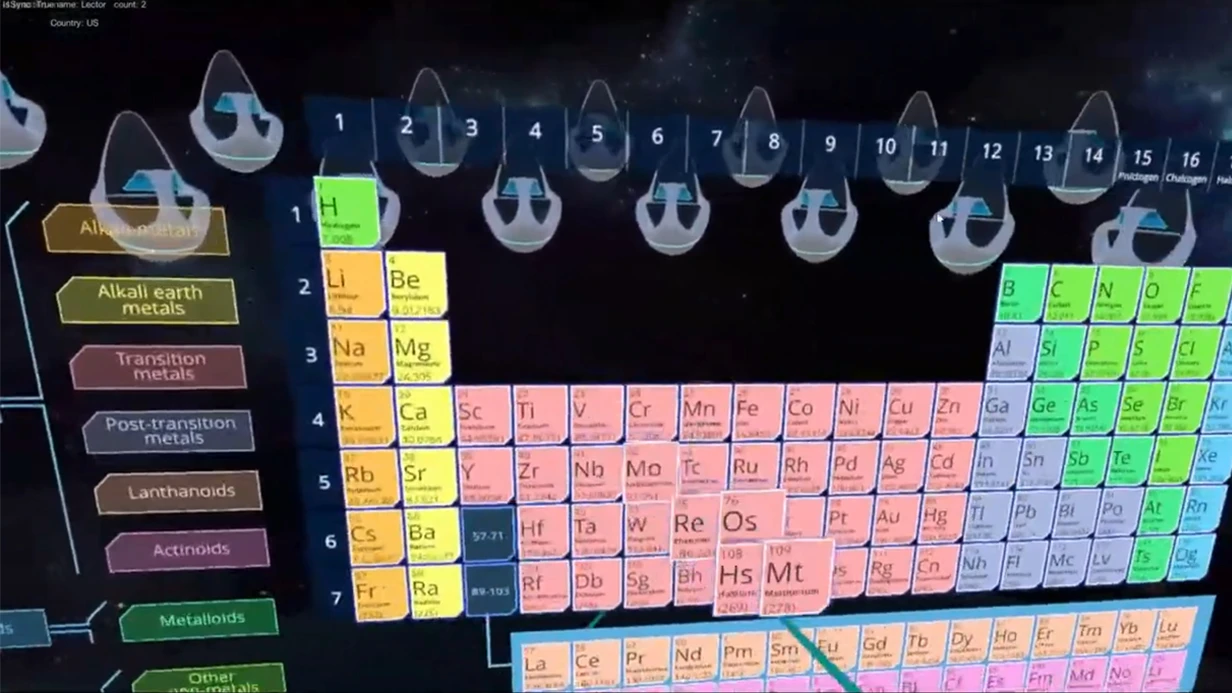
ישיבות וירטואליות במרחב משותף משנות את המכניקה עצמה של הפגישה. הצוות מתכנס בחדר וירטואלי אחד, שבו רואים מי משתתף, החומרים והלוחות נמצאים בהישג יד, והתוצאות מתועדות במקום — בלי "אני אשלח סיכום אחר כך". זה לא עניין של תמונה מרשימה, אלא של כך שהפגישה מסתיימת בהחלטה קונקרטית, ולא בהבטחה לקבל אותה.
עבור מנהל תחום זו יעילות פגישות מדידה: פחות דיונים חוזרים על אותו נושא, הכנסה מהירה יותר של אנשים חדשים להקשר, אחריות שקופה יותר לסיכומים. אנחנו סוגרים את המשימה הזו — מתכננים מטאוורס ארגוני בהתאמה לתהליך שלכם, ולא להדגמה יפה.
מה נותן המטאוורס הארגוני לעסקים
המטאוורס הארגוני הופך פגישות וירטואליות משרשרת של שיחות וידאו מתישות לחלל עבודה חי. במקום רשת של פרצופים עייפים על המסך — אולם משותף שבו עמיתים רואים זה את זה, מתפצלים לחבורות באופן חופשי ועובדים עם חומרים באותה טבעיות כמו במשרד אמיתי.
עבור צוותים מבוזרים זה מסיר את הכאב המרכזי: תחושת הניתוק, כשמחצית המשתתפים שותקת ואת ההחלטות מקבל מי שדובר בקול רם יותר.
מעורבות העובדים גדלה בזכות הסביבה עצמה. כשאדם לא רק צופה במצגת אלא נע במרחב, בוחן מודלים בתלת-ממד ודן בהם עם עמיתים לצידו, הוא נכנס לתהליך במקום "לשבת" את הפגישה.
הניסיון מלמד: בפורמט אימרסיבי המשתתפים שואלים יותר שאלות ומציעים רעיונות באופן פעיל יותר, משום שהמחסום של "להדליק מיקרופון מול כולם" נעלם.
מרחב אחיד מזרז קבלת החלטות. צוותים מערים ואזורי זמן שונים מתכנסים לנקודה אחת שבה כל המידע — מסמכים, תרשימים, אבות-טיפוס — נמצא מול העיניים ולא מפוזר בין צ'אטים למייל. הדיון, התיאום וקיבוע ההסכמות מתרחשים בסשן אחד ולא במשך שבוע של התכתבות.
עבור המנהל זה גם שליטה: ברור מי השתתף, אילו שאלות עלו ולמה הגיעו. אנחנו מתכננים מרחבים כאלה למשימות עסקיות ספציפיות — מפגישות תכנון שגרתיות ועד סשנים אסטרטגיים והדרכת עובדים — כדי שהכלי יעבוד לתוצאה ולא יישאר הדגמה יפה.
פורמטים של פגישות וירטואליות המותאמים למשימה שלכם
הפורמט של פגישה וירטואלית נבחר בהתאם למשימה, ולא להפך. חדר ישיבות ב-VR נדרש לדיונים עסקיים, אולם מצגות — לקהלים גדולים, ואזור תקשורת בלתי פורמלית — למה שאבד בצורה החריפה ביותר בצוותים מבוזרים: שיחות אקראיות וקשרים בין אנשים. להלן תרחישים אופייניים שלשמם פונים אלינו לקוחות.
| פורמט | למי מיועד | מה נותן ללקוח |
|---|---|---|
| חדר ישיבות ב-VR | מנהלי מגזרים, קבוצות פרויקט של 5–12 איש | פגישות שבהן רואים את התגובה ואת הבעות הפנים של המשתתפים: החלטות מתקבלות בפגישה אחת, ולא בשלושה מכתבים |
| אולם מצגות | חברות עם משרדים מבוזרים, מחלקות מכירות והדרכה | מרצה אחד — מאות משתתפים ללא תלות באזורי זמן; מעורבות גבוהה יותר מאשר בשיחת וידאו |
| אזור תקשורת בלתי פורמלית | צוותים שעובדים מרחוק באופן קבוע | מחזיר את "השיחות ליד מתקן המים": עובדים מכירים בין מחלקות, תחלופת עובדים נמוכה יותר בחודשים הראשונים |
| פורמט היברידי | חברות שבהן חלק מהצוות במשרד | עובדי משרד ועובדים מרחוק באותו מרחב — אף אחד לא נושר מהדיון |
אנחנו מרכיבים את המרחב מבלוקים מוכנים ומתאימים אותו לתרחיש שלכם: מספר המשתתפים, תפקידים, הרשאות גישה, אינטגרציה עם יומן ועם מערכות פנימיות. המהנדסים שלנו עובדים על Unity ועל ציוד מקצועי — הלקוח מקבל תמונה וסאונד יציבים גם כאשר חלק מהעובדים מחוברים לאינטרנט חלש.
הפורמטים משתלבים זה בזה במטאוורס ארגוני אחד: בבוקר — ישיבת בוקר בחדר הישיבות, בצהריים — מצגת תוצאות רבעוניות באולם, ובערב — מפגש בלתי פורמלי של עובדים חדשים.
איך עובר הפרויקט: מהבריף ועד ההשקה
פרויקט פגישות וירטואליות שונה מפיתוח רגיל בכך שבו משתתפים לא רק מהנדסים, אלא גם הצוות שלכם: העובדים שיקיימו את הפגישות והמנהלים שזקוקים לתוצאה. לכן אנו מנהלים את העבודה בשלבים שקופים — אתם תמיד יודעים מה קורה כעת ומה יהיה בשלב הבא.
- בריף. דנים במשימה: כמה צוותים ומשתתפים, אילו תרחישי פגישה נדרשים, איך אנשים נכנסים למרחב, מה צריך להישאר לאחר הפגישה. מקבעים ציפיות לגבי לוחות זמנים ותוצאה.
- תוכנית והערכה. חוזרים עם תוכנית ברורה: שלבים, היקף העבודה, מה יידרש מצדכם. אתם רואים את ההיגיון בשלמותו לפני ההתחלה, ולא מגלים את הפרטים תוך כדי התהליך.
- אישור. מאשרים את מבנה המרחבים, התרחישים וסדר ההשקה. בשלב זה התיקונים עולים הכי פחות — ולכן אנו מקדישים לו זמן בכוונה.
- מימוש. בונים חדרי ישיבות וירטואליים, מחברים יומן וחשבונות משתמש, מגדירים הרשאות לפי תפקידים. מציגים תוצאות ביניים כדי שתראו את ההתקדמות, ולא תחכו לסיום בלי לדעת מה קורה.
- השקה. מקיימים פגישת ניסיון עם הצוות שלכם, מדריכים את העובדים והמנהלים. לאחר מכן המרחב עובר למצב עבודה.
- תמיכה. נשארים בקשר: מפתחים תרחישים, מוסיפים אולמות ופונקציות חדשות ככל שהצוותים גדלים. רוב הלקוחות חוזרים אלינו עם משימות נוספות.
סדר זה מסיר את הסיכון העיקרי — לקבל פתרון מוכן שהצוות לא ישתמש בו. אנו משתלבים בפגישות וירטואליות בתהליכי העבודה הרגילים, ולא יוצרים כלי נפרד שמתקיים בפני עצמו.
מה ייכלל באספקה לצוות שלכם
אתם מקבלים לא "אפליקציה", אלא סביבה מוכנה לפגישות וירטואליות, שהצוות מתחיל להשתמש בה מיד לאחר ההפעלה. להלן מה בדיוק נכלל באספקה וכיצד כל סעיף פותר את המשימה שלכם: עובדים מבוזרים נפגשים במרחב אחד, ולא מרכיבים שיחת ועידה מעשרה חלונות.
- מרחבים וירטואליים לתרחישים שלכם. חדרי ישיבות, אזורים למצגות, חדרי עבודה לקבוצות פרויקט ולאזורי lounge משותפים לתקשורת לא פורמלית. את המרחבים מתכננים בהתאם לגודל הצוות ולסוג הפגישות, כדי לא לשלם על עודף ולא להיתקל בצפיפות.
- תרחישי פגישות מוכנים. תכנון, פגישות סטטוס, סקירות פרויקטים, הצגת תוצאות, הדרכה וקליטת עובדים חדשים. כל תרחיש הוא סדר פעולות ברור, ולא "תתאספו איכשהו בעצמכם".
- הדרכת עובדים. אנו מקיימים שיעורים למנחי פגישות ולמשתתפים רגילים: כיצד להיכנס, כיצד לנהל פגישה, כיצד לעבוד עם חומרים. בנפרד אנו מכשירים חונכים פנימיים, כדי שהצוות ימשיך להתמודד בלעדינו.
- נהלים וכללי עבודה. אנו מקבעים אילו פגישות מתקיימות במרחב הווירטואלי, כיצד מזמינים משתתפים, כיצד שומרים הקלטות וחומרים, מי אחראי על הסדר. את המסמכים אנו כותבים בשפת התהליכים שלכם, ולא בשפה טכנית.
- הטמעה בקצב העבודה. אנו עוזרים להעביר פגישות קבועות לסביבה החדשה, אוספים משוב מהעובדים ומסירים את מה שמפריע. המטרה — שבתוך מספר שבועות זה יהפוך לנורמה, ולא לניסוי.
- ליווי לאחר ההפעלה. אנו מעדכנים מרחבים בהתאם לצמיחת הצוות, מוסיפים תרחישים חדשים, עונים על שאלות העובדים ועוקבים אחר עבודה יציבה. אתם לא נשארים לבד עם המוצר.
- העברת חומרים והרשאות. כל ההגדרות, ההוראות וההרשאות נשארות אצלכם — הצוות מנהל את הסביבה באופן עצמאי, ואנו מתחברים כשצריך.
ערכה כזו מסירה את הסיכון העיקרי: הטכנולוגיה קיימת, אבל אף אחד לא יודע להשתמש בה. אנו סוגרים גם את המרחב, וגם את ההרגל לעבוד בו.
מקרה בוחן: כיצד צוות מבוזר האיץ החלטות
משימת הלקוח
אלינו הגיעה חברה עם משרדים בשלוש ערים וצוותים שכמעט לא נפגשו פנים אל פנים. מנהל האגף ניסח את הכאב ישירות: החלטות על פרויקטים נתקעו בהתכתבויות ובשיחות ועידה, ועד לרגע האישור הסופי חלק מהמשתתפים כבר איבדו את ההקשר.
היה צורך לא ב"צעצוע לאפקט וואו", אלא בסביבת עבודה שבה צוות מבוזר מתכנס ומגיע להסכמות מהר יותר מאשר בכלים הרגילים.
מה עשינו
הרכבנו מטאוורס ארגוני המותאם לתרחישים שלהם: ישיבות תכנון שגרתיות, סקירות פרויקטים ופגישות עבודה בין המשרדים. תחילה עברנו על הפגישות האמיתיות של הלקוח ורשמנו היכן בדיוק מתבזבז הזמן — ורק לאחר מכן הצענו את הפורמט. ההשקה התנהלה בשלבים: צוות אחד, סוג פגישה אחד, משוב — והרחבה לשאר האגפים.
התוצאה במספרים
- זמן ההגעה להסכמה על החלטה התקצר בכ-40% — הדיון ותיעוד הסיכומים נכנסו לסשן אחד במקום שרשרת שיחות ועידה.
- המעורבות של המשתתפים עלתה: לפגישות החלו להגיע כמעט כל המוזמנים, ולא מחציתם.
- מספר המשתתפים בו-זמנית עלה ל-30+ מבלי לפגוע באיכות התקשורת.
- הזמנה חוזרת: הלקוח הרחיב את הפורמט לצוותים חדשים והוסיף סשנים שגרתיים.
עבור מנהל האגף משמעות הדבר הייתה לא "טכנולוגיה חדשה", אלא תועלת ניהולית ברורה: פחות זמן על השגת הסכמות, יותר החלטות לפגישה, וצוותים בערים שונות עובדים כצוות אחד.
מה אם יש לי דרישות ספציפיות?
דרישות ספציפיות הן הנורמה, לא היוצא מן הכלל.
לכל תעשייה יש תהליכים, תקנות ותפיסות משלה לגבי איך אמור להיראות מרחב העבודה: לאנשי הייצור חשוב לראות העתקים דיגיטליים של אובייקטים לצד עמיתים, לצוותים רפואיים — לעמוד בכללים לטיפול בנתוני מטופלים, ולצוותים פיננסיים — להפריד גישה למידע רגיש.
אנחנו מתחילים בניתוח התהליכים הפנימיים שלכם, ועל פיהם מעצבים את המרחב, ולא מתאימים אתכם לתבנית מוכנה.
ההתאמה נוגעת לא רק למראה החיצוני, אלא גם להיגיון העבודה. אנחנו מגדירים תרחישי פגישות לפי הסדר שלכם: מי מנהל את הפגישה, איך מתחברים משתתפים חיצוניים, היכן נשמרים הקלטות וחומרים, איך המרחב מקושר למערכות הפנימיות שלכם.
אם חלק מהצוות עובד באזור זמן אחר, אנחנו מתכננים פורמטים אסינכרוניים — סשנים מוקלטים, לוחות עם הערות, גישה לחומרים בזמן נוח.
אבטחה אנחנו מטמיעים כבר בהתחלה, ולא מוסיפים בסוף. הרשאות ניתנות לפי תפקידים, הנתונים נשארים בקונטור שלכם או בשרתים מאושרים, והכניסה למרחב מוגנת באותם כללים כמו שאר השירותים הארגוניים. זה מסיר את השאלה המרכזית של מחלקת האבטחה: מי ובאילו תנאים רואה את השיחות והמסמכים.
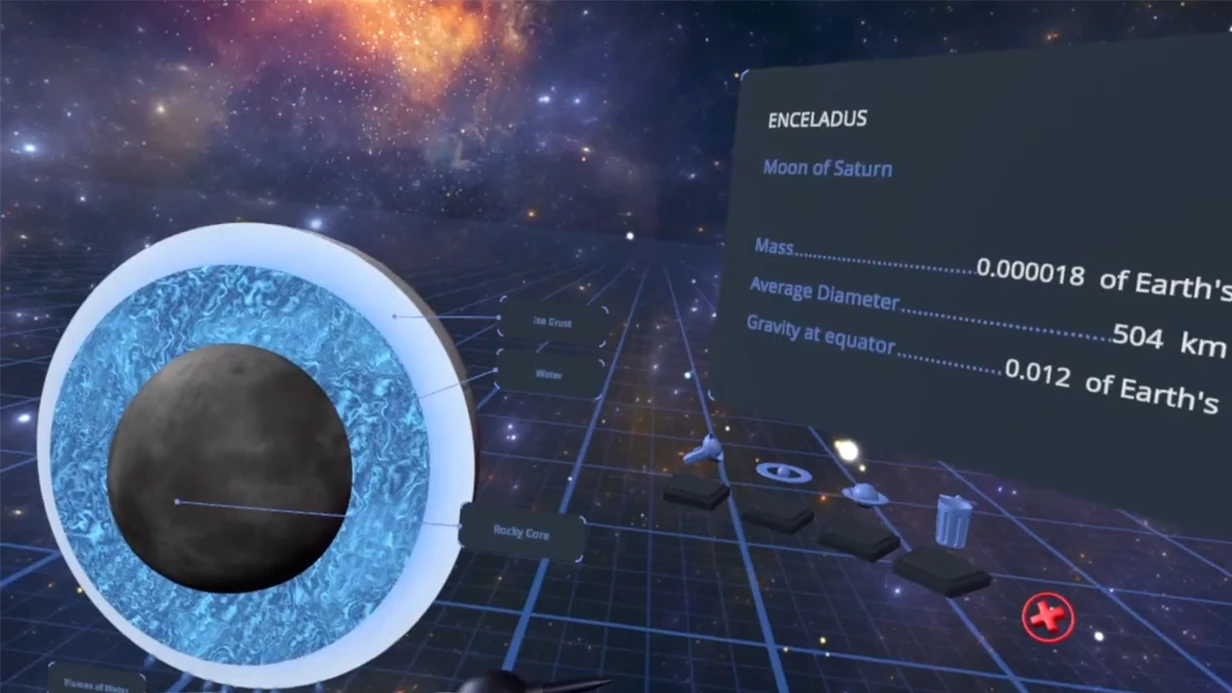
משימות ענפיות אנחנו פותרים באמצעות מודולים נפרדים: הצגת מודלים תלת-ממדיים של מוצרים, הכשרת עובדים על סימולטורים דיגיטליים, הצגת אובייקטים שאינם נגישים פיזית או יקרים מדי להובלה.
כך פגישות וירטואליות הופכות מ"עוד שיחת ועידה" לכלי עבודה שבו נפתרות משימות עסקיות קונקרטיות, ולא רק דנים בהן.
ספקות נפוצים לפני הזמנת מטאוורס
פגישות וירטואליות הן לא ניסוי לשם סימון וי, אלא כלי עבודה של צוות מבוזר. לכן ספקות לפני הזמנה הם טבעיים: מנהל אחראי לתוצאה, לא להדגמה מרשימה. נבחן את שלושת החששות העיקריים שאיתם פונים אלינו לרוב.
"ואם זה יישבר — מי יתקן?"
אנחנו לא מוסרים את הפרויקט ונעלמים. לאחר ההשקה אנחנו נשארים בתמיכה: עוקבים אחר היציבות, מעדכנים את המרחב בהתאם לצמיחת הצוות, מוסיפים תרחישים וחדרים. יש לכם ערוץ תקשורת ברור ונוהל תגובה — לא התכתבות עם פרילנסר שנעלם.
"האם העובדים צריכים מכשירים מיוחדים?"
לא. נוכחות מלאה — במשקפיים, אבל פגישה, מצגת ועבודה משותפת זמינות ממחשב נייד רגיל או טלפון. אדם ללא ציוד נכנס כצופה או כמשתתף ולא נופל מהתהליך. זה מסיר את המחסום העיקרי לאימוץ: אין צורך לרכוש ציוד לכל הצוות בבת אחת.
"איך משלבים את זה בתהליכים שלנו?"
המרחב חי לצד הכלים הרגילים: יומן, קבצים, משימות. אנחנו מתכננים תרחישים בהתאם לטקסים שלכם — ישיבות בוקר, דמואים, חניכה — ולא מכריחים את הצוות ללמוד מחדש.
מה יקרה אם הצוות לא יאמץ את הפורמט החדש?
אנחנו בונים כניסה הדרגתית: קודם פגישה קבועה אחת במרחב החדש, אחר כך השאר. אם תרחיש לא מתאים — אנחנו בונים אותו מחדש בהתאם להרגלים האמיתיים של האנשים, ולא להפך. המטרה היא שהפורמט יחסוך זמן, לא יוסיף אותו.
עד כמה זה אמין לעבודה יומיומית?
אנחנו בונים על ארכיטקטורת שרתים מוכחת ובודקים עומס בהתאם לגודל הצוות שלכם. יציבות הפגישות היא בעדיפות: שיבוש פגישה יקר יותר מכל תמונה יפה. לפני ההשקה אנחנו מבצעים בדיקה על תרחישים אמיתיים.
כמה זמן לחכות לתוצאה?
את המרחב העבודה הראשון עם תרחישים בסיסיים אנחנו מציגים באיטרציות — אתם רואים התקדמות, ולא סוף אחרי חצי שנה. בהמשך אנחנו מרחיבים בהתאם למשוב מהצוות.
נדון במשימה שלכם ונחזור עם תוכנית
ספרו לנו איזו משימה אתם פותרים: ישיבות קבועות של צוותים מבוזרים, הכשרת עובדים, מצגות ללקוחות או אירועים פנימיים. ניכנס להקשר ונגיש פורמט שבאמת יספק את הצורך — בלי פונקציות מיותרות ובלי לשלם על מה שאף אחד לא ישתמש בו.
לאחר הפנייה אתם מקבלים תמונה ברורה: מה בדיוק אנחנו עושים, באילו לוחות זמנים, איך זה ישתלב בתהליכים שלכם ומי מצד הצוות אחראי על התוצאה. בלי הבטחות מעורפלות — רק תוכנית עבודה קונקרטית ושלבים שקופים.
- פנייה — מתארים את המשימה בפורמט נוח, אנחנו שואלים שאלות הבהרה ומתעדים את הציפיות.
- הערכה — חוזרים עם לוחות זמנים, היקף העבודה ואפשרויות מימוש לתרחיש שלכם.
- תוכנית — מתאמים שלבים, נקודות בקרה ואיך תיראה התוצאה המוגמרת.
- הרצה — בונים את המרחב, מחברים את הצוות ומקיימים ישיבה ראשונה יחד איתכם.
- ליווי — נשארים בקשר: משפרים תרחישים, מכשירים עובדים ומגיבים למשוב.
- פיתוח — כשהמשימה הבסיסית נפתרה, מרחיבים את המרחב לצוותים ולפורמטים חדשים.
ישיבות וירטואליות במטאוורס משלכם הן לא פרויקט חד-פעמי, אלא כלי עבודה שחי יחד עם החברה. לכן אנחנו לא נעלמים אחרי המסירה: עוזרים לצוות להסתגל, עוקבים אחרי היציבות ומציעים מה לשפר ככל שהחברה גדלה.
תארו את המשימה — נחזור עם הערכה ותוכנית, ומשם תחליטו אם הגישה הזו מתאימה לכם.