



מדוע הכשרת שפה לעובדים נכשלת
חברות משקיעות באופן קבוע תקציב בהכשרת שפה לעובדים, אך התוצאות של תוכניות כאלה לרוב חלשות. קורסים קלאסיים, ספרי לימוד והרצאות נתפסים בעיני העובדים כחובה פורמלית ולא כהזדמנות לצמיחה מקצועית.
בגלל מוטיבציה נמוכה, השיעורים מתקיימים ללא התלהבות, וידע חדש נשכח במהירות — אנגלית ארגונית לעולם לא הופכת לכלי עבודה.
כתוצאה מכך, עסקים מפסידים גם זמן וגם כסף: רמת השפה של הצוות לא גדלה, עובדים לא יכולים לנהל משא ומתן בביטחון עם שותפים זרים או לעבוד עם מסמכים בינלאומיים.
מנהלים לא רואים החזר על ההשקעה, והכשרת עובדים הופכת לפורמליות שכולם למדו להתעלם ממנה. זו הסיבה שגישות מסורתיות כבר לא עונות על הצרכים המודרניים של חברות.
הבעיה אינה הרצון של אנשים ללמוד, אלא פורמט שאינו מציע התעמקות או תרגול. אנחנו סוגרים את הפער הזה עם סביבת למידה שבה עובדים מיישמים אנגלית בתרחישי עבודה אמיתיים.
גישה זו מחזירה את המעורבות, הופכת את ההתקדמות למדידה, והופכת את לימוד השפה לחלק מפעילות העבודה היומיומית — כלומר ההשקעות מתחילות להניב תוצאות נראות לעין.
מה מקבלים ממאמני VR לעובדים
התעמקות ששומרת על תשומת הלב
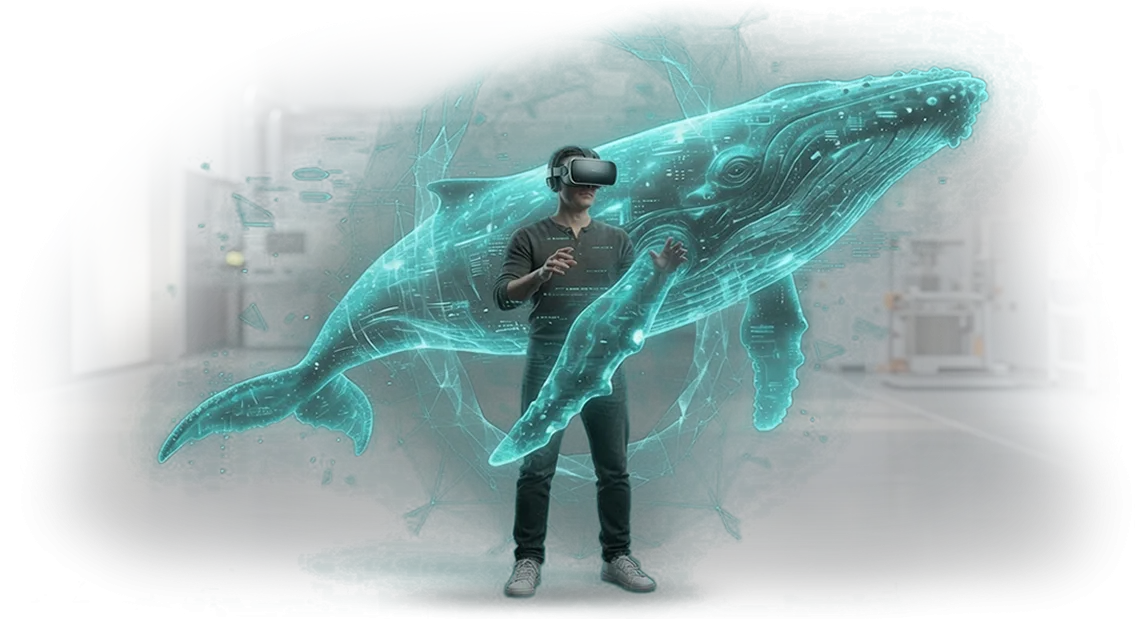
עובדים לעיתים קרובות מקשיבים בחצי אוזן לקורסים סטנדרטיים ולוובינרים. מאמנים וירטואליים יוצרים התעמקות מלאה במצבי עבודה: עובד מדבר עם בן שיח וירטואלי, מגיב לשאלות בלתי צפויות, ומנווט את התרחיש בעצמו.
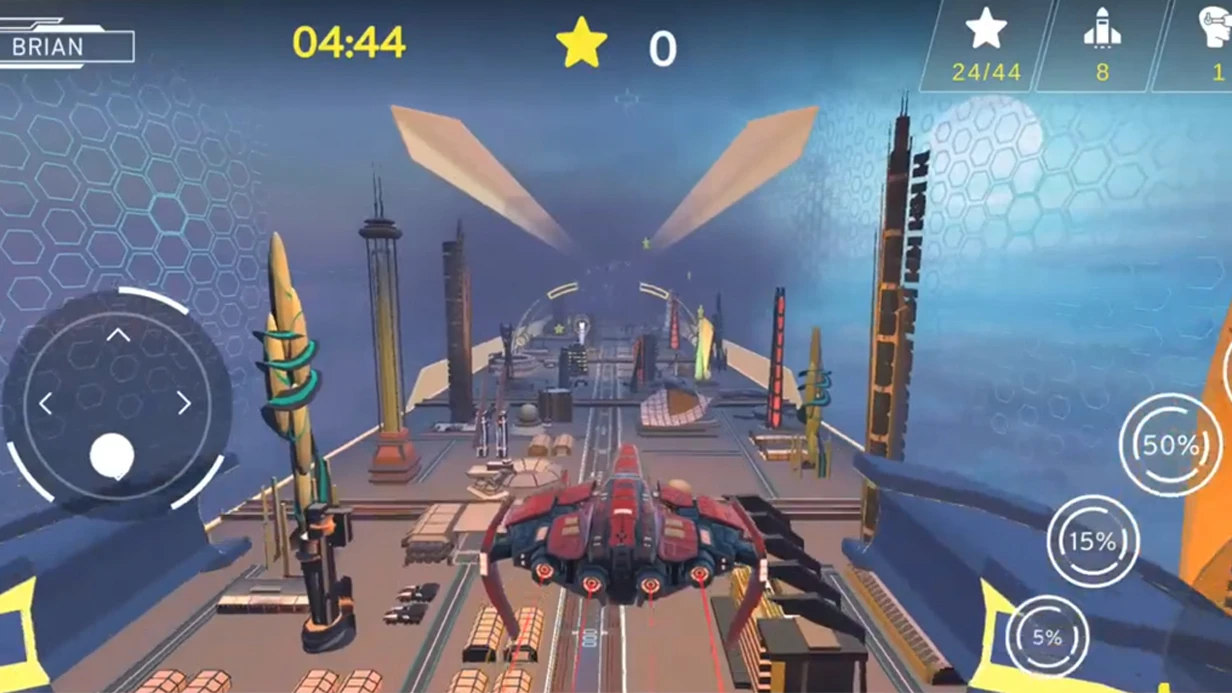
סוג כזה של אימון מרגיש כמו משחק, ולכן המעורבות של העובדים גדלה פי כמה — כולם רוצים לסיים את התרחיש ולקבל ציון גבוה.
תרגול ללא פחד מטעויות
המחסום העיקרי בלימוד שפה הוא הפחד לומר משהו לא נכון. בסביבה וירטואלית, אין עמיתים שישמעו את הטעות, ואין השלכות. עובד יכול לנסות ניסוחים שונים, לשאול שוב, ולתרגל הגייה עשר פעמים.
זה חשוב במיוחד למשא ומתן ולתקשורת עם לקוחות זרים — המיומנות מתחזקת באמצעות פעולות אמיתיות, לא על ידי שינון חוקים.
הערכה אובייקטיבית של מיומנויות
המאמן מתעד כל פעולה וכל תשובה. מקבלים נתונים על איך עובד מתמודד עם מצבים טיפוסיים: כמה מהר הוא מוצא מילים, האם הוא מגיב בנימוס, האם הוא מקפיד על נימוסים עסקיים.
ההערכה הופכת לשקופה — רואים מי מוכן למשא ומתן אמיתי ומי זקוק להכנה נוספת.
אנליטיקת למידה ברורה
החשבון האישי של המנהל מציג את ההתקדמות של כל הצוות: מספר תרחישים שהושלמו, מגמות ציונים, טעויות טיפוסיות. אין צורך להרכיב דוחות ידנית — המערכת עצמה מראה היכן העובדים משתפרים והיכן נדרש חיזוק. זה מאפשר לקבל החלטות משאבי אנוש על סמך עובדות, לא ניחושים.
פורמטים של פתרון ארגוני: מ-VR למטאוורס
כשעולה השאלה של הכשרת שפה לעובדים, קל ללכת לאיבוד בין הפורמטים. לכל אחד יש מטרה משלו: לתרגל משא ומתן עם לקוח זר זה דבר אחד, להציע את הביטוי הנכון ישירות על רצפת הייצור זה דבר אחר.
אנחנו מתאימים את הפורמט לתרחיש שלכם: היכן שצריך אפקט של נוכחות מלאה, והיכן מספיקה תמיכה נקודתית בתוך זרימת העבודה. המטרה זהה: עובדים מקבלים תרגול, והעסק רואה תוצאות מדידות במהירות ובאיכות התקשורת.
| פורמט | למי זה מיועד | מה זה נותן ללקוח |
|---|---|---|
| אימון VR | מחלקת מכירות, מנהלי משא ומתן | התעמקות מלאה בסביבת השפה: דיאלוגים עם בני שיח וירטואליים, תרגול תרחישים מורכבים ללא סיכון |
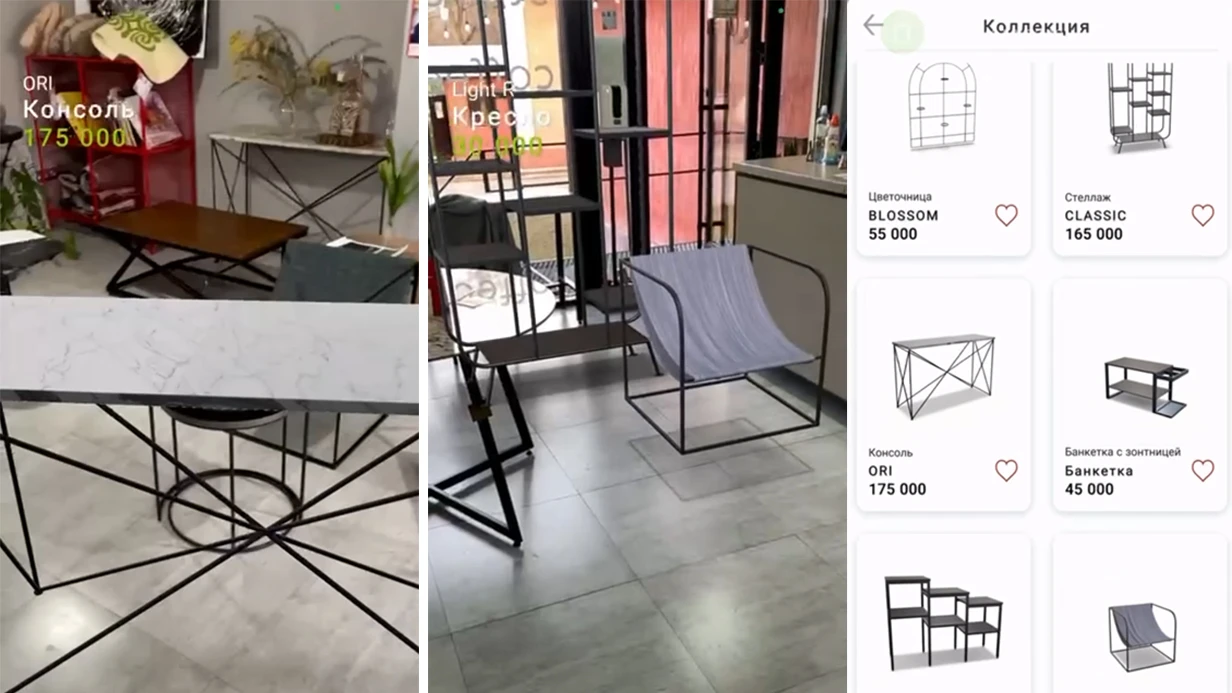
| הוראות AR | ייצור, שירות | תרגום והצעות במקום העבודה: עובדים לומדים מבלי להתנתק מהמשימה |
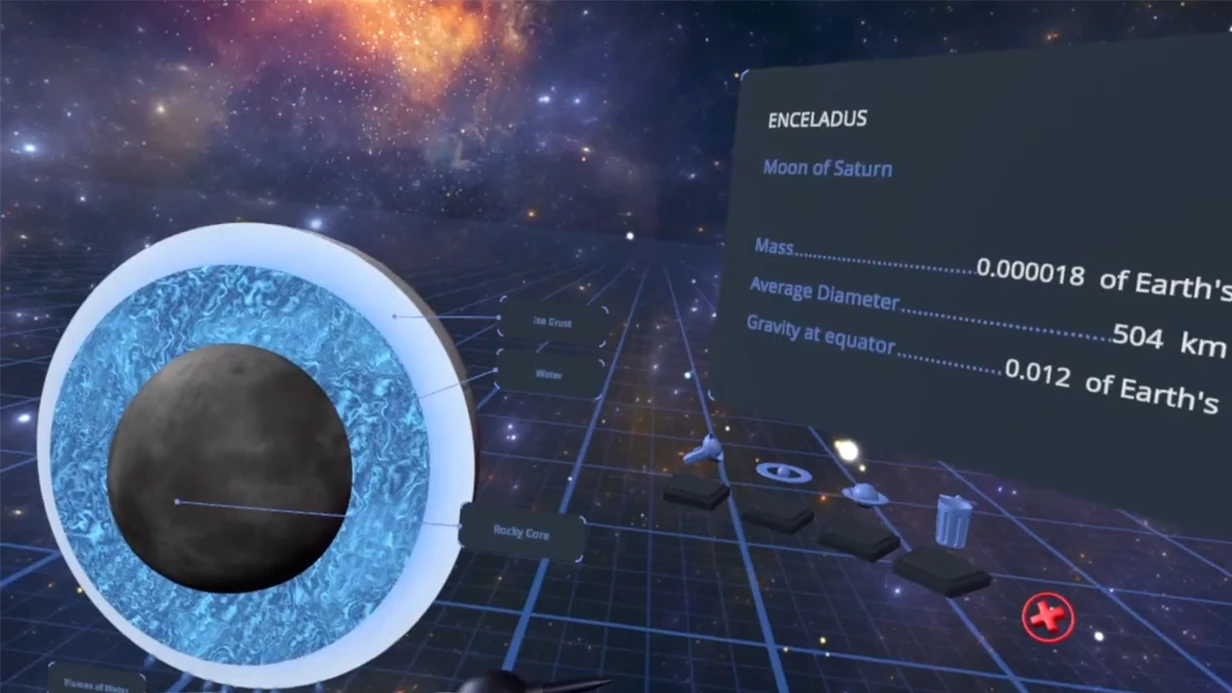
| אימון MR | צוותים שעובדים עם שותפים זרים | תרגול משותף: עמיתים אמיתיים ואובייקטים וירטואליים — משא ומתן מתורגל כצוות |
| מטאוורס ארגוני | משרדים מבוזרים | תרגול שפה מתמשך: שיעורים, מועדוני שיחה ותקשורת חיה בין משרדים ללא נסיעות עסקיות |
בחירת הפורמט משפיעה על מהירות הלמידה והתקציב: VR מספק התעמקות מהירה, AR תומך בעובדים יומיומית, בעוד MR והמטאוורס יוצרים תרגול קבוע ומקיימים את המיומנות. נעזור לכם לבחור פורמט אפקטיבי ולבנות פתרון למשימה שלכם.
איך פועל פרויקט ההטמעה: 7 שלבים
הטמעת אימון VR לעובדים נראית מורכבת עד שרואים מה קורה מאחורי הקלעים. אנחנו deliberately שומרים על תהליך שקוף: בכל שלב ברור מה אתם עושים, מה אנחנו עושים, ומתי התוצאה תופיע. פרויקט ההטמעה מחולק לשבעה שלבים — מהבריף ועד לתמיכה שוטפת.
-
בריף והתעמקות במשימה. אתם משתפים מצבי עבודה טיפוסיים וחומרי הכשרה; אנחנו מקיימים ראיונות עם מנהלים ומשתתפים עתידיים. הפלט הוא תוכנית פרויקט ברורה עם שלבים ולוחות זמנים.
-
תרחיש למידה. יחד עם המומחים שלכם, אנחנו בוחרים מקרים אמיתיים: משא ומתן, שירות לקוחות, תדריכי קליטה. אתם מאשרים את מטרות הלמידה ורואים בדיוק מה העובדים יתרגלו בסביבה הווירטואלית. יישור קו בשלב זה מגן מפני עבודה חוזרת.
-
אב טיפוס ואישור. אנחנו מציגים אב טיפוס עובד במשקפיים: סצנות מפתח, לוגיקת דיאלוג וממשק. אתם מנסים בעצמכם ועורכים שינויים לפני שמשקיעים משאבים בפיתוח מלא. זו נקודת השליטה והביטחון.
-
פיתוח תוכן. אנחנו בונים כיתות וירטואליות מלאות ומאמני דיאלוג באמצעות ציוד מקצועי וכלים מעודנים — כך שהתוצאה עקבית, ללא הפתעות. אתם מקבלים תוכנית מוכנה שצריך רק להשיק.
-
בדיקה עם עובדים. אנחנו מריצים פיילוט עם קבוצת משתתפים עתידיים: בודקים בהירות הנחיות, נוחות וערך אמיתי של התרחישים. אתם מקבלים משוב והמלצות לשיפור — לפני ההשקה המלאה.
-
השקת למידה. אנחנו מתקינים את המערכת על המכשירים שלכם, עושים אונבורדינג לכל העובדים ומעבירים תדריך קצר. הצוות מתחיל להתאמן מבלי להתנתק מתהליכי העבודה: מפגשים של 10–15 דקות שנכנסים ללוח הזמנים.
-
תמיכה ופיתוח. אחרי ההשקה, אנחנו נשארים בקשר: מעדכנים תרחישים למשימות חדשות, עוקבים אחרי סטטיסטיקות השלמה ועוזרים להרחיב את התוכנית למחלקות אחרות. ההכשרה ממשיכה לעבוד ולהניב ערך במקום להפוך לניסוי חד-פעמי.
התוצאה — הטמעת אימון VR ללא כאוס והשבתה ממושכת. אתם שולטים באבני הדרך המרכזיות, מאשרים תוצאות בשלבים מוקדמים ומקבלים תוכנית שעובדים באמת משתמשים בה.
מה כלול במסירה: ערכה לצוות משאבי האנוש שלכם
אנחנו לא רק מוסרים קוד מקור — אתם מקבלים כלי ארגוני מוכן לשימוש, שצוות משאבי האנוש יכול להשיק ולתמוך בו באופן עצמאי. הערכה מורכבת כדי לכסות הכל: מהתקנת אפליקציות ועד להערכת אפקטיביות ההכשרה.
- אפליקציות VR/AR מוכנות ללימוד שפה — תרחישי דיאלוג, מצבי תפקיד ומאמנים המותאמים לצרכים ארגוניים (משא ומתן, תמיכת לקוחות, תקשורת פנימית). הכל כבר מוגדר; כל מה שנשאר הוא להקצות גישה לעובדים.
- חומרים מתודולוגיים למרצים ולמשאבי אנוש — מערכי שיעור, כרטיסי אוצר מילים והנחיות להפעלת מפגשים קבוצתיים בסביבה הווירטואלית. אין צורך לבנות תוכנית מאפס — השתמשו בבסיס המוכן והוסיפו מקרים משלכם.
- פלטפורמת למידה עם חשבונות אישיים — עובדים רואים את המשימות, ההתקדמות ולוח הזמנים שלהם; משאבי אנוש רואים את התמונה המלאה עבור כל משתתף. הפלטפורמה עובדת על מחשבים ומכשירים ניידים ונגישה מכל מקום.
- לוח מחוונים לדיווח לצוות משאבי האנוש — סטטיסטיקות ברורות: מי לומד באופן קבוע, מי מפגר, אילו נושאים גורמים לקשיים. הנתונים מיוצאים בפורמט נוח — קל להכין דוחות להנהלה.
- הכשרה למנהלי המערכת שלכם — יום או יומיים של עבודה עם הצוות שלכם כדי שיוכלו לנהל את המערכת באופן עצמאי: להוסיף עובדים, להגדיר תרחישים, להתאים רמות קושי. אחרי זה, לא תצטרכו מפתחים.
- נהלים והוראות הפעלה — מדריכים תמציתיים למשתמשים, מנהלים ומרצים. כל מה שצריך להתחלה מהירה מרוכז במקום אחד.
- תמיכה טכנית בהשקה — אנחנו עוזרים לשלב את הפלטפורמה עם מערכת האימות הפנימית שלכם (SSO) ולוודא שהכל רץ יציב בשבועות הראשונים.
עם הערכה הזו, צוות משאבי האנוש יכול להשיק הכשרה תוך שבוע ולנטר תוצאות ללא מעורבות מפתחים. אתם מקבלים לא רק אפליקציה, אלא תהליך ניתן לניהול מלא — מהכניסה הראשונה של עובד ועד לאנליטיקה הסופית.
מקרה בוחן: איך בנינו מטאוורס לתרגול שפה לעובדים
בתוך הרשת הבינלאומית הגדולה GlobalTalk, הייתה משימה טיפוסית: עובדים יודעים את יסודות האנגלית אבל הולכים לאיבוד בשיחה חיה. קורסים ארגוניים לימדו דקדוק ולא תרגול שיחתי, ולכן השתתפות בשיחות בינלאומיות הפכה למקור לחץ.
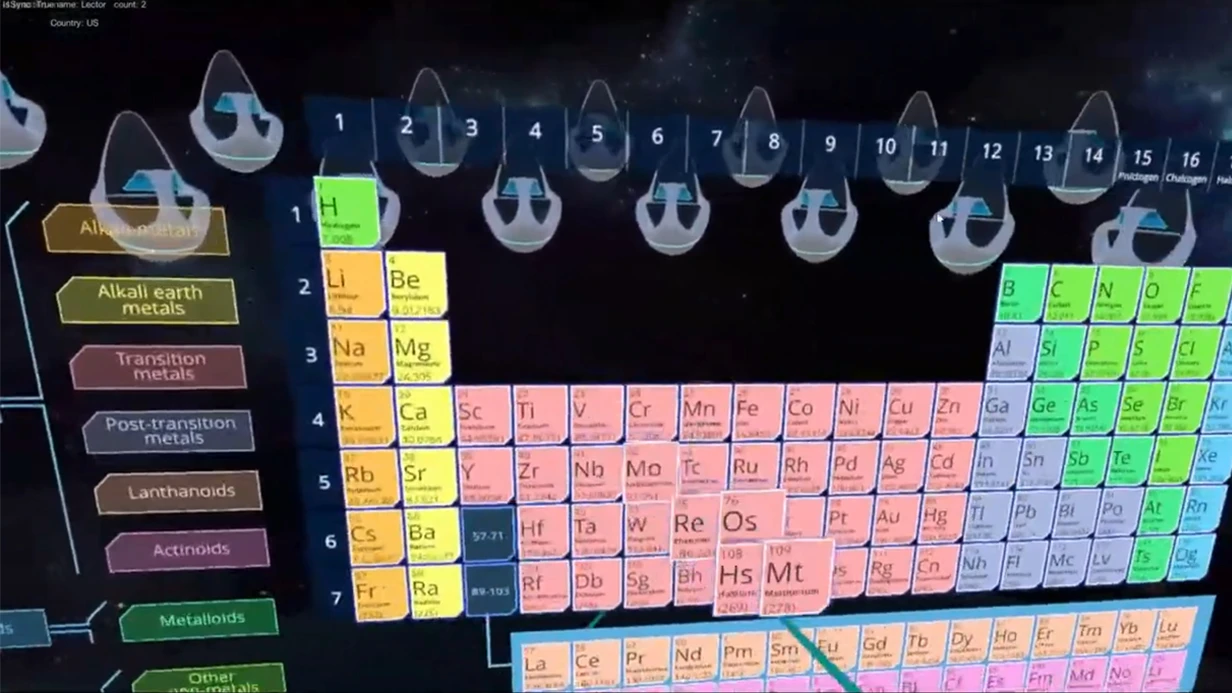
הצענו מטאוורס כמעבדת תרגול שפה. במקום וובינרים וספרי לימוד — תרחישים וירטואליים: משא ומתן עם שותף זר, מצגת מוצר, שיחה לא רשמית במסדרון ועידה.
עובד מרכיב משקפי VR, נכנס לסביבה ריאליסטית ומתרגל דיבור עם אווטארים שמגיבים כמו בני שיח חיים. התוצאה מתועדת אוטומטית, וההתקדמות נראית גם לעובד וגם למנהל הלמידה והפיתוח.
מה באמת השתנה
במשך שלושה חודשים, 120 עובדים ממחלקות המכירות והתמיכה השלימו את מעבדת התרגול. לפי מדידות פנימיות, המיומנות השיחתית גדלה בממוצע ב-40% — זו הערכה של היכולת לנהל דיאלוג, לא מבחן אוצר מילים. שביעות הרצון מההכשרה הגיעה ל-4.8 מתוך 5, הציון הגבוה ביותר בין כל התוכניות הארגוניות באותה שנה.
מנהל הלמידה והפיתוח ציין את התוצאה המרכזית: עובדים הפסיקו לפחד משיחות בינלאומיות והחלו מהר יותר לעסוק במשא ומתן אמיתי. הסביבה הווירטואלית מאפשרת להם לעשות טעויות ללא השלכות — הפחד נעלם והביטחון גדל.
זו הסיבה שהחברה הזמינה שלב שני לעובדים חדשים והרחיבה את התרחישים לכיסוי משא ומתן פנימי בין משרדים אזוריים.
זה לא סיפור חד-פעמי, אלא מערכת שמתרחבת לצוותים ומשימות שונים. אם אתם רוצים את אותה תוצאה לעובדים שלכם — בואו נדבר על התרחיש שלכם בשיחה קצרה.
איך לבחור את הפורמט הנכון למשימה שלכם?
הפורמט הנכון הוא לא האפשרות המתקדמת ביותר טכנולוגית, אלא זו שפותר משימת הכשרה ספציפית. כדי להימנע מתשלום על תוספות ועדיין לקבל תוצאות, הסתכלו על שלושה קריטריונים: מטרת התוכנית, מספר העובדים והתקציב הזמין.
התחילו מהמטרה. אם צריך להסיר את מחסום השפה וללמד עובדים לנהל משא ומתן, הערך המרכזי יהיה תרחיש וירטואלי עם דיאלוג חי ומשוב.
אם המשימה היא ללמוד אוצר מילים מקצועי ותקני תקשורת, סימולציות של מצבי עבודה עם ניתוח טעויות מספיקות. המטרה קובעת אם אתם צריכים קמפוס וירטואלי מלא או מודולים מקומיים.
הקריטריון השני הוא מספר העובדים. לצוות של 30–50 איש, כיתות וירטואליות קטנות ומאמנים אישיים עובדים היטב.
אם צריך להכשיר אלפי אנשים בערים שונות, בחרו מטאוורס ארגוני: הוא מספק מעגל למידה אחיד, איכות שיעורים עקבית ומעקב התקדמות אוטומטי.
הגורם השלישי הוא התקציב, לא כמגבלה אלא כדרך לבחור את האופק הנכון. עם השקעה צנועה, אפשר להשיק מודול פיילוט לצוות אחד, לבדוק מעורבות ותוצאות, ואז להרחיב את הפלטפורמה.
לחברות גדולות, משתלם יותר לבנות מטאוורס מלא עם תרחישים מרובים, אנליטיקה ואינטגרציה עם מערכות משאבי אנוש מההתחלה. בשני המקרים, אתם משלמים לא על טכנולוגיה, אלא על התקדמות עובדים מדידה.
הפורמט הנכון הוא זה שמתאים למטרה, מגיע לכל מי שצריך ומניב תוצאות במסגרת הזמן המתוכננת. הגדירו את המשימה — ואנחנו נבחר את האפשרות האופטימלית, מפיילוט ועד פתרון ארגוני.
ספקות נפוצים: מה אם הפרויקט לא מחזיר את ההשקעה?
כל מנהל שמשקיע בהכשרה ארגונית שואל את אותן שאלות: האם לוחות הזמנים יחליקו, האם עובדים יתרגלו לפורמט חדש, ואיך בכלל יודעים שההשקעה החזירה את עצמה.
זה נורמלי — האחריות לתוצאות היא על הצד שלכם, ואנחנו מבנים את העבודה כדי לצמצם סיכונים אלה לפני ההתחלה.
אנחנו לא מוכרים "קופסה שחורה" ללא ערבויות. הפרויקט מחולק לשלבים עם נקודות בקרה ברורות: אחרי כל אחד, אתם רואים תוצאה ביניים ויכולים להשפיע על מהלך העבודה.
מדדים מובנים מההתחלה — לא למטרות דיווח, אלא כדי שתמיד תדעו אם הפלטפורמה משרתת את היעדים העסקיים שלכם.
מה אם עובדים לא ישתמשו בפלטפורמה?
התנגדות לכלים חדשים היא הפחד הגדול ביותר של לקוחות.
לכן אנחנו מעצבים תרחישים סביב המשימות האמיתיות של העובדים שלכם, לא "רק שיעורים." אנחנו משלבים מפגשים קצרים של 10–15 דקות, גיימיפיקציה וניווט ברור — כך שכל אחד יכול להתחיל ללא הכשרה טכנית.
אנחנו גם עוזרים בהשקה: תוכנית תקשורת פנימית, חומרי אונבורדינג קצרים לצוות ותמיכה בשבועות הראשונים. אם אנחנו רואים שתרחיש לא עובד, אנחנו משפרים אותו במקום להשאיר אותו כפי שהוא.
איך מודדים אם ההכשרה החזירה את ההשקעה?
המדידות מובנות ב-KPI כבר בשלב הבריף. לדוגמה: מהירות השלמת קורס, תוצאות מבחנים לפני ואחרי, יישום מיומנויות במצבי עבודה וקיצור זמן קליטה לעובדים חדשים. אלה לא "הצלחות" מופשטות, אלא מספרים שאתם רואים בדוחות.
אנחנו מגדירים אנליטיקה שתתאים למערכת שלכם ומציגים התקדמות לכל עובד וקבוצה. אם המדד היעד לא מושג — אנחנו דנים במה לשנות: תוכן, מכניקה או תרחיש. האחריות לא מסתיימת בהשקה.
מה אם לוחות הזמנים לא יעמדו?
אנחנו מצמצמים את הסיכון להחמצת מועדים עם תוכנית שלבית שנועלת תוצאות ביניים. אתם יודעים מה ייעשה בעוד שבועיים, בעוד חודש ועד לתאריך הסופי. כל ההסכמות המרכזיות מתועדות בחוזה, כולל נוהל הקבלה.
יש לנו עשרות פרויקטים דומים מאחורינו, ולכן אנחנו קובעים לוחות זמנים ריאליים ולא שולפים מספרים מהאוויר. אם הדרישות משתנות, אתם רואים בדיוק איך זה משפיע על הזמן והתקציב — ומקבלים החלטה מושכלת.
אילו ערבויות אתם מספקים?
הערבות המרכזית היא תוצאה שמתקבלת לפי קריטריונים מוסכמים מראש. אנחנו אחראים לכך שהפלטפורמה רצה יציב, שלעובדים יש גישה ושהתוכן תואם לתוכנית המאושרת. אחרי ההשקה, יש תקופת תמיכה שבה אנחנו מתקנים בעיות במהירות ומסייעים לצוות שלכם.
אם הפיילוט חושף אזורים לשיפור, אנחנו מציעים שדרוגים ונותנים המלצות — כך שאתם מקבלים ערך לא רק במסירה, אלא לאורך כל תקופת השימוש.
מוכנים לדון במשימה שלכם — הגישו בקשה
הגישו בקשה לפרויקט, וביום הראשון נדון כיצד פורמט ה-VR יכול לחזק את תוכנית הכשרת השפה לעובדים שלכם.
הייעוץ חינמי ואינו מחייב: תקבלו פרספקטיבה עצמאית על המשימה ותבינו אילו תרחישים באמת מחזירים את ההשקעה.
אנחנו עובדים מרחוק, כך שלא משנה היכן הצוות שלכם נמצא — במשרד אחד או באזורי זמן שונים.
בהסתמך על עשרות פרויקטים ארגוניים במציאות וירטואלית ורבודה, נייעץ לכם כיצד לשלב מאמני VR במערכת ההכשרה הנוכחית שלכם ואילו מדדים לעקוב אחריהם להתקדמות.
נעבור גם על איך VR משתלב עם קורסים קיימים ושיעורים פרונטליים, כדי שלא תבזבזו את התקציב.
- ייעוץ VR — סקירת משימות, קהל ומטרות למידה
- הערכת עלות פרויקט בקנה המידה שלכם — ללא תנאים נסתרים
- גישת הדגמה — ראו איך עובדים עובדים דרך תרחישי שפה
- רשימת תרחישים המותאמים לעסק הספציפי שלכם
- תוכנית הטמעה ראשונית עם שלבים ולוחות זמנים
- המלצות על פורמט וציוד
- תמיכה בכל שלב — מהרעיון ועד ההשקה ומעבר
הגישו את הבקשה שלכם בטופס למטה או בכל דרך נוחה — נגיב תוך יום עסקים אחד. נכיר את המשימה שלכם, נציע אפשרויות פתרון ונראה איך נראית הכשרה בסביבה וירטואלית.
זה הצעד הראשון לקראת כך שהעובדים שלכם ידברו שפה זרה מהר יותר. אל תדחו את זה — ככל שנבין את הצרכים שלכם מוקדם יותר, כך הפתרון שנציע יהיה מדויק יותר ונוכל להשיק את הפיילוט מהר יותר.