



יישומי VR/AR/MR לתעשיית האנרגיה: מאיפה מתחילים?
הכשרת מומחים בתעשיית האנרגיה היא פשרה מתמדת בין בטיחות לפרקטיקה. לאפשר לעובד להתקרב לציוד אמיתי פירושו לסכן תאונות, פציעות והשבתת ייצור; לא לאפשר לו פירושו לקבל שגיאות שצצות ברגע הגרוע ביותר האפשרי.
תקנות נייר ותדריכים אינם מאפשרים לאדם לחוות את המצב, ולכן המבחן האמיתי הראשון של הכישורים קורה בשטח, כשמחיר הטעות הוא הגבוה ביותר.
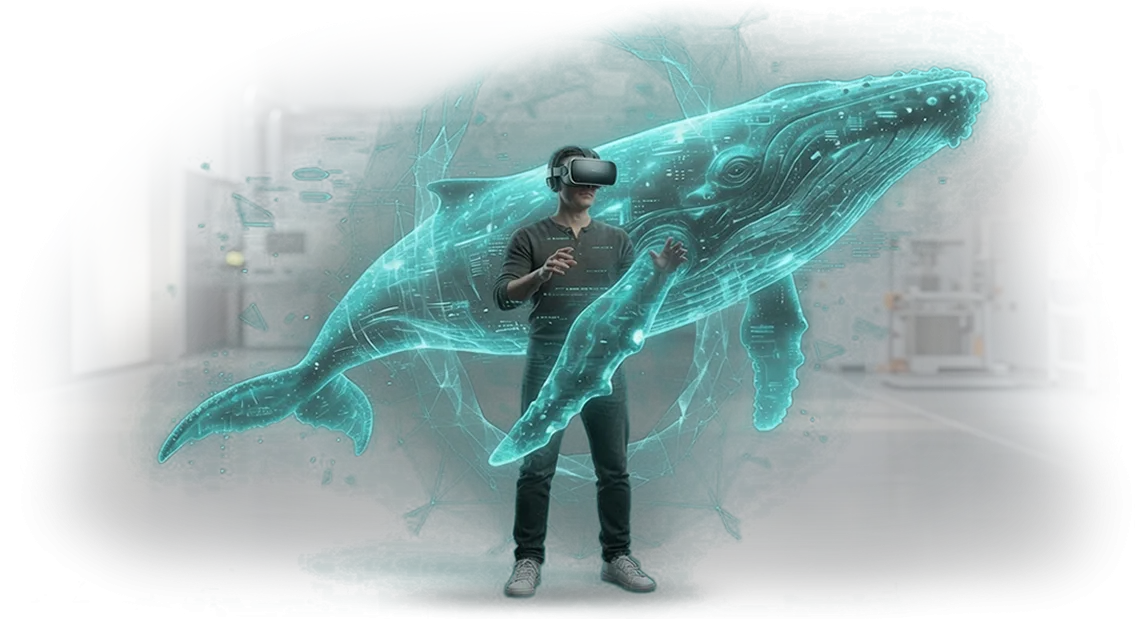
כאן נכנסות לתמונה טכנולוגיות אימרסיביות לתעשיית האנרגיה.
יישומי VR מאפשרים לעובדים לתרגל תרחישי חירום, פעולות מיתוג והליכי תיקון בעותק וירטואלי בטוח של המתקן — מבלי לעצור ציוד או לסכן את הצוות.
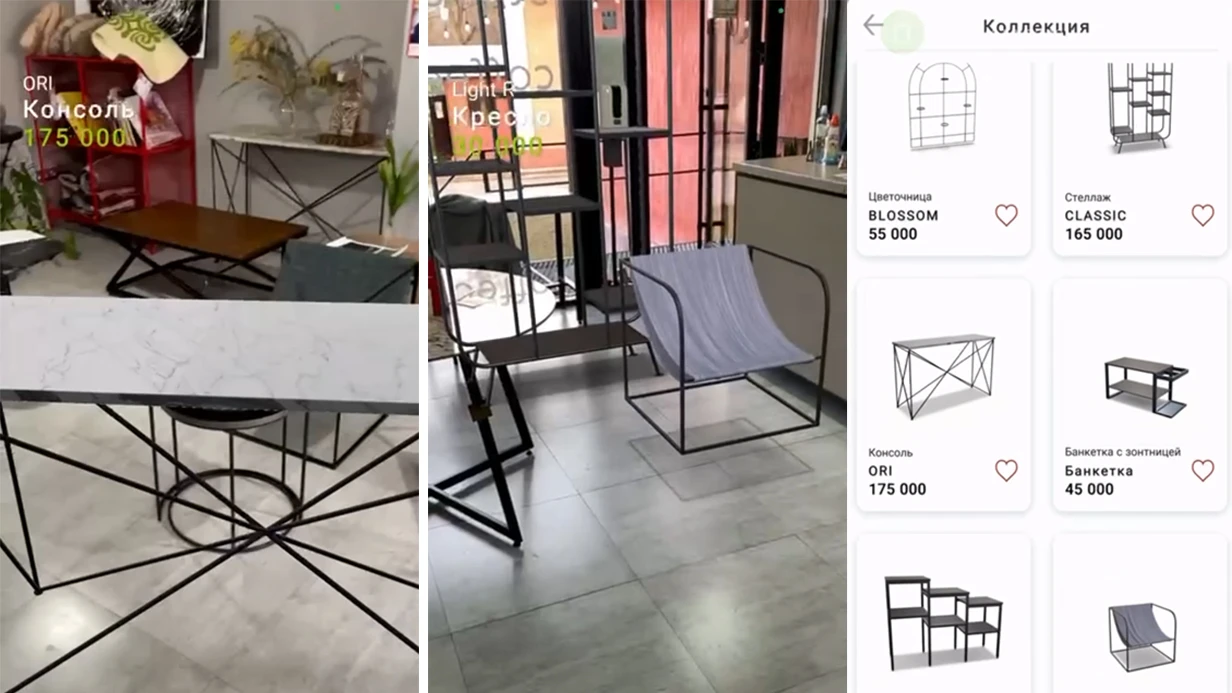
הדרכת AR מביאה רמזים ישירות לעמדת העבודה: העובד רואה הוראות המוצגות על גבי ציוד אמיתי ופועל עם מרווח שגיאה מינימלי.
פתרונות MR לתעשייה משלבים את שתי הגישות: מודלים וירטואליים מוצגים על גבי תשתית אמיתית, וההכשרה מתרחשת "כאן ועכשיו", מבלי להוציא את האדם מההקשר הייצרני.
מאיפה מתחילים? עם השאלה: איזו פעולה גורמת להכי הרבה הפסדים עקב שגיאות, השבתות או תקופת קליטה ארוכה? התרחיש הראשון נבנה סביב זה.
אנחנו עוזרים ללקוח למצוא נקודת כאב כזו, לבנות מודול פיילוט ולשלב אותו במערכת ההכשרה הקיימת כך שהתוצאה תהיה מדידה: זמן הכנת עובדים, מספר שגיאות, עלות מפגשי הכשרה ושלמות הציוד.
מה מציאות רבודה (Mixed Reality) מביאה לחברת האנרגיה שלך
במשך יותר מ-10 שנים, אנחנו בצוות שלנו עוזרים לחברות אנרגיה להפוך תהליכים מורכבים לתרחישים דיגיטליים ברורים.
מציאות רבודה מציגה הוראות, דיאגרמות וסמנים ישירות על גבי הציוד — העובד רואה רמזים בנקודת הביצוע של המשימה, במקום לחפש אותם במדריך נייר. עבור העסק, זה לא מצב הדגמה אלא כלי עבודה עם אפקט מוחשי. הנה מה שזה מספק.
- הכשרת כוח אדם מהירה. עובד חדש או עובד העובר לציוד אחר מקבל רמזים שלב-אחר-שלב ישירות בשדה הראייה שלו. זמן הקליטה מצטמצם, ומנטור מנוסה מעורב רק במצבים חריגים.
- פחות תאונות. המערכת עוקבת אחר רצף הפעולות ומתריעה על פעולות מסוכנות — למשל, פתיחת שסתום מוקדם מדי או חיבור שגוי. זה מפחית את הסיכון לשגיאות, פציעות ונזק לציוד יקר.
- ניטור נכסים מרחוק. דיספצ'ר רואה סמנים דיגיטליים של מצב המתקן ללא נסיעה לאתר. אם נדרשת התערבות של מהנדס, הוא מתחבר מרחוק ו"מצייר" הוראות ישירות בשדה הראייה של העובד בשטח.
- הפחתת השבתות. אבחון מהיר והוראות מדויקות מובילים לפעולות נכונות בניסיון הראשון. הציוד משוחזר מהר יותר, והזמן המושקע באישורים ונסיעות מיותרות מצטמצם.
- שקיפות ואנליטיקה. המערכת אוספת נתונים על אופן ביצוע הפעולות ומדגישה נקודות חולשה בהליכים. זה עוזר למנוע תקלות ולקבל החלטות על סמך עובדות, לא ניחושים.
פורמטים של יישומי MR לתעשיית האנרגיה: התאמת הפורמט למשימה
משימות שונות בתעשיית האנרגיה דורשות פורמטים שונים של מציאות רבודה ווירטואלית.
סימולטורים לכוח אדם, מודלים ויזואליים תלת-ממדיים של ציוד או סימון עצמים בעולם האמיתי — הבחירה תלויה בתוצאה שהלקוח צריך: הפחתת שיעור התאונות, האצת תיקונים או הצגת פרויקט בצורה משכנעת למשקיע.
אנחנו בוחרים את הפורמט על סמך המשימה שלך, לא על סמך טרנדים — ולהלן אנו מראים איך זה עובד בפועל.
השוו בין הפורמטים העיקריים שאנו מיישמים עבור חברות דלק ואנרגיה:
| פורמט | למי | מה הלקוח מקבל |
|---|---|---|
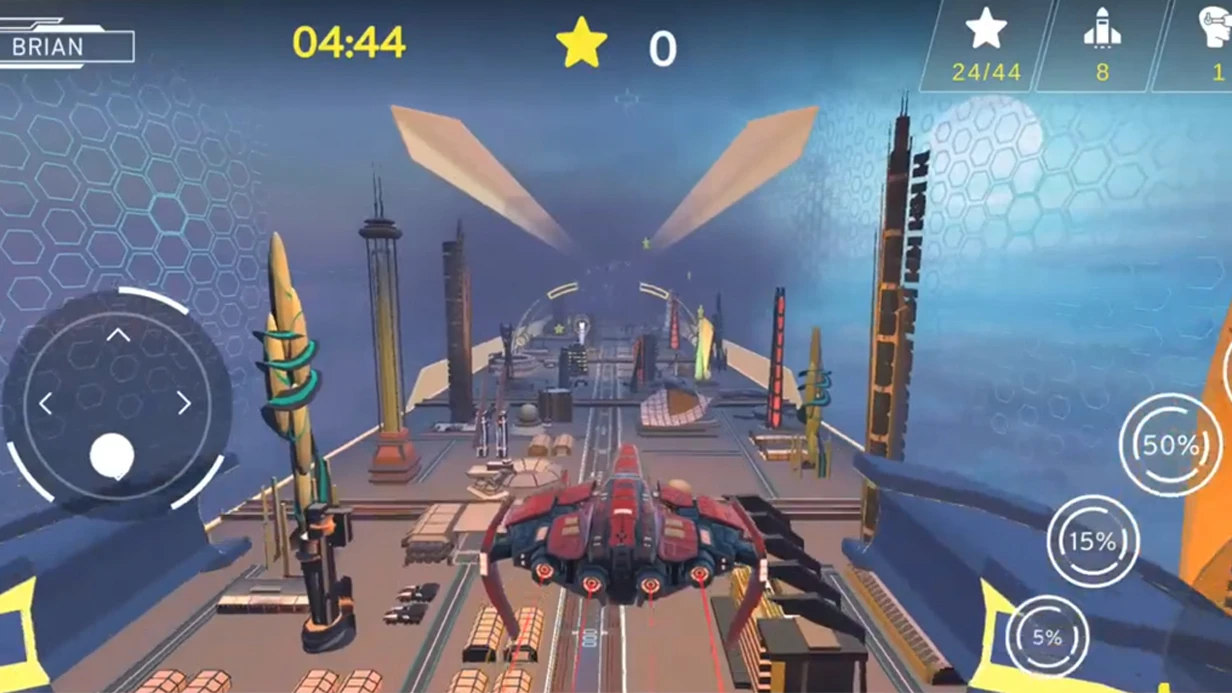
| סימולטור VR | מפעילים, דיספצ'רים, צוות טכני | תרגול בטוח של תרחישי חירום ללא עצירת ייצור; העובד צובר ניסיון לפני עבודה על מתקן אמיתי |
| הוראות AR | צוותי תיקון, מהנדסי שירות | רמזים שלב-אחר-שלב ישירות בשדה הראייה: פחות שגיאות, תיקונים מהירים יותר, העברת ידע קלה יותר למתחילים |
| פרויקטי MR | מתכננים, מנהלים, משקיעים | מודל דיגיטלי של ציוד מוצג על גבי החלל האמיתי — ניתן לראות לפני ההתקנה כיצד הכל ישתלב ויתפקד |
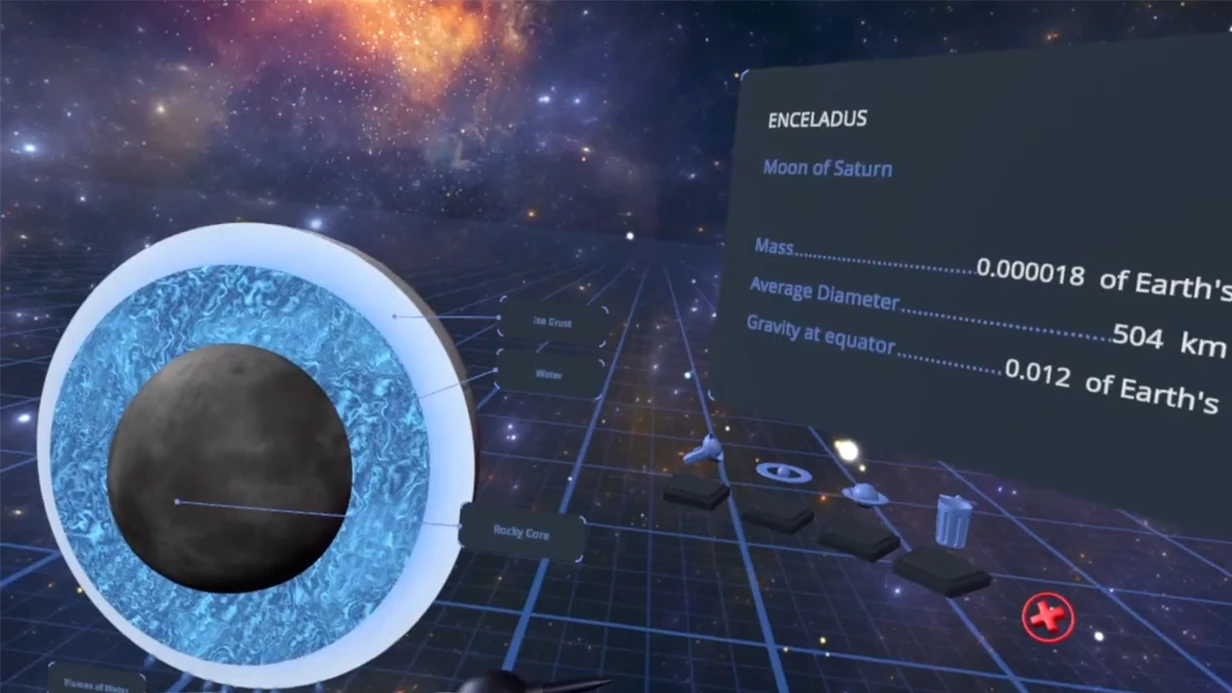
| מודלים תלת-ממדיים של ציוד | מרכזי הכשרה, מחלקות מכירות | לימוד מפורט של ציוד ללא גישה למתקן; הדגמה מרשימה של יכולות ללקוחות ושותפים |
לעתים קרובות פרויקט אחד משלב כמה פורמטים: למשל, VR להכשרה ראשונית ו-MR לתרגול מיומנויות ישירות באתר. אנחנו מתכננים פתרון אחיד כך שלא תצטרכו להזמין פיתוח כפול לכל משימה או לשלם יותר מדי עבור פונקציונליות מיותרת.
איך פרויקט מתנהל: מהבריף ועד ההשקה
פיתוח יישומי MR לתעשיית האנרגיה הוא תהליך שחייב להיות שקוף וניתן לניהול: כל תקלה במתקן או השבתת צוות עולה כסף.
לכן הקמנו תהליך עבודה שלבי עם נקודות בקרה ברורות ומעורבות שלך בשלבים מרכזיים: מבריף יישום MR ועד השקת הפתרון ותמיכה שוטפת.
- בריף ליישום MR והתעמקות במשימה. אתה מתאר את המטרה: הכשרה, בטיחות או הצגה. אנחנו מבהירים את הפרטים הספציפיים של המתקן ומתעדים את הדרישות כך ששום דבר לא יאבד.
- עיצוב התרחישים והתכנית. אנחנו מציעים קונספט פתרון ועורכים תכנית עבודה עם לוחות זמנים ושלבי פיתוח. אתה מבין מיד מתי התוצאה תהיה מוכנה.
- אישור הפרויקט. אתה מאשר את האב-טיפוס, ההיגיון ומערך התכונות. זה מאפשר לך לבצע שינויים לפני תחילת הפיתוח, כשהתיקונים עדיין זולים.
- פיתוח והדגמות ביניים. אנחנו יוצרים את היישום ומציגים גרסאות ביניים. אתה רואה התקדמות ומתקן פרטים, לא רק את התוצאה הסופית.
- בדיקה על מכשירים אמיתיים. יחד איתך ועם משתמשים עתידיים, אנחנו בודקים שימושיות ואמינות. אנחנו מתקנים ליקויים לפני שהפתרון עולה לאוויר.
- השקה והטמעה. אנחנו מתקינים את היישום על המכשירים שלך ומכשירים עובדים. הוא מוכן לשימוש ישירות במתקנים.
- תמיכה והתפתחות. לאחר ההשקה, אנחנו נשארים בקשר: מעדכנים תוכן, מוסיפים תכונות ומנטרים יציבות.
מה אתה מקבל לאחר ההטמעה
הטמעת פתרון MR היא לא רק התקנת תוכנה. אתה מקבל כלי עבודה שמוטמע בתהליכים שלך ומספק תוצאות מיידיות: פחות שגיאות כוח אדם, אכלוס מהיר יותר ועבודות תיקון בטוחות יותר.
הנה מה שכלול בחבילת המסירה הסטנדרטית:
- יישום מוכן המותאם למשימה שלך — לא גרסת הדגמה אלא פתרון עבודה המותאם למתקן אנרגיה ספציפי: תחנת משנה, בית מלאכה או צינור.
- תיעוד טכני — הוראות ברורות להתקנה, הגדרה ותחזוקה. המומחים שלך יכולים להבין את זה ללא תלות מתמדת בקבלן.
- הכשרת מפעילים — אנחנו מקיימים מפגשים מעשיים לצוות, מהפעלה פשוטה ועד עבודה במצבי חירום. הצוות מתחיל להשתמש בכלי בביטחון מיד, ללא תקופת הסתגלות ארוכה.
- אינטגרציה עם מערכת הבקרה שלך — היישום מחליף נתונים עם מערכת הניהול שלך: הוא שולף פרמטרים עדכניים, מתעד תוצאות בדיקות ושולח דוחות. אתה מקבל תמונה אחידה ללא העברת נתונים ידנית.
- קוד מקור וזכות לשינוי — אתה לא "נעול" איתנו. אתה מקבל את קוד המקור והזדמנות חוקית לבצע שינויים עם הצוות שלך או קבלן אחר.
- תמיכה לאחר ההשקה — תקופת אחריות שבה אנחנו מתקנים בעיות במהירות ועוזרים בתפעול. זה מסיר את החשש משימוש בכלי חדש.
חבילה זו מכסה את הסיכונים המרכזיים של הלקוח: תלות בספק, אובדן ידע כשעובדים עוזבים ועיכובים עקב אינטגרציה לא תקינה. אתה מקבל לא "קופסה שחורה" אלא כלי ברור שנשאר איתך ועובד עבור העסק שלך.
מקרה בוחן: איך חברת אנרגיה קיצצה את זמן האישורים
בתעשיית האנרגיה, כל טעות עולה ביוקר: תקלת ציוד בתחנת משנה משביתה אזורים שלמים, והכשרת צוות על מתקנים אמיתיים היא תהליך ארוך ומסוכן.
רוב התאונות מתרחשות עקב פעולות שגויות של עובד שמעולם לא ראה יחידה מורכבת מקרוב. לכן החלטנו להראות כיצד מציאות רבודה עוזרת לפתור בעיה זו.
פיתחנו יישום MR עבור חברת הפצה גדולה, EnergoSet. המפעיל מרכיב משקפת ורואה מולו דיאגרמה תלת-ממדית של הציוד, עם רמזי תיקון ובטיחות. הנתונים מוצגים ישירות על גבי המתקן האמיתי — אין צורך לקרוא מדריך או להתקשר למנטור.
הטמעת ה-VR/AR שינתה את כל תהליך אישור התיקונים. מהנדס רואה את נקודת התקלה המדויקת, יוצר מיד בקשה, ומומחה בכיר מאשר אותה בממשק היישום ללא נסיעה לאתר.
שרשורי דוא"ל ארוכים, המתנה למומחה ובדיקות חוזרות נעלמו — החלטות מתקבלות תוך דקות.
תוצאות הפרויקט
בששת החודשים הראשונים לפעילות, ההכשרה לעובדים חדשים הואצה ב-40%: במקום שבועיים של הרצאות, הם שולטים בחומר בשמונה ימים ומיד עובדים עם ציוד אמיתי תחת פיקוח המערכת.
השגיאות בפעולות שגרתיות ירדו ב-30%, כלומר סיכון נמוך יותר לתאונות ועלויות נמוכות יותר עבור ביקורים חוזרים באתר.
החיסכון בהכשרה מהשקת קבוצת פיילוט אחת בלבד כיסה את עלות פיתוח היישום. החברה גם ציינה הפחתה פי שלושה בזמן אישור הבקשות — המנהל רואה את הסטטוס של כל עבודה בזמן אמת, והנתונים זורמים אוטומטית לדיווח.
לאחר פיילוט מוצלח, הלקוח הרחיב את הפרויקט לכל תחנות המשנה האזוריות. זהו תרחיש טיפוסי במגזר האנרגיה: כשהצוות רואה דוגמה להטמעת VR/AR עם תוצאות מדידות, ההחלטה להרחיב מתקבלת במהירות.
איך לבחור את הפורמט המתאים למשימה שלך?
אין פורמט VR, AR או MR אוניברסלי — הפתרון תמיד נשען על שלושה קריטריונים: היקף המשימה, מספר כוח האדם והפרטים הספציפיים של התשתית שלך.
לכן, הצעד הראשון הוא לא לבחור טכנולוגיה אלא להגדיר בבירור את התוצאה הרצויה: להכשיר מפעילים במהירות, לתרגל תרחישי חירום נדירים או להפחית השבתות ציוד.
ההיקף קובע את מספר עמדות העבודה ואת עומק הפירוט. אם צריך להכשיר קבוצה קטנה של עד 10 אנשים, מספיקה כיתת ניידת אחת עם משקפות עצמאיות.
אם מדובר במשמרת שלמה או בכמה סניפים, תצטרך פריסת שרת עם סנכרון כך שמספר עובדים יוכלו לעבור את התרחיש בו-זמנית. אנחנו בוחרים תצורה על סמך היקף המשימות בפועל שלך, ולא כופים חבילה מקסימלית.
מספר כוח האדם משפיע ישירות על התקציב ועל לוח הזמנים של ההטמעה. להכשרה שוטפת של עשרות עובדים, הגיוני לשלב סימולטורים וירטואליים במערכת הלמידה מרחוק הקיימת — זה מפחית את העלות של כל השקה עוקבת.
לאירועים חד-פעמיים, השכרת ציוד המוגדר לתרחיש שלך מספיקה. אנחנו עוזרים לך לבחור אפשרות חסכונית כך שלא תשלם עבור יכולות שאינן בשימוש.
תשתית היא הגורם השלישי שלעתים קרובות שוכחים אותו. אנחנו בודקים אם יש רשת יציבה במתקנים, אם למחשבים יש מספיק כוח עיבוד, ואם החלל מאפשר אזור הכשרה בטוח.
לפעמים הפורמט הטוב ביותר הוא לא VR אימרסיבי מלא אלא מציאות רבודה, שמציגה רמזים על גבי ציוד אמיתי ואינה דורשת שטח ייעודי.
אנחנו לא "מוכרים" פורמט ספציפי; אנחנו בוחרים אותו למשימה שלך לאחר אבחון מהיר. אנחנו מספקים לוחות זמנים ריאליים להטמעה, מציינים אילו שלבים ניתן להשיק ראשונים ונותנים תחזית החזר השקעה.
כתוצאה מכך, אתה מקבל פתרון שמתאים לתקציב ומתחיל לעבוד מיד, ללא עבודות חוזרות.
אנחנו עונים על שאלות נפוצות לגבי הטמעה
הטמעת יישום MR בתעשיית האנרגיה היא לא "ניסוי בטכנולוגיות" אלא תוצאה צפויה. לכן אנחנו מדברים בכנות על לוחות זמנים, אחריות ומה יידרש מהצוות שלך. להלן השאלות שהכי מעסיקות מנהלים לפני תחילת פרויקט.
מה אם היישום לא מתאים לדרישות הספציפיות שלנו?
אנחנו לא מתחילים מתבנית מוכנה אלא מניתוח התרחישים שלך: הכשרת כוח אדם, בקרת הרכבה, הוראות מרחוק. היישום מותאם לתהליכים ולציוד האמיתיים שכבר קיימים במתקנים.
לפני ההשקה, אנחנו מריצים פיילוט באתר אחד או בבית מלאכה אחד. אתה רואה את התוצאה בפעולה, מבצע עריכות, ורק אז אנחנו מרחיבים את הפתרון למיקומים אחרים.
כמה מורכבת תהיה האינטגרציה עם המערכות שלנו?
ברוב המקרים, אין צורך לשנות את התשתית הקיימת. יישום ה-MR עובד על משקפות מקצועיות ומתחבר לנתונים שלך דרך ערוץ מאובטח, ללא שכתוב מערכות הנהלת חשבונות.
העובדים מקבלים הוראות פשוטות: אפילו עובדים ללא ניסיון טכני לומדים את השליטה בתדריך קצר אחד.
כמה זמן אורך ההטמעה?
פרויקט טיפוסי אורך בין שלושה שבועות לחודשיים, תלוי במספר התרחישים והמתקנים. אנחנו קובעים את השלבים בתכנית לפני תחילת העבודה: בריף, אב-טיפוס, פיילוט, השקה. אנחנו מסכימים על כל נקודות הבקרה איתך, כך שלוח הזמנים שקוף מההתחלה.
אילו אחריות אתם מספקים לפתרון MR?
אנחנו מפרטים את רמת התמיכה וזמן התגובה בחוזה. האחריות מכסה את היישום והציוד, ולאחר ההשקה אתה מקבל עדכונים שוטפים ותמיכה טכנית, עם מומחה זמין בשעות העבודה.
אם משהו משתנה בתהליכים שלך, אנחנו מתאימים תרחישים במסגרת ההסכם הקיים. הטמעת יישום MR אינה מסיחה את הדעת מהעבודה המרכזית ואינה דורשת מחלקת IT נפרדת.
אנחנו לוקחים על עצמנו את כל הסיכונים — מהפיילוט ועד לתמיכה לאחר ההשקה — ואתה מקבל אפקט מדיד: הכשרה מהירה יותר, פחות שגיאות ובטיחות גבוהה יותר לכוח האדם.
הזמן פתרון MR עבור תעשיית האנרגיה שלך
בתעשיית האנרגיה, מחיר הטעות גבוה במיוחד: הבטיחות של אנשים ופעילות יציבה של ציוד תלויים במהירות ובנכונות של פעולות הצוות.
פתרונות MR מאפשרים להכשיר עובדים על מודלים וירטואליים מבלי לעצור ייצור או ליצור סיכונים. אבל הערך של פיתוח כזה מתגלה רק עם משימה מוגדרת בבירור — וכאן אתה צריך שותף מנוסה.
במשך יותר מעשר שנים, אנחנו בצוות שלנו יוצרים יישומי MR לתעשייה ולאנרגיה. אנחנו עוזרים ללקוחות לעבור מרעיון להשקה: מייעצים, מציעים פורמט מתאים ומכינים הערכת עלות שקופה. הזמנת יישום MR אורכת רק כמה צעדים.
- שלח בקשה לפיתוח — תאר את המשימה שאתה פותר והיכן הפתרון ישמש.
- קבל ייעוץ AR: נבהיר מטרות, קהל ותנאי הפעלה.
- בחר את הפורמט יחד איתנו: סימולטור, שכבת הוראות או עוזר על ציוד אמיתי.
- נתעד את הדרישות ונכין הערכת עלות ולוחות זמנים — ללא תנאים נסתרים.
- נסכים על ההערכה, נחתום חוזה ונתחיל בפיתוח.
- לאחר ההטמעה, נכשיר עובדים ונישאר זמינים לתמיכה.
תהליך זה מבטל אי-הבנות: אתה יודע מראש מה תקבל, באיזה לוח זמנים ובאיזה אפקט. שלח בקשה או בקש ייעוץ — נדון במשימה שלך ונציע פתרון שישתלם.