



אתגרי תעשיית הפארמה: מדוע מצגות לא מצליחות להביא לקוחות
אחת הבעיות הגדולות ביותר בפארמה בתערוכות היא שלא ניתן להציג מוצר על גבי שקופית. מנגנון פעולה, תוצאות מחקר, יתרונות על פני תחליפים—כל זה נכנס לעשרות עמודים שרופא דפדף בהם ללא עניין.
אותו סיפור מתרחש גם בדוכן התערוכה: עשרות מצגות עוברות ביום אחד, תשומת הלב מתפזרת, והתרופה שלך הופכת לאחת מני רבות.
יעילות נמוכה של מצגות פוגעת ישירות בתקציב. הדוכן, חומרים מודפסים והצוות עולים הרבה, בעוד הלקוח עוזב ללא רושם בלתי נשכח.
שבוע לאחר מכן, הוא לא יזכור לא את השם ולא את היתרון המרכזי—כך אובדות עסקאות שהיו יכולות להיסגר במקום.
בפארמה, ההחלטה מתקבלת על ידי יותר מאדם אחד: הרופא, ראש המחלקה, מנהל הרכש. כל אחד מהם זקוק לנימוק שונה, אבל המצגת זהה. כך דוכן סטנדרטי הופך לחלוקה יקרה של ברושורים במקום לכלי מכירה.
אנחנו פותרים את נקודת הכאב הזו עם יישומי MR (מציאות מעורבת).
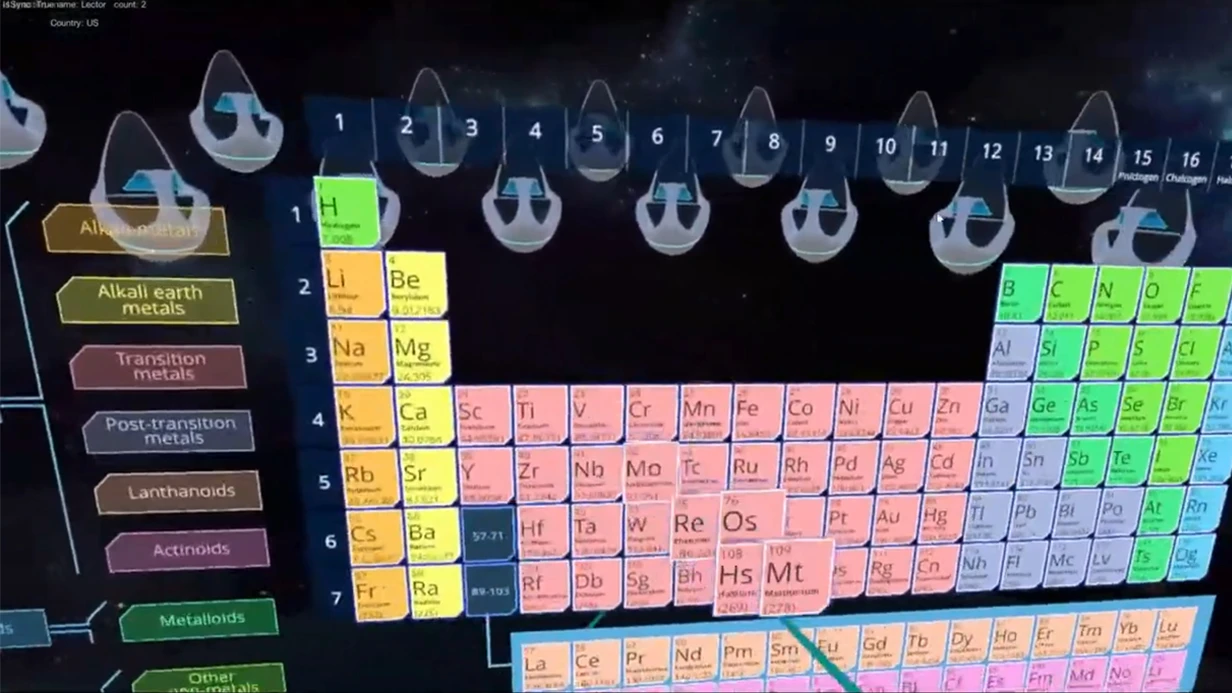
הרופא מרכיב את המולקולה בעצמו, רואה את פעולת התרופה בתלת-ממד, ומשווה אותה לתחליפים—כתוצאה מכך נוצר דיאלוג חי שמחזיק תשומת לב ומספק נימוקים לשיחות עם עמיתים.
הפורמט הזה משנה את חוקי המשחק בדוכן התערוכה: במקום "תסתכל על השקופית," זה הופך להשתתפות בתהליך.
הלקוח זוכר את המוצר, משתף את הרושם, וחוזר לאחר התערוכה—עם שאלה ספציפית, לא רק עניין כללי.
מה מציאות מעורבת יכולה לעשות עבור המותג שלך
מוצר תרופתי קשה להצגה: אי אפשר להניח מולקולה על שולחן, ורופאים רואים דיאגרמות של מנגנון פעולה עשרות פעמים ביום.
מציאות מעורבת פותרת את הבעיה הזו—היא מרבדת אובייקטים דיגיטליים על העולם האמיתי, והופכת נתונים מופשטים לסיפור תלת-ממדי ששווה לבחון ולזכור.
רשימת יתרונות עבור המותג שלך
-
מעורבות קהל. רופא ש"מסובב" את המולקולה ורואה כיצד התרופה פועלת על הקולטן זוכר אותה הרבה יותר טוב מאשר לאחר שקופיות. אינטראקטיביות מחזיקה תשומת לב למשך 5–7 דקות—מספיק זמן כדי ליצור תמונה מתמשכת של המותג שלך.
-
בהירות ויזואלית של המוצר. מנגנון פעולה, זמינות ביולוגית, השוואה עם מתחרים—כל זה ניתן להצגה בתלת-ממד עם יישום MR. במקום מילים, המומחה רואה את התהליך בעיניו ומבין את ערך המוצר מהר יותר.
-
יותר אנשי קשר. הדגמות MR מושכות מבקרים לדוכן, מעוררות שיחות ומייצרות אזכורים אורגניים במדיה החברתית. כל מגע בכנס הופך לדיאלוג על המוצר שלך—לא "תודה על הברושור" מנומס.
-
הכרת מותג. פורמט יוצא דופן מבדל אותך בין עשרות דוכנים עם חומרים מסורתיים. המשתתפים זוכרים את החברה שהעניקה להם חוויה חדשה וחוזרים מאוחר יותר לייעוץ.
אנחנו מתכננים פתרונות MR למשימות שיווק תרופתי—מהכשרת נציגים רפואיים ועד דוכנים אינטראקטיביים בכנסים. אנחנו עוזרים לך לבנות תקשורת כך שכל הדגמה תעבוד עבור המוצר והמותג שלך.
פורמטים של פרויקטי מציאות מעורבת לפארמה
בפארמה, קריטי להעביר מידע על תרופות בצורה מדויקת ומהירה: איך הרופא תופס את המוצר ורושם אותו למטופלים תלוי בכך.
הרצאות וברושורים קלאסיים עמוסים במונחים—מציאות מעורבת מציגה את פעולת התרופה בצורה ויזואלית ומערבת את המומחה בתהליך. לשיווק, זו דרך לבלוט בתערוכות ובכנסים.
פורמטי MR נותנים מענה לשלוש משימות מרכזיות: הכשרת רופאים, מצגות מוצר ותרגול מיומנויות. במקום שקופיות מופשטות—מודל תלת-ממדי של המולקולה, מטופל וירטואלי או סימולציה של אינטראקציה עם קולטן.
אילו פורמטי MR משמשים בפארמה
| פורמט | למי | מה זה נותן ללקוח |
|---|---|---|
| הכשרת רופאים | נציגים רפואיים, מחלקות רפואיות | מקצר את זמן ההכשרה, משפר את שימור החומר |
| מצגות אינטראקטיביות | שיווק, מחלקת מכירות | מחזיק תשומת לב, מבדל את המוצר מהמתחרים |
| סימולטורים וירטואליים | מרכזי הכשרה, חברות פארמה | תרגול מיומנויות ללא סיכון למטופל, הדמיית מקרים נדירים |
כל פורמט משתלב בתהליכים קיימים: הוא עובד על טאבלט או משקפי מציאות רבודה ואינו דורש שינויי תשתית. אנחנו מטפלים בפיתוח ובאינטגרציה, והצוות שלך מקבל כלי מוכן לשימוש למשא ומתן ולהכשרה.
התוצאה—מחזורי הכשרה קצרים יותר, פחות שגיאות מרשם, ונאמנות מוגברת של רופאים למותג. פורמט אינטראקטיבי אחד מחליף עשרות שעות של הרצאות ומניע הזמנות חוזרות.
איך אנחנו מפתחים יישום מציאות מעורבת למשימה שלך
אנחנו מבינים: אתה לא צריך "תהליך פיתוח" לשם עצמו, אלא תוצאה צפויה—יישום מציאות מעורבת עובד המותאם למשימה הפארמצבטית שלך.
לכן בנינו את העבודה שלנו כך שבכל שלב תוכל לראות מה קורה, מתי זה יהיה מוכן, ומה צריך לאשר. אין הפתעות נסתרות ואין פרטים טכניים במקום תשובות.
-
בריף וטבילה במשימה. אנחנו מקשיבים בדיוק לבעיה שאתה פותר: הכשרת מפיצים, מצגות תרופות לרופאים, הדרכת צוות או הדגמת ציוד. אנחנו מתעדים את המטרות, קהל היעד ותרחיש השימוש הרצוי. התוצאה—מפרט טכני מוסכם ששני הצדדים מבינים.
-
תוכנית פרויקט ולוח זמנים. אנחנו מפרקים את העבודה לשלבים, מגדירים מועדים לכל אחד ומקצים אחראים. אתה מקבל לוח זמנים לפני תחילת הפיתוח—עם תאריכים להדגמה ולתוצאה הסופית. לוח הזמנים מקובע בחוזה כך שמועדים הם התחייבות, לא הבטחה.
-
אב טיפוס ותרחיש אינטראקציה. אנחנו יוצרים אב טיפוס: איך עובד או רופא יראו אובייקטים, אילו פעולות הם יבצעו, אילו רמזים הם יקבלו. אנחנו מסכימים על ההיגיון לפני השקעת משאבים גדולים בפיתוח.
זה מסיר את הסיכון שהיישום המוגמר יתברר כלא נוח או לא פותר את המשימה.
-
פיתוח היישום. אנחנו ממלאים את אב הטיפוס בתוכן: מודלי תרופות בתלת-ממד, דיאגרמות אנטומיות, הוראות אינטראקטיביות וממשק. אנחנו מציגים גרסאות ביניים—אתה רואה איך המוצר גדל ויכול להתאים פרטים בזמן.
-
בדיקה על מכשירים אמיתיים. אנחנו בודקים את היישום על הציוד שהעובדים או הרופאים שלך באמת משתמשים בו. אנחנו מוודאים שהכל עובד ביציבות, לא גורם לאי נוחות בשימוש, ובאמת משיג את המטרות—לדוגמה, מאיץ הכשרה או הופך מצגות למשכנעות יותר.
-
השקה ותמיכה. אנחנו עוזרים להתקין את היישום, להכשיר את הצוות שלך, ובמידת הצורך, מספקים תמיכה לאחר ההשקה ומשפרים תרחישים. אתה מקבל לא "מוצר גולמי," אלא כלי עובד שמשתלב בתהליכים שלך.
התוצאה—תהליך פיתוח יישום מציאות מעורבת ברור ללא מועדים שהוחמצו או הוצאות בלתי צפויות. בכל שלב, אתה יודע מה קורה ונשאר בשליטה על התוצאה.
מה כלול במסירה ומה אתה מקבל
מסירה שקופה פירושה שאתה מבין מה אתה מקבל בכל שלב ואיך להשתמש בזה. אנחנו מבנים את ההעברה כך שלאחר השחרור הצוות שלך יוכל לעבוד במהירות עם הפתרון באופן עצמאי.
הנה מה שכלול בחבילה ומתי אתה מקבל את זה:
- אב טיפוס עובד—תוך 2–3 שבועות, אתה רואה את התרחיש המרכזי בפעולה ויכול להתאים אותו לפני השלב הראשי.
- היישום הסופי—מוכן להשקה, עם הוראות התקנה ותמיכה טכנית לאחר השחרור.
- חומרי מקור וזכויות—קוד, עיצובים ומודלים תלת-ממדיים נשארים אצלך; אתה לא תלוי בקבלן.
- תיעוד מנהל ומשתמש—תיאור ברור כיצד לפרוס, לעדכן ולהשתמש בפתרון בפועל.
- הכשרת צוות—אנחנו מקיימים מפגש, עוברים על תרחישים טיפוסיים, עונים על שאלות ומחזקים תהליכי עבודה.
- תוכנית פיתוח ותמיכה—אנחנו מתעדים מה לשפר בהמשך ונשארים בקשר לאיטרציות עתידיות.
בפרויקט פארמה טיפוסי, זה עובד כך: ראשית, אתה מאשר את התרחיש ואב הטיפוס, ואז אתה מקבל את הגרסה הסופית וסט מלא של חומרים יחד עם תיעוד.
אם אנשים אחראיים בצוות שלך משתנים, הפרויקט לא נתקע—כל ההסכמות וההוראות כבר מתועדות.
אנחנו לא נוטשים אותך לאחר המסירה: אנחנו תומכים בהטמעה, מכשירים עובדים ועוזרים לפתח את הפתרון. אתה מקבל לא רק יישום, אלא כלי עובד שמחזיר את ההשקעה מהר יותר—ללא מומחים חיצוניים ותקופת הטמעה ארוכה.
מקרה בוחן: איך חברת פארמה הגבירה את עניין הרופאים בתרופה
אחד הפרויקטים שלנו כלל חברת פארמה שהתכוננה להשיק תרופה חדשה לשוק.
בכנס רפואי גדול, רופאים חלפו על פני דוכנים סטנדרטיים: ברושורים ופוסטרים לא הצליחו להעביר את מנגנון הפעולה, כך שהעניין דעך במהירות. הצענו להחליף את המצגת הקלאסית בתרחיש אינטראקטיבי של מציאות מעורבת.
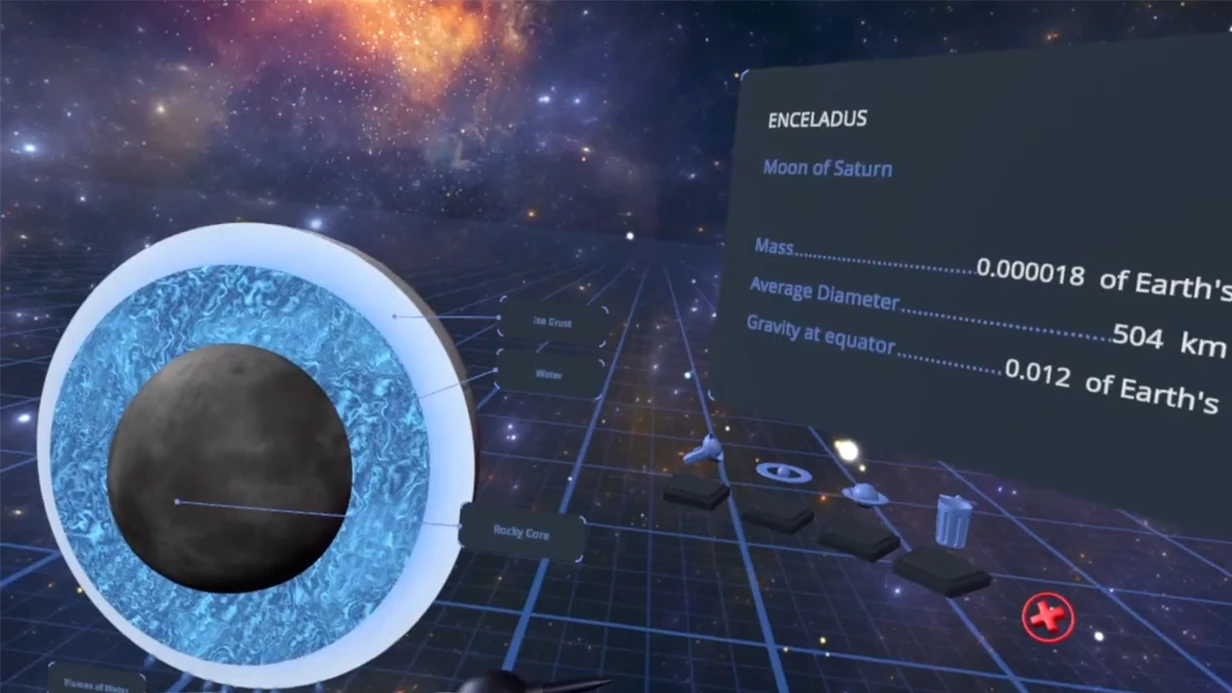
במקום דוכן סטטי, רופאים הרכיבו משקפי MR מקצועיים וראו מודל תלת-ממדי של התרופה: איך המולקולה מתקשרת עם הקולטן, ומה יוצר את האפקט הטיפולי.
התרחיש חולק לשלבים קצרים כך שכל רופא יוכל לסקור את החומר ב-3–4 דקות מבלי לפספס את התוכנית העסקית. נציגים רפואיים עמדו בקרבת מקום וענו על שאלות—והפכו את המגע עם המותג לדיאלוג במקום קריאת ברושור.
התוצאות נמדדו באמצעות נתוני הדוכן. מספר אנשי הקשר המעוניינים גדל ב-30% בהשוואה לכנס הקודם, שהשתמש במצגת סטנדרטית.
הזמן שרופא בילה בדוכן גדל מ-20–30 שניות ל-4–5 דקות, ולאחר ההדגמה, כמעט אחד משלושה השאיר פרטים להמשך טיפול.
המשתתפים גם העבירו סרטוני הדגמה לעמיתים שלא יכלו להגיע לכנס—כך שההשפעה המשיכה לגדול ללא תקציב שיווק נוסף.
הזמנה חוזרת והרחבה
חודש לאחר מכן, החברה הזמינה התאמה של אותו תרחיש להכשרת הנציגים הרפואיים שלה. בסופו של דבר, הכלי עבד גם עבור רופאים וגם פנימית: הוא הביא עובדים חדשים לרמת ידע על פרטי המוצר מהר יותר.
עבורנו, זה מאשר שמצגת MR היא לא פעלול חד-פעמי, אלא פתרון שיטתי שמחזיר את ההשקעה במספר רמות.
איך לבחור את הפורמט הנכון למשימה שלך?
אין תשובה אחת שמתאימה לכולם—פורמט היישום תלוי ישירות במטרה ובקהל. לדוגמה, הכשרת עובדים לעבודה עם ציוד והדגמה אינטראקטיבית של תרופה בכנס דורשים פתרונות שונים.
אז הצעד הראשון הוא לא בחירת טכנולוגיה, אלא ניתוח המשימה: מי ישתמש במוצר, איפה, כמה אנשים בו-זמנית, ואיזו תוצאה עסקית אתה מצפה.
אנחנו עוזרים לך לבחור את הפורמט עוד לפני תחילת הפיתוח. במהלך ייעוץ, אנחנו שואלים כמה שאלות הבהרה, לומדים את הפרטים שלך—מהכיוון הפארמצבטיקאל ועד פורמט האירוע—ומציעים 2–3 אפשרויות עם תחזית השפעה לכל אחת.
גישה זו מונעת תשלום יתר על תכונות מיותרות ואת הסיכון לקבל מוצר "לא נכון".
לדוגמה, הצגת מולקולת תרופה מורכבת לרופאים בתערוכה רפואית עשויה לדרוש רק יישום AR קל משקל בטלפון או בטאבלט. לתרגול מיומנויות על פס ייצור, סימולטור VR מלא ומרתק מתאים יותר.
בכל מקרה, אנחנו מבססים את ההחלטה על התקציב שלך ומה חשוב יותר: טווח הגעה לקהל, עומק מעורבות או פוטנציאל לשימוש חוזר.
בחירת הפתרון בנויה על העיקרון של "ערך מקסימלי בתוך המגבלות שלך." אנחנו אומרים בכנות היכן פורמט פשוט וזול יותר יספיק, והיכן לא תשיג את האפקט הרצוי ללא הגרסה המלאה. זה חוסך זמן וכסף עוד לפני תחילת העבודה.
אם אתה לא בטוח איזה פורמט מתאים למשימה שלך, השאר בקשה לייעוץ. בשיחה אחת, נעזור לך להחליט על הכיוון, ניתן לוחות זמנים ריאליים ונכין המלצה. זה מאיץ מאוד את התהליך.
תשובות לשאלות על עבודה וערבויות
לקוחות בפארמה שואלים לעתים קרובות: מה אם היישום לא עובד, מי אחראי לכשלים, מה קורה לאחר ההשקה? ההימור גבוה—מדובר בהכשרת צוות ומצגות תרופות. אנחנו עונים בכנות, ללא אותיות קטנות.
הערבויות שלנו בנויות על תהליך שקוף. אתה רואה תוצאות ביניים בכל שלב, והקבלה מבוססת על קריטריונים מוסכמים. לכן אין הפתעות בהתחלה.
מה קורה אם היישום לא עובד לאחר המסירה?
אנחנו מתקנים את זה ללא תשלום—בתוך תקופת האחריות ולפי קריטריוני קבלה מאושרים. בימים הראשונים, מהנדס זמין מאוד לתמוך בפרויקט.
אילו ערבויות אתה מספק?
אנחנו מבטיחים פעולה תקינה וביטול שגיאות שנגרמו על ידינו. לוחות זמנים מקובעים בחוזה. קוד ותיעוד מועברים אליך—הם בבעלותך.
איך עובדת התמיכה?
מנהל ייעודי זמין, וניטור תופס תקלות לפני שמשתמשים מדווחים עליהן. עדכונים מתבצעים לפי נוהל קבוע מבלי לשבור את ההיגיון העובד.
איך אתה מגן על נתונים?
בקרת גישה, הצפנת שידור ובדיקות עומס. אנחנו מתאימים את עצמנו לדרישות אבטחת המידע שלך.
מה אם המשימה משתנה באמצע התהליך?
אנחנו עובדים בשלבים קצרים—אתה רואה תוצאה כל 2–3 שבועות. שינויים מתועדים בנפרד כך שלוחות הזמנים נשארים ניתנים לניהול.
כך אנחנו סוגרים סיכונים: אחריות, תמיכה, אבטחה וניהול שינויים. חוזה שקוף—השקה בטוחה.בואו נדון במשימה שלך בזמן נוח
השאר בקשה בעמוד—וקבל שיחה מהותית על המשימה שלך, לא הבטחות כלליות.
אנחנו עובדים עם פארמה כבר למעלה מ-10 שנים: אנחנו מבינים את הפרטים של התעשייה, דרישות הכשרת הצוות, ואיך להציג מוצרים לרופאים ולמטופלים.
לאחר פנייתך, תקבל:
- תשובה תוך יום עסקים אחד—אין צורך לחכות שבועות.
- הערכה ראשונית של הרעיון שלך: נגיד אילו תרחישי MR מתאימים למשימה שלך ואילו עדיף להימנע מהם.
- הערכת פרויקט עם לוחות זמנים ושלבים—ללא תנאים נסתרים או ניסוחים מעורפלים.
- דוגמאות מהעבודה שלנו: נציג מקרי בוחן בפארמה כדי שתוכל לראות את רמת הביצוע.
- ייעוץ אישי: נייעץ כיצד לשלב מציאות מעורבת בהכשרת נציגים רפואיים או במצגת תרופה חדשה.
נדון במטרה שלך, בקהל היעד ובתוצאה הצפויה בפגישה קצרה—באינטרנט או בטלפון. תצא עם הבנה ברורה איך הפרויקט יכול להיראות, אילו שלבים הוא כולל, ואיזו השקעה תידרש.
אין צורך להכין מפרט טכני או להבין פרטי פיתוח. ספר לנו על המשימה שלך במילים פשוטות—אנחנו נהפוך אותה לפתרון מפותח היטב. השאר בקשה, ובתוך הימים הקרובים תדע איך להתקדם.