

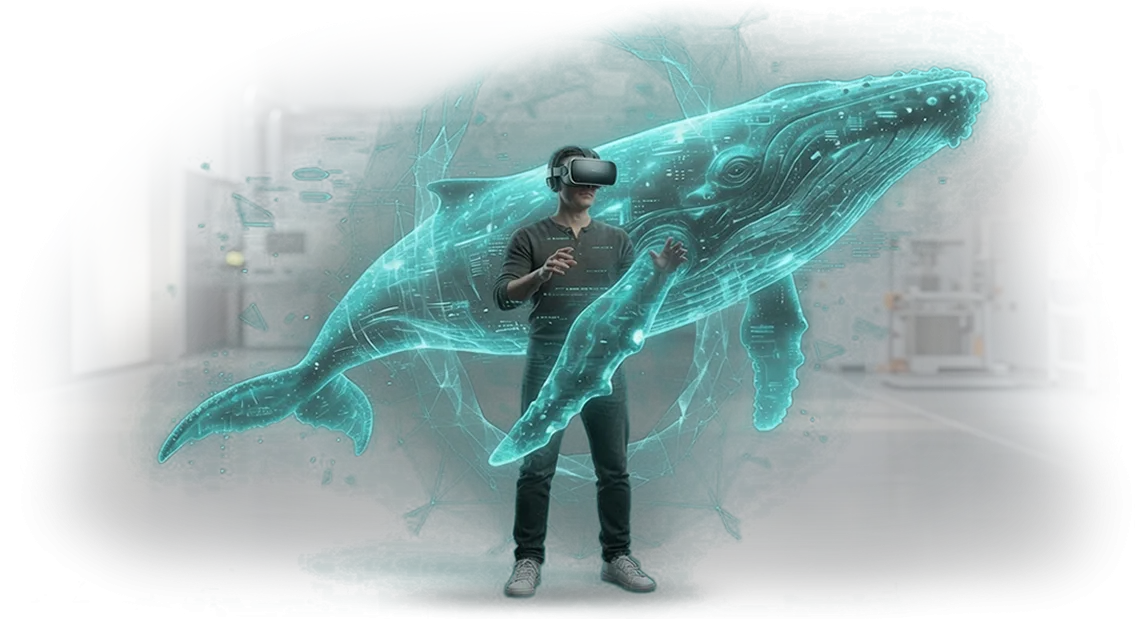


בעיות כרייה שנפתרות באמצעות VR/AR/MR
תעשיית הכרייה פועלת במלוא המרץ: מכונות יקרות עומדות בשירות במקום בחזית העבודה. מפעילים לומדים מטעויות שגורמות לעלויות משמעותיות — דליים פגומים, מנועים שחוממו יתר על המידה, רכיבים שנכשלו. חברות מפסידות כסף על זמן השבתה, ובטיחות העובדים נותרה סיכון מרכזי.
הדרכה בתנאים אמיתיים היא תמיד פשרה בין פרודוקטיביות לסיכון. לא ניתן לאפשר לעובד חדש להפעיל מחפר או מקדחה ללא ניסיון, וסימולטורים המדמים את העבודה עולים כמו בית מלאכה נפרד.
כאן נכנסת המציאות המדומה בתעשיית הכרייה: היא מאפשרת לתרגל פעולות מורכבות בעותק דיגיטלי בטוח של המכרה.
אבל VR הוא רק חצי מהפתרון. האתגר השני הוא יעילות בעבודה על ציוד חי. המפעיל בתא הניהול אינו יכול לראות את המבנה הגיאולוגי, עומס המנוע או תשתיות נסתרות.
AR במכרות פותר בעיה זו: נתונים על מצב המכונה ושכבת הסלע מוצגים ישירות על שדה הראייה. אין צורך להסיט את המבט ללוח הבקרה — כל המידע נמצא ממש מול העיניים.
MR עבור תעשיית הכרייה מחבר בין העולמות הדיגיטלי והפיזי: מהנדס רואה מודל תלת-ממדי של הציוד מעל היחידה האמיתית ומקבל הוראות שלב-אחר-שלב. זה מאיץ תיקונים ומפחית את מספר השגיאות.
כך מיושמת Industry 4.0 בכרייה — כאשר נתונים ואינטליגנציה פועלים ברגע קבלת ההחלטות.
המשימה שלנו היא להעביר טכנולוגיות אלה ממצגות לסביבת הייצור. אנו מתכננים ומיישמים פתרונות אימרסיביים שמפחיתים זמן השבתה, משפרים בטיחות ומחזירים את ההשקעה באמצעות פחות תאונות ותפוקה גבוהה יותר. אנו מוכנים להראות כיצד זה עובד באתר שלכם.
מה מקבלים מהטמעת טכנולוגיות אימרסיביות
הטמעת טכנולוגיות אימרסיביות בכרייה אינה ניסוי לשם הניסוי אלא כלי עבודה המטפל במשימות ספציפיות: מבטיחות העובדים ועד למהירות הכשרת הצוות. להלן היתרונות המרכזיים שתקבלו כבר מהשלבים הראשונים של ההטמעה.
בטיחות מכרה משופרת. עובדים מתרגלים תרחישים מסוכנים בסביבה וירטואלית ללא סיכון לחיים או לבריאות. מצבי חירום, תקלות ציוד, פעולות בזמן עשן — את כל אלה ניתן לתרגל שוב ושוב עד שהפעולות הופכות לאוטומטיות. כתוצאה מכך, מספר התקריות והפציעות בייצור האמיתי יורד.
חיסכון בזמן וכסף על הדרכה. במקום להוציא צוות מהעבודה ולשלוח אותו למתקני הדרכה, העובדים מתאמנים ממש באתר. מדריך אחד מטפל בקבוצה שלמה בבת אחת, וכל משתתף מקבל תרחיש באיכות שווה.
הזמן להכשרת עובדים חדשים מצטמצם פי כמה, וזמן השבתת הציוד עקב הדרכה כמעט מתבטל.
שימור חומר טוב יותר. למידה אימרסיבית מפעילה זיכרון שרירי ותפיסה חזותית, כך שהמידע נזכר לעומק יותר מאשר בקריאת הוראות או צפייה בסרטונים.
העובד לא רק רואה תרשים אלא מבצע פעולות במו ידיו — זה בונה מיומנויות מתמשכות שנשארות איתו בעבודה.
בקרת תהליכים בזמן אמת. מציאות מעורבת מאפשרת להציג רמזים דיגיטליים על ציוד אמיתי: המפעיל רואה פרמטרי פעולה, חריגות והוראות ישירות בשדה הראייה שלו. זה מפחית את הסיכון לשגיאות, מאיץ אבחון ועוזר לשמור על איכות תהליך יציבה.
פחות תאונות ופחות זמן השבתה. כאשר הצוות מיומן וכל פעולה מפוקחת, מספר המצבים החריגים יורד. פחות תאונות משמעותן פחות עצירות לא מתוכננות, עלויות תיקון נמוכות יותר ותפוקה כוללת גבוהה יותר.
מאחורי הצוות שלנו עומדים עשר שנים של הטמעת פתרונות אימרסיביים לתעשייה. אנו מתאימים את הטכנולוגיה לתהליך שלכם, ולא להפך: ראשית אנו מנתחים את המשימות שלכם, ואז בונים פתרון על חומרה מקצועית שעובדת באופן אמין בסביבה ארגונית. אתם מקבלים לא "צעצוע" אלא תוצאה מדידה — בטיחות, מהירות וחיסכון.
פורמטים של פרויקטי VR/AR/MR לכרייה
משימות שונות דורשות פורמטים שונים: לקוח אחד צריך לתרגל מיומנויות לפני הירידה למחתרת, אחר צריך להאיץ תיקוני ציוד ממש באתר.
בחירת הפורמט משפיעה על זמן ההטמעה, העלות והתוצאות המדידות — אז בואו נראה מה כל טכנולוגיה פותרת.
| פורמט | משימות מטופלות | מה זה נותן ללקוח |
|---|---|---|
| סימולטורי VR לכרייה | הכשרת מפעילי מכונות, עובדי מכרות, תרגול תרחישי חירום | תרגול בטוח ללא סיכון לאנשים או לציוד, הכשרה מהירה בעד 70% |
| הוראות AR באתר | תיקון ותחזוקת ציוד, בקרת פעולה | רמזים שלב-אחר-שלב ישירות בשדה הראייה — פחות שגיאות ופחות זמן השבתה |
| פרויקטי MR למכרות | ניווט במעברים, ניטור עצמים מרוחקים | העובד רואה את המסלול והנתונים על קירות/תומכות — תנועה מהירה יותר |
| תאומים דיגיטליים בכרייה | תכנון, ניטור תהליכים, הכשרת צוות | מודל וירטואלי של אתר שבו ניתן "לשחק" בשינויים לפני היישום |
בבחירת פורמט, התחילו מהמשימה העסקית: הדרכה, תפעול או תכנון.
סימולטור VR משתלם כאשר צריך להכשיר צוות בהיקף נרחב, הוראות AR כאשר ציוד יקר עומד בטל בהמתנה למומחה, ותאומים דיגיטליים כאשר כל החלטה במכרה כרוכה בעלות משמעותית.
אנו עוזרים להגדיר את הפורמט הנכון בשלב התדריך: אנו מנתחים בדיוק היכן הכסף אובד ומציעים פתרון שמשתלב בתהליכים הקיימים ללא עצירת ייצור. אתם מקבלים פרויקט למשימה ספציפית, לא "טכנולוגיה לשם טכנולוגיה".
איך פרויקט עובר מתדריך להשקה
אנו עובדים עם מפעלי כרייה לפי נוהל ברור: בכל שלב אתם רואים את התוצאה, מאשרים החלטות ומשנים סדרי עדיפויות. הפרויקט לא נכנס ל"קופסה שחורה" — אתם יודעים מה קורה ומתי ההשקה.
- תדרוך וסקירת תהליכים. אנו לומדים את האתר שלכם: אילו פעולות קריטיות, מה ניתן לאוטומציה, ואילו תרחישי הדרכה או בקרה נדרשים.
- עיצוב תרחישים. אנו מציגים אב-טיפוס לאישור — אתם רואים את הממשק והלוגיקה לפני תחילת הפיתוח.
- פיתוח ואיטרציות. אנו בונים גרסת הדגמה, אתם בודקים אותה, ואנו מבצעים עריכות על סמך משוב העובדים שלכם.
- בדיקות ספסל. אנו מריצים את כל התרחישים בתנאים קרובים לאמיתיים כדי לחסל תקלות באתר.
- הטמעה במפעל. אנו מתקינים את הציוד ומגדירים אותו לתשתית שלכם. בשלב זה לקוחות בדרך כלל מציינים את העיקר: "רואים מיד במה אנו חוסכים במשאבים ובזמן" — מנהל אתר ייצור.
- הדרכה ותמיכה. אנו מדריכים את הצוות, מוסרים נהלים ונשארים בתמיכה לאחר ההשקה.
מנהל פרויקט ייעודי מטפל בפרויקט: אתם מתקשרים עם אדם אחד ולא עם צוות. כל שלב מסתיים בהדגמה ואישור — זה מבטל אי-הבנות ועלויות מיותרות.
מה כלול במסירת פתרון VR/AR/MR
כאשר אתם מזמינים פתרון VR/AR/MR לכרייה, אתם מקבלים חבילת מסירה מלאה — מתוכן הדרכה ועד תמיכה טכנית. אנו מטפלים לא רק בפיתוח אלא גם בכל מה שדרוש להשקה מהירה: תוכנה, הוראות, הכשרת צוות ותמיכה.
כתוצאה מכך, העובדים מתחילים לעבוד כבר ביום הראשון, ואתם לא מבזבזים זמן על שיפורים או "כיוונון עדין".
-
תוכן הדרכה VR/AR/MR המותאם למשימות שלכם. תרחישים לתרגול פעולות במעברי מכרות, הפעלת ציוד ותגובה למצבים חריגים. התוכן נוצר על בסיס הנהלים והמכונות האמיתיות שלכם.
-
תוכנה וממשק ניהול. תחנת עבודה למנהל, פאנל הפעלת מפגשים ומעקב אחר תוצאות. אתם יכולים לשנות תרחישים, לעקוב אחר התקדמות העובדים וליצור דוחות להנהלה.
-
חומרים מתודולוגיים והוראות. מדריכי מפעיל, מדריכי תחזוקה למערכת ונהלי בטיחות. כל המסמכים מותאמים לתהליכי המפעל שלכם.
-
הכשרת צוות VR/AR/MR. אנו מאמנים את המדריכים והמפעילים שלכם: הם משיקים מפגשים באופן עצמאי, עובדים עם תוכן ופותרים בעיות טיפוסיות. זה מסיר תלות בקבלן ומאיץ את ההטמעה.
-
תמיכה טכנית ותחזוקת מערכות MR. צוות הנדסי זמין: אנו עוזרים בהשקה הראשונית, מעדכנים תוכנה ומשכללים תוכן לדרישות חדשות. התמיכה פעילה מהמסירה ובאופן שוטף.
-
שירות אחריות ואחרי אחריות. במידת הצורך, אנו מגיעים לאתר שלכם, מעדכנים תרחישים ומוסיפים מודולים חדשים. אתם מקבלים פתרון שמתפתח יחד עם המשימות שלכם.
חשוב לנו שלא רק תקנו יישום אלא תקבלו מערכת עבודה להדרכה ובקרה. לכן החבילה מורכבת מרכיבים מוכחים ומותאמת לפרטי הייצור שלכם. צרו קשר — נשתף את הפרטים ונכין הצעה אישית.
מקרה בוחן: שיפור בטיחות ויעילות במכרה
הכשרת צוות על ציוד אמיתי כרוכה בסיכונים: טעות של מתחיל עולה ביוקר, וזמן השבתת ציוד עוצר את הייצור.
תדרוכים מסורתיים אינם מספקים את מהירות התגובה הנדרשת — עובדים נתקלים לעתים קרובות במצב החריג הראשון שלהם מתחת לאדמה, שם מחיר ההחלטה גבוה יותר.
סגרנו את הפער הזה עבור חברת הכרייה Vostochnaya Mine. במקום דגמים יקרים והרצאות ארוכות, פיתחנו מאמן MR שבו עובדים חדשים מתרגלים תרחישי חירום והפעלת ציוד במציאות מעורבת.
בנוסף, יישמנו רמזי AR עבור צוותי תיקון במכרה: טכנאי רואה את ההוראה ישירות מעל הרכיב — זה מפחית את מספר השגיאות ואת זמן התחזוקה.
תוצאות הפרויקט
| מדד | תוצאה |
|---|---|
| זמן הכשרת עובדים | הופחת מ-14 ל-6 ימים |
| מצבי חירום בחודש הראשון לעבודה | ירידה של 40% |
| צריכת חומרי הדרכה | חיסכון של עד 60% בעלויות ההדרכה |
| זמן השבתת ציוד לתיקונים | הופחת ברבע |
האפקטיביות של MR בכרייה נראית לא בדוחות אלא במדדים תפעוליים. צוות שהוכשר מהר יותר מתחיל משמרות מלאות מוקדם יותר, יוצר פחות מצבי חירום ומתייחס לציוד בזהירות רבה יותר. עבור הלקוח, זה אומר ייצור יציב ללא השבתות והוצאות מיותרות.
ניסיון התעשייה מראה ששילוב פורמטים מניב את התוצאה הטובה ביותר. מודולי VR משמשים לתרגול תרחישים נדירים ומסוכנים, בעוד רמזי AR משמשים בעבודה יומיומית על ציוד פעיל.
שילוב כזה מחזיר את ההשקעה כבר בחודש הראשון ומתרחב לאזורים אחרים ללא החלפת מכונות.
איך לבחור את הפורמט המתאים למשימה שלכם?
הבחירה בין מציאות מדומה, מוגברת ומעורבת נראית בדרך כלל מסובכת יותר ממה שהיא באמת.
הכל תלוי לא בטכנולוגיה אופנתית אלא בשאלת ייצור ספציפית: מה בדיוק אתם רוצים לשנות — הכשרת צוות, בקרת תהליכים או אינטראקציה עם נתונים דיגיטליים באתר.
כאשר אנו שומעים "אנחנו צריכים VR לכרייה", לעתים קרובות מסתתרת מתחת לזה משימה שניתן לפתור בפשטות ובזול יותר עם AR או MR.
מציאות מדומה מטבילה אדם לחלוטין בסביבה דיגיטלית. היא אידיאלית לתרגול תרחישי חירום, הדרכה בטוחה על ציוד כבד או לימוד המבנה הפנימי של מכונות מורכבות ללא סיכון לנזק.
מציאות מוגברת מציגה רמזים על העולם האמיתי — נוחה להוראות שלב-אחר-שלב במקום העבודה, בדיקות מהירות של מצב רכיבים וגישה לתיעוד ישירות בשטח.
מציאות מעורבת משלבת את שתי הגישות: עצמים דיגיטליים מקיימים אינטראקציה עם הסביבה הפיזית.
עבור מפעלי כרייה זה אומר היכולת לראות את שכבת הסלע דרך הציוד, להשוות ביצוע בפועל מול מודל התכנון או להמחיש חלוקת משאבים ישירות על תוכנית המכרה.
פורמט זה מכסה תרחישים מורכבים שבהם רמז פשוט אינו מספיק — נדרשת עבודה מלאה עם מודל תלת-ממדי.
אם אינכם בטוחים מאיפה להתחיל, אנו ממליצים תמיד להתחיל משתי שאלות: היכן העובד נמצא ברגע ביצוע המשימה ומה הוא צריך לראות. אם הוא צריך לעבוד עם הידיים מבלי להיות מוסח — זה AR.
אם נדרשת הדרכה נדירה ויקרה שאי אפשר לבצע בחיים — זה VR. אם צריך לשלב הוראה עם פעילות אמיתית באתר — זה MR.
במשך עשר שנים אנו מיישמים פרויקטים מסוג זה ויודעים לתרגם משימות ייצור לשפת הטכנולוגיה מבלי לשלם יותר מדי על פונקציונליות מיותרת.
צרו קשר לייעוץ קצר — בתוך שיחה אחת יתברר איזה פורמט מתאים למשימה הספציפית שלכם, איזו תוצאה הוא יביא ומה תהיה עלות ההטמעה.
ספקות נפוצים של לקוחות לפני תחילת פרויקט
לקוחות בכרייה הם אנשים פרקטיים, והספקות שלהם לפני תחילת פרויקט VR/AR/MR תמיד זהים: האם זה יקר מדי, האם קשה להטמיע, האם הייצור ייעצר, האם זה בכלל ישתלם. אנו עונים ישירות — ללא פרטים טכניים, רק העיקר. להלן אנו מתייחסים לארבעת החששות הנפוצים ביותר.
עלות פרויקט VR: למה זה משתלם יותר ממה שזה נראה
אנו מתמחרים לא "טכנולוגיה לשם טכנולוגיה" אלא תוצאה עסקית: הפחתת זמן השבתה, פחות תאונות והכשרת צוות מהירה יותר.
ההערכה קבועה לפני ההתחלה, ולאחר ההשקה אתם רואים את האפקט במונחים כספיים — למשל, דרך פחות שגיאות בעבודה עם ציוד.
קושי בהטמעת AR בכרייה: האם זה יעצור את התפעול
האינטגרציה אורכת ימים, לא חודשים, ואינה דורשת עצירת ייצור. אנו עובדים עם הציוד והמערכות שכבר קיימים במפעל — מציאות מוגברת נשכבת על תהליכים קיימים. הצוות מוכשר תוך כמה משמרות, ואנו לוקחים על עצמנו את התמיכה הטכנית.
החזר השקעה של MR בכרייה: מתי ההשקעה תחזור
מציאות מעורבת מחזירה את ההשקעה דרך שלושה דברים: פחות שגיאות, הדרכה מהירה יותר ועבודה בטוחה יותר. לדוגמה, הדרכה על מודל וירטואלי של רכיב מורכב מקצרת את הזמן להכשרת עובד חדש פי כמה. ברוב הפרויקטים, האפקט נראה כבר ברבעון הראשון.
אמינות המערכת: מה אם הטכנולוגיה תיכשל ברגע קריטי
אנו משתמשים בציוד מקצועי ובכלים מוכחים, ומתכננים יתירות ערוצים ועיבוד נתונים מקומי בשלב התכנון. אם הקישוריות אובדת, המערכת ממשיכה לעבוד באופן אוטונומי.
אנו גם מספקים אחריות על הציוד ותמיכה מסביב לשעון — החומרה לעולם לא תישאר ללא השגחה.
אם יש לכם ספקות נוספים — שאלו אותנו, ונענה בכנות, עם דוגמאות מפרויקטים בתעשיית הכרייה.התחילו את פרויקט ה-VR/AR/MR שלכם היום
אתם כבר יודעים היכן מציאות מעורבת תביא ערך: הכשרת עובדים, ניטור ציוד מרחוק, תדרוכי בטיחות.
אבל כדי לקבל תוצאה מדידה, אתם לא חייבים לחכות להשקה ארוכה — בנינו את התהליך כך שתראו את האפקט הברור הראשון לאחר שלב הכנה קצר.
- ייעוץ ראשוני — אנו מנתחים את המשימה שלכם ומייעצים היכן VR/AR/MR יניבו אפקט מהיר: הפחתת זמן הדרכה, פחות שגיאות צוות או בקרת תהליכים שקופה.
- סקר ותוכנית הטמעה — תוך שני ימי עבודה אנו מכינים תרחיש, לוח זמנים וחיסכון צפוי כך שתחליטו על סמך עובדות, לא ניחושים.
- הדגמת אב-טיפוס לפני תחילת הפיתוח — אתם רואים את הלוגיקה והממשק על ציוד אמיתי ומבינים איך זה יעבוד בסדנאות ובמגרשי ההדרכה שלכם.
- פיתוח בשלבים עם סקירות קבועות — אתם שולטים בתוצאה בכל איטרציה ומבצעים שינויים ללא אובדן זמן או תקציב.
- השקה והכשרת הצוות שלכם — אנו מוסרים הוראות, מקיימים מפגשי הכשרת מדריכים ותומכים במשמרות העבודה הראשונות.
- תמיכה ופיתוח — אנו מוסיפים מודולים חדשים, מעדכנים תרחישים ומתאימים את הפתרון לשינויים במפעל שלכם.
הזמנת פיתוח VR או הגשת בקשה לפרויקט AR משמעותה קבלת תוכנית הטמעה עם צעדים ספציפיים בתוך הימים הראשונים.
אם אתם רק מעריכים MR לכרייה, התחילו בייעוץ: נדון היכן מציאות מעורבת תפחית עלויות, תשפר בטיחות ותאיץ הכשרת עובדים.
אתם יכולים להתחיל פרויקט MR היום — פשוט כתבו לנו במסנג'ר שבחרתם, ואנחנו ניקח את המשימה לעבודה.