



VR/AR לתעשיית הרהיטים: איך לשמר לקוחות
מבקר בחנות רהיטים רק לעתים רחוקות מוכן לקנות ספה או מטבח מתמונה. אפילו תמונה באיכות גבוהה לא מראה איך הפריט ישתלב בדירה אמיתית: האם המידות מתאימות, האם הצבע תואם לטפט, האם יש מספיק מקום.
כתוצאה מכך, הלקוח מהסס, דוחה את ההחלטה, ולעתים קרובות עוזב למתחרה שהצליח להסיר את הספקות הללו.
בקמעונאות רהיטים, הקרב אינו על המגוון — אלא על תשומת הלב והביטחון של הלקוח. אם אדם לא יכול לדמיין את המוצר בפנים הבית שלו, הוא לא מוכן לשלם — והוא בוחר במי שנותן לו את ההזדמנות הזו.
ניסיון וירטואלי פותר את זה: הלקוח רואה ספה, ארון או מטבח בחדר שלו, מזיז פריטים, מחליף צבעים, ומיד מבין אם הפתרון מתאים. הפחד מטעות נעלם, והעסקה כבר לא "חתול בשק".
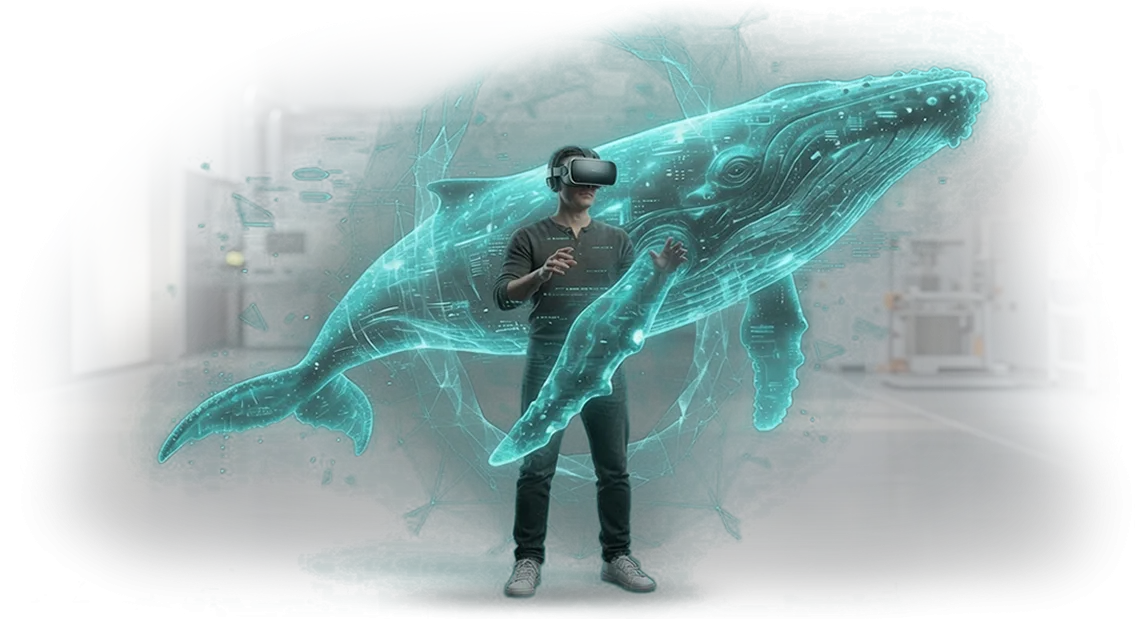
VR ו-AR לרהיטים עובדים בשני מישורים. באולם תצוגה קמעונאי, אזור VR מעביר את הלקוח לפנים הרצוי, ומגדיל את זמן השהייה והמעורבות.
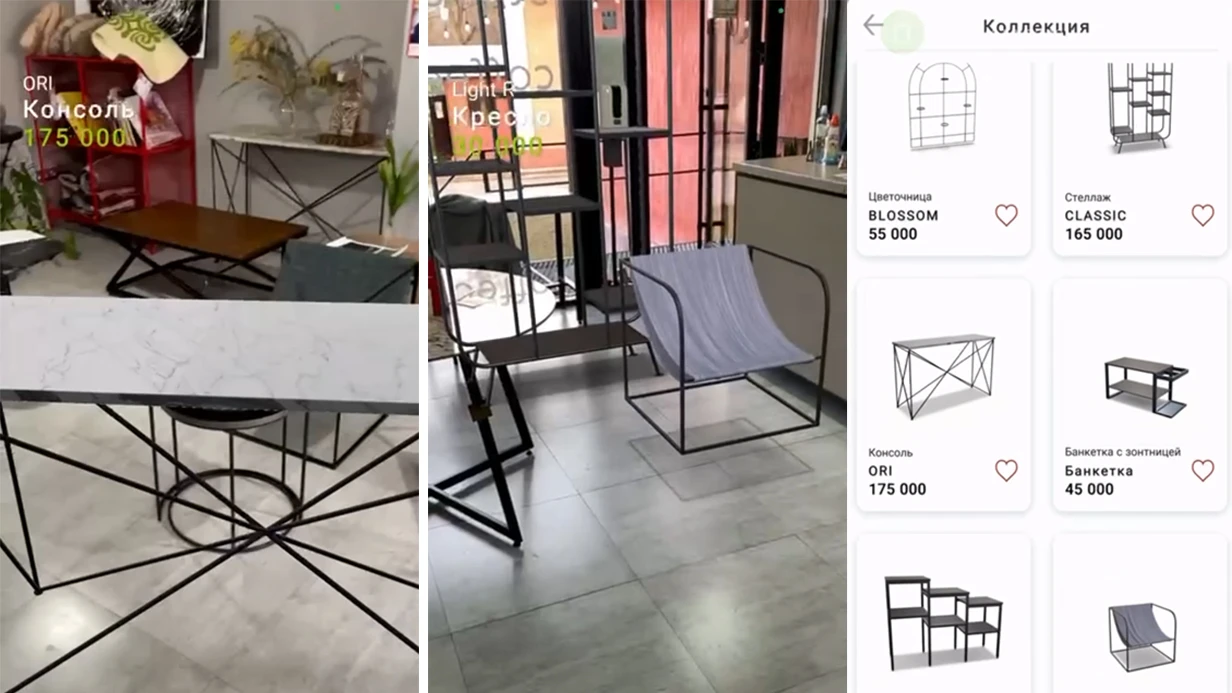
דרך סמארטפון או טאבלט, אפליקציית AR מטילה מודל תלת-ממדי על מצלמה — אותו ניסיון וירטואלי, בשימוש ישירות בבית. שני הפורמטים מסירים את ההתנגדות המרכזית, "איך זה ייראה אצלי?", ומקצרים את הדרך מעניין להזמנה.
לבעל העסק, זה אומר המרה גבוהה יותר ופחות החזרות: הלקוח מזמין את מה שכבר "ראה" במרחב שלו. אפקט נוסף הוא חשיפה: מבקרים משתפים סרטוני ניסיון במדיה החברתית, ומביאים לקוחות חדשים בחינם.
בקמעונאות רהיטים תחרותית, היתרון הולך לכלים שמסירים את הפחד של הלקוח — וניסיון וירטואלי הוא אחד היעילים ביותר כיום.
אנחנו מספקים פרויקטים כאלה כבר למעלה מ-10 שנים באמצעות ציוד מקצועי וכלים מוכחים. אנחנו עוזרים לכם לבחור פורמט שמתאים למטרותיכם, לשלב אותו עם הקטלוג שלכם, ולהשיק פתרון שמתחיל לייצר הזמנות מהימים הראשונים.
ספרו לנו על המגוון שלכם — נראה לכם איך ניסיון וירטואלי שומר על לקוחות ומגדיל מכירות.
היתרונות של VR/AR לעסקים בתעשיית הרהיטים
שיעורי המרה גבוהים יותר
הקונה רואה איך ספה או מטבח ישתלבו בדירה האמיתית שלו לפני ההזמנה. זה מסיר את הספקות המרכזיים — "מה אם זה לא מתאים במידה או בצבע". כתוצאה מכך, חלק ההזמנות שהושלמו גדל, וההחלטות מתקבלות מהר יותר.
פחות החזרות
אי-התאמה בין הציפייה למציאות היא הסיבה מאחורי רוב ההחזרות והתלונות. ניסיון וירטואלי מציג את המוצר בפרופורציות אמיתיות בתוך הפנים של הלקוח, כך שהם יודעים בדיוק מה הם קונים. ההחזרות פוחתות, וצוות התמיכה מתמודד עם הרבה פחות חוסר שביעות רצון.
משיכת תשומת לב
הפורמט הלא שגרתי עצמו הופך לסיבה לדבר על המותג. מבקרים משתפים בשמחה סרטוני ניסיון וצילומי מסך במדיה החברתית, ומעניקים לאולם התצוגה או לקטלוג חשיפה חינמית. זה עובד גם בתערוכות וגם בחנויות מקוונות.
נאמנות וקניות חוזרות
לקוח שחווה שירות נוח וראה את הפנים העתידיים שלו חוזר לפתרונות ריהוט חדשים. חוויה חיובית בונה אמון במותג ומגדילה את הסבירות להמלצות לחברים ומכרים.
תדמית מותג מתקדמת טכנולוגית
שימוש בטכנולוגיות VR/AR מודרניות מראה שהחברה דואגת ללקוחותיה ועומדת בקצב הזמן. זה מחזק את המיצוב שלכם ומבדל אתכם ממתחרים שמציעים רק תמונות סטטיות.
פורמטים של פרויקטי VR/AR למטרותיכם
עבור חברת רהיטים, חיוני להציג את המוצר כך שהלקוח יוכל לדמיין אותו בפנים הבית שלו. תמונות רגילות לא מעבירות קנה מידה, מרקם, או איך זה עובד עם הגימורים.
טכנולוגיות מציאות רבודה ומדומה פותרות את זה — אתם רק צריכים לבחור את הפורמט המתאים למטרה שלכם: מכירות קטלוג, הדגמות באולם תצוגה, או משיכת תשומת לב בתערוכות.
| פורמט | למי זה מיועד | מה זה נותן ללקוח |
|---|---|---|
| קטלוג AR | חנויות מקוונות, אפליקציות מובייל | הקונה רואה ספה או מטבח ישירות בחדר שלו דרך מסך הסמארטפון, בוחר בביטחון רב יותר, ומחזיר פריטים פחות. |
| אולם תצוגה VR | אולמות תצוגה לרהיטים, סוכנים, מעצבים | כל הקולקציה זמינה בקנה מידה אמיתי ללא דוגמיות פיזיות: חוסך שטח באולם התצוגה ומרחיב את המגוון הזמין להדגמה. |
| מצגת אינטראקטיבית | תערוכות, אולמות תצוגה, פגישות שותפים | המבקר "מרכיב" פנים מהרהיטים שלכם בעצמו — זה מחזיק תשומת לב בדוכן, מגביר עניין, ואוסף אנשי קשר. |
אנחנו בוחרים את הפורמט למשימה שלכם ומשלבים אותם כשצריך: למשל, קטלוג AR לשוק וחדר תצוגה VR לחנות מותג. בכל מקרה, אתם מקבלים כלי עבודה שמדבר אל הלקוח בשפת המרחב שלו.
איך אנחנו מיישמים VR/AR ב-4 שלבים
יישום VR/AR בתעשיית הרהיטים אינו קניית תוכנה — זה תהליך מובנה סביב המשימה שלכם. אנחנו לוקחים את הפרויקט במפתח מלא: מהבריף הראשוני ועד ההשקה והתמיכה, כך שאתם תמיד יודעים איפה העבודה עומדת ומתי תקבלו את התוצאה.
כדי לשמור על שקיפות, פיצלנו את התהליך לארבעה שלבים גדולים יותר — כל אחד מכיל פעולות ספציפיות שאנחנו מתעדים בתוכנית.
-
בריף וניתוח משימה. אנחנו נפגשים איתכם ומנתחים היכן VR/AR יביא ערך: ניסיון רהיטים בקנה מידה אמיתי, קטלוג וירטואלי ללקוחות, או הדרכת צוות.
אנחנו קובעים את המטרות, התקציב, לוח הזמנים וקריטריוני הקבלה — כך שאתם מיד מבינים את היקף העבודה.
-
הצעה ותוכנית. אנחנו מכינים פתרון מותאם למשימה שלכם: פורמטים, תרחישי שימוש, ציוד נדרש, ואינטגרציה עם הקטלוג שלכם. אנחנו מסכימים על העלות ולוחות זמנים מדויקים — ללא עמלות נסתרות או "הפתעות" בדרך.
-
אישור והכנה. אנחנו מאשרים את התרחישים ואוספים את החומרים: מודלים תלת-ממדיים של הרהיטים שלכם, תמונות ותוכניות קומה. בשלב זה, אתם רואים אב טיפוס של המערכת העתידית ויכולים לבצע עריכות לפני תחילת הפיתוח המלא.
-
פיתוח ובדיקות. אנחנו בונים את האפליקציה על ציוד מקצועי כך שהחזותיים יהיו מציאותיים ויציבים. אתם בודקים את הגרסה הביניים על מכשירים אמיתיים — כך אנחנו מבטלים שגיאות לפני ההשקה.
-
השקה והדרכה. אנחנו מתקינים את הפתרון, מגדירים אותו לאולמות התצוגה או לאתר שלכם, ומכשירים את הצוות שלכם. אנשי מכירות ומנהלים יוכלו להשתמש במערכת ללא הכשרה טכנית ביום ההשקה עצמו.
-
תמיכה וצמיחה. אנחנו נשארים בקשר לאחר המסירה: מעדכנים את המגוון, מוסיפים דגמי רהיטים חדשים, ומשכללים תרחישים. אתם מתמקדים במכירות, ואנחנו מטפלים ביציבות וברלוונטיות של המערכת.
בסופו של דבר, אתם מקבלים פרויקט במפתח מלא עם שלבי יישום ברורים ומועדים קבועים. אנחנו משלימים את רוב המשימות תוך 2-4 שבועות — אנחנו נותנים לכם את התאריך המדויק לאחר הבריף ונועלים אותו בחוזה.
מה כלול במסירת אפליקציית VR/AR
כשאתם בוחרים פתרון VR/AR לתעשיית הרהיטים, אתם מקבלים לא מוצר "גולמי" אלא כלי עבודה שהעובדים שלכם יתחילו להשתמש בו מהיום הראשון.
זו הסיבה שחבילת המסירה כוללת את כל מה שצריך — מהאפליקציה עצמה ועד הדרכת צוות ותמיכה לאחר ההשקה.
- אפליקציה עובדת המותאמת למשימה שלכם: סידור רהיטים וירטואלי, קטלוג אינטראקטיבי, קונפיגורטור. היא רצה על הציוד שלכם או בענן.
- פאנל ניהול — אתם מעדכנים את הקטלוג, משנים מחירים, ומוסיפים דגמים חדשים בעצמכם. אין צורך להביא מפתחים לכל דבר קטן.
- מערכת בקרת גישה. אתם מגדירים אילו עובדים יכולים לצפות ולערוך תוכן — הניהול מאובטח ושקוף.
- תיעוד מלא: הוראות להשקה, תפעול ותחזוקה. גם אם אין מומחה טכני בצוות, כל אחד יכול להבין את זה.
- הדרכת צוות. אנחנו מעבירים מפגשי הכשרה למנהלים, אנשי מכירות ומנהלי מערכת, ומכינים מדריכי וידאו ורשימות בדיקה. העובדים ישלטו במערכת ללא לחץ.
- קוד מקור וכל הנכסים. אתם מקבלים את הקוד, קבצי העיצוב וההגדרות — הפתרון הוא כולו שלכם, ואתם לא תלויים בקבלן.
- תמיכה באחריות. לאחר ההשקה, אנחנו נשארים בקשר: עונים על שאלות, מתקנים שגיאות, ועוזרים בשיפורים.
בסופו של דבר, אתם מקבלים חבילת מסירה שקופה ללא תנאים נסתרים: אפליקציה, ניהול, הדרכה ותיעוד. זה חוסך זמן ביישום ומאפשר לכם להתמקד במכירות ולא בפרטים טכניים.
מקרה בוחן: מפעל רהיטים הגדיל המרה פי 1.5
פנה אלינו מפעל רהיטים עם בקשה זו. החברה מייצרת רהיטי ארון לבית ולמשרד ומוכרת אותם דרך אולמות התצוגה שלה ורשת סוכנים.
נקודת הכאב המרכזית: לקוחות בילו זמן רב בבחירת מוצרים, פקפקו אם ארון או ספה מסוימים יתאימו לטפט ולתוכנית הקומה שלהם, והחזרות התרחשו לאחר המשלוח. כל זה האט את המכירות, הגדיל את העומס על יועצים, ואכל את הרווחים.
הצענו פתרון המבוסס על מציאות מעורבת. הצבנו סמנים באולם התצוגה — כשהלקוחות כיוונו את מצלמת הסמארטפון שלהם אליהם, הופיע מודל תלת-ממדי של הפריט הנבחר בגודל אמיתי.
הקונה רואה את הרהיט בהקשר של המרחב שלו: הוא מעריך מידות, צבע, ואיך זה משתלב בפנים — ללא מדידות. אין צורך בציוד מסובך, רק בטלפון שלהם.
התוצאות הגיעו מהר. ההמרה ממבקר באולם תצוגה להזמנה בתשלום גדלה פי 1.5, וזמן הבחירה הממוצע כמעט נחתך בחצי. מספר ההחזרות שנגרמו מציפיות שלא מומשו ירד בשליש — קונים רואים את המוצר מראש ומקבלים החלטה מושכלת.
במקום הסברים ארוכים, אנשי מכירות פשוט מפנים לקוחות לסמן וחוסכים זמן למבקר הבא.
ראש חטיבת הקמעונאות של המפעל ציין: "עכשיו אנחנו מוכרים רהיטים ביושר — אנשים מיד מבינים מה הם קונים.
זו רמה אחרת לגמרי של אמון במותג." בעקבות ההשקה הראשונית, קטלוג המציאות הרבודה הושק בכל אולמות התצוגה של המותג, ולאחר מכן המפעל הזמין פיתוח לקולקציה חדשה — הפרויקט נמצא כעת בעיצומו.
איך לבחור את פורמט ה-VR/AR הנכון?
הבחירה בין VR ל-AR לעסק רהיטים אינה על "איזו טכנולוגיה יותר מגניבה" — אלא על "מה בדיוק אתם רוצים להשיג מזה." אם המטרה היא להראות איך ספה משתלבת בסלון של לקוח ספציפי, מציאות רבודה עובדת: האדם פותח את מצלמת הסמארטפון, ומודל הרהיט "עומד" בחדר שלו בקנה מידה אמיתי.
זו הדרך הקצרה ביותר לרכישה כי הלקוח מיד רואה את הפנים שלו עם המוצר שלכם.
אם המטרה, לעומת זאת, היא להרשים בתערוכה, להציג את הקולקציה בסגנונות שונים, או להכשיר צוות בהרכבה, מציאות מדומה היא הבחירה הנכונה.
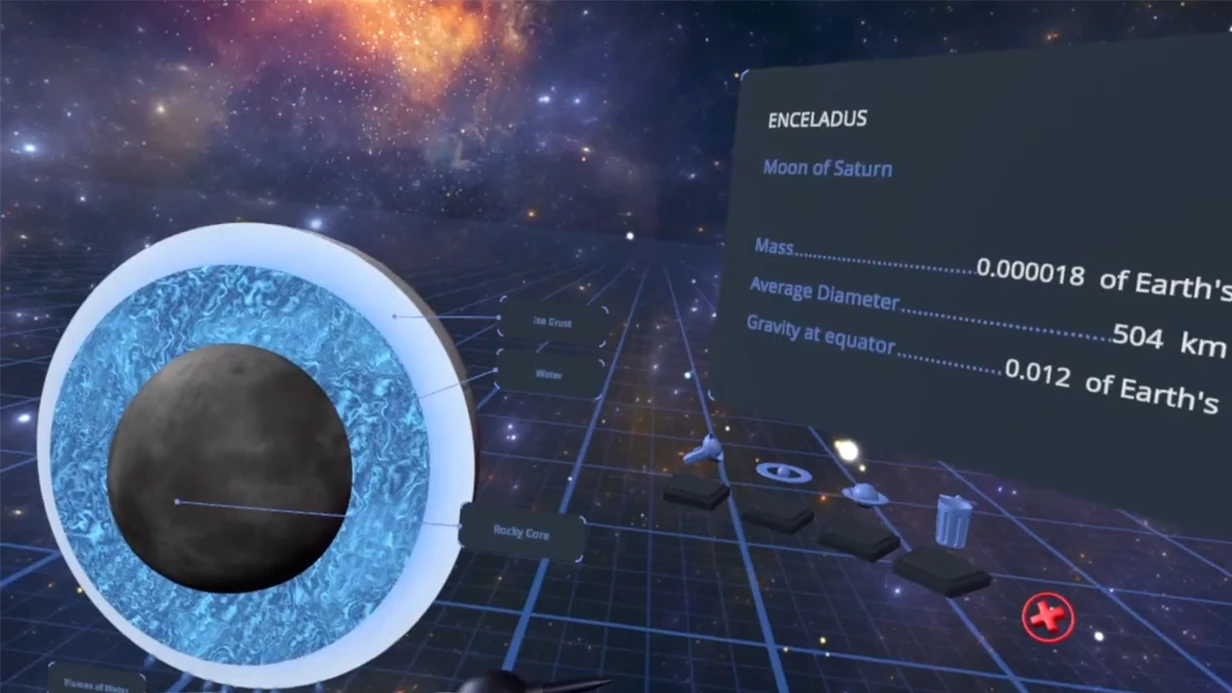
ב-VR, אדם שקוע לחלוטין במרחב ויכול "לסדר" פריטים, להחליף חומרים וצבעים, מבלי להיות מוסח על ידי הסביבה האמיתית. הפורמט הזה בלתי נשכח יותר ונותן יותר סיבות לשתף את החוויה עם עמיתים ובמדיה החברתית.
העצה המעשית ביותר היא לבסס את ההחלטה על שלושה קריטריונים: היכן הפתרון ישמש, בידיים של מי המכשיר יגיע, ואיזו תוצאה אתם מצפים ובאיזה לוח זמנים.
לשימוש המוני על ידי לקוחות, בחרו AR בסמארטפונים — זה לא דורש רכישות חומרה. לפעולות פנים באולם תצוגה, הדרכה, או מצגות פרימיום, לכו עם VR על משקפיים.
מציאות מעורבת משלבת את שני התרחישים ומכסה משימות שצריכות גם מעורבות וגם עיגון למרחב האמיתי.
אם אתם לא בטוחים, התחילו עם פרויקט פיילוט בקו מוצרים אחד ומדדו את ההמרה להזמנות. אנחנו נעזור לכם לבחור את הפורמט הנכון למשימה שלכם ונראה איך הפתרון ישתלם.
מה אם VR/AR לא מביא תוצאות?
כשהנושא של יישום VR/AR בייצור רהיטים עולה, למנהלים יש נטייה לאותם ספקות: האם זה לא מסובך מדי לעובדים? מה אם הפתרון לא משתלם? ומה עם תאימות לציוד שכבר קיים? החששות האלה מוצדקים — טעות בהתחלה עולה זמן ותקציב.
הניסיון שלנו עם חברות רהיטים מאפשר לנו לסגור את הסיכונים האלה לפני שהפיתוח אפילו מתחיל. אנחנו בודקים את התרחיש באתר פיילוט, מחשבים את האפקט הכלכלי, ומבטיחים את התוצאה.
תמיכה לאחר ההשקה והדרכת צוות כלולים בפרויקט — כך שהיישום מתרחש מבלי לעצור את הייצור.
העובדים שלנו לא יבינו VR/AR — האם הם יצטרכו הסבה?
לא. אנחנו מעצבים את הממשק סביב המשימות של בעלי המלאכה והמנהלים שלכם: פעולות מינימליות, רמזים ברורים. ההדרכה אורכת כמה שעות, ואנחנו עובדים לצד הצוות שלכם בימים הראשונים.
מה אם פרויקט יקר לא משתלם?
אנחנו לא מציעים טכנולוגיה מופשטת. ראשית, אנחנו מנתחים את התהליך שלכם: היכן VR/AR יאיץ אישורים, יפחית שגיאות, או יגדיל את המרת המכירות. לאחר מכן אנחנו מריצים פיילוט על משימה אחת ומראים תוצאה מדידה. רק אחרי זה אנחנו מרחיבים.
האם זה תואם לציוד ולתוכנה שלנו?
לפני ההתחלה, אנחנו מבצעים ביקורת על התשתית הטכנית שלכם ומשתמשים בציוד מקצועי שעובד עם רוב המערכות הקיימות. היכן שתאימות אינה אפשרית, אנחנו מציעים פתרון חלופי — מבלי לאבד איכות.
עדיין יש ספקות? נענה על כל אחד מהם בייעוץ — נעבור על התרחיש שלכם ונראה איך הטכנולוגיה תועיל לעסק הספציפי שלכם.בואו נדון בפרויקט ה-VR/AR שלכם ב-15 דקות
בתעשיית הרהיטים, לקוח בוחר קודם כל בעיניים: צבע, מרקם, פרופורציות, ואיך זה משתלב עם הפנים. אם הם לא יכולים "למקם" את הספה בחדר לפני הקנייה — הם דוחים את ההחלטה והולכים למתחרה.
אפליקציות VR/AR מסירות את הבעיה הזו, אבל כדי לקבל תוצאה מדידה, הפרויקט חייב להיות מתוכנן כראוי מההתחלה.
השאירו בקשה בעמוד זה — נחזור אליכם תוך יום עסקים אחד ונדון בפרויקט שלכם ב-15 דקות. ללא לחץ, ללא מצגות ארוכות, וללא פרטים טכניים: רק פרטים קונקרטיים על המשימה שלכם. מיד לאחר השיחה, תקבלו:
- הכוונה ליישום VR/AR בעסק הרהיטים: היכן הטכנולוגיה משתלמת הכי מהר — באולם תצוגה וירטואלי, קטלוג, או תערוכה.
- הערכת פרויקט ראשונית: היקף עבודה, לוחות זמנים, ועלות מחושבת לאחר ביקורת.
- המלצת פורמט: אולם תצוגה וירטואלי, קונפיגורטור, או מציאות רבודה באפליקציית מובייל.
- דוגמאות לפתרונות שנמסרו למפעלי רהיטים וחנויות קמעונאיות.
- תוכנית צעדים ראשונים: אילו חומרים נצטרך מכם ומתי נוכל להשיק את הפיילוט.
- הבנה ברורה של התוצאה לאחר היישום — צמיחה בהמרה, ערך הזמנה ממוצע, או ביקורים חוזרים בחנות.
ללא הבטחות מעורפלות. אנחנו עובדים מרחוק, ובמשך 10+ שנים, מסרנו פרויקטים לייצור וקמעונאות — כך שאנחנו מתחילים את השיחה לא עם סיפור על עצמנו אלא עם המשימה שלכם.
תוך 15 דקות, תראו את הדרך מרעיון לאפליקציה עובדת ותבינו כמה טוב זה משתלב בתוכניות שלכם.
השאירו בקשה — ובואו נדון איך VR/AR יחזק את עסק הרהיטים שלכם.