



מדוע תעשיית הייצור מבזבזת זמן ומשאבים על שיטות מיושנות
כל מפעל ייצור מפסיד כסף על דברים שאמורים לעבוד ללא תקלות: עובד חדש קורא שרטוט לא נכון, מפעיל מפספס שלב בהוראות, השקת קו ייצור חדש מתעכבת בשבוע.
ה"דברים הקטנים" האלה מצטברים לזמני השבתה של ציוד, פגמים והחמצת חוזים — במילים אחרות, הפסדים ישירים שניתן היה לצפות אותם ולמנוע אותם.
שיטות הדרכה ותכנון מיושנות מאלצות עובדים מנוסים להקדיש זמן מהמשימות שלהם כדי להדריך עובדים חדשים שוב ושוב באותן פעולות.
הידע חי בראשם של המנטורים, לא במערכת: כשמומחה מפתח עוזב, המפעל מאבד יכולות ונאלץ להשקיע משאבים בהכשרה מחדש מאפס. זהו מעגל קסמים של הפסדים שהולך ומתייקר מדי שנה.
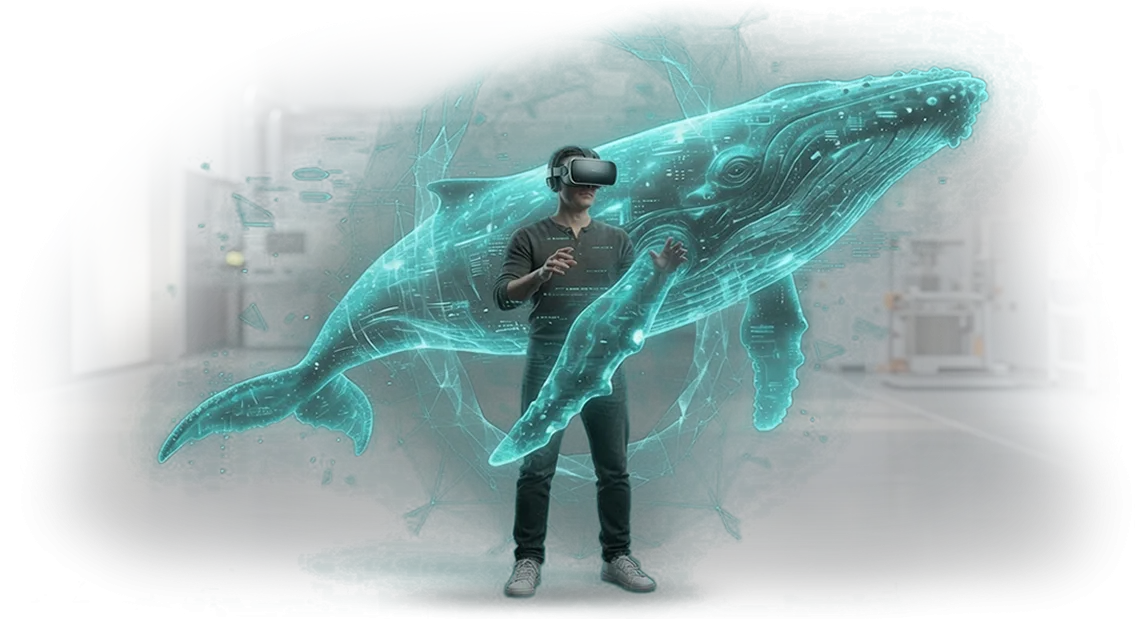
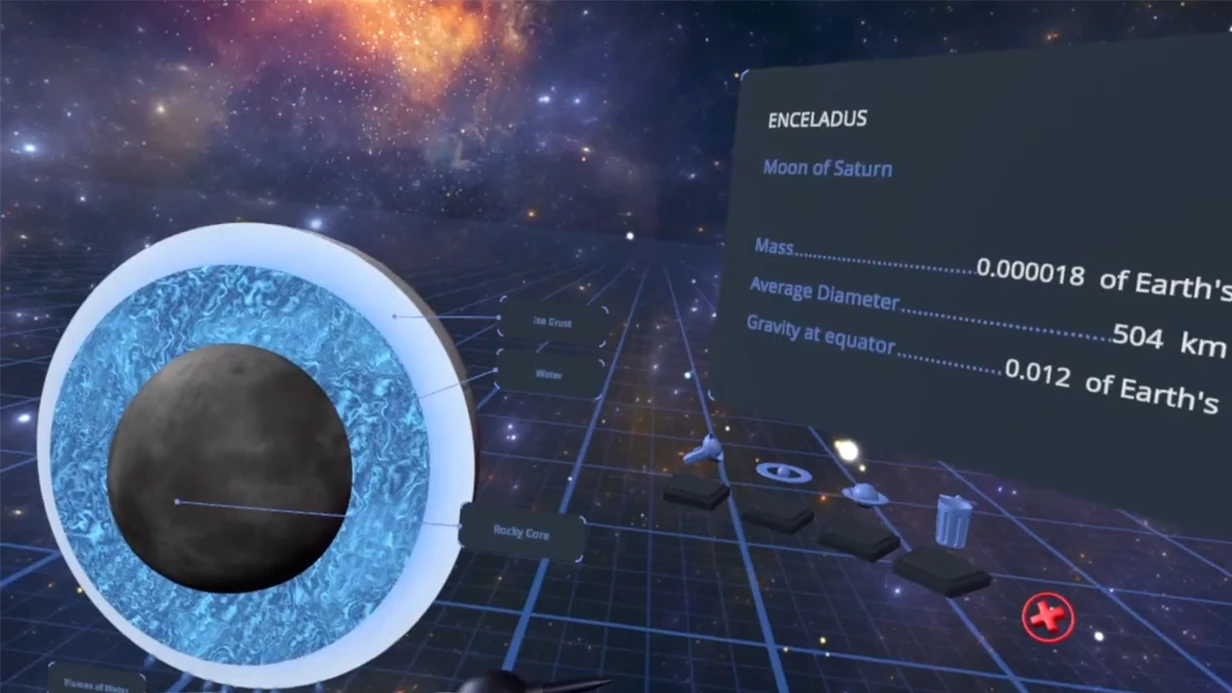
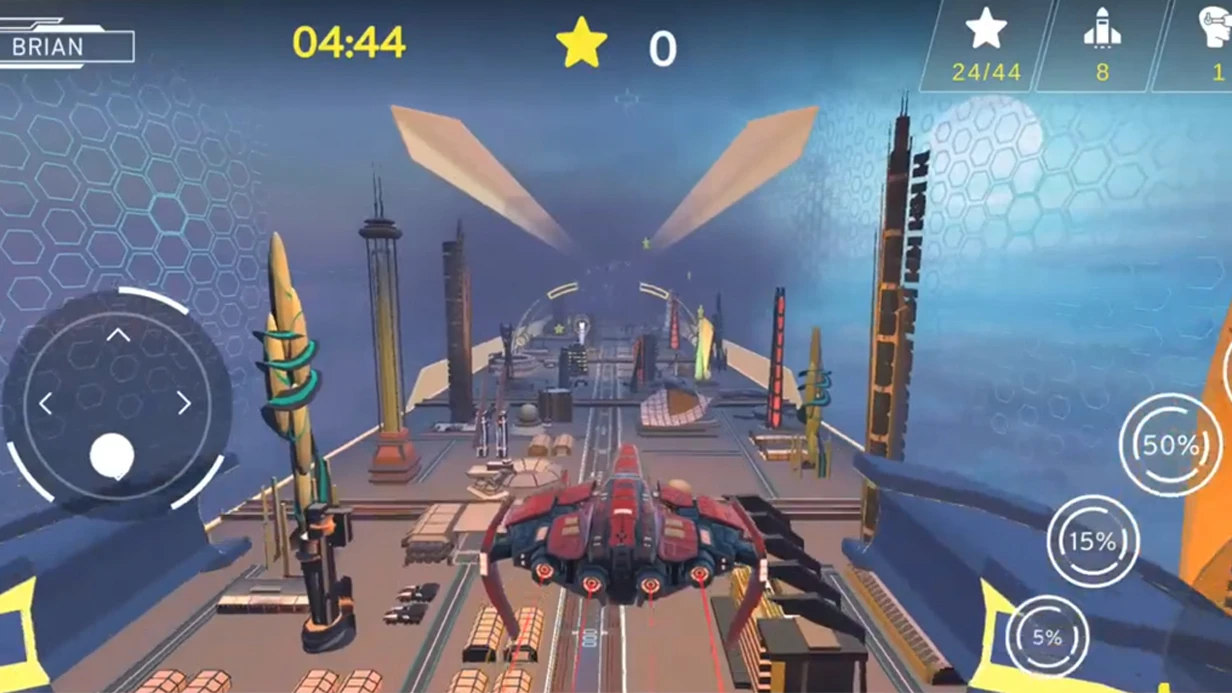
טכנולוגיות אימרסיביות שוברות את המעגל הזה. VR לייצור מאפשר לתרגל פעולה מורכבת לפני שדורכים על קו הייצור האמיתי — ללא סיכון לציוד או לחומרים.
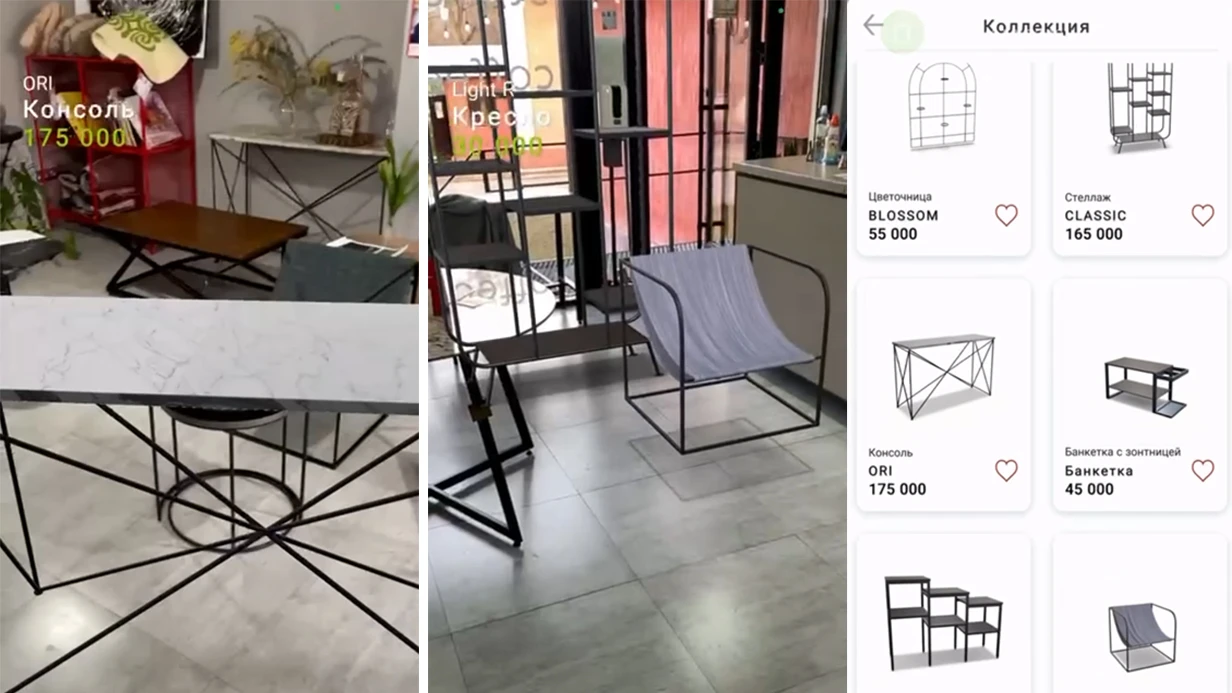
הדרכת עובדים עם AR מציגה הנחיות שלב-אחר-שלב ישירות על האובייקט שהעובד רואה, כך שגם עובד חדש פועל בביטחון מהימים הראשונים.
תכנון עם MR מאפשר למהנדסים לראות הרכבה, ארגונומיה ולוגיסטיקה לפני שנוצר אב טיפוס פיזי — כל השגיאות מתגלות בשלב הווירטואלי, לא על רצפת הייצור.
הטמעת טכנולוגיות אימרסיביות אינה ניסוי לשם הטכנולוגיה, אלא דרך מבוקרת להפחית עלויות ולהאיץ השקת מוצרים חדשים.
אנחנו מפתחים יישומים כאלה לצרכים של מחלקות ייצור וקווי ייצור ספציפיים כבר יותר מ-10 שנים. אנחנו עוזרים להעביר תהליכי הדרכה, תכנון ובקרה לסביבה דיגיטלית ללא צורך בארגון מחדש של כל תשתית ה-IT שלכם.
אילו יתרונות תקבלו מהטמעת טכנולוגיות אימרסיביות
הטמעת טכנולוגיות אימרסיביות בייצור אינה עניין של הייפ, אלא של מדדים measurable: מהירות קליטת עובדים חדשים, מספר השגיאות והיעילות הכוללת של המחלקות.
מנהלים שכבר משתמשים במציאות מעורבת זוכים לשליטה על תהליכים שבעבר היה קשה לשפר אותם.
הנה רשימת יתרונות שתקבלו עם פתרונות MR:
- הדרכה מהירה יותר — עובדים חדשים לומדים פעולות 30-50% מהר יותר כי ההוראות נמצאות מול העיניים שלהם, לא במדריך נייר.
- פחות שגיאות עובדים — הנחיות שלב-אחר-שלב בשדה הראייה מונעות דילוג על שלבים קריטיים ומצמצמות פגמים למינימום.
- מעורבות מוגברת — תרחישים אינטראקטיביים מחליפים הרצאות משעממות; עובדים מוכנים יותר להשלים הדרכות ופחות מתנגדים לתהליכים חדשים.
- ידע דיגיטלי — הניסיון של המומחים הטובים ביותר הופך להוראות דיגיטליות שאינן תלויות עוד בגורם אנושי.
אנחנו מיישמים פתרונות כאלה באתרי ייצור כבר יותר מ-10 שנים. אנחנו מתאימים הכל לתהליך שלכם — מהדרכה ועד בקרת תפעול — ותומכים בכם בכל שלב כדי שתקבלו בדיוק את היעילות שהתחילה את הכל.
פורמטי פיתוח: סימולטורים, הוראות, שכבת מודלי תלת-ממד
אותו אתגר ייצור ניתן לפתור עם כלים שונים, ובחירת הפורמט קובעת את התוצאה.
חלק צריכים להכשיר עובדים ללא סיכון לציוד, אחרים צריכים להאיץ הרכבה של יחידה מורכבת, ואחרים צריכים ויזואליזציה ברורה של איך חלק חדש ישתלב בקו קיים.
לכן, לפני שמתחילים, אנחנו מנתחים את המשימה ובוחרים פורמט שמספק את האפקט הנדרש ללא השקעות מיותרות.
להלן שלושת הפורמטים העיקריים שאנחנו מפתחים עבור יצרנים. הם מכסים 90% מהבקשות הטיפוסיות, מהדרכה ועד בקרת איכות.
| פורמט | למי | מה זה נותן ללקוח |
|---|---|---|
| סימולטור VR | למפעילים, מכווננים, צוותי תחזוקה | הדרכה בטוחה ללא עצירת ייצור, תרגול מצבים נדירים וחירום, הערכת מיומנויות אובייקטיבית |
| הוראת AR | להרכבה, צוות מחסן, מהנדסי שירות | הנחיות שלב-אחר-שלב ישירות על הציוד, פחות שגיאות, קליטה מהירה לעובדים חדשים |
| שכבת מודל תלת-ממד MR | למעצבים, מהנדסי תהליך, מחלקת המהנדס הראשי | בדיקה ויזואלית של תאימות רכיבים ותשתיות, התקנה וירטואלית לפני רכישת ציוד, הפחתת זמני השבתה |
הטבלה אינה מגבלה נוקשה אלא מסגרת. לעתים קרובות, התוצאה הטובה ביותר מגיעה משילוב: לדוגמה, עובד משלים תחילה הדרכת VR ולאחר מכן משתמש בהוראת AR על מכונה אמיתית.
אנחנו עוזרים לזהות אילו תרחישים יועילו לפעולת הייצור הספציפית שלכם ולתכנן פתרון שניתן להרחיב בקלות לאזורים חדשים.
כשאתם מזמינים פיתוח, אתם מקבלים לא רק "יישום" אלא כלי המשולב בתהליכי העבודה שלכם: הוא בשימוש בטאבלטים, טלפונים או משקפי מציאות רבודה — על המכשירים שכבר קיימים בארגון שלכם.
זה מאיץ את האימוץ ואינו דורש תשתית נפרדת. ואם צריך לשנות את הפורמט אחרי הפיילוט, אנחנו מתאימים את הפתרון למשימות חדשות.
שלבי פרויקט VR/AR לייצור
כל פרויקט פיתוח VR לייצור מתחיל בכאוס: נתונים מפוזרים על מחלקות, מכונות ופעולות שאינם יוצרים תמונה אחידה.
אנחנו הופכים את הכאוס הזה לתוכנית שלב-אחר-שלב שבה כל שלב ברור ומדיד — מהפגישה הראשונה ועד לרגע שבו עובד מרכיב משקפיים ועובד בסביבה החדשה.
התהליך מתוכנן כך שאתם שולטים בהתקדמות העבודה מבלי להיקלע לפרטים טכניים. להלן חמשת השלבים שפרויקט הטמעת AR ו-VR בייצור עובר.
-
התעמקות בתהליכים שלכם. אנחנו מבקרים באתר שלכם, לומדים פעולות טכנולוגיות, תקנות ומשימות. אנחנו מזהים אילו תרחישים (הדרכה, בקרת הרכבה, סיוע מרחוק) יניבו תוצאות מהירות. הפלט הוא מפרט טכני שגם המנהל וגם מנהל העבודה במחלקה מבינים.
-
תכנון פתרון. אנחנו קובעים את הפורמט: טבילה מלאה ב-VR לתרגול מיומנויות או הנחיות AR המוצגות על ציוד אמיתי. אנחנו מסכמים תרחישים, ממשק ולוגיקה — על הנייר, לפני כתיבת קוד.
-
יצירת הסביבה הדיגיטלית. אנחנו מפתחים מודלי תלת-ממד מפורטים של הרכיבים, המכלולים והחללים שלכם. במקביל, אנחנו מתכנתים את לוגיקת האינטראקציה — מלחיצת כפתור ועד תרחישי חירום. בשלב זה, הלקוח רואה את הגרסאות הראשונות ומתקן פרטים.
-
בדיקות וכיול. אנחנו בודקים תרחישים מול משימות אמיתיות: האם רצף הפעולות תואם את התקנות, האם נוצרות מצבים "חריגים". אנחנו מתקנים בעיות לפני ההשקה, לא אחרי שהעובדים מתחילים לעבוד.
-
השקה ותמיכה. אנחנו מאמנים מומחים מרכזיים ומפעילים ומוסרים הוראות. אחרי ההטמעה, אנחנו נשארים בקשר: מעדכנים תוכן, משכללים תרחישים למשימות חדשות ותומכים במערכת כדי שהייצור לעולם לא ייעצר.
התוצאה של התהליך היא כלי עבודה המשולב בפעולות שלכם. עובדים מתאמנים מהר יותר, עושים פחות טעויות, ואתם מקבלים מערכת ניתנת לניהול שמתפתחת עם הייצור. גלו איך זה עובד עבור המשימה שלכם — בקשו תוכנית פרויקט אישית.
מה כלול במסירה ובתמיכה של היישום
קבלת יישום מוגמר היא רק הצעד הראשון. מה שחשוב הוא שהפתרון יעבוד בצורה אמינה, שהעובדים יודעים如何使用 אותו, ושאתם יכולים לפתח את המוצר מבלי להיות תלויים במפתח ספציפי.
לכן המסירה כוללת חבילה מלאה המכסה את כל השלבים — מההשקה ועד לתמיכה שוטפת.
הנה מה שאתם מקבלים:
- יישום VR/AR/MR מוכן לשימוש — מותקן, מוגדר ונבדק על הציוד שלכם. אתם מקבלים כלי עבודה שניתן להשתמש בו מיד בתהליכי הייצור.
- קוד מקור וזכויותיו — הקוד עובר במלואו לבעלותכם. אתם לא תלויים בנו ויכולים לשכלל את הפתרון עם הצוות שלכם או למסור אותו לכל קבלן.
- תיעוד טכני — תיאור ברור של הארכיטקטורה, תרחישי העבודה והוראות תפעול והגדרה. המומחים שלכם יבינו את המערכת ללא עזרתנו.
- הדרכת עובדים — אנחנו מקיימים מפגשי הדרכה למנהלי מערכת ולמשתמשים: איך להפעיל את היישום, לעדכן תוכן ולתקן שגיאות טיפוסיות. בדרך כלל מספיקים מפגש אחד או שניים כדי שהצוות יעבוד באופן עצמאי.
- תמיכה בפתרון VR ו-AR — אנחנו כוללים תוכנית תמיכה: עדכונים, תיקוני באגים, ייעוץ בכל נושא. אתם תמיד יכולים לפנות אלינו — נתחבר במהירות.
- הרשאות גישה ואינטגרציות — אנחנו מגדירים גישה לצוות שלכם, מחברים את היישום למערכות הנהלת חשבונות ומבטיחים העברת נתונים בפורמט הנדרש.
- התחייבויות אחריות — אנחנו קובעים בחוזה זמני תגובה ופתרון תקלות. אתם יודעים שבמצב קריטי נתערב במהירות.
בסופו של דבר, אתם מקבלים לא רק תוכנה, אלא פתרון ארוז במלואו עם הדרכה ותמיכה. זה חוסך לכם זמן ומפחית סיכונים — היישום עובד, והעובדים שלכם משתמשים בו בביטחון.
מקרה בוחן: איך צמצמנו זמני השבתה במפעל עם AR
עבור מפעל בניית המכונות TechnoProm, פיתחנו הוראות AR עבור מכוונני ציוד. בעבר, כל מעבר ארך עד 45 דקות וכלל קריאה למהנדס וחיפוש תקנות נייר.
יתר על כן, במהלך משמרת, המכווננים ביצעו 6-8 פעולות כאלה — זמני השבתה של חצי שעה הצטברו לשעות, ושגיאות בהזמנת רכיבים עיכבו משלוחים.
הצענו פתרון פשוט: העובדים משתמשים בטאבלט עם מצלמה או סמארטפון, וכשהם מכוונים אותו למכונה, הם רואים הנחיות ישירות על הציוד האמיתי — איזה חלק להחליף, איזה כוח להפעיל, באיזה סדר להמשיך.
ללא שינוי קו: ההוראות שולבו בתהליכים הקיימים תוך שבועיים, והדרכת העובדים ארכה יום אחד.
| מדד | לפני ההטמעה | אחרי ההטמעה |
|---|---|---|
| זמן מעבר ממוצע | 45 דקות | 10 דקות |
| שגיאות הגדרה (לחודש) | 18 | 2 |
| זמן השבתת ציוד (שעות בחודש) | 32 | 6 |
ההשפעה הייתה מיידית: זמן ההתאמה ירד פי 4.5, ומספר השגיאות ירד ב-90%. זמן השבתת המכונות ירד פי חמישה — זה אפשר למלא יותר הזמנות ללא שעות נוספות, ופגמים ועבודות חוזרות כמעט נעלמו.
עבור הלקוח, העיקר לא היה הטכנולוגיה אלא היכולת לחזות: מנהל המחלקה יכול לראות מתי כל פעולה תסתיים ולתכנן משמרות ללא מרווח ביטחון להמתנה.
המקרה הסתיים בהרחבה: אחרי שלושה חודשי ניסיון, החברה הטמיעה AR בשלוש מחלקות נוספות וחיברה את המערכת למערכת ה-ERP שלה.
כעת כל ההוראות והדוחות על עבודה שבוצעה נכנסים אוטומטית למערכת הנהלת החשבונות, ועובדים חדשים מגיעים לקצב עבודה תקין ביום אחד במקום בשבועיים.
זהו מקרה שבו המציאות הרבודה החזירה את ההשקעה במחזור הייצור הראשון והפכה לדרך העבודה הסטנדרטית של הארגון.
איך לבחור את הפורמט המתאים למשימה שלכם?
בחירת פורמט היישום תלויה לא בטרנדים אלא במשימת הייצור הספציפית ובתנאים שבהם העובדים יעבדו.
מציאות מעורבת מאפשרת להציג את אותה פעולה בדרכים שונות: לפעמים אדם צריך טבילה מלאה בסביבה וירטואלית, לפעמים צריך להשלים תהליך אמיתי עם הנחיות דיגיטליות, ובמקרים מורכבים אפשר לשלב בין שתי הגישות.
מציאות וירטואלית מכסה משימות שבהן הדרכה בטוחה ללא סיכון לאנשים ולציוד היא חיונית. אם אתם צריכים לתרגל פעולות על מכונה יקרה, לדמות מצב חירום או לבצע הדרכות לפני מתן גישה לאתר — VR הוא הפורמט.
הוא מספק טבילה מלאה ומאפשר למתחיל לעשות טעות בסביבה בטוחה ולא על רצפת ייצור אמיתית.
מציאות רבודה פותרת משימות הקשורות לעבודה ישירה באתר. כשעובד צריך לראות דיאגרמת הרכבה, נקודות בקרה או רצף פעולות מול העיניים, AR מציגה אלמנטים דיגיטליים על ציוד אמיתי. זה מפחית שגיאות, מאיץ קליטה ואינו דורש עצירת ייצור לצורך הדרכה.
מציאות מעורבת היא הבחירה למשימות שבהן עבודה שיתופית עם אובייקטים וירטואליים במרחב אמיתי חשובה. לדוגמה, בדיקת פריסה של אזור חדש, מספר מומחים המקיימים אינטראקציה עם אב טיפוס דיגיטלי, או הגדרת ציוד מורכב עם תמיכת מומחה מרחוק. MR מאפשרת לראות איך שינוי ישפיע על התהליך לפני שהוא מיושם.
הקריטריון המרכזי בבחירה הוא מה בדיוק צריך להשתנות כתוצאה: הדרכה מהירה יותר, פחות פגמים, תהליך בטוח יותר או מצגת ברורה יותר.
אם תנסחו את המטרה, אנחנו נעזור לכם לבחור פורמט שמספק תוצאות מבלי לשלם יותר מדי על "עומק" מיותר של טבילה. תארו את המשימה שלכם — אנחנו נציע פתרון לתקציב ולתנאי העבודה שלכם.
שאלות נפוצות על הזמנת פיתוח VR/AR
לפני הזמנת יישום VR/AR, לקוחות שואלים לרוב על לוחות זמנים, תקציב ותאימות לחומרה. אנחנו עונים על השאלות האלה — ללא פרטים טכניים, רק מה שמשפיע על ההחלטה.
כמה זמן לוקח הפיתוח, ומתי נראה את התוצאה הראשונה?
לוח הזמנים הטיפוסי הוא 2 עד 4 חודשים, ואנחנו מציגים אב טיפוס עובד אחרי 2-3 שבועות. למשימות דחופות, אנחנו מרכיבים צוות מורחב ודוחסים את לוח הזמנים. תאריכים מדויקים נקבעים בחוזה עם שלבי קבלה.
כמה עולה להזמין יישום VR/AR?
אנחנו מחשבים את העלות על סמך התוצאה העסקית — מורכבות התרחיש, מספר תחנות העבודה והאינטגרציה עם מערכת הנהלת החשבונות.
לכן אנחנו לא מצטטים "מחיר מ-". שלחו לנו תיאור של המשימה שלכם — אנחנו נחשב את ההיקף ונראה מתי ההשקעה תחזיר את עצמה.
האם היישום תואם לציוד שלנו?
כן, ברוב המקרים. אנחנו בודקים את צי הציוד שלכם ובודקים מרחוק על התצורה שלכם — ללא עצירת ייצור. אם הציוד מיושן, אנחנו מתאימים את הממשק או מעדכנים סלקטיבית רק את מה שמשפיע על המשימה.
מי תומך ביישום אחרי ההשקה?
אחרי ההשקה יש תקופת אחריות: אנחנו מתקנים שגיאות ומבצעים שיפורים קלים. לאחר מכן אנחנו מוסיפים תוכנית פיתוח — נפח שעות חודשי לעדכון הוראות ויצירת תרחישים חדשים. זמן התגובה נקבע בחוזה, והתמיכה ניתנת מרחוק מכל עיר.
דונו במשימה שלכם וקבלו הערכת פרויקט
הערכת עלות פיתוח יישום MR לייצור היא משימה הדורשת הבנה של הפרטים הספציפיים של התהליך שלכם.
אנחנו מציעים ייעוץ אישי: אחרי בקשה קצרה, מומחה יפנה אליכם, יבהיר את הפרטים ויכין הערכת לוחות זמנים ותקציב.
המטרה שלנו היא לאפשר לכם לקבל החלטה עם מספרים ביד, לא בחלל ריק. לכן אנחנו לוקחים בחשבון את ההיקף, מספר המשתמשים, הציוד הנדרש והאינטגרציה עם מערכות קיימות. כתוצאה מכך, אתם מקבלים טווח עלות וזמן ריאלי — ללא תנאים נסתרים.
מה אתם מקבלים בפנייתכם אלינו:
- הערכת פרויקט ראשונית תוך כמה ימי עבודה;
- ייעוץ על יישום MR בייצור (הדרכה, בקרה, הרכבה);
- מבחר אפשרויות פתרון למשימות ולתקציב שלכם;
- הבנה של שלבי הפיתוח והצוות הנדרש;
- אב טיפוס או תרחיש שימוש אחרי תחילת העבודה;
- עלות ולוח זמנים קבועים אחרי אישור המפרט הטכני.
נכין לכם הערכה. חשוב לנו שתקבלו החלטה ברוגע: תדעו את לוחות הזמנים, תבינו ממה מורכבת המחיר ותראו איך MR משפרת את יעילות הייצור.
עכשיו זה הזמן הטוב ביותר לדון במשימה שלכם. השאירו בקשת VR בעמוד, ונחזור אליכם עם הערכת פרויקט ותשובות לשאלותיכם. הייעוץ אורך כחצי שעה, והתוצאה היא בהירות לגבי לוח הזמנים ועלות הפיתוח.